Glycoscience
Glycoscience is the study of carbohydrates and their derivatives, as well as the interactions and biological functions they participate in. This field of research is crucial for understanding a wide variety of biological processes, including cell recognition, signaling, immune response, and disease development. Glycoscience has important applications in biotechnology, medicine, and the development of new drugs and therapies. At CymitQuimica, we offer a wide selection of high-quality, high-purity products for glycoscience research. Our catalog includes monosaccharides, oligosaccharides, polysaccharides, glycoconjugates, and specific reagents, designed to support researchers in their studies on the structure, function, and applications of carbohydrates in biological systems. These resources are intended to facilitate scientific discoveries and practical applications in various areas of bioscience and medicine.
Subcategories of "Glycoscience"
- Aminosugars(108 products)
- Glyco-Related Antibodies(282 products)
- Glycolipids(46 products)
- Glycosaminoglycans (GAGs)(55 products)
- Glycosides(419 products)
- Monosaccharides(6,624 products)
- Oligosaccharides(3,682 products)
- Polysaccharides(503 products)
Found 11046 products of "Glycoscience"
Sort by
Purity (%)
0
100
|
0
|
50
|
90
|
95
|
100
3',4'-O-Carbonyl-6,6'-di-O-tert-butyldiphenylsilyl lactal
CAS:<p>3',4'-O-Carbonyl-6,6'-di-O-tert-butyldiphenylsilyl lactal is a synthetic oligosaccharide that has been modified with a click modification. It is comprised of 3 different monosaccharides, one saccharide, and one carbonyl group. This carbohydrate is synthesized from the natural sugar D-ribose, which is modified with an O-tert-butyldiphenylsilyl lactal. The synthesis begins with the addition of a methyl group to the sugar's primary hydroxyl group. Then the sugar is reacted with fluorine gas to form an ether bond between the sugar's primary hydroxyl and its secondary hydroxyl. The final step in the synthesis involves glycosylation of the terminal hydroxyl groups on each monosaccharide.</p>Formula:C45H54O10Si2Purity:Min. 95%Molecular weight:811.08 g/mol6-O-Benzyl-2,3-di-O-acetyl-methyl-a-D-glucopyranoside
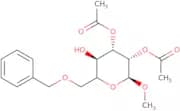
CAS:<p>6-O-Benzyl-2,3-di-O-acetyl-methyl-a-D-glucopyranoside is a high purity synthetic compound with a CAS number of 162284. It is a carbonyl sugar that has been modified with fluorination and methylation. The 6 position of the glucose monosaccharide has been acetylated to give an O6 benzyl group. This compound is used for glycosylation and click chemistry modifications.</p>Formula:C18H24O8Purity:Min. 95%Molecular weight:368.38 g/molTri-Lewis x-APE, HSA conjugate
<p>Tri-Lewis x-APE, HSA conjugate is a high purity, custom synthesized tri-Lewis x oligosaccharide with a Click modification. This product is used in the synthesis of glycosylated proteins and polysaccharides. It has been shown to have high purity and can be used for complex carbohydrate synthesis.</p>Purity:Min. 95%4-Nitrophenyl 2-acetamido-3,6-di-O-benzoyl-2-deoxy-b-D-glucopyranoside
CAS:<p>4-Nitrophenyl 2-acetamido-3,6-di-O-benzoyl-2-deoxy-b-D-glucopyranoside is a synthetic saccharide that can be used in the production of complex carbohydrates. This product has been modified with fluorination, methylation, and click modification. 4NP2AG is a monosaccharide that can be synthesized by modifying acetamido group with nitrophenol (4NP). It can also be used as an Oligosaccharide or Polysaccharide.</p>Formula:C28H26N2O10Purity:Min. 95%Molecular weight:550.51 g/molFenofibryl b-D-glucuronide
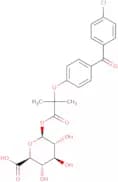
CAS:Fenofibryl b-D-glucuronide is a potential anticancer drug that has been shown to inhibit growth and induce apoptosis in human liver cancer cells. Fenofibryl b-D-glucuronide is also known to have the ability to react with covalent adducts, which may be due to its reactive nature. It is not currently known how this compound interacts with other drugs or how it affects body mass index in humans.Formula:C23H23ClO10Purity:Min. 95%Molecular weight:494.88 g/mola-D-Glucosyl hesperidin
CAS:<p>a-D-Glucosyl hesperidin is a water-soluble drug that has been shown to have antioxidant properties. It inhibits the activity of certain enzymes, such as phospholipase A2 and lipoxygenase, which are involved in inflammation. The compound has also been shown to inhibit cancer cells in vitro by inducing apoptosis and inhibiting cell proliferation. Glibenclamide, the active form of a-D-glucosyl hesperidin, is an orally active hypoglycemic agent used to treat diabetes mellitus type 2 and gestational diabetes. It works by stimulating insulin release from beta cells in the pancreas and promoting insulin sensitivity in peripheral tissues. This compound also inhibits annexin V binding to phosphatidylserine, which leads to apoptosis.</p>Formula:C34H44O20Purity:75%Color and Shape:Off-White To Yellow SolidMolecular weight:772.7 g/molNA2F N-Glycan
CAS:<p>NA2F N-Glycan is a custom synthesized, high purity and monosaccharide glycoprotein. NA2F N-Glycan has been fluorinated and methylated to produce NA2F N-Glycan. The product is a complex carbohydrate that is comprised of an oligosaccharide and polysaccharide. NA2F N-Glycan is synthesized from the sugar saccharide, which is a hexose made up of six carbon atoms that are bonded to each other in a ring.</p>Formula:C68H114N4O50Purity:Min. 85 Area-%Color and Shape:PowderMolecular weight:1,787.63 g/mol2,3:5,6-Di-O-isopropylidene-D-talonoic acid-1,4-lactone
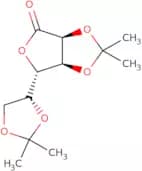
CAS:<p>2,3:5,6-Di-O-isopropylidene-D-talonoic acid-1,4-lactone is a glycosylation product of D-talonic acid. It is a synthetic compound that is fluorinated and methylated. 2,3:5,6-Di-O-isopropylidene-D-talonoic acid-1,4-lactone is soluble in water and has low toxicity. The structure of this compound is complex carbohydrate consisting of saccharide units linked by glycosidic bonds. It can be used to modify proteins or other biomolecules by click chemistry. This compound has CAS number 23262-80-8 and should be stored at -20°C.</p>Formula:C12H18O6Purity:Min. 95%Color and Shape:PowderMolecular weight:258.27 g/molTrehalose 6,6'-dimycolate
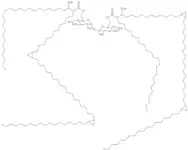
CAS:<p>Trehalose 6,6'-dimycolate (T6DM) is a trehalose analog with lipophilic side chain. T6DM causes apoptosis by blocking the toll-like receptor 4 (TLR4) and TLR2 pathways. T6DM has also been shown to reduce the inflammatory response caused by lipopolysaccharides (LPS), which are bacterial cell wall components. T6DM is a promising agent for the treatment of infectious diseases such as tuberculosis and other bacterial infections that cause inflammation.Isolated from microbial source: mycobacterium bovis</p>Color and Shape:White PowderMolecular weight:2642.48b-L-Rhamnopyranosyl nitromethane
CAS:<p>b-L-Rhamnopyranosyl nitromethane is a synthetic oligosaccharide that has been custom synthesized and modified with methyl groups. This compound is an important building block for the synthesis of complex carbohydrates and glycosides, as well as for the modification of saccharides. Click chemistry is used to modify this product, which employs copper(II) acetate and azide salts to form a single covalent bond between two molecules.</p>Formula:C7H13NO6Purity:Min. 95%Molecular weight:207.18 g/mol3,4,6-Tri-O-acetyl-2-azido-2-deoxy-a-D-galactopyranosyl bromide - stabilised with 2% CaCO3
CAS:<p>3,4,6-Tri-O-acetyl-2-azido-2-deoxy-a-D-galactopyranosyl bromide - stabilised with 2% CaCO3 is a complex carbohydrate that is synthesized from 3,4,6-tri-O-acetylgalactose and 2-(bromoethyl) azide. This modification has been used to produce an oligosaccharide for use in the synthesis of glycoproteins. The modification was also used in the synthesis of a polysaccharide that is used as a reagent for the methylation of saccharides.</p>Formula:C12H16BrN3O7Purity:Min. 95%Molecular weight:394.18 g/molCyclopropylmethylbeta-D-glucopyranoside
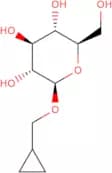
CAS:Cyclopropylmethylbeta-D-glucopyranoside is a custom synthesis of a fluorinated monosaccharide. It has been modified to include methyl groups at C3, C6 and C7 positions. The modification may lead to the loss of the glucose from the molecule, which can be replaced with other sugars such as mannose or galactose. Cyclopropylmethylbeta-D-glucopyranoside is an oligosaccharide that can be used in glycosylation reactions. This molecule also has saccharide units connected by glycosidic linkages, which are typically either alpha-linked or beta-linked.Formula:C10H18O6Purity:Min. 95%Molecular weight:234.25 g/mol3'3-a-L-Arabinofuranosyl-xylotetraose
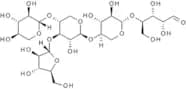
CAS:<p>3'3-a-L-Arabinofuranosyl-xylotetraose is a custom synthesis of an oligosaccharide. It is a polysaccharide that is modified by methylation, glycosylation and carbamoylation. This carbohydrate has been fluorinated at the 3'3 position. The monosaccharide composition of this molecule is erythrose, arabinose and xylose.</p>Formula:C25H42O21Purity:Min. 95 Area-%Color and Shape:White PowderMolecular weight:678.59 g/molβ-D-Ribopyranosyl amine
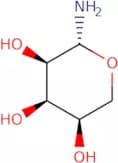
CAS:<p>b-D-Ribopyranosyl amine is a type of indoline that is derived from d-lyxose. It can be used to synthesize a variety of functionalized amines and derivatives. The stereospecificity of acetylated b-D-ribopyranosyl amine has been studied by spectroscopic methods. It has also been shown to have the ability to inhibit tyramine synthesis, which can lead to the development of Parkinson's disease.</p>Formula:C5H11NO4Purity:Min. 95%Color and Shape:PowderMolecular weight:149.15 g/molMoxifloxacin acyl D-glucuronide
<p>Moxifloxacin acyl D-glucuronide is a fluorinated, synthetic compound that inhibits bacterial growth by binding to the 16S ribosomal RNA. This drug has been shown to have a broad spectrum of activity against Gram-positive and Gram-negative bacteria. Moxifloxacin acyl D-glucuronide is not active against acid-fast bacteria such as Mycobacterium tuberculosis or Mycobacterium avium complex. The most common adverse effect associated with this drug is nausea.</p>Purity:Min. 95%Ivermectin b1 monosaccharide
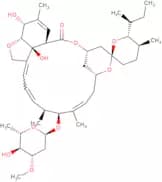
CAS:<p>Ivermectin is a derivative of avermectin that is used for the treatment of parasitic infections. Ivermectin b1 monosaccharide is an analog of the parent molecule, which lacks a carbon atom at position 1 and has a spiroketal group at position 2. It is known to be more potent than ivermectin in animal studies.</p>Formula:C41H62O11Purity:Min. 95%Color and Shape:PowderMolecular weight:730.92 g/molO-[2-Acetamido-4,6-O-benzylidene-2-deoxy-3-O-(2,3,4,6-tetra-O-acetyl-b-D-galactopyranosyl)-a-D-galactopyranosyl]-N-Fmoc-L-threonine allyl ester
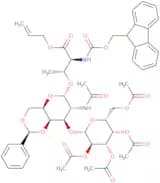
CAS:<p>O-[2-Acetamido-4,6-O-benzylidene-2-deoxy-3-O-(2,3,4,6-tetra-O-acetyl-b-D-galactopyranosyl)-a-D-galactopyranosyl]-N -Fmoc--L--threonine allyl ester is a carbohydrate that can be custom synthesized. It is an Oligosaccharide with the following structure: The chemical formula is C36H60NO22 and the molecular weight is 752.8 g/mol. It has a CAS number of 384346–85–4 and it's Chemical Abstract Service (CAS) name is O-[2-(acetamido)-4,6-[O-(2,3,4,6 tetra‑O‑acetyl‑β‑D‑galactopyranosyl)‑α‑</p>Formula:C51H58N2O19Purity:Min. 95%Molecular weight:1,003.01 g/molHesperetin 3'-O-beta-D-glucuronide
CAS:<p>Hesperetin 3'-O-beta-D-glucuronide is a glycosylate that is obtained by the glycosylation of hesperidin. Hesperetin 3'-O-beta-D-glucuronide is a sugar with a glycosylation site at the C3 position of the aglycone. It has shown to be an efficient inhibitor of Triglyceride Synthetase, which reduces triglycerides in the body. Hesperetin 3'-O-beta-D-glucuronide also has been shown to inhibit insulin release and increase insulin sensitivity in vitro.</p>Formula:C22H22O12Purity:Min. 95%Molecular weight:478.4 g/molGalNAc-b-1-4-Gal-b-1-4-Glc-b-ethylazide
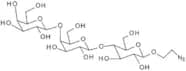
GalNAc-b-1-4-Gal-b-1-4-Glc-b-ethylazide is a custom synthesis, modification, and fluorination of a monosaccharide. It is a polysaccharide that has been synthesized using the click chemistry modification. The CAS number for GalNAc-b-1-4-Gal-b-1-4-Glc-b is 203359. GalNAc is an oligosaccharide that contains one or more sugars linked together by glycosyl bonds. This carbohydrate is made up of galactose and N acetylgalactosamine as its two monomers. The complex carbohydrate can be found in natural sources such as milk, egg white, and soybeans.Purity:Min. 95%N,N'-Diacetyl-3,6,3',4',6'-penta-O-acetyl-1-chlorochitobioside
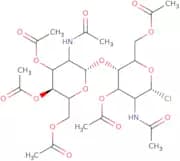
CAS:<p>N,N'-Diacetyl-3,6,3',4',6'-penta-O-acetyl-1-chlorochitobioside is a galactosyltransferase inhibitor. It prevents the enzymatic transfer of a sugar group from UDP-galactose to an acceptor molecule by binding to the enzyme. N,N'-Diacetyl-3,6,3',4',6'-penta-O-acetyl-1-chlorochitobioside inhibits the enzymatic galactosylation of glycoproteins in cells and has been shown to be effective against bacterial strains resistant to other antibiotics. This drug is also chemoenzymatically synthesized using enzymes and chemical reagents.</p>Formula:C26H37ClN2O15Purity:Min. 95%Molecular weight:653.03 g/mol2,4:3,5-Di-O-benzylidene-aldehydo-D-ribose hydrate
CAS:<p>2,4:3,5-Di-O-benzylidene-aldehydo-D-ribose hydrate is a complex carbohydrate that contains a glycosylation site. The CAS number for this product is 32580-00-0. This product can be modified by methylation, fluorination, and saccharide modification. It is also available in custom synthesis or high purity.</p>Formula:C19H18O5·H2OPurity:Min. 95%Molecular weight:344.36 g/mol1,4-b-D-Cellotetraitol
CAS:<p>Cellotetraitol is a carbohydrate that has been isolated from the fungus Penicillium. It is a white crystalline solid that can be synthesized by hydrolyzing cellulose to cellobiose and then heating this sugar with acetic anhydride in the presence of sodium hydroxide. Cellotetraitol has two isomers, one of which is more active than the other. The most active form of cellotetraitol can be obtained as a crystalline solid at room temperature and has an optimal pH of 5. Cellotetraitol can be used for the synthesis of polyacrylamide gels, which are used to separate carbohydrates according to their size and charge.</p>Formula:C24H44O21Purity:Min. 95%Molecular weight:668.59 g/mol2,4,7,8,9-Penta-O-acetyl-N-acetylneuraminic acid methyl ester
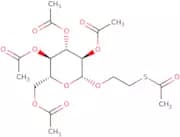
CAS:<p>2,4,7,8,9-Penta-O-acetyl-N-acetylneuraminic acid methyl ester (2,4,7,8,9-PNT) is a fluorescent analogue of sialic acid. It is a sensor for the presence of glycopyranoses and its derivative 2-(3'-hydroxyphenyl)-2H-benzotriazole (HPBT) has been used to detect carboxylic groups in proteins. 2,4,7,8,9-PNT has also been used as an affinity label for lysine residues on proteins and to study protein interactions with carbohydrates. The high yield in this synthesis allows for the use of techniques such as crystallography or fluorescence.</p>Formula:C22H31NO14Purity:Min. 95%Color and Shape:PowderMolecular weight:533.48 g/mol2-(Acetylthio)ethyl 2,3,4,6-tetra-O-acetyl-b-D-glucopyranoside
CAS:<p>2-(Acetylthio)ethyl 2,3,4,6-tetra-O-acetyl-b-D-glucopyranoside is an organic compound that belongs to the group of glycosylation. It is a synthetic sugar that can be used in the production of oligosaccharides and polysaccharides. This product has been modified with fluorination, methylation, acetylation and click chemistry. The CAS number for this product is 34044-34-3.</p>Formula:C18H26O11SPurity:Min. 95%Molecular weight:450.46 g/molGlucose pentasulfate potassium
CAS:<p>Glucose pentasulfate potassium is a synthetic, fluorinated sugar that can be used as a building block for the synthesis of glycoconjugates. It is also used in the modification of saccharides and oligosaccharides, and in click chemistry to produce complex carbohydrates. Glucose pentasulfate potassium is soluble in water, which makes it suitable for use in chemical reactions. The compound has been assigned CAS number 359435-44-2.</p>Formula:C6H7K5O21S5Purity:Min. 95%Color and Shape:PowderMolecular weight:770.92 g/mol3,6-Anhydro-D-galactose dimethylacetal
CAS:<p>3,6-Anhydro-D-galactose dimethylacetal is a glycosylation intermediate that has been modified for use in synthetic chemistry. It can be used to synthesize complex carbohydrates, polysaccharides, or oligosaccharides. The product is custom-synthesized and available in high purity.</p>Formula:C8H16O6Purity:Min. 95%Molecular weight:208.21 g/molEthyl b-D-ribo-hex-3-ulopyranoside
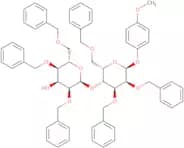
CAS:<p>Ethyl b-D-ribo-hex-3-ulopyranoside is a synthetic, fluorinated monosaccharide that is used as a building block for the synthesis of complex carbohydrates. It is also used in glycosylations, click modifications, and methylations to modify saccharides.</p>Purity:Min. 95%4-Methoxyphenyl 4-O-(2,4,6-tri-O-benzyl-b-D-galactopyranosyl)-2,3,6-tri-O-benzyl-b-D-glucopyranoside
CAS:<p>4-Methoxyphenyl 4-O-(2,4,6-tri-O-benzyl-b-D-galactopyranosyl)-2,3,6-tri-O-benzyl-b-D-glucopyranoside is a suppressor of genes that has been shown to be active in the treatment of leukemia. It suppresses transcription by inhibiting histone H3 acetylation and DNA replication by binding to the dna replication complex at sites of replication. The suppression of genes may be due to its ability to inhibit translation by blocking signal sequences and hybridization with complementary mRNA.</p>Formula:C61H64O12Purity:Min. 95%Molecular weight:989.15 g/mol2-Deoxy-3,4,6-tri-O-pivaloyl-D-glucopyranosyl azide
CAS:<p>2-Deoxy-3,4,6-tri-O-pivaloyl-D-glucopyranosyl azide is a drug that regulates the blood pressure. It is an oral hypoglycaemic agent that has been shown to lower blood sugar levels in patients with type 2 diabetes mellitus. The drug is metabolized in the liver by cytochrome p450 enzymes and can cause interactions with drugs such as lisinopril, which are metabolized by these enzymes. 2DGPA has been shown to be effective at lowering blood pressure in a low-dose group of patients with essential hypertension. The signal peptide sequence was detected in the protein sequencing of a biological sample from rats treated with 2DGPA. This drug also reduces natriuretic peptide levels and has a rate constant of 4s−1M−1s−1.</p>Formula:C21H35N3O7Purity:Min. 95%Molecular weight:441.53 g/molO-(2-Acetamido-3,4,6-tri-O-acetyl-D-glucopyranosylidene)amino N-phenyl carbamate
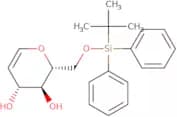
CAS:<p>O-(2-Acetamido-3,4,6-tri-O-acetyl-D-glucopyranosylidene)amino N-phenyl carbamate (3,4,6-OAAC) is a custom synthesis that can be modified with fluorination and methylation. 3,4,6OAAC is an oligosaccharide that contains a saccharide with glycosylation. The saccharides in the oligosaccharide are polysaccharides and complex carbohydrates.</p>Formula:C21H25N3O10Purity:Min. 95%Molecular weight:479.44 g/mol6-O-tert-Butyldiphenylsilyl-D-glucal
CAS:<p>6-O-tert-Butyldiphenylsilyl-D-glucal is a methylated sugar that can be used for glycosylation. It is an important building block for the synthesis of oligosaccharides and polysaccharides. The compound is readily available in high purity, which makes it suitable for synthesis of complex carbohydrates. In addition to its use as a synthetic reagent, 6-O-tert-Butyldiphenylsilyl-D-glucal can be used as a fluorinating agent. This product is listed as CAS No. 87316-22-1 in the Chemical Abstract Service (CAS) registry.</p>Purity:Min. 95%2-O-(3,4,6-Tri-O-acetyl-2-deoxy-2-N-phthalimido-b-D-glucopyranosyl)-3-O-benzyl-4,6-benzylidene-D-mannopyranose
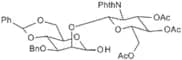
2-O-(3,4,6-Tri-O-acetyl-2-deoxy-2-N-phthalimido-b-D-glucopyranosyl)-3-O-benzyl-4,6-benzylidene -D -mannopyranose is a custom synthesis. It is a complex carbohydrate that has been modified with methylation and glycosylation. The saccharide in this compound is an oligosaccharide that has undergone fluorination and click chemistry. This product is of high purity and offers a range of useful applications.Formula:C40H41NO15Purity:Min. 95%Molecular weight:775.75 g/mol1,2,3,6-Tetra-O-galloylglucose
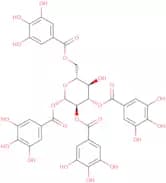
CAS:1,2,3,6-Tetra-O-galloylglucose is a biologically active compound that has been shown to have inhibitory effects on influenza virus and human pathogenic bacteria. It has also been shown to have anticomplementary activity and anti-infective properties against human pathogens. This molecule also exhibits anion radical scavenging activities and can be utilized as a natural antioxidant in food products. The ellagitannins found in this molecule are responsible for its antioxidant properties. 1) 6-Fluoro-3-indoxyl-beta-D-galactopyranoside (Rifapentine) Rifapentine is an antituberculosis drug that belongs to the class of rifamycins. It is the most active of the rifamycins for the treatment of tuberculosis. Rifapentine inhibits bacterial growth by binding to DNA-dependent RNA polymerase, thereby preventingFormula:C34H28O22Purity:Min. 95%Molecular weight:788.57 g/molT-Antigen-APE-HSA
<p>T-Antigen-APE-HSA is a custom synthesis, modification, and fluorination of T-antigen. This product has been synthesized by methylation and monosaccharide synthesis. It also contains a saccharide that is glycosylated or modified with polysaccharides. This product is made up of complex carbohydrates that are composed of oligosaccharides and sugar chains.</p>Purity:Min. 95%Glycosaminoglycan related oligosaccharides
<p>Glycosaminoglycan related oligosaccharides are a family of complex carbohydrates that are found in the extracellular matrix. They consist of a monosaccharide, methylation, and glycosylation. Glycosaminoglycan related oligosaccharides have been shown to be effective in modifying cells, as well as in inhibiting bacterial growth. The fluorination of glycosaminoglycan related oligosaccharides has been shown to increase the stability and inhibit bacterial growth.</p>Purity:Min. 95%(3S)-3-Hydroxy-L-aspartic acid
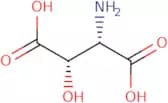
CAS:<p>3-hydroxy-L-aspartic acid is a non-protein amino acid that is found in mammalian tissue and has been shown to have structural and functional similarities to glutamate. It is involved in the metabolism of energy, such as the synthesis of fatty acids and epidermal growth factor. 3-Hydroxy-L-aspartic acid also binds to calcium ions, which may be due to its carboxylate group. This compound does not have a disulfide bond, unlike many other amino acids.<br>3S)-3-Hydroxy-L-aspartic acid can be used as a monoclonal antibody for the detection of pseudobactin, an antibiotic secreted by Pseudomonas bacteria that inhibits protein synthesis in eukaryotes.</p>Formula:C4H7NO5Purity:Min. 95%Molecular weight:149.1 g/molRamipril acyl-b-D-glucuronide
CAS:<p>Ramipril acyl-b-D-glucuronide is a glycosylated prodrug that is the active form of ramipril, an ACE inhibitor. It is metabolized in the liver to ramipril and excreted in the urine. Ramipril acyl-b-D-glucuronide has been shown to have an increased bioavailability and a longer half-life than ramipril due to its glycosylation. The synthesis of this drug has been modified by methylation, fluorination, and saccharide modification. This compound is also available as a custom synthesis for research purposes with high purity.</p>Formula:C29H40N2O11Purity:Min. 95%Molecular weight:592.63 g/mol3,6-Di-O-tert-butyldimethylsilyl-D-glucal
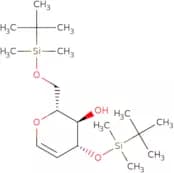
CAS:3,6-Di-O-tert-butyldimethylsilyl-D-glucal is a stereoselective synthetic compound that can be used as a glycosyl donor in the synthesis of glycosides. It is an intermediate in the synthesis of uridine, which is an important component of nucleic acids. 3,6-Di-O-tert-butyldimethylsilyl-D-glucal has been shown to inhibit the action of glycogen synthase and amylo-(1→4)-α-(1→2)-glycosidases. This inhibition prevents the breakdown of glycogen, which leads to a build up of glucose in the body and produces insulin resistance.Purity:Min. 95%(2-Pirydyl) 2,3,4,6-tetra-O-acetyl-1-deoxy-a-D-manno-1-C-pyranoside
<p>2-Pyridyl-2,3,4,6-tetra-O-acetyl-1-deoxy-a-D-manno-1Cpyranoside is a glycosylated pyranoside that can be used as a building block to synthesize complex carbohydrate. It has been modified with fluorination and acetylation. The purity of this compound is greater than 98% and it is available for custom synthesis.</p>Purity:Min. 95%Molecular weight:409.39 g/molPhenyl 2-O-benzyl-4,6-O-benzylidene-a-D-thiomannopyranoside
<p>Phenyl 2-O-benzyl-4,6-O-benzylidene-a-D-thiomannopyranoside is a synthetic glycoside with the chemical formula C20H24N2O5. This compound is a fluorinated thioglycoside that has been used in the synthesis of complex carbohydrates. The monosaccharide is synthesized from phenol and benzaldehyde via an aldol reaction, followed by a Claisen condensation. Phenyl 2-O-benzyl-4,6-O-benzylidene-a-D-thiomannopyranoside can be modified to create polysaccharides using methylation or click chemistry on the benzyl ethers.</p>Formula:C26H26O5SPurity:Min. 95%Molecular weight:450.55 g/molTarenflurbil-acyl-b-D-glucuronide
CAS:<p>Tarenflurbil-acyl-b-D-glucuronide is a custom synthesis that is a synthetic, high purity compound. This compound is an Oligosaccharide which is a complex carbohydrate that consists of two or more simple sugars linked together in a chain. It is synthesized by modifying the saccharide with Methylation and Glycosylation, Carbohydrates are polymers of sugar molecules. Tarenflurbil-acyl-b-D-glucuronide has been modified with Fluorination and Click chemistry to create an acylated derivative.</p>Formula:C21H21F1O8Purity:Min. 95%Molecular weight:420.39 g/mol2'-Fucosyllactose-APD-BSA
2'-Fucosyllactose-APD-BSA is a high purity, custom synthesis, glycosylation, polysaccharide that is Click modified and methylated. 2'-Fucosyllactose-APD-BSA is a complex carbohydrate with a CAS number of 6440-85-3. This product is synthesized from the monosaccharide 2'-fucosyllactose and the oligosaccharide, APD. It has been shown to inhibit bacterial growth and supports the immune system by promoting antibody production after antigen stimulation. The fucose sugars on this product are linked to the phosphate backbone through an amide bond. This product can be used in glycoprotein research, molecular biology work, or as an adjuvant for vaccine formulation.Purity:Min. 95%Color and Shape:White PowderLacto-N-difucohexaose I-BSA
<p>Lacto-N-difucohexaose I-BSA is a high purity, custom synthesis sugar that is fluorinated, glycosylated, and methylated. It has been modified to be an oligosaccharide or monosaccharide with saccharides. Lacto-N-difucohexaose I-BSA is a complex carbohydrate that is made up of several different sugars. This product can be used for many purposes such as Click modification and Fluorination.</p>Purity:Min. 95%Color and Shape:Powder2N-Fmoc-4N-(2,3,4,6-tetra-O-acetyl-b-D-galactopyranosyl)-L-asparagine
CAS:<p>2N-Fmoc-4N-(2,3,4,6-tetra-O-acetyl-b-D-galactopyranosyl)-L-asparagine is a fluorinated carbohydrate that has been synthesized and modified. It can be used in glycosylation reactions to produce oligosaccharides or polysaccharides. This compound is also useful in click chemistry since it can be methylated and undergo other chemical modifications. 2N-Fmoc-4N-(2,3,4,6-tetra-O-acetyl-b-Dgalactopyranosyl)-L asparagine is a white powder with a CAS number of 46746578.</p>Formula:C33H36N2O14Purity:Min. 95%Molecular weight:684.66 g/molMethyl 2,3,4-tri-O-benzyl-D-galactopyranoside
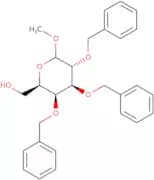
CAS:<p>Methyl 2,3,4-tri-O-benzyl-D-galactopyranoside is an Oligosaccharide that contains three benzyl groups. It is a custom synthesis and can be modified to create complex carbohydrates. Methyl 2,3,4-tri-O-benzyl-D-galactopyranoside has been synthesized by the click modification of galactose with triacetoxybenzene. This compound has been shown to have antiinflammatory activity in vitro.</p>Formula:C28H32O6Purity:Min. 95%Molecular weight:464.56 g/molMethyl 3,4-O-isopropylidene-6-O-trityl-a-D-galactopyranoside
CAS:<p>Methyl 3,4-O-isopropylidene-6-O-trityl-a-D-galactopyranoside is a synthetic, high purity carbohydrate. It is an oligosaccharide that has been modified with fluorination and methylation. Methyl 3,4-O-isopropylidene-6-O-tritylgalactopyranoside is used for the synthesis of glycosides and oligosaccharides.</p>Formula:C29H32O6Purity:Min. 95%Molecular weight:476.57 g/mol5-Azido-5-deoxy-L-altrofuranose
<p>5-Azido-5-deoxy-L-altrofuranose is a synthetic, fluorinated monosaccharide. It is a modification of the sugar molecule with the addition of a methyl group at the 5th carbon in the furanose ring. The complex carbohydrate is synthesized by glycosylation and polysaccharide synthesis. It can be used for click chemistry modifications to other molecules.</p>Formula:C6H11N3O5Purity:Min. 95%Molecular weight:205.17 g/mol2-Acetamido-2-deoxy-1,4,6-tri-O-acetyl-3-O-(2,3,4-tri-O-acetyl-a-L-fucopyranosyl)-D-glucopyranose
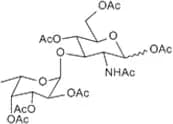
CAS:<p>The chemical name of this product is 2-Acetamido-2-deoxy-1,4,6-tri-O-acetyl-3-O-(2,3,4-tri-O-acetyl-a-L-fucopyranosyl)-D--glucopyranose. This product is a synthetic carbohydrate that has been custom synthesized and modified. It is a complex carbohydrate with an acetamido group on the nonreducing end and an acetylated sugar moiety on the reducing end. This product can be used in methylation or glycosylation processes. The CAS number for this product is 309263-13--6 and it has a molecular weight of 569.</p>Formula:C26H37NO16Purity:Min. 95%Molecular weight:619.57 g/molMethyl 2-acetamido-2-deoxy-4,6-(4-methoxybenzylidene)-a-D-galactopyranoside
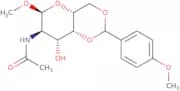
CAS:<p>Methyl 2-acetamido-2-deoxy-4,6-(4-methoxybenzylidene)-a-D-galactopyranoside is a fluorinated sugar that is synthesized from the monosaccharide D-galactose. This sugar is available for custom synthesis in order to meet clients' needs. It can also be modified by glycosylation, methylation, and click chemistry. Methyl 2-acetamido-2-deoxy-4,6-(4-methoxybenzylidene)-a-D-galactopyranoside is a white powder with a molecular weight of 594.26. It has been shown to inhibit the growth of Mycobacterium tuberculosis and Mycobacterium avium complex in culture.</p>Formula:C17H23NO7Purity:Min. 95%Molecular weight:353.37 g/mol5,7-Bis-(benzyloxy)-a-(4-(benzyloxy)phenyl)-3-[3,4-di-O-acetyl-a-O-acetyl-a-L-rhamnopyranosyloxyl]-4H-chromen-4-one
CAS:<p>This product is a custom synthesis. This product is a methylation, click modification, and oligosaccharide. This product is a polysaccharide and saccharide. This product is fluorinated and complex carbohydrate. This product is high purity with modification. This product has monosaccharides and sugar. This product is synthetic and CAS No. 849938-27-8.</p>Formula:C53H48O12Purity:Min. 95%Molecular weight:876.94 g/molD-Mannose-2-13C
CAS:<p>D-Mannose-2-13C is an analog of D-mannose, a simple sugar found in fruits and vegetables. This compound has been shown to inhibit elastase activity, which is involved in the development and progression of cancer. Studies have demonstrated that D-Mannose-2-13C induces apoptosis in human cancer cells, suggesting its potential use as an anti-tumor agent. Additionally, D-Mannose-2-13C has been shown to enhance the effects of other inhibitors such as dapoxetine, β-glucan, Chinese herb wogonin, and kinase inhibitors. This compound is also used as a tracer for urine metabolism studies due to its stable isotopic labeling with carbon-13.</p>Formula:C6H12O6Purity:Min. 95%Molecular weight:181.15 g/mol3,7,7a-Triepicasuarine
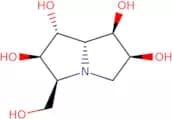
CAS:<p>3,7,7a-Triepicasuarine is a synthetic compound that belongs to the group of polysaccharides. It can be used as a fluorinated reagent for the synthesis of complex carbohydrates and sugar molecules. 3,7,7a-Triepicasuarine is one of the most widely applied reagents in organic synthesis because it can be easily modified with various functional groups. This product has been shown to have high purity and may be used as an additive in other products.</p>Formula:C8H15NO5Purity:Min. 95%Molecular weight:205.21 g/mol1,2,3-Tri-O-benzyl-4,6-O-benzylidene-b-D-glucopyranoside
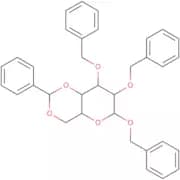
CAS:<p>1,2,3-Tri-O-benzyl-4,6-O-benzylidene-b-D-glucopyranoside is a triol with an O benzyl group on C1. It is a synthetic modification of the sugar glucose and has been used as a building block for the synthesis of glycosides and oligosaccharides. 1,2,3-Tri-O-benzyl-4,6-O-benzylideneb -D -glucopyranoside can be used in methylation reactions to produce saccharides with methyl groups at positions that are not normally present. <br>This product is highly pure and can be used in Click chemistry reactions to modify oligosaccharides. This product does not have an CAS number listed.</p>Formula:C34H34O6Purity:Min. 95%Molecular weight:538.63 g/molO-(2-Azido-4,6-O-benzylidene-2-deoxy-a-D-galactopyranosyl)-N-[(9H-fluoren-9-ylmethoxy)carbonyl]-L-threonine tert-Butyl Ester
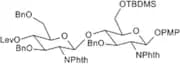
CAS:The compound is an O-linked glycosylation site-specifically modified oligosaccharide. The modification is a methylation of the hydroxyl group on the 2-position of the sugar moiety. The carbohydrate is a polysaccharide that has been fluorinated at one or more positions. It has CAS No. 195976-07-9 and was synthesized by glycosylation and methylation of L-threonine tert-butyl ester with D-galactopyranosyl chloride in presence of 4,6-O-(2,3,4,6-tetraisopropoxybenzoyl)-D-galactopyranosyl chloride (TIPB) and sodium hydrogen carbonate (NaHCO).Formula:C36H40N4O9Purity:Min. 95%Molecular weight:672.72 g/mol4-Methoxyphenyl 4-O-(3,6-di-O-benzyl-2-deoxy-4-O-levulinoyl-2-phthalimido-b-D-glucopyranosyl)-3-O-benzyl-6-O-tert-butyldimethylsilyl -2-deoxy-2-phthalimido-b-D-glucopyranoside
<p>4-Methoxyphenyl 4-O-(3,6-di-O-benzyl-2-deoxy-4-O-levulinoyl-2-phthalimido-b-D-glucopyranosyl)-3,6,3'-tri O -benzylidene -2,4′-(1,3,5) triazine -6,7′-[1,3]dioxane</p>Formula:C67H72N2O16SiPurity:Min. 95%Molecular weight:1,189.38 g/molD-Lyxose-1-C-D
CAS:<p>Please enquire for more information about D-Lyxose-1-C-D including the price, delivery time and more detailed product information at the technical inquiry form on this page</p>Formula:C5H10O5Purity:Min. 95%Molecular weight:151.14 g/mol1,2,3,4-Tetra-O-acetyl-a-D-galacturonic acid
<p>1,2,3,4-Tetra-O-acetyl-a-D-galacturonic acid is a synthetic sugar that is used in the synthesis of oligosaccharides and polysaccharides. This product can be custom synthesized to meet customer specifications. The chemical name for this product is 1,2,3,4-tetra-O-[(acetyloxy)carbonyl]-a-D-galacturonic acid. It has a CAS number of 9016-54-3 and an EC number of 232–859–5. It is also known as tetraacetyl galacturonic acid or 4'-O-(2--Acetoxypropionyl)-Galacturonic Acid.</p>Purity:Min. 95%Agarodecaose
<p>Agarose is a polysaccharide found in red algae, typically Gelidium and Gracilaria. It is a strictly alternating polysaccharide of α-1,3 linked D-galactose and β-1,4 linked L-3,6 anhydrogalactose with occasional sulfation at position 6 of the anhydrogalactose residue. Agaro-oligosaccharides result from cleavage at galactose residues and neoagaro-oligosaccharides from cleavage at 3,6-anhydro residues. A number of publications have suggested that agarodecaose has properties that include: anti-microbial, antiviral, prebiotic, anti-tumoral, immunomodulatory, anti-inflammatory, glucosidase inhibitory, and hepatoprotective properties.</p>Formula:C66H102O51Purity:Min. 95%Color and Shape:SolidMolecular weight:1,711.49 g/molMethyl 2-acetamido-3,6-di-O-benzyl-2-deoxy-a-D-glucopyranoside
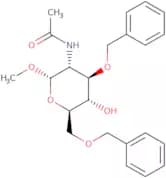
CAS:<p>Methyl 2-acetamido-3,6-di-O-benzyl-2-deoxy-a-D-glucopyranoside is a synthetic saccharide that is used in the synthesis of glycosides. This compound has been modified with fluorine to increase its stability and activity. Methyl 2-acetamido-3,6-di-O-benzyl-2-deoxyglucopyranoside can be used as a building block for glycosylation reactions due to its high purity and custom synthesis. It has been shown that this compound has click modification activity.</p>Formula:C23H29NO6Purity:Min. 95%Molecular weight:415.48 g/mol2-Acetamido-1,3,4,6-tetra-O-acetyl-2-deoxy-5-thio-a-D-glucopyranose
CAS:<p>2-Acetamido -1,3,4,6-tetra-O-acetyl-2-deoxy-5-thio-a-D-glucopyranose is a custom synthesis. It is an oligosaccharide and polysaccharide. It is a carbohydrate that has been modified by fluorination and a click modification. The complex carbohydrate contains one monosaccharide sugar. 2AATG can be used in the synthesis of other carbohydrates.</p>Formula:C16H23NO9SPurity:Min. 95%Molecular weight:405.42 g/molLauryl glucose neopentyl glycol
CAS:Lauryl glucose neopentyl glycol is a sugar that is used in the synthesis of glycoconjugates. It is synthesized from lauryl alcohol and neopentyl glycol. Lauryl glucose neopentyl glycol can be modified with fluorine, glycosylation, methylation, or modification. This compound has been shown to have anti-inflammatory properties and to inhibit the growth of prostate cancer cells.Formula:C31H60O12Purity:Min. 95%Molecular weight:624.8 g/mol3-Deoxy-D-arabinose
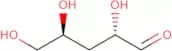
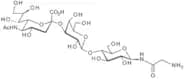
CAS:<p>3-Deoxy-D-arabinose is a sugar that is synthesized by the biochemical process of de novo synthesis. It is a structural component of glycoproteins and lipopolysaccharides, which are essential for bacterial growth. 3-Deoxy-D-arabinose is also used in the regulation of gene expression. The efficient method for its production was discovered by enzymatic dehydrogenation of glucose with the enzyme dehydrogenase, which is encoded by corynebacterium glutamicum. This discovery has led to an unraveling of the wild-type strain's metabolic pathways.</p>Formula:C5H10O4Purity:Min. 95%Molecular weight:134.13 g/molNeuAc-a2,3-Gal-b-1,4-Glc-GlycineNH2
<p>NeuAc-a2,3-Gal-b-1,4-Glc-GlycineNH2 is a carbohydrate that belongs to the group of saccharides. It is an oligosaccharide that has been synthesized via a custom synthesis. This product is high purity and has been modified with methylation, glycosylation, and click modification.</p>Formula:C25H43N3O19Purity:Min. 95%Color and Shape:PowderMolecular weight:689.62 g/mol1,2,3-Tri-O-acetyl-4,6-O-benzylidene-a-D-mannopyranose
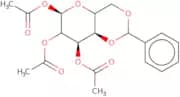
<p>1,2,3-Tri-O-acetyl-4,6-O-benzylidene-a-D-mannopyranose is a synthetic 1,2,3:4,6-di-O-(acetyloxy)-a-D-mannopyranose. It is a monosaccharide that has been selectively fluorinated at C1 and C2 positions. This sugar has been custom synthesized with high purity and methylated at the 3' and 4' positions of the ribose moiety. The synthesis of this carbohydrate is achieved by glycosylation using an acetal linker to attach the sugar fragment to a pentafluorophenyl ester and then click modification on the 4'-hydroxyl group.</p>Formula:C19H22O9Purity:Min. 95%Molecular weight:394.37 g/molLacto-N-difucohexaose I-APD-KLH
<p>Lacto-N-difucohexaose I-APD-KLH is a synthetic, high purity, custom synthesis carbohydrate that has been fluorinated with APD and KLH. The carbohydrate is methylated and glycosylated. Lacto-N-difucohexaose I-APD-KLH has a CAS number of 73387-87-8.</p>Purity:Min. 95%Rhein 1-D-glucuronide
CAS:<p>Rhein 1-D-glucuronide is a synthetic sugar that can be used in the synthesis of complex carbohydrates. It is a monosaccharide that has been modified with fluorination and has been shown to have high purity. Rhein 1-D-glucuronide is a methylated form of rhein, which is an oligosaccharide or polysaccharide found in plants. The modification of rhein 1-D-glucuronide allows for an increased resistance to hydrolysis by esterases or glucuronidases, allowing for its use as a synthetic intermediate in the production of saccharides.</p>Purity:Min. 95%2,3,4,6-Tetra-O-benzyl-D-galactopyranose - non-animal origin
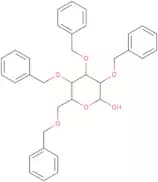
CAS:<p>Intermediate for the anomeric modification of Gal, including galactosylation</p>Formula:C34H36O6Purity:Min. 95%Molecular weight:540.65 g/molMethyl b-D-thioxylopyranoside
CAS:<p>Methyl b-D-thioxylopyranoside is a synthetic sugar that is used in the synthesis of saccharides and oligosaccharides. It is also used to modify saccharides, such as glucosamine, by adding methyl groups to the sugar's hydroxyl group. Methyl b-D-thioxylopyranoside can be used for glycans with high purity and high yield. This product does not contain any other substances except for water and ethanol. The chemical formula for this product is C6H8O6.</p>Purity:Min. 95%Dehydroclindamycin
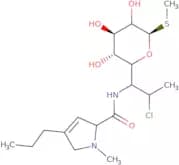
CAS:<p>Dehydroclindamycin is a semisynthetic antibiotic that belongs to the class of antibiotics known as lincosamides. It is used in clinical treatment for bacterial infections. Dehydroclindamycin acts by interfering with the bacterial ribosome and prevents the formation of proteins required for cell division. This drug may be susceptible to degradation by hydrolysis or oxidation, which can lead to impurities. Dehydroclindamycin is produced by hydrogenation of clindamycin hydrochloride using a Raney nickel catalyst, followed by chromatography. The spectrum of dehydroclindamycin consists of antibacterial activity against gram-positive bacteria such as Staphylococcus aureus and Enterococcus faecalis and gram-negative bacteria such as Escherichia coli and Klebsiella pneumoniae.</p>Formula:C18H31ClN2O5SPurity:Min. 95%Molecular weight:422.97 g/molRaltegravir b-D-glucuronide methyl ester
<p>Raltegravir is an HIV protease inhibitor that belongs to the class of glycosylated polymers. This compound is synthesized by a click modification of d-glucose with a methyl group and then fluorinated. The sugar moiety is attached to the backbone through a glycosyl linkage, which results in the formation of a complex carbohydrate. Raltegravir b-D-glucuronide methyl ester is soluble in water, alcohols, and organic solvents. It has been shown to be active against HIV type 1 strains resistant to other drugs. The synthesis of this compound was custom designed for high purity and high yield.</p>Formula:C27H31FN6O11Purity:Min. 95%Molecular weight:634.57 g/mol1,2:5,6-Dianhydrogalactitol
CAS:<p>1,2:5,6-Dianhydrogalactitol is a drug that has been shown to reduce the growth of tumors in mice. It is an antitumor agent that inhibits the activity of enzymes such as protein kinase A and phosphorylase kinase. This drug also inhibits the activity of the mitochondrial membrane potential, which is necessary for normal cellular function. The structure of 1,2:5,6-dianhydrogalactitol was first determined by analytical methods on mouse tumor tissue and then verified by a preparative high performance liquid chromatography (HPLC) experiment. It has been shown to be effective against pediatric tumors and is currently being evaluated for use in other cancer models.</p>Formula:C6H10O4Purity:Min. 95%Color and Shape:PowderMolecular weight:146.14 g/mol1,3,4-Tri-O-acetyl-2-deoxy-D-ribopyranose
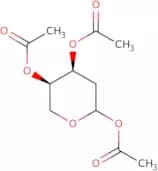
CAS:<p>1,3,4-Tri-O-acetyl-2-deoxy-D-ribopyranose is a custom synthesis of a complex carbohydrate. It is an Oligosaccharide with a molecular weight of 534.88 g/mol. The chemical modification includes the methylation and glycosylation of this saccharide. This carbohydrate has fluorination at the 2' position and has been synthesized using Click chemistry. The purity of this compound is high and it can be used for research purposes.</p>Formula:C11H16O7Purity:Min. 95%Molecular weight:260.24 g/molMethyl 1-(4'-tert-butyldimethylsilyl-6-hydroxyraloxifene)-2,3,4-tri-O-acetyl-b-D-glycopyranuronate
CAS:<p>Methyl 1-(4'-tert-butyldimethylsilyl-6-hydroxyraloxifene)-2,3,4-tri-O-acetyl-b-D-glycopyranuronate is a modified carbohydrate. It is a synthetic saccharide that has been modified with methylation, fluorination and saccharide synthesis. This product can be custom synthesized and is available in high purity. Methyl 1-(4'-tert-butyldimethylsilyl-6-hydroxyraloxifene)-2,3,4-tri-O-acetyl-b-D--glycopyranuronate can be used in glycosylation reactions as well as Click modification reactions. CAS No: 174264–49–4.</p>Formula:C46H55NO13SSiPurity:Min. 95%Molecular weight:890.08 g/molSinapaldehyde glucoside
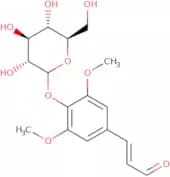
CAS:<p>Sinapaldehyde glucoside is a phenolic compound found in the leaves of Sinapis alba. This compound has been shown to have antiviral and antibacterial properties. It has been shown to inhibit staphylococcal growth, with the most effective concentration being 0.5-2% w/v. The chemical structure of sinapaldehyde glucoside is similar to that of pomolic acid, which was also found to have anti-staphylococcal effects. Syringaresinol, a constituent of S. alba, may be responsible for the anti-staphylococcal activity due to its ability to inhibit bacterial protein synthesis. Sinapaldehyde glucoside can also be extracted from S. alba using ethanol or water as solvents and is soluble in both water and alcohols. Sinapaldehyde glucoside can also be extracted from eleutherococcus (Eleutherococcus senticosus) using</p>Purity:Min. 95%1,4-b-D-Cellopentaitol
CAS:<p>1,4-B-D-Cellopentaitol is a high purity and custom synthesis sugar. It can be modified with fluorination, glycosylation, methylation, or modification. It has CAS No. 61473-65-2 and is an oligosaccharide with a saccharide backbone consisting of 1,4-linked D-glucopyranosyl units joined by alpha-(1,4) linkages and containing one or more monosaccharides (e.g., glucose) or disaccharides (e.g., cellobiose). The carbohydrate may be in the form of a complex carbohydrate.</p>Formula:C30H54O26Purity:Min. 95%Molecular weight:830.73 g/molMethyl 2-deoxy-a-D-ribofuranoside
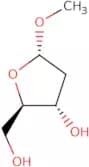
CAS:<p>Methyl 2-deoxy-a-D-ribofuranoside is an atypical nucleoside, which is a component of the thiourea cofactors. It can be synthesized from chloroacetic acid and hydantoin, which are used as starting materials for the production of this compound. The methyl group in this compound is obtained from the methylation of glucose. Methyl 2-deoxy-a-D-ribofuranoside can be identified by its chromatographic properties, such as dimethylformamide (DMF) and chloride. It also contains anomeric substituents that are necessary for nucleosidation reactions. This nucleoside has been shown to have antiinflammatory activity against carrageenan in mice and rats.</p>Formula:C6H12O4Purity:Min. 95%Molecular weight:148.16 g/mol5-Bromo-5-deoxy-2,3-O-isopropylidene-D-ribono-1,4-lactone
CAS:<p>5-Bromo-5-deoxy-2,3-O-isopropylidene-D-ribono-1,4-lactone is a modified sugar that can be synthesized from other sugars. It is used in the synthesis of oligosaccharides and polysaccharides. 5BDBOL has a CAS number of 94324-23-9. 5BDBOL can be methylated and glycosylated. This compound has high purity and is monosaccharide.</p>Formula:C8H11BrO4Purity:Min. 95%Color and Shape:SolidMolecular weight:251.07 g/molBlood Group B type II linear trisaccharide-HSA
<p>Blood group antigen conjugated to human serum albumin</p>Purity:Min. 95%Color and Shape:White PowderD-Glucose hydrazon
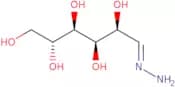
CAS:<p>D-Glucose hydrazon is a custom synthesis of complex carbohydrate. It is made by the reaction of Methylation, Click modification, and Fluorination with saccharide and sugar. The product is a white crystalline solid that is soluble in water.</p>Purity:Min. 95%Furosemide acyl-b-D-glucuronide
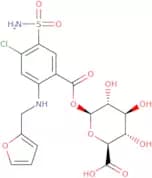
CAS:<p>Furosemide acyl-b-D-glucuronide is a derivative of Furosemide. It is a potent diuretic that has been used in the treatment of hypertension and congestive heart failure. The drug is excreted by the kidney, and its clearance is dependent on urine flow rate. Furosemide acyl-b-D-glucuronide can be detected in human serum and urine samples following oral administration, but its detection in urine may be delayed due to its low solubility. This active form of the drug may also cause drug reactions, such as nausea and vomiting, which are most likely due to the acidic nature of this form. Hydrochloric acid increases the absorption of Furosemide acyl-b-D-glucuronide, so it is recommended to take this medication with an acidic beverage containing hydrochloric acid or food high in pyridinium content. The elimination half life for this active</p>Formula:C18H19ClN2O11SPurity:Min. 95%Color and Shape:Yellow PowderMolecular weight:506.87 g/mol5-epi-isofagomine
CAS:<p>5-Epi-isofagomine is a piperidine compound that can be used as a synthon for various carbohydrate derivatives. It has been shown to inhibit glycosidases and may be applied in the synthesis of carbohydrates. This compound is synthesized by a stepwise nitro reduction of d-mannitol, followed by an enolate reaction with an appropriate acid chloride. The 5-epi-isofagomine skeleton is obtained by stereoselective polyhydroxylation of the corresponding 2,5-dihydroxybenzaldehyde.</p>Formula:C6H13NO3Purity:Min. 95%Molecular weight:147.17 g/mol4-Aminophenyl b-D-thiomannopyranoside HCl
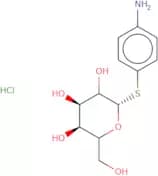
CAS:<p>4-Aminophenyl b-D-thiomannopyranoside HCl is a synthetic glycosylation agent that has been modified with fluorination, saccharide modification, and methylation. It can be used in the synthesis of complex carbohydrates, such as oligosaccharides and polysaccharides. This compound also has applications in click chemistry and fluoroquinolone resistance. 4-Aminophenyl b-D-thiomannopyranoside HCl is soluble in organic solvents such as dichloromethane or chloroform. The purity level of this product is high and the CAS number is 1174234-26-4.</p>Formula:C12H17NO5S·HClPurity:Min. 95%Molecular weight:323.79 g/mol1,2:3,4:5,6-Tri-O-isopropylidene-D-mannitol
CAS:<p>1,2:3,4:5,6-Tri-O-isopropylidene-D-mannitol is a dietary fiber that is made up of <br>inulin and oligosaccharides. It can be found in various plants and vegetables. This dietary fiber has been shown to have cancer preventive properties. 1,2:3,4:5,6-Tri-O-isopropylidene-D-mannitol has also been shown to decrease the risk of colon cancer by reducing the production of diacylglycerol which is an important signaling molecule in carcinogenesis.</p>Formula:C15H26O6Purity:Min. 95%Molecular weight:302.4 g/mol2-Acetamido-2,4-dideoxy-4-fluoro-D-galactopyranose
CAS:<p>2-Acetamido-2,4-dideoxy-4-fluoro-D-galactopyranose (2ADF) is a synthetic ligand that binds to selectins, which are receptors expressed on the surface of cells. 2ADF has been shown to have a pharmacological effect in inhibiting inflammatory diseases by binding to and blocking the function of selectins. This drug has also been shown to inhibit leukocyte trafficking and chemotaxis by preventing the binding of selectins with their ligands, galectin 1 or galectin 3. 2ADF does not bind to glycan structures found on the cell membrane, but instead binds to glycan structures found on the surfaces of cells.</p>Formula:C8H14FNO5Purity:Min. 95%Molecular weight:223.2 g/molGlycerone phosphate
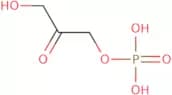
CAS:Glycerone phosphate is a cytosolic calcium (Ca2+) substrate molecule that is used to measure the activity of phospholipase A2, an enzyme that catalyzes the hydrolysis of membrane lipids. Glycerone phosphate has been shown to inhibit neuronal death and may be useful in treating neurodegenerative diseases such as Alzheimer's disease. Glycerone phosphate has also been shown to bind to monoclonal antibodies, which are proteins that bind specifically to antigens on the surface of cancer cells, thereby preventing them from binding to their corresponding receptors on healthy cells. This may limit the spread of tumor growth and increase their sensitivity to platinum-based chemotherapy.Formula:C3H7O6PPurity:Min. 95%Molecular weight:170.06 g/mol6-O-Benzoyl-3-O-triisopropylsilyl-D-glucal
6-O-Benzoyl-3-O-triisopropylsilyl-D-glucal is a saccharide that contains an O-benzoyl group and a triisopropylsilyl protecting group. It is also referred to as benzoylglucal. 6-O-Benzoyl-3-O-triisopropylsilyl-D-glucal can be used as a Click modification, which is the addition of a carbon atom in the form of a methylene bridge using copper catalysis in the presence of azide or acetate. In this synthesis, an O6 ether from the glycosylation reaction reacts with an activated carbon atom from the Click modification. This product may be used for glycosylation, which is the process by which sugars are added to proteins or other molecules. 6-O-Benzoylglycosides can be synthesized to modify carbohydratesFormula:C22H34O5SiPurity:Min. 95%Molecular weight:406.59 g/molL-Daunosamine-b-methylglycoside hydrochloride
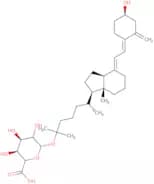
<p>L-Daunosamine-b-methylglycoside hydrochloride is a high purity, custom synthesis of an oligosaccharide. This product is synthesized from D-mannose and L-daunosamine. The synthetic process begins with the click modification of the carbohydrate to introduce a methyl group onto the sugar. The resulting product is then glycosylated, fluorinated, and methylated to create the final product. L-Daunosamine-b-methylglycoside hydrochloride has been shown to act as a competitive inhibitor of bacterial dna gyrase, which helps maintain the integrity of bacterial DNA by preventing supercoiling. L-Daunosamine-b-methylglycoside hydrochloride has also been shown to inhibit protein synthesis in bacteria by binding to ribosomes, which are responsible for translating mRNA into proteins.</p>Formula:C7H15NO3·HClPurity:Min. 95%Molecular weight:197.66 g/mol5-Hydroxyvitamin D3 25-glucuronide
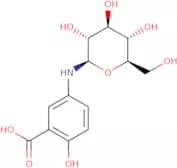
CAS:<p>5-Hydroxyvitamin D3 25-glucuronide is a glycosylated form of vitamin D that is synthesized by the addition of glucose to the 5-hydroxy group in the side chain. The synthesis of this product requires an intermediate step, which is the methylation of 25-hydroxyvitamin D. It is a complex carbohydrate that can be found in both natural and synthetic forms. The product has been modified using Click chemistry, fluorination, and saccharide modification to increase its stability and solubility. This product also has a high purity level.</p>Formula:C33H52O8Purity:Min. 95%Molecular weight:576.76 g/molN-D-Glucopyranosyl-5-aminosalicylic acid
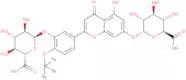
CAS:<p>5-Aminosalicylic acid (5-ASA) is an anti-inflammatory drug that belongs to the class of drugs called nonsteroidal anti-inflammatory drugs (NSAIDs). 5-ASA is an acidic compound that is a metabolite of salicylic acid. It is used in the treatment of rheumatoid arthritis, osteoarthritis, and other inflammatory diseases. The preparation of 5-ASA involves homogenizing liver tissue and then extracting it with water. This extract can be chromatographed using preparative high performance liquid chromatography (HPLC) or spectroscopically analyzed by mass spectrometry. 5-ASA has been shown to have hepatoprotective effects in rats when given at a dose of 400 mg/kg body weight by intraperitoneal injection.</p>Formula:C13H17NO8Purity:Min. 95%Molecular weight:315.28 g/molDiosmetin-d3-3,7-O-di-Glucuronide
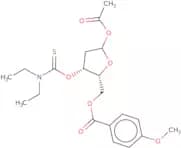
CAS:Controlled Product<p>Diosmetin-d3-3,7-O-di-Glucuronide is a white to off-white powder that is soluble in water. It is a synthetic compound that can be used as a sugar or carbohydrate modification. It has been shown to be useful for the synthesis of complex carbohydrates and polysaccharides. This product can also be used in click chemistry, methylation, and fluoroination.</p>Formula:C28H25D3O18Purity:Min. 95%Molecular weight:655.53 g/mol1-O-Acetyl-2-deoxy-5-O-p-methoxybenzoyl-3-O-(N,N-diethylthiocarbamoyl)-D-ribofuranose
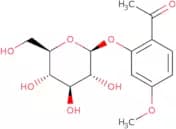
<p>1-O-Acetyl-2-deoxy-5-O-p-methoxybenzoyl-3-O-(N,N-diethylthiocarbamoyl)-Dribofuranose (1) is a fluorinated monosaccharide that is synthesized from 1,2:5,6:7,8:3',4'-hexamethyleneglucopyranosyl bromide and diethylthiocarbamic acid. This product has been shown to be an efficient glycosylation agent for complex carbohydrates and can be used in the synthesis of oligosaccharides and polysaccharides. It has also been modified by methylation and click chemistry.</p>Formula:C20H27NO7SPurity:Min. 95%Molecular weight:425.5 g/mol2-Acetyl-5-methoxyphenyl beta-D-Glucopyranoside
CAS:<p>2-Acetyl-5-methoxyphenyl beta-D-glucopyranoside is a flavonoid that belongs to the group of dihydroquercetin. It can be prepared by liquid chromatography. 2-Acetyl-5-methoxyphenyl beta-D-glucopyranoside inhibits tumor cells in vitro and in vivo, through the inhibition of protein synthesis and DNA replication. In addition, it has been shown to inhibit the growth of leptadenia species with a high degree of selectivity. It also exhibits an antitumor effect on mouse sarcoma 180 cells, as well as on human melanoma cells. This compound binds to macroporous adsorbents such as sephadex and tricusposide, which are used for purification purposes.</p>Formula:C15H20O8Purity:Min. 95%Molecular weight:328.31 g/molAgarodiitol
<p>Disaccharide alcohol from agarobiose by reduction with Na borohydride</p>Formula:C12H22O10Purity:Min. 95%Molecular weight:326.3 g/molD-Desosamine
CAS:<p>D-Desosamine is a chemical compound that has been isolated from human serum. It is an enzyme inhibitor that inhibits the activity of enzymes such as phosphatases, kinases, and proteases. D-Desosamine also has a matrix effect, which can be used to modify the properties of polymer matrices in order to improve their biocompatibility and mechanical properties. The molecular docking analysis indicated that desosamine can bind to bacterial serine/threonine protein kinase Streptococcus pyogenes phage T4 (SpyPK) and inhibit its activity. This inhibition may be due to the transfer reactions caused by desosamine binding to the enzyme's active site and blocking it. Structural analysis showed that D-desosamine forms hydrogen bonds with amino acids in SpyPK's active site, forming a covalent bond with cysteine residue Cys240. D-Desosamine has been shown to have anti-bacterial properties against</p>Purity:Min. 95%Cellulose - Particle Size approx 50 um
CAS:<p>Cellulose is a linear polysaccharide of β 1-4 linked glucose residues. The polysaccharide chains are bundled as microfibrils in cell walls and provide the essential structural components within growing plants. Each microfibril exhibits a high degree of three-dimensional internal bonding resulting in a crystalline structure that is insoluble in water, resistant to reagents and very strong.</p>Purity:Min. 95%Color and Shape:PowderHydroxyethyl cellulose, Mw about 250'000
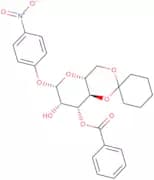
CAS:Hydroxyethyl cellulose (HEC) is a polysaccharide that is used as a thickener and emulsifier in the pharmaceutical industry. It has been shown to be effective in treating human serum with detrusor muscle contractions. HEC is also used as a negative control for experiments involving the effect of drugs on HIV infection. When mixed with isoxsuprine hydrochloride, HEC can be used to measure the concentration of basic proteins in human serum. The fluorescence probe can bind to specific regions of the protein, which will cause an increase in fluorescence when exposed to a wavelength of light. The optimum concentration of HEC for binding fluorescence probes was found using Langmuir adsorption isotherm measurements and fluorescence detector experiments. HEC has been shown to be an effective antimicrobial agent against bacteria and fungi, such as Staphylococcus aureus and Candida albicans. The benzalkonium chloride in HEC may4-Nitrophenyl 3-O-benzoyl-4,6-cyclohexylidene-b-D-mannopyranoside
CAS:<p>4-Nitrophenyl 3-O-benzoyl-4,6-cyclohexylidene-b-D-mannopyranoside is a Custom synthesis. It is an Oligosaccharide that consists of a Polysaccharide with Modification. The CAS No. 102717-17-9 is Methylation and Glycosylation and Carbohydrate. Click modification and saccharide are sugar and High purity. Fluorination is Synthetic.</p>Formula:C25H27NO9Purity:Min. 95%Molecular weight:485.48 g/molXylaric acid disodium salt
CAS:<p>Xylaric acid disodium salt is a meso oxidised xylose analogue</p>Formula:C5H6Na2O7Purity:Min. 98 Area-%Color and Shape:PowderMolecular weight:224.08 g/molBenzyl 2,3:4,6-di-O-benzylidene-a-D-mannopyranoside
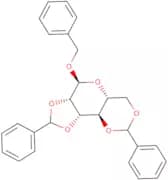
CAS:<p>The benzyl 2,3:4,6-di-O-benzylidene-a-D-mannopyranoside is a synthetic fluorinated carbohydrate. It is a complex carbohydrate that is synthesized by glycosylation and methylation of the sugar. The CAS number for this compound is 58650-53-6. This product can be custom synthesized to meet your specifications.</p>Formula:C27H26O6Purity:Min. 95%Molecular weight:446.49 g/mol3,2',3',4'-Tetra-O-acetyl-6,6'-di-O-triisopropylsilyl-lactal
<p>3,2',3',4'-Tetra-O-acetyl-6,6'-di-O-triisopropylsilyl-lactal is a modification of the carbohydrate saccharide. This synthetic compound has been prepared by reacting 2,5-dichloro-1,4-benzoquinone with methyl 3,2',3',4'-tetraacetoxychalcone in the presence of triethylsilane. It can be used as an intermediate for the synthesis of oligosaccharides and complex carbohydrates.</p>Formula:C38H68O13Si2Purity:Min. 95%Molecular weight:789.11 g/mol





















![5,7-Bis-(benzyloxy)-a-(4-(benzyloxy)phenyl)-3-[3,4-di-O-acetyl-a-O-acetyl-a-L-rhamnopyranosyloxyl]…](/_next/image/?url=https%3A%2Fstatic.cymitquimica.com%2Fproducts%2F3D%2Fthumb-webp%2FMB16635.webp&w=3840&q=75)

![O-(2-Azido-4,6-O-benzylidene-2-deoxy-a-D-galactopyranosyl)-N-[(9H-fluoren-9-ylmethoxy)carbonyl]-L-…](/_next/image/?url=https%3A%2Fstatic.cymitquimica.com%2Fproducts%2F3D%2Fthumb-webp%2FMA60609.webp&w=3840&q=75)