Glycoscience
Glycoscience is the study of carbohydrates and their derivatives, as well as the interactions and biological functions they participate in. This field of research is crucial for understanding a wide variety of biological processes, including cell recognition, signaling, immune response, and disease development. Glycoscience has important applications in biotechnology, medicine, and the development of new drugs and therapies. At CymitQuimica, we offer a wide selection of high-quality, high-purity products for glycoscience research. Our catalog includes monosaccharides, oligosaccharides, polysaccharides, glycoconjugates, and specific reagents, designed to support researchers in their studies on the structure, function, and applications of carbohydrates in biological systems. These resources are intended to facilitate scientific discoveries and practical applications in various areas of bioscience and medicine.
Subcategories of "Glycoscience"
- Aminosugars(108 products)
- Glyco-Related Antibodies(282 products)
- Glycolipids(46 products)
- Glycosaminoglycans (GAGs)(55 products)
- Glycosides(419 products)
- Monosaccharides(6,624 products)
- Oligosaccharides(3,682 products)
- Polysaccharides(503 products)
Found 11046 products of "Glycoscience"
Sort by
Purity (%)
0
100
|
0
|
50
|
90
|
95
|
100
FA2B N-Glycan
CAS:<p>FA2B N-glycan also know as asialo, agalacto, core-fucosylated, bisected, bi-antennary N-linked glycan.</p>Purity:Min. 95%Molecular weight:1,667 g/molNGA3 Glycan, 2-AB labelled
<p>NGA3 Glycan, 2-AB labelled is an oligosaccharide that is a complex carbohydrate. It is a polysaccharide that contains saccharides, which are sugars. The saccharides in this compound are monosaccharides, which are single sugar units. This compound has been modified and can be used for the detection of methylation.</p>Purity:Min. 95%1,6-Anhydro-b-D-cellopentose
CAS:1,6-Anhydro-b-D-cellopentose is a synthetic cello-oligomerFormula:C30H50O25Purity:Min. 95%Color and Shape:PowderMolecular weight:810.7 g/mol4-Hydroxy-L-isoleucine
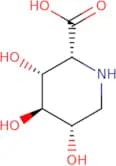
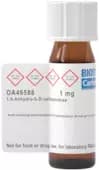
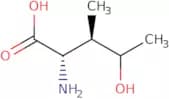
CAS:<p>Insulinotropic; anti-diabetic</p>Formula:C6H13NO3Purity:Min. 98 Area-%Color and Shape:White PowderMolecular weight:147.17 g/molPhenylethyl β-D-galactopyranoside
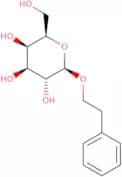
CAS:<p>Phenylethyl b-D-galactopyranoside is a galactose compound that can be hydrolyzed by esterases in the presence of water. It is toxic to organisms, such as E. coli and S. typhimurium, at high concentrations and can be used for the treatment of infections caused by these bacteria. Phenylethyl b-D-galactopyranoside has been shown to have a permeability effect on cells, which may be due to its ability to inhibit the production of ATP in the cell membrane by blocking specific enzymes that are responsible for ATP synthesis.</p>Formula:C14H20O6Purity:Min. 95%Color and Shape:PowderMolecular weight:284.31 g/molFructosyl-lysine
CAS:<p>Fructosyl-lysine is a substituted lysine that is formed through the glycation of proteins by sugars. It can be detected by fluorescence spectrometry and has been shown to inhibit the activity of receptor tyrosine kinases, which are involved in physiological functions such as cell growth and differentiation. Fructosyl-lysine also inhibits collagen synthesis and reduces the amount of glucose in human serum. This compound may be used as a model system to study glycation reactions with lysine, fatty acids, and other amino acids. The concentration of fructosyl-lysine found in human serum is at physiological levels and may not have any effect on antibody response.</p>Formula:C12H24N2O7Purity:Min. 95%Color and Shape:PowderMolecular weight:308.33 g/mol6-Deoxy-2,3:4,5-di-O-isopropylidene-L-glucose
<p>6-Deoxy-2,3:4,5-di-O-isopropylidene-L-glucose is a methylated sugar that is custom synthesized for research purposes. It is an oligosaccharide with a polysaccharide backbone. 6DG has been modified with fluorination and the Click reaction to produce novel compounds. The compound has been shown to have various biological activities, including anti-inflammatory effects. 6DG is a sugar with a complex carbohydrate structure that can be used in synthetic chemistry for modification and modification reactions.</p>Purity:Min. 95%UDP-α-L-rhamnose sodium
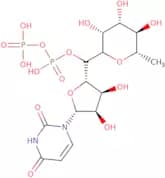
CAS:UDP-α-L-rhamnose sodium is a non-invasive prenatal diagnosis (NIPD) technique that detects the chorionic villus sampling (CVS) or amniocentesis samples of women. It is an in vivo assay that can be performed on pregnant women at any gestational age. The test is based on the detection of the uptake of UDP-α-L-rhamnose by cells, and it accommodates a wide range of sample types. The procedure is rapid, inexpensive, and highly accurate. Furthermore, it can be used as a screening tool for certain genetic disorders such as Down syndrome and Klinefelter syndrome.Formula:C15H22N2Na2O16P2Purity:Min. 95%Color and Shape:PowderMolecular weight:594.27 g/mol6-O-(a-D-[6,6'-2H2]Glucopyranosyl)-D-glucopyranose
Controlled Product<p>6-O-(a-D-[6,6'-2H2]Glucopyranosyl)-D-glucopyranose is a synthetic glycosylation product of 6,6'-dihydroxy-[1,1'-biphenyl]-2H-glycine and D-glucose. The compound is used for the synthesis of oligosaccharides and complex carbohydrates. This product is custom synthesized to meet specific needs and can be modified with methyl groups and fluorination. It has a high purity (≥98%) and CAS number.</p>Formula:C12H20O11D2Purity:Min. 95%Molecular weight:344.31 g/mol5'-O-(2-Amino-2-deoxy-D-glucopyranosyl)-thymidine
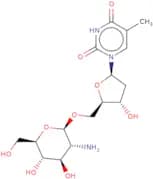
CAS:<p>5'-O-(2-Amino-2-deoxy-D-glucopyranosyl)-thymidine is a custom synthesis of saccharide that is fluorinated, methylated, and monosaccharide. This compound has been modified with a click modification and an oligosaccharide. The saccharide is glycosylated with sugar and Carbohydrate. 5'-O-(2-Amino-2-deoxy-D-glucopyranosyl)-thymidine has CAS No. 631842-24-5</p>Formula:C16H25N3O9Purity:Min. 95%Molecular weight:403.38 g/molKinetin-9-glucoside
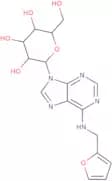
CAS:<p>Kinetin-9-glucoside is a conjugate of kinetin and glucose. It has been shown to inhibit the growth of several types of bacteria, including Pseudomonas aeruginosa, Staphylococcus aureus, and Streptococcus pyogenes. Kinetin-9-glucoside also has anti-inflammatory properties that may be due to its ability to inhibit prostaglandin synthesis. Kinetin-9-glucoside is used in tissue culture for the induction of plant regeneration from callus tissue or from excised root tissues. Kinetin-9-glucoside has been shown to stimulate the formation of apical roots in plantlets and promote cell division in neuronal cells.</p>Formula:C16H19N5O6Purity:Min. 95 Area-%Color and Shape:PowderMolecular weight:377.35 g/mol1-Deoxy-D-fructose
CAS:<p>1-Deoxy-D-fructose is a sugar that is found in plants. It has been shown to stimulate insulin release from the pancreas and regulate glucose levels. 1-Deoxy-D-fructose has been used as a pharmaceutical preparation for the treatment of diabetes mellitus. 1-Deoxy-D-fructose is not metabolized by cells, but is taken up by cells and reacts with reactive oxygen species (ROS) to produce hydrogen peroxide. This reaction may be responsible for the biological effects of 1-deoxy-d-fructose.</p>Formula:C6H12O5Purity:Min. 97%Color and Shape:Colorless Clear LiquidMolecular weight:164.16 g/molChrysin-7-glucuronide
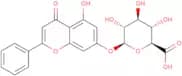
CAS:<p>Chrysin-7-glucuronide is a metabolite of chrysin, which is found in the roots of Oroxylum indicum. This compound has been shown to inhibit the enzyme activity for multidrug resistance (MDR) and cancer resistance (CDR). It has been found that chrysin-7-glucuronide inhibits MDR and CDR in vitro by binding to the ATP binding site on these enzymes. Chrysin-7-glucuronide also inhibits the production of acid in vivo and in vitro, which may be due to its ability to inhibit cellular proliferation. Chrysin-7-glucuronide may be an effective anti-cancer agent when used as a dietary supplement.</p>Formula:C21H18O10Purity:Min. 95%Color and Shape:Off-White PowderMolecular weight:430.36 g/molLacto-N-biose
CAS:<p>Neutral disaccharide naturally present in human breast milk and possible bifidus factor, acceptor for the Helicobacter pylori enzyme α1,2-fucosyltransferase and disaccharide involved in the expression of Lewis blood group antigens.</p>Formula:C14H25NO11Purity:Min. 90%Color and Shape:White PowderMolecular weight:383.35 g/molTrehalose hexaacetate
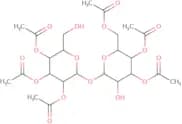
CAS:<p>Trehalose hexaacetate is a polysaccharide that is used as a food additive. It has been shown to be a potent inhibitor of methylation and fluorination, which are post-translational modifications that are important for the function of proteins. Trehalose hexaacetate also has a high degree of glycosylation, which makes it an excellent candidate for complex carbohydrate synthesis. The compound can be custom synthesized with high purity and at low cost.</p>Formula:C24H34O17Purity:Min. 95 Area-%Color and Shape:PowderMolecular weight:594.52 g/mol1-Deoxy-L-fructose
Deoxy-L-fructose is a sugar that is synthesized by the cleavage of sucrose, which is a disaccharide composed of glucose and fructose. Deoxy-L-fructose can be obtained from the hydrolysis of sucrose or it can be synthesized by the hydrogenation of d-talitol. This compound is used in various industrial processes as an intermediate in the production of other sugars and alcohols. 1-Deoxy-L-fructose has been found to have antimicrobial properties against Enterobacter aerogenes, Lactobacillus plantarum, and Lactobacillus acidophilus. It also inhibits the growth of Escherichia coli (E. coli) bacteria when tested in vitro at concentrations between 0.2 and 2mM. The antibiotic activity against E. coli may be due to its ability to inhibit ribosome synthesis and protein synthesis in these cellsPurity:Min. 95%1,2:5,6-Di-O-isopropylidene-D-mannitol
CAS:<p>1,2:5,6-Di-O-isopropylidene-D-mannitol is an organic compound that belongs to the group of mesoporous materials. It has a high surface area and is capable of absorbing large amounts of water. 1,2:5,6-Di-O-isopropylidene-D-mannitol has been shown to be able to absorb chloride ions in acidic environments due to its acidic hydrolysis properties. The water that is absorbed by this material can then be released when the solution becomes neutral again. This material can also act as a proton sponge and may have applications in the treatment of acid mine drainage or other industrial pollution. 1,2:5,6-Di-O-isopropylidene-D-mannitol may be used for chromatography techniques such as gas chromatography and liquid chromatography due to its functional groups that are sensitive to changes in pH levels.</p>Formula:C12H22O6Purity:Min. 97 Area-%Molecular weight:262.31 g/molidoBR1 HCl salt
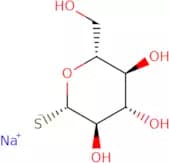
CAS:<p>Important bioactive principle in established anti-inflammatory herbal medicines</p>Formula:C6H11NO5·HClPurity:Min. 95 Area-%Color and Shape:White PowderMolecular weight:213.62 g/molb-D-Thioglucose sodium salt
CAS:<p>Keratin-reducing component in cosmetic applications; used in Glc conjugation</p>Formula:C6H11NaO5SPurity:Min. 95%Color and Shape:White PowderMolecular weight:218.2 g/molL-Ribose-5-phosphate disodium salt hydrate
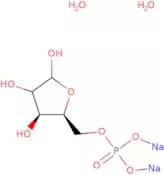
<p>L-Ribose-5-phosphate disodium salt hydrate is a carbohydrate that has been modified by the addition of fluorine. L-Ribose-5-phosphate disodium salt hydrate can be used in the synthesis of complex carbohydrates, oligosaccharides, and sugars. It is also used in the synthesis of glycoconjugates and glycoproteins. L-Ribose-5-phosphate disodium salt hydrate is available for custom synthesis to meet specific requirements. The purity level is high, with less than 0.1% impurities. The methylation, glycosylation, and click modification are all possible modifications for this product.</p>Formula:C5H9Na2O8PPurity:Min. 95%Color and Shape:PowderMolecular weight:274.07 g/mol



![6-O-(a-D-[6,6'-2H2]Glucopyranosyl)-D-glucopyranose](/_next/image/?url=https%3A%2Fstatic.cymitquimica.com%2Fproducts%2F3D%2Fthumb-webp%2FOG11200.webp&w=3840&q=75)