Glycoscience
Glycoscience is the study of carbohydrates and their derivatives, as well as the interactions and biological functions they participate in. This field of research is crucial for understanding a wide variety of biological processes, including cell recognition, signaling, immune response, and disease development. Glycoscience has important applications in biotechnology, medicine, and the development of new drugs and therapies. At CymitQuimica, we offer a wide selection of high-quality, high-purity products for glycoscience research. Our catalog includes monosaccharides, oligosaccharides, polysaccharides, glycoconjugates, and specific reagents, designed to support researchers in their studies on the structure, function, and applications of carbohydrates in biological systems. These resources are intended to facilitate scientific discoveries and practical applications in various areas of bioscience and medicine.
Subcategories of "Glycoscience"
- Aminosugars(108 products)
- Glyco-Related Antibodies(282 products)
- Glycolipids(46 products)
- Glycosaminoglycans (GAGs)(55 products)
- Glycosides(419 products)
- Monosaccharides(6,621 products)
- Oligosaccharides(3,681 products)
- Polysaccharides(503 products)
Found 11041 products of "Glycoscience"
Sort by
Purity (%)
0
100
|
0
|
50
|
90
|
95
|
100
D-glucosyl--1,1' N-oleoyl-D-erythro-sphingosine
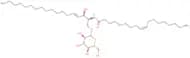
CAS:<p>D-glucosyl--1,1' N-oleoyl-D-erythro-sphingosine is a synthetic oligosaccharide with a fluorinated alpha-hydroxy group and a methylated nitrogen atom. It is also a complex carbohydrate that has been modified by glycosylation and polysaccharide modification. D-glucosyl--1,1' N-oleoyl-D-erythro-sphingosine can be used in custom synthesis, click modification, methylation, and sugar modification. This product has high purity and can be used in the synthesis of drugs or other chemical compounds.</p>Formula:C42H79NO8Purity:Min. 95%Molecular weight:726.08 g/molCoumaric acid 4-O-glucoside
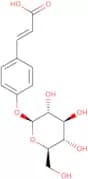
CAS:<p>Coumaric acid 4-O-glucoside is a compound that is found in plants and can be extracted from flaxseed. It has been shown to have antioxidative activity, especially in the prevention of oxidation of fatty acids. Coumaric acid 4-O-glucoside has also been shown to inhibit the synthesis of n-3 fatty acids and secoisolariciresinol, as well as to regulate the biosynthesis of these lipids. The efficient method for preparing this compound is by hydrolysis of coumaroyl ester linkages using hydrochloric acid in methanol. Coumaric acid 4-O-glucoside was synthesized by reacting methyl acetoacetate with sodium hydroxide and hydrochloric acid in methanol at a temperature range of 0°C to 25°C. This reaction was followed by purification using phase liquid chromatography.</p>Formula:C15H18O8Purity:Min. 95%Molecular weight:326.3 g/molD-[UL-13C6]cFructose 1-phosphate disodium salt
<p>D-[UL-13C6]cFructose 1-phosphate disodium salt is a synthetic compound that can be used for methylation, saccharide, Polysaccharide, Click modification and Modification. It can also be used for Glycosylation and Carbohydrate synthesis. This product is soluble in water and has a purity level of >98%. It is stable against heat and pH changes.</p>Purity:Min. 95%Heparin disaccharide I-H trisodium salt
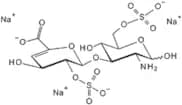
CAS:<p>Heparin disaccharide I-H trisodium salt is a high purity, custom synthesis, methylated, glycosylated, fluorinated, complex carbohydrate with a CAS number of 136098-04-9. It has been modified by the addition of a saccharide group and can be used for research purposes.</p>Formula:C12H16NNa3O16S2Purity:Min. 95 Area-%Color and Shape:PowderMolecular weight:563.35 g/molDextran 20, MW: 17,000 to 23,000
CAS:<p>Complex glucan (a 1-6) from Leuconostoc spp.; extender in blood transfusions</p>Color and Shape:PowderBlood Group A type III/IV linear trisaccharide
<p>GalNAca1-3Galb1-3GalNAc</p>Formula:C22H38N2O16Purity:Min. 95%Molecular weight:586.54 g/molMethyl 2-deoxy-2-fluoro-β-D-glucopyranoside
CAS:<p>Methyl 2-deoxy-2-fluoro-b-D-glucopyranoside is a synthetic glycosylation product that is prepared by monosaccharide and polysaccharide modification. This fluorinated sugar has high purity and is easy to handle. It can be used in the synthesis of oligosaccharides, sugar chains, and other complex carbohydrate molecules. The CAS number for Methyl 2-deoxy-2-fluoro-b-D-glucopyranoside is 39110–58–2.</p>Formula:C7H13FO5Purity:Min. 95%Molecular weight:196.17 g/molGDP-L-[1-13C]fucose disodium salt
CAS:<p>Labelled substrate for fucosyltransferase</p>Purity:Min. 95%Tri-b-GalNAc-b-alanine-NH2
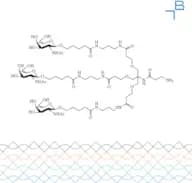
<p>Tri-b-GalNAc-b-alanine-NH2 boasts three terminal beta-N-acetylgalactosamine (GalNAc) sugars, mimicking natural ligands for efficient binding to Ashwell-Morell receptors (C-type lectin of ASGPR) on hepatocytes. The beta-alanine linker connects the GalNAc unit to a terminal amino group (NH2), a key conjugation site for attaching various therapeutic molecules via amide bond formation. This design validates tri-b-GalNAc-b-alanine-NH2 as a valuable tool in medicinal chemistry for developing liver-specific drug delivery systems, allowing researchers to exploit this ligand to create targeted conjugates, like drug-GalNAc conjugates, for specific delivery of therapeutics directly to hepatocytes, potentially improving treatment efficacy and reducing side effects.</p>Formula:C64H115N11O28Purity:Min. 95%Molecular weight:1,486.67 g/molb-D-Galactose-sp-biotin
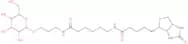
<p>b-D-Galactose-sp-biotin is a glycosylation agent that can be used to modify proteins, polysaccharides, and other complex carbohydrates. It is synthesized by the modification of b-D-galactose with a spacer arm containing biotin. The compound can be modified with fluorine atoms or methyl groups. It can also be modified with click chemistry to produce a reactive site for further chemical modification. This compound has been shown to have high purity and stability, which makes it suitable for use in a variety of applications.</p>Formula:C25H44N4O9SPurity:Min. 95%Color and Shape:White PowderMolecular weight:576.7 g/molNeolactotetraosylceramide
CAS:<p>Neolactotetraosylceramide (NT4) is a glycoconjugate that is found in human serum. It has been shown to bind to the receptor site of monoclonal antibodies and inhibit the binding of tumor necrosis factor-α (TNF-α), which is involved in immune system regulation. NT4 has also been shown to block the activity of receptors on human neutrophils, which may be due to its structural similarity to lactotetraosylceramide. NT4 has been implicated as a potential cause for autoimmune diseases and cancer tissues, due to its structural similarity with glycoproteins that are found on cell surfaces. The optimum pH for NT4 is 7.5 and its glycan structure consists of two mannose residues linked by an alpha-1,6 linkage. This glycoconjugate binds well with blood group A and B antigens, but not with blood group O antigen. NT4 elicits antibody response</p>Formula:C62H114N2O23Purity:Min. 95%Molecular weight:1,255.57 g/molb-D-Fructofuranosyl a-D-glucopyranoside 6-octanoate
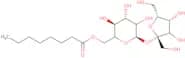
CAS:<p>b-D-Fructofuranosyl a-D-glucopyranoside 6-octanoate is a saccharide that is used as an intermediate for the synthesis of polysaccharides. This compound can be used to synthesize glycosylated oligosaccharides with high purity and good yields. It can also be used in the preparation of complex carbohydrates, including fluorinated sugar derivatives.</p>Purity:Min. 95%D-Ribitol-5-phosphate
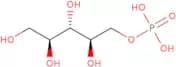
CAS:<p>Ribitol is a sugar alcohol that is found in all living organisms. It is also used as a source of carbon and energy in the form of D-ribitol-5-phosphate, which can be synthesized from ribose 5-phosphate by means of an enzymatic reaction. Ribitol 5 phosphate is used for the synthesis of monoclonal antibodies, which are useful for studying enzyme activities, immunoassays, and cell surface receptors. This compound has been shown to have regulatory effects on the expression of genes encoding fatty acid biosynthesis enzymes. Ribitol 5 phosphate has been detected using magnetic resonance spectroscopy techniques in glycan structures and galacturonic acid residues.</p>Formula:C5H13O8PPurity:Min. 95%Molecular weight:232.13 g/molMethyl a-L-arabinofuranoside
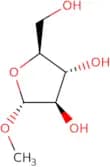
CAS:<p>Methyl a-L-arabinofuranoside is a microbial feed additive that is used to improve the quality of ruminal cellulose. This product has been shown to inhibit the activity of esterases and polysaccharides, which would otherwise break down cellulose so it can be digested by bacteria in the rumen. This supplement also inhibits microbial growth and has been shown to be an effective treatment for infectious diseases. Methyl a-L-arabinofuranoside is detectable in urine, feces, and milk one day after administration. It is broken down by uronic acid esterases into arabinose and methyl alcohol.</p>Formula:C6H12O5Purity:Min. 95%Molecular weight:164.16 g/mol2,3,5-Tri-O-benzyl-D-arabinofuranose
CAS:<p>2,3,5-Tri-O-benzyl-D-arabinofuranose is a phosphorane that has been synthesised by the reaction of 2,3,5-trihydroxypentanoic acid and benzaldehyde. The synthesis of this compound involves the use of a stereoselective process to produce the desired product. This compound is able to inhibit both bacterial and fungal growth in vitro. Inhibition of bacterial growth is due to its ability to disrupt the synthesis of proteins and nucleic acids while the inhibition of fungal growth is due to its ability to interfere with chitin production.</p>Formula:C26H28O5Purity:Min. 95%Color and Shape:White PowderMolecular weight:420.5 g/molHexadecyl β-D-glucopyranoside
CAS:<p>Hexadecyl b-D-glucopyranoside is a divalent hydrocarbon that has been used as a hybridization probe to detect human papilloma virus (HPV) in tissue samples. It is also used as an analytical standard for the quantification of fatty acids, with a detection sensitivity of 10 ppm. The hexadecyl b-D-glucopyranoside can be synthesized from fatty acid esters and hydroxy groups. The product can be conditioned by buffers, such as calcium carbonate, before reacting with isopropyl palmitate to produce the desired reaction products. Hexadecyl b-D-glucopyranoside can be used as an additive in cosmetic products due to its conditioning properties.</p>Formula:C22H44O6Purity:Min. 95%Color and Shape:PowderMolecular weight:404.58 g/mola-D-Galactosyl-mannotriose
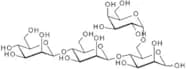
CAS:<p>a-D-Galactosyl-mannotriose is a complex oligosaccharide, which is derived from plant materials such as leguminous seeds. Its mode of action involves selectively promoting the growth of beneficial gut bacteria, particularly bifidobacteria and lactobacilli, through its structural composition that resists hydrolysis by human digestive enzymes. This non-digestibility allows it to reach the colon intact, where it can exert its prebiotic effects.</p>Formula:C24H42O21Purity:Min. 95 Area-%Color and Shape:White PowderMolecular weight:666.58 g/mol6-O-Hydroxyethyl-D-glucose
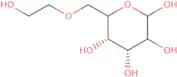
CAS:<p>6-O-Hydroxyethyl-D-glucose (6OHEDG) is a homologue of glucose that has been synthesized by reacting paraformaldehyde with ethylene in the presence of a glucofuranose. It is used as a solute for uptake studies, hydrolyzates for ion-exchanges, and glucoses for preparative chromatographic techniques. 6OHEDG is also used as an analog to glucose in polyethylene glycols and anhydroglucoses.</p>Formula:C8H16O7Purity:Min. 95%Molecular weight:224.21 g/molSalacinol
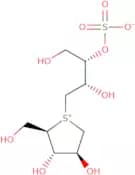
CAS:<p>Salacinol is a naturally occurring sulfonium ion, which is a bioactive compound found primarily in the roots and stems of the plant Salacia reticulata. This plant is native to regions of South Asia, particularly India and Sri Lanka, and is traditionally used in Ayurvedic medicine. Salacinol's mode of action involves the inhibition of alpha-glucosidase, an enzyme responsible for breaking down carbohydrates into glucose. By inhibiting this enzyme, salacinol reduces the postprandial rise in blood glucose levels, thus demonstrating antidiabetic potential.</p>Formula:C9H18O9S2Purity:Min. 95%Molecular weight:334.37 g/mol2-Acetamido-2-deoxy-β-D-glucopyranosylnitromethane
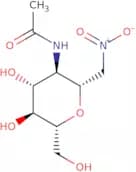
CAS:<p>2-Acetamido-2-deoxy-b-D-glucopyranosylnitromethane is a natural product that can be found in the extract of gladiolus. It has been shown to have antimalarial activity against Plasmodium falciparum and other species. 2-Acetamido-2-deoxy-b-D-glucopyranosylnitromethane inhibits the growth of bacteria by binding to the 50S ribosomal subunit, preventing transcription and replication. The high frequency of human activity has been shown using a patch clamp technique on human erythrocytes. This active form is metabolized through a number of metabolic transformations, including hydrolysis by esterases or glucuronidases, oxidation by cytochrome P450 enzymes, reduction by glutathione reductase, or conjugation with glucuronic acid.</p>Formula:C9H16N2O7Purity:Min. 95%Color and Shape:PowderMolecular weight:264.23 g/mol

![D-[UL-13C6]cFructose 1-phosphate disodium salt](/_next/image/?url=https%3A%2Fstatic.cymitquimica.com%2Fproducts%2F3D%2Fthumb-webp%2FMF167930.webp&w=3840&q=75)

![GDP-L-[1-13C]fucose disodium salt](/_next/image/?url=https%3A%2Fstatic.cymitquimica.com%2Fproducts%2F3D%2Fthumb-webp%2FMG170098.webp&w=3840&q=75)