Glycoscience
Glycoscience is the study of carbohydrates and their derivatives, as well as the interactions and biological functions they participate in. This field of research is crucial for understanding a wide variety of biological processes, including cell recognition, signaling, immune response, and disease development. Glycoscience has important applications in biotechnology, medicine, and the development of new drugs and therapies. At CymitQuimica, we offer a wide selection of high-quality, high-purity products for glycoscience research. Our catalog includes monosaccharides, oligosaccharides, polysaccharides, glycoconjugates, and specific reagents, designed to support researchers in their studies on the structure, function, and applications of carbohydrates in biological systems. These resources are intended to facilitate scientific discoveries and practical applications in various areas of bioscience and medicine.
Subcategories of "Glycoscience"
- Aminosugars(108 products)
- Glyco-Related Antibodies(282 products)
- Glycolipids(46 products)
- Glycosaminoglycans (GAGs)(55 products)
- Glycosides(419 products)
- Monosaccharides(6,621 products)
- Oligosaccharides(3,681 products)
- Polysaccharides(503 products)
Found 11041 products of "Glycoscience"
Sort by
Purity (%)
0
100
|
0
|
50
|
90
|
95
|
100
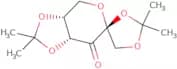
1,2:4,5-Di-O-isopropylidene-b-D-erythro-2,3-hexodiulo-2,6-pyranose
CAS:<p>1,2:4,5-Di-O-isopropylidene-b-D-erythro-2,3-hexodiulo-2,6-pyranose is an acidic compound that is a constituent of the ginseng plant. It has been shown to have biochemical properties as well as bioactivities. It can be synthesized in vivo from the amino acid L-lysine by the enzyme diammonium glyoxalate reductase. The compound has two chiral centers and four stereogenic centers. It is a trisubstituted diastereomer with oxygenated ring opening and chemical structures consisting of a pyranose ring and an ethylene glycol moiety.</p>Formula:C12H18O6Purity:Min. 95%Molecular weight:258.27 g/mol6-O-Hydroxyethyl-D-glucose
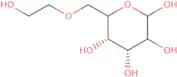
CAS:<p>6-O-Hydroxyethyl-D-glucose (6OHEDG) is a homologue of glucose that has been synthesized by reacting paraformaldehyde with ethylene in the presence of a glucofuranose. It is used as a solute for uptake studies, hydrolyzates for ion-exchanges, and glucoses for preparative chromatographic techniques. 6OHEDG is also used as an analog to glucose in polyethylene glycols and anhydroglucoses.</p>Formula:C8H16O7Purity:Min. 95%Molecular weight:224.21 g/molXyloglucan heptasaccharide
CAS:<p>Xyloglucan is a heptasaccharide that is an important component of the plant cell wall. Xyloglucan heptasaccharides are found in the cell walls of many plants, including banana and potato. Xyloglucan heptasaccharides are composed of alternating glucose and xylose residues, with a glycosidic linkage between two xylose residues. This linkage can be hydrolyzed by α-amyrinase to yield two xylose monomers. The conformational properties of xyloglucan depend on its stereochemistry, which has been shown to affect its ability to inhibit inflammatory bowel disease (IBD). Xyloglucan heptasaccharides have also been shown to bind to bacterial cells, inhibiting their growth.</p>Formula:C39H66O33Purity:Min. 95%Color and Shape:PowderMolecular weight:1,062.92 g/molcis-Zeatin-o-glucoside
CAS:<p>cis-Zeatin-o-glucoside is a naturally occurring cytokinin glycoside, which is a derivative of cis-zeatin conjugated with a glucose molecule. It is synthesized in various plant tissues and acts as an important signaling compound within the plant's hormonal network. The mode of action involves the regulation of cell division and differentiation, primarily through modulating the expression of specific genes and interacting with cytokinin receptors. This glycosylation potentially alters the transport, stability, and activity of the cytokinin, influencing its overall biological effect.</p>Formula:C16H23N5O6Purity:Min. 95%Color and Shape:PowderMolecular weight:381.38 g/mol2-Acetamido-2-deoxy-β-D-glucopyranosylnitromethane
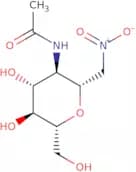
CAS:<p>2-Acetamido-2-deoxy-b-D-glucopyranosylnitromethane is a natural product that can be found in the extract of gladiolus. It has been shown to have antimalarial activity against Plasmodium falciparum and other species. 2-Acetamido-2-deoxy-b-D-glucopyranosylnitromethane inhibits the growth of bacteria by binding to the 50S ribosomal subunit, preventing transcription and replication. The high frequency of human activity has been shown using a patch clamp technique on human erythrocytes. This active form is metabolized through a number of metabolic transformations, including hydrolysis by esterases or glucuronidases, oxidation by cytochrome P450 enzymes, reduction by glutathione reductase, or conjugation with glucuronic acid.</p>Formula:C9H16N2O7Purity:Min. 95%Color and Shape:PowderMolecular weight:264.23 g/molNeolactotetraosylceramide
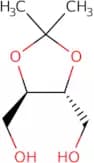
CAS:<p>Neolactotetraosylceramide (NT4) is a glycoconjugate that is found in human serum. It has been shown to bind to the receptor site of monoclonal antibodies and inhibit the binding of tumor necrosis factor-α (TNF-α), which is involved in immune system regulation. NT4 has also been shown to block the activity of receptors on human neutrophils, which may be due to its structural similarity to lactotetraosylceramide. NT4 has been implicated as a potential cause for autoimmune diseases and cancer tissues, due to its structural similarity with glycoproteins that are found on cell surfaces. The optimum pH for NT4 is 7.5 and its glycan structure consists of two mannose residues linked by an alpha-1,6 linkage. This glycoconjugate binds well with blood group A and B antigens, but not with blood group O antigen. NT4 elicits antibody response</p>Formula:C62H114N2O23Purity:Min. 95%Molecular weight:1,255.57 g/mol(-)-2,3-O-Isopropylidene-D-threitol
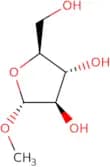
CAS:<p>(-)-2,3-O-Isopropylidene-D-threitol is a chiral compound with two stereoisomers. It is a crystalline solid that melts at 71°C and has a population of 50%. (-)-2,3-O-Isopropylidene-D-threitol is an important intermediate for the synthesis of polyethers with chiral centers. The catalytic asymmetric synthesis of (-)-2,3-O-isopropylidene-D-threitol is achieved by alkylation of (+)-2,3-(dimethoxyphosphinyl)propane with isopropanol. This reaction can be used to produce polyethers with chiral centers in high yields and enantioselectivity.</p>Formula:C7H14O4Purity:Min. 95%Molecular weight:162.18 g/molMethyl a-L-arabinofuranoside
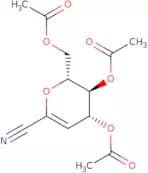
CAS:<p>Methyl a-L-arabinofuranoside is a microbial feed additive that is used to improve the quality of ruminal cellulose. This product has been shown to inhibit the activity of esterases and polysaccharides, which would otherwise break down cellulose so it can be digested by bacteria in the rumen. This supplement also inhibits microbial growth and has been shown to be an effective treatment for infectious diseases. Methyl a-L-arabinofuranoside is detectable in urine, feces, and milk one day after administration. It is broken down by uronic acid esterases into arabinose and methyl alcohol.</p>Formula:C6H12O5Purity:Min. 95%Molecular weight:164.16 g/mol4,5,7-Tri-O-acetyl-2,6-anhydro-3-deoxy-D-lyxo-hept-2-enononitrile
CAS:<p>4,5,7-Tri-O-acetyl-2,6-anhydro-3-deoxy-D-lyxo-hept-2-enononitrile is a modified sugar molecule that has been synthesized and fluorinated. It has a high purity and can be custom synthesized to order. Click modification of this molecule is possible with the addition of a methyl group. This product is used in the synthesis of oligosaccharides and polysaccharides for glycosylation studies.</p>Formula:C13H17NO7Purity:Min. 95%Molecular weight:299.28 g/molDebranched arabinan, from sugar beet
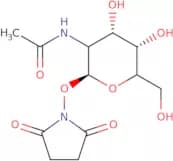
CAS:<p>Please enquire for more information about Debranched arabinan, from sugar beet including the price, delivery time and more detailed product information at the technical inquiry form on this page</p>N-(Succinyl)-2-acetamido-2-deoxy-b-D-glucopyranosylhydroxylamine
<p>Succinyl activated n-acetylglucosamine.</p>Formula:C12H18N2O8Purity:Min. 95%Molecular weight:318.28 g/molHexadecyl β-D-glucopyranoside
CAS:<p>Hexadecyl b-D-glucopyranoside is a divalent hydrocarbon that has been used as a hybridization probe to detect human papilloma virus (HPV) in tissue samples. It is also used as an analytical standard for the quantification of fatty acids, with a detection sensitivity of 10 ppm. The hexadecyl b-D-glucopyranoside can be synthesized from fatty acid esters and hydroxy groups. The product can be conditioned by buffers, such as calcium carbonate, before reacting with isopropyl palmitate to produce the desired reaction products. Hexadecyl b-D-glucopyranoside can be used as an additive in cosmetic products due to its conditioning properties.</p>Formula:C22H44O6Purity:Min. 95%Color and Shape:PowderMolecular weight:404.58 g/mol2-Deoxy-L-xylose
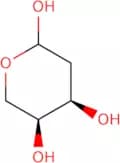
CAS:<p>2-Deoxy-L-xylose is a sugar that is produced by the reduction of 2-deoxy-d-galactose. It has been shown to be an acceptor in enzymatic reactions, such as those catalyzed by alcohol dehydrogenase and sulfoxide reductase. 2-Deoxy-L-xylose has been shown to have antibacterial properties against some strains of bacteria, including typhimurium. This sugar also exhibits antiplasmodial activity against Plasmodium falciparum and can be used for the synthesis of L-xylulose, which is an important intermediate for the biosynthesis of malic acid.</p>Formula:C5H10O4Purity:Min. 95%Molecular weight:134.13 g/molα,β-Trehalose
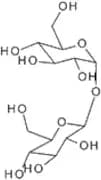
CAS:<p>α,β-Trehalose is a carbohydrate that is found in many organisms and has been shown to have biochemical properties such as energy metabolism, enzyme activities, and x-ray diffraction data. Trehalose has a phase transition temperature of around 98°C, which makes it an ideal sugar for food preservation. Trehalose can also be used as a sugar substitute with the same sweetness level as sucrose. The chemical stability of trehalose allows it to be used as a preservative in food and beverages. Trehalose has been shown to be nontoxic in animal studies with doses up to 2000 mg/kg body weight. It also has an optimum pH of 7 and is stable at high temperatures.</p>Formula:C12H22O11Purity:Min. 95 Area-%Color and Shape:White PowderMolecular weight:342.3 g/mol2-Deoxy-2-[(7-nitro-2,1,3-benzoxadiazol-4-yl)amino]-L-glucose
CAS:<p>2-Deoxy-2-[(7-nitro-2,1,3-benzoxadiazol-4-yl)amino]-L-glucose is a fluorophore that is used in biological imaging. It has been shown to have tumor vasculature targeting properties and can be used to diagnose cancer. The optimal reaction for 2DG is aerobic glycolysis, which occurs when the glucose concentration is high enough. This compound can be used as a carbon source for mammalian cells and has been shown to inhibit the growth of cells from tumors.</p>Formula:C12H14N4O8Purity:Min. 95%Molecular weight:342.26 g/molNA3F N-Glycan
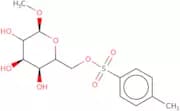
CAS:<p>NA3F is a N-glycan that is found on various glycoproteins and glycolipids. It consists of sialic acid, galactose, and fucose sugars in the ratio 3:2:1. NA3F N-glycans are synthesized by the removal of the terminal sialic acid residue from an Asn-linked oligosaccharide precursor. These types of glycans are found on high mannose (HMan) and hybrid (HHyb) glycans. The synthesis of NA3F N-glycan requires the activity of two enzymes: peptidase and sialyltransferase. The enzyme peptidase cleaves an α(1,4)-linked oligosaccharide at the nonreducing end to form a free α(1,6) linked oligosaccharide with a terminal α(1,2) linked mannose residue. This process releases the terminal</p>Formula:C82H137N5O60Purity:Min. 95%Molecular weight:2,152.96 g/molMethyl 6-O-p-toluenesulfonyl-a-D-glucopyranoside
CAS:<p>Methyl 6-O-p-toluenesulfonyl-a-D-glucopyranoside is a custom synthesis. It is an oligosaccharide and polysaccharide that can be modified with methylation and glycosylation. The carbohydrate has a CAS number of 6619-09-6, and the purity is high. This product has been fluorinated for synthetic purposes.</p>Formula:C14H20O8SPurity:Min. 95%Molecular weight:348.37 g/mol2-Acetamido-6-azido-2,6-dideoxy-D-glucopyranose
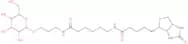
<p>2-Acetamido-6-azido-2,6-dideoxy-D-glucopyranose is a synthetic compound with an azide functional handle, so set up for click chemistry</p>Formula:C8H14N4O5Purity:Min. 95%Molecular weight:246.22 g/molb-D-Galactose-sp-biotin
<p>b-D-Galactose-sp-biotin is a glycosylation agent that can be used to modify proteins, polysaccharides, and other complex carbohydrates. It is synthesized by the modification of b-D-galactose with a spacer arm containing biotin. The compound can be modified with fluorine atoms or methyl groups. It can also be modified with click chemistry to produce a reactive site for further chemical modification. This compound has been shown to have high purity and stability, which makes it suitable for use in a variety of applications.</p>Formula:C25H44N4O9SPurity:Min. 95%Color and Shape:White PowderMolecular weight:576.7 g/molD-Erythrose 4-phosphate
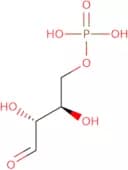
CAS:<p>The utilization of D-Erythrose 4-phosphate extends to various research applications, particularly in studying metabolic pathways and enzyme catalysis relevant to both prokaryotic and eukaryotic organisms.</p>Formula:C4H9O7PPurity:Min. 95%Molecular weight:200.08 g/mol





![2-Deoxy-2-[(7-nitro-2,1,3-benzoxadiazol-4-yl)amino]-L-glucose](/_next/image/?url=https%3A%2Fstatic.cymitquimica.com%2Fproducts%2F3D%2Fthumb-webp%2FMD58731.webp&w=3840&q=75)