Glycoscience
Subcategories of "Glycoscience"
- Aminosugars(108 products)
- Glyco-Related Antibodies(284 products)
- Glycolipids(46 products)
- Glycosaminoglycans (GAGs)(55 products)
- Glycosides(419 products)
- Monosaccharides(6,622 products)
- Oligosaccharides(3,701 products)
- Polysaccharides(505 products)
Found 11034 products of "Glycoscience"
2-Hydroxydesipramine glucuronide
CAS:2-Hydroxydesipramine glucuronide is a metabolite of desipramine, which is a tricyclic antidepressant that inhibits the uptake of noradrenaline and 5-hydroxytryptamine. 2-Hydroxydesipramine glucuronide is formed by conjugation with glucuronic acid. It has been found in human urine and has been proposed as a biomarker for the clinical monitoring of patients taking desipramine. The pharmacological effects of 2-hydroxydesipramine glucuronide are similar to those of desipramine, but it is less potent and selective than its parent compound. This metabolite also has biliary excretion properties, which may be due to its small molecular size.Formula:C24H30N2O7Purity:Min. 95 Area-%Color and Shape:PowderMolecular weight:458.51 g/mol3'-Sialyllactose-BSA
3'-Sialyllactose-BSA binds to human serum albumin. It is used in the detection of tumour cells in blood samples, and has been shown to be sensitive for the detection of malignant cells in sera from patients with metastatic breast cancer. 3'-Sialyllactose-BSA can also be used as a probe for the identification of glycosphingolipids in animal tissues. The antibody's specificity for glycosphingolipids was demonstrated by its ability to bind selectively to glycosphingolipid-containing liposomes, but not lipid vesicles without glycosphingolipids.Color and Shape:PowderMolecular weight:75,595.6 g/mol2,3,4-Tri-O-benzyl-L-fucopyranose
CAS:2,3,4-Tri-O-benzyl-L-fucopyranose is a synthetic compound that activates the selectin receptor on the surface of white blood cells. It has been shown to activate the cell surface receptors for the lectin mannose and mannose-binding protein which are involved in the recognition of pathogens. 2,3,4-Tri-O-benzyl-L-fucopyranose is also able to inhibit magnesium ion binding to its target site on the bacterial surface. This inhibition prevents bacteria from attaching themselves to host tissues or other cells by binding with these sites. The compound was synthesized by a stereoselective method using silver trifluoromethanesulfonate as an activating reagent and can be used as an antimicrobial agent in mammals.Formula:C27H30O5Purity:Min. 95%Color and Shape:White PowderMolecular weight:434.52 g/molN-GlcNAc-Biotin
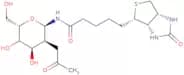
CAS:N-GlcNAc-Biotin is a biotin analog that is used for the detection of cancer. It is used as an outpatient diagnostic tool to detect chest deformity, asymmetry, and other signs of lung or breast cancer. N-GlcNAc-Biotin binds to the receptor for biotin, which is expressed on many cancers cells. The molecule then emits radiation at a specific wavelength that can be detected by a waveguide device. A recrystallized form of this compound was developed to enhance its sensitivity and specificity for diagnosis.END>Formula:C18H30N4O7SColor and Shape:PowderMolecular weight:446.52 g/mol1,2,3-Tri-O-acetyl-5-O-benzoyl-4-C-fluoromethyl-D-ribofuranose
1,2,3-Tri-O-acetyl-5-O-benzoyl-4-C-fluoromethyl-D-ribofuranose is an organic compound. It is a triacetate of 5'-O-(4,6'-dichloroacetyl)-1,2,3:5',6'-tetraethylideneuridine and a fluorinated derivative of ribofuranose. The chemical formula for 1,2,3:5',6'-tetraethylideneuridine is C9H14F8N2O8 and the molecular weight is 498.17 g/mol.
Purity:Min. 95%Methyl 2-amino-2-deoxy-a-D-mannopyranoside
CAS:Methyl 2-amino-2-deoxy-a-D-mannopyranoside is a fluorinated monosaccharide, which can be synthesized from the natural amino acid L -lysine. It is an important building block for complex carbohydrates and polysaccharides. Methyl 2-amino-2-deoxy-a-D-mannopyranoside can also be used to modify glycosyl groups, methyl groups, and sugar molecules.Formula:C7H15NO5Purity:Min. 95%Molecular weight:193.2 g/mol2-C-Methyl-D-arabino-1,4-lactone
2-C-Methyl-D-arabinose is a modification of the sugar arabinose. It is an oligosaccharide that can be synthesized in the laboratory. 2-C-Methyl-D-arabinose can be used as a custom synthesis and has been identified by its CAS number, which is 76447-07-6. This compound is a monosaccharide that has a molecular formula of C5H10O4 and an atomic weight of 150.12 g/mol. It is also referred to as methylated arabinose or D(+)-2,3,4,5,6 tetra‑O-methyl‑D‑arabino‑1,4‑lactone. 2-C-Methyl-D-arabinose is also a polysaccharide that contains glucose subunits with modifications such as fluorination or saccharides with glycosylation or methylation.Purity:Min. 95%L-Sorbose
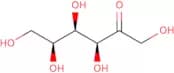
CAS:Resource for the industrial synthesis of ascorbic acid alias Vitamin C
Formula:C6H12O6Purity:Min. 98 Area-%Color and Shape:White Off-White PowderMolecular weight:180.16 g/mol6-O-(2-Acetamido-2-deoxy-β-D-galactopyranosyl)-D-galactopyranose
CAS:6-O-(2-Acetamido-2-deoxy-b-D-galactopyranosyl)-D-galactopyranose is a fluorinated carbohydrate that belongs to the group of saccharides. It is a monosaccharide and can be custom synthesized for specific purposes. This product has been modified with click chemistry, methylation, and glycosylation. 6-O-(2-Acetamido-2-deoxy-b-D-galactopyranosyl)-D-galactopyranose is soluble in water and has high purity.Formula:C14H25NO11Purity:Min. 90 Area-%Color and Shape:PowderMolecular weight:383.35 g/molBenzyl 6-O-benzyl 2-deoxy-3-O-((R)-1'-ethoxycarbonylethyl)-2-(2,2,2-trichloroethoxycarbonylamino)-a-D-glucopyranoside
Benzyl 6-O-benzyl 2-deoxy-3-O-(R)-1'-ethoxycarbonylethyl)-2-(2,2,2-trichloroethoxycarbonylamino)-a-D-glucopyranoside is a methylated saccharide. It is a modified sugar that is synthesized by reacting benzyl alcohol with deoxyribose and chloroacetic acid in the presence of sodium cyanoborohydride. The product is an important building block for oligosaccharides and glycosides. This compound is not found in nature, but can be used to study the structure and properties of natural carbohydrates. Benzyl 6-O-benzyl 2-deoxy-3-O-(R)-1'-ethoxycarbonylethyl)-2-(2,2,2-trichloroethoxycarbonylamino)-a-D-glucopyrPurity:Min. 95%(2R, 4S) - 3- Fluoro- 1- (phenylmethyl) -2,4- azetidinedimethanol
(2R, 4S) - 3- Fluoro- 1- (phenylmethyl) -2,4- azetidinedimethanol is a high purity custom synthesis. It is synthesized by Click modification, fluorination and glycosylation. It is used in the synthesis of oligosaccharides and saccharides. The CAS number for this compound is 43425-49-8.Purity:Min. 95%N,N',N''-Triacetylchitotriose
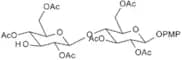
CAS:N,N',N''-Triacetylchitotriose is a chiral compound that is formed from the acetylation of chitin. It has been shown to be an antigen for monoclonal antibodies and a model system for exploring the enzymatic hydrolysis of chitin. N,N',N''-Triacetylchitotriose can be used to investigate the catalytic mechanism of chitinase enzymes, which are involved in breaking down the polysaccharide chitin. It has also been shown to have bioactive properties, such as inhibiting lectins and binding with mannose receptors.Formula:C24H41N3O16Purity:Min. 95 Area-%Color and Shape:White PowderMolecular weight:627.59 g/mol4-Methoxyphenyl 2,3,6-O-acetyl-4-O-(2,4,6-tri-O-acetyl-β-D-galactopyranosyl)-β-D-glucopyranoside
The compound is a custom synthesis of a complex carbohydrate. It is an oligosaccharide with CAS No. and polysaccharide that has been modified by methylation, glycosylation, and click modification. The compound is Methylated, Glycosylated, Click-modified Carbohydrate Sugar with high purity and fluorination.Formula:C31H40O18Purity:Min. 95%Molecular weight:700.64 g/mol2-Azido-((R)-3,5-O-benzylidene)-2,6-dideoxy-1,4-di-O-tert.butyldimethylsilyl- L-manno-hexitol
2-Azido-((R)-3,5-O-benzylidene)-2,6-dideoxy-1,4-di-O-tert.butyldimethylsilyl--L--mannopentose is a carbohydrate that is used in the synthesis of oligosaccharides and polysaccharides. It can be custom synthesized with high purity and desired modifications to suit your needs. This product has been fluorinated and glycosylated for increased stability and solubility in organic solvents. This product's CAS number is 617072-75-0.Purity:Min. 95%L-Ribulose
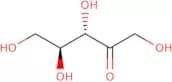
CAS:Valuable chiral building block; rare sugar applied in wood preservation
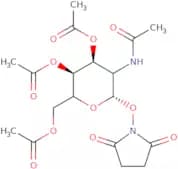
Formula:C5H10O5Purity:Min. 97 Area-%Color and Shape:Slightly Yellow Clear LiquidMolecular weight:150.13 g/molO-(2-Acetamido-3,4,6-tri-O-acetyl-2-deoxy-b-D-glucopyranosyl)-N-hydroxysuccinimide
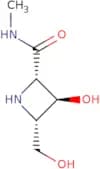
CAS:O-(2-Acetamido-3,4,6-tri-O-acetyl-2-deoxy-b-D-glucopyranosyl)-N-hydroxysuccinimide is a glycosylation agent that can be used in the synthesis of glycoproteins and polysaccharides. It has been shown to be effective for the synthesis of oligosaccharides, polysaccharides and complex carbohydrates. The compound has a CAS number of 170590-84-8 and is classified as an intermediate organic chemical. O-(2-Acetamido-3,4,6-tri-O-acetyl-2 -deoxy--b--D--glucopyranosyl)-N--hydroxysuccinimide reacts with primary alcohols to form acetal derivatives. This reaction can also be used for Click chemistry and fluorination in order to modify saccharide structures.Formula:C18H23NO12Purity:Min. 95%Molecular weight:445.37 g/mol(2S, 3S, 4S) -3- Hydroxy- 4- (hydroxymethyl) - N- methyl- 2- azetidinecarboxamide
CAS:(2S, 3S, 4S) -3- Hydroxy- 4- (hydroxymethyl) - N- methyl- 2- azetidinecarboxamide is a custom synthesis that has been fluorinated and methylated. It is soluble in water and is used as a saccharide. The compound has been modified by the click modification of the azetidinecarboxamide with an oligosaccharide. It is also used as a sugar for glycosylation or polysaccharide formation. Click modification can be done on oligosaccharides to form complex carbohydrates.Formula:C6H12N2O3Purity:Min. 95%Molecular weight:160.17 g/molCarboxymethyl cellulose sodium - Viscosity 100 - 300 mPa·s
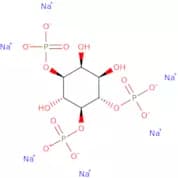
CAS:Food additive; soil suspension polymer in detergents; thickening agentPurity:Min. 95%Color and Shape:PowderD-myo-Inositol 1,4,5-triphosphate sodium salt
CAS:D-myo-Inositol 1,4,5-triphosphate sodium salt is a diacylglycerol that is involved in intracellular signaling. It is synthesized by the hydrolysis of phosphatidylinositol 4,5-bisphosphate and dephosphorylation of inositol 1,4,5-trisphosphate. D-myo-Inositol 1,4,5-triphosphate sodium salt has been shown to be a potent agonist at the ryanodine receptor and can protect against neuronal death induced by glutamate or NMDA. It also has been shown to have beneficial effects on bowel disease and cytosolic Ca2+ levels.Formula:C6H9Na6O15P3Purity:Min. 95%Color and Shape:Orange To Red SolidMolecular weight:551.99 g/molHexadecyl-D-xylopyranoside
CAS:Hexadecyl-D-xylopyranoside is a synthetic sugar that has been fluorinated and methylated. It is a complex carbohydrate that belongs to the group of modified sugars. This product has many applications in the synthesis of oligosaccharides and saccharides, as well as in glycosylation reactions. Hexadecyl-D-xylopyranoside can be used in custom syntheses, and has been shown to have high purity with a CAS No. 115211-19-3.Formula:C21H42O5Purity:Min. 95 Area-%Color and Shape:White Off-White PowderMolecular weight:374.56 g/mol5,6-O-Isopropylidene-phlorigidoside B
5,6-O-Isopropylidene-phlorigidoside B is a glycosylation inhibitor that belongs to the class of oligosaccharides and synthetic compounds. This compound has been shown to inhibit the synthesis of complex carbohydrates by reacting with a phosphoryl group on an activated sugar. The 5,6-O-isopropylidene group on the molecule is fluorinated and methylated, which may be used for custom synthesis or modification. 5,6-O-Isopropylidene-phlorigidoside B can also be used as a fluorescent probe in fluorescence microscopy.
Purity:Min. 95%GD3-Ganglioside ammonium
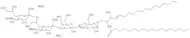
CAS:GD3 ganglioside (shown as sodium salt) has a core disaccharide structure (Gal-1,4-Glc) with two sialic acids linked to the non-reducing galactose residue, and ceramide linked to position 1 on the reducing terminal glucose residue (Ledeen, 2009). GD3 ganglioside is a minor ganglioside in most normal tissues but plays a crucial role in the development of the brain; its presence is significantly reduced in adults. However, expression of GD3 ganglioside is increased in pathological conditions, such as, cancers and neurodegenerative disorders (Malisan, 2002). GD3 ganglioside was the first cancer-associated ganglioside discovered, that promotes adhesion and invasion of cancers. GD3 ganglioside and GD2 ganglioside are highly expressed in a various malignant cancers and have become potential targets for next-generation cancer therapy (Liu, 2018).
Formula:C70H125N3O29·xNH4Purity:Min. 95%Color and Shape:PowderMethyl 4,6-O-benzylidene-β-D-galactopyranoside
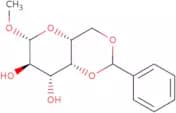
CAS:Methyl 4,6-O-benzylidene-b-D-galactopyranoside is a sugar that has a molecular formula of C14H18O7. This compound crystallizes in the monoclinic system with unit cell dimensions of a=11.74 Å, b=8.92 Å, c=5.81 Å and β=106.39°. The methyl 4,6-O-benzylidene group is attached to the galactose ring via an ether bond at C4' and C6'. Methyl 4,6-O-benzylidene-b-D-galactopyranoside has been shown to possess receptor binding properties by inhibiting acetylcholine release when it binds to the acetylcholine receptors on the surface of muscle cells. Methyl 4,6-O-benzylidene-b-D-galactopyrFormula:C14H18O6Purity:Min. 95%Color and Shape:PowderMolecular weight:282.29 g/molMethyl 2,3,4-tri-O-pivaloyl-6-O-trityl-a-D-glucopyranoside
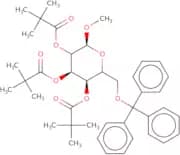
Methyl 2,3,4-tri-O-pivaloyl-6-O-trityl-a-D-glucopyranoside is a custom synthesis of an oligosaccharide. The sugar is attached to the glycosylation site of the peptidoglycan cell wall of bacteria. This modification prevents bacterial growth by interfering with the cell wall biosynthesis that is required for protein synthesis and cell division.Formula:C41H52O9Purity:Min. 95%Molecular weight:688.87 g/molHuman meconium oligosaccharides
This mixture contains some of the neutral and sialylated oligosaccharides found in human meconium.
Purity:Min. 95%Color and Shape:Powder(2R, 3R, 4R, 5R) -3, 4- Dihydroxy- 2, 5- bis(hydroxymethyl) -1- pyrrolidinepropanoic acid
CAS:2, 5-Bis(hydroxymethyl)-1-pyrrolidinepropanoic acid is a sugar that has the chemical formula HOCCH(OH)CHCOH. It is synthesized by the Click modification of 2, 5-dihydroxy-1-pyrrolidinepropanoic acid. The most common use of this compound is in glycosylation reactions, which are used to modify complex carbohydrates.Purity:Min. 95%N-(4-Bromobenzyliden)imino-2,3,4,6-tetra-O-pivaloyl-D-glucopyranoside
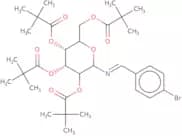
N-(4-Bromobenzyliden)imino-2,3,4,6-tetra-O-pivaloyl-D-glucopyranoside is a custom synthesis that is an oligosaccharide. This product is a complex carbohydrate that can be modified with methylation, glycosylation and click modification. The saccharide unit in this product is a sugar or carbohydrate. It has high purity with fluorination and synthetic modifications.Formula:C33H48BrNO9Purity:Min. 95%Molecular weight:682.66 g/molForssman antigen pentaose
CAS:Tumor associated antigen and target for the development of anti-cancer vaccinesFormula:C34H58N2O26Purity:Min. 90 Area-%Color and Shape:White PowderMolecular weight:910.82 g/molmyo-Inositol trispyrophosphate hexasodium salt
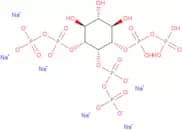
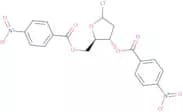
CAS:Myo-Inositol trispyrophosphate (ITPP) hexasodium salt is a drug with anti-cancer properties. It is an allosteric effector that interact with hemoglobin, releasing oxygen into the target tissues to avoid hypoxia. Several studies has shown an increase on the affinity of hemoglobin to oxygen when using ITPP, fact that demonstrated it can be a good strategy for the treatment of several cardiovascular diseases.Formula:C6H6Na6O21P6Purity:Min. 95%Color and Shape:White Off-White PowderMolecular weight:737.88 g/mol1-Chloro-2-deoxy-3,5-di-O-p-nitrobenzoyl-D-ribofuranose
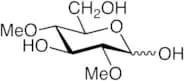
CAS:1-Chloro-2-deoxy-3,5-di-O-p-nitrobenzoyl-D-ribofuranose is a fluorinated sugar that can be used as a probe for the study of glycosylation and methylation reactions. It is also a complex carbohydrate with an Oligosaccharide modification. It is available for custom synthesis and has high purity. This product can be methylated, glycosylated, or modified using Click chemistry. 1-Chloro-2-deoxy-3,5-di-O-p nitrobenzoyl D ribofuranose is also an oligosaccharide sugar that contains one Monosaccharide unit.Formula:C19H15ClN2O9Purity:Min. 95%Color and Shape:White to beige solid.Molecular weight:450.78 g/mol2,4-Di-O-methyl-D-glucose
CAS:2,4-Di-O-methyl-D-glucose is a partially O-methylated glucose sugar.Formula:C8H16O6Purity:Min. 95%Color and Shape:PowderMolecular weight:208.21 g/mol3-C-Methyl-allonolactone
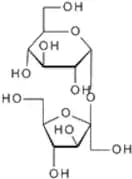
3-C-Methyl-allonolactone is an oligosaccharide that is modified by methylation, glycosylation, and polysaccharide. It is a custom synthesis and has a high purity. 3-C-Methyl-allonolactone may be used as a precursor to 3-carbon sugars.Purity:Min. 95%Trehalulose
CAS:Trehalulose is a sugar that is found in plants, animals, and fungi. It is a reaction product of glucose with the enzyme trehalase, which cleaves off two molecules of water to form one molecule of glucose and one molecule of trehalulose. Trehalulose has been shown to be an inhibitor of phosphofructokinase, an enzyme involved in glycolysis. This inhibition can be reversed by the addition of ATP or pyruvate kinase. Trehalulose also has been shown to inhibit the growth of cells by interfering with protein synthesis. Trehalulose may have biological functions including dietary uses as a replacement for sucrose or lactose due to its low calorie content and high level of sweetness.br>br> Trehalulose is structurally similar to sucrose because it has both a glucose part and a fructose part and it will react with hydrogen fluoride (HF) in dry weight reactions, forming trehalo-sFormula:C12H22O11Purity:Min. 90 Area-%Color and Shape:Clear Viscous LiquidMolecular weight:342.3 g/molBlood Group H disaccharide
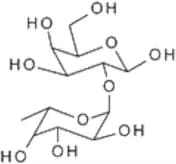
CAS:Core antigen fragment in ABO blood group systemFormula:C12H22O10Purity:Min. 95%Color and Shape:White PowderMolecular weight:326.3 g/molEthyl 2-acetamido-2-deoxy-β-D-glucopyranoside
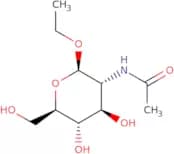
CAS:Ethyl 2-acetamido-2-deoxy-β-D-glucopyranoside is an anomeric sugar that contains a substituent at C4. It is used in the synthesis of oxazolidinones and thiazolidinones.Formula:C10H19NO6Purity:Min. 98 Area-%Color and Shape:PowderMolecular weight:249.26 g/molD-Lyxono-1,4-lactone
CAS:D-Lyxono-1,4-lactone is a 4-deoxy-l-fucose derivative that is a potent inhibitor of bacterial growth. It is a highly effective antibiotic with a broad spectrum of activity against Gram-positive and Gram-negative bacteria. D-Lyxono-1,4-lactone has been shown to be active against multivorans, including Escherichia coli and Salmonella enterica serovar Typhimurium. This compound was found to be more active than antibiotics such as penicillin and streptomycin. The structure of D-Lyxono-1,4-lactone includes two hydroxamic acid groups that are connected by an acetal linkage to form the benzylidene acetal moiety. The optical enantiomers of this molecule have been characterized using high resolution NMR spectroscopy and magnetic resonance spectroscopy techniques.BR> Dosis: 250Formula:C5H8O5Purity:Min. 95.0 Area-%Molecular weight:148.11 g/molRef: 3D-W-201380
5gTo inquire10gTo inquire25gTo inquire50gTo inquire2500mgTo inquire-Unit-ggTo inquireZymosan A (from Saccharomyces cerevisiae)
CAS:Zymosan is prepared from the cell walls of baker's yeast (Saccharomyces cerevisiae) and consists of polysaccharide chains of various molecular weights, containing approximately 73% polysaccharide, 15% protein, 7% lipid and other inorganic components. When injected into animals, it induces inflammation and has been used for many years in inflammation and immunology research. The conditions activated include components of the complement system, prostaglandins and leukotrienes, platelet aggregation factor, and lysosomal enzymes. Zymosan preparations are often insoluble but can be made soluble for separation on DE cellulose or Sepharose to produce more active fractions.Carboxymethyl chitosan
CAS:Carboxymethyl chitosan has good solubility in water and unique chemical, physical and biological properties such as high viscosity, large hydrodynamic volume, low toxicity, biocompatibility and good ability to form films, fibres and hydrogels. For this reason, it has been extensively used in many biomedical fields such as a moisture-retention agent, bactericide, wound dressing agent, in artificial bone and skin, as blood anticoagulant and as a component in different drug delivery matrices. The reactive ligands COOH and NH2 groups are available for metal chelation and dye binding.Color and Shape:White Powder2-Amino-2-deoxy-6,7-O-isopropylidene-D-glycero-D-ido-heptono-1.4-lactone
2-Amino-2-deoxy-6,7-O-isopropylidene-D-glycero-D-ido-heptono-1.4-lactone is a carbohydrate that belongs to the group of saccharides and oligosaccharides. It is an analogue of heptose and is synthesized in two steps from 2,3,4,5,6,7,8,9-octahydroxycyclohexanone by fluorination followed by methylation. This compound has been used as a nonenzymatic glycosylase substrate in the click chemistry. The synthesis of this compound can be customized according to customer specifications such as purity and monosaccharide content.Purity:Min. 95%Carboxymethyl cellulose sodium - Viscosity 400-800cps
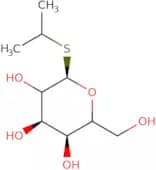
CAS:Food additive; soil suspension polymer in detergents; thickening agentFormula:C28H30Na8O27Purity:Min. 95%Color and Shape:White To Light Brown SolidMolecular weight:982.44Isopropyl-a-D-thiomannopyranoside
CAS:Isopropyl-a-D-thiomannopyranoside is a custom synthesis that is a methylated oligosaccharide. It has been modified by click chemistry to introduce an acetate group at the C4 position of the mannose residue. This product may be used in the preparation of polysaccharides, saccharides and carbohydrates. Isopropyl-a-D-thiomannopyranoside is a white solid that is soluble in methanol and ethanol but insoluble in water. It has been shown to have high purity and high chemical stability.Formula:C9H18O5SPurity:Min. 95%Molecular weight:238.3 g/mol(1R) -1- [(2S, 3R,4S) -4-(Acetylamino)methyl-N-butyl-3- hydroxy- 1- azetidinyl] -1, 2- ethanediol
(1R) -1- [(2S, 3R,4S) -4-(Acetylamino)methyl-N-butyl-3- hydroxy- 1- azetidinyl] -1, 2- ethanediol is a synthetic glycoside that has been modified with fluorine. It has a number of applications in the synthesis of saccharides and polysaccharides for use as pharmaceuticals or food additives.Purity:Min. 95%Benzyl-2,3,3,6-tetra-O-acetyl-tio-D-glucopyranoside
This compound is a custom synthesis, modification and fluorination of an acetylated glycoside. It is a methylated monosaccharide with a saccharide at the reducing end. This product can be used in the synthesis of oligosaccharides, glycosylation and sugar modifications. The CAS number for this compound is 58907-27-3.Purity:Min. 95%Benzyl 4-O-{4-O-[[2,4-di-O-acetyl-3-O-[2,4-di-O-(3,4,6-tri-O-acetyl-2-deoxy-2-phthalimido-b-D-glucopyranosyl)-3,6-di-O-benzyl-a-D-ma nnopyranosyl]-6-O-[3,4-di-O-acetyl-2,6-di-O-(3,4,6-tri-O-acetyl-2-deoxy-2-phthalimido-b-D-glucopyranosyl)-a-D-mannopyr
CAS:The benzyl group is a type of organic group in which the hydrogen atom at the alpha position is replaced with a phenyl group. In this compound, the benzyl group is attached to a sugar molecule through an ether bond. The benzyl group can be modified to produce different compounds. For example, it can be fluorinated to produce fluoro-benzyl compounds that are used as anti-cancer agents.Formula:C203H206N6O71SPurity:Min. 95%Molecular weight:3,897.87 g/mol(2R, 3S, 4S) -3, 4-Dihydroxy- N- methyl- 2- pyrrolidinecarboxami de
CAS:(2R, 3S, 4S) -3, 4-Dihydroxy-N-methyl-2-pyrrolidinecarboxamide is a custom synthesis that has been modified with fluorination and methylation. This compound is a monosaccharide that can be used to synthesize oligosaccharides and polysaccharides. The chemical formula of this compound is C4H8N4O3 and the molecular weight is 192.17 g/mol. This compound belongs to the category of saccharide, which is a carbohydrate made up of sugar molecules linked by glycosylations. This glycosylated carbohydrate can be found in complex carbohydrates such as starch or glycogen.Purity:Min. 95%4-Formylphenyl 2-acetamido-2-deoxy-b-D-glucopyranoside
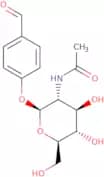
CAS:This product is a custom synthesis of a complex carbohydrate. It has the CAS number 135608-48-9, and is a fluorinated saccharide with an acetamide group in the 4-position. It is synthesized from 2,3-dihydroxybenzoic acid and methyl bromoacetate, which are reacted to form the mesylate ester. This product can be modified by methylation or glycosylation to produce desired derivatives. The purity of this compound is high, with no contaminants detected.Formula:C15H19NO7Purity:Min. 95%Color and Shape:PowderMolecular weight:325.31 g/mol2- C- (Hydroxymethyl) - 2, 3- O-isopropylidene)-D- ribose
2-C-(Hydroxymethyl)-2,3-O-isopropylidene)-D-ribose is a sugar that is an important component of glycosylation. It can be used as a monosaccharide or as part of a larger sugar molecule such as an oligosaccharide or polysaccharide. 2-C-(Hydroxymethyl)-2,3-O-isopropylidene)-D-ribose can be modified by either methylation, fluorination, click modification, saccharide modification, or custom synthesis. This product has high purity and can be custom synthesized to meet your specifications.Purity:Min. 95%2,3,4,6-Tetra-O-pivaloyl-b-D-galactopyranosyl amine
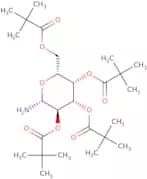
CAS:2,3,4,6-Tetra-O-pivaloyl-b-D-galactopyranosyl amine is a glycosylated monosaccharide with four pivaloyl groups. It is an important component of the glycoconjugate family and has been used in research as a model for glycoprotein synthesis. This compound is synthesized from 2,3,4,6-tetra-O-pivaloylglucose through the use of Click chemistry and fluorination. The 2,3,4,6-Tetra-O-pivaloylglucose can be modified to produce a variety of sugar derivatives including methylated sugars and polysaccharides. This product is custom synthesized to meet customer specifications. 2,3,4,6-Tetra-O-pivaloylglucose can be obtained by reacting 2 equivalents of triacetinFormula:C26H45NO9Purity:Min. 95%Color and Shape:PowderMolecular weight:515.64 g/mol2-Acetamido-1,3,4,6-tetra-O-benzyl-2-deoxy-a-D-glucopyranoside
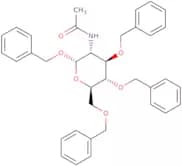
CAS:2-Acetamido-1,3,4,6-tetra-O-benzyl-2-deoxy-a-D-glucopyranoside is a modification of the natural carbohydrate. It is an oligosaccharide synthesized with custom synthesis. The synthetic process involves the methylation and glycosylation of the monosaccharides. Fluorination and saccharide linkages are also used in the production of this compound. 2-Acetamido-1,3,4,6-tetra-O-benzyl-2-deoxyglucopyranoside can be used as a building block for complex carbohydrates or as a research reagent for glycobiology.Formula:C36H39NO6Purity:Min. 95 Area-%Color and Shape:PowderMolecular weight:581.7 g/mol4-Aminophenyl b-L-fucopyranoside
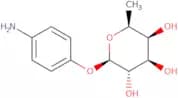
CAS:4-Aminophenyl b-L-fucopyranoside is a synthetic, fluorinated carbohydrate with the CAS number 69936-58-9. It can be used in the synthesis of glycosides and oligosaccharides. This product is available for custom synthesis and modification.Formula:C12H17NO5Purity:Min. 97 Area-%Color and Shape:White Beige PowderMolecular weight:255.27 g/mol











![(1R) -1- [(2S, 3R,4S) -4-(Acetylamino)methyl-N-butyl-3- hydroxy- 1- azetidinyl] -1, 2- ethanediol](/_next/image/?url=https%3A%2Fstatic.cymitquimica.com%2Fproducts%2F3D%2Fthumb-webp%2FMA163406.webp&w=3840&q=75)