Glycoscience
Subcategories of "Glycoscience"
- Aminosugars(108 products)
- Glyco-Related Antibodies(284 products)
- Glycolipids(46 products)
- Glycosaminoglycans (GAGs)(55 products)
- Glycosides(419 products)
- Monosaccharides(6,622 products)
- Oligosaccharides(3,701 products)
- Polysaccharides(505 products)
Found 11034 products of "Glycoscience"
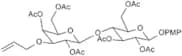
4-Methoxyphenyl 2,3,6-tri-O-acetyl-4-O-(2,4,6-tri-O-acetyl-3-O-allyl-β-D-galactopyranosyl)-β-D-glucopyranoside
4-Methoxyphenyl 2,3,6-tri-O-acetyl-4-O-(2,4,6-tri-O-acetyl-3-O-allyl bDgalactopyranosyl)-bDglucopyranoside is a modification of an oligosaccharide. It is a high purity and custom synthesis. This product can be found under CAS No. 807827-28-0.Formula:C34H44O18Purity:Min. 95%Molecular weight:740.7 g/mol2,3,6-Tri-O-benzoyl-γ-cyclodextrin
This gamma-cyclodextrin (γ-CD) derivative is a modified cyclic oligosaccharide composed of eight glucose units, featuring a larger cavity size than α- and β-cyclodextrins. This structural characteristic allows γ-CDs to form inclusion complexes with a wider range of guest molecules, making it particularly versatile in various industries. In the food sector, it is used as a carrier and stabilizer for flavors, fat-soluble vitamins, and polyunsaturated fatty acids, protecting volatile compounds from evaporation. In pharmaceuticals, it enhances the solubility and bioavailability of poorly water-soluble drugs and, thanks to its larger ring size, allows for the encapsulation of larger molecules or even entire drug molecules. γ-CDs and derivatives are also used for environmental remediation and, in analytical chemistry, for the extraction and concentration of target substances.
Formula:C216H176O64Purity:Min. 95%Molecular weight:3,795.67 g/molα1,2-Galactobiosyl β-methyl glycoside
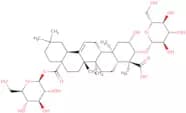
a1,2-Galactobiosyl b-methyl glycoside is a methylated galactose monosaccharide that is covalently bound to the terminal amino group of b-methyl glycosides. The fluorination of the methyl group can be achieved by reacting with hydrogen fluoride in the presence of a palladium catalyst. This modification increases the stability of the compound and reduces its susceptibility to hydrolysis. The synthesis of this product is carried out using custom synthesis by clicking reaction with an azide moiety on a benzyl alcohol derivative. The resulting product has CAS No., Oligosaccharide, Polysaccharide, saccharide, Carbohydrate, Fluorination, complex carbohydrate, High purity, Modification, Monosaccharide, sugar Synthetic properties.Formula:C13H24O11Purity:Min. 95%Color and Shape:White/Off-White SolidMolecular weight:356.32 g/molMedicagenic acid 3,28-di-O-glucoside
CAS:Medicagenic acid 3,28-di-O-glucoside is a synthetic compound that is the product of a custom synthesis. It is a sugar with 1,2-linked glucose units. Medicagenic acid 3,28-di-O-glucoside is an intermediate in the synthesis of glycoconjugates. Medicagenic acid 3,28-di-O-glucoside can be modified to produce saccharides with various properties and functions. This compound has been modified by fluorination, methylation and click chemistry to produce medicagenic acid 3,28-di-O-[(2-(4′-[N′-(3′,5′'-dimethoxytrityl)-3H]thiophenyl)carbonyl]-6′-(4′-[N′-(3',5'-dimethoxytrityl)-3H]thiophenyl)methyl] glucopyranoside.Formula:C42H66O16Purity:Min. 95%Molecular weight:826.96 g/mol1,2,3,4,6-Penta-O-acetyl-a-D-galactopyranose
CAS:1,2,3,4,6-Penta-O-acetyl-a-D-galactopyranose is a pentaacetate of glucose. This compound is transported in the blood and extracellular fluids and has been shown to be a substrate for hexaacetate transport. The transport of this compound by hexaacetate has been shown to bypass the intracellular k+ concentration gradient. It has also been shown to have anti-diabetic effects in animals and humans. 1,2,3,4,6-Penta-O-acetyl-a-D-galactopyranose can also be found in foods that contain beta d glucopyranoside (e.g., bananas). This compound is resistant to digestion and can be found in the stomach or intestines where it postulated to have an inhibitory effect on bacterial growth. 1,2,3,4,6-Penta-O-Formula:C16H22O11Purity:Min. 95%Color and Shape:White PowderMolecular weight:390.34 g/molBlood group A type 3/4 linear trisaccharide
GalNAca1-3Galb1-3GalNAcFormula:C22H38N2O16Purity:Min. 95%Molecular weight:586.54 g/molAllyl 2-acetamido-3,4-di-O-acetyl-6-azido-2-deoxy-D-galactopyranoside
Allyl 2-acetamido-3,4-di-O-acetyl-6-azido-2-deoxy-D-galactopyranoside is a carbohydrate that belongs to the group of sugars. It is a complex carbohydrate with a CAS number. This compound has fluorination and methylation modifications. Allyl 2-acetamido-3,4-di-O-acetyl-6-azido-2,6 -dideoxygalactopyranoside is synthesized from allyl 2,3,4,6 -tetraacetate by reaction with acetamide and sodium azide in an acetone/water mixture. The product contains high purity and custom synthesis.Purity:Min. 95%3-O-Methyl-α-D-glucopyranose
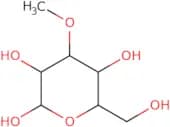
CAS:3-O-Methyl-α-D-glucopyranose is a synthetic, fluorinated monosaccharide. This compound is a custom synthesis, and it can be used as an intermediate in glycosylation reactions. 3-O-Methyl-α-D-glucopyranose is typically used for the modification of polysaccharides by methylation or fluorination. It also has potential applications in the production of high purity sugar compounds.Formula:C7H14O6Purity:Min. 95%Molecular weight:194.18 g/mol3-O-(a-D-Mannopyranosyl)-D-mannopyranose 1-O-propylamine acetate salt
3-O-(a-D-Mannopyranosyl)-D-mannopyranose 1-O-propylamine acetate salt is a methylated saccharide. It is an oligosaccharide that can be synthesized from D-mannose and pyruvic acid, with the addition of a proton donor. This product is used in the synthesis of polysaccharides due to its high purity and low cost. The methyl group on this molecule reacts with the carbonyl group on the sugar to form an ester, which makes it resistant to hydrolysis by enzymes. 3-O-(a-D-Mannopyranosyl)-D-mannopyranose 1-O-propylamine acetate salt is also fluorinated and can be used as a click modification in proteins or carbohydrates.Formula:C17H33O13NPurity:Min. 95%Color and Shape:Colourless To White SolidMolecular weight:459.44 g/molHeparin disaccharide IV-S disodium salt
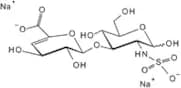
CAS:Heparin is a complex carbohydrate that has been modified by the addition of a sugar and a sulfate group. It is used in the treatment of thrombosis, deep vein thrombosis, pulmonary embolism, and other blood clots. Heparin disaccharide IV-S disodium salt (HDS) is an intravenous form of heparin that consists of sodium salts of two saccharides: heparin disaccharide and sodium disulfate. HDS has been shown to be more potent than unfractionated heparin in animal models, as well as being more effective in preventing clot formation in humans. This drug also exhibits less frequent side effects such as skin rash, itching, or hives.Formula:C12H17NO13S·2NaPurity:Min. 95%Color and Shape:White PowderMolecular weight:461.31 g/molBenzyl 4-O-(b-D-galactopyranosyl)-b-D-xylopyranoside
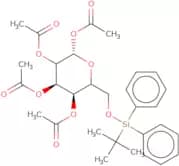
CAS:Benzyl 4-O-(b-D-galactopyranosyl)-b-D-xylopyranoside is a synthetic monosaccharide that has been modified with fluorine. This compound is used to modify complex carbohydrates like glycosaminoglycans and glycoproteins. It is also used in the synthesis of oligosaccharides and polysaccharides, as well as in click chemistry. Benzyl 4-O-(b-D-galactopyranosyl)-b-D-xylopyranoside is available for custom synthesis, and can be ordered in high purity.Formula:C18H26O10Purity:Min. 95%Color and Shape:PowderMolecular weight:402.39 g/mol1,2,3,4-Tetra-O-acetyl-6-O-(tert-butyldiphenylsilyl)-b-D-glucopyranose
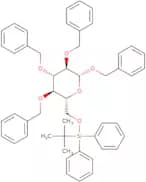
CAS:1,2,3,4-Tetra-O-acetyl-6-O-(tert-butyldiphenylsilyl)-b-D-glucopyranose is a synthetic oligosaccharide that has been modified by fluorination and methylation. It is used as a building block for the synthesis of complex carbohydrates. This product has a CAS number of 224778-57-8 and can be custom synthesized to meet your specifications.Formula:C30H38O10SiPurity:Min. 95%Molecular weight:586.72 g/mol1,2,3,4-Tetra-O-benzyl-6-O-tert-butyldiphenylsilyl-b-D-glucopyranose
CAS:1,2,3,4-Tetra-O-benzyl-6-O-tert-butyldiphenylsilyl-b-D-glucopyranose is a fluorinated monosaccharide. It is synthesized by reacting benzyl bromide with 1,2,3,4-tetra-O-(benzyloxycarbonyl)-D-glucopyranosyl chloride in the presence of triethylamine and pyridine. This compound can be used as a building block for the synthesis of oligosaccharides and polysaccharides. The modification of the sugar moiety is carried out through methylation or click chemistry. The purity of this compound is >98%.Formula:C50H54O6SiPurity:Min. 95%Molecular weight:779.07 g/molMethyl 4,6-O-benzylidene-2-deoxy-a-D-allopyranoside
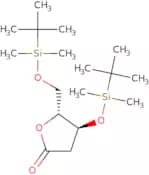
Methyl 4,6-O-benzylidene-2-deoxy-a-D-allopyranoside is an oligosaccharide that has a complex carbohydrate structure with a fluorination modification. It is synthesized by the methylation of 4,6-O-benzylidene-2,3,4,6 tetra deoxy aldopyranose and the glycosylation with methylated glucose. Methyl 4,6-O-benzylidene-2-deoxy-a -D allopyranoside is used in research to study the synthesis of saccharides and glycoconjugates. Its CAS number is 6891–51–8. This product is available for custom synthesis.Formula:C14H18O5Purity:Min. 95%Molecular weight:266.29 g/mol3,5-Di-O-(tert-butyldimethylsilyl)-2-deoxy-D-ribono-1,4-lactone
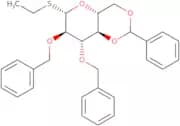
CAS:3,5-Di-O-(tert-butyldimethylsilyl)-2-deoxy-D-ribono-1,4-lactone is a nucleoside analog that inhibits the synthesis of viral RNA. It can be hydrolyzed to uridine, which is then converted to phosphorylated uridine by uridine phosphorylase. 3,5-Di-O-(tert-butyldimethylsilyl)-2-deoxy-D-ribono-1,4-lactone binds to the enzyme ribonucleotide reductase and blocks the production of DNA precursors. This may lead to a decrease in DNA synthesis and cell proliferation. The antiviral properties of 3,5-Di-O-(tert-butyldimethylsilyl)-2-deoxy--D--ribono--1,4--lactone have been shown in animal models against cytFormula:C17H36O4Si2Purity:Min. 95%Color and Shape:PowderMolecular weight:360.65 g/molEthyl 2,3-di-O-benzyl-4,6-O-benzylidene-b-D-thioglucopyranoside
CAS:Ethyl 2,3-di-O-benzyl-4,6-O-benzylidene-b-D-thioglucopyranoside is a glycosylated monosaccharide. It is synthesized by the reaction of 1,2,3,4,6-pentaacetyl bromohexose with benzaldehyde and thioglycolic acid. The product is purified by recrystallization. This compound has a CAS number of 141263-01-6 and can be custom synthesized to meet your needs.Formula:C29H32O5SPurity:Min. 95%Color and Shape:PowderMolecular weight:492.63 g/mol3-O-(a-L-Fucopyranosyl)-4-O-(3-sialyl-b-D-galactopyranosyl)-D-glucose
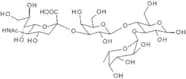
3-O-(a-L-Fucopyranosyl)-4-O-(3-sialyl-b-D-galactopyranosyl)-D-glucose is a modification of the complex carbohydrate, oligosaccharide, monosaccharide, and polysaccharide. It is synthesized by methylation of glucose and glycosylation with sialic acid. The product has a CAS number and a high purity level. This product is an example of a synthetic oligosaccharide that has been fluorinated. The product can be used as an additive or preservative in food products.Formula:C29H49NO23Purity:Min. 95%Molecular weight:779.71 g/molD-Talitol
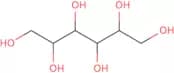
CAS:D-Talitol is a drug that is used to treat eye disorders and chronic pulmonary diseases. It belongs to the class of drugs called xylitol dehydrogenase inhibitors. D-Talitol inhibits the enzyme xylitol dehydrogenase, which converts xylitol into a different sugar called sorbitol. Sorbitol accumulates in certain parts of cells, such as the mitochondria, and can disrupt cellular processes by inhibiting oxidative phosphorylation and glycolysis. In addition, there are other effects of sorbitol accumulation that may lead to mitochondrial dysfunction, including inhibition of protein synthesis, induction of apoptosis (cell death), and inhibition of cell proliferation. D-Talitol has been shown to inhibit the growth of chronic kidney cells in culture by interfering with cellular metabolism in mitochondria. A kinetic study has also shown that D-Talitol inhibits b-raf activity at concentrations that are not cytotoxic. This suggests that D-Talitol may be useful forFormula:C6H14O6Purity:Min. 98 Area-%Color and Shape:White PowderMolecular weight:182.17 g/mol(2a, 3b, 4a) -N-Benzyl-3- benzyloxy-2, 4-azetidinedimethanol
(2a, 3b, 4a) -N-Benzyl-3- benzyloxy-2, 4-azetidinedimethanol is a custom synthesis of glycosylation. It is an oligosaccharide that has been synthesized by reacting methylated glycosylations with a fluorinated saccharide. The molecular weight of this product is approximately 540 g/mol and the CAS No. is 82408-19-8. This product can be used for Methylation and Click modification. This product is highly pure and has been custom synthesized to meet your specifications.Purity:Min. 95%1L-Epi-2-inosose
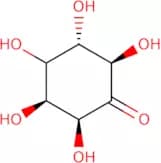
CAS:1-L-Epi-2-inosose is a natural compound that has been found to have broad-spectrum antimicrobial activity. This substance is a product of the hemocyte's enzymatic conversion of L-epinephrine into 1,2,3,4,5,6-hexahydroxyisoquinoline (1L-Epi). 1L-Epi is also synthesized in vitro from epinephrine by the enzyme dehydrogenase. In addition to its antimicrobial activity, 1L-Epi has been shown to be a potent proliferation inhibitor for human cells and to be effective against gram negative bacteria.Formula:C6H10O6Purity:Min. 95%Color and Shape:PowderMolecular weight:178.14 g/mol5-Azido-5-deoxy-2,3-O-isopropylidene-D-gulono-1,4-lactone
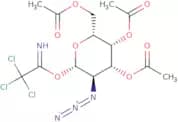
5-Azido-5-deoxy-2,3-O-isopropylidene-D-gulono-1,4-lactone is a carbohydrate that has been modified by the addition of an azide group. Carbohydrates are complex carbohydrates that consist of monosaccharides linked together to form polysaccharides. They are sugar molecules that act as a source of energy for living organisms. 5-Azido-5-deoxy-2,3-O-isopropylidene -D gulono 1,4 lactone is a monosaccharide which can be methylated and glycosylated with other sugars to form a polysaccharide. It is also fluorinated and saccharide. This compound belongs to CAS No. 144948–71–8 and has the molecular formula C6H8N2O7F9O6.Purity:Min. 95%3,4,6-Tri-O-acetyl-2-azido-2-deoxy-b-D-galactopyranosyl trichloroacetimidate
CAS:Glycosyl-donor for syntheses of N-acetylgalactosamine-glycoconjugatesFormula:C14H17Cl3N4O8Purity:(%) Min. 80%Color and Shape:White PowderMolecular weight:475.67 g/mol2, 5- Anhydro- 6- azido- 3, 6- dideoxy- L -arabino- hexonic acid methyl ester
CAS:2,5-Anhydro-6-azido-3,6-dideoxy-L-arabino-hexonic acid methyl ester (ADAEM) is a modified sugar that can be used as a building block for oligosaccharides and polysaccharides. ADAEM is a monosaccharide with six hydroxyl groups. This modification of the sugar molecule prevents it from participating in glycosidic bond formation. ADAEM has been shown to be resistant to enzymatic degradation and has high purity. It is also stable at high temperatures and pH ranges.Formula:C7H11N3O4Purity:Min. 95%Molecular weight:201.18 g/molUlvan - Ulva rotondata-Autumn
CAS:Ulvans are structural polysaccharides present in the cell walls of green algae such as Ulva armoricana, Ulva rotondata, Ulva rigida, Ulva lacterca and Ulva pertusa. They are highly sulphated and contain rhamnose 3-sulphate, xylose, xylose 2-sulphate, glucuronic acid and iduronic acid residues. Ulvan has several potentially valuable functionalities such as gel formation for agricultural and food applications. It has also an anticoagulant, antioxidant, antihyperlipidemic and antitumor activities that are attractive for pharmaceutical applications.
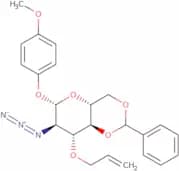
The image was kindly provided by Prof Mike Guiry from Cork who runs ‘The Seaweed Site’.Purity:Min. 95%4-Methoxyphenyl 3-O-allyl-2-azido-4,6-O-benzylidene-2-deoxy-β-D-glucopyranoside
CAS:4-Methoxyphenyl 3-O-allyl-2-azido-4,6-O-benzylidene-2-deoxy-b-D-glucopyranoside (MPA) is a glycosylated antigen that has been shown to be specific for mycobacterium avium. It is a cytosolic calcium ionophore and can induce platelet membrane activation and coagulation. MPA has also been found to be chemoprotective in animal models of cancer. MPA can be used as an indicator of the body mass index (BMI).Formula:C23H25N3O6Purity:Min. 95%Color and Shape:PowderMolecular weight:439.47 g/molMethyl 2,3-di-O-benzyl-4,6-O-(4-methoxybenzylidene)-a-D-galactopyranoside
CAS:Methyl 2,3-di-O-benzyl-4,6-O-(4-methoxybenzylidene)-a-D-galactopyranoside is a fluorination product of the monosaccharide. It can be synthesized by glycosylation or polysaccharide modification in a custom synthesis. Methyl 2,3-di-O-benzyl-4,6-O-(4-methoxybenzylidene)-a-D-galactopyranoside is also known as methyl 2,3:4,6:O-(4'-methoxybenzylidene)-alpha--D--galactopyranoside. This compound has CAS number 94902-59-7 and molecular weight of 556.Formula:C29H32O7Purity:Min. 95%Molecular weight:492.57 g/mol1,2,3,5,6-Penta-O-benzoyl-D-galactofuranose
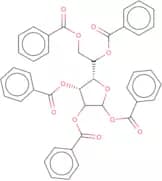
CAS:1,2,3,5,6-Penta-O-benzoyl-D-galactofuranose is a sugar that is custom synthesized and can be modified with fluorination. This product has a CAS number of 138811-45-7 and is high purity. It can be used in glycosylation, oligosaccharide synthesis, methylation, monosaccharide synthesis and polysaccharide synthesis. It is an important building block for the modification of complex carbohydrates.Formula:C41H32O11Purity:Min. 95%Color and Shape:White PowderMolecular weight:700.69 g/mol(2R,3R,4R)-N-Benzyloxycarbonyl-2-hydroxymethyl-3,4-pyrrolidinediol
(2R,3R,4R)-N-Benzyloxycarbonyl-2-hydroxymethyl-3,4-pyrrolidinediol is a custom synthesis of polysaccharide that is modified with methylation and glycosylation. It is a complex carbohydrate that has been synthesized using Click chemistry. The product is fluorinated and has high purity.Purity:Min. 95%Mannan (ex Ivory nut)
CAS:Ivory nut mannan occurs in members of the custard apple, ebony and palm families - Ivory nut. The polysaccharide contains more than 95% mannose units linked β-(1,4) with a few a-D-galactopyranosyl units linked (1,6). It is widely used in foods, pharmaceuticals paints and explosives.Purity:Min. 95%Color and Shape:White PowderUDP-a-D-galactose ammonium salt
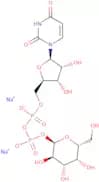
CAS:UDP-a-D-galactose ammonium salt is a nucleotide sugar that is synthesized from uridine and D-galactose. It plays a role in cellular energy metabolism by providing substrate for the synthesis of phospholipids and glycolipids. UDP-a-D-galactose ammonium salt has been shown to be involved in the transcriptional regulation of genes encoding enzymes involved in galactose metabolism. This nucleotide sugar also has been shown to be an exogenous acceptor for various oligosaccharides, including those present on glycoproteins and glycolipids.Formula:C15H30N4O17P2Purity:Min. 95%Molecular weight:600.36 g/molb-D-Glucan-from piptoporus betulinus
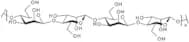
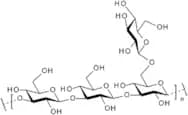
CAS:This β-glucan contain D-glucose residues with β-1,3 links and b-1-6 side branches. The frequency, location, and length of the sidechains may play a role in immunomodulation. Differences in molecular weight, shape, and structure of β-glucans can also affect the differences in biological activity. The water-soluble β-D-glucan is extracted from fruiting bodies of Piptoporus betulinus by hot aqueous extraction, followed by freeze-thawing and dialysis. Methylation analysis and NMR spectroscopy, indicated the presence of a β-D-glucan with a main chain (1,3)-linked, substituted at O-6 by single glucose residues. The image was kindly provided by Dr. Chris Lawson.Purity:Min. 95%Color and Shape:White Powder(2S, 3S, 4S, 5R) -3,4-Dihydroxy-2, 5- pyrrolidinedimethano l hydrochloride
CAS:Glycosylation is a process that attaches a sugar molecule to an amino acid or protein in the form of a glycosidic linkage. The attachment of the sugar molecule can be accomplished by either an enzymatic or chemical process. The type of glycosylation determines the type of linkage, which can be alpha-N-glycosidic (α-N), beta-N-glycosidic (β-N), or N-acetyl--galactosamine (NAG). Methylation is a process that changes one or more hydroxyl groups on a compound into methyl groups. It is usually performed with compounds containing alcohol groups (-OH) on their molecules. Click modification is a chemical reaction used to attach two chemical compounds together. It usually involves the use of copper(I) chloride, copper(II) chloride, and other reagents such as tetrabutylammonium bromide and potassium bromide. Click modification has beenPurity:Min. 95%2-C-( tert.Butyldimethylsilyloxy)methyl-2,3:5,6-di-O-isopropylidene-L-gulono-1.4-lactone
2-C-(tert-Butyldimethylsilyloxy)methyl-2,3:5,6-di-O-isopropylidene-L-gulono-1.4-lactone is a synthetic monosaccharide that is a modification of L-Gulono Oligosaccharide, which is a polysaccharide. 2C-(tert-Butyldimethylsilyloxy)methyl -2,3:5,6-di--O--isopropylidene--L--gulono 1.4 lactone is also known as 2C-(tert butyldimethylsilyloxy) methyl -2,3:5,6--di--O--isopropylidene--L--gulono 1.4 lactone and is used in the manufacture of saccharides and carbohydrates. It can be found in thePurity:Min. 95%Exopolysaccharide - from Flavobacterium
Bacterial exopolysaccharide from gram negative Flavobacterium spp.Purity:Min. 95%Color and Shape:White To Yellow Or Brown SolidGypsogenin-3-O-glucuronide
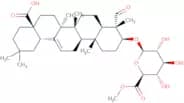
CAS:Gypsogenin-3-O-glucuronide is a saponin found in the roots of Gypsophila paniculata, a plant native to China. It has been shown to have anti-inflammatory and anti-tumor activities. Gypsogenin-3-O-glucuronide has been shown to inhibit tumor growth in mice by inhibiting protein synthesis. The pentasaccharides that make up gypsogenin are present in different proportions, which leads to differences in the biological activity of this compound. This is one of the reasons why saponins have not yet been fully explored for potential use in medicine.Formula:C37H56O10Purity:Min. 95%Color and Shape:PowderMolecular weight:660.83 g/molTetra-guluronic acid sodium
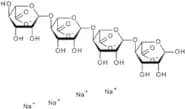
CAS:Tetra-guluronic acid sodium salt (1,4-linked α-L-sodium guluronotetraose) is one of a number of oligosaccharides obtained from alginate, a polysaccharide from brown seaweeds. It contains blocks of: repeating mannuronic acid sequences (M-M-M-M etc), repeating guluronic acid sequences (G-G-G-G etc), and alternating M-G-M-G sequences. This oligosaccharide can be released by acid hydrolysis and a number of biological activities have been discussed in a recent review.Formula:C24H30O25Na4Purity:Min. 98 Area-%Color and Shape:White PowderMolecular weight:810.44 g/mol1,2,3,4-Tetra-O-pivaloyl-6-O-triisopropylsilyl-a-D-mannopyranose
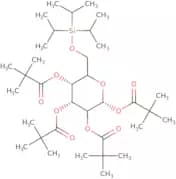
1,2,3,4-Tetra-O-pivaloyl-6-O-triisopropylsilyl-a-D-mannopyranose is a glycosylation product that can be used as a model for the synthesis of complex carbohydrates. It is synthesized by reacting 1,2,3,4 tetra O pivaloyl a D mannopyranose with triisopropyl silyl chloride in the presence of DMAP and 4-(N,N dimethylamino)pyridine. This product can be used to study the methylation of saccharides. The fluorination and saccharide modification are performed using potassium fluoride or potassium chlorate respectively. This product is also available in custom synthesis quantities at high purity.Formula:C35H64O10SiPurity:Min. 95%Molecular weight:672.98 g/molD-Gulose
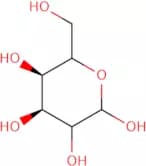
CAS:D-Gulose is a sugar that has been shown to have inhibitory properties on blood glucose levels. It also has insulin-like effects and can be used as an alternative to insulin injections in patients with Type 1 diabetes. D-Gulose is metabolized by the liver into 5-deoxy-D-gluconic acid and then into glucose, which can then be used for cellular energy production. The rate constant for this process was determined in experiments using rat liver slices. D-Gulose may also have potent angiogenic effects, as it increased the proliferation of pluripotent cells and caused significant increases in growth factor β1 expression. D-Gulose may also have potential anti-cancer effects, as it inhibited nitrate reductase activity in tumor cells and decreased xanthine oxidase activity.Formula:C6H12O6Purity:Min. 99 Area-%Color and Shape:White PowderMolecular weight:180.16 g/mol2,3-Di-O-benzyl-b-cyclodextrin
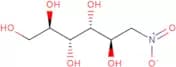
This beta-cyclodextrin (β-CD) derivative is a functionalized cyclic oligosaccharide composed of seven glucose units, characterized by a hydrophilic exterior and a lipophilic cavity (bigger than α-CD and smaller than γ-CDs), which allows it to encapsulate various guest molecules. This structural feature facilitates its use in multiple applications, including pharmaceuticals, food enhancement, and cosmetics. In the pharmaceutical industry, it enhances the solubility and stability of poorly water-soluble drugs, improving their bioavailability and efficacy while also masking unpleasant tastes. The food sector utilizes it as a stabilizer for flavors, colors, and nutrients, extending shelf life by protecting sensitive ingredients from degradation. In cosmetics, it serves as a complexing agent for fragrances and active components, ensuring their stability and controlled release. Its use expands to many other fields, including nanotechnology for drug delivery systems, environmental remediation for extracting organic pollutants, textiles for slow-release fragrances, and analytical chemistry for chiral separation.Formula:C140H154O35Purity:Min. 95%Molecular weight:2,396.7 g/mol1-Deoxy-1-nitro-D-mannitol
CAS:1-Deoxy-1-nitro-D-mannitol is an inorganic molecule that has a proton and a voltammetry. It is used to monitor the transport of d-arabinose across the blood vessels in the femoral vein. This compound is synthesized by the reaction of sodium nitrite with mannitol in the presence of hydrochloric acid. It can be detected using optical techniques, such as UV/VIS spectroscopy, fluorescence spectroscopy, and absorption spectroscopy. 1-Deoxy-1-nitro-D-mannitol has been shown to have a cotton effect on neurotransmitters in the frontoparietal cortex.Formula:C6H13NO7Purity:Min. 95%Molecular weight:211.17 g/mol2-O-Benzoyl-3,4-O-benzylidene-D-ribono-1,5-lactone
2-O-Benzoyl-3,4-O-benzylidene-D-ribono-1,5-lactone (2BBL) is a glycosylation agent that can be used for the synthesis of complex carbohydrates. It is also an effective methylating agent for glycosides and saccharides. 2BBL is fluorinated to yield 2FBL, which has been shown to be a powerful click reagent. The CAS number for 2BBL is 53478-55-0. This product is custom synthesized in high purity and can also be used as a monosaccharide in oligosaccharide synthesis.Purity:Min. 95%(5R, 6R, 7R, 8S) -5, 7-Dihydroxy- 8- (hydroxymethyl) - 1- azabicyclo[4.2.0] octan- 2- one
CAS:This is a custom synthesis of (5R, 6R, 7R, 8S) -5, 7-dihydroxy-8- (hydroxymethyl) -1-azabicyclo[4.2.0]octan-2-one. This compound has been fluorinated and methylated and has a monosaccharide modification.Purity:Min. 95%Chitobiose octaacetate
CAS:Octacetylated chitobiose derivativeFormula:C28H40N2O17Purity:Min. 95%Color and Shape:White PowderMolecular weight:676.62 g/molMethyl 4,6-O-benzylidene-α-D-glucopyranoside
CAS:Methyl 4,6-O-benzylidene-α-D-glucopyranoside is a custom synthesis that can be used in the modification of complex carbohydrates. It is a high purity oligosaccharide with click modification and fluorination. The product is a monosaccharide sugar that has been synthesized by the process of glycosylation and hydrolysis. Methyl 4,6-O-benzylidene-α-D-glucopyranoside also has an Oligosaccharide, Polysaccharide, saccharide, Carbohydrate, Fluorination, complex carbohydrate, High purity, Modification, Monosaccharide, sugar, Synthetic.Formula:C14H18O6Purity:Min. 95%Color and Shape:White Off-White PowderMolecular weight:282.29 g/mol3b-[(a-L-arabinopyranosyl)oxy] urs-12,18-dien-28-oic acid 28-b-D-glucopyranosyl ester (12)
3b-[(a-L-arabinopyranosyl)oxy] urs-12,18-dien-28-oic acid 28-b-D-glucopyranosyl ester (12) is a methylated, saccharide, Polysaccharide. It has CAS No., Click modification, Modification, Oligosaccharide, Custom synthesis, Glycosylation, High purity, Carbohydrate and sugar. This product is Synthetic and Fluorination. It is also complex carbohydrate.Purity:Min. 95%(2E) -3-((2,3:5,6-Di-O-isopropylidene)-D-mannit-1-yl)-2- butenoic acid methyl ester (or tert.butyl ester)
(2E) -3-((2,3:5,6-Di-O-isopropylidene)-D-mannit-1-yl)-2- butenoic acid methyl ester (or tert.butyl ester) is a synthetic compound that is used in the modification of complex carbohydrates and sugars. It is an ester of 2,3:5,6-di-O-(isopropylidene)-D-mannitol and 2,2’-(propane 1,3 diol). The CAS number for this product is 53724-59-8.Purity:Min. 95%D-Arabonic acid-1,4-lactone
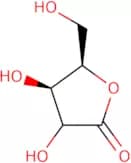
CAS:D-Arabonic acid-1,4-lactone is a synthetic sugar that is modified to produce a variety of carbohydrates. This product can be used in the synthesis of oligosaccharides and monosaccharides. It is also used as a carbohydrate in the production of saccharide-based polymers, such as polysaccharides or polyols. This product has CAS number 2782-09-4 and a purity level of ≥99%.
Formula:C5H8O5Purity:Min. 95 Area-%Color and Shape:PowderMolecular weight:148.11 g/mol(1R) -1- [(2S, 3R) - N-Benzyl-3- hydroxy- 1- azetidinyl] -1, 2- ethanediol
(1R) -1- [(2S, 3R) - N-Benzyl-3- hydroxy- 1- azetidinyl] -1, 2- ethanediol is a synthetic product that can be custom synthesized. It has been used in glycosylation reactions to produce oligosaccharides and monosaccharides. The chemical composition of the product is: C6H10O5 (CAS No. ).Purity:Min. 95%2-Azido-((R)-3,5-O-benzylidene)-2,6-dideoxy-1,4-di-O-tert.butyldimethylsilyl- L-manno-hexitol
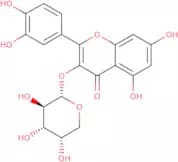
2-Azido-((R)-3,5-O-benzylidene)-2,6-dideoxy-1,4-di-O-tert.butyldimethylsilyl--L--mannopentose is a carbohydrate that is used in the synthesis of oligosaccharides and polysaccharides. It can be custom synthesized with high purity and desired modifications to suit your needs. This product has been fluorinated and glycosylated for increased stability and solubility in organic solvents. This product's CAS number is 617072-75-0.Purity:Min. 95%Quercetin-3-O-a-L-arabinoside
CAS:Quercetin-3-O-a-L-arabinoside is a flavonoid that has been shown to be active against human colorectal adenocarcinoma cells. Quercetin 3-O-a-L-arabinoside inhibits the proliferation of hl60 cells by inducing apoptosis and inhibiting protein synthesis. The biological properties of quercetin 3-O-a-L-arabinoside are not well understood, but it may work as an antioxidant due to its ability to scavenge free radicals. Quercetin 3-O-a-L-arabinoside has also been found to have antimicrobial activity against bacteria, fungi, and viruses. Quercetin 3 O a L arabinoside is able to inhibit the growth of various strains of Mycobacterium tuberculosis, including drug resistant strains. This compound is also shown to be effective in the treatment of platinum resistantFormula:C20H18O11Purity:Min. 98 Area-%Color and Shape:Yellow PowderMolecular weight:434.35 g/mol









![(5R, 6R, 7R, 8S) -5, 7-Dihydroxy- 8- (hydroxymethyl) - 1- azabicyclo[4.2.0] octan- 2- one](/_next/image/?url=https%3A%2Fstatic.cymitquimica.com%2Fproducts%2F3D%2Fthumb-webp%2FMD163385.webp&w=3840&q=75)


![3b-[(a-L-arabinopyranosyl)oxy] urs-12,18-dien-28-oic acid 28-b-D-glucopyranosyl ester (12)](/_next/image/?url=https%3A%2Fstatic.cymitquimica.com%2Fproducts%2F3D%2Fthumb-webp%2FMA74562.webp&w=3840&q=75)
![(1R) -1- [(2S, 3R) - N-Benzyl-3- hydroxy- 1- azetidinyl] -1, 2- ethanediol](/_next/image/?url=https%3A%2Fstatic.cymitquimica.com%2Fproducts%2F3D%2Fthumb-webp%2FMB163413.webp&w=3840&q=75)