Glycoscience
Subcategories of "Glycoscience"
- Aminosugars(108 products)
- Glyco-Related Antibodies(284 products)
- Glycolipids(46 products)
- Glycosaminoglycans (GAGs)(55 products)
- Glycosides(419 products)
- Monosaccharides(6,622 products)
- Oligosaccharides(3,701 products)
- Polysaccharides(505 products)
Found 11034 products of "Glycoscience"
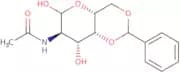
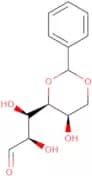
4,6-O-Benzylidene-D-galactose
CAS:4,6-O-Benzylidene-D-galactose is an anomer of D-galactose. It is a lectin that has been shown to inhibit the binding of amyloid beta to the cerebroside in the brain tissue. This activity may be due to its ability to form an amide bond with galactose, which is present in amyloid beta. 4,6-O-Benzylidene-D-galactose also has a coronary heart disease prevention effect and can help reduce cholesterol levels. Furthermore, it has been found to have anti-cancer properties and can help prevent the growth of cancerous cells by inhibiting protein synthesis. In addition, 4,6-O-Benzylidene-D-galactose can be used as a cationic surfactant or detergent composition for cleaning or treating surfaces.
Formula:C13H16O6Purity:Min. 95%Color and Shape:White To Off-White SolidMolecular weight:268.26 g/molDextran 750 - MW: 500,000 to 1,000,000
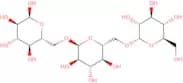
CAS:Dextran is a polysaccharide that is used as an antimicrobial agent and as a volume expander in the treatment of bowel disease, myocardial infarct, and other diseases. Dextran sulfate is a linear polymer with a molecular weight of 500,000 to 1,000,000. It has minimal toxicity and does not interfere with iron homeostasis or cause fluid overload. Dextran sulfate can be used for the treatment of bowel disease because it has been shown to have anti-inflammatory effects in experimental models. The mechanism by which dextran sulfate inhibits inflammation is unknown, but may involve its ability to bind to macrophages and neutrophils in the gut wall. Dextran sulfate also binds to bacteria and prevents their growth. This binding may prevent bacterial penetration into epithelial cells or block bacterial attachment to cell surfaces. The efficacy of dextran sulfate against pathogenic mechanisms such as inflammation has been demonstrated in experimental models.
Purity:Min. 95%Color and Shape:White PowderHexahydro- 1, 2, 8- trihydroxy- [1S- (1a, 2a, 8a, 8ab) ]-5(1H) -indolizinone
CAS:Hexahydro-1,2,8-trihydroxy-[1S-(1a,2a,8a,8ab)]-5(1H)-indolizinone is a custom synthesis of a complex carbohydrate. It is an Oligosaccharide and Polysaccharide. The saccharide Methylation and Glycosylation are the Modification of this molecule. This product has CAS No. 96625-36-4 and Click modification is Carbohydrate sugar. This product is highly pure with Fluorination SyntheticFormula:C8H13NO4Purity:Min. 95%Molecular weight:187.19 g/mol4-Methylphenyl 2-O-acetyl-3-O-benzyl-4-O-levulinoyl-b-D-thioglucuronide methyl ester
4-Methylphenyl 2-O-acetyl-3-O-benzyl-4-O-levulinoyl-b-D-thioglucuronide methyl ester is a high purity, custom synthesis, sugar modified, Click modification, fluorination, glycosylation, synthetic compound. CAS No. is 8072159–1. It is an Oligosaccharide, Monosaccharide and Carbohydrate with complex carbohydrate structure.Formula:C28H32O9SPurity:Min. 95%Molecular weight:544.62 g/molLocust bean gum
CAS:Locust bean (carob) gum is the refined endosperm of the seed of the carob tree, an evergreen of the legume family (Ceretonia siliqua). The tree grows extensively in Spain and is cultivated in many other Mediterranean countries. Locust bean gum, like guar gum, is a galactomannan with a backbone of (1,4) β-D-mannopyranosyl units having branches of (1,6)-linked α-D-galactopyranosyl units. However, locust bean gum has substantially fewer side chains than guar gum and these are clustered in blocks leaving longer regions of unsubstituted mannosyl regions. The gum is only partially soluble in water and suspensions require heating before solubility is achieved. As with guar, the polysaccharide forms gels with other gums such as carrageenan and xanthan. Applications are in the food industry to enhance texture, in paper making and in the textile industry.Purity:Min. 95%Color and Shape:Off-White PowderGalactostatin bisulfite
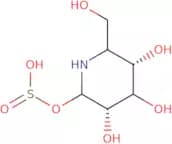
CAS:Inhibitor of β-galactosidase
Formula:C6H13NO7SPurity:Min. 95%Color and Shape:PowderMolecular weight:243.24 g/mol2-O-Hydroxyethyl-D-glucose
CAS:2-O-Hydroxyethyl-D-glucose is a synthesised compound that has been glycosidically linked to the glucoside. This compound is an intramolecular glucoside with a bicyclic structure. It can be used in the synthesis of other compounds, such as 3-o-hydroxypropyl-D-glucose, which has been shown to have anti-inflammatory effects.Formula:C8H16O7Purity:Min. 95%Color and Shape:PowderMolecular weight:224.21 g/mol2,5-Anhydro-4,6-di-O-benzoyl-D-glucitol
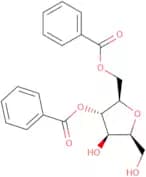
CAS:2,5-Anhydro-4,6-di-O-benzoyl-D-glucitol is a nucleoside analog that has been shown to inhibit the growth of Mycobacterium tuberculosis and other bacterial strains. It inhibits DNA synthesis by binding to the thymine moiety in the helix, which blocks access of thymine to the enzyme DNA polymerase. 2,5-Anhydro-4,6-di-O-benzoyl-D-glucitol also inhibits RNA synthesis by binding to the ribose moiety in nucleotides and blocking access of ribose to enzymes involved in the process. This compound is used as an immunosuppressant for organ transplantation in humans.Formula:C20H20O7Purity:Min. 95%Molecular weight:372.38 g/mol2-Deoxy-L-ribose-anilide
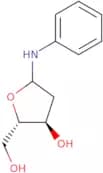
CAS:2-Deoxy-L-ribose-anilide is a chemical compound that has been patented for its use in the detection of magnetic fields. The patent claims that this compound can be used as an intermediate in the preparation of other compounds. 2DRA has different transition temperatures, depending on whether it is in the solid or liquid state. When 2DRA is heated, it changes from a colorless liquid to a yellow crystal at around 100°C and then becomes a white solid at around 150°C. The magnetic properties of 2DRA arise from its ability to form strong bonds with other molecules, which are broken by external magnetic fields.Formula:C11H15NO3Purity:Min. 98 Area-%Color and Shape:PowderMolecular weight:209.12 g/mol4-Methoxyphenyl 4-O-(2,4,6-tri-O-acetyl-3-O-allyl-β-D-galactopyranosyl)-3-O-allyl-β-D-glucopyranoside
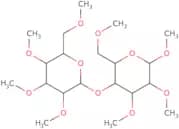
4-Methoxyphenyl 4-O-(2,4,6-tri-O-acetyl-3-O-allyl-b-D-galactopyranosyl)-3-O-allyl-b-Dglucopyranoside is a synthetic sugar with a molecular weight of 532. This product can be used in the synthesis of oligosaccharides and monosaccharides. It is also used as an intermediate in glycosylation reactions. This product has not been assigned a CAS number yet.Formula:C31H42O15Purity:Min. 95%Molecular weight:654.66 g/mol3,6-Dideoxy-D-arabino-hexose
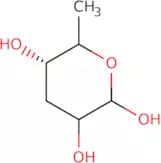
CAS:3,6-Dideoxy-D-arabino-hexose is a sugar that is found in bacterial cell walls. It is made up of three components: 3,6-dideoxy-D-glycero-hexose and two fatty acids. The chemical structure of 3,6-dideoxy-D-arabino-hexose has been determined by chemical synthesis and spectroscopic analysis. This sugar residue is also used in the biosynthesis of the lipid A antigen found on gram negative bacteria.Formula:C6H12O4Purity:Min. 95 Area-%Color and Shape:PowderMolecular weight:148.16 g/molFucoidan - Sargassum
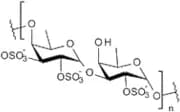
CAS:A fucan sulphate found in brown marine algae (Phaeophyta-typically Fucus vesiculotus, Sargassum (illustrated), Alaria and Cladosiphon) and has been shown to have anticoagulant activity. The main constituents are α-1,4 and α-1,2 linked L-fucose sulphates although galactose and L-fucose are also present, our product contains approximately 20% L-fucose, and there are many variations of the basic structure found in different species of Phaeophyta. The image was kindly provided by Prof Mike Guiry from Cork who runs ‘The Seaweed Site’.Purity:Min. 95%Color and Shape:PowderFucoidan - Laminaria japonica
CAS:A fucan sulphate found in brown marine algae (Phaeophyta-typically Fucus serratus, Ascophyllum nodosum, Laminaria japonica (illustrated) and Macrocystis pyrifyra) and has been shown to have anticoagulant activity. The main constituents are α-1,4 and α-1,2 linked L-fucose sulphates although galactose also occurs and there are many variations of the basic structure found in different species of Phaeophyta. The image was kindly provided by Prof Mike Guiry from Cork who runs ‘The Seaweed Site’.Purity:Min. 95%Color and Shape:Off-White Slightly Brown Powder6-Deoxy-6-fluoro-D-galactose
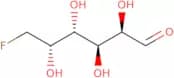
CAS:6-Deoxy-6-fluoro-D-galactose is a fluorinated sugar that has been shown to inhibit the uptake of glucose by human liver cells. This sugar binds to the enzyme activity and inhibits its activity. 6-Deoxy-6-fluoro-D-galactose was found to be metabolized in a dose dependent manner, with higher doses leading to increased uptake of fluorescein and decreased uptake of glucose. 6FDG is also metabolized by chemical reactions, such as oxidation or hydration, which leads to a decrease in its inhibitory effect on glucose uptake. 6FDG has been shown to bind to sequences that are involved in sugar transport and cell culture studies have shown that this sugar can induce inhibition of cell growth at high concentrations.Formula:C6H11FO5Purity:Min. 95%Color and Shape:PowderMolecular weight:182.15 g/mol4-O-Methyl-D-glucuronic acid
CAS:Component of plant, especially grape, glucuronoxylans
Formula:C7H12O7Purity:Min. 95%Color and Shape:Colorless PowderMolecular weight:208.17 g/mol1,4-β-D-Xylotetraose
CAS:1,4-β-D-Xylotetraose is a sugar that is found in the genus Talaromyces and is used as a sweetener. It is produced by plant cells and has been shown to have thermostability. 1,4-β-D-Xylotetraose has been found to have lipidomic activity, which may be related to its ability to bind lipids. It also has a dietary profile, which may contribute to its use as a supplement. 1,4-β-D-Xylotetraose can be used as an affinity agent for lipid profiling because it binds lipids with high affinity.Formula:C20H34O17Purity:Min. 95 Area-%Color and Shape:White Off-White PowderMolecular weight:546.47 g/molAcetyl-β-cyclodextrin
CAS:This beta-cyclodextrin (β-CD) derivative is a functionalized cyclic oligosaccharide composed of seven glucose units, characterized by a hydrophilic exterior and a lipophilic cavity (bigger than α-CD and smaller than γ-CDs), which allows it to encapsulate various guest molecules. This structural feature facilitates its use in multiple applications, including pharmaceuticals, food enhancement, and cosmetics. In the pharmaceutical industry, it enhances the solubility and stability of poorly water-soluble drugs, improving their bioavailability and efficacy while also masking unpleasant tastes. The food sector utilizes it as a stabilizer for flavors, colors, and nutrients, extending shelf life by protecting sensitive ingredients from degradation. In cosmetics, it serves as a complexing agent for fragrances and active components, ensuring their stability and controlled release. Its use expands to many other fields, including nanotechnology for drug delivery systems, environmental remediation for extracting organic pollutants, textiles for slow-release fragrances, and analytical chemistry for chiral separation.Formula:C42Hn)O35·(C2H3O)nPurity:Min. 98 Area-%Color and Shape:PowderMolecular weight:1,387.21 g/mol2-Acetamido-1,3,4,6-tetra-O-acetyl-2-deoxy-b-D-mannopyranose
CAS:2-Acetamido-1,3,4,6-tetra-O-acetyl-2-deoxy-b-D-mannopyranose is a synthetic carbohydrate. It is a modified form of the natural sugar mannose that has been fluorinated. This modification gives 2-Acetamido-1,3,4,6-tetra-O-acetyl-2-deoxy--b--D--mannopyranose an increased resistance to degradation by enzymes. The CAS number for this compound is 6730–10–5.Formula:C16H23NO10Purity:Min. 95%Color and Shape:White Off-White PowderMolecular weight:389.35 g/molFuraneol beta-D-glucopyranoside
CAS:Furaneol beta-D-glucopyranoside is a synthetic sugar that is used as an intermediate in the synthesis of complex carbohydrates. Furaneol beta-D-glucopyranoside has been modified by methylation and fluorination, which allows it to be used in click chemistry. Furaneol beta-D-glucopyranoside is also a high purity compound with a custom synthesis available for purchase.Formula:C12H18O8Purity:Min. 97 Area-%Color and Shape:PowderMolecular weight:290.27 g/molChitosan - water soluble
CAS:Chitosan is the deacetylated form of chitin. The polysaccharide is deacetylated in order to render it soluble, which is then possible at pH values of less than 7 (normally in dilute acid). This then allows the material to be used in a number of industrial applications as a binder and film former.MW typically 10-100kDa.Color and Shape:Off-White Powder3-Azido-3-deoxy-1,2:5,6-di-O-isopropylidene-α-D-galactofuranose
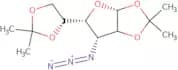
CAS:3-Azido-3-deoxy-1,2:5,6-di-O-isopropylidene-a-D-galactofuranose is a synthetic sugar that can be used as a monosaccharide or oligosaccharide. It is a complex carbohydrate that can be modified with methylation, fluorination, and click chemistry. 3-Azido-3-deoxy-1,2:5,6-di-O-isopropylidene-a-D galactofuranose is an important compound in carbohydrate chemistry due to its ability to undergo glycosylation reactions. The chemical properties of 3ADGFP are comparable to those of other monosaccharides and carbohydrates.Formula:C12H19N3O5Purity:Min. 95%Color and Shape:Solidifying oil.Molecular weight:285.3 g/molD-Glucarate monopotassium
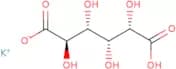
CAS:D-Glucarate monopotassium is a pharmaceutical preparation that is used to inhibit the growth of bacteria. It inhibits the proliferation of cells by inhibiting fatty acid synthesis, which leads to decreased levels of cholesterol, and reduces the uptake of glucose. D-Glucarate monopotassium is also an oxidizing agent that converts uridine into uric acid and has been shown to have inhibitory properties against human cancer cells. D-Glucarate monopotassium can be used as an antioxidant for the prevention or treatment of chronic diseases such as atherosclerosis, diabetes, and cancer. This compound acts as an inhibitor for trypsin treatment on carbohydrates, preventing hydrolysis by this enzyme.
Formula:C6H9O8·KPurity:Min. 95%Color and Shape:PowderMolecular weight:248.23 g/mol2-Deoxy-L-fucose
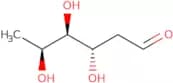
CAS:2-Deoxy-L-fucose is a sugar that is found in the human body. It has been shown to have anti-tumour properties and can be used as a chemotherapeutic agent in the treatment of solid tumours. 2DFL binds to the receptor for fucose, which is expressed in many types of cancer cells. It also inhibits DNA synthesis by stabilizing a complex between the sugar and dna template, inhibiting the binding of monoclonal antibodies to cancer cells, and preventing glycosidic bond formation on cancer cells. 2DFL has also been shown to inhibit microbial biotransformation and cell culture.
Formula:C6H12O4Purity:Min. 95%Color and Shape:PowderMolecular weight:148.16 g/molChitosan oligomer (Dp 12-20)
Chitosan oligomer (Dp 12-20) is a modification of chitin, a polysaccharide. It can be synthesized by treating chitin with sodium hydroxide in an alkaline environment. Chitosan oligomer (Dp 12-20) has a high degree of saccharide modification and exhibits a variety of functions, including complex carbohydrate, custom synthesis, synthetic, high purity, CAS No., and monosaccharide methylation. This compound has been shown to inhibit the growth of bacteria such as Staphylococcus aureus and Clostridium perfringens.Formula:(C6H11NO4)nColor and Shape:Beige PowderN-[2-(4'-Nitrophenylacetonitrile)]-2,3,4,6-tetra-O-pivaloyl-D-glucopyranoside
The chemical name for N-[2-(4'-Nitrophenylacetonitrile)]-2,3,4,6-tetra-O-pivaloyl-D-glucopyranoside is 4'-nitrophenyl 2,3,4,6-tetra-O-pivaloylmethyl glucopyranoside. It is a monosaccharide that has been custom synthesized and modified to contain a methyl group at the C2 position. This compound is also fluorinated at the C1 position and glycosylated at the C4 position. It is soluble in DMSO and methanol. The CAS number for this compound is 1263096-04-8.Formula:C34H49N3O11Purity:Min. 95%Molecular weight:675.77 g/mol3-O-(β-D-Galactopyranosyl)-D-glucopyranose
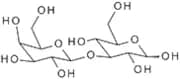
CAS:3-O-(β-D-Galactopyranosyl)-D-glucopyranose is a custom synthesis, modification, and fluorination of a monosaccharide. It is a synthetic and modified saccharide. The molecular formula for this compound is C6H10O5 and its molecular weight is 180.17 g/mol. This chemical has been assigned CAS No. 28447-38-3 and has the following structure:Formula:C12H22O11Purity:Min. 95%Color and Shape:White PowderMolecular weight:342.3 g/mol5-Deoxy-5-dimethylamino-1,2-O-isopropylidene-a-D-xylofuranose
CAS:5-Deoxy-5-dimethylamino-1,2-O-isopropylidene-a-D-xylofuranose is a fluorinated monosaccharide that is used as a synthetic building block for the synthesis of oligosaccharides and polysaccharides. It is used in glycosylation reactions to introduce fluoride at the anomeric carbon. 5-Deoxy-5-dimethylamino-1,2-O-isopropylidene is also used in click modification reactions to modify methyl groups. The CAS number for 5DDAIWF is 14514743. 9. This product has high purity with a purity of greater than 99%.Formula:C10H19NO4Purity:Min. 95%Color and Shape:Colourless to pale yellow oil.Molecular weight:217.27 g/molThymol-β-D-glucopyranoside
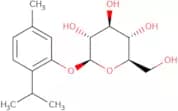
CAS:Thymol-b-D-glucopyranoside is a bactericidal agent that is resistant to encapsulation. It has been shown to be effective against animals and typhimurium in an incubated population and endogenous deaminase inhibitor strategy. The porcine activated food chemistry and abattoir experiments show that thymol-b-D-glucopyranoside has the potential to reduce populations of bacteria in the gastrointestinal tract by inhibiting protein synthesis.Formula:C16H24O6Purity:Min. 95%Color and Shape:PowderMolecular weight:312.36 g/mol1-O-(trans-3-Hydroxycotinine)-b-D-glucuronide ammonium salt
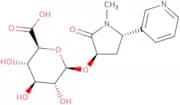
CAS:The glucuronidation of 1-O-(trans-3-hydroxycotinine)-b-D-glucuronide ammonium salt is mediated by the enzyme UDP-glucuronosyltransferase. This reaction is catalyzed by the transfer of a glucuronic acid residue from UDP-glucuronic acid to a hydroxyl group on the side chain of 1-O-(trans-3-hydroxycotinine)-b-D-glucuronide ammonium salt. The kinetic analysis of human urine samples has shown that this reaction is significant. This metabolite can be detected in urine samples using next generation sequencing and its concentration can be used as an indicator for the consumption of tobacco or nicotine containing products. Epidemiological studies have shown that this metabolite has significant effects on cancer risk. Genotyping and genotype studies have shown that this metabolite is responsible for genetic polymorphisms that are associated with increased cancer risk.
Formula:C16H20N2O8•(NH3)xPurity:Min. 97%Color and Shape:White PowderMolecular weight:368.34 g/mol2-C-Methyl-L-ribono-1,4-lactone
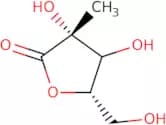
CAS:2-C-Methyl-L-ribono-1,4-lactone is a crystallized carbohydrate that contains the enantiomers L and D. It is a chiral molecule with two asymmetric carbon atoms. The L form has a higher yield than the D form and can be synthesized from l-arabinose, dimethylamine, and isomerisation. This compound is also present in ketoses such as d-xylose and 1-deoxy-d-ribulose. 2CMLR1L4L acts as an inhibitor of the enzyme d-galactose dehydrogenase, which catalyzes the conversion of d-galactose to d-glucose. Cyanide can bind to this compound to form cyanohydrin adducts, which are toxic to cells.Formula:C5H10O5Purity:Min. 95%Molecular weight:150.13 g/mol2-Acetamido-4,6-O-benzylidene-2-deoxy-D-galactopyranose
CAS:2-Acetamido-4,6-O-benzylidene-2-deoxy-D-galactopyranose is a fluorescent dye that binds to the hydroxyl group of nucleic acids. It can be used for microscopy of cells and bacteria in culture. This dye is also used for the measurement of cavitation activity. The dye is added at a concentration of 0.1% to the cell culture media. After 24 hours, it can then be observed with a microscope under UV light. 2-Acetamido-4,6-O-benzylidene-2-deoxy-D-galactopyranose has been shown to have lysis effects on cells such as agarose gels and mammalian cells, leading to cell death by apoptosis or necrosis. It's also used as an indicator in gel electrophoresis experiments because it can bind to DNA and RNA molecules, which makesFormula:C15H19NO6Purity:Min. 95%Color and Shape:White PowderMolecular weight:309.31 g/mol2,3-Dimethyl-6-amino-6-deoxy-γ-cyclodextrin
This gamma-cyclodextrin (γ-CD) derivative is a modified cyclic oligosaccharide composed of eight glucose units, featuring a larger cavity size than α- and β-cyclodextrins. This structural characteristic allows γ-CDs to form inclusion complexes with a wider range of guest molecules, making it particularly versatile in various industries. In the food sector, it is used as a carrier and stabilizer for flavors, fat-soluble vitamins, and polyunsaturated fatty acids, protecting volatile compounds from evaporation. In pharmaceuticals, it enhances the solubility and bioavailability of poorly water-soluble drugs and, thanks to its larger ring size, allows for the encapsulation of larger molecules or even entire drug molecules. γ-CDs and derivatives are also used for environmental remediation and, in analytical chemistry, for the extraction and concentration of target substances.Formula:C64H120N8O32Purity:Min. 95%Molecular weight:1,513.67 g/molGlycogen - from bovine liver
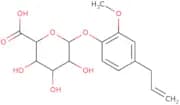
CAS:Glycogen is a highly branched polysaccharide of glucose that serves as a form of energy storage in animals and fungi. It is the main storage form of glucose in the body. In humans, glycogen is made and stored primarily in liver and muscle cells and functions as the second most important energy storage molecule to fat which is held in adipose tissue. Glycogen is analogous to starch and has a structure similar to amylopectin, but is more extensively branched and compact than starch. It occurs as granules in the cytosol/cytoplasm in many cell types, and plays an important role in the glucose cycle.Formula:(C6H10O5)nPurity:Min. 95%Color and Shape:PowderMolecular weight:162.05282Eugenol-β-D-glucuronide
CAS:Eugenol-glucuronide is an indirubin analog that has been found to have potent anticancer properties. It acts as a kinase inhibitor, blocking the activity of proteins that are involved in cancer cell growth and proliferation. Eugenol-glucuronide induces apoptosis, a process by which damaged or abnormal cells are eliminated from the body. It has been shown to be effective against human and Chinese hamster ovary tumor cells in vitro. This medicinal compound is excreted in urine and has potential for use in cancer treatment as an inhibitor of tumor growth.Formula:C16H20O8Purity:Min. 95%Molecular weight:340.32 g/molScleroglucan
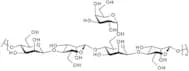
CAS:Scleroglucan is produced by the fermentation of the fungus Sclerotium rolfsii. It is a glucan with a main chain of 1,3-linked β-D-glucopyranosyl units with every third unit having a single β-D-glucopyranosyl unit linked 1,6. Scleroglucan powders disperse in water and give very viscous shear thinning solutions. Applications are in the oil industry in enhanced oil recovery, in agriculture in sprays and in the food and pharmaceutical industries. The image was kindly provided by Dr. Chris Lawson.Purity:Min. 90%Color and Shape:Slightly Yellow PowderGlycyl-asialo, galactosylated biantennary
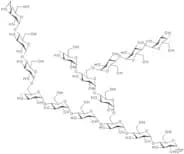
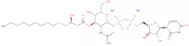
Glycyl-asialo, galactosylated biantennary is a high purity custom synthesis of sugar. Glycyl-asialo, galactosylated biantennary is custom synthesized by the click modification of glycosylation and fluorination with methylation and modification. The CAS number for glycyl-asialo, galactosylated biantennary is **********.Formula:C64H108N6O46Purity:Min. 95%Molecular weight:1,697.56 g/molUDP-3-O-(R-3-hydroxymyristoyl)-GlcNAc disodium
Substrate for UDP-3-O-acyl-N-acetylglucosamine deacetylase (LpxC)
Formula:C31H53N3O19P2•Na2Purity:Min. 95%Color and Shape:White PowderMolecular weight:879.67 g/molMethyl cellulose - USP (viscosity ca 1500cP)
CAS:Cellulose derivative, food thickener and emulsifier, bulk forming laxativeColor and Shape:PowderD-Glucosamine-2-N, 3-O, 6-O-trisulfate sodium salt
D-Glucosamine-2-N, 3-O, 6-O-trisulfate sodium salt is a high purity oligosaccharide that can be custom synthesized. This product is composed of sugar, Click modification, fluorination, glycosylation, and methylation. It has CAS No. and Oligosaccharide. This product is used in the production of complex carbohydrates due to its saccharide composition.Formula:C6H10NNa3O14S3Purity:Min. 95%Color and Shape:White/Off-White SolidMolecular weight:485.31 g/mol6-Methyldiosgenin Acetate
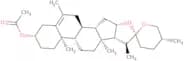
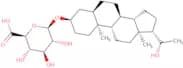
CAS:6-Methyldiosgenin acetate is a saponin that is found in the plant Balanites aegyptiaca. It has been shown to have anti-inflammatory and anti-tumor effects, as well as antioxidant properties. 6-Methyldiosgenin acetate also has been shown to stimulate the production of nitric oxide (NO) in endothelial cells, which may contribute to its anti-inflammatory effects. The chemical structure of 6-methyldiosgenin acetate is similar to that of furostanol and spirostanol, which are both saponins found in plants that can be used for the treatment of cancer. In addition, sapogenols are known to have a variety of therapeutic activities including antidiabetic, antiviral and anticancer activity.Formula:C30H46O4Purity:Min. 95%Molecular weight:470.68 g/molPregnanediol 3α-O-β-D-glucuronide
CAS:Pregnanediol 3α-O-β-D-glucuronide is a glucuronide metabolite of progesterone, which is a key steroid hormone in the reproductive system. This compound is derived from the metabolic conversion of progesterone, primarily within the liver, where it undergoes glucuronidation. This process involves the addition of glucuronic acid, mediated by the enzyme UDP-glucuronosyltransferase, enhancing the compound’s solubility for renal excretion.
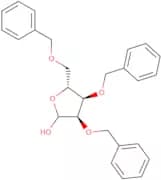
Formula:C27H44O8Purity:Min. 95%Color and Shape:PowderMolecular weight:496.63 g/mol2,3,5-Tri-O-benzyl-D-ribofuranose
CAS:2,3,5-Tri-O-benzyl-D-ribofuranose is a carbohydrate that can be synthesized through an efficient method. It is a glycoside with an oxotitanium (oxo) group. The synthesis of this compound requires magnesium as the activating agent and o-glycosylation. The glycoconjugates of this compound are found in organisms such as fungi, yeast, and bacteria. In addition to its carbohydrate function, 2,3,5-Tri-O-benzyl-D-ribofuranose has been shown to have antimicrobial properties. This sugar has also been shown to have antiviral properties due to its ability to inhibit the enzyme ribonucleotide reductase (RNR).Formula:C26H28O5Purity:Min. 95%Color and Shape:White PowderMolecular weight:420.5 g/mol2,6-Dimethyl-a-cyclodextrin >70%
CAS:Alpha-cyclodextrin (α-CD) derivative with a hydrophilic exterior and lipophilic cavity (smaller than β-CDs and γ-CDs) to allocate certain guest molecules. This structural characteristic enables applications in molecular encapsulation, solubility enhancement, and stabilization across multiple industries. In pharmaceuticals, it serves as a drug delivery vehicle, enhancing the bioavailability and stability of active ingredients. The food industry utilizes it as a stabilizer for flavors, colors, and nutrients, as well as a functional ingredient for its effects on lipid metabolism. In cosmetics, it acts as a complex agent for fragrances and active components. Its applications extend to analytical chemistry for chiral separation and to materials science for developing smart materials and nanosystems.Formula:C48H84O30Purity:Min. 95%Color and Shape:PowderMolecular weight:1,141.16 g/molD-myo-Inositol-1,3,5-triphosphate sodium salt
D-myo-Inositol-1,3,5-triphosphate sodium salt is a Glycosylation, complex carbohydrate. It can be Methylated, Click modified, Polysaccharide, Fluorinated and Saccharide. D-myo-Inositol-1,3,5-triphosphate sodium salt can be Modified by Modification and Sugar. D-myo-Inositol-1,3,5-triphosphate sodium salt is Synthetic. It has CAS No. and Monosaccharide Custom synthesis. D-myo-Inositol-1,3,5-triphosphate sodium salt is High purity.Formula:C6H12O15P3·xNaPurity:Min. 95%Molecular weight:417.07 g/mol6'-O-Sulfated Lewis X
6'-O-Sulfated Lewis X is a synthetic, sulfated, monosaccharide that is modified with fluorine and methyl groups. It is used in the synthesis of oligosaccharides and polysaccharides. 6'-O-Sulfated Lewis X has been found to be effective in the prevention of glycosylation and sugar formation. This compound can also be used for click modification, as well as for modifying proteins or DNA. The CAS number is 59037-07-4.
Formula:C20H35NO18SPurity:Min. 95%Color and Shape:PowderMolecular weight:609.55 g/molXylitol
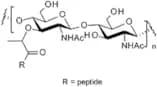
CAS:Xylitol is a sugar alcohol that can be found in some plants, including berries and corn husks. It is also produced by the body during normal metabolism. Xylitol has been shown to have antimicrobial properties against aerobacter aerogenes, a bacterium that inhabits the human gastrointestinal tract. Xylitol inhibits bacterial growth by binding to glucose-6-phosphate dehydrogenase, which prevents the conversion of glucose into energy for cell growth and reproduction. Xylitol also affects the water balance of cells by inhibiting their ability to extract water vapor from their environment. Xylitol is metabolized by a number of bacteria strains, which leads to the production of hydrogen peroxide or xylose as an end product. The biochemical properties of xylitol are still being researched and it is not yet known how this compound interacts with other biological compounds.Formula:C5H12O5Purity:Min. 98.5 Area-%Molecular weight:152.15 g/molPeptidoglycan - from Staphylococcus aureus
CAS:The sugar component consists of alternating residues of β-(1,4) linked N-acetylglucosamine and N-acetylmuramic acid. A peptide chain of three to five amino acids is attached to the N-acetylmuramic acid. The peptide chain can be cross-linked to the peptide chain of another strand forming the 3D mesh-like layer.Color and Shape:Powdera1-3-Galactobiose-biotin
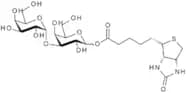
a1-3-Galactobiose-biotin is a synthetic, fluorinated oligosaccharide that has been modified with 3 biotin molecules. It is synthesized by the glycosylation of 1,3-galactobiose and is used as an intermediate in the synthesis of carbohydrates. The sugar moiety can be modified with different chemical groups and reactions such as methylation or click modification to change its properties.Formula:C22H36N2O13SPurity:Min. 95%Color and Shape:PowderMolecular weight:568.59 g/mol2-Deoxy-D-ribose
CAS:High purity grade. Used in synthetic organic chemistry and natural product synthesis. Induces apoptosis by inhibiting the synthesis and increasing the efflux of glutathione. It is used for synthesis of optically active dipyrrolyl alkanols from pyrroles on the surface of montmorillonite KSF clay.Due to its integral role in the formation of DNA, 2-Deoxy-D-ribose is critical in studies of genetic expression, DNA repair mechanisms, and the synthesis of nucleotides. Researchers utilize it extensively in molecular biology and biochemistry to understand cell replication and gene function, and it serves as a standard in research pertaining to oxidative stress, where its degradation may indicate the presence of reactive oxygen species. Additionally, it is involved in the development of various pharmacological agents, particularly those targeting cancer and viral infections, where the synthesis and function of DNA are pivotal aspects of pathogenesis and treatment response.Formula:C5H10O4Purity:Min. 99.0 Area-%Molecular weight:134.13 g/molGD1b-ganglioside sodium
CAS:GD1b (shown as sodium salt) is one of the major gangliosides in neuronal and glial membranes. It has a core tetrasaccharide structure (Galβ1,3GalNAcβ1,4Galβ1,4Glc) with itâs two sialic acids linked α2,3/α2,8 to the inner galactose residue and ceramide linked β to position 1 on the reducing terminal glucose residue (Ledeen, 2009). GD1b acts as a receptor for BK virus as well as for heat-labile LTII-a toxin, produced by enteropathogenicâ¯E. coli. GD1b ganglioside also interacts with tetanus neurotoxin (TeNT) and is crucial for its entry into cells (Kolter, 2012).Purity:Min. 95%Color and Shape:Powder

![Hexahydro- 1, 2, 8- trihydroxy- [1S- (1a, 2a, 8a, 8ab) ]-5(1H) -indolizinone](/_next/image/?url=https%3A%2Fstatic.cymitquimica.com%2Fproducts%2F3D%2Fthumb-webp%2FMH163920.webp&w=3840&q=75)








![N-[2-(4'-Nitrophenylacetonitrile)]-2,3,4,6-tetra-O-pivaloyl-D-glucopyranoside](/_next/image/?url=https%3A%2Fstatic.cymitquimica.com%2Fproducts%2F3D%2Fthumb-webp%2FMN08450.webp&w=3840&q=75)