Glycoscience
Glycoscience is the study of carbohydrates and their derivatives, as well as the interactions and biological functions they participate in. This field of research is crucial for understanding a wide variety of biological processes, including cell recognition, signaling, immune response, and disease development. Glycoscience has important applications in biotechnology, medicine, and the development of new drugs and therapies. At CymitQuimica, we offer a wide selection of high-quality, high-purity products for glycoscience research. Our catalog includes monosaccharides, oligosaccharides, polysaccharides, glycoconjugates, and specific reagents, designed to support researchers in their studies on the structure, function, and applications of carbohydrates in biological systems. These resources are intended to facilitate scientific discoveries and practical applications in various areas of bioscience and medicine.
Subcategories of "Glycoscience"
- Aminosugars(108 products)
- Glyco-Related Antibodies(282 products)
- Glycolipids(46 products)
- Glycosaminoglycans (GAGs)(55 products)
- Glycosides(419 products)
- Monosaccharides(6,622 products)
- Oligosaccharides(3,682 products)
- Polysaccharides(503 products)
Found 11041 products of "Glycoscience"
Sort by
Purity (%)
0
100
|
0
|
50
|
90
|
95
|
100
3,4,6-Tri-O-acetyl-2-azido-2-deoxy-β-D-galactopyranosyl trichloroacetimidate
CAS:<p>3,4,6-Tri-O-acetyl-2-azido-2-deoxy-beta-D-galactopyranosyl trichloroacetimidate is a custom synthesis that has been modified with fluorination and methylation. It is a monosaccharide containing the sugar galactose and it can be found in a saccharide or polysaccharide. This compound was synthesized using click chemistry.</p>Formula:C14H17Cl3N4O8Purity:Min. 95 Area-%Molecular weight:475.67 g/mol2,3,6,2',3',6',2'',3'',4'',6''-Deca-O-acetyl-a-D-maltotriosyl bromide
<p>2,3,6,2',3',6',2'',3'',4'',6''-Deca-O-acetyl-a-D-maltotriosyl bromide is an acetylated and fluorinated oligosaccharide that has been prepared by a click reaction. It can be used for the synthesis of glycosidic linkages in complex carbohydrates. This product is available as a custom synthesis.</p>Purity:Min. 95%1-Amino-2,5-anhydro-1-deoxy-D-mannitol
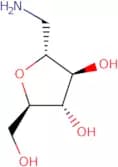
CAS:<p>1-Amino-2,5-anhydro-1-deoxy-D-mannitol is an amino sugar that is synthesized by reductive amination of d-fructose and nitrous acid. It has been shown to be a substrate for the transporter protein, which transports it into the cell. 1-Amino-2,5-anhydro-1-deoxy-D-mannitol has been used in the synthesis of arylamines with nitrous acid as a reducing agent. This process has been used to study the stereospecificity of reductive amination.</p>Formula:C6H13NO4Purity:Min. 95%Color and Shape:PowderMolecular weight:163.17 g/molChitobiose dihydrochloride
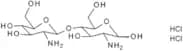
CAS:<p>Chitobiose is a dimer formed by beta-1,4-linked glucosamine units.<br>It is also the repeated dimer of chitin, a polysaccharide.</p>Formula:C12H24N2O9·2HClPurity:Min. 98 Area-%Color and Shape:White PowderMolecular weight:413.25 g/mol3-Deoxygalactosone
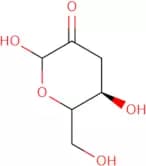
CAS:<p>3-Deoxygalactosone is a reactive compound that is formed by the reaction of glyoxal and galactose. The glyoxal molecule reacts with the hydroxyl group on the galactose to form a new aldehyde, which can then react with another molecule of glyoxal or galactose to form 3-deoxygalactosone. 3-Deoxygalactosone has been shown to have health effects in clinical studies. It also has been shown to decrease the dry weight of rats fed a high-fat diet. This compound also is an intermediate in the formation of 5-hydroxymethylfurfural, which is produced during the Maillard reaction between sugars and amino acids. 3-Deoxygalactosone binds to proteins, forming hydrogen bonds with amino acid side chains and affecting their biological function.</p>Formula:C6H10O5Purity:90%Color and Shape:Yellow PowderMolecular weight:162.14 g/mol1,2,3,4,6-Penta-O-acetyl-b-D-galactopyranose
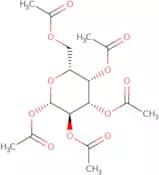
CAS:<p>1,2,3,4,6-Penta-O-acetyl-b-D-galactopyranose, also known as beta-D-galactose pentaacetate, has high chemical stability and long shelf life. This protected form of galactose is a key building block of any chemical synthesis of galactose-containing oligosaccharides or glycoconjugates. In the presence of Lewis acids it can be used as a glycosyl donor to make simple glycosides. In order to perform more complex galactosylations it can be converted into more reactive donors, such as glycosyl halides or thioglycosides.</p>Formula:C16H22O11Purity:Min. 98 Area-%Color and Shape:White Off-White PowderMolecular weight:390.34 g/molD-Glucosamine 6-phosphate
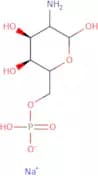
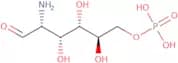
CAS:<p>D-Glucosamine 6-phosphate is a non-essential amino acid that belongs to the group of nucleotide sugar phosphates. It is a metabolite of the sugar D-glucose and it plays an important role in the energy metabolism of bacteria, plants, and animals. It has been shown to have anti-cancer effects on prostate cancer cells. D-Glucosamine 6-phosphate inhibits methyltransferase activity by binding to the enzyme's active site. This inhibition prevents DNA synthesis, leading to cell death. The structural analysis has been done using NMR spectroscopy on d-arabinose as a model substrate.</p>Formula:C6H14NO8PPurity:Min. 98 Area-%Color and Shape:White PowderMolecular weight:259.15 g/molN-Acetyl-D-glucosamine 2-epimerase
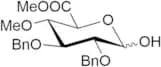
CAS:<p>N-Acetyl-D-glucosamine 2-epimerase is an enzyme that catalyzes the conversion of N-acetyl D-glucosamine to N-acetyl D-mannosamine. This enzyme is a recombinant protein. It has been shown to be active against bacterial cells and has been used as a target for antibodies in research. The enzyme is insoluble at high concentrations, so it must be refolded before use. It is active in a denatured form, but can be made inactive by heat or other denaturing agents such as urea, guanidine hydrochloride, or sodium dodecyl sulfate (SDS). Refolding strategies include dilution, dialysis, or adsorption onto a solid support such as agarose beads.<br>!--</p>Purity:Min. 95%Color and Shape:Grey to brown solid.Methyl (2,3-di-O-benzyl-4-O-methyl-α,β-D-glucopyranoside)uronate
CAS:<p>A protected glucuronide which is an anomeric mixture.</p>Formula:C22H26O7Purity:Min. 95%Color and Shape:PowderMolecular weight:402.44 g/molD-Glucosamine sulfate
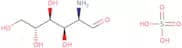
CAS:<p>D-Glucosamine sulfate is a pharmacological agent that has been shown to have activity against oxidative injury in vitro and in vivo. It inhibits the production of reactive oxygen species and lipid peroxidation, which are believed to be responsible for the development of liver disease. D-Glucosamine sulfate has also been shown to have activity against infectious diseases, with a particular focus on the inhibition of Toll-like receptor 4 signaling. The polymerase chain reaction (PCR) technique was used to detect the expression of glucosamine synthetase and other genes encoding enzymes that synthesize glucosamine in Mycobacterium tuberculosis. This drug may also be useful for treatment of inflammatory diseases such as rheumatoid arthritis, as it has been shown to inhibit prostaglandin synthesis, which is involved in the inflammatory response.</p>Formula:C6H13NO5•H2SO4Purity:Min. 95%Color and Shape:White PowderMolecular weight:277.25 g/mol3-(b-D-Mannopyranosyl)-D-rhamnose
<p>3-(b-D-Mannopyranosyl)-D-rhamnose is a custom synthesized carbohydrate that is modified by fluorination. It is also a complex carbohydrate with an Oligosaccharide, sugar, and a Monosaccharide. 3-(b-D-Mannopyranosyl)-D-rhamnose has high purity and can be used for methylation, glycosylation, or Click modifications. Click modification is an organic chemistry technique that uses a copper ion to add chemical groups to the surface of molecules. This provides access to new functionalities, such as increased solubility or stability in organic solvents.</p>Purity:Min. 95%1-Deoxy-D-xylulose - Aqueous solution
CAS:<p>1-Deoxy-D-xylulose is a potent inhibitor of the enzyme xylulokinase, which catalyses the first step in the metabolism of D-xylulose to form 5-phosphate. This prevents the conversion of D-xylulose to xylitol and inhibits body formation. The 1-deoxy--D-xylulose molecule has been shown to bind selectively to sodium citrate by x-ray diffraction data. Sodium citrate is an antimicrobial agent used for food preservation and as a preservative in pharmaceuticals. It also has been shown to control enzyme activities that are involved in infectious diseases such as malaria, tuberculosis, and leprosy.<br>1-Deoxy--D--xylulose is one of many high purity steviol glycosides that have been identified as potential drug targets for inhibiting body formation or growth.</p>Formula:C5H10O4Purity:Min. 97 Area-%Color and Shape:Clear LiquidMolecular weight:134.13 g/molD-Saccharic acid calcium salt tetrahydrate
CAS:<p>D-Saccharic acid calcium salt tetrahydrate is a white crystalline powder. It is a synthetic sugar that has been modified with fluorine and other substituents to produce a high purity, stable molecule. It can be used as an intermediate in the synthesis of oligosaccharides, monosaccharides, or glycosylations. D-Saccharic acid calcium salt tetrahydrate is synthesized by methylation and glycosylation of the saccharic acid molecule. This product can also be custom synthesized to meet your needs.</p>Formula:C6H16CaO12Molecular weight:320.26 g/molD-Fucose
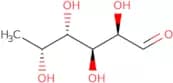
CAS:<p>D-Fucose is a sugar that can be synthesized in vitro. It is a component of the xanthurenic acid pathway, which is involved in the synthesis of l-arabinose. D-Fucose has been found to have anti-leukemic effects and to inhibit enzyme activities in vitro. It has also been shown to bind to the toll-like receptor, α1-acid glycoprotein, and surface membranes. A hydroxyl group at position 1 on the fucose molecule may be important for this binding. D-Fucose's biological properties are related to its structural analysis and the cell receptors it binds with. D-Fucose has an optimum pH level of 7, so it cannot survive outside of a neutral environment. It does not need any biological cofactors or enzymes for its synthesis, so it is classified as a nonessential nutrient. D-Fucose is also used in blood groups because it contains an antigen</p>Formula:C6H12O5Purity:Min. 97 Area-%Color and Shape:White Off-White PowderMolecular weight:164.16 g/mol1-Azido-1-deoxy-β-D-lactopyranoside
CAS:<p>Synthetic building block for oligosaccharide synthesis</p>Formula:C12H21N3O10Purity:(%) Min. 95%Color and Shape:PowderMolecular weight:367.31 g/molTopiramate impurity D
CAS:<p>Topiramate impurity D is a custom synthesis with CAS number. It is an oligosaccharide that has been modified by methylation and glycosylation. Topiramate impurity D is a complex carbohydrate with saccharide units, which are modified by fluorination and click chemistry. This product is high purity and has been synthesized using the synthetic method of glycosylation, Oligosaccharide, Methylation, and Carbohydrate.</p>Formula:C12H20O6Purity:Min. 95%Molecular weight:260.28 g/mol3-Deoxy-1,2-O-isopropylidene-5-O-toluoyl-b-L-ribofuranose
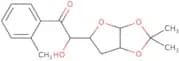
CAS:<p>3-Deoxy-1,2-O-isopropylidene-5-O-toluoyl-b-L-ribofuranose is a sugar that is a methylated form of ribose. It also forms the backbone of polysaccharides and is modified with glycosylation. 3DOTRB can be custom synthesized in high purity and has CAS No. 2072145-19-6.</p>Purity:Min. 95%Monosialyllacto-N-neohexaose
<p>Monosialyllacto-N-neohexaose is a postulated sugar that has been suggested to be a membrane potential stabilizer. It has been shown to have a linear response in analytical methods, such as mitochondrial membrane potential and glycosidic bond. Monosialyllacto-N-neohexaose has also been investigated for use in diabetic patients because it may help to improve the membrane potential of cells. This sugar has also been studied for use in colostrum and infant formula due to its ability to stimulate the production of TNF-α, which is important for immune system development.</p>Formula:C51H85N3O39Purity:Min. 95%Molecular weight:1,364.22 g/molRepaglinide acyl-D-glucuronide
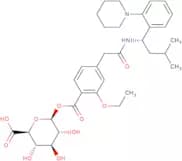
CAS:<p>Repaglinide is a drug that belongs to the class of drugs called meglitinides. It is used in the treatment of type 2 diabetes mellitus and has been shown to lower blood sugar levels. Repaglinide is metabolized to repaglinide acyl-D-glucuronide, its active form, by esterases in the liver. The majority of this metabolite is excreted in urine as an acyl glucuronide. A small amount of this metabolite is excreted into bile and undergoes enterohepatic circulation, resulting in reabsorption and conjugation with glucuronic acid. This process results in a decrease in the amount of repaglinide acyl-D-glucuronide that circulates through the body and prolongs its activity.</p>Formula:C33H44N2O10Purity:(%) Min. 97%Color and Shape:White PowderMolecular weight:628.71 g/molNeoagarohexaose
CAS:<p>Agarose is a polysaccharide found in red algae, typically Gelidium and Gracilaria. It is a strictly alternating polysaccharide of α-1,3 linked D-galactose and β-1,4 linked L-3,6 anhydrogalactose with occasional sulfation at position 6 of the anhydrogalactose residue. Agaro-oligosaccharides result from cleavage at galactose residues and neoagaro-oligosaccharides from cleavage at 3,6-anhydro residues. Neoagarohexaose is reported to have potential for novel cosmeceuticals.</p>Formula:C36H56O28Purity:Min. 98 Area-%Color and Shape:White PowderMolecular weight:936.81 g/mol6-O-Malonyldaidzin free acid
CAS:<p>6-O-Malonyldaidzin is a metabolite of the soybean isoflavone daidzein. It is an isoflavonoid that has been shown to activate estrogen receptors in vitro and in vivo. 6-O-Malonyldaidzin has been found to have a protective effect on hepatic steatosis, as well as an anti-inflammatory effect. This compound also appears to have matrix effects on plasma lipoproteins and vascular endothelial cells. 6-O-Malonyldaidzin is absorbed efficiently from the gastrointestinal tract, with its bioavailability being 70% or higher when taken orally. The chemical reaction for the synthesis of 6-O-Malonyldaidzin free acid can be carried out using acetylgenistin as a starting material. The sample preparation for this reaction solution may include distillation, recrystallization, or column chromatography. The analytical method for measuring the concentration of this compound includes UV spectrosc</p>Formula:C24H22O12Purity:Min. 95%Color and Shape:White PowderMolecular weight:502.42 g/molAcidic Sophorolipids non-acetylated
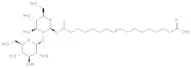
<p>Acidic Sophorolipids non-acetylated is a disaccharide consisting of β-1,2′ linked glucose residues with an unsaturated (cis-9) 18 carbon fatty acid chain. Acidic Sophorolipids are produced by various yeast species, notably Starmerella bombicola. Acidic Sophorolipids are amphiphilic molecules and therefore possess the attributes of surfactants; however as bio-surfactants they have several advantages over synthetic surfactants including low toxicity, biodegradability and the potential for low cost manufacture. The mixed acetylated version is also available.</p>Formula:C30H54O13Color and Shape:White PowderMolecular weight:622.74 g/molN-Acetyl-2-O-methyl-a-D-neuraminic acid methyl ester
CAS:<p>N-Acetyl-2-O-methyl-a-D-neuraminic acid methyl ester is a modification of the natural sugar N-acetyl-2,3,4,5,6-penta-, hexa-, and hepta-(1→4)-D-glycero-D-[1→6]-N-acetylneuraminic acid. It can be used as an intermediate in the synthesis of complex carbohydrates. This compound has been shown to be soluble in water and is stable at acidic pH levels.</p>Formula:C13H23NO9Purity:Min. 95%Molecular weight:337.32 g/molN-(2-Hydroxybenzyliden)imino-2,3,4,6-tetra-O-pivaloyl-b-D-glucopyranoside
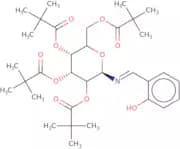
<p>The 2-hydroxybenzylidenimino-2,3,4,6-tetra-O-pivaloyl-b-D-glucopyranoside is a modification of the carbohydrates. It is an oligosaccharide that has been synthesized and it is a complex carbohydrate. This compound has a CAS No. and it is a monosaccharide. It is methylated and glycosylated and it can be used as a sugar or as a polysaccharide. This compound also has fluorination and saccharide modifications.</p>Formula:C33H49NO10Purity:Min. 95%Molecular weight:619.74 g/molUDP-2-acetamido - 2- deoxy- 5- thio- D- glucopyranose
<p>UDP-2-acetamido - 2- deoxy- 5- thio- D- glucopyranose is a monosaccharide that is used in glycosylation reactions to produce oligosaccharides or polysaccharides. It is synthesized by the addition of a sugar to UDP using an acetylating agent such as acetic anhydride. The resulting product can be methylated, fluorinated, and click modified. This product can also be used for complex carbohydrate synthesis.</p>Purity:Min. 95%Ethyl 2,3-di-O-benzyl-4,6-O-benzylidene-b-D-thiogalactopyranoside
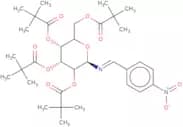
<p>Ethyl 2,3-di-O-benzyl-4,6-O-benzylidene-b-D-thiogalactopyranoside (BBDTG) is an oligosaccharide that is a sugar with a complex carbohydrate. It has been modified using the Click reaction and a custom synthesis to add fluorine atoms. This product is high purity and can be used in various applications, such as glycosylation or methylation.</p>Purity:Min. 95%N-(4-Nitrobenzyliden)imino-2,3,4,6-tetra-O-pivaloyl-D-glucopyranoside
<p>N-(4-Nitrobenzyliden)imino-2,3,4,6-tetra-O-pivaloyl-D-glucopyranoside is a synthetic saccharide that is modified with fluorine atom. This compound is a monosaccharide that has been synthesized from the carbohydrate D-glucopyranose. The molecular weight of this compound is 437.5 g/mol and it has CAS No. 105380-10-1. The purity of this compound is 98%. N-(4-Nitrobenzyliden)imino-2,3,4,6-tetra-O-pivaloyl D glucopyranoside is a high purity carbohydrate that can be custom synthesized in methylated and glycosylated form.</p>Formula:C33H48N2O11Purity:Min. 95%Molecular weight:648.74 g/mol(2R, 3S, 4R, 5S) -3,4-O-Isopropylidene-2- methyl-3, 4, 5- piperidinetriol
<p>(2R, 3S, 4R, 5S) -3,4-O-Isopropylidene-2- methyl-3, 4, 5- piperidinetriol is a fluorinated carbohydrate that is synthesized through a click reaction. It has been shown to have potent anti-inflammatory properties and inhibit tumor cell proliferation. This compound may be used in the treatment of cancer or inflammatory diseases. (2R, 3S, 4R, 5S) -3,4-O-Isopropylidene-2-methyl-3,4,5-piperidinetriol is also a complex carbohydrate containing oxygenated functional groups on C1 and C6. It has been shown to bind to the enzyme 2',3'-cyclic nucleotide 3'-phosphodiesterase (CNP), which affects the production of inflammatory mediators such as prostaglandins and leukotrienes.</p>Purity:Min. 95%5-Azido-5-deoxy-2,3-O-isopropylidene-1-C-phenyl-L-lyxofuranose
<p>5-Azido-5-deoxy-2,3-O-isopropylidene-1-C-phenyl-L-lyxofuranose is a fluorinated monosaccharide that can be synthesized by the reaction of 5 azidoacetone with 5 deoxyribose in the presence of sodium hydroxide. This compound is used for glycosylation, polysaccharide modification, and click chemistry. It is also used as a sugar source in the preparation of oligosaccharides and complex carbohydrates. 5 Azido-5 deoxy -2,3 O isopropylidene -1 C phenyl L L lyxofuranose has CAS number 8068635-52-8.</p>Purity:Min. 95%N- [(3R, 4S, 5R, 6S) - 4, 5- Dihydroxy- 6- (hydroxymethyl) - 3- piperidinyl] -acetamide
CAS:<p>N- [(3R, 4S, 5R, 6S) - 4, 5- Dihydroxy- 6- (hydroxymethyl) - 3- piperidinyl] -acetamide is a fluorinated N-acyl derivative of an aminomethyl oxazolidinone. It is synthesized by the reaction of acetamide with 5-(hydroxymethyl)-3-(piperidin-4-yloxy)oxazolidine and bromofluoride. The product was purified by column chromatography to yield a white solid. The purity of the final product was checked by HPLC and found to be 99%.</p>Purity:Min. 95%N-[(4'-Methoxyphenyl)-1-propenyl]imino-2,3,4,6-tetra-O-pivaloyl-D-glucopyranoside
<p>4-Methoxybenzaldehyde (4-MB) is an organic compound that is a simple aromatic aldehyde. It can be used to synthesize a variety of biologically active molecules, including saccharides and other carbohydrates. The synthesis of 4-MB starts with the direct oxidation of benzyl alcohol using hydrogen peroxide in the presence of a persulfate catalyst. The resulting 4-hydroxybenzaldehyde is then converted into 4-methoxybenzaldehyde by reaction with sodium hydroxide in methanol. This process produces high purity 4-methoxybenzaldehyde and avoids the use of toxic chromium reagents, which are required for the classical method for its preparation.</p>Formula:C36H53NO10Purity:Min. 95%Molecular weight:659.81 g/mol2-Azido- 2- deoxy- 2- C- methyl-3,5-di-O-toluenesulfonyl-D- ribono-1,4- lactone
<p>2-Azido-2-deoxy-2-C-methyl-3,5-di-O-toluenesulfonyl-D-[alpha]-ribono--1,4--lactone is a glycosylation agent that has been modified with a click chemistry reaction. It has been shown to be effective in the synthesis of complex carbohydrates and saccharides. This compound is also capable of modifying sugar chains, oligosaccharides, and polysaccharides. 2AzoDS is available for custom synthesis in high purity and CAS number.</p>Purity:Min. 95%N- (2, 5- Anhydro- 3- azido- 3- deoxy-4,6-O-isopropylidene- D- idonoyl) - 2, 5- anhydro- 3- amino- 3- deoxy-4,6-O-isopropylidene- D- idonic acid propyl ester
<p>N- (2, 5-Anhydro-3-azido-3-deoxy-4,6-O-isopropylidene-D-idonoyl)-2,5-anhydro-3-amino-3-deoxy--4,6--O--isopropylidene--D-- idonic acid propyl ester is a glycoconjugate consisting of a saccharide and an azido group. It is synthesized by the Click chemistry method. This compound has shown to inhibit the growth of bacteria in vitro by binding to bacterial ribosomes. N-(2, 5 -Anhydro - 3 -azido - 3 -deoxy - 4, 6 - O - isopropylidene - D - idonoyl) 2, 5 anhydro 3 amino 3 deoxy 4, 6 O isopropylidene D idonic acid propyl ester consists of</p>Purity:Min. 95%2-Azido-2-deoxy-3,5-O-isopropylidene-D-lyxono-1,4-lactone
<p>2-Azido-2-deoxy-3,5-O-isopropylidene-D-lyxono-1,4-lactone is a modification of glycosides. It is a high purity oligosaccharide with CAS number. This monosaccharide can be methylated and glycosylated to form polysaccharides. The chemical synthesis of this product is complex and requires custom synthesis.</p>Purity:Min. 95%3-O-Benzyl-1,2-O-isopropylidene-b-L-lyxofuranose
CAS:<p>3-O-Benzyl-1,2-O-isopropylidene-b-L-lyxofuranose is an oligosaccharide that is a member of the class of carbohydrates. It has a saccharide sequence that is composed of three monosaccharides: b-D-glucopyranose, L-xylopyranose, and β-(3’,4’)-benzylidene erythritol. The carbohydrate is modified with fluorine atoms at the two hydroxyl positions on the glucose unit and a benzyl group at the C4 position on the xylopyranose unit. 3-O-Benzyl-1,2-O-isopropylidene -b -L -lyxofuranose is useful for click chemistry reactions due to its reactive benzyl group. This product has high purity and can be custom synthesized to</p>Formula:C15H20O5Purity:Min. 95%Molecular weight:280.32 g/molN-Benzyl-3,5-dideoxy-3,5-imino-1,2-O-isopropylidene-b-L-lyxofuranose
<p>N-Benzyl-3,5-dideoxy-3,5-imino-1,2-O-isopropylidene-b-L-lyxofuranose is an oligosaccharide with a 3,5 dideoxy sugar. It is a modification of the natural carbohydrate L -lyxohexaose. This synthetic compound was custom synthesized and has high purity. The CAS No. for this compound is: 233878-37-6. N -Benzyl -3,5 -dideoxy -3,5 -imino -1,2--O--isopropylidene--b--L--lyxofuranose is not a monosaccharide or polysaccharide but rather a sugar that can be methylated or glycosylated. It has fluorination and saccharides that are modified with fluorine.</p>Purity:Min. 95%3b,19a-dihydroxyurs-12-en-28-oic acid 28-b-D-glucopyranosyl ester
<p>3b,19a-dihydroxyurs-12-en-28-oic acid 28-b-D-glucopyranosyl ester is an Methylated saccharide. It is a white to off-white crystalline powder that is soluble in water and methanol. The CAS number for this product is 805829-15-6. This product can be custom synthesized with a modification of the glycosylation site, or glycosylation can be removed by Click chemistry.</p>Purity:Min. 95%2,6-Anhydro-D-glycero-D-gluo-heptonic acid methylamide
<p>2,6-Anhydro-D-glycero-D-gluo-heptonic acid methylamide is a synthetic sugar that is used as a building block for the synthesis of oligosaccharides and monosaccharides. The glycosylation of 2,6-Anhydro-D-glycero-D-gluo-heptonic acid methylamide can be catalyzed by any of the glycosylators that use saccharides as substrates. This modification can also be achieved by methylation to produce methylated 2,6-Anhydro-D-glycero-D-gluo heptonic acid methylamide. It has been shown to exhibit antiviral activity against herpes simplex virus type 1.</p>Purity:Min. 95%(2S, 3S, 4R) -3- [[[(2S, 3S, 4R) - 3- Azido- 4- [[[(1, 1- dimethylethyl) dimethylsilyl] oxy] methyl] - 1- (phenylmethyl) - 2- azetid inyl] carbonyl] amino] - 4- [[[(1, 1- dimethylethyl) dimethylsilyl] oxy] methyl] - 1- (phenylmethyl) -2- azetidinecarb
<p>The synthesis starts with a commercially available, methyl-protected, phenyl-protected 2-azetidinecarboxylic acid. The carbonyl group is then converted to an amide by reaction with ammonia in the presence of a base (such as triethylamine) and an appropriate coupling agent (such as HOBt). The amide is then deprotected by treatment with hydrochloric acid to give the desired product. This compound has not been characterized fully yet but it is expected to be a complex carbohydrate.</p>Purity:Min. 95%2,4-Anhydro-3,5:6,7-di-O-isopropylidene-D-glycero-D-gulo-heptonic acid benzylamide
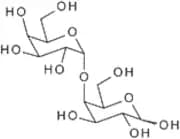
<p>2,4-Anhydro-3,5:6,7-di-O-isopropylidene-D-glycero-D-gulo-heptonic acid benzylamide is a glycosylation agent that is used in the synthesis of complex carbohydrate. It can be methylated and fluorinated to produce saccharides with desired properties. It also has a variety of chemical modifications for use as a synthetic sugar or oligosaccharide. 2,4-Anhydro-3,5:6,7-di-O-isopropylidene-D-glycero-D -gulo heptonic acid benzylamide is typically synthesized in high purity for use in pharmaceuticals or other applications requiring high purity.</p>Purity:Min. 95%4-O-(a-D-Galactopyranosyl)-D-galactopyranose
CAS:<p>Used as enzyme substrates, analytical standards and for in vitro diagnostics</p>Formula:C12H22O11Purity:Min. 97 Area-%Color and Shape:White PowderMolecular weight:342.3 g/molChitosan oligomer (Dp 3-7) hydrochloride - Molecular weight 1640
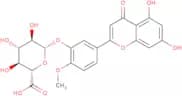
<p>Chitosan oligomer (Dp 3-7) hydrochloride is a carbohydrate with a molecular weight of 1640. It is used as a sugar and an adjuvant in vaccine development. Chitosan oligomer (Dp 3-7) hydrochloride is synthesized by the reaction of chitosan with phosphoryl chloride and has been shown to have antiviral, antibacterial, and anti-inflammatory effects.</p>Formula:(C6H13NO5•HCl)nPurity:Min. 95 Area-%Color and Shape:PowderDiosmetin-3'-O-b-D-glucuronide
CAS:<p>Diosmetin-3'-O-b-D-glucuronide is a custom synthesis, complex carbohydrate, Oligosaccharide, Polysaccharide. It has been modified by Methylation and Glycosylation. This compound is a sugar (CAS No. 152503-50-9) that is a carbohydrate with a high purity and fluoroination. The modification of this compound includes Click chemistry.</p>Formula:C22H20O12Purity:Min. 95%Color and Shape:PowderMolecular weight:476.39 g/mol4-Methoxyphenyl 2,3,4,6-tetra-O-acetyl-α-D-mannopyranoside
CAS:<p>4-Methoxyphenyl 2,3,4,6-tetra-O-acetyl-a-D-mannopyranoside is an extracellular calcium modulator that can be used to treat viral infections. It binds to the viral envelope and alters the virus's ability to fuse with cells. 4MPTAA also has antiviral activity against herpes simplex virus type 1 (HSV1) and influenza A virus (IAV). The compound also has anticancer activity by blocking the growth of cancer cells. 4MPTAA can be used for the treatment of microprocessor viruses such as tenella and myxoma. This drug also has a structural analysis profile that can be accessed using a variety of methodologies, including thermodynamic profiling and coagulation profiling.</p>Formula:C21H26O11Purity:Min. 95%Molecular weight:454.42 g/molD-Glucosamine-6-phosphate sodium salt
CAS:<p>D-Glucosamine-6-phosphate sodium salt is a custom synthesis of an oligosaccharide, polysaccharide, and carbohydrate. The chemical modification of this compound includes methylation, glycosylation, and carbamylation. This product has high purity with a fluorination level of 98%.</p>Formula:C6H14NO8P·NaPurity:Min. 95%Color and Shape:White Yellow PowderMolecular weight:282.14 g/molChitosan oligomer - Molecular weight 5000 - 15000 Da
CAS:<p>Chitosan is the deacetylated form of chitin. The polysaccharide is deacetylated in order to render it soluble, which is then possible at pH values of less than 7 (normally in dilute acid). This then allows the material to be used in a number of industrial applications as a binder and film former.</p>Color and Shape:PowderChondroitin sulfate A sodium salt - Average MW 10,000 - 30,000
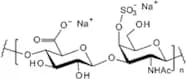
CAS:<p>The disaccharide repeating unit of chondroitin sulphate consists of N-acetyl galactosamine sulphate linked β1,4 to glucuronic acid. Each monosaccharide may be left unsulphated, sulphated once, or sulphated twice. The most common pattern has the hydroxyl groups of the 4 and 6 positions of the N-acetyl-galactosamine sulphated, with some chains having the position 2 of the glucuronic acid sulphated.</p>Purity:Min. 90%Color and Shape:White Off-White PowderBenzyl-α-S-GalNAc
CAS:<p>Please enquire for more information about Benzyl-alpha-S-GalNAc including the price, delivery time and more detailed product information at the technical inquiry form on this page</p>Formula:C15H21NO5SPurity:Min. 98 Area-%Molecular weight:327.4 g/molLipid X
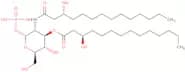
CAS:<p>Lipid X is a monosaccharide precursor of E. coli lipid A. It is an N-acyl-D-glucosamine 1-phosphate where the N-acyl group is (R)-3-hydroxytetradecanoyl and carrying an additional (R)-3-hydroxytetradecanoyl, and it is a component of the cell wall of Gram-negative bacteria. Due to its physiological functions and biological properties, Lipid X can be used to treat infectious diseases, autoimmune diseases, and HIV infection. It has also been shown to inhibit the production of inflammatory cytokines such as tumor necrosis factor alpha (TNF-α) and interleukin-1β (IL-1β). This effect is due to its ability to disrupt hydrogen bonds between lipids in the cell membrane. As a biosynthetic intermediate of Lipid A, it seems to play a role in bacterial virulence and can trigger an immune response in humans, and protect against endotoxins.</p>Formula:C34H66NO12PPurity:Min. 95%Molecular weight:711.86 g/molPeonidin-3-O-arabinoside chloride
CAS:<p>Peonidin-3-O-arabinoside chloride is a flavonol glycoside that is found in the plant peony and inhibits lipid absorption. It has inhibitory properties on fat absorption in vitro. Peonidin-3-O-arabinoside chloride also inhibits the activity of enzymes that break down dietary fats, such as pancreatic lipase, thereby preventing fat absorption. This compound has been shown to lower serum cholesterol levels and reduce blood pressure in vivo human trials. Peonidin-3-O-arabinoside chloride is extracted from the bark of the tree species Paeonia suffruticosa and is used as an ingredient in some weight loss supplements.</p>Formula:C21H21O10·ClPurity:Min. 95%Color and Shape:White Off-White PowderMolecular weight:468.84 g/mol








![N- [(3R, 4S, 5R, 6S) - 4, 5- Dihydroxy- 6- (hydroxymethyl) - 3- piperidinyl] -acetamide](/_next/image/?url=https%3A%2Fstatic.cymitquimica.com%2Fproducts%2F3D%2Fthumb-webp%2FMD163561.webp&w=3840&q=75)
![N-[(4'-Methoxyphenyl)-1-propenyl]imino-2,3,4,6-tetra-O-pivaloyl-D-glucopyranoside](/_next/image/?url=https%3A%2Fstatic.cymitquimica.com%2Fproducts%2F3D%2Fthumb-webp%2FMM08498.webp&w=3840&q=75)


![(2S, 3S, 4R) -3- [[[(2S, 3S, 4R) - 3- Azido- 4- [[[(1, 1- dimethylethyl) dimethylsilyl] oxy] methy…](/_next/image/?url=https%3A%2Fstatic.cymitquimica.com%2Fproducts%2F3D%2Fthumb-webp%2FMA163462.webp&w=3840&q=75)