Glycoscience
Subcategories of "Glycoscience"
- Aminosugars(108 products)
- Glyco-Related Antibodies(282 products)
- Glycolipids(46 products)
- Glycosaminoglycans (GAGs)(55 products)
- Glycosides(419 products)
- Monosaccharides(6,616 products)
- Oligosaccharides(3,718 products)
- Polysaccharides(502 products)
Found 11010 products of "Glycoscience"
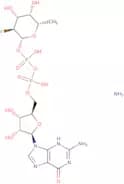
GDP-2-deoxy-2-fluoro-L-fucose ammonium salt
CAS:Competitive inhibitor of fucosyltransferases FUT3, FUT5, FUT6 and FUT7 with Ki values in low micromolar range. This fluorinated GDP-fucose analog inhibits oligosaccharide core fucosylation of N-linked glycans in animal and plant cells.Formula:C16H30FN7O14P2Purity:Min. 95%Color and Shape:PowderMolecular weight:625.39 g/mol2,3-Dimethyl-6-tert-butyldimethylsilyl-b-cyclodextrin
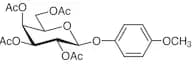
CAS:This beta-cyclodextrin (β-CD) derivative is a functionalized cyclic oligosaccharide composed of seven glucose units, characterized by a hydrophilic exterior and a lipophilic cavity (bigger than α-CD and smaller than γ-CDs), which allows it to encapsulate various guest molecules. This structural feature facilitates its use in multiple applications, including pharmaceuticals, food enhancement, and cosmetics. In the pharmaceutical industry, it enhances the solubility and stability of poorly water-soluble drugs, improving their bioavailability and efficacy while also masking unpleasant tastes. The food sector utilizes it as a stabilizer for flavors, colors, and nutrients, extending shelf life by protecting sensitive ingredients from degradation. In cosmetics, it serves as a complexing agent for fragrances and active components, ensuring their stability and controlled release. Its use expands to many other fields, including nanotechnology for drug delivery systems, environmental remediation for extracting organic pollutants, textiles for slow-release fragrances, and analytical chemistry for chiral separation.Formula:C98H196O35Si7Purity:Min. 95 Area-%Color and Shape:White Off-White PowderMolecular weight:2,131.18 g/mol4-Methoxyphenyl 2,3,4,6-Tetra-O-acetyl-β-D-galactopyranoside
CAS:Formula:C21H26O11Purity:>98.0%(HPLC)Color and Shape:White to Almost white powder to crystalMolecular weight:454.43Ethyl 2,3,4,6-tetra-O-benzoyl-b-D-thiogalactopyranoside
CAS:Ethyl 2,3,4,6-tetra-O-benzoyl-b-D-thiogalactopyranoside is a glycosylation reagent that is synthesized by reacting ethyl 2,3,4,6-tetra-O-benzoyl-b-D-thioglucopyranoside with sodium borohydride in ethanol. The product can be used to modify complex carbohydrates such as oligosaccharides and polysaccharides. Ethyl 2,3,4,6-tetra-O-benzoyl-b-D--thiogalactopyranoside has a CAS number of 138661–53–7.Formula:C36H32O9SPurity:Min. 95%Molecular weight:640.70 g/mol2,3,4,6-Tetra-O-acetyl-4-(hydroxymethyl)phenyl-b-D-glucopyranoside
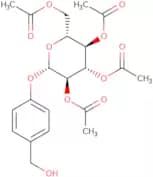
CAS:2,3,4,6-Tetra-O-acetyl-4-(hydroxymethyl)phenyl-b-D-glucopyranoside is a chemical that is extracted from the rhizoma gastrodiae. It is used to treat symptoms of damaged ganglion cells in diabetic patients. 2,3,4,6-Tetra-O-acetyl-4-(hydroxymethyl)phenyl-b-D-glucopyranoside inhibits chloride channels in neurons by binding with the extracellular receptor site and thereby preventing the influx of chloride ions. This leads to reduced neuronal excitability and decreased symptoms of damaged ganglion cells in diabetic patients. 2,3,4,6 Tetra O acetyl 4 (hydroxymethyl) phenyl b D glucopyranoside has been shown to have an inhibitory effect on structural formula and environmental pollution.
Formula:C21H26O11Purity:Min. 95%Color and Shape:PowderMolecular weight:454.42 g/mol6-Deoxy-6-iodo-b-cyclodextrin
CAS:This beta-cyclodextrin (β-CD) derivative is a functionalized cyclic oligosaccharide composed of seven glucose units, characterized by a hydrophilic exterior and a lipophilic cavity (bigger than α-CD and smaller than γ-CDs), which allows it to encapsulate various guest molecules. This structural feature facilitates its use in multiple applications, including pharmaceuticals, food enhancement, and cosmetics. In the pharmaceutical industry, it enhances the solubility and stability of poorly water-soluble drugs, improving their bioavailability and efficacy while also masking unpleasant tastes. The food sector utilizes it as a stabilizer for flavors, colors, and nutrients, extending shelf life by protecting sensitive ingredients from degradation. In cosmetics, it serves as a complexing agent for fragrances and active components, ensuring their stability and controlled release. Its use expands to many other fields, including nanotechnology for drug delivery systems, environmental remediation for extracting organic pollutants, textiles for slow-release fragrances, and analytical chemistry for chiral separation.
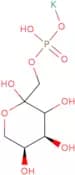
Formula:C42H63I7O28Purity:Min. 95%Color and Shape:White PowderMolecular weight:1,904.26 g/molL-Sorbose-1-phosphate potassium salt
CAS:L-Sorbose-1-phosphate potassium salt is a sugar phosphateFormula:C6H12KO9PPurity:Min. 95%Molecular weight:298.23 g/molFlavanone rhamnoglucoside
Flavanone rhamnoglucoside is a specialized flavonoid compound, which is derived from various natural sources such as fruits, vegetables, and certain medicinal plants. It functions primarily as an antioxidant by scavenging free radicals, thereby protecting cells from oxidative stress. Additionally, it exhibits anti-inflammatory properties by modulating pathways involved in inflammation, such as NF-kB and COX-2.Purity:Min. 95%L-Psicose
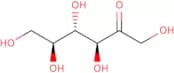
CAS:L-Psicose is a monosaccharide that is the only metabolite of D-fructose. It is found in many living organisms, such as bacteria and fungi. L-Psicose has been shown to inhibit ribitol dehydrogenase, an enzyme involved in the production of ribitol, which catalyzes the conversion of ribitol to ribulose 5-phosphate. Ribulose 5-phosphate is an important precursor molecule for glycolysis and pentose phosphate pathways. In addition, L-psicose has been shown to bind to proteins through hydrogen bonding, which may prevent the protein from folding properly or interacting with other molecules. This binding can lead to cell death if it inhibits essential cellular functions.Formula:C6H12O6Purity:Min. 95%Color and Shape:White PowderMolecular weight:180.16 g/mol2-[(Azidoacetyl)amino]-2-deoxy-D-galactose
CAS:Azide funcationalised galactosamine. Can be used in click chemistry.Purity:Min. 95%Molecular weight:262.22 g/mol3,4,6-Tri-O-benzyl-D-glucal
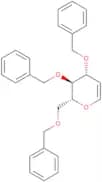
CAS:3,4,6-Tri-O-benzyl-D-glucal is a benzyl protected, 2,3 unsaturated glucal used as a chiral intermediate. The C2-C3 double bond of the pyranose ring can be modified via a variety of reactions including: hydrogenation, oxidation, hydroxylation, and aminohydroxylation, to generate structural complexity. 3,4,6-Tri-O-benzyl-D-glucal also minimizes tedious protecting-group strategies required for fully oxygenated sugars. The products of 2,3 unsaturated glycosides as chiral intermediates have played a role in the synthesis of many biologically active compounds, such as, nucleosides and modified sugar derivatives.Formula:C27H28O4Purity:Min. 98 Area-%Color and Shape:White PowderMolecular weight:416.51 g/molPhenyl 2,3,4,6-tetra-O-acetyl-b-D-galactopyranoside
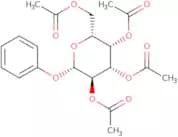
CAS:Phenyl 2,3,4,6-tetra-O-acetyl-b-D-galactopyranoside (TTA) is a synthetic monosaccharide that is used in the synthesis of complex carbohydrates. TTA is also known as Fluorination, Monosaccharide, Synthetic, Oligosaccharide, complex carbohydrate and has CAS No. 2872-72-2. TTA can be custom synthesized for research purposes or for commercial use and can be glycosylated to form polysaccharides. TTA is modified through methylation or click chemistry and can be used to modify sugar molecules or other carbohydrates. It is also high purity with less than 1% impurities.Formula:C20H24O10Purity:Min. 95%Color and Shape:PowderMolecular weight:424.4 g/molb-Lactose - min 70% b-anomer
CAS:70% β-D-Lactose is used in the pharmaceutical industry to produce tablets. It acts as a nutrient and as a filler in pills. It is also utilized in the dilution of heroin and to sweeten some beers.Formula:C12H22O11Color and Shape:White PowderMolecular weight:342.3 g/molInulotriose
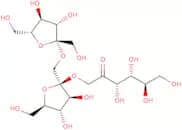
CAS:Inulotriose is a non-digestible carbohydrate that is found in plants. It is composed of fructose molecules linked together by β-2,1 glycosidic bonds. Inulotriose has been shown to have physiological activities such as antiviral and antifungal effects. It also has the ability to produce beneficial bacteria in the gut, which can help with digestion and absorption of nutrients. Inulotriose is a functional sweetener because it does not raise blood sugar levels and may be used as an alternative to sugar in diabetic diets.Formula:C18H32O16Purity:Min 85%Color and Shape:PowderMolecular weight:504.44 g/mol5-Bromo-3-indolyl-b-D-galactopyranoside
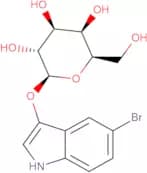
CAS:M02705 - 5-Bromo-3-indolyl-b-D-galactopyranoside
Formula:C14H16BrNO6Purity:98%Color and Shape:SolidMolecular weight:374.1873'-Sulpho Lewis X-BSA
3'-Sulpho Lewis X-BSA is a high purity and custom synthesis of 3'-sulpho Lewis X-BSA. This product is also fluorinated, which prevents the product from being degraded by plasma enzymes. The oligosaccharide and polysaccharide are complex carbohydrates, which are saccharides that have many monosaccharides. The product is composed of a single monosaccharide, which is a sugar. 3'-Sulpho Lewis X-BSA has been modified with methylation, click modification, and CAS No.Color and Shape:PowderN-Acetyl-D-lactosamine-BSA (14 atom spacer)
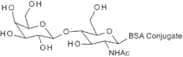
N-Acetyl-D-lactosamine-BSA (14 atom spacer) is a modification of the natural oligosaccharide, N-acetyl-D-lactosamine. It is a complex carbohydrate that is synthesized with high purity. This compound has fluoroquinolone resistance and can be used as a research tool. CAS No. for this compound is not available.Color and Shape:PowderUDP-D-glucuronide ammonium salt
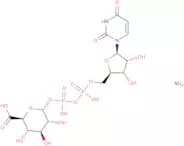
CAS:UDP-D-glucuronide ammonium salt is a drug that is used for the treatment of estrogen-dependent cancers. It is an inhibitor of human UDP-glucuronosyltransferase, an enzyme that catalyzes the glucuronidation of estrone and other substrates. The binding affinity of UDP-D-glucuronide ammonium salt can be increased by mutating the enzyme to increase its kinetic rate. This drug has been shown to inhibit estrogen production in recombinant human liver cells as well as in human liver cells. Mutations in the gene encoding this enzyme have also been associated with variations in estrogen levels, specifically high rates.
Formula:C15H22N2O18P2·xNH3Purity:Min. 95%Molecular weight:580.29 g/molHydroxypropyl cellulose - Average MW 80,000
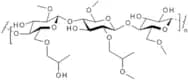
CAS:In water, hydroxypropyl cellulose forms liquid crystals with many mesophases depending on concentration. These mesophases include isotropic, anisotropic, nematic and cholesteric, the latter resulting in many colors such as violet, green and red. Pharmaceutical applications include treatments for medical conditions such as dry eye syndrome (keratoconjunctivitis sicca), recurrent corneal erosions, decreased corneal sensitivity, exposure and neuroparalytic keratitis. It is also used as a binder in tablets. Hydroxypropylcellulose is also used as a thickener, a binder and emulsion stabiliser in foods with E number E463. HPC is used as a support matrix for DNA separations by capillary and microchip electrophoresis.Purity:Min. 95%Galacturonan oligosaccharide DP8 sodium, 40% HPAEC-PAD
Please enquire for more information about Galacturonan oligosaccharide DP8 sodium, 40% HPAEC-PAD including the price, delivery time and more detailed product information at the technical inquiry form on this pageFormula:C48H58O49Na8Purity:(%) Min. 40%Color and Shape:PowderMolecular weight:1,602.87 g/molBlood group H disaccharide-BSA
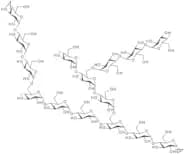
Blood group H disaccharide-BSA is a complex carbohydrate BSA conjugate.Purity:Min. 95%Color and Shape:PowderNGA2 N-Glycan
CAS:NGA2 N-glycan is an ethane molecule that has been shown to be a good candidate for water treatment. It is hydrophobic and can adsorb on the surface of water, which can reduce the loss of water through evaporation. The water permeability of NGA2 glycan was measured using HL-60 cells. Metal carbonyls have been shown to react with NGA2 glycan, leading to a decrease in its binding properties with water vapor. Transcriptional regulation of genes is altered by methyl ethyl glycerol (MEG) and dimethyl glycerol (DMG). These two molecules are used to synthesize NGA2 glycan and are found in bowel disease patients. The polymerase chain reaction (PCR) technique was used to study wild-type strains that produce NGA2 glycan and the mutation rate was calculated.Formula:C50H84N4O36Purity:Min. 95%Molecular weight:1,317.21 g/molNigerotriose
CAS:Nigerotriose is a monosaccharide that belongs to the family of neutral oligosaccharides. It is found in plants, fungi, and bacteria. Nigerotriose has been shown to stimulate mitochondrial biogenesis through the activation of protein kinase A and glycogen synthase kinase-3beta. This activity has been demonstrated using a magnetic resonance spectroscopy technique. Nigerotriose also shares structural similarities with other molecules, including isomaltose oligosaccharides, which are effective disinfectants. However, the molecular weight of nigerotriose makes it less reactive than its isomaltose counterpart. The effective dose for nigerotriose has not yet been determined.Formula:C18H32O16Purity:Min. 95%Color and Shape:PowderMolecular weight:504.44 g/molRaloxifene 6,4'-bis-b-D-glucuronide
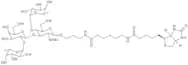
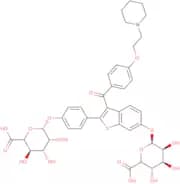
CAS:Raloxifene 6,4'-bis-b-D-glucuronide is a synthetic molecule that has been modified and fluorinated. It is a monosaccharide with a methyl group at C6. The synthesis of this compound starts with the conversion of raloxifene to the bis-b-D-glucuronide compound in which hydroxyl groups have been esterified by an acetyl group. The modification process includes the addition of a methyl group at C6, and then it is fluorinated. This product is soluble in water and methanol, but insoluble in ether. It has CAS number 182507-20-6 and molecular weight 536. Raloxifene 6,4'-bis-b-D-glucuronide can be used as an intermediate for the synthesis of oligosaccharides or polysaccharides.Formula:C40H43NO16SPurity:Min. 95%Molecular weight:825.85 g/molLewis A trisaccharide-sp-biotin
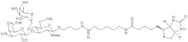
CAS:Lewis A trisaccharide-sp-biotin is a custom synthesis that is modified with fluorination, methylation, and click modification. This product is synthesized from a monosaccharide, which is then glycosylated with sugar to form an oligosaccharide. The saccharide is then polysaccharided with different sugars to produce a complex carbohydrate. This product has high purity and can be used in the area of glycosylation.Formula:C39H67N5O18SPurity:Min. 95%Color and Shape:PowderMolecular weight:926.04 g/molLacto-N-fucopentaose VI
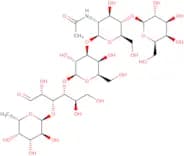
CAS:Neutral monofuco hexasasaccharide naturally present in human breast milkFormula:C32H55NO25Purity:Min. 90%Color and Shape:PowderMolecular weight:853.77 g/mol3-Phenyl-2-propenylbeta-D-glucopyranoside
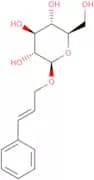
CAS:3-Phenyl-2-propenylbeta-D-glucopyranoside is a flavonoid that has been shown to have inhibitory properties. It has been used as an analytical method for the diagnosis of bronchial reactivity. The high resistance of 3-phenyl-2-propenylbeta-D-glucopyranoside to oxidation and reduction make it an interesting candidate for antiinflammatory agents. When testing the effects of this compound on human bronchial tissue, it was found that 3-phenyl-2-propenylbeta-D-glucopyranoside inhibited allergic symptoms by inhibiting the release of inflammatory mediators such as histamine and leukotrienes, which are released in response to allergens and other irritants in the airways. The use of this compound may be useful in the treatment of asthma patients who suffer from allergic reactions to dust, pollen, or animal dander.
Formula:C15H20O6Purity:Min. 95%Color and Shape:PowderMolecular weight:296.32 g/mol[1-13C]D-Cellobiose
[1-13C]D-Cellobiose is a custom synthesis, modification, and fluorination of cellobiose. It is a monosaccharide that can be modified by methylation, monosaccharide, and click modification. Cellobiose can be synthesized from the saccharides glucose, fructose, and maltose. Cellobiose is an important component of complex carbohydrates such as glycogen and starch.Formula:CC11H22O11Purity:Min. 95%Molecular weight:343.30 g/molDermatan sulphate octasaccharide ammonium salt
Dermatan sulphate octasaccharide ammonium salt is a complex carbohydrate that is synthesized using a custom synthesis. The chemical formula of this compound is CHNO, and it has a molecular weight of 683.97 g/mol. Dermatan sulfate octasaccharide ammonium salt is also known as an Oligosaccharide, Polysaccharide, saccharide, Carbohydrate, Fluorination, complex carbohydrate or High purity. This compound can be modified with Click modification or monosaccharide. Dermatan sulphate octasaccharide ammonium salt is a Modification or Synthetic that has the following CAS Number: 12956-92-6.Color and Shape:PowderLewis A-PAA-biotin
Lewis A-PAA-biotin is a modified carbohydrate that is synthesized by the chemical method. It has a purity of 99% and can be used in the fields of medicine, chemistry, and biology. Lewis A-PAA-biotin has many applications including glycosylation, methylation, and click modification. This product can also be used as a high-quality reference standard for organic synthesis.Purity:Min. 95 Area-%Color and Shape:Off-White Powder3'-Sialyl Lewis X-sp-biotin
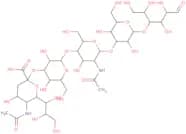
3'-Sialyl Lewis X-sp-biotin is a Custom synthesis, Modification, Fluorination, Methylation, Monosaccharide, Synthetic, Click modification, Oligosaccharide, saccharide that can be modified to have a variety of different functions. It can be used as a building block for the synthesis of complex carbohydrates and glycoconjugates. 3'-sialyl Lewis X-sp-biotin is also used in the production of oligosaccharides and glycoproteins.
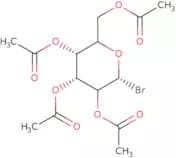
Formula:C50H84N6O26SPurity:Min. 95%Color and Shape:White PowderMolecular weight:1,217.29 g/molAcetobromo-D-glucose
CAS:Intermediate for β-glucosides; potential PET surface modification reagent
Formula:C14H19BrO9Purity:Min. 95%Color and Shape:White Off-White PowderMolecular weight:411.2 g/molD-[UL-¹³C6]mannose
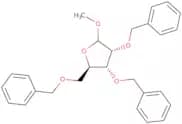
CAS:D-[UL-¹³C6]mannose is a research chemical that is widely used in the field of carbohydrate and protein studies. It is a heavy label isotope of mannose, a monosaccharide that plays an important role in various biological processes. D-[UL-¹³C6]mannose is commonly used to study the metabolism and biosynthesis of oligosaccharides, glycoproteins, and lipopolysaccharides. By incorporating this heavy label into these molecules, researchers can track their movement and interactions within cells and tissues. This research chemical is an invaluable tool for studying the complex structures and functions of carbohydrates in biological systems.Formula:C6H12O6Purity:Min. 95%Molecular weight:186.11 g/molMethyl 2,3,5-tri-O-benzyl-D-ribofuranoside
CAS:Methyl 2,3,5-tri-O-benzyl-D-ribofuranoside is a potential drug that can be used in the treatment of type 2 diabetes. It is an analog of curcumin that has a nucleophilic group on its benzyl ring. This group reacts with the carbonyl carbon atom in maltase glucoamylase and triggers a Friedel-Crafts reaction that generates an isomeric product. The methyl 2,3,5-tri-O-benzyl-D-ribofuranoside molecule inhibits glycosidases by binding to the active site of these enzymes and preventing access to substrate. Methyl 2,3,5-tri-O-benzyl-D ribofuranoside has also been shown to have antifungal activity against Candida albicans.Purity:Min. 95%3'-Sialyllacto-N-neotetraose
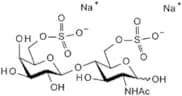
CAS:Component of human milk; antimicrobial activity against bacterial pathogensFormula:C37H62N2O29Purity:Min. 95%Color and Shape:PowderMolecular weight:998.88 g/mol2-Acetamido-2-deoxy-4-O-(6-sulfo-b-D-galactopyranosyl)-6-sulfo-D-glucopyranose disodium salt
CAS:2-Acetamido-2-deoxy-4-O-(6-sulfo-b-D-galactopyranosyl)-6-sulfo-D-glucopyranose disodium salt is a custom synthesis of a carbohydrate. It is a complex carbohydrate that is an oligosaccharide with the CAS No. 321897-68-1, modification of saccharide, and glycosylation. This compound has methylation and fluorination as well as click modification. The purity of this compound is high, and it can be synthesized by following the steps of glycosylation, carbonylation, and oxidation.Formula:C14H23NO17S2·2NaPurity:Min. 95%Color and Shape:PowderMolecular weight:587.44 g/molGlycogen - from oyster for molecular biology
CAS:Glycogen is a highly branched polysaccharide of glucose that serves as a form of energy storage in animals and fungi. It is the main storage form of glucose in the body. In humans, glycogen is made and stored primarily in liver and muscle cells and functions as the second most important energy storage molecule to fat which is held in adipose tissue. Glycogen is analogous to starch and has a structure similar to amylopectin, but is more extensively branched and compact than starch. It occurs as granules in the cytosol/cytoplasm in many cell types, and plays an important role in the glucose cycle.
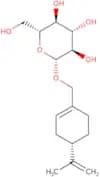
Purity:Min. 95%S-(-)-Perillyl alcohol glucoside
CAS:S-(-)-Perillyl alcohol glucoside is a glycoconjugate that has been shown to inhibit β-glucosidase and pancreatic lipase. It is used in the treatment of cancers, such as colorectal cancer, by inhibiting glucose uptake into cells. S-(-)-Perillyl alcohol glucoside may also have anticancer effects by inhibiting glucose transporters and caspases.
Formula:C16H26O6Purity:Min. 95%Color and Shape:PowderMolecular weight:314.37 g/molMethyl a-D-lactose
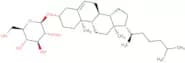
CAS:Methyl a-D-lactose is a carbohydrate which can be used in the synthesis of glycoproteins and glycolipids. It is also used for the synthesis of complex carbohydrates, such as glycogen, and for the modification of saccharides with fluorine. Methyl a-D-lactose can also be custom synthesized to meet specific needs. This product is available in high purity and has been methylated and glycosylated.Formula:C13H24O11Purity:Min. 95%Molecular weight:356.32 g/molCholesterol b-D-glucoside
CAS:Cholesterol b-D-glucoside is a modified cholesterol that has been fluorinated and methylated. It is a complex carbohydrate that can be used in the synthesis of oligosaccharides and monosaccharides. Cholesterol b-D-glucoside is soluble in water, alcohols, and ethers and is insoluble in chloroform. The CAS number for Cholesterol b-D-glucoside 7073-61-2. This product is available for custom synthesis, which means it can be made to order with the specifications you need.
Purity:Min. 95%6-Deoxy-6-iodo-a-cyclodextrin
CAS:6-Deoxy-6-iodo-a-cyclodextrin is a cavity-forming agent that is used in the treatment of dental cavities. It has been shown to be effective against Streptococcus mutans and is less toxic than other cavity treatments. 6-Deoxy-6-iodo-a-cyclodextrin also has phosphorescence and can be used as a fluorescent tracer. This molecule has been shown to form complexes with 3-bromoquinoline, which are good substrates for cyclodextrin synthesis. In addition, it reacts with 6-bromo2 naphthol to form a complex that includes an electron donor and an electron acceptor. The complex absorbs light at wavelengths of 400 nm or more and emits light at wavelengths of 500 nm or less, making it useful for luminescent imaging systems.
Formula:C36H54I6O24Purity:Min. 95%Molecular weight:1,632.23 g/mol3'-Sialyl Lewis X-PAA-biotin
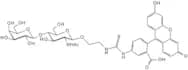
A polyacrylamide polymer with a mol.wt. of approximately 30kd containing 5% mol biotin and 20% mol carbohydrate.Purity:Min. 95 Area-%Color and Shape:PowderN-Acetyl-D-lactosamine ethyl fluorescein 5-thiourea
N-Acetyl-D-lactosamine ethyl fluorescein 5-thiourea is a carbohydrate that is custom synthesized by our company. It is a high purity, methylated, glycosylated, and fluorinated compound. This compound has CAS number 476-02-8. N-Acetyl-D-lactosamine ethyl fluorescein 5-thiourea is used in the modification of saccharides and oligosaccharides to study their interactions with enzymes such as glycosidases and nucleases.Formula:C37H41N3O16SPurity:Min. 95%Molecular weight:815.8 g/molFluorescein isothiocyanate-dextran - Average MW 70,000
CAS:Anterograde and retrograde tracer in neurons; biologically inertPurity:Min. 95%Lewis B tetrasaccharide-sp-biotin
CAS:Lewis B tetrasaccharide-sp-biotin is a high purity, custom synthesis of saccharides. The saccharide is modified with a Click modification and fluorination. Glycosylation, methylation, and other modifications are also present in this product. Lewis B tetrasaccharide-sp-biotin is used in research for the glycosylation of proteins and to study carbohydrate binding proteins.
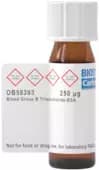
Formula:C45H77N5O22SPurity:Min. 95%Color and Shape:White PowderMolecular weight:1,072.18 g/molBlood Group B Trisaccharide-BSA
Gala1-3(Fuca1-2)Gal Conjugated to BSA-good antibody elicitor
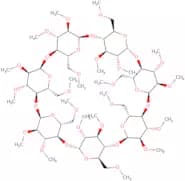
Purity:(%) Min. 95%Color and Shape:PowderHeptakis-(2,3,6-tri-O-methyl)-β-cyclodextrin
CAS:This beta-cyclodextrin (β-CD) derivative is a functionalized cyclic oligosaccharide composed of seven glucose units, characterized by a hydrophilic exterior and a lipophilic cavity (bigger than α-CD and smaller than γ-CDs), which allows it to encapsulate various guest molecules. This structural feature facilitates its use in multiple applications, including pharmaceuticals, food enhancement, and cosmetics. In the pharmaceutical industry, it enhances the solubility and stability of poorly water-soluble drugs, improving their bioavailability and efficacy while also masking unpleasant tastes. The food sector utilizes it as a stabilizer for flavors, colors, and nutrients, extending shelf life by protecting sensitive ingredients from degradation. In cosmetics, it serves as a complexing agent for fragrances and active components, ensuring their stability and controlled release. Its use expands to many other fields, including nanotechnology for drug delivery systems, environmental remediation for extracting organic pollutants, textiles for slow-release fragrances, and analytical chemistry for chiral separation.Formula:C63H112O35Purity:Min. 95%Color and Shape:PowderMolecular weight:1,429.54 g/molDigalactosyl diglyceride
CAS:Digalactosyl diglyceride is a lipid that is found in the wax of plants. It has been shown to have anti-inflammatory properties and can be used as a nonsteroidal anti-inflammatory drug. Digalactosyl diglyceride binds to nuclear DNA and inhibits fatty acid synthesis, which leads to membrane destabilization.
Formula:C18H34O13Purity:Min. 95%Color and Shape:SolidMolecular weight:458.45 g/molSuccinyl-a-cyclodextrin
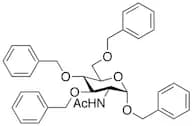
CAS:Alpha-cyclodextrin (α-CD) derivative with a hydrophilic exterior and lipophilic cavity (smaller than β-CDs and γ-CDs) to allocate certain guest molecules. This structural characteristic enables applications in molecular encapsulation, solubility enhancement, and stabilization across multiple industries. In pharmaceuticals, it serves as a drug delivery vehicle, enhancing the bioavailability and stability of active ingredients. The food industry utilizes it as a stabilizer for flavors, colors, and nutrients, as well as a functional ingredient for its effects on lipid metabolism. In cosmetics, it acts as a complex agent for fragrances and active components. Its applications extend to analytical chemistry for chiral separation and to materials science for developing smart materials and nanosystems.Formula:C40H64O33Purity:Min. 95%Molecular weight:1,072.92 g/molBenzyl 2-Acetamido-3,4,6-tri-O-benzyl-2-deoxy-alpha-D-glucopyranoside
CAS:Controlled ProductFormula:C36H39NO6Color and Shape:NeatMolecular weight:581.7




![2-[(Azidoacetyl)amino]-2-deoxy-D-galactose](/_next/image/?url=https%3A%2Fstatic.cymitquimica.com%2Fproducts%2F3D%2Fthumb-webp%2FMA32519.webp&w=3840&q=75)




![[1-13C]D-Cellobiose](/_next/image/?url=https%3A%2Fstatic.cymitquimica.com%2Fproducts%2F3D%2Fthumb-webp%2FOC76730.webp&w=3840&q=75)


![D-[UL-¹³C6]mannose](/_next/image/?url=https%3A%2Fstatic.cymitquimica.com%2Fproducts%2F3D%2Fthumb-webp%2FMLA10074.webp&w=3840&q=75)