Glycoscience
Subcategories of "Glycoscience"
- Aminosugars(108 products)
- Glyco-Related Antibodies(282 products)
- Glycolipids(46 products)
- Glycosaminoglycans (GAGs)(55 products)
- Glycosides(419 products)
- Monosaccharides(6,624 products)
- Oligosaccharides(3,682 products)
- Polysaccharides(504 products)
Found 11047 products of "Glycoscience"
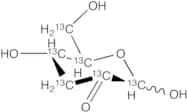
3-Deoxyglucosone-13C6
Controlled ProductStability Hygroscopic, Light Sensitive, Temperature Sensitive
Applications 3-Deoxyglucosone-13C6, is the labeled anologue of 3-Deoxyglucosone (D239150), an intermediate in the Maillard reaction of proteins with glucose, which is metabolised to 3-Deoxyfructose. An intermediate in the formation of pyrraline, which might contribute to a pathological effect, such as carcinogenesis.
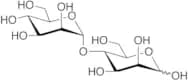
References Kato, H. et al.: Agric. Biol. Chem., 51, 683 (1987), Hayase, F. et al.: J. Biol. Chem., 264, 3758 (1989), Kato, H. et al.: Biochimica et Biophysica Acta, 1035, 71 (1990)Formula:C6H10O5Color and Shape:NeatMolecular weight:168.0964-O-a-D-Mannopyranosyl-D-mannose
CAS:Controlled ProductStability Hygroscopic
Applications 4-O-α-D-Mannopyranosyl-D-mannose is used in the preparation of immunostimulants, useful as materials for foods as well.
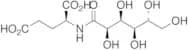
References Imamura, L., et al.: Biol. Pharm. Bull., 17, 596 (1994), ,Perrin, S., et al.: J. Appl. Microbiol., 90, 859 (2001), Olano-Martin, E., et al.: J. Appl. Microbiol., 93, 505 (2002), Gibson, G., et al.: J. Food Sci., 69, 141 (2004),Formula:C12H22O11Color and Shape:NeatMolecular weight:342.30N-D-Gluconoyl-L-glutamic Acid
CAS:Controlled ProductFormula:C11H19NO10Color and Shape:NeatMolecular weight:325.269Tridehydro Pirlimycin-d5
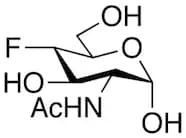
CAS:Controlled ProductFormula:C17H20D5ClN2O5SColor and Shape:NeatMolecular weight:409.942-Acetamido-2,4-dideoxy-4-fluoro-α-D-glucopyranose
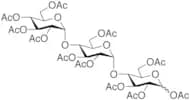
CAS:Controlled ProductFormula:C8H14FNO5Color and Shape:NeatMolecular weight:223.20D-Maltotriose Peracetate
CAS:Controlled ProductApplications Protected Maltotriose.
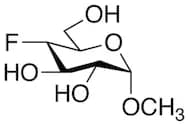
References Brayer, G., et al.: Biochem., 39, 4778 (2000),Formula:C40H54O27Color and Shape:NeatMolecular weight:966.84Methyl 4-Deoxy-4-fluoro-a-D-glucose
CAS:Controlled ProductApplications Methyl 4-Deoxy-4-fluoro-α-D-glucose (cas# 56926-53-5) is a compound useful in organic synthesis.
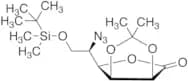
Formula:C7H13FO5Color and Shape:NeatMolecular weight:196.175-Azido-6-(tert-butyldimethylsilyl)-2,3-O-isopropylidene L-Gulono-1,4-lactone
CAS:Controlled ProductApplications 5-Azido-6-(tert-butyldimethylsilyl)-2,3-O-isopropylidene L-Gulono-1,4-lactone (cas# 118464-49-6) is a compound useful in organic synthesis.
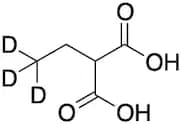
Formula:C15H27N3O5SiColor and Shape:NeatMolecular weight:357.48Ethyl-2,2,2-d3-malonic Acid
CAS:Controlled ProductApplications Ethyl-2,2,2-d3-malonic Acid (CAS# 70907-93-6) is a useful isotopically labeled research compound.
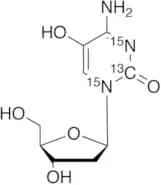
Formula:C5H5D3O4Color and Shape:NeatMolecular weight:135.135-Hydroxy-2’-deoxycytidine-13C,15N2
CAS:Controlled ProductApplications 5-Hydroxy-2’-deoxycytidine-13C,15N2 is the Isotope labelled analogue of 5-Hydroxy-2’-deoxycytidine (H946650), a substrate for uracil DNA N-glycosylase and has been used to study the oxidation of DNA due to exposure to reactive oxygen species.
References Ganguly, M., et al.: Biochem., 51, 2018 (2012); Foresta, M., et al.: Free. Rad. Biol. Med., 48, 681 (2010); Daviet, S., et al.: DNA Repair., 6, 8 (2007);Formula:C813CH13N15N2O5Color and Shape:NeatMolecular weight:246.2N-(β-D-Glucopyranosyl)-N’-[(2-methanethiosulfonyl)ethyl] Urea
CAS:Controlled ProductStability Moisture Sensitive
Applications US Pat. 7033765Formula:C10H20N2O8S2Color and Shape:NeatMolecular weight:360.40Kinetin-9-glucoside
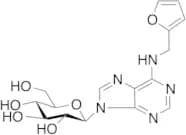
CAS:Controlled ProductFormula:C16H19N5O6Color and Shape:NeatMolecular weight:377.3522,3,4-Tri-O-benzoyl-a-L-rhamnopyranosyl fluoride
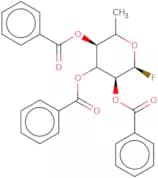
CAS:The 2,3,4-Tri-O-benzoyl-a-L-rhamnopyranosyl fluoride is a complex carbohydrate that is custom synthesized. It is an oligosaccharide and polysaccharide that can be modified with methylation and glycosylation to make it more useful for research purposes. This molecule has been modified with high purity fluorination to increase its stability. Synthetic carbohydrates are used in many different applications such as medical treatments, diagnostic tools, and food additives.Formula:C27H23FO7Purity:Min. 95%Molecular weight:478.47 g/molMethyl L-rhamnopyranoside
CAS:Methyl L-rhamnopyranoside is a sugar that is the product of the reaction between l-rhamnose and acetone. This compound has been used as a chiral building block for the synthesis of other sugars, such as D-arabinose and D-lyxose. The yield of this reaction depends on the concentration of potassium thioacetate and temperature. This compound can be obtained in two forms: (1) anomeric form, which is an intermediate in the synthesis of carbohydrates and (2) crystalline form, which is a white solid with melting point at 157.3°C. The anomeric form has a stereogenic center at carbon atom 3, whereas the crystalline form does not have any stereogenic centers. Methyl L-rhamnopyranoside also reacts with chlorination reagents to produce chlorinated derivatives, such as 2-chloro-3-(3′,4′-dimeth
Formula:C7H14O5Purity:Min. 95%Color and Shape:PowderMolecular weight:178.18 g/molNeuAc-a2,3-Gal-b-1,4-Glc-GlycineNH2
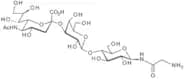
NeuAc-a2,3-Gal-b-1,4-Glc-GlycineNH2 is a carbohydrate that belongs to the group of saccharides. It is an oligosaccharide that has been synthesized via a custom synthesis. This product is high purity and has been modified with methylation, glycosylation, and click modification.Formula:C25H43N3O19Purity:Min. 95%Color and Shape:PowderMolecular weight:689.62 g/mol(S)-Propranolol b-D-glucuronide sodium salt
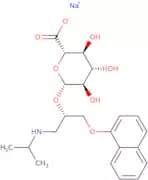
CAS:Propranolol is a non-selective beta-blocker that blocks the action of epinephrine on beta-adrenergic receptors. It is used to treat high blood pressure, angina, and arrhythmia. Propranolol b-D-glucuronide sodium salt is a prodrug of propranolol that has been modified in order to improve its oral bioavailability.Formula:C22H28NNaO8Purity:Min. 95%Molecular weight:457.45 g/molD-Mannopyranose pentasulfate potassium
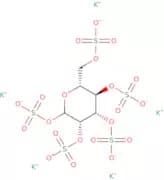
CAS:D-Mannopyranose pentasulfate potassium salt is a synthetic carbohydrate with a saccharide backbone that has been fluorinated to introduce reactive sites. It is an oligosaccharide, which means it contains several sugar units linked together in a chain. This carbohydrate can be modified with methyl groups and glycosylations, and can have click modifications. This high purity product is suitable for use in a variety of applications, including as a custom synthesis or as a methylated glycosylated polysaccharide.Formula:C6H12O21S5•KxPurity:Min. 95%Color and Shape:White to off-white solid.Molecular weight:770.93 g/molPentaric acid
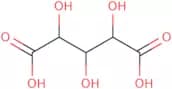
CAS:Pentaric acid is a crystalline, monocarboxylic acid with a hydroxyl group. It is used as an inhibitor of corrosion in metal and as a disinfectant. Pentaric acid can be found in urine samples and has been shown to be an effective inhibitor of the enzymatic reaction that produces azobenzene, which is associated with the development of bladder cancer. This compound also inhibits the growth of bacteria. Pentaric acid is used as an additive in some detergents and soaps because it can inhibit the growth of bacteria on surfaces.
Pentaric acid was first synthesized by German chemist Otto Wohlert in 1834. Hydrogen ions are released when pentaric acid dissolves in water, lowering the pH level and causing corrosion to metal surfaces. The corrosion inhibition properties of pentaric acid have been known since its discovery, but its anti-bacterial properties were not discovered until recently when researchers found that pentarFormula:C5H8O7Purity:Min. 95%Molecular weight:180.11 g/molEzetimibe hydroxy-b-D-glucuronide
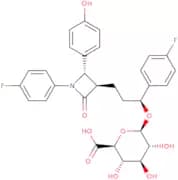
CAS:Ezetimibe hydroxy-b-D-glucuronide is an oligosaccharide that can be synthesized from the modified sugar, L-glucuronic acid. It has a molecular weight of 536 and is soluble in water and methanol. This compound has been used in the synthesis of glycosides, saccharides, and polysaccharides. The chemical name for this compound is 1-(2-hydroxyethyl)-3-(((4'-carboxybenzyl)oxy)carbonyl)-2,6-diazaoctane glucuronide. Ezetimibe hydroxy-b-D-glucuronide has been shown to increase the absorption of cholesterol and decrease low density lipoprotein (LDL) levels in the blood by inhibiting intestinal cholesterol absorption.
Formula:C30H29F2NO9Purity:Min. 95%Molecular weight:585.55 g/molMethyl b-neuraminic acid methyl ester
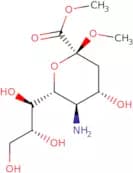
CAS:Methyl b-neuraminic acid methyl ester is a synthetic monosaccharide that is used for the synthesis of oligosaccharides and polysaccharides. Methylation of this compound provides a convenient way to introduce fluorine atoms into saccharides, which can be used for click chemistry reactions. Methyl b-neuraminic acid methyl ester is also used in the synthesis of glycosylated proteins, as it can be easily hydrolyzed by enzymes such as sialidase and neuraminidase. This product is sold at high purity and custom synthesis.Formula:C11H21NO8Purity:Min. 95%Molecular weight:295.29 g/molLacto-N-difucohexaose I-APD-KLH
Lacto-N-difucohexaose I-APD-KLH is a synthetic, high purity, custom synthesis carbohydrate that has been fluorinated with APD and KLH. The carbohydrate is methylated and glycosylated. Lacto-N-difucohexaose I-APD-KLH has a CAS number of 73387-87-8.
Purity:Min. 95%G-NGA2F N-Glycan
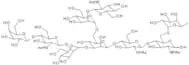
CAS:G-NGA2F N-Glycan is a methylated, saccharide containing oligosaccharide. It is a custom-synthesized, high purity carbohydrate and sugar that can be modified with fluorination. G-NGA2F N-Glycan has been shown to have complex carbohydrate properties with a CAS No. of 84825-26-3.Formula:C62H104N4O46Purity:Min. 95%Color and Shape:SolidMolecular weight:1,641.49 g/molSulpho Lewisa Na
Sulpho Lewisa Na is a complex carbohydrate that has been modified with fluorination and methylation. This product is custom synthesized, high purity, and has a CAS number. It is available for synthesis in various lengths of saccharides with a variety of modifications. Sulpho Lewisa Na can be used in the following applications: glycosylations, click modification, and methylation.
Formula:C20H34NNaO18SPurity:Min. 95%Molecular weight:631.54 g/molAllyl 4,6-O-benzylidene-a-L-glucopyranoside
Allyl 4,6-O-benzylidene-a-L-glucopyranoside is a glycosylation agent that is used in the synthesis of oligosaccharides. It is a synthetic compound that can be modified to produce complex carbohydrates. Allyl 4,6-O-benzylidene-a-L-glucopyranoside has been shown to be effective for the fluorination and methylation of sugar chains. It also has high purity and CAS number, which makes it an excellent choice for custom synthesis.
Purity:Min. 95%4-O-(2-Acetamido-2-deoxy-b-D-glucopyranosyl)-L-fucopyranose
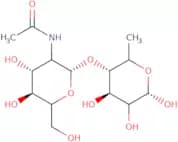
4-O-(2-Acetamido-2-deoxy-b-D-glucopyranosyl)-L-fucopyranose is a synthetic oligosaccharide that is synthesized from the sugar 4-O-(2,3,4,6 tetraacetyl) fucose. It can be used as a substrate for glycosylation reactions and may also be used to modify other compounds. This product can be fluorinated or methylated and has a CAS number. The purity of this product is high with no detectable impurities.Formula:C14H25NO10Purity:Min. 95%Molecular weight:367.35 g/mol2-O-Carboxymethyl-D-glucose
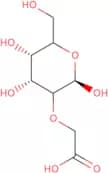
CAS:2-O-Carboxymethyl-D-glucose is a reaction product of D-glucose and chloroacetate. It is often used in the production of sulfoxide and fibre. 2-O-Carboxymethyl-D-glucose can be used as a precursor for other chemical compounds, such as functional groups, acidic monomers, or reactive monomers. It has been shown to react with anhydroglucose at a rate of 1:1. The reaction time for this process is dependent on the concentration of the reactants.Formula:C8H14O8Purity:Min. 95%Color and Shape:White Off-White PowderMolecular weight:238.19 g/mol2,3,4,6-Tetra-O-benzyl-D-galactopyranose - non-animal origin
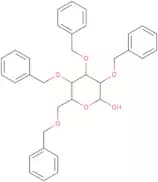
CAS:Intermediate for the anomeric modification of Gal, including galactosylationFormula:C34H36O6Purity:Min. 95%Molecular weight:540.65 g/mol3,4-Dideoxyglucosone-3-ene
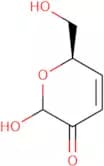
CAS:3,4-di-deoxyglucosone-3-ene is a bioreactive glucose degradation product which can be formed during heat sterilisation of glucose containing peritoneal dialysis solutions. Chemically, 3,4-Dideoxyglucosone-3-ene is an α,β-unsaturated carbonyl compound which increases its reactivity with cellular sulfhydryl, amino groups, proteins, and DNA. 3,4-Dideoxyglucosone-3-ene induces apoptosis in neutrophils, renal cells and peripheral blood mononuclear cells. Such induction leads to impaired peritoneal antibacterial defence.Formula:C6H8O4Purity:Min. 95 Area-%Color and Shape:Colorless PowderMolecular weight:144.13 g/molThreo-2-Pentulose(9CI)
CAS:Threo-2-Pentulose is a monosaccharide that is found in plants. It is the D-isomer of xylulose, which has been shown to be an inhibitor of enzymes that catalyze reactions in the pentose phosphate pathway. Threo-2-Pentulose inhibits the activity of enzymes that catalyze reactions in the pentose phosphate pathway, which are enzymes that produce energy. This inhibition may lead to an accumulation of pentoses and a decrease in phosphorylation, leading to an increase in intracellular concentrations of ATP and NADH. Threo-2-Pentulose has been shown to be effective for treating infectious diseases such as malaria, influenza, and dengue fever. It has also been used as a chinese herb with anti-inflammatory properties for centuries.Purity:Min. 95%Minoxidil D-glucuronide
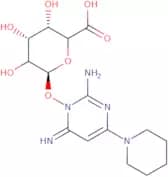
CAS:Minoxidil D-glucuronide is a modification of minoxidil, which is an antihypertensive drug. It has been shown to have stronger activity than minoxidil in the treatment of hypertension. Minoxidil D-glucuronide is a complex carbohydrate that has been synthesized from minoxidil and glucuronic acid. It is a white powder with high purity, and it can be used for glycosylation reactions.Formula:C15H23N5O7Purity:Min. 95%Molecular weight:385.37 g/mol6'-Sialyllactose-PAA-biotin
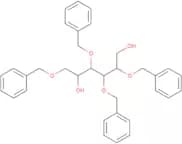
6'-Sialyllactose-PAA-biotin is a high purity, custom synthesis, and synthetic oligosaccharide with a molecular weight of 792.04 Da. It is a glycosylated saccharide that has been modified with fluorination, glycosylation, methylation and click modification.Purity:Min. 95 Area-%Color and Shape:Powder2,3,4,6 -Tetra-O-benzyl-D-glucitol
CAS:2,3,4,6 -Tetra-O-benzyl-D-glucitol is an atypical compound with a spectrum of activities. It has been shown to inhibit the synthesis of alditols and aldosides in vitro, and it also inhibits miglustat which is the first drug for Gaucher's disease approved by the FDA. 2,3,4,6 -Tetra-O-benzyl-D-glucitol is synthetically produced from D-glucose and benzyl chloride. The compound crystallizes as a chiral form that can exist as either (S) or (R) conformation. The (S) form has been observed to be more active than the (R) form against showdomycin and cyclic peptidase A.Formula:C34H38O6Purity:Min. 95%Color and Shape:liquid.Molecular weight:542.66 g/molscyllo-Inosamine hydrochloride
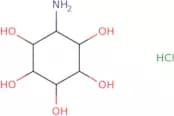
CAS:Scyllo-inosamine is a synthetic compound that is used as an oxime for the treatment of ascites tumors. It is synthesized from benzyl cyanide and cyclohexane. The benzyl groups are removed by catalytic hydrogenation, and the resulting product is hydrolyzed to scyllo-inosamine. Scyllo-inosamine has been shown to have a stereogenic center at C3, which allows it to act as an aminocyclitol, with the nitrogen atom acting as a nucleophile in the ring opening reaction. Scyllo-inosamine has been shown to be active against a number of tumor cells in culture and has been investigated as chemotherapeutic agent for cancer treatment.Formula:C6H13NO4·HClPurity:Min. 95%Molecular weight:199.63 g/mol3-Deoxy-2-keto-D-galactonate lithium salt
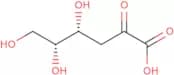
CAS:3-Deoxy-2-keto-D-galactonate lithium salt is an enzyme inhibitor that belongs to the group of galacturonosyltransferases. It is a competitive inhibitor that binds to the enzyme active site and inhibits the transfer of galacturonic acid from UDP-galactose to various acceptor molecules, including oligosaccharides, polysaccharides, glycoproteins, and glycolipids. 3-Deoxy-2-keto-D-galactonate lithium salt has been shown to inhibit wild type strains of Escherichia coli and Saccharomyces cerevisiae. This compound also inhibits acid analysis enzymes such as catalase and triosephosphate isomerase in Escherichia coli. 3DGLS also inhibits protein synthesis by inhibiting the activity of enzymes such as ribonucleotide reductase and xanthine oxidase in Escherichia coli. TheFormula:C6H10O6·xLiPurity:Min. 95%1,2,3,4-Tetra-O-acetyl-a-D-glucuronide methyl ester
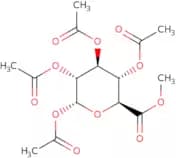
CAS:1,2,3,4-Tetra-O-acetyl-a-D-glucuronide methyl ester is a synthetic molecule that has been modified with the click chemistry technique. This product is a white solid that can be used to modify saccharides and polysaccharides. It can also be used in the synthesis of oligosaccharides or glycosylation reactions. This product is useful for modifying sugars with custom modifications and fluorination. 1,2,3,4-Tetra-O-acetyl-a-D-glucuronide methyl ester has CAS number 5432-32-6 and can be synthesized from glyceraldehyde and acetone.Formula:C15H20O11Purity:Min. 95%Molecular weight:376.31 g/molMethyl 3-amino-3,6-dideoxy-a-L-taloside
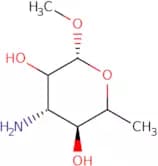
Methyl 3-amino-3,6-dideoxy-a-L-taloside is a custom synthesis of a monosaccharide. It is modified with fluorine and methyl groups and may be used in click chemistry. The CAS number for this compound is 103614-34-8. Methyl 3-amino-3,6-dideoxy-a-L-taloside is an oligosaccharide that can be glycosylated or complexed with sugar. This compound has properties of a carbohydrate and can be classified as a saccharide or polysaccharide.Formula:C7H15NO4Purity:Min. 95%Molecular weight:177.2 g/molCladinose
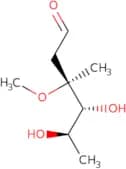
CAS:Cladinose is a natural compound that has been shown to have potent inhibitory properties against microorganisms, such as bacteria and fungi. Cladinose has been shown to inhibit the growth of bacteria by reacting with the ribosomes of cells in the bacterial cytoplasm. It inhibits bacterial protein synthesis by binding to the ribosomal RNA and blocking access to the mRNA template. Cladinose also inhibits fungal growth by inhibiting ergosterol biosynthesis, which prevents fungal cell membrane formation. Cladinose has been shown to have antiinflammatory activity in mice with induced inflammation. This is due to its ability to bind to cyclooxygenase-2 (COX-2) and prevent its activation, thereby preventing prostaglandin synthesis.Formula:C8H16O4Purity:Min. 95%Molecular weight:176.21 g/molMethyl a-N-acetyllactosamine
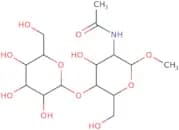
CAS:Methyl a-N-acetyllactosamine is a custom synthesis of Methyl a-N-acetylgalactosamine. This compound has been modified by fluorination, methylation, and click modification to yield the desired product. The monosaccharide structure was synthesized from the corresponding glycosyl halide and protected amino acid. The glycosylation reaction between this monosaccharide and the oligosaccharide containing an unprotected hydroxyl group yields the desired product. The purity of this compound is greater than 99%.Formula:C15H27NO11Purity:Min. 95%Molecular weight:397.38 g/mol2-Acetamido-1,6-di-O-benzyl-3-O-(2,3,4-tri-O-benzyl-a-L-fucopyranosyl)-4-O-[2-O-(2,3,4-tri-O-benzyl-a-L-fucopyranosyl)-3,4,6-tri-O-b enzyl-b-D-galactopyranosyl]-2-deoxy-D-glucopyranoside
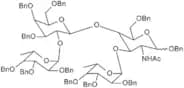
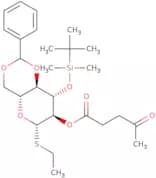
CAS:The chemical compound 2-Acetamido-1,6-di-O-benzyl-3-O-(2,3,4-tri-O-benzyl-aL-fucopyranosyl)-4-O-[2-O-(2,3,4 -tri-O benzyl aL fucopyranosyl) 3,4,6 tri O benzyl bD galactopyranosyl]-2 deoxy D glucopyranoside has the CAS number 6092097. This is a synthetic monosaccharide that is not found in nature. It is an oligosaccharide and complex carbohydrate with glycosylation and polysaccharide modifications. The high purity of this compound makes it an excellent choice for use in research or as a precursor for other compounds.Formula:C103H111NO19Purity:Min. 95%Molecular weight:1,667.03 g/molEthyl 4,6-O-benzylidene-3-O-tert-butyldimethylsilyl-2-O-levulinoyl-b-D-thioglucopyranoside
CAS:Ethyl 4,6-O-benzylidene-3-O-tert-butyldimethylsilyl-2-O-levulinoyl-b-D-thioglucopyranoside is a synthetic oligosaccharide that can be used for methylation. It is a fluorinated, complex carbohydrate that has been modified to have a high purity and low toxicity. This product has been custom synthesized for Click modification and oligosaccharides.Formula:C26H40O7SSiPurity:Min. 95%Molecular weight:524.74 g/molOctyl L-glucopyranoside
CAS:Octyl L-glucopyranoside is a detergent that is used in biochemical research. It is used as a signal peptide to purify proteins by binding to the hydrophobic region of the protein. In addition, it binds to human polymorphonuclear leukocytes and dextran sulfate. Octyl L-glucopyranoside also has a rate constant of 8 × 10 M-1 s-1 and an analytical method for glycol ethers. The octyl glucopyranoside has been shown to inhibit axonal growth, which may be due to its ability to bind toll-like receptor 4 (TLR4) on dendritic cells.Formula:C14H28O6Purity:Min. 95%Molecular weight:292.37 g/mol2-Deoxy-D-glucose 1-14C
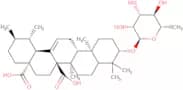
CAS:2-Deoxy-D-glucose 1-14C is a radioactive isotope of glucose. It is synthesized by the fluorination and methylation of D-glucose, followed by the addition of a 14C atom. The compound can be used in the study of glycosylations, oligosaccharides, and saccharides. 2-Deoxy-D-glucose 1-14C has been shown to react with various sugars to form new compounds that are used in glycobiology research. This compound is highly purified, as it does not undergo any reactions with other compounds or impurities. It is also available for custom synthesis and modification.Purity:Min. 95%Quinovic acid 3-O-a-L-rhamnopyranoside
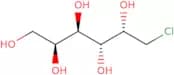
CAS:Quinovic acid 3-O-a-L-rhamnopyranoside is a saponin that belongs to the group of steroid alkaloids and glycosides. It has been used in traditional Chinese medicine for the treatment of menopausal symptoms. The chemical structure of quinovic acid 3-O-a-L-rhamnopyranoside has been identified as fukinolic acid, which is an active chemical constituent. Pharmacological studies have shown that this saponin has antiinflammatory and antidiabetic activities, and inhibits the enzymes related to hormone synthesis.Purity:Min. 95%6-Chloro-6-deoxy-D-galactitol
6-Chloro-6-deoxy-D-galactitol is a sugar with the molecular formula C6H12O6. It is a modification of galactose and has the same chemical structure as 6-chloro-D-mannitol. It can be used in the synthesis of complex carbohydrates, and it is also an intermediate for producing oligosaccharides or polysaccharides. 6-Chloro-6-deoxy-D-galactitol is also known as Lactotriose. This product has been modified by fluorination, which increases its stability and reduces its reactivity to other compounds.
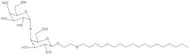
Formula:C6H13ClO5Purity:Min. 95%Molecular weight:200.62 g/molOctadecylthioethyl 4-O-(a-D-galactopyranosyl)-b-D-galactopyranoside
CAS:Octadecylthioethyl 4-O-(a-D-galactopyranosyl)-b-D-galactopyranoside is a synthetic carbohydrate with the CAS number 87019-34-9. It is a non-reducing sugar and has the molecular formula C18H36O22. The chemical structure of Octadecylthioethyl 4-O-(a-D-galactopyranosyl)-b-D-galactopyranoside is: The chemical name for Octadecylthioethyl 4-O-(a-D-galactopyranosyl)-b-D-galactopyranoside is Oligosaccharide, Custom synthesis, Glycosylation, High purity, Carbohydrate, sugar, Synthetic. The molecular weight of Octadecylthioethyl 4 -O-(a-[3]-Galactopyranosyl)-b-[2]-GalactopyrFormula:C32H62O11SPurity:Min. 95%Molecular weight:654.89 g/molUndecyl b-D-thiomaltopyranoside
CAS:Undecyl b-D-thiomaltopyranoside is a high purity, custom synthesis, methylated and glycosylated carbohydrate that can be used as a fluorinated sugar. It is an oligosaccharide with 4 glucose units, 1 of which has been modified by the addition of an undecyl group. This modification inhibits the enzyme maltase from hydrolyzing the saccharide. Undecyl b-D-thiomaltopyranoside has CAS No. 148565-57-5 and can be synthesized in high purity for research purposes.Formula:C23H44O10SPurity:Min. 95%Color and Shape:PowderMolecular weight:512.66 g/molN-Allyloxycarbonyl-b-lactosamine
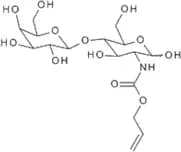
CAS:The linker N-Allyloxycarbonyl-b-lactosamine (NALB) is a bifunctional molecule that can be used to form triplexes with DNA. The NALB has been shown to inhibit the growth of gram-negative bacteria such as Escherichia coli and Haemophilus influenzae by binding to the bacterial cell wall and disrupting its permeability. The linker is synthesized by solid phase synthesis. This process involves the stepwise addition of building blocks in a sequence that is predetermined. The residues are usually protected with protecting groups, which are then removed at the end of the synthesis process.Formula:C16H27NO12Purity:Min. 95%Molecular weight:425.38 g/molUDP-2-ketopropyl-a-D-galactose
UDP-2-ketopropyl-a-D-galactose is a synthetic compound that belongs to the group of oligosaccharides. It is an excellent candidate for glycosylation, methylation, and click modification. The product has a CAS number, which provides high purity and custom synthesis. The product is also a complex carbohydrate with a variety of modifications.
Purity:Min. 95%Octyl 2-acetamido-2-deoxy-3-O-(b-D-galactopyranosyl)-b-D-glucopyranoside
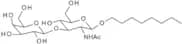
CAS:Octyl 2-acetamido-2-deoxy-3-O-(b-D-galactopyranosyl)-b-D-glucopyranoside is a monosaccharide that is custom synthesized by our company. It is modified with fluorination, methylation, and click modification to generate the desired product. Octyl 2-acetamido-2-deoxy-3-O-(b-D-galactopyranosyl)-b-D-glucopyranoside also has saccharide and polysaccharide groups attached to it. This product can be used as a sugar in the production of complex carbohydrates.Formula:C22H41NO11Purity:Min. 95%Molecular weight:495.56 g/mol1,2,3,5-Tetra-O-acetyl-β-D-ribofuranose
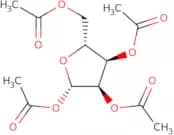
CAS:1,2,3,5-Tetra-O-acetyl-β-D-ribofuranose is a sugar that has been acetylated at the hydroxyl group. It has biological properties that are similar to those of 1,2,3,5-tetraacetyl-β-D-ribofuranose. This compound is an analog of 1,2,3,5-tetraacetyl-β-D-ribofuranose and can be used as a model system for studying the effects of acetylation on the properties of this molecule. Acetylation at the hydroxyl group in sugars can lead to low energy (chemical) properties. The acetylated form of this compound reacts with trifluoromethanesulfonic acid to give tetrafluoroethylene and ammonium sulfate in a model reaction solution. 1,2,3,5-Tetraacetyl βFormula:C13H18O9Purity:Min. 97.5 Area-%Molecular weight:318.28 g/molRef: 3D-T-1760
1kgTo inquire5kgTo inquire10kgTo inquire500gTo inquire2500gTo inquire-Unit-kgkgTo inquire


![N-(β-D-Glucopyranosyl)-N’-[(2-methanethiosulfonyl)ethyl] Urea](/_next/image/?url=https%3A%2Fstatic.cymitquimica.com%2Fproducts%2FTR%2Fthumb-webp%2FG441000.webp&w=3840&q=75)