Glycoscience
Glycoscience is the study of carbohydrates and their derivatives, as well as the interactions and biological functions they participate in. This field of research is crucial for understanding a wide variety of biological processes, including cell recognition, signaling, immune response, and disease development. Glycoscience has important applications in biotechnology, medicine, and the development of new drugs and therapies. At CymitQuimica, we offer a wide selection of high-quality, high-purity products for glycoscience research. Our catalog includes monosaccharides, oligosaccharides, polysaccharides, glycoconjugates, and specific reagents, designed to support researchers in their studies on the structure, function, and applications of carbohydrates in biological systems. These resources are intended to facilitate scientific discoveries and practical applications in various areas of bioscience and medicine.
Subcategories of "Glycoscience"
- Aminosugars(108 products)
- Glyco-Related Antibodies(282 products)
- Glycolipids(46 products)
- Glycosaminoglycans (GAGs)(55 products)
- Glycosides(419 products)
- Monosaccharides(6,624 products)
- Oligosaccharides(3,682 products)
- Polysaccharides(503 products)
Found 11046 products of "Glycoscience"
Sort by
Purity (%)
0
100
|
0
|
50
|
90
|
95
|
100
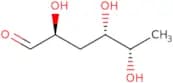
D-Fuculose
CAS:D-Fuculose is a sugar that is used as a sweetener. It is produced by microbial fermentation of l-arabinose, which is an intermediate in the pentose phosphate pathway. D-Fuculose can be synthesized from glucose and fucose using enzymes such as sucrose isomerase or mutarotase. The conversion of glucose to D-fuculose proceeds at temperatures between 50 and 70 degrees Celsius, with optimal activity occurring at 60 degrees Celsius. D-Fuculose has been shown to have high catalytic activity and stability under acidic conditions, making it ideal for use as a food additive in acidic drinks or foods. It also has the highest sweetness intensity of all sugars tested to date.Formula:C6H12O5Purity:Min. 95%Molecular weight:164.16 g/molNicotinic acid acyl-b-D-glucuronide
CAS:Nicotinic acid acyl-b-D-glucuronide is a carbohydrate that is synthesized by the condensation of nicotinic acid with b-D-glucuronic acid. It can be modified by fluorination, methylation, glycosylation, or click modification. The CAS Number for this product is 24719-73-1 and it has a purity of >98%. It has been custom synthesized at our lab and it is available in high purity.Formula:C12H13NO8Purity:Min. 95%Molecular weight:299.23 g/mol4,5,7-Tri-O-acetyl-2,6-anhydro-3-deoxy-D-lyxo-hept-2-enonamide
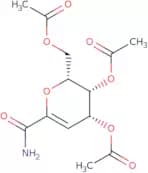
CAS:4,5,7-Tri-O-acetyl-2,6-anhydro-3-deoxy-D-lyxo-hept-2-enonamide is a carbohydrate that belongs to the group of oligosaccharides. It is a synthetic compound that has been modified with fluorination and methylation. This compound has been synthesized with high purity and custom synthesis. The modification process includes glycosylation and click chemistry.Formula:C13H17NO8Purity:Min. 95%Molecular weight:315.28 g/mol2,6-Anhydro-3-deoxy-D-lyxo-hept-2-enononitrile
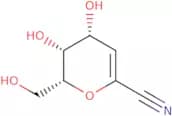
CAS:2,6-Anhydro-3-deoxy-D-lyxo-hept-2-enononitrile is a modified sugar that has been synthesized with Fluorination and saccharide. This compound is a custom synthesis of an oligosaccharide. It is also an Oligosaccharide Synthetic and is CAS No. 180336-27-0. This product has the molecular formula C8H12O5 and molecular weight of 228.24 g/mol. It has a purity of >99% (HPLC) and it is Custom synthesis, High purityFormula:C7H9NO4Purity:Min. 95%Molecular weight:171.15 g/mol5-O-Benzoyl-4-benzoyloxymethyl-1,2-O-isopropylidene-a-D-xylofuranose
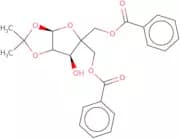
5-O-Benzoyl-4-benzoyloxymethyl-1,2-O-isopropylidene-a-D-xylofuranose is a synthetic monosaccharide that has been modified by fluorination and glycosylation. The chemical formula is C14H10F6O8. It can be custom synthesized to order, and it is available in high purity.Formula:C23H24O8Purity:Min. 95%Molecular weight:428.44 g/mol2,3,4-Tri-O-acetyl-L-fucal
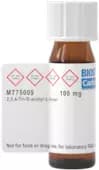
CAS:<p>2,3,4-Tri-O-acetyl-L-fucal is a synthetic oligosaccharide. It is a glycosylated sugar that contains three acetyl groups and four hydroxyl groups. The acetylation pattern of 2,3,4-tri-O-acetyl-L-fucal can be customized to suit the customer's needs. This compound is a fluorinated version of L-fucose and has been synthesized using an innovative click chemistry method. The synthesis of 2,3,4-tri-O-acetyl L -fucal has been completed in high purity and with high yield by our skilled chemists. It is also a complex carbohydrate that can be modified for different applications.</p>Formula:C12H16O7Purity:Min. 95%Molecular weight:272.25 g/molTipranovir b-D-glucuronide
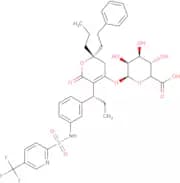
CAS:<p>Tipranovir b-D-glucuronide is a high purity, custom synthesis, sugar modified, fluorinated, glycosylated, and methylated oligosaccharide that has been modified to form a complex carbohydrate. It is synthesized from saccharides and monosaccharides using Click chemistry. The glycosylation of the molecule can be achieved by either the addition of a glycosyl donor or removal of an alcohol group. Tipranovir b-D-glucuronide also contains a methyl group on the C6 hydroxyl position. This molecule is used as a synthetic intermediate in the production of pharmaceuticals and other products.</p>Formula:C37H41F3N2O11SPurity:Min. 95%Molecular weight:778.79 g/molKdo2-Lipid A ammonium
CAS:Please enquire for more information about Kdo2-Lipid A ammonium including the price, delivery time and more detailed product information at the technical inquiry form on this pageFormula:C110H202N2O39P2•(NH3)4Purity:Min. 95%Molecular weight:2,306.84 g/mol4-Deoxy-D-chitobiose heptaacetate
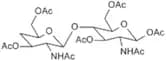
CAS:<p>4-Deoxy-D-chitobiose heptaacetate is a synthetic compound that has been modified by the addition of a heptaacetate group. This modification provides an additional site for attachment to other molecules, such as nucleic acids or proteins. The fluorination of this saccharide provides further protection against degradation and increases its stability in aqueous solutions. 4-Deoxy-D-chitobiose heptaacetate is available in high purity and can be custom synthesized to meet your needs.</p>Formula:C26H38N2O15Purity:Min. 95%Molecular weight:618.58 g/mol3,2',3',4'-Tetra-O-acetyl-6,6'-di-O-tert-butyldimethylsilyl-lactal
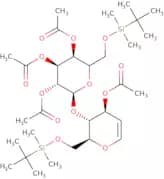
CAS:<p>3,2',3',4'-Tetra-O-acetyl-6,6'-di-O-tert-butyldimethylsilyl-lactal is a glycosylation agent that can be used in the synthesis of oligosaccharides and polysaccharides. It can be fluorinated to create a reactive site for methylation and click modification. 3,2',3',4'-Tetra-O-acetyl-6,6'-di-O-tert-butyldimethylsilyl-lactal is an acetylated lactal with a silyl ether protecting group. This product has been custom synthesized and is available in high purity.</p>Purity:Min. 95%3,5-O-Isopropylidene-D-arabinfuranose
3,5-O-Isopropylidene-D-arabinfuranose is a Modification of an oligosaccharide. It is a methylated monosaccharide that is synthesized in the laboratory. This product has been shown to have a CAS number, which is used to uniquely identify substances and establish their quality and purity. 3,5-O-Isopropylidene-D-arabinfuranose can be used as a raw material in the synthesis of complex carbohydrates such as polysaccharides or glycosylation with other compounds.Purity:Min. 95%1,2-o-Isopropylidene-α-D-glucofuranose
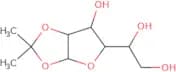
CAS:<p>1,2-o-Isopropylidene-α-D-glucofuranose is a potent inhibitor of xylan, which is essential for the growth and development of cancer cells. This compound has been shown to inhibit the activity of several kinases involved in cancer cell proliferation, including protein kinase C and acetylcholine kinase. 1,2-o-Isopropylidene-α-D-glucofuranose exhibits anticancer properties and induces apoptosis in human cancer cells. It is an analog of aprepitant, a drug used to prevent chemotherapy-induced nausea and vomiting in cancer patients. This compound may have potential as a therapeutic agent for the treatment of various types of tumors.</p>Formula:C9H16O6Purity:Min. 95%Molecular weight:220.22 g/molSialyl-Lex-hexa-APD-HSA
Sialyl-Lex-hexa-APD-HSA is a high purity synthetic glycosylation that is custom synthesized. It has been modified with fluorination, methylation, and click modification. Sialyl-Lex-hexa-APD-HSA can be used in the synthesis of complex carbohydrates and is available in CAS Number: 75869-57-3.Purity:Min. 95%Quinovic acid 3-O-(3',4'-O-isopropylidene)-b-D-fucopyranoside
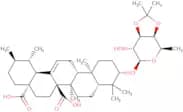
CAS:Quinovic acid 3-O-(3',4'-O-isopropylidene)-b-D-fucopyranoside is a monocyclic aromatic hydrocarbon that belongs to the class of phthalic acids. It is a white or light yellow crystalline solid that has been used as an absorber for rubber, polyester, and other organic solvents. This compound has been shown to be carcinogenic in animal studies with leukemia cells in mice and rats. Quinovic acid 3-O-(3',4'-O-isopropylidene)-b-D-fucopyranoside also induces bone resorption in animals.Purity:Min. 95%Psicose diacetonide
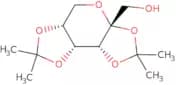
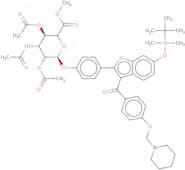
CAS:<p>Psicose diacetonide is a synthetic, custom-synthesized carbohydrate. It is a complex carbohydrate that is made of saccharides and has been modified to have a fluorinated monosaccharide. Psicose diacetonide is an oligosaccharide with a high purity and has been methylated and glycosylated.</p>Purity:Min. 95%Methyl 1-(6-tert-butylmethylsilyl-4'-hydroxyraloxifene)-2,3,4,-tri-O-acetyl-b-D-glycopyranuronate
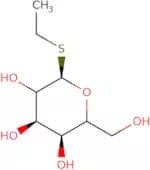
CAS:This is a complex carbohydrate, which is a modification of an oligosaccharide. The structure of this carbohydrate is based on the sugar methyl 1-(6-tert-butylmethylsilyl-4'-hydroxyraloxifene)-2,3,4,-tri-O-acetyl-b-D-glycopyranuronate. This modification has been shown to be useful for glycosylation and polysaccharide synthesis. This compound can be synthesized by click chemistry and has high purity with little or no impurities.Formula:C46H55NO13SSiPurity:Min. 95%Molecular weight:890.08 g/molEthyl a-D-thiomannopyranoside
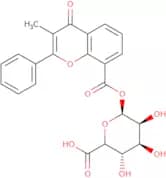
CAS:<p>Ethyl a-D-thiomannopyranoside is an oligosaccharide that is synthesized by the methylation of a-D-mannopyranoside. This product is also known as 3,6-O-(2-acetamido)-a-D-glucopyranose, which is a type of saccharide. It has been fluorinated for use in structural studies. The modification of this product includes click chemistry and glycosylation to produce a complex carbohydrate with high purity and high molecular weight. The monosaccharides include glucose, galactose, and mannose. This product has been used as a synthetic sugar to produce oligosaccharides or polysaccharides.</p>Formula:C8H16O5SPurity:Min. 95%Molecular weight:224.28 g/mol3-Methylflavone-8-carboxylic acid acyl-b-D-glucuronide
CAS:3-Methylflavone-8-carboxylic acid acyl-b-D-glucuronide is a fluorinated synthetic compound that has been custom synthesized with a high purity. It is an oligosaccharide, monosaccharide, and complex carbohydrate. This chemical can be used for glycosylation, methylation, or click modification. The product is stable at room temperature and does not require any special storage conditions.Formula:C23H20O10Purity:Min. 95%Molecular weight:456.4 g/molo-Methoxytopolin-9-glucoside
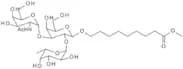
CAS:O-Methoxytopolin-9-glucoside is a sugar that is used in the synthesis of glycoproteins, glycosaminoglycans, and glycoconjugates. It can be used as a fluorinated sugar probe to study glycosylation. This compound has been synthesized with a variety of modifications such as methylation, fluorination, and click chemistry. O-Methoxytopolin-9-glucoside is an oligosaccharide with a monosaccharide at its reducing end. The saccharides are linked through beta 1→4 glycosidic bonds with alpha 1→2 glycosidic bonds at their other ends. O-Methoxytopolin-9-glucoside has been shown to be stable under acidic conditions and can act as both an antioxidant and prooxidant depending on the pH level.Formula:C19H23N5O6Purity:Min. 95%Molecular weight:417.42 g/molBlood Group A trisaccharide-(CH2)8COOMe derivative
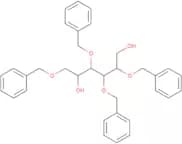
CAS:Blood group antigen derivative with spacer armFormula:C30H53NO17Purity:Min. 95%Molecular weight:699.74 g/mol2,3,4,6 -Tetra-O-benzyl-D-glucitol
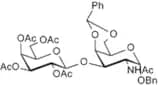
CAS:2,3,4,6 -Tetra-O-benzyl-D-glucitol is an atypical compound with a spectrum of activities. It has been shown to inhibit the synthesis of alditols and aldosides in vitro, and it also inhibits miglustat which is the first drug for Gaucher's disease approved by the FDA. 2,3,4,6 -Tetra-O-benzyl-D-glucitol is synthetically produced from D-glucose and benzyl chloride. The compound crystallizes as a chiral form that can exist as either (S) or (R) conformation. The (S) form has been observed to be more active than the (R) form against showdomycin and cyclic peptidase A.Formula:C34H38O6Purity:Min. 95%Color and Shape:liquid.Molecular weight:542.66 g/molBenzyl 2-acetamido-2-deoxy-4,6-O-benzylidene-3-O-(2,3,4,6-tetra-O-acetyl-b-D-galactopyranosyl)-a-D-galactopyranoside
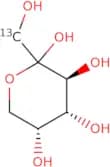
CAS:<p>Benzyl 2-acetamido-2-deoxy-4,6-O-benzylidene-3-O-(2,3,4,6-tetra-O-acetyl-b-D-galactopyranosyl)-a-D galactopyranoside is a complex carbohydrate with a CAS number of 8632784. It is an oligosaccharide that is modified with methylation and glycosylation. This molecule has a molecular weight of 907.19 and the purity level is high at 99%. This product can be used for fluoroquinolone resistance research or as an intermediate for other chemical modifications.</p>Formula:C36H43NO15Purity:Min. 95%Molecular weight:729.72 g/molD-Fructose-13C1
CAS:<p>D-Fructose-13C1 is a custom synthesis that belongs to the class of carbohydrates. It is an oligosaccharide, polysaccharide, and a modification of saccharides. D-Fructose-13C1 is methylated and glycosylated and has a carbonyl group on the C1 position. This product can be used in click chemistry as well as fluorination reactions. The purity of this product is high and it has been synthesized using high purity methods.</p>Formula:C513CH12O6Purity:Min. 95%Molecular weight:181.15 g/molColitose
CAS:<p>Colitose is a sugar that has antimicrobial properties. It is a monosaccharide, which means it contains six carbon molecules. Colitose has been shown to inhibit bacterial growth and to prevent the development of resistant mutants in human serum. Colitose has also been shown to have therapeutic potential for infectious diseases such as bowel disease and other inflammatory bowel diseases. The structural analysis of colitose revealed that it contains terminal residues at the end of each chain, which are composed of glucose, galactose, and mannose. The glycan chains are linked together by alpha-1,6-glycosidic bonds. These terminal residues serve as a receptor for Toll-like receptors (TLRs), which are found on cells in the bowel wall and help regulate inflammation.</p>Formula:C6H12O4Purity:Min. 95%Color and Shape:PowderMolecular weight:148.16 g/mol8-Methoxycarbonyloctyl 2-deoxy-2-phthalimido-b-D-glucopyranoside
CAS:8-Methoxycarbonyloctyl 2-deoxy-2-phthalimido-b-D-glucopyranoside is a glycoconjugate that is used as an anti-tumor agent. It is a synthetic glycosaminoglycan with a polysaccharide backbone and fluorinated saccharide branches. The monosaccharides are linked by methylene bridges, and the oligosaccharides are modified with methoxycarbonyl groups. This compound has been shown to have activity against tumor cells in vitro and in vivo, and it may be useful for the treatment of cancer. 8-Methoxycarbonyloctyl 2-deoxy-2-phthalimido-b-D-glucopyranoside can be synthesized on request.Formula:C24H33NO9Purity:Min. 95%Molecular weight:479.52 g/molMonofucosyl-para-lacto-N-hexaose II
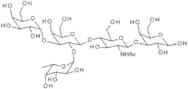
CAS:<p>Monofucosyl-para-lacto-N-hexaose II is a carbohydrate that belongs to the group of modified carbohydrates. This molecule is a monosaccharide with a chemical modification that has not been reported before. The modification is methylation of the hydroxyl group at position C1 and glycosylation of the hydroxyl groups at positions C2 and C3. Monofucosyl-para-lacto-N-hexaose II has shown high purity and can be custom synthesized to meet your needs. It can also be used for click chemistry, which allows for chemists to create new molecules by adding different functional groups to existing molecules.</p>Formula:C46H78N2O35Purity:Min. 95%Molecular weight:1,219.1 g/molBenzyl 2-acetamido-3,4-di-O-acetyl-2-deoxy-6-O-DMT-a-D-galactopyranoside
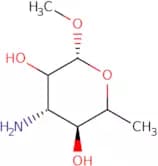
Benzyl 2-acetamido-3,4-di-O-acetyl-2-deoxy-6-O-DMT-a-D-galactopyranoside is a custom synthesis that is available in high purity. This product can be used for methylation, click modification, and fluorination. It is an oligosaccharide with a saccharide or carbohydrate as the main component. The molecular weight of this product is about 567.9 Da and the CAS number of this product is 103487-13-0.Formula:C40H43NO10Purity:Min. 95%Molecular weight:697.77 g/molMethyl 3-amino-3,6-dideoxy-a-L-taloside
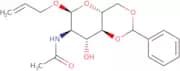
Methyl 3-amino-3,6-dideoxy-a-L-taloside is a custom synthesis of a monosaccharide. It is modified with fluorine and methyl groups and may be used in click chemistry. The CAS number for this compound is 103614-34-8. Methyl 3-amino-3,6-dideoxy-a-L-taloside is an oligosaccharide that can be glycosylated or complexed with sugar. This compound has properties of a carbohydrate and can be classified as a saccharide or polysaccharide.Formula:C7H15NO4Purity:Min. 95%Molecular weight:177.2 g/molAllyl 2-acetamido-4,6,-O-benzylidene-2-deoxy-a-D-glucopyranoside
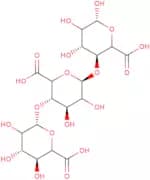
CAS:<p>Allyl 2-acetamido-4,6,-O-benzylidene-2-deoxy-a-D-glucopyranoside is a sugar that is used as a custom synthesis or modification. It is also called allyl 2-(1,3-dioxo-1,3,4,-thiadiazolidinium)acetamido 4,6,-O-(benzylidene)-2 deoxy erythro -a D glucopyranoside. Allyl 2 acetamido 4,6,-O -benzylidene -2 deoxy erythro -a D glucopyranoside is used in the glycosylation of proteins and oligosaccharides and in the synthesis of saccharides. This compound has been shown to be useful in identifying glycosaminoglycan chains in complex carbohydrates.</p>Formula:C18H23NO6Purity:Min. 95%Molecular weight:349.39 g/molCellotrionic acid
CAS:<p>Cellotrionic acid is a biochemical that is found in the cell walls of bacteria. It is also known as Cellotriose, which is a type of sugar molecule. Cellotriose is composed of three molecules of glucose and it has reactive hydroxy groups. Hydroxy groups are reactive because they can form hydrogen bonds with other molecules. Cellotrionic acid has been shown to have a redox potential, which means that it can either accept or donate electrons. The crystalline structure of cellotrionic acid is similar to that of glucose and can be represented by the formula C6H8O6. Cellotrionic acid has been shown to have aerobic properties, meaning it requires oxygen for metabolism. One example of an aerobic process where cellotrionic acid participates in is the transfer of electrons during the oxidation-reduction reactions in photosynthesis. This biochemical also participates in glycolysis, which occurs during cellular respiration when sugars are broken down into smaller fragments</p>Formula:C18H32O17Purity:Min. 95%Molecular weight:520.44 g/mol2-Deoxy-2-fluoro-D-lactose
<p>Used for studies of the D-lactose pathway by non-invasive techniques, using ¹â¹F-NMR spectroscopy or positron emission from the ¹âžF-labeled compound.</p>Formula:C12H21O10FPurity:Min. 95%Color and Shape:White PowderMolecular weight:344.29 g/mol1,2,3-Tri-O-benzyl-4,6-O-(4-methoxybenzylidene)-a-D-mannopyranoside
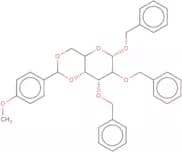
<p>Ai Product Descriptions 50 Creative</p>Formula:C35H36O7Purity:Min. 95%Molecular weight:568.66 g/molOctyl L-glucopyranoside
CAS:<p>Octyl L-glucopyranoside is a detergent that is used in biochemical research. It is used as a signal peptide to purify proteins by binding to the hydrophobic region of the protein. In addition, it binds to human polymorphonuclear leukocytes and dextran sulfate. Octyl L-glucopyranoside also has a rate constant of 8 × 10 M-1 s-1 and an analytical method for glycol ethers. The octyl glucopyranoside has been shown to inhibit axonal growth, which may be due to its ability to bind toll-like receptor 4 (TLR4) on dendritic cells.</p>Formula:C14H28O6Purity:Min. 95%Molecular weight:292.37 g/molQuinovic acid 3-O-a-L-rhamnopyranoside
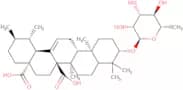
CAS:<p>Quinovic acid 3-O-a-L-rhamnopyranoside is a saponin that belongs to the group of steroid alkaloids and glycosides. It has been used in traditional Chinese medicine for the treatment of menopausal symptoms. The chemical structure of quinovic acid 3-O-a-L-rhamnopyranoside has been identified as fukinolic acid, which is an active chemical constituent. Pharmacological studies have shown that this saponin has antiinflammatory and antidiabetic activities, and inhibits the enzymes related to hormone synthesis.</p>Purity:Min. 95%1,4:6,3-Glucarodilactone
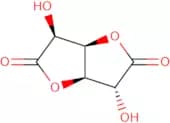
CAS:1,4:6,3-Glucarodilactone is an undecenoate with a sustainable and degradable structure. It can be used as a monomer in the production of polyols that are used in various industries, such as the plastics industry. 1,4:6,3-Glucarodilactone is also an acidic compound that has been shown to have a crystalline product and isomeric transition. It is possible to produce this compound by ring-opening polymerization of p-xylylenediamine with butyl vinyl ether or isobutyl vinyl ether.Formula:C6H6O6Purity:Min. 95%Molecular weight:174.11 g/molN-Allyloxycarbonyl-b-lactosamine
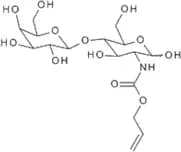
CAS:The linker N-Allyloxycarbonyl-b-lactosamine (NALB) is a bifunctional molecule that can be used to form triplexes with DNA. The NALB has been shown to inhibit the growth of gram-negative bacteria such as Escherichia coli and Haemophilus influenzae by binding to the bacterial cell wall and disrupting its permeability. The linker is synthesized by solid phase synthesis. This process involves the stepwise addition of building blocks in a sequence that is predetermined. The residues are usually protected with protecting groups, which are then removed at the end of the synthesis process.Formula:C16H27NO12Purity:Min. 95%Molecular weight:425.38 g/molHeparin derived dp22 saccharide ammonium salt
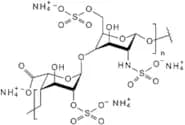
Heparin derived dp22 saccharide ammonium salt is a complex carbohydrate that is synthesized with the click chemistry. It is a high purity, fluorinated compound. This modified heparin has an average molecular weight of approximately 5,400 Da and contains an average of 15 saccharide units. Heparin derived dp22 saccharide ammonium salt has been modified by methylation and glycosylation to produce a heparin-like compound that can be used as a drug delivery system for anticancer drugs.Purity:Min. 95%Color and Shape:White to off-white solid.Molecular weight:~6300 (Average)1,2,3,4,6-Penta-O-benzoyl-a-D-glucopyranose
CAS:1,2,3,4,6-Penta-O-benzoyl-a-D-glucopyranose is a natural product that has not been fully resolved or characterized. It is a carbohydrate and has a molecular weight of 532. It is found in urine as a metabolite of myo-inositol. 1,2,3,4,6-Penta-O-benzoyl-a-D-glucopyranose has been synthesized from inositol and benzoyl chloride. The compound can be separated into the two stereoisomers by fractional crystallization with chloroform and methanol.Formula:C41H32O11Purity:Min. 95%Molecular weight:700.69 g/molBlood Group B pentasaccharide type II
Gala1-3(Fuca1-2)Galb1-4GlcNAcb1-3Gal (B antigen pentasaccharide Type II)Formula:C32H55NO25Purity:Min. 95%Molecular weight:853.79 g/molMethyl 2,3-di-O-acetyl-b-D-xylopyranoside
CAS:Methyl 2,3-di-O-acetyl-b-D-xylopyranoside is a high purity synthetic product with custom synthesis and fluorination. This product is a sugar that has been modified by glycosylation and methylation. Methyl 2,3-di-O-acetyl-b-D-xylopyranoside is a complex carbohydrate that contains saccharides, such as monosaccharides and oligosaccharides.Formula:C10H16O7Purity:Min. 95%Molecular weight:248.2 g/mol5-O-tert-Butyldimethylsilyl-1,4-dideoxy-1,4-imino-2,3-O-isopropylidene-D-ribitol
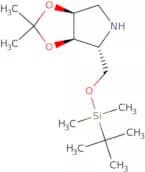
CAS:5-O-tert-Butyldimethylsilyl-1,4-dideoxy-1,4-imino-2,3-O-isopropylidene-D-ribitol is a custom synthesis of a complex carbohydrate. It is an Oligosaccharide and Polysaccharide that has CAS No. 153172-31-7. 5BDSR is modified with methylation and glycosylation and can be used for the synthesis of saccharides or carbohydrates. It is high purity with a fluorination modification and click chemistry to provide synthetic products.Formula:C14H29NO3SiPurity:Min. 95%Molecular weight:287.47 g/molS-Flurbiprofen-acyl-b-D-glucuronide
CAS:Flurbiprofen-acyl-b-D-glucuronide is a modification of the compound flurbiprofen. It is a complex carbohydrate that has been custom synthesized and purified. Flurbiprofen-acyl-b-D-glucuronide is an oligosaccharide that contains a number of monosaccharides, methylated sugars, glycosylated sugars, and polysaccharides. It also contains a fluorinated saccharide at the terminal end of its structure. Flurbiprofen-acyl-b-D-glucuronide is used in research to study the interactions between carbohydrates and drugs.Formula:C21H21FO8Purity:Min. 95%Molecular weight:420.39 g/mol2,3,6-Trimethyl-gamma-cyclodextrin
CAS:<p>This gamma-cyclodextrin (γ-CD) derivative is a modified cyclic oligosaccharide composed of eight glucose units, featuring a larger cavity size than α- and β-cyclodextrins. This structural characteristic allows γ-CDs to form inclusion complexes with a wider range of guest molecules, making it particularly versatile in various industries. In the food sector, it is used as a carrier and stabilizer for flavors, fat-soluble vitamins, and polyunsaturated fatty acids, protecting volatile compounds from evaporation. In pharmaceuticals, it enhances the solubility and bioavailability of poorly water-soluble drugs and, thanks to its larger ring size, allows for the encapsulation of larger molecules or even entire drug molecules. γ-CDs and derivatives are also used for environmental remediation and, in analytical chemistry, for the extraction and concentration of target substances.</p>Formula:C72H128O40Purity:Min. 95%Color and Shape:PowderMolecular weight:1,633.8 g/mol4-Methoxyphenyl 3,4-O-isopropylidene-2,6-di-O-toluoyl-b-D-galactopyranoside
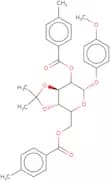
4-Methoxyphenyl 3,4-O-isopropylidene-2,6-di-O-toluoyl-b-D-galactopyranoside is a custom synthesis that is a complex carbohydrate. It is an oligosaccharide that has been modified with methylation and glycosylation. It also has been fluorinated and has undergone a click modification reaction. This product is of high purity and has been synthesized from saccharides and sugars.Formula:C32H34O9Purity:Min. 95%Molecular weight:562.62 g/molCellobiuronic acid
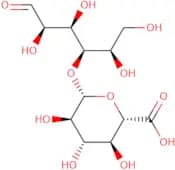
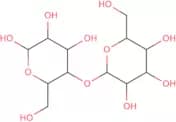
CAS:<p>Cellobiuronic acid is a polysaccharide that contains glucose and uronic acids. It is found in the cell walls of gram-positive bacteria, where it may play an important role in maintaining the structural integrity of the cell wall. Cellobiuronic acid has been shown to be a potent antigen for pneumococcus. Cellobiuronic acid has also been shown to be conjugated with proteins and used as a vaccine adjuvant for inducing antibody responses against pneumococcal antigens. Cellobiuronic acid is synthesized from glucose by bacterial cells, which use it as a carbon source. The biosynthesis of cellobiuronic acid is poorly understood because it does not occur in mammalian cells.</p>Formula:C12H20O12Purity:Min. 95%Molecular weight:356.28 g/molSucrose 4,6-methyl orthoester
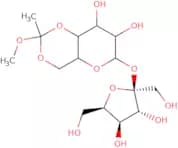
CAS:<p>Sucrose 4,6-methyl orthoester is a sugar derivative that can be synthesized from sucrose. Sucrose 4,6-methyl orthoester is a white solid that is soluble in water, methanol, and acetone. It has been shown to have the same properties as sucrose but with higher stability in acidic conditions and at high temperatures. This compound has been custom synthesized by our laboratory to produce a high purity product.</p>Formula:C15H26O12Purity:Min. 95%Molecular weight:398.36 g/molMaltose solution
CAS:<p>The maltose solution we offer is a 20% solution in water and of high purity and can be customized to meet your needs.</p>Formula:C12H22O11Purity:Min. 95%Molecular weight:342.3 g/molBenzyl 2-amino-2-deoxy-a-D-galactopyranoside
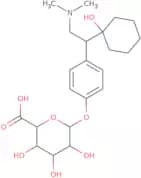
CAS:<p>Benzyl 2-amino-2-deoxy-a-D-galactopyranoside is a fluorinated sugar that is used as a building block in the synthesis of oligosaccharides, polysaccharides, and complex carbohydrates. It can be used for the synthesis of saccharides via click chemistry or for modification of saccharides by methylation, monosaccharide, or polysaccharide. Benzyl 2-amino-2-deoxy-a-D-galactopyranoside has high purity.</p>Formula:C13H19NO5Purity:Min. 95%Molecular weight:269.29 g/molrac O-Desmethyl venlafaxine b-D-glucuronide
CAS:Controlled ProductRac O-Desmethyl venlafaxine b-D-glucuronide is a synthetic glycosylated monosaccharide with a custom synthesis. It is fluorinated with the use of fluorination in order to increase its potency and stability. Rac O-Desmethyl venlafaxine b-D-glucuronide has been modified to have a click modification and has been shown to be stable against degradation by enzymes, such as monoamine oxidase B. This product is high purity and can be used in pharmaceuticals or research.Formula:C22H33NO8Purity:Min. 95%Color and Shape:PowderMolecular weight:439.5 g/molAzo-Xyloglucan
<p>Dyed and soluble azo-xyloglucan (tamarind) is used for the measurement of enzyme activity, research, biochemical enzyme assays and in vitro diagnostic analysis. It is a soluble chromogenic substrate for the assaying of endo-cellulase.</p>Purity:Min. 95%