Glycoscience
Glycoscience is the study of carbohydrates and their derivatives, as well as the interactions and biological functions they participate in. This field of research is crucial for understanding a wide variety of biological processes, including cell recognition, signaling, immune response, and disease development. Glycoscience has important applications in biotechnology, medicine, and the development of new drugs and therapies. At CymitQuimica, we offer a wide selection of high-quality, high-purity products for glycoscience research. Our catalog includes monosaccharides, oligosaccharides, polysaccharides, glycoconjugates, and specific reagents, designed to support researchers in their studies on the structure, function, and applications of carbohydrates in biological systems. These resources are intended to facilitate scientific discoveries and practical applications in various areas of bioscience and medicine.
Subcategories of "Glycoscience"
- Aminosugars(108 products)
- Glyco-Related Antibodies(282 products)
- Glycolipids(46 products)
- Glycosaminoglycans (GAGs)(55 products)
- Glycosides(419 products)
- Monosaccharides(6,624 products)
- Oligosaccharides(3,682 products)
- Polysaccharides(503 products)
Found 11046 products of "Glycoscience"
Sort by
Purity (%)
0
100
|
0
|
50
|
90
|
95
|
100
Methyl 3,4-O-isopropylidene-6-O-trityl-a-D-galactopyranoside
CAS:<p>Methyl 3,4-O-isopropylidene-6-O-trityl-a-D-galactopyranoside is a synthetic, high purity carbohydrate. It is an oligosaccharide that has been modified with fluorination and methylation. Methyl 3,4-O-isopropylidene-6-O-tritylgalactopyranoside is used for the synthesis of glycosides and oligosaccharides.</p>Formula:C29H32O6Purity:Min. 95%Molecular weight:476.57 g/molMethyl 2-deoxy-4,6-o-(phenylmethylene)-α-D-ribo-hexopyranoside benzoate
CAS:Please enquire for more information about Methyl 2-deoxy-4,6-o-(phenylmethylene)-α-D-ribo-hexopyranoside benzoate including the price, delivery time and more detailed product information at the technical inquiry form on this pageFormula:C21H22O6Purity:Min. 95%Molecular weight:370.4 g/mola-D-Mannopyranosyl L-serine
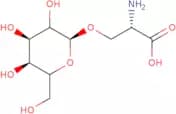
<p>a-D-Mannopyranosyl L-serine is an oligosaccharide that is synthesized by the monosaccharide a-D-mannose and the amino acid serine. It is a complex carbohydrate that has been modified with fluorination, methylation, and click chemistry. This product has a CAS number of 2468-81-7 and can be used in glycosylation reactions. The purity of this product is high, with an optical purity of > 98%.</p>Formula:C9H17NO8Purity:Min. 95%Molecular weight:267.24 g/molOctadecylthioethyl 4-O-(a-D-galactopyranosyl)-b-D-galactopyranoside
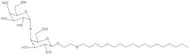
CAS:<p>Octadecylthioethyl 4-O-(a-D-galactopyranosyl)-b-D-galactopyranoside is a synthetic carbohydrate with the CAS number 87019-34-9. It is a non-reducing sugar and has the molecular formula C18H36O22. The chemical structure of Octadecylthioethyl 4-O-(a-D-galactopyranosyl)-b-D-galactopyranoside is: The chemical name for Octadecylthioethyl 4-O-(a-D-galactopyranosyl)-b-D-galactopyranoside is Oligosaccharide, Custom synthesis, Glycosylation, High purity, Carbohydrate, sugar, Synthetic. The molecular weight of Octadecylthioethyl 4 -O-(a-[3]-Galactopyranosyl)-b-[2]-Galactopyr</p>Formula:C32H62O11SPurity:Min. 95%Molecular weight:654.89 g/molDibromodulcitol
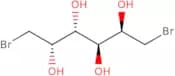
CAS:Dibromodulcitol (DBD) is a water soluble compound that is used in analytical chemistry to measure the concentration of bromine. It has been used as a radioprotectant and is also an analog of the natural hormone, epidermal growth factor. DBD can be measured by colorimetric methods or by enzyme-linked immunosorbent assay (ELISA). This chemical is found in wastewater and has been shown to inhibit the growth of cancer cells through its effects on fatty acid metabolism. DBD has also been shown to have pharmacokinetic properties, as it can be detected in biological samples for up to 2 hours after injection.Formula:C6H12Br2O4Purity:Min. 95%Molecular weight:307.97 g/molUndecyl b-D-thiomaltopyranoside
CAS:<p>Undecyl b-D-thiomaltopyranoside is a high purity, custom synthesis, methylated and glycosylated carbohydrate that can be used as a fluorinated sugar. It is an oligosaccharide with 4 glucose units, 1 of which has been modified by the addition of an undecyl group. This modification inhibits the enzyme maltase from hydrolyzing the saccharide. Undecyl b-D-thiomaltopyranoside has CAS No. 148565-57-5 and can be synthesized in high purity for research purposes.</p>Formula:C23H44O10SPurity:Min. 95%Color and Shape:PowderMolecular weight:512.66 g/molPhenyl 2-O-benzyl-4,6-O-benzylidene-a-D-thiomannopyranoside
<p>Phenyl 2-O-benzyl-4,6-O-benzylidene-a-D-thiomannopyranoside is a synthetic glycoside with the chemical formula C20H24N2O5. This compound is a fluorinated thioglycoside that has been used in the synthesis of complex carbohydrates. The monosaccharide is synthesized from phenol and benzaldehyde via an aldol reaction, followed by a Claisen condensation. Phenyl 2-O-benzyl-4,6-O-benzylidene-a-D-thiomannopyranoside can be modified to create polysaccharides using methylation or click chemistry on the benzyl ethers.</p>Formula:C26H26O5SPurity:Min. 95%Molecular weight:450.55 g/mol2,3-O-Isopropylidene-L-apiose
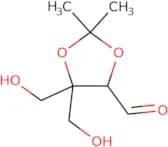
CAS:<p>2,3-O-Isopropylidene-L-apiose is a synthetic monosaccharide with a fluorinated substituent at the C2 position. It is an oligosaccharide that has been custom synthesized for glycosylation and polysaccharide modifications. The chemical name of 2,3-O-Isopropylidene-L-apiose is 2,3-O-(2,3,4,5,6) -Heptafluoroisopropylidene apiose. The CAS number for this compound is 70147-51-2. This product is available in high purity.</p>Formula:C8H14O5Purity:Min. 95%Molecular weight:190.19 g/molUndecyl 2-acetamido-2-deoxy-b-D-glucopyranoside
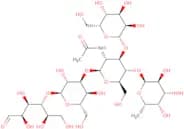
CAS:<p>Undecyl 2-acetamido-2-deoxy-b-D-glucopyranoside is a cell surface glycosaminoglycan (GAG) that binds to the proteoglycan receptor, which is a GAG binding protein. Undecyl 2-acetamido-2-deoxy-b-D-glucopyranoside has been shown to be involved in signaling pathways and gene expression regulation, as well as having an effect on the activity of other proteins. This glycosaminoglycan has been used to profile gene expression levels in cells and tissues. The high density microarray technique can be used to analyze the expression profile of many genes simultaneously.</p>Formula:C19H37NO6Purity:Min. 95%Molecular weight:375.5 g/molLacto-N-fucopentaose II-GEL
CAS:<p>Lacto-N-fucopentaose II-GEL is a complex carbohydrate with a molecular weight of 11,000 Da. This product is not for human use and is intended for research purposes only. It should not be used in food or cosmetics.</p>Purity:Min. 95%4-Methoxyphenyl 2-azido-4,6-O-benzylidene-2-deoxy-b-D-galactopyranose
CAS:<p>4-Methoxyphenyl 2-azido-4,6-O-benzylidene-2-deoxy-b-D-galactopyranose is a synthetic sugar that has been modified with the Click reaction. It is a water soluble white solid and can be used in the synthesis of glycosides. 4MPAPGAL is a complex carbohydrate that can be used to modify saccharides or oligosaccharides. It has been shown to bind to proteins and other biomolecules with high affinity.</p>Formula:C20H21N3O6Purity:Min. 95%Molecular weight:399.4 g/molHyaluronate rhodamine - Molecular Weight - 1500kDa
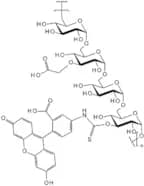
Hyaluronate rhodamine is a synthetic, high-purity, fluorinated, hydrophilic oligosaccharide. It is a complex carbohydrate with a molecular weight of 1500kDa and a very low viscosity. Hyaluronate rhodamine has been modified to include Click chemistry that provides the potential for site-specific modification on the sugar backbone. The fluorination process can be customized to produce the desired degree of substitution (DS) and functionalization for specific applications. This product has been glycosylated and polysaccharide modified to create an oligosaccharide that is suitable for use in therapeutic and diagnostic applications.Purity:Min. 95%Fluorescein isothiocyanate-carboxymethyl-dextran - Average MW 4,000
<p>Fluorescein isothiocyanate carboxymethyl dextran (FITC-CM Dextran) has been reported to provide a valuable carrier for nanoparticles of iron oxide. These products provide a potent tool for contrast enhancement in magnetic resonance imaging.</p>Purity:Min. 95%Color and Shape:PowderBiotin-dextran MW 10000
<p>Biotin dextran is widely used as both an anterograde and retrograde tracer in neurons and for numerous other applications. It is biologically rather inert having α-1,6-linked glucose residues resistant to cleavage by most endogenous cellular glycosidases. It has low immunogenicity and makes an ideal long-term tracer for live cells. Biotin dextran also serves as a valuable marker for cell loading of macromolecules by microinjection, vesicular fusion, and electroporation, as well as for the uptake and internal processing of exogenous materials by phagocytotic and endocytic pathways.</p>Purity:Min. 95%Color and Shape:Powder1,2,3,4-Tetra-O-acetyl-b-L-xylopyranose
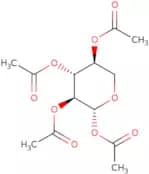
CAS:<p>1,2,3,4-Tetra-O-acetyl-b-L-xylopyranose is a carbohydrate that can be synthesized by the fluorination of a xylose. This modification can be done to any sugar or oligosaccharide and has high purity. The methylation and glycosylation of 1,2,3,4-tetra-O-acetyl-b-L-xylopyranose are also available for custom synthesis.</p>Purity:Min. 95%(3S)-3-Hydroxy-L-aspartic acid
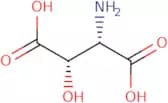
CAS:<p>3-hydroxy-L-aspartic acid is a non-protein amino acid that is found in mammalian tissue and has been shown to have structural and functional similarities to glutamate. It is involved in the metabolism of energy, such as the synthesis of fatty acids and epidermal growth factor. 3-Hydroxy-L-aspartic acid also binds to calcium ions, which may be due to its carboxylate group. This compound does not have a disulfide bond, unlike many other amino acids.<br>3S)-3-Hydroxy-L-aspartic acid can be used as a monoclonal antibody for the detection of pseudobactin, an antibiotic secreted by Pseudomonas bacteria that inhibits protein synthesis in eukaryotes.</p>Formula:C4H7NO5Purity:Min. 95%Molecular weight:149.1 g/molT-Antigen-APE-HSA
<p>T-Antigen-APE-HSA is a custom synthesis, modification, and fluorination of T-antigen. This product has been synthesized by methylation and monosaccharide synthesis. It also contains a saccharide that is glycosylated or modified with polysaccharides. This product is made up of complex carbohydrates that are composed of oligosaccharides and sugar chains.</p>Purity:Min. 95%2-O-(3,4,6-Tri-O-acetyl-2-deoxy-2-N-phthalimido-b-D-glucopyranosyl)-3-O-benzyl-4,6-benzylidene-D-mannopyranose
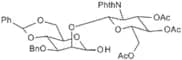
2-O-(3,4,6-Tri-O-acetyl-2-deoxy-2-N-phthalimido-b-D-glucopyranosyl)-3-O-benzyl-4,6-benzylidene -D -mannopyranose is a custom synthesis. It is a complex carbohydrate that has been modified with methylation and glycosylation. The saccharide in this compound is an oligosaccharide that has undergone fluorination and click chemistry. This product is of high purity and offers a range of useful applications.Formula:C40H41NO15Purity:Min. 95%Molecular weight:775.75 g/molMono(6-ethanediamine-6-deoxy)-beta-cyclodextrin
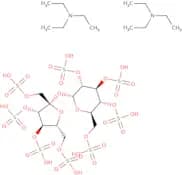
CAS:<p>This beta-cyclodextrin (β-CD) derivative is a functionalized cyclic oligosaccharide composed of seven glucose units, characterized by a hydrophilic exterior and a lipophilic cavity (bigger than α-CD and smaller than γ-CDs), which allows it to encapsulate various guest molecules. This structural feature facilitates its use in multiple applications, including pharmaceuticals, food enhancement, and cosmetics. In the pharmaceutical industry, it enhances the solubility and stability of poorly water-soluble drugs, improving their bioavailability and efficacy while also masking unpleasant tastes. The food sector utilizes it as a stabilizer for flavors, colors, and nutrients, extending shelf life by protecting sensitive ingredients from degradation. In cosmetics, it serves as a complexing agent for fragrances and active components, ensuring their stability and controlled release. Its use expands to many other fields, including nanotechnology for drug delivery systems, environmental remediation for extracting organic pollutants, textiles for slow-release fragrances, and analytical chemistry for chiral separation.</p>Formula:C44H76N2O34Purity:Min. 95%Molecular weight:1,177.1 g/molSucrose octasulfate octatriethylammonium salt
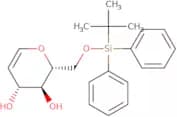
CAS:<p>Used for treatment of duodenal ulcers and gastroesophageal reflux</p>Formula:C12H22O35S8•(C6H15N)8Purity:Min. 95%Color and Shape:PowderMolecular weight:982.81 g/mol6-O-tert-Butyldiphenylsilyl-D-glucal
CAS:<p>6-O-tert-Butyldiphenylsilyl-D-glucal is a methylated sugar that can be used for glycosylation. It is an important building block for the synthesis of oligosaccharides and polysaccharides. The compound is readily available in high purity, which makes it suitable for synthesis of complex carbohydrates. In addition to its use as a synthetic reagent, 6-O-tert-Butyldiphenylsilyl-D-glucal can be used as a fluorinating agent. This product is listed as CAS No. 87316-22-1 in the Chemical Abstract Service (CAS) registry.</p>Purity:Min. 95%Ethyl 4-O-acetyl-3,6-di-O-benzyl-2-deoxy-2-phthalimido-b-D-thioglucopyranoside
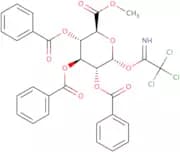
CAS:<p>Ethyl 4-O-acetyl-3,6-di-O-benzyl-2-deoxy-2-phthalimido-b-D-thioglucopyranoside is a synthetic carbohydrate with a molecular weight of 535.1 Da. It has been used for the production of saccharide derivatives that inhibit the growth of gram positive bacteria and Mycobacterium tuberculosis. This product is not available in pure form and must be custom synthesized to meet specific customer requirements. Ethyl 4-O-acetyl-3,6-di--O--benzyl--2--deoxy--2--phthalimido--b--D--thioglucopyranoside is soluble in water and acetonitrile, but insoluble in ether. The chemical formula is C17H25NO11PS with a purity of >98%.</p>Purity:Min. 95%2,3,4-Tri-O-benzoyl-a-D-glucuronide methyl ester trichloroacetimidate
CAS:<p>2,3,4-Tri-O-benzoyl-a-D-glucuronide methyl ester trichloroacetimidate is a custom synthesis. It is a modification of the original molecule that is fluorinated, methylated and modified with a trichloroacetimidate group. This compound can be used to synthesize oligosaccharides and polysaccharides. It has high purity and is available in large quantities.</p>Formula:C30H24Cl3NO10Purity:Min. 95%Color and Shape:PowderMolecular weight:664.87 g/mol1,2-O-Isopropylidene-3-O-benzyl-5-deoxy-5-C-(2-pyridyl)-D-xylofuranose
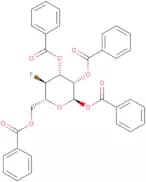
<p>1,2-O-Isopropylidene-3-O-benzyl-5-deoxy-5-C-(2-pyridyl)-D-xylofuranose is a fluorinated sugar. This compound has been synthesized by modifying the glycosylation site of N4,N4'-diisopropylidene-1,2,3,5,5'-pentaacetamido-[1,6]hexanedioic acid methyl ester to 1,2-O-isopropylidene. The structure of this compound consists of a C(2) pyridine moiety and an O(1) protonated methyl group on the terminal carbon atom.</p>Purity:Min. 95%Molecular weight:341.37 g/mol1,2,3,6-Tetra-O-benzoyl-4-deoxy-4-fluoro-a-D-mannopyranose
CAS:<p>1,2,3,6-Tetra-O-benzoyl-4-deoxy-4-fluoro-a-D-mannopyranose is a high purity synthetic carbohydrate that has been modified with methylation and glycosylation. It is an Oligosaccharide that belongs to the Polysaccharide group. This complex carbohydrate is a saccharide with a CAS number of 1309463-38-4. The 1,2,3,6-Tetra-O-benzoyl-4-deoxy--4--fluoro--aD--mannopyranose is a sugar that can be used for Click modification.</p>Formula:C34H27FO9Purity:Min. 95%Molecular weight:598.57 g/mol2-Decyltetradecyl-D-xylopyranoside
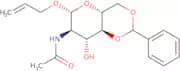
CAS:<p>2-Decyltetradecyl-D-xylopyranoside is a synthetic, fluorinated carbohydrate that has been modified to contain a reactive methylene group. This compound can be used as a reactant in Click chemistry, which is an easy and convenient method for modifying the structure of polysaccharides. 2-Decyltetradecyl-D-xylopyranoside may be used for the synthesis of oligosaccharides or carbohydrates. This compound is soluble in water and organic solvents such as methanol and ethanol. It has a CAS number of 446264-02-4.</p>Formula:C29H58O5Purity:Min. 95%Color and Shape:Colourless solid.Molecular weight:486.77 g/molAllyl 2-acetamido-4,6-O-benzylidene-2-deoxy-b-D-glucopyranoside
CAS:<p>Allyl 2-acetamido-4,6-O-benzylidene-2-deoxy-b-D-glucopyranoside is a synthetic compound that belongs to the class of carbohydrates. It is used as a reagent in sugar chemistry and glycosylation reactions. Allyl 2-acetamido-4,6-O-benzylidene-2-deoxy-b-D-glucopyranoside is also used for the modification of polysaccharides and fluorination reactions. This product has been shown to be effective as a substrate for site specific methylation reactions. Allyl 2 acetamido 4,6 O benzylidene 2 deoxy b D glucopyranoside has been tested in vitro against methicillin resistant Staphylococcus aureus (MRSA) with promising results.</p>Formula:C18H23NO6Purity:Min. 95%Molecular weight:349.39 g/molEthyl-3,6-di-O-benzoyl-2-trifluoromethanesulfonyl-4-O-(2,3,4,6-tetra-O-acetyl-b-D-galactopyranosyl)-b-D-mannopyranoside
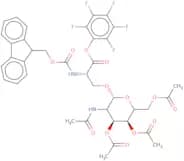
CAS:<p>Ethyl-3,6-di-O-benzoyl-2-trifluoromethanesulfonyl-4-O-(2,3,4,6-tetra-O-acetyl-b-D-galactopyranosyl)-b-D-mannopyranoside is a synthetic modified oligosaccharide that has been fluorinated. It is a complex carbohydrate that has a CAS number of 1008750-65-9. The modification of the monosaccharides in this product are methylation and click modification.</p>Formula:C37H41F3O19SPurity:Min. 95%Molecular weight:878.77 g/mol2-Acetamido-3,4,6-tri-O-acetyl-2-deoxy-b-D-glucopyranosyl-(N-Fmoc)-L-serine pentafluorophenyl ester
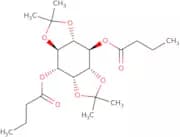
CAS:<p>2-Acetamido-3,4,6-tri-O-acetyl-2-deoxy-b-D-glucopyranosyl-(N-Fmoc)-L-serine pentafluorophenyl ester is a custom synthesis product. The synthesis of this compound was done by methylating 2,3,4,6-tetra O acetyl b D glucopyranoside with N Fmoc protected serine and then click modification to the carbonyl group. This product is a saccharide that has been fluorinated at the C5 position. It is an oligosaccharide that contains a complex carbohydrate that has been modified by monosaccharides and sugars. This product has high purity and is synthesized to order.</p>Formula:C38F5H35N2O13Purity:Min. 95%Molecular weight:822.68 g/mol3,6-Di-O-butanoyl-1,2:4,5-di-O-isopropylidene-D-myo-inositol
CAS:<p>3,6-Di-O-butanoyl-1,2:4,5-di-O-isopropylidene-D-myo-inositol is a custom synthesis of an oligosaccharide. It is a polymer of glucose with 3 to 9 residues, which may be modified by methylation and glycosylation. The chemical formula for 3,6-Di-O-butanoyl-1,2:4,5-di-O-isopropylidene is C(14)H(30)O(8). 3,6 Di O butanoyl 1 2 4 5 di O isopropylidene D myo inositol has a molecular weight of 790.3 g/mol. The CAS number for this compound is 1307298 34 5. This compound is readily soluble in water and methanol. The purity of the material exceeds 98%.</p>Formula:C20H32O8Purity:Min. 95%Molecular weight:400.46 g/molMethyl-2,3,6-tri-O-benzoyl-a-D-mannopyranose monohydrate
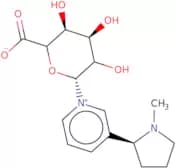
<p>Methyl-2,3,6-tri-O-benzoyl-a-D-mannopyranose monohydrate is a carbohydrate compound with the formula CHO. It is an Oligosaccharide made of three α-(1→2) linked mannose residues and one α-(1→3) linked mannose residue. This modification has been shown to be important for glycosylation and polysaccharide synthesis. Methyl-2,3,6-tri-O-benzoyl-a-D-mannopyranose monohydrate has high purity and CAS No.</p>Purity:Min. 95%Nicotine-N-b-D-glucuronide hydrate
CAS:<p>Nicotine-N-b-D-glucuronide hydrate is a metabolite of nicotine that is excreted in the urine as an organic anion. It has been shown to have anticancer activity against a variety of human cancer cell lines, including lung, stomach, colon, and prostate. Nicotine-N-b-D-glucuronide hydrate has also been shown to inhibit protein synthesis in vitro by interfering with the ability of cells to import amino acids such as tryptophan and phenylalanine. The same study also showed that this metabolite can cause symptoms similar to those caused by nicotine withdrawal.</p>Formula:C16H22N2O6·xH2OPurity:Min. 95%Molecular weight:338.36 g/mol6-O-(4,7-Di-O-methyl-N-acetyl-α-neuraminosyl)-D-galactopyranoside
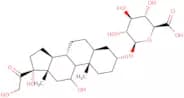
6-O-(4,7-Di-O-methyl-N-acetyl-alpha-neuraminosyl)-D-galactopyranoside is a complex carbohydrate that is used in the synthesis of glycoprotein and saccharide. It has been modified with methylation, Click reaction, and fluorination to provide an improved product for research purposes. This chemical has CAS No. 68450-29-1 and can be custom synthesized to meet your needs.Purity:Min. 95%Allo-3a-tetrahydro cortisol 3-O-b-D-glucuronide
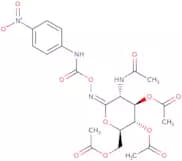
CAS:Allo-3a-tetrahydro cortisol 3-O-b-D-glucuronide is a methylated glucuronide of allo-3a,4b,5,6,7,9b tetrahydrocortisol. It is a synthetic modification of the natural hormone cortisol and has been shown to stimulate glycogenolysis in rat liver cells. Allo-3a,4b,5,6,7,9b tetrahydrocortisol has been shown to have antiinflammatory effects on skin cells and has been used as an analgesic in veterinary medicine. The compound is also used for the preparation of polysaccharides and glycosylations.Formula:C27H42O11Purity:Min. 95%Molecular weight:542.62 g/molO-(2-Acetamido-3,4,6-tri-O-acetyl-2-deoxy-D-glucopyranosylidene)amino N-(4-nitrophenyl)carbamate
CAS:<p>O-(2-Acetamido-3,4,6-tri-O-acetyl-2-deoxy-D-glucopyranosylidene)amino N-(4-nitrophenyl)carbamate is a modification of an oligosaccharide that is synthesized by the reaction of an alpha, beta unsaturated nitrophenyl carbamate with a 2,6-anhydro glucose. The product is a white solid that can be used as a source for polysaccharides and monosaccharides. It has been shown to be modified by methylation, glycosylation and fluorination.</p>Formula:C21H23N3O12Purity:Min. 95%Molecular weight:509.42 g/molG-NGA2 N-Glycan
CAS:<p>G-NGA2 N-glycan is a custom synthesis and modification of the carbohydrate. This product contains a fluorination, methylation, and monosaccharide. The average molecular weight is 1257. G-NGA2 N-Glycan is a saccharide that is synthesized from glucose by glycosyltransferase. It can be modified with a click reaction to form an oligosaccharide or polysaccharide. G-NGA2 N-Glycan has been assigned the CAS number 103584-68-5 and molecular weight of 1257 Da.</p>Formula:C56H94N4O41Purity:Min. 95%Molecular weight:1,479.35 g/mol1-(2,3,5-Tri-O-acetyl-b-D-ribofuranosyl)-1,2,4-triazole-3-carboxylic acid methyl ester
CAS:1-(2,3,5-Tri-O-acetyl-b-D-ribofuranosyl)-1,2,4-triazole-3-carboxylic acid methyl ester is a synthetic carbohydrate that has been modified with fluorine. It is an off white solid that has a molecular formula of C6H8O6 and a molecular weight of 252.1 g/mol. This compound is soluble in water and sparingly soluble in alcohol. 1-(2,3,5-Tri-O-acetyl-b-D-ribofuranosyl)-1,2,4-triazole-3-carboxylic acid methyl ester has been shown to possess antiviral activity against HIV as well as cytotoxicity to cancer cells.Formula:C15H19N3O9Purity:Min. 95%Molecular weight:385.33 g/molMethyl 6-deoxy-3,4-O-isopropylidene-a-D-galactopyranoside
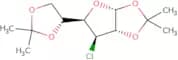
CAS:<p>Methyl 6-deoxy-3,4-O-isopropylidene-a-D-galactopyranoside is a saccharide that has been modified by a click reaction. It is used in the synthesis of complex carbohydrates and in the modification of glycosylations. This product is manufactured using high purity reagents and can be purchased with custom synthesis options. Methyl 6-deoxy-3,4-O-isopropylidene-a-D-galactopyranoside has CAS number 71772-35-5.</p>Formula:C10H18O5Purity:Min. 95%Molecular weight:218.25 g/mol3-Chloro-3-deoxy-1,2:5,6-di-O-isopropylidene-a-D-glucofuranose
CAS:3-Chloro-3-deoxy-1,2:5,6-di-O-isopropylidene-a-D-glucofuranose is a monosaccharide that is used as an intermediate in the synthesis of complex carbohydrates. It is synthesized by the Click reaction of 3,4,5,6,-tetrachlorohexanoic acid with 2,3:5,6-diisopropylidene glucose. This product has been modified by fluorination and saccharide modification. Custom synthesis can be performed on this product to produce any desired oligosaccharides or polysaccharides. The purity of this product is >98%.Formula:C12H19ClO5Purity:Min. 95%Molecular weight:278.73 g/molα,β-D-Glucose pentaacetate
CAS:<p>Glucose pentaacetate is a form of glucose that reacts with boron trifluoride etherate to produce anomers. This process can be used to synthesize the anomeric form of glucose, which is important for the biosynthesis of glycosides. Glucose pentaacetate has been shown to react with nitrate and trifluoride, forming conjugates with aluminum and chloride. The catalytic stereocontrol of this reaction allows for the production of disaccharides without hydrogen chloride or formylation.</p>Formula:C16H22O11Molecular weight:390.35 g/molGalactan - from gum arabic
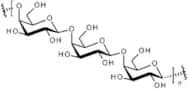
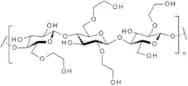
CAS:<p>A linear β-(1,4)-galactan from Acacia gum. Other linear β-(1,4)-galactans have been isolated from lemon peel, potato tubers and Norwegian spruce compresssion wood.</p>Purity:Min. 95%Color and Shape:White PowderHydroxyethyl cellulose - Viscocity 4500-6500mPa·s
CAS:Water thickener; rheological control additive; has industrial appplicationsPurity:Min. 95%Methyl 5-deoxy-2,3-O-isopropylidene-a-D-ribofuranoside
<p>Methyl 5-deoxy-2,3-O-isopropylidene-a-D-ribofuranoside is a synthetic modification of the natural sugar ribose. It is used in the synthesis of oligosaccharides and saccharides. Click chemistry has been used to attach a fluorine atom to the carbon at position 2 of the sugar ring, which has led to improved reactivity. Methyl 5-deoxy-2,3-O-isopropylidene-a-D-ribofuranoside is also used in glycosylation reactions and is an important component in the production of complex carbohydrates.</p>Formula:C9H16O4Purity:Min. 95%Molecular weight:188.22 g/mol1,2,6-Tri-O-methyl-D-glucopyranoside
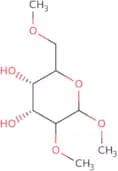
CAS:<p>1,2,6-Tri-O-methyl-D-glucopyranoside is a synthetic sugar that has been modified by fluorination and glycosylation. This product is a white crystalline powder with a melting point of 185°C. The chemical formula for this product is C5H12O5.</p>Formula:C9H18O6Purity:Min. 95%Molecular weight:222.24 g/molPBS 57
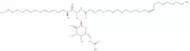
CAS:<p>PBS 57 is a pluripotent cell-derived protein that has been shown to be a potent vaccine adjuvant. PBS 57 is derived from the plasma of pregnant women and contains the following antigenic determinants: glucose, human albumin, and human immunoglobulin G. PBS 57 can stimulate both humoral and cellular immunity in mice with deficiencies in antibody production or T cells. PBS 57 has also been shown to have strong pro-inflammatory cytokine activity, which may be due to its ability to induce galacturonic acid release from macrophages.</p>Formula:C50H96N2O9Purity:Min. 95%Molecular weight:869.31 g/mol2-(Acetylthio)ethyl 2,3,4,6-tetra-O-acetyl-b-D-glucopyranoside
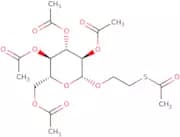
CAS:<p>2-(Acetylthio)ethyl 2,3,4,6-tetra-O-acetyl-b-D-glucopyranoside is an organic compound that belongs to the group of glycosylation. It is a synthetic sugar that can be used in the production of oligosaccharides and polysaccharides. This product has been modified with fluorination, methylation, acetylation and click chemistry. The CAS number for this product is 34044-34-3.</p>Formula:C18H26O11SPurity:Min. 95%Molecular weight:450.46 g/mol2,4,7,8,9-Penta-O-acetyl-N-acetylneuraminic acid methyl ester
CAS:<p>2,4,7,8,9-Penta-O-acetyl-N-acetylneuraminic acid methyl ester (2,4,7,8,9-PNT) is a fluorescent analogue of sialic acid. It is a sensor for the presence of glycopyranoses and its derivative 2-(3'-hydroxyphenyl)-2H-benzotriazole (HPBT) has been used to detect carboxylic groups in proteins. 2,4,7,8,9-PNT has also been used as an affinity label for lysine residues on proteins and to study protein interactions with carbohydrates. The high yield in this synthesis allows for the use of techniques such as crystallography or fluorescence.</p>Formula:C22H31NO14Purity:Min. 95%Color and Shape:PowderMolecular weight:533.48 g/mol3,5-O-Isopropylidene-D-arabinfuranose
<p>3,5-O-Isopropylidene-D-arabinfuranose is a Modification of an oligosaccharide. It is a methylated monosaccharide that is synthesized in the laboratory. This product has been shown to have a CAS number, which is used to uniquely identify substances and establish their quality and purity. 3,5-O-Isopropylidene-D-arabinfuranose can be used as a raw material in the synthesis of complex carbohydrates such as polysaccharides or glycosylation with other compounds.</p>Purity:Min. 95%4-O-Acetyl-3,6-di-O-benzyl-D-glucal
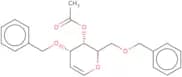
CAS:<p>4-O-Acetyl-3,6-di-O-benzyl-D-glucal is a custom synthesized compound with high purity. This product is a complex carbohydrate that can be used as a monosaccharide or sugar. It has been modified with fluorination and methylation to produce a compound that is resistant to degradation by enzymes and oxidation. The CAS number for this product is 165524-87-8.</p>Formula:C22H24O5Purity:Min. 95%Molecular weight:368.43 g/mol1,4-b-D-Cellotetraitol
CAS:<p>Cellotetraitol is a carbohydrate that has been isolated from the fungus Penicillium. It is a white crystalline solid that can be synthesized by hydrolyzing cellulose to cellobiose and then heating this sugar with acetic anhydride in the presence of sodium hydroxide. Cellotetraitol has two isomers, one of which is more active than the other. The most active form of cellotetraitol can be obtained as a crystalline solid at room temperature and has an optimal pH of 5. Cellotetraitol can be used for the synthesis of polyacrylamide gels, which are used to separate carbohydrates according to their size and charge.</p>Formula:C24H44O21Purity:Min. 95%Molecular weight:668.59 g/mol