Glycoscience
Glycoscience is the study of carbohydrates and their derivatives, as well as the interactions and biological functions they participate in. This field of research is crucial for understanding a wide variety of biological processes, including cell recognition, signaling, immune response, and disease development. Glycoscience has important applications in biotechnology, medicine, and the development of new drugs and therapies. At CymitQuimica, we offer a wide selection of high-quality, high-purity products for glycoscience research. Our catalog includes monosaccharides, oligosaccharides, polysaccharides, glycoconjugates, and specific reagents, designed to support researchers in their studies on the structure, function, and applications of carbohydrates in biological systems. These resources are intended to facilitate scientific discoveries and practical applications in various areas of bioscience and medicine.
Subcategories of "Glycoscience"
- Aminosugars(108 products)
- Glyco-Related Antibodies(282 products)
- Glycolipids(46 products)
- Glycosaminoglycans (GAGs)(55 products)
- Glycosides(419 products)
- Monosaccharides(6,624 products)
- Oligosaccharides(3,682 products)
- Polysaccharides(503 products)
Found 11046 products of "Glycoscience"
Sort by
Purity (%)
0
100
|
0
|
50
|
90
|
95
|
100
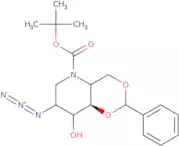
2-Azido-4,6-O-benzylidene-N-(tert-butoxycarbonyl)-1,2,5-trideoxy-1,5-imino-D-glucitol
CAS:<p>2-Azido-4,6-O-benzylidene-N-(tert-butoxycarbonyl)-1,2,5-trideoxy-1,5-imino-D-glucitol is a custom synthesis of an oligosaccharide. It is a complex carbohydrate that contains saccharide units linked by glycosidic bonds. 2-Azido-4,6-O-benzylidene -N-(tert butoxycarbonyl)-1,2,5 trideoxy 1,5 imino D glucitol has been modified with methylation and fluorination. The modification can be accomplished with the click chemistry method. This product is offered in high purity and is synthesized in a laboratory setting.</p>Formula:C18H24N4O5Purity:Min. 95%Molecular weight:376.41 g/mol4'-O-(b-D-2'',3'',4'',6''-Tetra-O-acetyl-glucopyranosyl)-4-nitrophloretin
CAS:<p>4'-O-(b-D-2'',3'',4'',6''-Tetra-O-acetyl-glucopyranosyl)-4-nitrophloretin is a modified carbohydrate that contains glucose, glucuronic acid, and nitrobenzene. It is a synthetic compound with a high purity and custom synthesis. The 4'-O-(b-D-2'',3'',4'',6''-Tetra-O-acetyl-glucopyranosyl)-4-nitrophloretin has been methylated, glycosylated, and click modified for research purposes.</p>Formula:C29H31NO15Purity:Min. 95%Molecular weight:633.55 g/mol2,3,4,6-Tetra-O-acetyl-b-D-glucopyranosyl-N-Fmoc-L-threonine
CAS:<p>2,3,4,6-Tetra-O-acetyl-b-D-glucopyranosyl-N-Fmoc-L-threonine is a Fluorination compound that is synthesized by the modification of natural carbohydrate. It's CAS number is 130548-92-4 and it's molecular weight is 464.8 Da. The purity of this compound is > 98% and the chemical formula is C24H36N2O10. 2,3,4,6-Tetra-O-acetyl-b-D-glucopyranosyl -N - Fmoc - L - threonine can be used in Polysaccharide synthesis for click modifications or methylations.</p>Formula:C33H37NO14Purity:Min. 95%Molecular weight:671.66 g/molDimethylthexylsilyl 2,3,6-tri-O-benzyl-b-D-galactopyranoside
<p>Dimethylthexylsilyl 2,3,6-tri-O-benzyl-b-D-galactopyranoside is a synthetic oligosaccharide with a fluorinated benzene ring. It is an important intermediate for glycosylation and can be modified with methyl groups or click chemistry. This product is of high purity and has been custom synthesized. Dimethylthexylsilyl 2,3,6-tri-O-benzyl-b-D-galactopyranoside has CAS number 69422-24-2.</p>Purity:Min. 95%3-O-Triisopropylsilyl-D-galactal
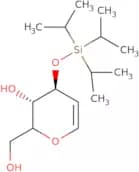
<p>3-O-Triisopropylsilyl-D-galactal is a carbohydrate that belongs to the group of sugars. It is an oligosaccharide with a complex structure, which is synthesized from D-galactal by treatment with triisopropylsilyl chloride in pyridine. 3-O-Triisopropylsilyl-D-galactal is used as a reagent for the methylation and glycosylation of proteins and nucleic acids. This compound has been shown to inhibit the enzyme carboxypeptidase A, which may be due to its ability to act as an inhibitor of carbohydrate binding. 3-O-Triisopropylsilyl-D-galactal has also been shown to bind specifically to erythrocyte membranes, suggesting that it could be used as a potential diagnostic marker for glycogen storage diseases.</p>Formula:C15H30O4SiPurity:Min. 95%Molecular weight:302.48 g/mol1,2,3,6-Tetra-O-benzyl-b-D-galactopyranoside
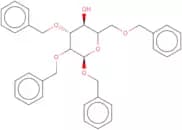
CAS:<p>The chemical structure of 1,2,3,6-Tetra-O-benzyl-b-D-galactopyranoside is the product of a custom synthesis. It is a synthetic oligosaccharide with a high purity and high degree of methylation. The chemical modification includes fluorination and glycosylation. This compound has been shown to have potent anti-tuberculosis activity in vitro and in vivo.</p>Formula:C34H36O6Purity:Min. 95%Molecular weight:540.65 g/mol1,2,3,4-Tetra-O-acetyl-L-xylopyranose
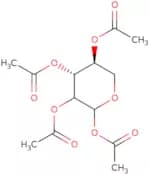
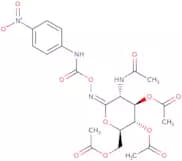
CAS:<p>1,2,3,4-Tetra-O-acetyl-L-xylopyranose is a custom synthesis product. It is a sugar that is found in glycosaminoglycans and proteoglycans. This product can be customized through the modification of the sugar with fluorination, methylation, acetylation or other modifications. This product has a CAS number of 142130-89-0 and can be synthesized from sucrose using Click chemistry. The chemical name for this compound is 1,2,3,4-Tetra-O-[(trimethylsilyl)acetyl]-L-xylopyranose.</p>Formula:C13H18O9Purity:Min. 95%Molecular weight:318.28 g/molO-(2-Acetamido-3,4,6-tri-O-acetyl-2-deoxy-D-glucopyranosylidene)amino N-(4-nitrophenyl)carbamate
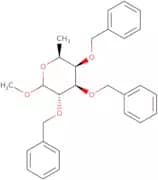
CAS:<p>O-(2-Acetamido-3,4,6-tri-O-acetyl-2-deoxy-D-glucopyranosylidene)amino N-(4-nitrophenyl)carbamate is a modification of an oligosaccharide that is synthesized by the reaction of an alpha, beta unsaturated nitrophenyl carbamate with a 2,6-anhydro glucose. The product is a white solid that can be used as a source for polysaccharides and monosaccharides. It has been shown to be modified by methylation, glycosylation and fluorination.</p>Formula:C21H23N3O12Purity:Min. 95%Molecular weight:509.42 g/molMethyl 2,3,4-tri-O-benzyl-L-fucopyranoside
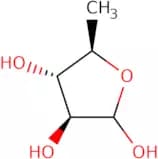
CAS:<p>Methyl 2,3,4-tri-O-benzyl-L-fucopyranoside is a fluorinated sugar that belongs to the category of carbohydrates. This compound is synthesized from D-galactose and 3,4,5-tri-O-benzyl L-fucose by glycosylation with methyl 2,3,4-tri-O-benzyl L-fucopyranoside. The synthetic route starts with an acetic acid esterification of D-galactose with benzaldehyde in the presence of pyridine and triethylamine to yield methyl 2,3,4-triacetoxybenzoate. A reaction with 3,4,5 trihydroxyphenylacetic acid in the presence of pyridine and triethylamine leads to a glycosylation between the two compounds. The resulting product is then subjected to hydrogenolysis using palladium on</p>Formula:C28H32O5Purity:Min. 95%Molecular weight:448.55 g/mol5-Deoxy-D-arabinose
CAS:<p>5-Deoxy-D-arabinose is a phenylhydrazone compound that is soluble in water and alcohol. It has a molecular weight of 176.20, and its chemical formula is C6H8N2O3. The substance has been shown to be an inhibitor of the bacterial enzyme d-threose synthase, which catalyzes the formation of d-threose from D-ribose 5-phosphate and glycerone phosphate. This substance also inhibits fungal pteridine reductase; however, it does not inhibit mammalian pteridine reductase. 5-Deoxy-D-arabinose has analogues that are biologically active.</p>Formula:C5H10O4Purity:Min. 95%Molecular weight:134.13 g/mol2-Bromoethyl a-L-fucopyranoside
<p>This compound is a modification of the 2-bromoethyl a-L-fucopyranoside. It is an oligosaccharide that is a carbohydrate. It is made up of many monosaccharides, which are sugar molecules linked together. This modified carbohydrate has been synthesized from other carbohydrates and then fluorinated to make it more stable.</p>Purity:Min. 95%4-Methoxyphenyl 2,6-di-O-toluoyl-b-D-galactopyranoside
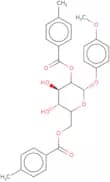
CAS:4-Methoxyphenyl 2,6-di-O-toluoyl-b-D-galactopyranoside is a fluorinated saccharide with an acetate ester group at the reducing end. It is a custom synthesis and can be used for glycosylation or methylation of saccharides. This compound has high purity and can be custom synthesized to customer specifications. It is also a synthetic compound, which means that it does not occur naturally in nature. The CAS number for this compound is 1820570-59-9.Formula:C29H30O9Purity:Min. 95%Molecular weight:522.56 g/molN-Acetyl-D-[1-13C]neuraminic acid
CAS:<p>N-Acetyl-D-[1-13C]neuraminic acid is a monosialoganglioside that is synthesized in the human body. It is used to study the metabolic pathways of polysialic acid, which is a polysaccharide consisting of sialic acid and neuraminic acid. N-Acetyl-D-[1-13C]neuraminic acid has been shown to be effective in treating cancer and inflammatory disorders. In addition, it can be used as a diagnostic agent for glycan studies and diabetes neuropathy.</p>Formula:C11H19NO9Purity:Min. 95%Color and Shape:PowderMolecular weight:309.27 g/molGalactan - from gum arabic
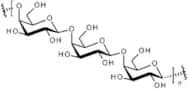
CAS:<p>A linear β-(1,4)-galactan from Acacia gum. Other linear β-(1,4)-galactans have been isolated from lemon peel, potato tubers and Norwegian spruce compresssion wood.</p>Purity:Min. 95%Color and Shape:White PowderHydroxyethyl cellulose - Viscocity 4500-6500mPa·s
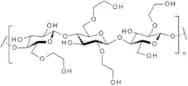
CAS:Water thickener; rheological control additive; has industrial appplicationsPurity:Min. 95%1,2,6-Tri-O-methyl-D-glucopyranoside
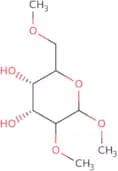
CAS:<p>1,2,6-Tri-O-methyl-D-glucopyranoside is a synthetic sugar that has been modified by fluorination and glycosylation. This product is a white crystalline powder with a melting point of 185°C. The chemical formula for this product is C5H12O5.</p>Formula:C9H18O6Purity:Min. 95%Molecular weight:222.24 g/molD-Fructose-6-phosphate sodium hydrate
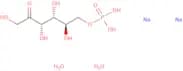
CAS:<p>D-Fructose-6-phosphate sodium hydrate is a polyvalent bioactive compound that can be found in plants, fungi, and bacteria. It has been used as a sealant for wounds and to treat damaged skin. D-Fructose-6-phosphate sodium hydrate is also used to activate the hydrophobic or dextran molecules in some drug delivery systems. This compound can be found in many products such as polyester fabrics, thermoplastic materials, and hydrophilic plastics. D-Fructose-6-phosphate sodium hydrate is an important intermediate in the metabolic pathways of glucose and sucrose.</p>Formula:C6H13O9P·2NaH2O)Purity:Min. 95%Molecular weight:342.1 g/mol5-Aldo-1,2-O-isopropylidene-a-D-xylofuranose
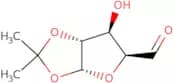
CAS:<p>5-Aldo-1,2-O-isopropylidene-a-D-xylofuranose is a synthetic monosaccharide with the chemical formula C5H6O4. It can be used to synthesize oligosaccharides and polysaccharides. This compound is a fluorinated sugar with a methyl group at the 5 position and an isopropylidene group at the 2 position. 5-Aldo-1,2-O-isopropylidene-a-D-xylofuranose can be modified by click chemistry reactions, which are reactions that use copper catalysts to form carbon–carbon bonds in a single step. This modification can be done on either the sugar or its glycosylation partner. The CAS number for this compound is 531671166.</p>Formula:C8H12O5Purity:Min. 95%Molecular weight:188.18 g/mol2,3,4,6-Tetra-O-acetyl-a-D-mannopyranosyl-(N2-Fmoc)-L-threonine
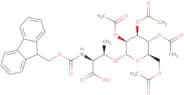
CAS:<p>2,3,4,6-Tetra-O-acetyl-a-D-mannopyranosyl-(N2-Fmoc)-L-threonine is a glucosinolate that is derived from the amino acid L-threonine. It has been used in tissue culture and tumor treatment experiments to study the role of glucoraphanin in cancer cell proliferation. 2,3,4,6-Tetra-O-acetyl-a-D-mannopyranosyl-(N2-Fmoc)-L-threonine has been shown to inhibit cardiac and atrial growth in vivo. The biosynthesis of 2,3,4,6 - Tetra - O - acetyl - a - D - mannopyranosyl ( N2 - Fmoc) - L - threonine starts with the conversion of L - threonine to glucoraphanin by an enzyme called</p>Formula:C33H37NO14Purity:Min. 95%Molecular weight:671.66 g/mol2-Aminoethyl 2,3,4,6-tetra-O-acetyl-beta-D-mannopyranoside HCl
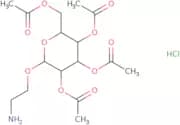
CAS:<p>2-Aminoethyl 2,3,4,6-tetra-O-acetyl-beta-D-mannopyranoside HCl is a synthetic compound that contains a glycosylation and fluorination. This product is a custom synthesis and is available in high purity. It has been modified with methylation and click chemistry.</p>Formula:C16H25NO10·HClPurity:Min. 95%Color and Shape:SolidMolecular weight:427.83 g/molPBS 57
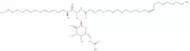
CAS:<p>PBS 57 is a pluripotent cell-derived protein that has been shown to be a potent vaccine adjuvant. PBS 57 is derived from the plasma of pregnant women and contains the following antigenic determinants: glucose, human albumin, and human immunoglobulin G. PBS 57 can stimulate both humoral and cellular immunity in mice with deficiencies in antibody production or T cells. PBS 57 has also been shown to have strong pro-inflammatory cytokine activity, which may be due to its ability to induce galacturonic acid release from macrophages.</p>Formula:C50H96N2O9Purity:Min. 95%Molecular weight:869.31 g/mol2-Azidoethyl 4,6-O-benzylidene-3-O-(4-methoxybenzyl)-a-D-mannopyranoside
CAS:<p>2-Azidoethyl 4,6-O-benzylidene-3-O-(4-methoxybenzyl)-a-D-mannopyranoside is a modified sugar that can be used in the synthesis of oligosaccharides, monosaccharides, and saccharides. This product has a purity of 99.5% and is available for custom synthesis. The CAS number for this product is 653597-40-1.</p>Formula:C23H27N3O7Purity:Min. 95%Molecular weight:457.48 g/molAllyl 2-acetamido-3,4,6-tri-O-acetyl-2-deoxy-b-D-glucopyranoside
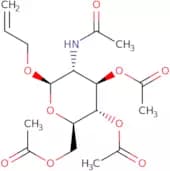
CAS:<p>Allyl 2-acetamido-3,4,6-tri-O-acetyl-2-deoxy-b-D-glucopyranoside is a synthetic glycoside that can be used as a building block for the synthesis of oligosaccharides and polysaccharides. It has been shown to have high purity and custom synthesis. This molecule is fluorinated at the 3 position and glycosylated at the 4 position. Allyl 2-acetamido-3,4,6-tri-O-acetyl-2-deoxy-b-D--glucopyranoside is also methylated at the 6 position.</p>Formula:C17H25NO9Purity:Min. 95%Molecular weight:387.39 g/mol1,4-β-D-Cellotriitol
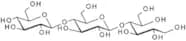
CAS:1,4-b-D-Cellotriitol is a methylated cellobiose with a 1,4 glycosidic linkage. It is an oligosaccharide that can be used for the synthesis of complex carbohydrates. This product has a high purity and is custom synthesis.Formula:C18H34O16Purity:Min. 95%Molecular weight:506.45 g/molGal[2346Ac]b(1-3)GalN3[46Bzd]-b-MP
<p>Gal[2346Ac]b(1-3)GalN3[46Bzd]-b-MP is a modified oligosaccharide with a carbohydrate backbone of 3 mannose and 1 galactose residues. The saccharide is synthesized from the monosaccharides methylated, glycosylated, and then fluorinated. Gal[2346Ac]b(1-3)GalN3[46Bzd]-b-MP has a CAS number of 71769-77-5.</p>Formula:C34H39N3O15Purity:Min. 95%Molecular weight:729.68 g/mol2-Deoxy-scyllo-inosose
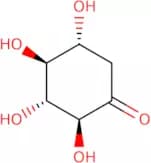
CAS:<p>2-Deoxy-scyllo-inosose is a biochemical with an unknown function. It is not a substrate for any known enzyme, but has been shown to be a substrate for the synthesis of corynebacterium glutamicum. The reaction mechanism of 2-deoxy-scyllo-inosose is still unclear, but it has been proposed that this molecule undergoes dehydration and then undergoes an acid catalyzed aldol cyclization to form 3-aminohexanol. This reaction produces fluorescence resonance energy transfer in group p2 subtilisin.<br>2DOS is also an antimicrobial agent which exhibits activity against Gram positive bacteria such as Streptococcus pyogenes, Enterococcus faecalis, and Bacillus subtilis.</p>Formula:C6H10O5Purity:Min. 95%Color and Shape:White PowderMolecular weight:162.14 g/molBenzyl 2-acetamido-3-O-(2,3,4,6-tetra-O-acetyl-b-D-galactopyranosyl)-2-deoxy-4,6-O-isopropylidene-D-galactopyranose
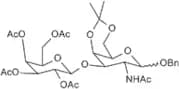
<p>This is a custom synthesized, high purity and complex carbohydrate. The synthesis process involves the following steps: 1) Acetylation of a monosaccharide, 2) Fluorination, 3) Methylation, 4) Oligosaccharide formation, 5) Polysaccharide formation with glycosylation and 6) Click modification. <br>Benzyl 2-acetamido-3-O-(2,3,4,6-tetra-O-acetyl-b-D-galactopyranosyl)-2-deoxy-4,6-O-isopropylidene-D-galactopyranose is an oligosaccharide that has been modified by methylation and click chemistry. It has CAS No. 77562-20-0 and can be used as a sugar in various applications.</p>Formula:C32H43NO15Purity:Min. 95%Molecular weight:681.7 g/mol4-O-Acetyl-3,6-di-O-benzyl-D-glucal
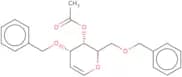
CAS:<p>4-O-Acetyl-3,6-di-O-benzyl-D-glucal is a custom synthesized compound with high purity. This product is a complex carbohydrate that can be used as a monosaccharide or sugar. It has been modified with fluorination and methylation to produce a compound that is resistant to degradation by enzymes and oxidation. The CAS number for this product is 165524-87-8.</p>Formula:C22H24O5Purity:Min. 95%Molecular weight:368.43 g/molSodium L-rhamnonate
CAS:<p>Sodium L-rhamnonate is an organic compound that is a monosaccharide with the molecular formula CHONa. It can be synthesized from D-ribose, which is a pentose sugar, and rhamnose, which is a hexose sugar. Sodium L-rhamnonate has been used in click chemistry to modify oligosaccharides and glycosylate proteins. This compound also has applications in pharmaceuticals and as a food additive.</p>Formula:C6H11NaO6Purity:Min. 95%Molecular weight:202.14 g/molVitamin D2 b-D-glucuronide sodium salt
CAS:<p>Vitamin D2 b-D-glucuronide sodium salt is a custom synthesis, modification, and fluorination of vitamin D2. The monosaccharide is methylated, then it is modified with a click chemistry to create the sugar. This sugar is then glycosylated with a polysaccharide, which results in the final product. It has CAS No. 85701-30-0 and has properties as both a saccharide and carbohydrate.</p>Formula:C34H51NaO7Purity:Min. 95%Molecular weight:594.75 g/molPhenyl 2-deoxy-2-phthalimido-b-D-thioglucopyranoside
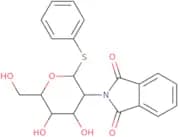
CAS:Phenyl 2-deoxy-2-phthalimido-b-D-thioglucopyranoside is a glycosylation agent that has a glycone with a pyranoside at the 3′ position and an amide bond at the 2′ position. It is used in the synthesis of oligosaccharides and polysaccharides, as well as for Click modification. The compound is also used to modify proteins and saccharides. Phenyl 2-deoxy-2-phthalimido-b-D-thioglucopyranoside has been shown to be stable when heated, making it useful for complex carbohydrate synthesis.Formula:C20H19NO6SPurity:Min. 98 Area-%Color and Shape:PowderMolecular weight:401.43 g/molMaltoheptaose hydrate
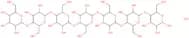
CAS:<p>Maltoheptaose hydrate is a mixture of oligosaccharides and monosaccharides that has been shown to be effective as a biocide. Maltoheptaose hydrate has been shown to be an effective radiation absorber, with the ability to absorb microwaves and other forms of radiation. The compound also has the capacity to form hydrogen bonds, which can lead to the formation of alcohols in solution. This property makes maltoheptaose hydrate a useful recording agent for microwave radiation, as well as being able to absorb alcohols. Maltoheptaose hydrate is composed of both monomeric and monosaccharides, which are saccharides.</p>Formula:C42H74O37Purity:Min. 95%Molecular weight:1,171 g/molPhenylpropyl 2-acetamido-2-deoxy-b-D-glucopyranoside
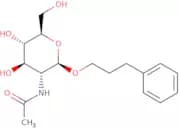
CAS:<p>Phenylpropyl 2-acetamido-2-deoxy-b-D-glucopyranoside is a modified monosaccharide. It has been fluorinated and methylated, and is synthesized by the click reaction. Phenylpropyl 2-acetamido-2-deoxy-b-D-glucopyranoside can be used as a building block for complex carbohydrates.</p>Formula:C17H25NO6Purity:Min. 95%Molecular weight:339.38 g/mol2-Formylphenyl 2-acetamido-2-deoxy-b-D-glucopyranoside
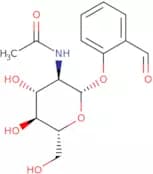
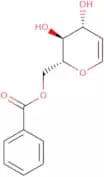
CAS:<p>2-Formylphenyl 2-acetamido-2-deoxy-b-D-glucopyranoside is a custom synthesis that is modified with a fluorination. It is an oligosaccharide that contains a methylation and glycosylation. This product is an Oligosaccharide, which is a complex carbohydrate. The synthesis of this product is high purity and has been synthesized by the methylation and glycosylation of monosaccharides. This compound has been synthesized from high purity chemicals, including saccharides, such as glucose or fructose. The compound's CAS number is 15430-78-1.</p>Formula:C15H19NO7Purity:Min. 95%Molecular weight:325.31 g/mol6-O-Benzoyl-D-glucal
CAS:6-O-Benzoyl-D-glucal is a bromide that is an arbutin derivative. It is used as an anti-inflammatory, antiallergic, and analgesic agent. 6-O-Benzoyl-D-glucal is also a glucoside that has been shown to have substituents and elimination reactions with phenols. In the leaves of proteaceae plants, it acts as a substituent in esters and glycosides, which are eliminated during the metabolism of those compounds. 6-O-Benzoyl-D-glucal can be synthesized from glucose by oxidation of the phenolic hydroxyl groups with potassium permanganate or chromium trioxide.Purity:Min. 95%D-Ribopyranosyl thiosemicarbazide
CAS:<p>D-Ribopyranosyl thiosemicarbazide is a glycosylation agent that can be used in the synthesis of complex carbohydrates. It also has the ability to modify sugar structures, such as methylation, click modification, and fluorination. This reagent can be used for the modification of saccharides, oligosaccharides, and monosaccharides. D-Ribopyranosyl thiosemicarbazide is synthesized from d-ribose and thiosemicarbazide. The CAS number for this product is 95352-77-5.</p>Formula:C6H13N3O4SPurity:Min. 95%Molecular weight:223.25 g/mol5-(S-2-Pyridin-3-yl-pyrrolidine)-1-yl-5-deoxy-1,2-isopropylidene-a-D-xylofuranose
CAS:5-(S-2-Pyridin-3-yl-pyrrolidine)-1-yl-5-deoxy-1,2-isopropylidene-a-D-xylofuranose is a glycosylated sugar which can be modified with methyl groups, fluorine atoms, and saccharides. This compound has been synthesized in the laboratory and has not been found in nature. It is soluble in water and ethanol. The compound is available for custom synthesis to order.Formula:C17H24N2O4Purity:Min. 95%Molecular weight:320.39 g/molp-Methoxytopolin-9-glucoside
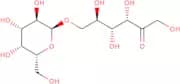
<p>p-Methoxytopolin-9-glucoside is a Glycosylation product that is used in the synthesis of glycoproteins. It is synthesized by methylation and fluorination of p-methoxyphenol, followed by glycosylation with glucosamine. The monosaccharide units of this product are then modified to give a variety of oligosaccharides. This product can be custom synthesized for different customers, depending on their specifications. The final purity of this product is at least 98%.</p>Formula:C19H23N5O6Purity:Min. 95%Molecular weight:417.42 g/molMelibiulose
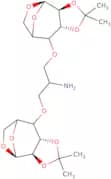
CAS:<p>Melibiulose is a dietary supplement that has been shown to help maintain the health of the human immune system. It has also been shown to stimulate prostate cancer cells. Melibiose, the sugar molecule found in melibiulose, has been found to be processed by toll-like receptor 2 and 4, which are proteins found on the surface of immune cells. The glycan structure of melibiose may be responsible for its conditioning effects as it binds to proteases and surfactants, preventing them from binding to other molecules. This ternary complex prevents glycosylation reactions and reduces viscosity in detergent compositions.</p>Formula:C12H22O11Purity:Min. 95%Molecular weight:342.3 g/mol2-Amino-1,3-bis(1,6-anhydro-2,3-O-isopropylidene-b-D-mannopyranose-4-O-yl)-propane
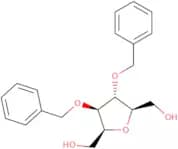
CAS:<p>2-Amino-1,3-bis(1,6-anhydro-2,3-O-isopropylidene-b-D-mannopyranose-4-O-yl)-propane is a carbohydrate with the molecular formula C10H20N2O8. It is a synthetic sugar that is soluble in water and alcohol. 2AAP can be custom synthesized by modification of natural sugars and saccharides. This product has a high purity level (>99%) and can be methylated or glycosylated to create other products. The synthesis of this product is accomplished through click chemistry. Click chemistry uses copper (II) sulfate as an oxidizing agent to generate reactive oxygen species that can react with other molecules to form new bonds between them.</p>Formula:C21H33NO10Purity:Min. 95%Molecular weight:459.49 g/mol2,5-Anhydro-3,4-dibenzyl-D-glucitol
CAS:<p>2,5-Anhydro-3,4-dibenzyl-D-glucitol is a synthetic monosaccharide that has been modified to have a 2,5 anhydro ring and an O-linked glycosylation. It is used in the synthesis of polysaccharides and oligosaccharides. The fluorination at the 3 position protects against degradation by acid hydrolysis. The 2,5 anhydro ring makes this product more stable than other sugars because it does not undergo epimerization reactions with other sugars. This product can be custom synthesized to meet your needs. Please contact us for more information about this product.</p>Formula:C20H24O5Purity:Min. 95%Molecular weight:344.4 g/molR-Hydroxy topiramate
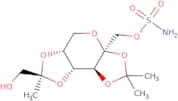
CAS:R-Hydroxy topiramate is the stable isotope of the active pharmaceutical ingredient, topiramate. It can be used for the calibration of liquid chromatography and mass spectrometry methods. R-Hydroxy topiramate is prepared by dilution of a solution of topiramate with water, followed by elution from an ion exchange resin with methanol. The eluent is dried under vacuum to remove methanol and finally dissolved in a minimal volume of acetonitrile. R-Hydroxy topiramate is used to measure concentrations of lamotrigine and zonisamide in plasma and serum samples.Formula:C12H21NO9SPurity:Min. 95%Molecular weight:355.36 g/molN-Acetylneuraminic acid trimer disodium salt
<p>N-Acetylneuraminic acid trimer disodium salt is a methylated saccharide that is used in the synthesis of complex carbohydrates. It can be modified by Click chemistry to produce a variety of compounds, including oligosaccharides. N-Acetylneuraminic acid trimer disodium salt can also be fluorinated for use as an organic fluorinating agent in glycosylation reactions to make sugar derivatives. This compound has high purity and is custom synthesized to meet customer needs.</p>Formula:C33H50N3O25Na3Purity:Min. 95%Color and Shape:White PowderMolecular weight:957.72 g/molBenzyl 2-acetamido-3-O-(2,3,4,6-tetra-O-acetyl-b-D-galactopyranosyl)-4,6-O-benzylidene-2-deoxy-a-D-glucopyranose
<p>2-Acetamido-3,4,6-tri-O-acetyl-b-D-galactopyranosyl bromide is an intermediate in the synthesis of 2,6-dideoxyglucose and has been used as a model for the glycosidic linkage to fluoroquinolones. The compound is a white solid that can be synthesized by reacting D-galactose with acetamidobenzene in the presence of sodium hydroxide and chloroacetone.<br>The molecular weight of this compound is 703.1 g/mol.<br>This product was developed through custom synthesis and modification. It is available at high purity.</p>Formula:C36H43NO15Purity:Min. 95%Molecular weight:729.72 g/mol(3αR,3βR,4αS,5S,5αS)-3β-[[[(1,1-Dimethylethyl)diphenylsilyl]oxy]methyl]hexahydro-2,2-dimethylcyclopropa[3,4]cyclopenta[1,2-d]-1,3-di oxol-5-ol
CAS:<p>(1R,2R,3S,4S,5S)-1-(tert-Butyldiphenyl)silyloxymethyl-2,3-dioxy-O,O-isopropylidenebicyclo[3.1.0]hexan-4-ol is a sugar derivative that is used in the synthesis of saccharides and oligosaccharides. It can be fluorinated using the Click modification to create synthetic sugars for use in glycosylation reactions. This compound can be custom synthesized to meet your needs and specifications.</p>Formula:C26H34O4SiPurity:Min. 95%Color and Shape:PowderMolecular weight:438.63 g/molD-Desosamine
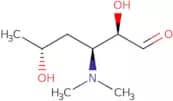
CAS:D-Desosamine is a chemical compound that has been isolated from human serum. It is an enzyme inhibitor that inhibits the activity of enzymes such as phosphatases, kinases, and proteases. D-Desosamine also has a matrix effect, which can be used to modify the properties of polymer matrices in order to improve their biocompatibility and mechanical properties. The molecular docking analysis indicated that desosamine can bind to bacterial serine/threonine protein kinase Streptococcus pyogenes phage T4 (SpyPK) and inhibit its activity. This inhibition may be due to the transfer reactions caused by desosamine binding to the enzyme's active site and blocking it. Structural analysis showed that D-desosamine forms hydrogen bonds with amino acids in SpyPK's active site, forming a covalent bond with cysteine residue Cys240. D-Desosamine has been shown to have anti-bacterial properties againstPurity:Min. 95%Azido 2-acetamido-2-deoxy-3,4,6-tri-o-acetyl-β-D-galactopyranosyl
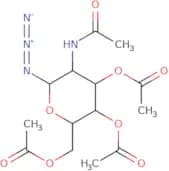
CAS:<p>Azido 2-acetamido-2-deoxy-3,4,6-tri-O-acetyl-β-D-galactopyranosyl is a high purity and custom synthesis sugar. Azido 2-acetamido-2-deoxy-3,4,6-triO acetyl βD galactopyranosyl can be fluorinated, glycosylated, modified with methylation and other methods. It can also be used to synthesize oligosaccharides or monosaccharides. This carbohydrate is used in complex carbohydrates.</p>Formula:C14H20N4O8Purity:Min. 95%Molecular weight:372.33 g/mol6-O-Benzoyl-3-O-tert-butyldiphenylsilyl-D-galactal
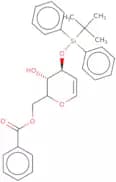
<p>6-O-Benzoyl-3-O-tert-butyldiphenylsilyl-D-galactal is an oligosaccharide with a complex carbohydrate structure. It is prepared by the modification of D-galactal with benzoyl chloride and subsequent reaction with tert-butyl diphosphite. This compound has been shown to have antihypertensive properties and to inhibit the growth of tumor cells in culture. 6-O-Benzoyl-3-O-tert butyldiphenylsilyl D galactal is a fluorinated, high purity, synthetic sugar that is effective for inhibiting tumor growth in culture.</p>Formula:C29H32O5SiPurity:Min. 95%Molecular weight:488.65 g/molHydroxyethyl cellulose, Mw about 250'000
CAS:Hydroxyethyl cellulose (HEC) is a polysaccharide that is used as a thickener and emulsifier in the pharmaceutical industry. It has been shown to be effective in treating human serum with detrusor muscle contractions. HEC is also used as a negative control for experiments involving the effect of drugs on HIV infection. When mixed with isoxsuprine hydrochloride, HEC can be used to measure the concentration of basic proteins in human serum. The fluorescence probe can bind to specific regions of the protein, which will cause an increase in fluorescence when exposed to a wavelength of light. The optimum concentration of HEC for binding fluorescence probes was found using Langmuir adsorption isotherm measurements and fluorescence detector experiments. HEC has been shown to be an effective antimicrobial agent against bacteria and fungi, such as Staphylococcus aureus and Candida albicans. The benzalkonium chloride in HEC mayAgarodiitol
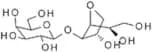
<p>Disaccharide alcohol from agarobiose by reduction with Na borohydride</p>Formula:C12H22O10Purity:Min. 95%Molecular weight:326.3 g/mol


![N-Acetyl-D-[1-13C]neuraminic acid](/_next/image/?url=https%3A%2Fstatic.cymitquimica.com%2Fproducts%2F3D%2Fthumb-webp%2FMA15642.webp&w=3840&q=75)
![Gal[2346Ac]b(1-3)GalN3[46Bzd]-b-MP](/_next/image/?url=https%3A%2Fstatic.cymitquimica.com%2Fproducts%2F3D%2Fthumb-webp%2FOG60597.webp&w=3840&q=75)




![(3αR,3βR,4αS,5S,5αS)-3β-[[[(1,1-Dimethylethyl)diphenylsilyl]oxy]methyl]hexahydro-2,2-dimethylcyclo…](/_next/image/?url=https%3A%2Fstatic.cymitquimica.com%2Fproducts%2F3D%2Fthumb-webp%2FMB159555.webp&w=3840&q=75)