Glycoscience
Glycoscience is the study of carbohydrates and their derivatives, as well as the interactions and biological functions they participate in. This field of research is crucial for understanding a wide variety of biological processes, including cell recognition, signaling, immune response, and disease development. Glycoscience has important applications in biotechnology, medicine, and the development of new drugs and therapies. At CymitQuimica, we offer a wide selection of high-quality, high-purity products for glycoscience research. Our catalog includes monosaccharides, oligosaccharides, polysaccharides, glycoconjugates, and specific reagents, designed to support researchers in their studies on the structure, function, and applications of carbohydrates in biological systems. These resources are intended to facilitate scientific discoveries and practical applications in various areas of bioscience and medicine.
Subcategories of "Glycoscience"
- Aminosugars(108 products)
- Glyco-Related Antibodies(282 products)
- Glycolipids(46 products)
- Glycosaminoglycans (GAGs)(55 products)
- Glycosides(419 products)
- Monosaccharides(6,624 products)
- Oligosaccharides(3,682 products)
- Polysaccharides(503 products)
Found 11046 products of "Glycoscience"
Sort by
Purity (%)
0
100
|
0
|
50
|
90
|
95
|
100
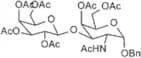
Benzyl 2-acetamido-4,6-di-O-acetyl-3-O-(2,3,4,6-tetra-O-acetyl-b-D-galactosyl)-2-deoxy-a-D-galactopyranoside
CAS:<p>This product is a custom synthesis. It is an acetamido-galactoside with a benzyl 2-acetamido-4,6-di-O-acetyl-3-O-(2,3,4,6-tetra-O-acetyl)-b-D-galactopyranoside moiety. This compound has been modified with fluorination and methylation. The molecular weight of this compound is 328.27 g/mol and the CAS number is 3809-10-7.</p>Formula:C33H43NO17Purity:Min. 95%Molecular weight:725.69 g/molPhenyl 2,4,6-tri-O-acetyl-3-O-benzyl-b-D-thioglucopyranoside
CAS:<p>Phenyl 2,4,6-tri-O-acetyl-3-O-benzyl-b-D-thioglucopyranoside is a synthetic sugar that has been modified with three fluorine atoms. It is an intermediate in the synthesis of the Methylated Polysaccharides and Click Modifications. This product is a high purity, custom synthesis and can be used for glycosylation or to synthesize other carbohydrates.</p>Formula:C25H28O8SPurity:Min. 95%Color and Shape:PowderMolecular weight:488.55 g/molSulphoquinovosyl diglyceride
<p>Sulphoquinovosyl diglyceride is a biochemical that belongs to the group of lipids. It is a component of the membrane system in chloroplasts, where it acts as an electron carrier for photosynthesis. Sulphoquinovosyl diglyceride is also biosynthesized from linolenic acid and ethanolamine. It is required for synthesis of fatty acids and may be involved in the production of symptoms associated with viral infection by inhibiting viral replication. This lipid also has been shown to inhibit phosphatidylcholine biosynthesis, which may lead to cell death when incubated at constant temperature.</p>Purity:Min. 95%Methyl 4,6-di-O-acetyl-2,3-carbonyl-b-D-mannopyranoside
CAS:<p>Methyl 4,6-di-O-acetyl-2,3-carbonyl-b-D-mannopyranoside is a saccharide that is modified by the Click reaction with osmium tetroxide and methyl iodide. It can be used in glycosylation reactions to produce complex carbohydrates. This product is made of high purity and has a CAS No. 53958-22-8.</p>Formula:C12H16O9Purity:Min. 95%Molecular weight:304.25 g/molN-(e-Aminocaproyl)-b-D-galactopyranosyl amine
CAS:<p>N-(e-Aminocaproyl)-b-D-galactopyranosyl amine is a fluorinated monosaccharide with a complex carbohydrate structure that has been synthesized by custom synthesis. This product is used for glycosylation, polysaccharide modification, and click chemistry. It has been shown to be a high purity product with CAS No. 38822-56-9 and can be methylated or fluorinated.</p>Formula:C12H24N2O6Purity:Min. 95%Color and Shape:SolidMolecular weight:292.33 g/molMono(6-ethanediamine-6-deoxy)-beta-cyclodextrin
CAS:<p>This beta-cyclodextrin (β-CD) derivative is a functionalized cyclic oligosaccharide composed of seven glucose units, characterized by a hydrophilic exterior and a lipophilic cavity (bigger than α-CD and smaller than γ-CDs), which allows it to encapsulate various guest molecules. This structural feature facilitates its use in multiple applications, including pharmaceuticals, food enhancement, and cosmetics. In the pharmaceutical industry, it enhances the solubility and stability of poorly water-soluble drugs, improving their bioavailability and efficacy while also masking unpleasant tastes. The food sector utilizes it as a stabilizer for flavors, colors, and nutrients, extending shelf life by protecting sensitive ingredients from degradation. In cosmetics, it serves as a complexing agent for fragrances and active components, ensuring their stability and controlled release. Its use expands to many other fields, including nanotechnology for drug delivery systems, environmental remediation for extracting organic pollutants, textiles for slow-release fragrances, and analytical chemistry for chiral separation.</p>Formula:C44H76N2O34Purity:Min. 95%Molecular weight:1,177.1 g/molGlucosamine sulfate potassium salt
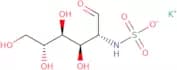
CAS:<p>Glucosamine sulfate potassium salt is a natural amino sugar that is synthesized by the body and can be found in animal tissue. Glucosamine sulfate potassium salt, as well as chondroitin sulfate, are important components of cartilage and synovial fluid. Both substances are necessary for the production of collagen, which provides strength and elasticity to connective tissues. Glucosamine sulfate potassium salt has been shown to be an efficient method for treating osteoarthrosis, alleviating pain and improving function. It has also been shown to reduce the symptoms of metabolic disorders such as diabetes mellitus type II by increasing insulin sensitivity, decreasing inflammation, and reducing oxidative stress. This product is often used in combination with other medicines such as vitamin D3 for adjuvant therapy.</p>Formula:C6H12KNO8SPurity:Min. 95%Molecular weight:297.33 g/molEthyl-3,6-di-O-benzoyl-2-trifluoromethanesulfonyl-4-O-(2,3,4,6-tetra-O-acetyl-b-D-galactopyranosyl)-b-D-mannopyranoside
CAS:<p>Ethyl-3,6-di-O-benzoyl-2-trifluoromethanesulfonyl-4-O-(2,3,4,6-tetra-O-acetyl-b-D-galactopyranosyl)-b-D-mannopyranoside is a synthetic modified oligosaccharide that has been fluorinated. It is a complex carbohydrate that has a CAS number of 1008750-65-9. The modification of the monosaccharides in this product are methylation and click modification.</p>Formula:C37H41F3O19SPurity:Min. 95%Molecular weight:878.77 g/mol2-Dodecylhexadecyl-D-xylopyranoside
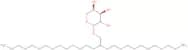
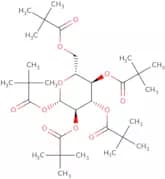
CAS:<p>2-Dodecylhexadecyl-D-xylopyranoside is a synthetic sugar with a 2,6-dideoxy configuration. It is a modified sugar that can be fluorinated and glycosylated. This product has been synthesized using click chemistry, which means it has been prepared by the reaction of an azide and an alkyne in a one-pot process. This sugar has CAS No. 446264-03-5 and Methylation, Modification, Oligosaccharide, Monosaccharide, saccharide, Carbohydrate as its properties.</p>Formula:C33H66O5Purity:Min. 95%Color and Shape:Colourless solid.Molecular weight:542.87 g/mol1,2,3,4,6-Penta-O-pivaloyl-b-D-glucopyranose
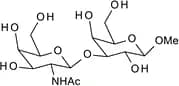
CAS:<p>1,2,3,4,6-Penta-O-pivaloyl-b-D-glucopyranose is a glycosylation that is used in the synthesis of complex carbohydrates. This product can be custom synthesized to meet your needs. It is also available in high purity and with a CAS No. of 81058-26-6.</p>Formula:C31H52O11Purity:Min. 95%Molecular weight:600.74 g/molMethyl 3-O-(2-acetamido-2-deoxy-b-D-galactopyranosyl)-b-D-galactopyranoside
CAS:Methyl 3-O-(2-acetamido-2-deoxy-b-D-galactopyranosyl)-b-D-galactopyranoside is a modified sugar that can be used for synthesis of saccharides, oligosaccharides, and polysaccharides. This product has been custom synthesized to be a high purity compound with CAS No. 130234-66-1. It has been fluorinated and is available in the glycosylation form.Formula:C15H27NO11Purity:Min. 95%Molecular weight:397.36 g/mol2,3,4-Tri-O-acetyl-6-deoxy-a-D-glucopyranosyl trichloroacetimidate
CAS:<p>2,3,4-Tri-O-acetyl-6-deoxy-a-D-glucopyranosyl trichloroacetimidate is a glycoconjugate that can be synthesized from 2,3,4 tri-O-acetyl-6 deoxyglucose and N-(2,2,2,-trichloroethyl)glycine. It has been shown to be useful for the synthesis of glycosidically bound fluorides. This chemical is an intermediate in the synthesis of saccharide and oligosaccharide derivatives with click modifications. It is also used as a reagent for the modification of polysaccharides with fluorination complexes. The high purity of this compound makes it suitable for use in custom synthesis.</p>Formula:C14H18Cl3NO8Purity:Min. 95%Molecular weight:434.65 g/molUndecyl b-D-thiomaltopyranoside
CAS:<p>Undecyl b-D-thiomaltopyranoside is a high purity, custom synthesis, methylated and glycosylated carbohydrate that can be used as a fluorinated sugar. It is an oligosaccharide with 4 glucose units, 1 of which has been modified by the addition of an undecyl group. This modification inhibits the enzyme maltase from hydrolyzing the saccharide. Undecyl b-D-thiomaltopyranoside has CAS No. 148565-57-5 and can be synthesized in high purity for research purposes.</p>Formula:C23H44O10SPurity:Min. 95%Color and Shape:PowderMolecular weight:512.66 g/molMethyl 2-deoxy-4,6-o-(phenylmethylene)-α-D-ribo-hexopyranoside benzoate
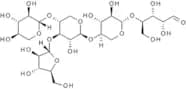
CAS:<p>Please enquire for more information about Methyl 2-deoxy-4,6-o-(phenylmethylene)-α-D-ribo-hexopyranoside benzoate including the price, delivery time and more detailed product information at the technical inquiry form on this page</p>Formula:C21H22O6Purity:Min. 95%Molecular weight:370.4 g/mol3'3-a-L-Arabinofuranosyl-xylotetraose
CAS:<p>3'3-a-L-Arabinofuranosyl-xylotetraose is a custom synthesis of an oligosaccharide. It is a polysaccharide that is modified by methylation, glycosylation and carbamoylation. This carbohydrate has been fluorinated at the 3'3 position. The monosaccharide composition of this molecule is erythrose, arabinose and xylose.</p>Formula:C25H42O21Purity:Min. 95 Area-%Color and Shape:White PowderMolecular weight:678.59 g/mol3-Chloro-3-deoxy-1,2:5,6-di-O-isopropylidene-a-D-glucofuranose
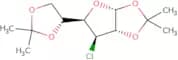
CAS:<p>3-Chloro-3-deoxy-1,2:5,6-di-O-isopropylidene-a-D-glucofuranose is a monosaccharide that is used as an intermediate in the synthesis of complex carbohydrates. It is synthesized by the Click reaction of 3,4,5,6,-tetrachlorohexanoic acid with 2,3:5,6-diisopropylidene glucose. This product has been modified by fluorination and saccharide modification. Custom synthesis can be performed on this product to produce any desired oligosaccharides or polysaccharides. The purity of this product is >98%.</p>Formula:C12H19ClO5Purity:Min. 95%Molecular weight:278.73 g/molα-Fructoselysine dihydrochloride
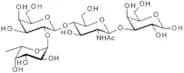
CAS:<p>α-Fructoselysine dihydrochloride is a custom synthesis of a complex carbohydrate with an Oligosaccharide and Polysaccharide. It has been modified by Methylation and Glycosylation. α-Fructoselysine dihydrochloride has a CAS number of 96192-34-6, which is used for Click modification. This product is pure and high in purity, as well as being Fluorinated and Synthetic.</p>Formula:C12H24N2O7·2(HCl)Purity:Min. 95%Molecular weight:308.33 g/molDifucosyl-para-lacto-N-hexaose I
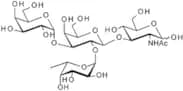
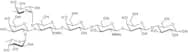
<p>Difucosyl-para-lacto-N-hexaose I is a synthetic oligosaccharide that is used as a model for the longum subsp. of human milk oligosaccharides. The Difucosyl-para-lacto-N-hexaose I oligosaccharide was synthesized from sucrose and alpha-(1,2)-fucopyranosyl chloride, which were then reacted with para-nitrophenyl bromide (PNP). This product has been shown to inhibit the growth of respiratory pathogens in vitro by binding to c-reactive protein. It also binds to the Fc region of immunoglobulins and can act as an adjuvant for vaccines.</p>Formula:C53H91N2O38Purity:Min. 95%Molecular weight:1,364.28 g/mol1,6-Anhydro-3-O-benzyl-b-L-idopyranose
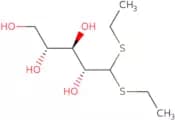
CAS:<p>1,6-Anhydro-3-O-benzyl-b-L-idopyranose is an oligosaccharide in which the aldehyde group of the original sugar has been modified. It is a complex carbohydrate that is synthesized by the fluorination of glucose with 1,6-dichlorohexane and benzyl bromide. The product is purified by crystallization and recrystallization to obtain a high purity. It is a monosaccharide sugar that can be used as a starting material for modification or synthesis of other carbohydrates.</p>Formula:C13H16O5Purity:Min. 95%Molecular weight:252.26 g/molD-Galactose diethyldithioacetal
CAS:<p>D-Galactose diethyldithioacetal is a phenylhydrazone that has an affinity for the C-3 position of sugars. It is synthesised from D-galactose and diethyldithiocarbonyl chloride, with a borohydride reduction to give the hydroxyl group. The hydroxyl group reacts with methyl glycosides or carbohydrates to produce 3-substituted glycosides or 3-substituted carbohydrate. D-Galactose diethyldithioacetal also inhibits glycosidase enzymes, which are enzymes that break down sugars, and thus prevents the digestion of sugars. The chemical structure of D-galactose diethyldithioacetal was determined by magnetic resonance spectroscopy. The product was found to be L-fucitol (a sweetener) after desulfurization using hydrogen gas for removal of sulfur compounds.</p>Formula:C10H22O5S2Purity:Min. 95%Molecular weight:286.41 g/molD-(+)-Melezitose dihydrate
CAS:<p>D-(+)-Melezitose dihydrate is a potent inhibitor of cancer cell growth. It has been shown to inhibit the proliferation of Chinese hamster ovary cells and human bladder cancer cells in vitro. D-(+)-Melezitose dihydrate is also found in urine samples from cancer patients, suggesting that it may be a potential biomarker for cancer diagnosis. This compound has been identified as an analog of indirubin, which is known to have anti-tumor properties. D-(+)-Melezitose dihydrate has been shown to induce apoptosis in cancer cells by inhibiting protein kinases, including the kinase inhibitors and tumor suppressor proteins. Additionally, this compound has demonstrated anticancer activity against a variety of tumors, making it a promising candidate for future cancer therapies.</p>Formula:C18H36O18Purity:Min. 95%Molecular weight:540.5 g/mol2,4:3,5-Di-O-benzylidene-aldehydo-D-ribose hydrate
CAS:<p>2,4:3,5-Di-O-benzylidene-aldehydo-D-ribose hydrate is a complex carbohydrate that contains a glycosylation site. The CAS number for this product is 32580-00-0. This product can be modified by methylation, fluorination, and saccharide modification. It is also available in custom synthesis or high purity.</p>Formula:C19H18O5·H2OPurity:Min. 95%Molecular weight:344.36 g/mol2,6-Deoxyfructosazine
CAS:<p>2,6-Deoxyfructosazine is a type of fructosamine that is derived from inulin. It is used as a matrix for chromatography. The 2,6-deoxyfructosazine molecule has a low molecular weight and can be easily separated from the other components of the plant material by means of chromatography. This compound can also be extracted with ether and then concentrated to produce a product with an analytical yield of up to 98%. The product can then be purified by recrystallization or sublimation. The reaction time required for this process varies depending on the type of solvent used and whether or not it is heated. For example, when using ether as the solvent, the reaction time ranges between 30 minutes to 1 hour at 45 degrees Celsius. However, when using chloroform as the solvent, the reaction time ranges between 3 hours to 5 hours at 40 degrees Celsius.</p>Formula:C12H20N2O7Purity:Min. 95%Color and Shape:PowderMolecular weight:304.3 g/molHyaluronate dodecasaccharide
CAS:<p>Hyaluronate dodecasaccharide is a complex carbohydrate that belongs to the group of oligosaccharides. It is made up of hyaluronic acid, which is a polysaccharide, and a series of sugar molecules. Hyaluronate dodecasaccharide has been modified in order to increase the stability and water solubility. This product can be used as a coating material for pharmaceuticals or as an additive for cosmetics.</p>Formula:C84H128N6O67Purity:Min. 95%Molecular weight:2,293.9 g/molGal[2346Ac]b(1-3)GlcN3[46Bzd]-b-MP
<p>Gal[2346Ac]b(1-3)GlcN3[46Bzd]-b-MP is a custom synthesis that has been modified with fluorination, methylation, and modification. The product contains a monosaccharide, oligosaccharide, saccharides, and complex carbohydrates.</p>Formula:C34H39N3O15Purity:Min. 95%Molecular weight:729.68 g/molD-Glucose 2-phosphate
CAS:<p>D-Glucose 2-phosphate (D-G6P) is a glycolysis intermediate that is generated by the enzyme phosphoglucose isomerase. It is necessary for the synthesis of glycogen and starch, as well as for the formation of glucose 6-phosphate in glycolysis. D-G6P has been shown to be an important substrate for enzymes involved in phosphate transfer. D-G6P also plays a role in mitochondrial function, as it can be converted to ATP by the enzyme pyruvate kinase. D-G6P has been shown to alter physiological effects in wild type strains of yeast and plants, as well as having disease activity against human serum.</p>Formula:C6H13O9PPurity:Min. 95 Area-%Color and Shape:PowderMolecular weight:260.14 g/molUlvan - Ulva armoricana-winter-light
CAS:<p>Ulvans are structural polysaccharides present in the cell walls of green algae such as Ulva armoricana, Ulva rotondata, Ulva rigida, Ulva lacterca and Ulva pertusa. They are highly sulphated and contain rhamnose 3-sulphate, xylose, xylose 2-sulphate, glucuronic acid and iduronic acid residues. Ulvan has several potentially valuable functionalities such as gel formation for agricultural and food applications and possible anticoagulant, antioxidant, antihyperlipidemic and antitumoral activities for pharmaceutical applications.<br>The image was kindly provided by Prof Mike Guiry from Cork who runs ‘The Seaweed Site’.</p>Purity:Min. 95%4-Aminophenyl 2,3,4-tri-O-acetyl-b-D-glucuronide methyl ester
CAS:<p>4-Aminophenyl 2,3,4-tri-O-acetyl-b-D-glucuronide methyl ester is an organic compound that belongs to the group of Modifications. It is a colorless solid with a melting point of about 200. °C. This product is used in the synthesis of oligosaccharides and carbohydrates. The molecular formula for 4-aminophenyl 2,3,4-tri-O-acetyl-b-D-glucuronide methyl ester is C8H14N2O5 and its molecular weight is 240.24 g/mol. The CAS Registry Number (RN) for this product is 25218-22-8 and its EINECS number is 249 3 578 - 7 .</p>Formula:C19H23NO10Purity:Min. 95%Molecular weight:425.39 g/molα,β-D-Glucose pentaacetate
CAS:<p>Glucose pentaacetate is a form of glucose that reacts with boron trifluoride etherate to produce anomers. This process can be used to synthesize the anomeric form of glucose, which is important for the biosynthesis of glycosides. Glucose pentaacetate has been shown to react with nitrate and trifluoride, forming conjugates with aluminum and chloride. The catalytic stereocontrol of this reaction allows for the production of disaccharides without hydrogen chloride or formylation.</p>Formula:C16H22O11Molecular weight:390.35 g/mol4,7,8,9-Tetra-O-acetyl-N-acetyl-D-neuraminic acid methyl ester
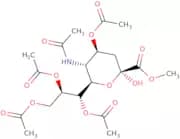
CAS:<p>4,7,8,9-Tetra-O-acetyl-N-acetyl-D-neuraminic acid methyl ester is a modified form of sialic acid. This compound is a glycosylation product that has been modified with methyl groups and fluorine atoms. The fluorination of the molecule increases its stability and prevents it from being hydrolyzed by enzymes such as β-galactosidase. 4,7,8,9-Tetra-O-acetyl-N-acetyl-D-neuraminic acid methyl ester is often used in the synthesis of polysaccharides and oligosaccharides for medical purposes. This compound can be custom synthesized for research purposes or to meet special requirements.</p>Formula:C20H29NO13Purity:Min. 95%Color and Shape:White to off-white solid.Molecular weight:491.44 g/mol4-(Methylnitrosamino)-1-(3-pyridyl)-1-butanol-N-b-D-glucuronide
CAS:<p>4-(Methylnitrosamino)-1-(3-pyridyl)-1-butanol-N-b-D-glucuronide is a glycosylated, modified sugar with a fluorinated methyl group. It is synthesized in the laboratory and does not occur naturally. The sugar moiety of this compound contains an oligosaccharide that consists of a complex carbohydrate, including saccharides, monosaccharides, and polysaccharides. This modification can be done by click chemistry or by other methods. 4-(Methylnitrosamino)-1-(3-pyridyl)-1-butanol-N-b-D-glucuronide is high purity and modification products are available upon request.</p>Formula:C16H23N3O8Purity:Min. 95%Molecular weight:385.37 g/molGlobotriaosylceramide
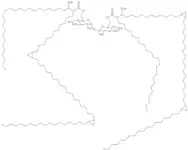
CAS:Globotriaosylceramide (Gb3) is a glycolipid that has been shown to be an activator of the protein growth factor-β1. It is involved in the regulation of tumor cell proliferation and may have potential as a biomarker for cancer. Gb3 is also a drug transporter and it has been shown to have long-term efficacy in the treatment of sarcoidosis. Gb3 has been found in high concentrations in patients with HIV infection, suggesting that it may play a role in HIV replication. Studies have also shown that Gb3 may be involved in cardiac pathology and its structural analysis can help in understanding its function. Symptoms or conditions associated with elevated levels of globotriaosylceramide include: • Carcinoma • Cardiac disease • Infectious diseases • HIV infectionFormula:C53H99NO18Purity:Min. 95%Molecular weight:1,038.35 g/mol2-Deoxy-3,4,6-tri-O-pivaloyl-D-glucopyranosyl azide
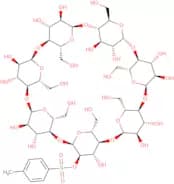
CAS:<p>2-Deoxy-3,4,6-tri-O-pivaloyl-D-glucopyranosyl azide is a drug that regulates the blood pressure. It is an oral hypoglycaemic agent that has been shown to lower blood sugar levels in patients with type 2 diabetes mellitus. The drug is metabolized in the liver by cytochrome p450 enzymes and can cause interactions with drugs such as lisinopril, which are metabolized by these enzymes. 2DGPA has been shown to be effective at lowering blood pressure in a low-dose group of patients with essential hypertension. The signal peptide sequence was detected in the protein sequencing of a biological sample from rats treated with 2DGPA. This drug also reduces natriuretic peptide levels and has a rate constant of 4s−1M−1s−1.</p>Formula:C21H35N3O7Purity:Min. 95%Molecular weight:441.53 g/molMono-2-O-(p-toluenesulfonyl)-b-cyclodextrin hydrate
CAS:<p>This beta-cyclodextrin (β-CD) derivative is a functionalized cyclic oligosaccharide composed of seven glucose units, characterized by a hydrophilic exterior and a lipophilic cavity (bigger than α-CD and smaller than γ-CDs), which allows it to encapsulate various guest molecules. This structural feature facilitates its use in multiple applications, including pharmaceuticals, food enhancement, and cosmetics. In the pharmaceutical industry, it enhances the solubility and stability of poorly water-soluble drugs, improving their bioavailability and efficacy while also masking unpleasant tastes. The food sector utilizes it as a stabilizer for flavors, colors, and nutrients, extending shelf life by protecting sensitive ingredients from degradation. In cosmetics, it serves as a complexing agent for fragrances and active components, ensuring their stability and controlled release. Its use expands to many other fields, including nanotechnology for drug delivery systems, environmental remediation for extracting organic pollutants, textiles for slow-release fragrances, and analytical chemistry for chiral separation.</p>Formula:C49H76O37S•(H2O)xPurity:Min. 97 Area-%Color and Shape:PowderMolecular weight:1,289.17 g/molO-(2-Acetamido-3,4,6-tri-O-acetyl-D-glucopyranosylidene)amino N-phenyl carbamate
CAS:<p>O-(2-Acetamido-3,4,6-tri-O-acetyl-D-glucopyranosylidene)amino N-phenyl carbamate (3,4,6-OAAC) is a custom synthesis that can be modified with fluorination and methylation. 3,4,6OAAC is an oligosaccharide that contains a saccharide with glycosylation. The saccharides in the oligosaccharide are polysaccharides and complex carbohydrates.</p>Formula:C21H25N3O10Purity:Min. 95%Molecular weight:479.44 g/molAllyl 6-o-allyl-α-D-galactopyranoside
CAS:<p>Allyl 6-o-allyl-α-D-galactopyranoside is a medicinal compound with potential anticancer properties. It is an analog of α-D-galactopyranoside and has been shown to inhibit the activity of protein kinases, which are enzymes involved in cell signaling and regulation. This inhibition can lead to apoptosis, or programmed cell death, in cancer cells. Allyl 6-o-allyl-α-D-galactopyranoside has been studied extensively in Chinese medicine as a potential inhibitor of tumor growth and has also been found in human urine. This compound holds great promise as a natural alternative for cancer treatment and warrants further investigation into its therapeutic potential.</p>Formula:C12H20O6Purity:Min. 95%Molecular weight:260.28 g/molMethyl 3,4-di-O-benzyl-a-D-mannopyranoside
CAS:<p>Methyl 3,4-di-O-benzyl-a-D-mannopyranoside is a synthetic compound that belongs to the class of oligosaccharides. It is a sugar that has a complex carbohydrate structure with a glycosylated and methylated sugar. The compound is custom synthesized and is used as a reagent in glycosylation reactions. Methyl 3,4-di-O-benzyl-a-D-mannopyranoside can be used for click modification of proteins, polypeptides, and carbohydrates.</p>Formula:C21H26O6Purity:Min. 95%Molecular weight:374.43 g/molEthyl 3-O-benzyl-4,6-O-benzylidene-2-deoxy-2-N-phthalamido-a-D-thioglucopyranoside
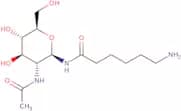
CAS:<p>Ethyl 3-O-benzyl-4,6-O-benzylidene-2-deoxy-2-N-phthalamido-a-D-thioglucopyranoside is a custom synthesis of a complex carbohydrate made up of saccharides. This compound is an oligosaccharide with four monosaccharides and two other saccharides. It has been shown to be a potent inhibitor of bacterial growth in the presence of various antibiotics, including penicillin G, erythromycin, tetracycline, and ampicillin. It also inhibits the growth of fungi by binding to their cell walls and disrupting membrane integrity.</p>Purity:Min. 95%2-Acetamido-N-(e-aminocaproyl)-2-deoxy-b-D-glucopyranosyl amine
CAS:<p>2-Acetamido-N-(e-aminocaproyl)-2-deoxy-b-D-glucopyranosyl amine (Km) is a compound that has been shown to have hexosaminidase activity. It is a human liver enzyme that catalyzes the cleavage of the terminal alpha-1,4 linkage between N-acetylglucosamine and D-glucose residues from the nonreducing end of the beta 1,4 linked N-acetylglucosamine molecule. The KM value for this enzyme is 3.2 mM. This compound also has affinity chromatography properties, which allows it to be used in affinity chromatography experiments as a ligand for concanavalin A. 2KA can be used in gel electrophoresis to separate polypeptides by their size or charge. The corresponding KM value for this process is 22.5 mM. Denaturing conditions are required to</p>Formula:C14H27N3O6Purity:Min. 95%Molecular weight:333.38 g/molBlood group H tetraose type II
CAS:<p>Core antigen fragment in ABO blood group system</p>Formula:C26H45NO20Purity:Min. 95%Color and Shape:PowderMolecular weight:691.63 g/molD-Arabinose diethyldithioacetal
CAS:<p>D-Arabinose diethyldithioacetal is a nitro compound that is used as an anticoagulant. It has a high degree of water solubility and can be administered intravenously. D-Arabinose diethyldithioacetal is formed from d-arabinose and diethyl dithiocarbamate by reaction with boron trifluoride etherate in the presence of hydrochloric acid. This produces the nitro group, which can then react with a hydroxymethyl group to form the final product. The reaction proceeds through two steps: first, the hydroxy methyl group converts to a trifluoroacetic acid derivative, followed by addition of nitric acid to produce the desired product. The final product contains two benzyl groups and two functional groups, which are responsible for its anticoagulant properties.</p>Formula:C9H20O4S2Purity:Min. 95%Color and Shape:Off-white solid.Molecular weight:256.38 g/molEthyl 2,3,4-tri-O-benzyl-L-fucopyranoside
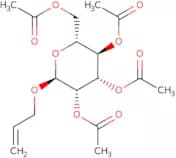
<p>Ethyl 2,3,4-tri-O-benzyl-L-fucopyranoside is a polysaccharide that is modified by the addition of benzyl groups to the hydroxyl group at C2. This modification increases the resistance of this compound to degradation by glycosidases and also prevents any undesired reactions with other saccharides. Ethyl 2,3,4-tri-O-benzyl-L-fucopyranoside is a custom synthesis that can be made in high purity and with high carbohydrate content. The CAS number for this compound is 61721–76–8.</p>Formula:C29H34O5Purity:Min. 95%Molecular weight:462.58 g/molAllyl 2,3,4,6-tetra-O-acetyl-α-D-mannopyranoside
CAS:<p>Allyl 2,3,4,6-tetra-O-acetyl-a-D-mannopyranoside is a glycosylated monosaccharide with a complex carbohydrate structure. It has the CAS number 119111-31-8 and can be synthesized from allyl alcohol and acetaldehyde. This compound has been modified with fluorination, saccharide modification, and methylation. Allyl 2,3,4,6-tetra-O-acetyl-a-D-mannopyranoside is an oligosaccharide that can be custom synthesized to meet your needs.</p>Formula:C17H24O10Purity:Min. 95%Color and Shape:PowderMolecular weight:388.37 g/mol1-O-Oleoyl-2-O-acetyl-3-O-(b-D-galactopyranosyl) syn-glycerol
<p>1-O-Oleoyl-2-O-acetyl-3-O-(b-D-galactopyranosyl) syn-glycerol is a complex carbohydrate that is custom synthesized for use in modification reactions. It has been shown to be compatible with a variety of other saccharides and can be methylated, glycosylated, or fluorinated. This product is available in high purity and can be ordered as either a monosaccharide or a polysaccharide.</p>Formula:C29H52O10Purity:Min. 95%Molecular weight:560.72 g/molTrehalose 6,6'-dimycolate
CAS:<p>Trehalose 6,6'-dimycolate (T6DM) is a trehalose analog with lipophilic side chain. T6DM causes apoptosis by blocking the toll-like receptor 4 (TLR4) and TLR2 pathways. T6DM has also been shown to reduce the inflammatory response caused by lipopolysaccharides (LPS), which are bacterial cell wall components. T6DM is a promising agent for the treatment of infectious diseases such as tuberculosis and other bacterial infections that cause inflammation.Isolated from microbial source: mycobacterium bovis</p>Color and Shape:White PowderMolecular weight:2642.48Ivermectin b1 monosaccharide
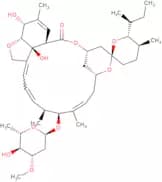
CAS:<p>Ivermectin is a derivative of avermectin that is used for the treatment of parasitic infections. Ivermectin b1 monosaccharide is an analog of the parent molecule, which lacks a carbon atom at position 1 and has a spiroketal group at position 2. It is known to be more potent than ivermectin in animal studies.</p>Formula:C41H62O11Purity:Min. 95%Color and Shape:PowderMolecular weight:730.92 g/molTarenflurbil-acyl-b-D-glucuronide
CAS:<p>Tarenflurbil-acyl-b-D-glucuronide is a custom synthesis that is a synthetic, high purity compound. This compound is an Oligosaccharide which is a complex carbohydrate that consists of two or more simple sugars linked together in a chain. It is synthesized by modifying the saccharide with Methylation and Glycosylation, Carbohydrates are polymers of sugar molecules. Tarenflurbil-acyl-b-D-glucuronide has been modified with Fluorination and Click chemistry to create an acylated derivative.</p>Formula:C21H21F1O8Purity:Min. 95%Molecular weight:420.39 g/molBlood Group B type I tetrasaccharide
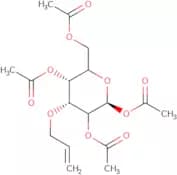
CAS:<p>Gala1-3(Fuca1-2)Galb1-3GlcNAc</p>Formula:C26H45NO20Purity:Min. 95%Color and Shape:White/Off-White SolidMolecular weight:691.63 g/mol1,2,4,6-Tetra-O-acetyl-3-O-allyl-b-D-glucopyranose
CAS:<p>1,2,4,6-Tetra-O-acetyl-3-O-allyl-b-D-glucopyranose is a high purity and custom synthesis compound. It is a synthetic monosaccharide with CAS number 39698-00-5. This product is methylated at the C1 and C6 positions. It can be used to modify natural or synthetic oligosaccharides and polysaccharides by click chemistry. The complex carbohydrate has also been fluorinated at the C2 position.</p>Formula:C17H24O10Purity:Min. 95%Molecular weight:388.37 g/mol2N-Fmoc-4N-(2,3,4,6-tetra-O-acetyl-b-D-galactopyranosyl)-L-asparagine
CAS:<p>2N-Fmoc-4N-(2,3,4,6-tetra-O-acetyl-b-D-galactopyranosyl)-L-asparagine is a fluorinated carbohydrate that has been synthesized and modified. It can be used in glycosylation reactions to produce oligosaccharides or polysaccharides. This compound is also useful in click chemistry since it can be methylated and undergo other chemical modifications. 2N-Fmoc-4N-(2,3,4,6-tetra-O-acetyl-b-Dgalactopyranosyl)-L asparagine is a white powder with a CAS number of 46746578.</p>Formula:C33H36N2O14Purity:Min. 95%Molecular weight:684.66 g/mol








![Gal[2346Ac]b(1-3)GlcN3[46Bzd]-b-MP](/_next/image/?url=https%3A%2Fstatic.cymitquimica.com%2Fproducts%2F3D%2Fthumb-webp%2FOG60595.webp&w=3840&q=75)