Glycoscience
Glycoscience is the study of carbohydrates and their derivatives, as well as the interactions and biological functions they participate in. This field of research is crucial for understanding a wide variety of biological processes, including cell recognition, signaling, immune response, and disease development. Glycoscience has important applications in biotechnology, medicine, and the development of new drugs and therapies. At CymitQuimica, we offer a wide selection of high-quality, high-purity products for glycoscience research. Our catalog includes monosaccharides, oligosaccharides, polysaccharides, glycoconjugates, and specific reagents, designed to support researchers in their studies on the structure, function, and applications of carbohydrates in biological systems. These resources are intended to facilitate scientific discoveries and practical applications in various areas of bioscience and medicine.
Subcategories of "Glycoscience"
- Aminosugars(108 products)
- Glyco-Related Antibodies(282 products)
- Glycolipids(46 products)
- Glycosaminoglycans (GAGs)(55 products)
- Glycosides(419 products)
- Monosaccharides(6,622 products)
- Oligosaccharides(3,682 products)
- Polysaccharides(503 products)
Found 11041 products of "Glycoscience"
Sort by
Purity (%)
0
100
|
0
|
50
|
90
|
95
|
100
4-Toluoyl 2-O-benzoyl-3,4-di-O-benzyl-6-O-(9-fluorenylmethoxycarbonyl)-a-D-thiomannopyranoside
<p>This is a custom synthesis that has not been previously described. The molecule is a type of glycosylated mannose compound that contains methyl groups and fluorine atoms. The structure of the molecule is shown below: <br>[[File:4-Toluoyl 2-O-benzoyl-3,4-di-O-benzyl-6-O-(9-fluorenylmethoxycarbonyl)-a-D-thiomannopyranoside.png|thumb|300px|right]]</p>Purity:Min. 95%Methyl 2-acetamido-3,6-di-O-benzyl-2-deoxy-a-D-glucopyranoside
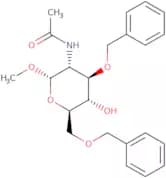
CAS:<p>Methyl 2-acetamido-3,6-di-O-benzyl-2-deoxy-a-D-glucopyranoside is a synthetic saccharide that is used in the synthesis of glycosides. This compound has been modified with fluorine to increase its stability and activity. Methyl 2-acetamido-3,6-di-O-benzyl-2-deoxyglucopyranoside can be used as a building block for glycosylation reactions due to its high purity and custom synthesis. It has been shown that this compound has click modification activity.</p>Formula:C23H29NO6Purity:Min. 95%Molecular weight:415.48 g/mol2-Acetamido-1,3,4,6-tetra-O-acetyl-2-deoxy-5-thio-a-D-glucopyranose
CAS:<p>2-Acetamido -1,3,4,6-tetra-O-acetyl-2-deoxy-5-thio-a-D-glucopyranose is a custom synthesis. It is an oligosaccharide and polysaccharide. It is a carbohydrate that has been modified by fluorination and a click modification. The complex carbohydrate contains one monosaccharide sugar. 2AATG can be used in the synthesis of other carbohydrates.</p>Formula:C16H23NO9SPurity:Min. 95%Molecular weight:405.42 g/molLauryl glucose neopentyl glycol
CAS:<p>Lauryl glucose neopentyl glycol is a sugar that is used in the synthesis of glycoconjugates. It is synthesized from lauryl alcohol and neopentyl glycol. Lauryl glucose neopentyl glycol can be modified with fluorine, glycosylation, methylation, or modification. This compound has been shown to have anti-inflammatory properties and to inhibit the growth of prostate cancer cells.</p>Formula:C31H60O12Purity:Min. 95%Molecular weight:624.8 g/molD-Ribopyranosyl thiosemicarbazide
CAS:<p>D-Ribopyranosyl thiosemicarbazide is a glycosylation agent that can be used in the synthesis of complex carbohydrates. It also has the ability to modify sugar structures, such as methylation, click modification, and fluorination. This reagent can be used for the modification of saccharides, oligosaccharides, and monosaccharides. D-Ribopyranosyl thiosemicarbazide is synthesized from d-ribose and thiosemicarbazide. The CAS number for this product is 95352-77-5.</p>Formula:C6H13N3O4SPurity:Min. 95%Molecular weight:223.25 g/mol5-(S-2-Pyridin-3-yl-pyrrolidine)-1-yl-5-deoxy-1,2-isopropylidene-a-D-xylofuranose
CAS:<p>5-(S-2-Pyridin-3-yl-pyrrolidine)-1-yl-5-deoxy-1,2-isopropylidene-a-D-xylofuranose is a glycosylated sugar which can be modified with methyl groups, fluorine atoms, and saccharides. This compound has been synthesized in the laboratory and has not been found in nature. It is soluble in water and ethanol. The compound is available for custom synthesis to order.</p>Formula:C17H24N2O4Purity:Min. 95%Molecular weight:320.39 g/molMelibiulose
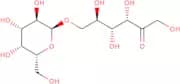
CAS:<p>Melibiulose is a dietary supplement that has been shown to help maintain the health of the human immune system. It has also been shown to stimulate prostate cancer cells. Melibiose, the sugar molecule found in melibiulose, has been found to be processed by toll-like receptor 2 and 4, which are proteins found on the surface of immune cells. The glycan structure of melibiose may be responsible for its conditioning effects as it binds to proteases and surfactants, preventing them from binding to other molecules. This ternary complex prevents glycosylation reactions and reduces viscosity in detergent compositions.</p>Formula:C12H22O11Purity:Min. 95%Molecular weight:342.3 g/mol3-Deoxy-D-arabino-heptulosonic acid 7-phosphate disodium salt
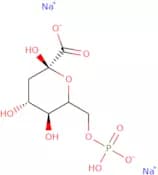
CAS:<p>3-Deoxy-D-arabinonoheptulosonic acid 7-phosphate disodium salt is a phosphate derivative of 3-deoxy-D-arabinoheptulosonic acid (DAHP), which is an intermediate in the biosynthesis of heparin. DAHP is synthesized by the enzyme DAHP synthetase, which catalyses the conversion of D-xylose to DAHP. The enzyme can be activated by adding xylose or other sugar phosphates, and it can be inhibited by adding anthranilate or arabinose. 3-Deoxy-D-arabinonoheptulosonic acid 7-phosphate disodium salt is used as a substrate for various enzymes, including enzymes in biological samples and model systems. It was also used to study the rate constant for the polymerase chain reaction (PCR).</p>Formula:C7H11Na2O10PPurity:Min. 95%Color and Shape:Off-White PowderMolecular weight:332.11 g/molFrucoste-proline
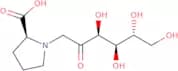
CAS:<p>Frucoste-proline is a l-amino acid that is found in the leaves of tobacco plants. Frucoste-proline is synthesized by dehydration of L-proline, which is catalyzed by the enzyme tabacum l. Frucoste-proline can also be found in maltol and diazepine. The major function of frucoste-proline is to act as a cofactor for enzymes involved in the synthesis of aromatic compounds such as aldehydes and sulfides. This amino acid has been identified as an analytical marker for tobacco leaf, due to its low energy and high specificity.</p>Purity:Min. 95%D-Sorbitol hexahydrate
<p>D-Sorbitol hexahydrate is a sugar that is used in the food industry as a substitute for sucrose. It is also an important component of many pharmaceuticals and other products. Sorbitol hexahydrate can be synthesized from glucose, which is oxidized to sorbitol, and then hydrolyzed by sulfuric acid to produce D-sorbitol hexahydrate. The product is often used as a sweetener for diabetic patients because it does not cause blood glucose levels to rise rapidly. Sorbitol hexahydrate also has anti-inflammatory properties and can be used in the treatment of gastric ulcers.</p>Formula:C6H14O6·6H2OPurity:Min. 95%Molecular weight:290.26 g/molHyaluronate biotin - Molecular Weight - 250kDa
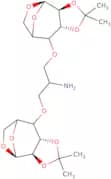
<p>Hyaluronate biotin (HB) is a modified form of hyaluronic acid. It is produced by the methylation and glycosylation of hyaluronic acid and it has an average molecular weight of 250 kDa. HB is used in tissue engineering, cell culture, and as a contrast agent for magnetic resonance imaging. The modification of hyaluronate with biotin allows for the visualization of HB using immunofluorescence microscopy. Hyaluronate biotin is a synthetic product that can be custom-synthesized to customer specifications, such as purity level, oligosaccharide content, and monosaccharide content.</p>Purity:Min. 95%2-Amino-1,3-bis(1,6-anhydro-2,3-O-isopropylidene-b-D-mannopyranose-4-O-yl)-propane
CAS:<p>2-Amino-1,3-bis(1,6-anhydro-2,3-O-isopropylidene-b-D-mannopyranose-4-O-yl)-propane is a carbohydrate with the molecular formula C10H20N2O8. It is a synthetic sugar that is soluble in water and alcohol. 2AAP can be custom synthesized by modification of natural sugars and saccharides. This product has a high purity level (>99%) and can be methylated or glycosylated to create other products. The synthesis of this product is accomplished through click chemistry. Click chemistry uses copper (II) sulfate as an oxidizing agent to generate reactive oxygen species that can react with other molecules to form new bonds between them.</p>Formula:C21H33NO10Purity:Min. 95%Molecular weight:459.49 g/mol1,3,6-Tri-O-benzyl-4-O-(3,6-di-O-acetyl-2,4-dideoxy-2-phthalimido-b-D-glucopyranosyl)-2-deoxy-2-phthalimido-b-D-glucopyranoside
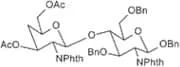
<p>Methylated, saccharide-containing, polysaccharide-containing, carbohydrate-containing. CAS No.: 169800-74-1. Click modification: Click chemistry reaction with a reactive group on the saccharide or polysaccharide to form a bond with another molecule. Modification: The addition of one or more side chains to a saccharide or polysaccharide to produce a modified carbohydrate. Oligosaccharides: Carbohydrates that are composed of only two to ten monosaccharides. Glycosylation: The process in which a glycosyl group is transferred from an activated donor sugar to an acceptor molecule, forming glycosidic linkage (e.g., between sugars). High purity: The degree of chemical purity as expressed by the percent of impurities that may be present in the product (e.g., 99% pure). Carbohydrate: A class of organic compounds that includes sugars and starches and functions</p>Formula:C53H50N2O14Purity:Min. 95%Molecular weight:938.97 g/mol2,5-Anhydro-3,4-dibenzyl-D-glucitol
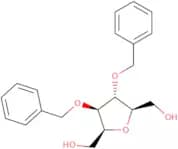
CAS:<p>2,5-Anhydro-3,4-dibenzyl-D-glucitol is a synthetic monosaccharide that has been modified to have a 2,5 anhydro ring and an O-linked glycosylation. It is used in the synthesis of polysaccharides and oligosaccharides. The fluorination at the 3 position protects against degradation by acid hydrolysis. The 2,5 anhydro ring makes this product more stable than other sugars because it does not undergo epimerization reactions with other sugars. This product can be custom synthesized to meet your needs. Please contact us for more information about this product.</p>Formula:C20H24O5Purity:Min. 95%Molecular weight:344.4 g/molR-Hydroxy topiramate
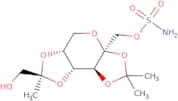
CAS:<p>R-Hydroxy topiramate is the stable isotope of the active pharmaceutical ingredient, topiramate. It can be used for the calibration of liquid chromatography and mass spectrometry methods. R-Hydroxy topiramate is prepared by dilution of a solution of topiramate with water, followed by elution from an ion exchange resin with methanol. The eluent is dried under vacuum to remove methanol and finally dissolved in a minimal volume of acetonitrile. R-Hydroxy topiramate is used to measure concentrations of lamotrigine and zonisamide in plasma and serum samples.</p>Formula:C12H21NO9SPurity:Min. 95%Molecular weight:355.36 g/molDehydroclindamycin
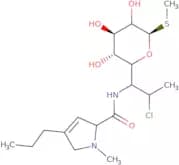
CAS:<p>Dehydroclindamycin is a semisynthetic antibiotic that belongs to the class of antibiotics known as lincosamides. It is used in clinical treatment for bacterial infections. Dehydroclindamycin acts by interfering with the bacterial ribosome and prevents the formation of proteins required for cell division. This drug may be susceptible to degradation by hydrolysis or oxidation, which can lead to impurities. Dehydroclindamycin is produced by hydrogenation of clindamycin hydrochloride using a Raney nickel catalyst, followed by chromatography. The spectrum of dehydroclindamycin consists of antibacterial activity against gram-positive bacteria such as Staphylococcus aureus and Enterococcus faecalis and gram-negative bacteria such as Escherichia coli and Klebsiella pneumoniae.</p>Formula:C18H31ClN2O5SPurity:Min. 95%Molecular weight:422.97 g/molBenzyl 2-acetamido-3-O-(2,3,4,6-tetra-O-acetyl-b-D-galactopyranosyl)-4,6-O-benzylidene-2-deoxy-a-D-glucopyranose
<p>2-Acetamido-3,4,6-tri-O-acetyl-b-D-galactopyranosyl bromide is an intermediate in the synthesis of 2,6-dideoxyglucose and has been used as a model for the glycosidic linkage to fluoroquinolones. The compound is a white solid that can be synthesized by reacting D-galactose with acetamidobenzene in the presence of sodium hydroxide and chloroacetone.<br>The molecular weight of this compound is 703.1 g/mol.<br>This product was developed through custom synthesis and modification. It is available at high purity.</p>Formula:C36H43NO15Purity:Min. 95%Molecular weight:729.72 g/molArthrobacter stabilis exopolysaccharide
<p>The extracellular polysaccharide produced by Arthrobacter stabilis NRRL B-3225 contains D-glucose, D-galactose, pyruvic acid, O-succinyl, and O-acetyl in the approximate molar ratio of 6:3:1:1:1.5. Succinyl is linked as its half-ester, making it readily removable. The viscosity of aqueous, salt-free solutions of both native and deacylated polymer is relatively low, but atypical of anionic polysaccharides, increases rapidly in the presence of salts, acids, or alkali.</p>Purity:Min. 95%Methyl 2,3-dideoxy-3-fluoro-5-O-(4-phenylbenzoyl)-β-D-erythro pentofuranoside
CAS:<p>Methyl 2,3-dideoxy-3-fluoro-5-O-(4-phenylbenzoyl)-beta-D-erythro pentofuranoside is a custom synthesis of an oligosaccharide and polysaccharide. It is a modification of the natural compound 2,3,5,-trihydroxybenzoic acid. It has CAS No. 129468-51-5 and Methylation, Glycosylation, Carbohydrate as its properties. Methyl 2,3-dideoxy-3-fluoro-5-O-(4-phenylbenzoyl)-beta-D-erythro pentofuranoside is a high purity product that contains Fluorination, Synthetic as its properties.</p>Purity:Min. 95%2,4-Anhydro-3,5-O-[(S)-phenylmethylene]- D-lyxonic acid methyl ester
CAS:<p>2,4-Anhydro-3,5-O-[(S)-phenylmethylene]- D-lyxonic acid methyl ester is a synthetic monosaccharide that has a fluorination modification. It is commonly used as a raw material in the synthesis of oligosaccharides and polysaccharides. This chemical can be synthesized using Click chemistry or methylation reactions. 2,4-Anhydro-3,5-O-[(S)-phenylmethylene]- D-lyxonic acid methyl ester is used in the production of complex carbohydrates with glycosylation and polysaccharide modifications. This chemical exhibits high purity and can be custom synthesized to meet specific needs.</p>Formula:C13H14O5Purity:Min. 95%Molecular weight:250.25 g/molLacto-N-tetraose-a-APD-HSA
<p>Lacto-N-tetraose-a-APD-HSA is a saccharide that is a methylated monosaccharide with an N-acetylgalactosamine residue. This product has been modified by the addition of an acetyl group to the 3' hydroxyl group. It is available in custom synthesis and can be used as a substrate for glycosylation or as an intermediate for fluoroquinolone modification. Lacto-N-tetraose-a-APD-HSA is also a high purity, synthetic product with CAS No. 129004-44-4.</p>Purity:Min. 95%Sinapinoyl L-arabinofuranoside
<p>Sinapinoyl L-arabinofuranoside is a synthetic oligosaccharide that is an important carbohydrate for research and development. It is a sugar that has been modified by fluorination and methylation, as well as glycosylation and click chemistry. This product can be custom synthesized to meet the needs of the customer, with high purity and quality.</p>Purity:Min. 95%Sulpho Lewisx Na
<p>Sulpho Lewisx Na is a high purity, custom synthesized sugar that has been modified using a click chemistry reaction. It has been fluorinated and glycosylated to produce a complex carbohydrate. Sulpho Lewisx Na is a synthetic oligosaccharide produced with the intention of mimicking the structure of Lewisx in order to study its properties. The CAS number for this compound is 2641-19-2 and it can be found under the name Oligosaccharide, Monosaccharide, saccharide, Carbohydrate on Pubchem CID 1039264.</p>Formula:C20H34NNaO18SPurity:Min. 95%Molecular weight:631.54 g/mol[UL-13C6glc]Lactose monohydrate
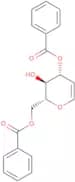
<p>The product is a high purity, custom synthesis, sugar. It is fluorinated and glycosylated. The product has click modification and methylation. This product can be modified with a variety of reagents such as saccharide, oligosaccharide, and monosaccharide. The CAS Number for this product is [UL-13C6glc]Lactose monohydrate.</p>Purity:Min. 95%3,6-Di-O-benzoyl-D-glucal
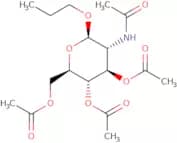
CAS:<p>3,6-Di-O-benzoyl-D-glucal is a glycosylation reagent that can be used to modify proteins with oligosaccharides. It is a naturally occurring sugar that can be synthesized and modified for use in research. 3,6-Di-O-benzoyl-D-glucal has been shown to be effective in Click chemistry, which uses copper ions to produce reactive esters from alcohols and carboxylic acids. This reagent can also be used to fluorinate saccharides and sugars for high purity synthesis.</p>Purity:Min. 95%Propyl 2-acetamido-3,4,6-tri-O-acetyl-2-deoxy-b-D-glucopyranoside
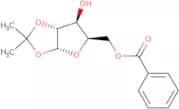
CAS:<p>Propyl 2-acetamido-3,4,6-tri-O-acetyl-2-deoxy-b-D-glucopyranoside is a synthetic glycosylamine that has been fluorinated at the C2 position and modified with a methyl group. It is used in the synthesis of complex carbohydrates for use as antigens or vaccines. This product can be custom synthesized to order and is available in high purity form.</p>Formula:C17H27NO9Purity:Min. 95%Molecular weight:389.4 g/mol5-O-Benzoyl-1,2-O-isopropylidene-a-D-xylofuranose
CAS:<p>Ai Product Descriptions 50 Creative</p>Formula:C15H18O6Purity:Min. 95%Molecular weight:294.31 g/mol6,6'-Di-O-tert-butyldimethylsilyl-lactal
CAS:<p>6,6'-Di-O-tert-butyldimethylsilyl-lactal is a synthetic glycosylation reagent that has been used in the synthesis of oligosaccharides and sugar derivatives. This compound is known to have a high purity and can be custom synthesized to meet your specifications. The fluorination reaction of this compound yields 6,6'-di-O-tert-butyldimethylsilyl-lactal, which can be methylated to yield 6,6'-di-O-methyl-lactal. The methylation reaction can be used to introduce a click modification onto the molecule. A complex carbohydrate is formed by the reaction of 6,6'-di-O-methyl lactal with other monosaccharide or polysaccharide. The saccharide group can also be modified with a click modification.</p>Purity:Min. 95%5-Bromo-5-deoxy-2,3-O-isopropylidene-D-ribono-1,4-lactone
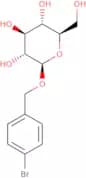
CAS:<p>5-Bromo-5-deoxy-2,3-O-isopropylidene-D-ribono-1,4-lactone is a modified sugar that can be synthesized from other sugars. It is used in the synthesis of oligosaccharides and polysaccharides. 5BDBOL has a CAS number of 94324-23-9. 5BDBOL can be methylated and glycosylated. This compound has high purity and is monosaccharide.</p>Formula:C8H11BrO4Purity:Min. 95%Color and Shape:SolidMolecular weight:251.07 g/mol(4-Bromophenyl)methyl-β-D-glucopyranoside
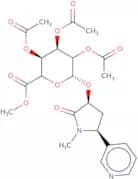
CAS:<p>The 4-Bromophenyl)methyl-beta-D-glucopyranoside is a synthetic monosaccharide with a brominated phenyl group. It is a complex carbohydrate that can be used as an oligosaccharide or sugar. The 4-Bromophenyl)methyl-beta-D-glucopyranoside can be modified with fluorination, methylation, glycosylation and click modification. This product is available in high purity and custom synthesis.</p>Formula:C13H17BrO6Purity:Min. 95%Molecular weight:349.17 g/mol1-O-(trans-3-Hydroxycotinine)-2,3,4-tri-O-acetyl-b-D-glucuronide methyl ester
<p>1-O-(trans-3-hydroxycotinine)-2,3,4-tri-O-acetyl-b-D-glucuronide methyl ester is a carbohydrate. Carbohydrates are polymers of the monosaccharides, which include glucose, galactose and fructose. The structure of this compound has been modified by fluorination and methylation. This modification has increased the solubility of the molecule and it is synthesized using custom methods. This product is available in high purity at a custom synthesis price.</p>Formula:C23H28N2O11Purity:Min. 95%Molecular weight:508.48 g/mol5-epi-isofagomine
CAS:<p>5-Epi-isofagomine is a piperidine compound that can be used as a synthon for various carbohydrate derivatives. It has been shown to inhibit glycosidases and may be applied in the synthesis of carbohydrates. This compound is synthesized by a stepwise nitro reduction of d-mannitol, followed by an enolate reaction with an appropriate acid chloride. The 5-epi-isofagomine skeleton is obtained by stereoselective polyhydroxylation of the corresponding 2,5-dihydroxybenzaldehyde.</p>Formula:C6H13NO3Purity:Min. 95%Molecular weight:147.17 g/molD-myo-Inositol-1,5,6-triphosphate sodium salt
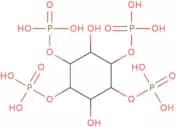
CAS:<p>D-myo-Inositol-1,5,6-triphosphate sodium salt is a synthetic compound that is used in the study of the structure and function of carbohydrates. It is a complex carbohydrate that has been modified with fluorination and methylation. It is also glycosylated and click-modified. D-myo-Inositol-1,5,6-triphosphate sodium salt has CAS number 120965-76-6.</p>Formula:C6H12O15P3·xNaPurity:Min. 95%Molecular weight:417.07 g/mol2-Deoxy-b-L-erythro-pentofuranose
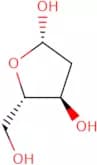
CAS:<p>2-Deoxy-b-L-erythro-pentofuranose is an experimental drug that is a protonation product of 2,3-dideoxyproline. It is the result of conformational changes in the deoxyribose ring and puckering of the ribose units. The puckering motion also results in a change in the orientation of the hydrogen atoms on the carbons. This has led to analogous carbon configurations with different numbers of hydrogens, which can lead to different solutions. 2-Deoxy-b-L-erythro-pentofuranose binds to ribosomes and inhibits protein synthesis, which may be due to its pyrrolidine ring or membered ring structure.</p>Formula:C5H10O4Purity:Min. 95%Molecular weight:134.13 g/molDisialyloctasaccharide
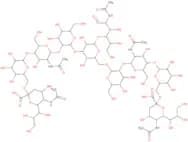
CAS:<p>Disialyloctasaccharide is a sialylated glycan that is found in human serum. It is a diagnostic marker for cancer, and has been shown to be elevated in women with breast cancer. Disialyloctasaccharide can also be used as a biomarker for depression. The amino acid sequence of this glycan has been determined, and it has been shown that the protein glycosylation of disialyloctasaccharide is quantified by measuring the relative amount of sialic acid residues in the molecule. Disialyloctasaccharide can be used as a biomarker for eukaryotes, including yeast and mammals. This glycan also has anti-tumor activity, which may be due to its ability to bind to receptors on tumor cells.</p>Formula:C76H125N5O57Purity:Min. 95%Color and Shape:PowderMolecular weight:2,020.81 g/molPhenyl 2,6-di-O-acetyl-3,4-O-isopropylidene-b-D-thiogalactopyranoside
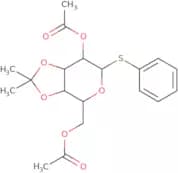
CAS:<p>Phenyl 2,6-di-O-acetyl-3,4-O-isopropylidene-b-D-thiogalactopyranoside is a fluorinated monosaccharide that exhibits high purity and custom synthesis. It is used as a building block for the synthesis of complex carbohydrates. This product is also used for glycosylation, polysaccharide modification, or click modification. Phenyl 2,6-di-O-acetyl-3,4-O-isopropylidene b -D thiogalactopyranoside has CAS number 12447699 and molecular weight of 390.38g/mol.</p>Formula:C19H24O7SPurity:Min. 95%Molecular weight:396.46 g/mol3-O-Methyl-D-mannopyranose
CAS:<p>3-O-Methyl-D-mannopyranose is a glycosidic compound with immunostimulating properties. It is an intermediate in the synthesis of 3,6-anhydro-N-acetylneuraminic acid and other related carbohydrates. The hydrolysis of this molecule yields silver trifluoromethanesulfonate, chloride, and low molecular weight material. 3-O-Methyl-D-mannopyranose can be used as a reagent for the preparation of high molecular weight material by ion exchange chromatography or by dehydrative coupling.</p>Formula:C7H14O6Purity:Min. 95%Molecular weight:194.18 g/mol(3αR,3βR,4αS,5S,5αS)-3β-[[[(1,1-Dimethylethyl)diphenylsilyl]oxy]methyl]hexahydro-2,2-dimethylcyclopropa[3,4]cyclopenta[1,2-d]-1,3-di oxol-5-ol
CAS:<p>(1R,2R,3S,4S,5S)-1-(tert-Butyldiphenyl)silyloxymethyl-2,3-dioxy-O,O-isopropylidenebicyclo[3.1.0]hexan-4-ol is a sugar derivative that is used in the synthesis of saccharides and oligosaccharides. It can be fluorinated using the Click modification to create synthetic sugars for use in glycosylation reactions. This compound can be custom synthesized to meet your needs and specifications.</p>Formula:C26H34O4SiPurity:Min. 95%Color and Shape:PowderMolecular weight:438.63 g/mol1,2:3,4:5,6-Tri-O-isopropylidene-D-mannitol
CAS:<p>1,2:3,4:5,6-Tri-O-isopropylidene-D-mannitol is a dietary fiber that is made up of <br>inulin and oligosaccharides. It can be found in various plants and vegetables. This dietary fiber has been shown to have cancer preventive properties. 1,2:3,4:5,6-Tri-O-isopropylidene-D-mannitol has also been shown to decrease the risk of colon cancer by reducing the production of diacylglycerol which is an important signaling molecule in carcinogenesis.</p>Formula:C15H26O6Purity:Min. 95%Molecular weight:302.4 g/mol1,2,3,4,6-Penta-O-pivaloyl-a-D-mannopyranose
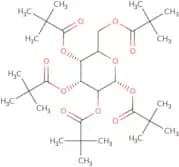
CAS:<p>1,2,3,4,6-Penta-O-pivaloyl-a-D-mannopyranose is a sugar that belongs to the group of complex carbohydrates. It is custom synthesized and can be modified to suit customer requirements. The synthesis process includes glycosylation, fluorination and methylation. 1,2,3,4,6-Penta-O-pivaloyl-a-D-mannopyranose is used as a raw material for saccharide and oligosaccharide production. It also has applications in the food industry as a sweetener or flavor enhancer.</p>Formula:C31H52O11Purity:Min. 95%Molecular weight:600.74 g/molRhamnolipids C12
CAS:<p>Rhamnose based 'green' surfactant</p>Formula:C18H34O7Purity:Min. 95%Molecular weight:362.46 g/mol1-O-Acetyl-2,3,5-tri-O-benzoyl-4-thio-b-D-ribofuranose
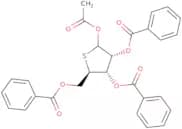
CAS:<p>1-O-Acetyl-2,3,5-tri-O-benzoyl-4-thio-b-D-ribofuranose is a carbohydrate that has been modified with acetylation and benzoylation. This chemical has not been reported in the literature and is available for custom synthesis to order. 1-O-Acetyl-2,3,5-tri-O-benzoyl -4--thio--b--D--ribofuranose is a white solid that can be used as a monosaccharide or glycosylation building block for the synthesis of oligosaccharides, polysaccharides, or other saccharide derivatives. It also has high purity and is available for fluorination.</p>Formula:C28H24O8SPurity:Min. 95%Molecular weight:520.55 g/mol2,3,4-Tri-O-acetyl-b-D-xylopyranosyl-Fmoc-L-serine
<p>2,3,4-Tri-O-acetyl-b-D-xylopyranosyl-Fmoc-L-serine is a carbohydrate which is modified by fluorination and methylation. It is a complex carbohydrate that can be custom synthesized to include saccharide or oligosaccharide. 2,3,4-Tri-O-acetyl-b-D-xylopyranosyl Fmoc L serine has CAS No. 1807631–35–0 and molecular weight of 703. It also has high purity and custom synthesis capabilities.</p>Formula:C29H31NO12Purity:Min. 95%Molecular weight:585.56 g/molNistose trihydrate
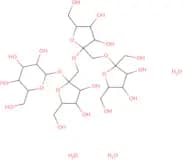
CAS:<p>Nistose trihydrate is a polysaccharide that is found in the cell walls of plants, including inulin and d-biotin. It has been shown that nistose trihydrate can be used as an additive to mammalian cells to improve enzymatic reactions. In addition, nistose trihydrate can be used as a food additive to reduce cholesterol levels and modulate blood sugar levels. Nistose trihydrate also has antimicrobial activity against staphylococcus, which are gram-positive bacteria.</p>Formula:C24H42O21•3H2OPurity:Min. 95%Molecular weight:720.6 g/mol3-Acetamido-3-deoxy-D-allose
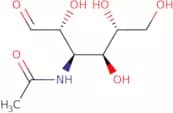
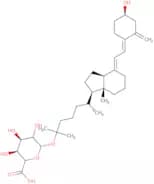
CAS:<p>3-Acetamido-3-deoxy-D-allose is a ringed sugar that is nucleophilic and reacts with hydroxide solution to form a dithioacetal. It has been analyzed using deuterium and cyclic voltammetry. 3-Acetamido-3-deoxy-D-allose can be oxidized by periodate to form an alditol acetal and then reacted with ammonium hydroxide to produce the corresponding amine. This reaction was used to generate the compound in large quantities.</p>Formula:C8H15NO6Purity:Min. 95%Molecular weight:221.21 g/mol5-Hydroxyvitamin D3 25-glucuronide
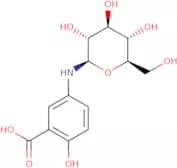
CAS:<p>5-Hydroxyvitamin D3 25-glucuronide is a glycosylated form of vitamin D that is synthesized by the addition of glucose to the 5-hydroxy group in the side chain. The synthesis of this product requires an intermediate step, which is the methylation of 25-hydroxyvitamin D. It is a complex carbohydrate that can be found in both natural and synthetic forms. The product has been modified using Click chemistry, fluorination, and saccharide modification to increase its stability and solubility. This product also has a high purity level.</p>Formula:C33H52O8Purity:Min. 95%Molecular weight:576.76 g/molN-D-Glucopyranosyl-5-aminosalicylic acid
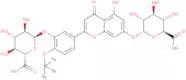
CAS:<p>5-Aminosalicylic acid (5-ASA) is an anti-inflammatory drug that belongs to the class of drugs called nonsteroidal anti-inflammatory drugs (NSAIDs). 5-ASA is an acidic compound that is a metabolite of salicylic acid. It is used in the treatment of rheumatoid arthritis, osteoarthritis, and other inflammatory diseases. The preparation of 5-ASA involves homogenizing liver tissue and then extracting it with water. This extract can be chromatographed using preparative high performance liquid chromatography (HPLC) or spectroscopically analyzed by mass spectrometry. 5-ASA has been shown to have hepatoprotective effects in rats when given at a dose of 400 mg/kg body weight by intraperitoneal injection.</p>Formula:C13H17NO8Purity:Min. 95%Molecular weight:315.28 g/molDiosmetin-d3-3,7-O-di-Glucuronide
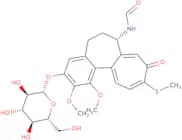
CAS:Controlled Product<p>Diosmetin-d3-3,7-O-di-Glucuronide is a white to off-white powder that is soluble in water. It is a synthetic compound that can be used as a sugar or carbohydrate modification. It has been shown to be useful for the synthesis of complex carbohydrates and polysaccharides. This product can also be used in click chemistry, methylation, and fluoroination.</p>Formula:C28H25D3O18Purity:Min. 95%Molecular weight:655.53 g/molN-Desacetyl-N-formyl thiocolchicoside
CAS:<p>N-Desacetyl-N-formyl thiocolchicoside is a methylated saccharide that has been modified with a click chemistry reaction. This modification allows for the addition of various functional groups to the saccharide, including fluorine and bromine. N-Desacetyl-N-formyl thiocolchicoside is an oligosaccharide that contains both glucose and mannose as its constituent sugars. It is synthesized in high purity and has a CAS No. of 219547-29-2. It can be used to create glycosidic linkages between amino acids in protein synthesis and carbohydrates in glycosylation reactions.</p>Formula:C26H31NO10SPurity:Min. 95%Molecular weight:549.59 g/molNA4 N-Glycan
CAS:<p>NA4 is a n-glycan with an average molecular weight of about 3.5 kDa. NA4 is found in the blood and urine of human beings and other mammals, as well as in the milk from cows. It is a major component of mucus secreted by the respiratory tract, and it can be found in the outer layer of the skin. NA4 contains a single N-acetylglucosamine (NAG) residue at its reducing end.</p>Formula:C90H150N6O66Purity:Min. 95%Color and Shape:PowderMolecular weight:2,372.15 g/mol







![2,4-Anhydro-3,5-O-[(S)-phenylmethylene]- D-lyxonic acid methyl ester](/_next/image/?url=https%3A%2Fstatic.cymitquimica.com%2Fproducts%2F3D%2Fthumb-webp%2FFA76878.webp&w=3840&q=75)

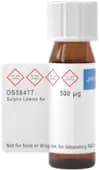
![[UL-13C6glc]Lactose monohydrate](/_next/image/?url=https%3A%2Fstatic.cymitquimica.com%2Fproducts%2F3D%2Fthumb-webp%2FOL16272.webp&w=3840&q=75)



![(3αR,3βR,4αS,5S,5αS)-3β-[[[(1,1-Dimethylethyl)diphenylsilyl]oxy]methyl]hexahydro-2,2-dimethylcyclo…](/_next/image/?url=https%3A%2Fstatic.cymitquimica.com%2Fproducts%2F3D%2Fthumb-webp%2FMB159555.webp&w=3840&q=75)