Glycoscience
Glycoscience is the study of carbohydrates and their derivatives, as well as the interactions and biological functions they participate in. This field of research is crucial for understanding a wide variety of biological processes, including cell recognition, signaling, immune response, and disease development. Glycoscience has important applications in biotechnology, medicine, and the development of new drugs and therapies. At CymitQuimica, we offer a wide selection of high-quality, high-purity products for glycoscience research. Our catalog includes monosaccharides, oligosaccharides, polysaccharides, glycoconjugates, and specific reagents, designed to support researchers in their studies on the structure, function, and applications of carbohydrates in biological systems. These resources are intended to facilitate scientific discoveries and practical applications in various areas of bioscience and medicine.
Subcategories of "Glycoscience"
- Aminosugars(108 products)
- Glyco-Related Antibodies(282 products)
- Glycolipids(46 products)
- Glycosaminoglycans (GAGs)(55 products)
- Glycosides(419 products)
- Monosaccharides(6,622 products)
- Oligosaccharides(3,682 products)
- Polysaccharides(503 products)
Found 11041 products of "Glycoscience"
Sort by
Purity (%)
0
100
|
0
|
50
|
90
|
95
|
100
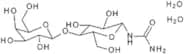
b-Lactosyl ureide dihydrate
<p>b-Lactosyl ureide dihydrate is a white crystalline powder that is soluble in water. It has a molecular weight of 598.7 and was synthesized by the reaction of b-lactosyl chloride with urea. The compound has been used as a fluoro-protecting group for nucleophilic substitution reactions, and glycosylation reactions.</p>Formula:C13H24N2O11·2H2OPurity:Min. 95%Color and Shape:White/Off-White SolidMolecular weight:420.37 g/mol2-Acetamido-3-O-benzoyl-2-deoxy-a-D-galactopyranosyl Fmoc serine phenacyl ester
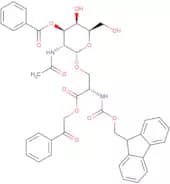
CAS:<p>2-Acetamido-3-O-benzoyl-2-deoxy-a-D-galactopyranosyl Fmoc serine phenacyl ester is a complex carbohydrate. It is an oligosaccharide with a molecular weight of 902 Da that is synthesized from 2,4,6,-trihydroxybenzoic acid and 2,3,4,6,-tetraacetylphenylserine. The carbohydrate has been modified by methylation, glycosylation and fluorination. The synthesis of this compound has been carried out using the click chemistry reaction. This product has a purity of 99+% and can be used in the modification of other carbohydrates.</p>Formula:C41H40N2O12Purity:Min. 95%Molecular weight:752.78 g/mol4-Methoxyphenyl 3-O-benzyl-β-D-glucopyranoside
CAS:<p>4-Methoxyphenyl 3-O-benzyl-b-D-glucopyranoside is a plant extract that is used for its ability to inhibit the activity of phosphatases. It has been shown to activate extracellular phosphatase, an enzyme that plays a role in the regulation of the body's immune system and the activation of phagocytic cells. 4MPBG also inhibits the expression of inflammatory genes and therefore may be useful in treating HIV infection. This compound has also been shown to be effective against cancer by preventing cell proliferation and causing cell death. In addition, it has been shown to have anti-coagulation properties by inhibiting coagulation factor Xa, which prevents blood from clotting.</p>Formula:C20H24O7Purity:Min. 95%Molecular weight:376.4 g/mol8-Methoxycarbonyloctyl-3-O-benzyl-2,2'-dideoxy-2,2'-diphthalimido-3',4',6-tri-O-acetyl-b-cellobiose
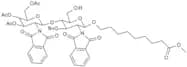
CAS:<p>8-Methoxycarbonyloctyl-3-O-benzyl-2,2'-dideoxy-2,2'-diphthalimido-3',4',6-tri-O-acetyl-b -cellobiose is a cellobiose with an 8 methoxycarbonyl group at the C8 position. It can be used in the synthesis of oligosaccharides and polysaccharides. The compound has been synthesized by methylation, click modification, and fluorination. The CAS number is 106445-30-1. 8MCOBBIOSE has a purity of > 98% and may have a white to off white powder appearance.</p>Formula:C51H58N2O18Purity:Min. 95%Molecular weight:987.01 g/mol4-Methylumbelliferyl α-L-idopyranosiduronic acid methyl ester
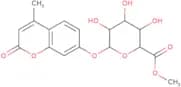
CAS:<p>Please enquire for more information about 4-Methylumbelliferyl α-L-idopyranosiduronic acid methyl ester including the price, delivery time and more detailed product information at the technical inquiry form on this page</p>Formula:C17H18O9Purity:Min. 95%Molecular weight:366.3 g/mol2,3,4,6-Tetra-O-acetyl-b-D-galactopyranosyl-(N2-Fmoc)-L-serine
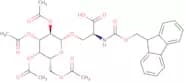
CAS:<p>2,3,4,6-Tetra-O-acetyl-b-D-galactopyranosyl-(N2-Fmoc)-L-serine is a chemical compound. The molecular formula of this compound is C20H32O5 and the molecular weight is 376.429 g/mol. The chemical structure of this compound contains a tetra acetyl bDgalactopyranosyl residue linked to an N2 substituted Lserine residue.</p>Formula:C32H35NO14Purity:Min. 95%Molecular weight:657.63 g/molMaltoundecaose
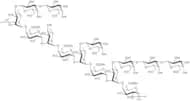
CAS:<p>Maltoundecaose is a glycogen storage molecule found in barley and other plants. Maltoundecaose is synthesized from maltotetraose by the enzyme isoamylase, which cleaves the alpha-1,4 glycosidic linkage between two glucose molecules. Maltoundecaose can be hydrolyzed by the enzyme maltodextrin phosphorylase to form maltotriose and glucose. Maltotetraose is synthesized from sucrose by UDP-glucose pyrophosphorylase. The enzyme has been shown to have a mutation that leads to an increase in activity, which may be due to its autocatalytic nature. Maltotetraose also has three glucosidic linkages, which are formed between two glucose molecules and one of four different residues: dodecyl, hydroxymethylpentadecyl, octadecyl or hexadecyl. Maltotetraose can be hydrolyzed by</p>Formula:C66H112O56Purity:Min. 95%Color and Shape:PowderMolecular weight:1,801.56 g/mol6-O-tert-Butyldimethylsilyl-D-glucal
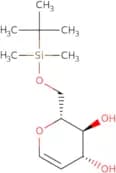
CAS:<p>6-O-tert-Butyldimethylsilyl-D-glucal is a glycosyl compound that is produced from the reaction of ethyl diazoacetate and cyclopropanes. This process can be catalyzed by metal catalysts, such as palladium. The use of bromides in this reaction allows for the production of unsaturated compounds. This compound has been shown to undergo cyclopropanation with alkenes, leading to the synthesis of cyclopropanes. 6-O-tert-Butyldimethylsilyl-D-glucal is used as a precursor to other compounds, such as polymers and pharmaceuticals.</p>Purity:Min. 95%1,2,4,5-Di-O-cyclohexylidene-b-D-fructofuranose
<p>1,2,4,5-Di-O-cyclohexylidene-b-D-fructofuranose is a cyclic oligosaccharide with a six-member ring structure. The sugar is synthesized by the reaction of 1,2,4,5-di-O-isopropylidene b-D-fructofuranose and ethylene oxide. It is used in the synthesis of glycosides and as a building block for complex carbohydrates. This product can be custom synthesized to meet your needs. It's high purity and low price make it an excellent choice for research purposes.</p>Purity:Min. 95%4-Methoxyphenyl 3-O-allyl-2-azido-4,6-O-benzylidene-2-deoxy-b-D-galactopyranoside
CAS:<p>4-Methoxyphenyl 3-O-allyl-2-azido-4,6-O-benzylidene-2-deoxy-b-D-galactopyranoside is a glycosaminoglycan. It is used in the treatment of cancer to prevent metastasis and as an antiviral agent. 4MOP has been shown to inhibit the growth of virus in tissue culture by preventing the formation of new virus particles. The antiviral activity may be due to its ability to inhibit the replication of viruses at an early stage of the process. 4MOP also inhibits coagulation and antibody production, which are important for fighting infection.</p>Formula:C23H25N3O6Purity:Min. 95%Molecular weight:439.46 g/molHeparin derived dp16 saccharide ammonium salt
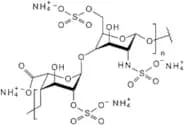
<p>Heparin derived dp16 saccharide ammonium salt is a synthetic oligosaccharide with a molecular weight of approximately 16,000 Da. The compound is an amine-modified heparin sulfate fragment containing 16 saccharides linked in a linear fashion. It has been used for the click modification of proteins, and as a carbohydrate receptor in glycosylation studies. Heparin derived dp16 saccharide ammonium salt can also be custom synthesized to meet specific needs. Click modification and fluorination are two modifications that have been applied to the compound for various purposes.</p>Purity:Min. 95%Color and Shape:PowderD-myo-Inositol-1,3,4,5-tetraphosphate sodium salt
CAS:<p>D-Myo-Inositol-1,3,4,5-tetraphosphate sodium salt (DMIPS) is a naturally occurring form of inositol that has been shown to lower the glycaemic index of foods and increase the absorption of carbohydrates. DMIPS is a chromatographic method for quantifying phytate in food. Phytate is an anion that binds to dietary minerals such as iron and zinc and prevents their absorption. DMIPS can be used to reduce the level of phytate in food by adding it to the meal before cooking or boiling. The use of DMIPS in combination with phytase has been shown to be beneficial for those who are suffering from diabetes and nutrient deficiencies, such as those who have undergone gastric bypass surgery.</p>Formula:C6H8O18P4·8NaPurity:Min. 95%Molecular weight:675.93 g/molMycophenolic acid phenolic b-D-glucoside
CAS:<p>Mycophenolic acid phenolic b-D-glucoside is a high purity custom synthesis that can be modified to suit customer requirements. It is a complex carbohydrate with a methyl group, fluorine atom, and glycosylation. The chemical name for Mycophenolic acid phenolic b-D-glucoside is CAS No. 55533-52-3. This product is also known as Glycosylation, Oligosaccharide, sugar, Synthetic, Fluorination, Custom synthesis, Methylation, Monosaccharide, Polysaccharide, saccharide. Click modification or Modification.</p>Formula:C23H30O11Purity:Min. 95%Molecular weight:482.48 g/mol4-Toluoyl 2,3-di-O-benzyl-4,6-O-benzylidene-α-D-thiomannopyranoside
CAS:<p>4-Toluoyl 2,3-di-O-benzyl-4,6-O-benzylidene-a-D-thiomannopyranoside is a modification of the sugar, Mannose. The chemical structure is similar to that of D-Mannose with the exception that one oxygen atom has been replaced with a fluorine atom. This structural change in the sugar's backbone imparts a higher degree of water solubility and a lower affinity for proteins. 4-Toluoyl 2,3-di-O-benzyl-4,6 -O -benzylidene -a -D -thiomannopyranoside is used as an artificial sweetener and flavor enhancer in food products.</p>Formula:C34H34O5SPurity:Min. 95%Molecular weight:554.7 g/molEthyl 3-O-allyl-4,6-O-benzylidene-2-O-levulinoyl-b-D-thioglucopyranoside
<p>Ai Product Descriptions 50 Creative</p>Purity:Min. 95%2-Pyridyl 2,3,4,6-tetra-O-acetyl-b-D-thioglucopyranoside
CAS:<p>2-Pyridyl 2,3,4,6-tetra-O-acetyl-b-D-thioglucopyranoside is a custom synthesis of a monosaccharide with a polysaccharide. This compound is used in the modification of saccharides by fluorination and methylation. It also has click modification, which is the addition of an acetate to a glycosyl acceptor. The CAS number for this compound is 105120-89-6.</p>Formula:C19H23NO9SPurity:Min. 95%Molecular weight:441.45 g/mol2,3,4,6-Tetra-O-acetyl-b-D-glucopyranosyl-(N2-Fmoc)-L-Asparagine
CAS:<p>2,3,4,6-Tetra-O-acetyl-b-D-glucopyranosyl-(N2-Fmoc)-L-Asparagine is a bifunctional compound that is used as an intermediate in the synthesis of other compounds. It is a white solid that can be purified by recrystallization from hot water.</p>Formula:C33H36N2O14Purity:Min. 95%Molecular weight:684.65 g/molRhamnolipids C10-C10
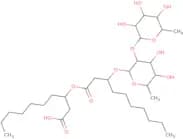
CAS:<p>sugar based 'green' surfactant</p>Formula:C26H48O9Purity:Min. 95%Molecular weight:504.66 g/molUndecyl b-D-maltopyranoside
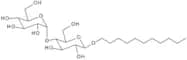
CAS:<p>Undecyl b-D-maltopyranoside is a cell culture reagent that belongs to the group of monomers. It is used in the synthesis of dodecyl maltoside and is also used as a substrate for bacterial enzymes. Undecyl b-D-maltopyranoside has been shown to inhibit the activity of leukotriene A4 hydrolase, an enzyme involved in the metabolism of leukotrienes. This product has been shown to be effective in chromatographic separation of metal ions from other components. Undecyl b-D-maltopyranoside can also be used for solubilizing peptides and proteins, including those that are neutral or have a low pH. This product is also used as a substrate for recombinant monoclonal antibodies and viral coat proteins.</p>Formula:C23H44O11Purity:Min. 95%Color and Shape:PowderMolecular weight:496.59 g/molp-Tolyl 2,3,4-tri-O-acetyl-a-L-rhamnopyranoside
CAS:<p>P-Tolyl 2,3,4-tri-O-acetyl-a-L-rhamnopyranoside is a glycosylation agent that is used in the synthesis of complex carbohydrates and polysaccharides. It has been shown to be useful in click chemistry reactions. P-Tolyl 2,3,4-tri-O-acetyl-a-L-rhamnopyranoside can be used to produce a variety of sugars including monosaccharides, oligosaccharides, and polysaccharides. This compound can also be fluorinated or saccharified with other chemical groups.</p>Formula:C19H24O7SPurity:Min. 95%Molecular weight:396.46 g/molMan5GlcNAc
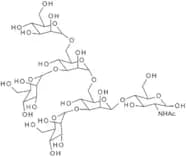
CAS:<p>Man5GlcNAc is a glycoprotein that is expressed in the Golgi apparatus of mammalian cells. It is cleaved by alpha-mannosidase II and alpha-mannosidase I, which are enzymes located in the golgi apparatus. Man5GlcNAc has been shown to be an effective glp-1 analogue, which is a hormone that stimulates insulin secretion. This protein has also been shown to have structural similarities to high mannose type oligosaccharides, which are found on the surface of some bacteria. The protein may also act as a signal peptide for proteins that are exported from the golgi to the cell membrane.</p>Formula:C38H65NO31Purity:Min. 95%Color and Shape:PowderMolecular weight:1,031.91 g/mol3-Deoxy-1,2:5,6-di-O-isopropylidene-a-D-glucofuranose
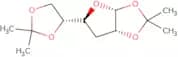
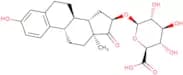
CAS:<p>3-Deoxy-1,2:5,6-di-O-isopropylidene-a-D-glucofuranose is an oligosaccharide that belongs to the group of polysaccharides. It is a methylated saccharide with a high degree of purity and can be custom synthesized for use as a carbohydrate in pharmaceuticals. 3-Deoxy-1,2:5,6-di-O-isopropylidene-a-D-glucofuranose is used in the synthesis of glycosylations and has been shown to have antiviral activity against Epstein Barr virus by inhibiting viral protein synthesis.</p>Formula:C12H20O5Purity:Min. 95%Molecular weight:244.29 g/mol16a-Hydroxyestrone 16-b-D-glucuronide
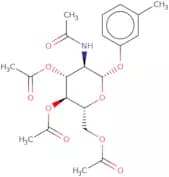
CAS:<p>16a-Hydroxyestrone 16-b-D-glucuronide is a conjugate of the hydroxyestrone and glucuronic acid. It is a metabolite of estradiol, which is the most potent estrogen produced by the human body. The compound has been found in urine, saliva, and breast milk. 16a-Hydroxyestrone 16-b-D-glucuronide is an inactive steroid that can be conjugated with glucuronic acid to form a water soluble molecule that can be excreted in the urine or bile.</p>Formula:C24H30O9Purity:Min. 95%Molecular weight:462.49 g/mol3-Methylphenyl 2-acetamido-3,4,6-tri-O-acetyl-2-deoxy-b-D-glucopyranoside
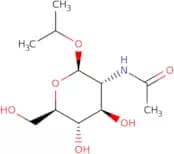
CAS:<p>3-Methylphenyl 2-acetamido-3,4,6-tri-O-acetyl-2-deoxy-b-D-glucopyranoside is a synthetic chemical compound. It has been shown to have antiviral activity and inhibit the growth of bacteria.</p>Formula:C21H27NO9Purity:Min. 95%Molecular weight:437.44 g/molIsopropyl 2-acetamido-2-deoxy-b-D-glucopyranoside
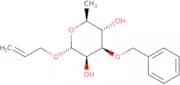
CAS:<p>Isopropyl 2-acetamido-2-deoxy-b-D-glucopyranoside is a chromatographic agent used in liquid chromatography. It is a reaction product of polysaccharides and fatty acids, which are extracted from fruits. Isopropyl 2-acetamido-2-deoxy-b-D-glucopyranoside has been shown to inhibit the growth of typhimurium and other viruses in cell culture. The safety profile of this compound has not been established in humans and should be tested before use in vivo.</p>Formula:C11H21NO6Purity:Min. 95%Molecular weight:263.29 g/molAllyl 3-O-benzyl-a-L-rhamnopyranoside
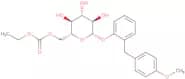
CAS:<p>Allyl 3-O-benzyl-a-L-rhamnopyranoside is an oligosaccharide that is a modification of the disaccharide, allyl 3-O-benzyl-a-D-galactopyranoside. Allyl 3-O-benzyl-a-L-rhamnopyranoside has been synthesized from D-(+)-glucose and L-(+)-rhamnose. The compound has a molecular weight of 756.40 g/mol. It is a white to off white powder that is soluble in water, but insoluble in ethanol at low concentrations. It can be used as a carbohydrate or sugar for research purposes.</p>Formula:C16H22O5Purity:Min. 95%Molecular weight:294.35 g/mol2-(4-Methoxybenzyl)phenyl6-O-(ethoxycarbonyl)-β-D-glucopyranoside
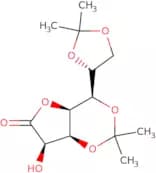
CAS:<p>Canagliflozin is a type of antidiabetic agent that is used to treat patients with type 2 diabetes. This drug works by decreasing the reabsorption of glucose in the kidneys, which increases the excretion of glucose, and thus reduces blood sugar levels. Canagliflozin also lowers blood pressure and has been shown to reduce cholesterol levels. It is an inhibitor of SGLT-1, a transporter protein in the kidney that is responsible for renal glucose reabsorption. The use of canagliflozin has been studied in animal models, where it was found to significantly increase glomerular filtration rate (GFR) and decrease blood pressure. It is recommended that canagliflozin be taken together with other anti-diabetic medications, such as insulin or metformin, due to its potential side effects on GFR and blood pressure.</p>Formula:C23H28O9Purity:Min. 95%Molecular weight:448.46 g/mol3,5:6,7-Di-O-isopropylidene-D-glycero-D-gulo-heptonic acid-γ-lactone
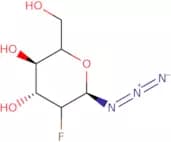
CAS:<p>3,5:6,7-Di-O-isopropylidene-D-glycero-D-gulo-heptonic acid-gamma-lactone is a synthetic sugar that has been modified with methyl groups. The chemical can be used in the synthesis of saccharides and polysaccharides. It is also possible to use this chemical as a click modification agent for proteins or other biomaterials. This product has a CAS number of 6605-22-7 and can be synthesized in high purity. The product is fluorinated and complex carbohydrates.</p>Formula:C13H20O7Purity:Min. 95%Molecular weight:288.29 g/mol2-Deoxy-2-fluoro-b-D-galactopyranosyl azide
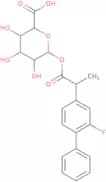
CAS:<p>2-Deoxy-2-fluoro-b-D-galactopyranosyl azide is a synthetic modification of the sugar 2,3,4,6-tetraacetamido-2,3,4,6-tetraazido-b-D-galactopyranose. It is used as a chemical probe for the study of glycosylation reactions and carbohydrate synthesis. 2-Deoxy-2-fluoro b D galactopyranosyl azide has been shown to be an efficient reagent for the methylation of saccharides. This compound is also used in the modification of polysaccharides.<br>Methylation reactions are often used to prepare modified carbohydrates that are difficult to synthesize by other methods. These compounds can be used as chemical probes for studying glycosylation reactions and carbohydrate synthesis.</p>Formula:C6H10FN3O4Purity:Min. 95%Molecular weight:207.16 g/molR,S-Flurbiprofen-acyl-b-D-glucuronide
CAS:<p>R,S-Flurbiprofen-acyl-b-D-glucuronide is a custom synthesis of an oligosaccharide that has been modified by fluorination and methylation. This saccharide is synthesized from R,S-flurbiprofen using the click modification. It is a polysaccharide with glycosylation at the sugar level. The carbohydrate chain also contains monosaccharides and complex carbohydrates.</p>Formula:C21H21FO8Purity:Min. 95%Molecular weight:420.39 g/mol1,2,4,6-Tetra-O-acetyl-3-O-benzyl-b-D-glucopyranose
CAS:<p>Hypromellose is a polymer that is made from cellulose. It is used as an excipient in pharmaceutical formulations, such as tablets and capsules. Hypromellose can also be used as a food additive for thickening, stabilizing, and suspending. It has a molecular weight of about 20000 Daltons and may have the following side effects: mild gastrointestinal discomfort, diarrhea, nausea, or vomiting.</p>Formula:C21H26O10Purity:Min. 95%Color and Shape:PowderMolecular weight:438.43 g/mol3-Azido-5-O-benzoyl-3-deoxy-1,2-O-isopropylidene-a-D-ribofuranose
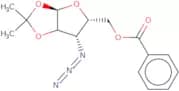
<p>3-Azido-5-O-benzoyl-3-deoxy-1,2-O-isopropylidene a D-ribofuranose (3ABI) is a synthetic monosaccharide that can be synthesized via a custom synthesis. 3ABI is an oligosaccharide that has the ability to modify glycosylation and polysaccharide synthesis. The fluorination of this sugar provides it with high purity and stability. 3ABI has been shown to have a CAS number of 44793-23-2.</p>Formula:C15H17N3O5Purity:Min. 95%Molecular weight:319.31 g/molAllyl 2-acetamido-3,6-di-O-benzyl-2-deoxy-b-D-glucopyranoside
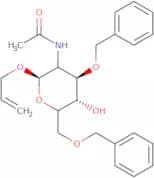
CAS:<p>Allyl 2-acetamido-3,6-di-O-benzyl-2-deoxy-b-D-glucopyranoside is a synthetic sugar that is used in the modification of complex carbohydrates. It is an Oligosaccharide that has a Glycosylation and fluorination. Allyl 2-acetamido-3,6-di-O-benzyl-2-deoxy-b--D--glucopyranoside contains a methyl group on the C1 position, which can be modified at the C1 position to produce various derivatives. Click chemistry reactions are also possible with this compound. The chemical name for this compound is 65730–02–1 and it has CAS number 65730–02–1.</p>Formula:C25H31NO6Purity:Min. 95%Molecular weight:441.53 g/mol2-Hydroxybenzylbeta-D-glucopyranoside
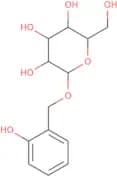
CAS:<p>2-Hydroxybenzylbeta-D-glucopyranoside is a fluorinated monosaccharide that has been custom synthesized for the glycosylation of complex carbohydrate. It is a synthetic compound that features a click modification and methylation. This product is offered in high purity and is available for custom synthesis.</p>Formula:C13H18O7Purity:Min. 95%Molecular weight:286.28 g/molAlphadolone 21-b-D-glucuronide
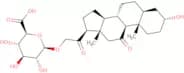
CAS:<p>Alphadolone 21-b-D-glucuronide (ADG) is a synthetic compound that belongs to the group of carbohydrates. ADG is a sugar that has been modified with fluorination and methylation. It is also glycosylated and click modified. This product is custom synthesized for research purposes only.</p>Formula:C27H40O10Purity:Min. 95%Molecular weight:524.6 g/molGlufosfamide
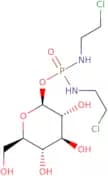
CAS:<p>Glufosfamide is a cytotoxic drug that is used in the treatment of some types of cancer. It is a prodrug that requires conversion to its active form, glufosfamid, by esterase enzymes before it can exert its genotoxic effects. Glufosfamide has shown to be active against platinum-resistant ovarian cancer and solid tumours. This drug also has been shown to inhibit the growth of prostate cancer cells and miapaca-2 cells, which are derived from pancreatic cancer. Glufosfamide has been found to have low toxicity in mice, but there may be adverse reactions when combined with other drugs such as erythromycin or ketoconazole.</p>Formula:C10H21Cl2N2O7PPurity:Min. 95%Molecular weight:383.16 g/molMethyl 1-(5-fluoro-1H-2-oxopyrimidin-4-yl)-b-D-glucopyranuronate
CAS:<p>Methyl 1-(5-fluoro-1H-2-oxopyrimidin-4-yl)-b-D-glucopyranuronate is an anticancer drug that inhibits β-glucuronidase. Methyl 1-(5-fluoro-1H-2-oxopyrimidin-4-yl)-b-D-glucopyranuronate is a colorless solid that has been recrystallized, purified, and analyzed for its chloride content. The function of this compound has been tested in vitro using tissue cultures and animal models. The reaction vessel used for the test was an acetonitrile solution with a pH between 7 and 8. The methylester form of methyl 1-(5-fluoro-1H--2--oxopyrimidin 4--yl)-b--D--glucopyranuronate reacts with sulphite to produce a green product with a colorimetric method</p>Formula:C11H13FN2O8Purity:Min. 95%Molecular weight:320.23 g/mol1,2-O-Isopropylidene-3-O-benzyl-5-deoxy-5-C-(2-pyridyl)-D-xylofuranose
<p>1,2-O-Isopropylidene-3-O-benzyl-5-deoxy-5-C-(2-pyridyl)-D-xylofuranose is a fluorinated sugar. This compound has been synthesized by modifying the glycosylation site of N4,N4'-diisopropylidene-1,2,3,5,5'-pentaacetamido-[1,6]hexanedioic acid methyl ester to 1,2-O-isopropylidene. The structure of this compound consists of a C(2) pyridine moiety and an O(1) protonated methyl group on the terminal carbon atom.</p>Purity:Min. 95%Molecular weight:341.37 g/mol4,6-O-Benzylidene-N-Boc-2-O-p-toluenesulfonyl-1,5-imino-D-glucitol
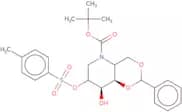
CAS:<p>4,6-O-Benzylidene-N-Boc-2-O-p-toluenesulfonyl-1,5-imino-D-glucitol is a monosaccharide that is used in the synthesis of complex carbohydrates. This compound can be custom synthesized and has a high purity. It is also available as a CAS number 1219116-88-7. 4,6-O-Benzylidene can be modified with methylation, click modification, fluorination, saccharide modification, or polysaccharide modification.</p>Formula:C25H31NO8SPurity:Min. 95%Molecular weight:505.58 g/molTri-b-GalNAc-C12-alkyne
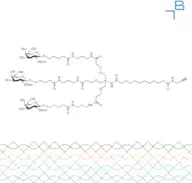
<p>Tri-b-GalNAc-C12-alkyne, also known as trebler GalNAc alkyne, is a multivalent N-acetylgalactosamine (GalNAc) compound with high-affinity to bind to the asialoglycoprotein receptor (ASGPR) found on the surface of hepatocytes in the liver. This trivalent GalNAc derivative contains a C12 alkyne linker and has been extensively studied for its potential in targeted delivery of siRNA conjugates to liver tissue. The multivalent presentation of GalNAc moieties significantly enhances the binding avidity to ASGPR making it an attractive ligand for liver-specific targeting. Researchers have reported successful conjugation of tri-b-GalNAc-C12-alkyne to various therapeutic payloads, such as small interfering RNAs (siRNAs), to facilitate their selective uptake by hepatocytes and enable targeted gene silencing in the liver.</p>Formula:C76H13N11O29Purity:Min. 95%Molecular weight:1,664.92 g/molOndansetron 7-D-glucuronide (mixture of isomers)
CAS:<p>Ondansetron 7-D-glucuronide (mixture of isomers) is a synthetic compound with a molecular weight of 552.9 and chemical formula C17H20F3NO5. It has been modified by the addition of a fluorine atom at position 2 on the phenyl ring. Ondansetron 7-D-glucuronide (mixture of isomers) has been synthesized by glycosylation, oligosaccharide, sugar, methylation and monosaccharide synthesis. This compound is used in pharmaceuticals as an antiemetic agent for the prevention and treatment of nausea and vomiting following surgery or chemotherapy.</p>Purity:Min. 95%Tri-b-GalNAcAc3-C12-amido-C3-azide
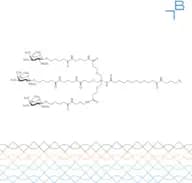
<p>This is the peracetylated equivalent of tri-b-GalNAc-C12-amido-C3-azide. This unique bifunctional ligand for ASGPR-targeted applications contains three terminal GalNAc sugars that bind to ASGPR receptors and permit hepatocyte uptake, the C12-amide linker offers a stable spacer and the C3-azide moiety enables tailored bioconjugation via CuAAC click chemistry. This design has the potential for targeted delivery of therapeutic cargo (drugs, siRNA, nanoparticles) to hepatocytes, development of LYTACs for selective protein degradation, and creation of in vivo ASGPR imaging probes.</p>Formula:C94H154N14O38Purity:Min. 95%Molecular weight:2,088.3 g/molMethyl 3,4-isopropylidene-b-L-arabinopyranoside
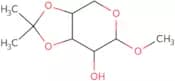
CAS:<p>Methyl 3,4-isopropylidene-b-L-arabinopyranoside is a synthetic saccharide that has been modified by the Click chemistry. Click modification is a method of modifying a complex carbohydrate with a reactive group (e.g., an azide) at one end of the molecule and an electrophile at the other end of the molecule. The resulting product can be used in glycosylation reactions to form complex carbohydrates with various properties. Methyl 3,4-isopropylidene-b-L-arabinopyranoside is used as a precursor for the synthesis of oligosaccharides and polysaccharides. It also has been shown to be effective as an inhibitor of bacterial growth in vitro by inhibiting protein synthesis.</p>Formula:C9H16O5Purity:Min. 95%Molecular weight:204.22 g/mol6-deoxy-6-iodo-γ-cyclodextrin
CAS:<p>This gamma-cyclodextrin (γ-CD) derivative is a modified cyclic oligosaccharide composed of eight glucose units, featuring a larger cavity size than α- and β-cyclodextrins. This structural characteristic allows γ-CDs to form inclusion complexes with a wider range of guest molecules, making it particularly versatile in various industries. In the food sector, it is used as a carrier and stabilizer for flavors, fat-soluble vitamins, and polyunsaturated fatty acids, protecting volatile compounds from evaporation. In pharmaceuticals, it enhances the solubility and bioavailability of poorly water-soluble drugs and, thanks to its larger ring size, allows for the encapsulation of larger molecules or even entire drug molecules. γ-CDs and derivatives are also used for environmental remediation and, in analytical chemistry, for the extraction and concentration of target substances.</p>Formula:C48H72I8O32Purity:Min. 95%Color and Shape:PowderMolecular weight:2,176.3 g/molRhamnogalacturonan - from potato
CAS:<p>Pectin is a highly complex polysaccharide matrix that is found in the primary walls of dicotyledenous and monocotyledenous plants and gymnosperms, including potato. A key fragment of this complex is rhamnogalacturonan I, containing a backbone of the repeating disaccharide [-4)-α-D-GalpA-(1,2)-α-L-Rhap-(1,]. Several applications for RG1 have been described including drug targeting to the colon via the oral administration route for local treatment of e.g. inflammatory bowel disease and colon cancer. This has several advantages such as needle-free administration and low infection risk. In the gastro-intestinal tract RG-I is only degraded by the action of the colonic microflora. High purity rhamnogalacturonan I is also used in research, biochemical enzyme assays and in vitro diagnostic analysis.</p>Purity:Min. 95%1-Bromo-2,3,4-tri-O-benzoyl-a-D-glucuronide methyl ester
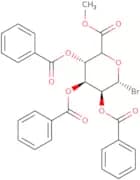
CAS:<p>1-Bromo-2,3,4-tri-O-benzoyl-a-D-glucuronide methyl ester is a custom synthesis. It is a high purity product with a custom synthesis. The CAS No. for this compound is 103674-69-7. This product undergoes Click modification and has high purity. The sugar in this compound is an oligosaccharide with glycosylation.</p>Formula:C28H23BrO9Purity:Min. 95%Molecular weight:583.39 g/mol2-(L-Rhamno-tetrahydroxypentyl)-4(R)-1,3-thiazolidine-4-carboxylic acid
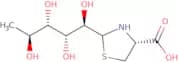
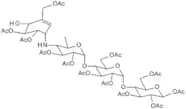
CAS:<p>2-(L-Rhamno-tetrahydroxypentyl)-4(R)-1,3-thiazolidine-4-carboxylic acid is a synthetic sugar. It has been modified with fluorination, glycosylation, and methylation. It can be used as a saccharide for a complex carbohydrate.</p>Formula:C10H19NO6SPurity:Min. 95%Molecular weight:281.33 g/molAcarbose tridecaacetate
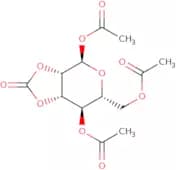
CAS:<p>Acarbose tridecaacetate is a bacterial extract that has been shown to inhibit the growth of various strains of bacteria. This extract was extracted from the fields and contains aluminum oxide impurities. Acarbose tridecaacetate has shown efficacy in seed culture and actinomyces, which are two types of bacteria. The sequence of this extract has been determined using aluminum oxide. Acarbose tridecaacetate is soluble in a variety of solvents, including organic solvents and solvents. It can be purified by chromatography to remove any bulk drug or organic solvent that may be present.</p>Formula:C51H69NO31Purity:Min. 95%Color and Shape:White PowderMolecular weight:1,192.08 g/mol1,4,6-Tri-O-acetyl-2,3-O-carbonyl-a-D-mannopyranose
CAS:<p>1,4,6-Tri-O-acetyl-2,3-O-carbonyl-a-D-mannopyranose is a synthetic carbohydrate that can be modified with fluorine to produce its active form. This molecule has been shown to inhibit bacterial growth by inhibiting cell wall synthesis and protein synthesis. 1,4,6-Tri-O-acetyl-2,3-O-carbonyl-a-D-mannopyranose has been shown to have high purity and custom synthesis, as well as methylation and glycosylation.</p>Formula:C13H16O10Purity:Min. 95%Molecular weight:332.26 g/mol4-Methoxyphenyl 3-O-(methyl 5-acetamido-4,7,8,9-tetra-O-acetyl-3,5-dideoxy-D-glycero-a-D-galacto-2-nonulopyranosylonate)-2,6-di-O-be nzyl-b-D-galactopyranoside
<p>4-Methoxyphenyl 3-O-(methyl 5-acetamido-4,7,8,9-tetra-O-acetyl-3,5-dideoxy-D-glycero-a-D-galacto-2-nonulopyranosylonate)-2,6 -di--Obenzyl b--D--galactopyranoside is a synthetic carbohydrate. This compound has been custom synthesized for research purposes. The chemical structure of this compound is a methylated oligosaccharide with the following modifications: click modification and fluorination.</p>Purity:Min. 95%