Glycoscience
Glycoscience is the study of carbohydrates and their derivatives, as well as the interactions and biological functions they participate in. This field of research is crucial for understanding a wide variety of biological processes, including cell recognition, signaling, immune response, and disease development. Glycoscience has important applications in biotechnology, medicine, and the development of new drugs and therapies. At CymitQuimica, we offer a wide selection of high-quality, high-purity products for glycoscience research. Our catalog includes monosaccharides, oligosaccharides, polysaccharides, glycoconjugates, and specific reagents, designed to support researchers in their studies on the structure, function, and applications of carbohydrates in biological systems. These resources are intended to facilitate scientific discoveries and practical applications in various areas of bioscience and medicine.
Subcategories of "Glycoscience"
- Aminosugars(108 products)
- Glyco-Related Antibodies(282 products)
- Glycolipids(46 products)
- Glycosaminoglycans (GAGs)(55 products)
- Glycosides(419 products)
- Monosaccharides(6,622 products)
- Oligosaccharides(3,682 products)
- Polysaccharides(503 products)
Found 11041 products of "Glycoscience"
Sort by
Purity (%)
0
100
|
0
|
50
|
90
|
95
|
100
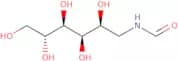
N-Formyl-1-amino-1-deoxy-D-glucitol
CAS:<p>N-Formyl-1-amino-1-deoxy-D-glucitol (NFA) is a custom synthesis that has been modified by fluorination, methylation, and monosaccharide click modification. It is a saccharide with CAS No. 89182-60-5. NFA is a synthetic sugar with complex carbohydrate properties.</p>Purity:Min. 95%3-Deoxy-D-gluconic acid calcium
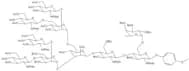
CAS:<p>3-Deoxy-D-gluconic acid calcium is a modification of the sugar 3-deoxy-D-glucono-1,5-lactone. It is an oligosaccharide that has been synthesized from D-glucose and D-xylose with the use of a click reaction. The monosaccharide (3DG) can be methylated to produce 3,6-dimethyl 3DG or fluorinated to make 3,6,9F 2 -3DG. This modification can be glycosylated to form a complex carbohydrate. The saccharide is also found in nature as the sugar component of glycogen and cellulose.</p>Formula:C6H12O6CaPurity:Min. 97 Area-%Molecular weight:400.39 g/mol4-Methoxyphenyl 4-O-{4-O-[[2,4-di-O-Ac-3-O-[2,4-di-O-(3,4,6-tri-O-Ac-2-PhthN -b-D-Glc)-3,6-di-O-Bn-a-D-Man]-6-O-[3,4-di-O-Ac-2,6-di- O-(3,4,6-tri-O-Ac-2-PhthN -b-D-Glc)-a-D-Man]-b-D-Man]]-3,6-di-O-Bn-2-PhthN-b-D-Glc}-3-O-Bn-6-O-(tri-O-Bn-a-L-Fuc)-2-Ph
CAS:<p>4-Methoxyphenyl 4-O-{4-O-[2,4-di-O-(3,4,6-tri-O-Ac-2-PhthN -bDGlc)-3,6-di-O-(3,4,6,-tri-OAc)aDMan]-bDMan} 3,6 di O-(3,4,6,-tri Ac) a D Man] 2 PhthN b D Glc} 6 O (tri Ac) a L Fuc} 2 PhthN b D Glc} 3 O Bn 6 O (tri Ac) a L Fuc} 2 PhthN b D Glc} is an oligosaccharide. It is custom synthesized to include methylation and glycosylation modifications. This product is for use in research only and should not be used in humans.</p>Formula:C203H206N6O73Purity:Min. 95%Molecular weight:3,897.8 g/molHeparin disaccharide III-H disodium salt
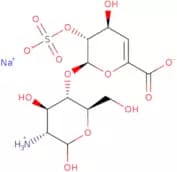
CAS:<p>Heparin is a polysaccharide consisting of repeating units of glucosamine and glucuronic acid that has been shown to have anti-coagulant, antithrombotic, and anti-inflammatory properties. Heparin disaccharide III-H disodium salt is a heparin disaccharide that has been modified by the addition of sodium ions. This heparin disaccharide has been shown to inhibit the proliferation of leukaemia cells in vitro, which may be due to its inhibition of DNA synthesis or cell cycle progression. The mechanism by which this heparin disaccharide inhibits cell growth is not yet known. Research into this mechanism could lead to new treatments for cancer and other diseases.</p>Formula:C12H18NNaO13SPurity:Min. 95%Molecular weight:439.33 g/molD-Raffinose undecaacetate
CAS:<p>D-Raffinose undecaacetate is a sweetener that is used in some chewing gum and other foods. It is a sucrose ester with the chemical formula C12H24O11. D-Raffinose undecaacetate has been shown to increase the release of insulin, which may be due to its effects on glucose uptake or modulation of taste receptors on the tongue. It has also been shown to have an anti-inflammatory effect, which may be due to its interactions with the bitter taste receptors present in tissues such as the small intestine and liver.</p>Formula:C40H54O27Purity:Min. 95%Molecular weight:966.84 g/mol2-Acetamido-3,4-di-O-acetyl-6-O-[a-2-(4,7,8,9-tetra-O-acetyl-N-acetyl-D-neuraminic acid methyl ester)]-2-deoxy-a-D-galactopyranosyl Fmocthreonine
<p>This is a custom synthesis for a polysaccharide. The CAS number is not available. It is a complex carbohydrate that contains an oligosaccharide. This polysaccharide has been modified with methylation and glycosylation, as well as click modification. It can be fluorinated to increase the purity. It is a sugar with high purity.</p>Formula:C51H63N3O24Purity:Min. 95%Molecular weight:1,102.05 g/molEltrombopag Acyl Glucuronide
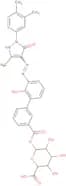
CAS:<p>Eltrombopag aryl glucuronide is a modified form of the drug eltrombopag that contains a methyl group at the 2 position and an acetyl group at the 3 position. It has been synthesized using click chemistry to modify the oligosaccharide, which is then fluorinated and reacted with an oligosaccharide-forming reagent. Eltrombopag aryl glucuronide can be used as a monosaccharide or in combination with other saccharides to form complex carbohydrates. This product is fully synthetic and is available in high purity.</p>Formula:C31H30N4O10Purity:Min. 95%Molecular weight:618.19619allo-Inositol
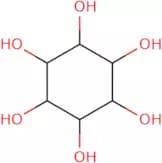
CAS:<p>Allo-inositol is a naturally occurring molecule that is classified as a vitamin. It is a member of the B-complex group of vitamins and has been shown to inhibit growth of cells in the HL-60 cell line. The optimum concentration for allo-inositol was found to be at 100 μM, with an IC50 value of 67 μM. Allo-inositol also has inhibitory properties against ovarian cancer cells and has been investigated as a potential treatment for ovarian cancer. Allo-inositol can be converted into myo-inositol in mammalian cells and may have anticancer effects through this conversion.</p>Formula:C6H12O6Purity:Min. 95%Molecular weight:180.16 g/mol3,4,6-Tri-O-acetyl-b-L-idopyranose 1,2-(methyl orthoacetate)
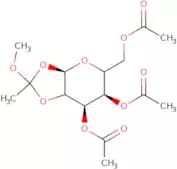
CAS:<p>3,4,6-Tri-O-acetyl-b-L-idopyranose 1,2-(methyl orthoacetate) is a methylated saccharide that is used as a building block for the synthesis of complex carbohydrates. It is synthesized by the reaction of 3,4,6-tri-O-acetyl-b-L-idopyranose with methyl orthoacetate in presence of acid catalyst. 3,4,6-Tri-O-acetyl - b - L - idopyranose 1,2-(methyl orthoacetate) has been shown to have antihyperglycemic effects when administered orally to mice and rats. The compound also has an inhibitory effect on the glycosaminoglycan production in human chondrocytes.</p>Formula:C15H22O10Purity:Min. 95%Molecular weight:362.33 g/mol1,6-Anhydro-4-O-b-D-galactopyranosyl-b-D-glucopyranose
CAS:<p>N-acetyllactosamine is a monosaccharide that belongs to the group of n-acetyllactosamine. It can be found in the form of an agglutinin, lactose, and lectin. The conformation of this molecule is an equilibrium between its alpha and beta forms. The pyridine can act as an acid catalyst for the alpha conformation. There are two forms of this molecule: one synthesized from D-glucose and one synthesized from D-galactose. 1,6-Anhydro-4-O-b-D-galactopyranosyl-b-D-glucopyranose is synthesized from D-glucose. Oligosaccharides containing this molecule have been expressed in Saccharomyces cerevisiae cells and purified by affinity chromatography on columns that contain immobilized antibody to human serum albumin. This molecule has been shown</p>Formula:C12H20O10Purity:Min. 95%Molecular weight:324.28 g/molLacto-N-fucopentaose III-APD-HSA
<p>Lacto-N-fucopentaose III-APD-HSA is a custom synthesis, complex carbohydrate that has been modified with methylation and glycosylation. It is an oligosaccharide that is found in human serum albumin. Lacto-N-fucopentaose III-APD-HSA has been shown to have antitumor activity. It also inhibits the growth of bacteria by binding to bacterial DNA gyrase and topoisomerase IV, which are enzymes that maintain the integrity of bacterial DNA. This compound binds to two sites on the 16S ribosomal RNA of bacteria and can inhibit protein synthesis, leading to cell death by inhibiting production of proteins vital for cell division. Lacto-N-fucopentaose III-APD-HSA has undergone fluorination and click modification.<br>Methylation: A process whereby a methyl group (-CH3) is added to an organic molecule via a chemical</p>Purity:Min. 95%Hyaluronate decasaccharide
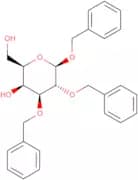
CAS:<p>Hyaluronate decasaccharide is a molecule that belongs to the group of glycosaminoglycans. It is a polysaccharide consisting of 10 disaccharides, which are linked by alternating β-1,4 and β-1,3 glycosidic bonds. The molecular weight of this molecule is about 20 kDa, and it has an average degree of polymerization of about 4. Hyaluronate decasaccharide has been found to be present in the extracellular matrix and plays an important role in cell proliferation and differentiation. This molecule is also involved in the regulation of inflammatory responses and tissue repair processes.</p>Formula:C70H107N5O56Purity:Min. 95%Molecular weight:1,914.6 g/mol1,2,3-Tri-O-benzyl-b-D-galactopyranoside
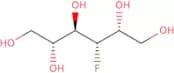
CAS:<p>1,2,3-Tri-O-benzyl-b-D-galactopyranoside is a benzoylated galactoside that is used as a chemical intermediate in the synthesis of other compounds. This compound reacts with benzoyl chloride to form benzoyl benzyl b-D-galactopyranoside. The reactivity of this compound can be seen in its reaction with dibutyltin, which leads to the formation of 1,2,3-tri-O-(benzyl)-b-D-(benzoyl)benzoin. This product has been shown to be effective in inhibiting enzyme activity and bacterial growth at equimolar concentrations.</p>Formula:C27H30O6Purity:Min. 95%Molecular weight:450.52 g/mol3-Deoxy-3-fluoro-D-glucitol
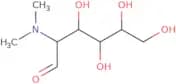
CAS:<p>3-Deoxy-3-fluoro-D-glucitol is a glucose analog that is used as a marker for glycogen in tissue extracts. 3-Deoxy-3-fluoro-D-glucitol has been shown to be the most sensitive molecular marker for muscle glycogen concentrations, although it does not react with all types of muscle. It can also be used as a marker for glycogen content in extracts of tissue or cells because it reacts with locusta migratoria fat body. In addition, 3-deoxy-3-fluoro-D-glucitol can be used as a nuclear magnetic resonance (NMR) probe to study the structure of trehalose and fructose. The compound has been shown to bind to locusta migratoria fat body and can be used as an NMR probe to study the structure of trehalose and fructose.</p>Formula:C6H13FO5Purity:Min. 95%Molecular weight:184.16 g/molN,N-Dimethyl-D-glucosamine
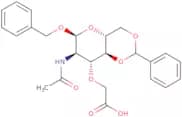
CAS:<p>N,N-Dimethyl-D-glucosamine is a natural amino sugar that yields pyrazoles, triazoles, and formaldehyde. It can be prepared by the reaction of acetyl chloride with potassium hydroxide in hydrochloric acid. The synthesis of N,N-Dimethyl-D-glucosamine has been optimized on a Raney nickel catalyst to produce high yields of the desired product. This product is a broad spectrum antibiotic that has been shown to inhibit bacterial growth through inhibition of protein synthesis. The salt form of N,N-Dimethyl-D-glucosamine is sodium salt.</p>Formula:C8H17NO5Purity:Min. 95%Molecular weight:207.22 g/molBenzyl 2-acetamido-4,6-O-benzylidene-3-O-(carboxymethyl)-2-deoxy-a-D-glucopyranoside
CAS:<p>Benzyl 2-acetamido-4,6-O-benzylidene-3-O-(carboxymethyl)-2-deoxy-a-D-glucopyranoside is a custom synthesized, complex carbohydrate. It is a polysaccharide that has been modified with methylation and glycosylation. This product can be used for research purposes only and cannot be used in diagnostic procedures.</p>Formula:C24H27NO8Purity:Min. 95%Molecular weight:457.47 g/molNA2G1F N-Glycan
<p>NA2G1F N-glycan is a modified glycopeptide that is synthesized from the monosaccharide chitin. It has been fluorinated to render it resistant to proteolytic degradation and has been glycosylated with sialic acid residues. NA2G1F N-glycan can be used for use in click chemistry, methylation, or glycosylation. The molecular weight of this product is between 5 and 50 kDa, with a purity of > 98%.</p>Formula:C62H104N4O45Purity:Min. 95%Color and Shape:PowderMolecular weight:1,625.49 g/mol3-O-tert-Butyldiphenylsilyl-D-galactal
<p>3-O-tert-Butyldiphenylsilyl-D-galactal is a glycosylation agent that can be used in the synthesis of oligosaccharides, sugar derivatives, and polysaccharides. It is synthesized by reacting 3-bromoacetophenone with D-galactal. This product is a white powder that is soluble in methanol and DMF. The CAS number for this product is 53533-71-3.</p>Purity:Min. 95%1-O-tert-Butyldimethylsilyl-2-azido-2-deoxy-b-D-glucopyranoside
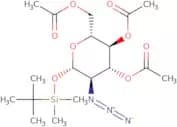
CAS:<p>1-O-tert-Butyldimethylsilyl-2-azido-2-deoxy-b-D-glucopyranoside is a Carbohydrate, Modification, saccharide, Oligosaccharide, sugar that has been fluorinated and methylated. It is a custom synthesis. The CAS No. 99049-65-7 is 9904965.</p>Formula:C12H25N3O5SiPurity:Min. 95%Molecular weight:319.43 g/moltrans-3'-Benzoyloxy cotinine 2,3,4-tri-O-acetyl-N-b-D-glucuronide methyl ester bromide
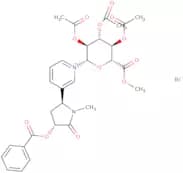
CAS:<p>Cotinine is a toxic alkaloid found in tobacco, which is used in the synthesis of a variety of drugs and other substances. Cotinine is used to prepare a range of modified and unmodified oligosaccharides, complex carbohydrates and polysaccharides. It can be synthesized by combining 3-benzoyloxy cotinine with glycosylation, methylation, or fluorination. The chemical structure of cotinine consists of a complex carbohydrate that contains an acidic sugar. Cotinine bromide can be used for the synthesis of saccharides with various chemical modifications.</p>Formula:C30H33BrN2O12Purity:Min. 95%Molecular weight:693.49 g/molMethyl 4,6-di-O-acetyl-2,3-didehydro-2,3-dideoxy-a-D-galactopyranoside
CAS:<p>Methyl 4,6-di-O-acetyl-2,3-didehydro-2,3-dideoxy-a-D-galactopyranoside is a carbohydrate that is synthesized by glycosylation with methyl 4,6-di-O-acetyl-2,3-didehydrohexahydropyranose. It is used as a synthetic intermediate in the production of saccharides and oligosaccharides. This product has high purity and custom synthesis can be requested.</p>Formula:C11H16O6Purity:Min. 95%Molecular weight:244.24 g/molMaltosyl trehalose
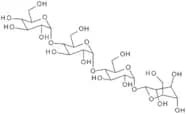
CAS:<p>Maltosyltransferase, involved in the biosynthesis of α-glucans, has been genetically validated as a potential therapeutic target against Mycobacterium tuberculosis. Trehalose derivatives are potential tools for the targeting of trehalose pathways in the cell wall of Mycobacterium tuberculosis.</p>Formula:C24H42O21Purity:Min. 95%Color and Shape:PowderMolecular weight:666.58 g/molHydroxypropyl cellulose - Average MW 1,000,000
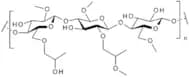
CAS:<p>Binder in tablets; food additive; has several pharmaceutical applications</p>Purity:Min. 95%2-Deoxy-a-L-ribofuranose
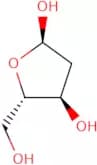
CAS:<p>2-Deoxy-a-L-ribofuranose is a monosaccharide that can be modified by either fluorination or methylation. It is an important building block in the synthesis of complex carbohydrates and saccharides, such as oligosaccharides and polysaccharides. 2-Deoxy-a-L-ribofuranose has been shown to have excellent purity, high quality, and custom synthesis for use in pharmaceuticals.<br>2-Deoxy-a-L-ribofuranose can be used in the production of nucleotides, which are essential for DNA replication and transcription. These nucleotides are also involved in protein synthesis, as they contain nitrogenous bases which provide the amino acids needed for proteins.</p>Formula:C5H10O4Purity:Min. 95%Molecular weight:134.13 g/mol1,4:3,6-Dianhydro-5-nitro-D-glucitol
CAS:<p>Isosorbide is a naturally occurring sugar alcohol (polyol) that is found in small quantities in many plants and fruits. It is used as a pharmaceutical drug to treat angina pectoris, congestive heart failure, and high blood pressure. Isosorbide has been shown to inhibit the activity of matrix metalloproteinases (MMPs), which are enzymes that degrade extracellular matrix proteins. This effect may be beneficial for patients with disorders such as arthritis. Isosorbide also increases nitric oxide production, leading to vasodilation and improved blood flow. The therapeutic effect of isosorbide has been demonstrated in experimental models using mice with congestive heart failure due to myocardial infarction or chronic heart disease. Pharmacological treatment of these animals with isosorbide resulted in an improvement of left ventricular function, reduction of myocardial fibrosis, and reduced levels of cardiac markers.</p>Formula:C6H9NO6Purity:Min. 95%Molecular weight:191.14 g/molHyaluronate fluorescein - Molecular Weight - 250kDa
<p>Hyaluronate fluorescein is a large molecular weight, high-molecular weight, high-purity, highly modified carbohydrate. It is a synthetic oligosaccharide that has been chemically modified with methylation and saccharide. Hyaluronate fluorescein is synthesized using Click chemistry to add a fluorescent tag at the reducing end of the molecule. This product can be used for custom synthesis and glycosylation. Hyaluronate fluorescein is available in various sizes including 250kDa.</p>Purity:Min. 95%5-Deoxy-L-lyxose
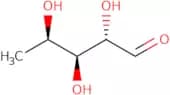
CAS:<p>5-Deoxy-L-lyxose is a marine bioactive molecule that belongs to the group of 5-deoxy sugars. Its ring structure is similar to that of ribulose, and it has been found in marine sponges. This compound has a hydroxyl group in its structure and can be oxidized to produce orange pigments. The compound's nmr spectra show it to be an isomer of benzoate, with the sodium salt being more soluble in water than the sodium salts of other 5-deoxy sugars. 5-Deoxy-L-lyxose is also conjugated with amino acids or peptides.</p>Formula:C5H10O4Purity:Min. 95%Molecular weight:134.13 g/mol5-Azido-1,2,3,6-tetra-O-pivaloyl-2-deoxy-D-galactofuranoside
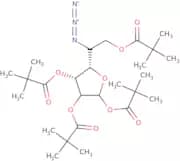
<p>5-Azido-1,2,3,6-tetra-O-pivaloyl-2-deoxy-D-galactofuranoside is a custom synthesis of a fluorinated sugar. It is an oligosaccharide that is synthesized through a glycosylation reaction with the use of a click modification. 5-Azido-1,2,3,6-tetra-O-pivaloyl-2-deoxy-D -galactofuranoside has been modified with methyl groups to produce high purity.</p>Formula:C26H43N3O9Purity:Min. 95%Molecular weight:541.63 g/mol2,3,5-Tri-O-benzyl-1-O-(4-nitrobenzoyl)-L-arabinofuranose
<p>2,3,5-Tri-O-benzyl-1-O-(4-nitrobenzoyl)-L-arabinofuranose is a custom synthesis that is modified with fluorination, methylation, and monosaccharide. It is synthesized to be a carbohydrate molecule. This product has CAS No. and can be used in the modification of other molecules that are carbohydrates. This product can be found in oligosaccharides and saccharides as well as complex carbohydrates.</p>Purity:Min. 95%Methyl 2-deoxy-3,5-di-O-benzoyl-D-ribofuranoside
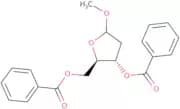
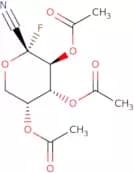
CAS:<p>Methyl 2-deoxy-3,5-di-O-benzoyl-D-ribofuranoside is a custom synthesis that is a complex carbohydrate. It is an Oligosaccharide, Polysaccharide and Modification of saccharides. Methyl 2-deoxy-3,5-di-O-benzoyl-D-ribofuranoside can be used in the modification of sugars and carbohydrates. This product is also fluorinated to increase its purity.</p>Formula:C20H20O6Purity:Min. 95%Molecular weight:356.37 g/mol2,3,4-Tri-O-acetyl-1-deoxy-1-fluoro-b-D-arabinopyranosyl cyanide
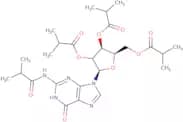
CAS:<p>2,3,4-Tri-O-acetyl-1-deoxy-1-fluoro-b-D-arabinopyranosyl cyanide is a high purity synthetic sugar that is custom synthesized to order. It has CAS No. 215942-92-0 and can be used for Click modification, fluorination, glycosylation, methylation and modification of oligosaccharides and monosaccharides. This compound has many uses in the synthesis of complex carbohydrates such as saccharides and oligosaccharides.</p>Formula:C12H14FNO7Purity:Min. 95%Molecular weight:303.24 g/mol2-Isobutyramido guanosine 2',3',5'-tris(isobutanoate)
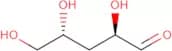
CAS:<p>2-Isobutyramido guanosine 2',3',5'-tris(isobutanoate) is an oligosaccharide, which is a type of carbohydrate. The structure of this compound is composed of a sugar, the monosaccharide saccharide and the complex carbohydrate. This compound is synthesized by a click modification and fluorination reaction using 2-amino-2-deoxy-D-ribose as the starting material. The product contains glycosylation and methylation modifications.</p>Formula:C26H37N5O9Purity:Min. 95%Molecular weight:563.6 g/mol3-Deoxy-L-arabinose
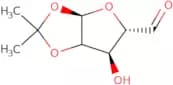
CAS:<p>3-Deoxy-L-arabinose is a purine, which is a type of nucleoside. It is structurally similar to ribose, but lacks the hydroxyl group at the 2' position. 3-Deoxy-L-arabinose has been shown to be an effective catalyst for the synthesis of nucleosides and nucleotides. The biological activity of this compound has not yet been researched extensively. This product can be used as a metal salt in research or as an acid catalyst in organic chemistry. 3-Deoxy-L-arabinose is often used as a precursor for purines and nucleotides that are found in DNA and RNA.</p>Formula:C5H10O4Purity:Min. 95%Molecular weight:134.13 g/molBis-(5-aldo-1,2-O-isopropylidene-D-xylo-pentofuranose) 5,5':3',5-Cyclic acetal
CAS:<p>Bis-(5-aldo-1,2-O-isopropylidene-D-xylo-pentofuranose) 5,5':3',5-Cyclic acetal is a synthetic saccharide that is used in the synthesis of complex carbohydrates. The compound is composed of an aldohexose and five cyclic acetal groups. It has a molecular weight of 618.11 g/mol and chemical formula C12H24O6. Bis-(5-aldo-1,2-O-isopropylidene-D-xylo-pentofuranose) 5,5':3',5 -cyclic acetal can be synthesized via the click chemistry reaction between 2′,3′,4′,6′,8′,9′ -octahydrobenzoin (1) and 4'-hydroxybutyric acid (2).</p>Purity:Min. 95%Ramipril-D5 acyl-b-D-glucuronide
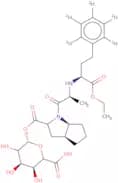
Controlled Product<p>Ramipril-D5 acyl-b-D-glucuronide is a custom synthesis of the complex carbohydrate, oligosaccharide. It has been modified with saccharide, methylation, glycosylation, and click modification. Ramipril-D5 acyl-b-D-glucuronide is a high purity product that has been fluorinated and synthesized.</p>Formula:C29H35D5N2O11Purity:Min. 95%Molecular weight:597.66 g/molLacto-N-fucopentaose II-APD-HSA
<p>Lacto-N-fucopentaose II-APD-HSA is a complex carbohydrate that has been chemically modified to include a fucose sugar. Lacto-N-fucopentaose II-APD-HSA is synthesized by the click reaction and then modified with the addition of an acetyl group. The product is then methylated and purified by HPLC. Lacto-N-fucopentaose II-APD-HSA can be used in a wide range of applications, including as a component in glycosylation reactions or as an adjuvant for fluorescence labelling.</p>Purity:Min. 95%2-Chloroethyl b-D-glucopyranoside
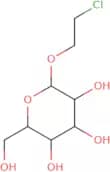
CAS:<p>2-Chloroethyl b-D-glucopyranoside is a custom synthesis, complex carbohydrate, and Oligosaccharide. It is modified with methylation, glycosylation, and fluorination. 2-Chloroethyl b-D-glucopyranoside has a CAS No. of 90318-86-8. It is synthesized in a high purity and has a high quality. This product contains sugar and can be found in Polysaccharides.</p>Formula:C8H15ClO6Purity:Min. 95%Molecular weight:242.65 g/molHexadecyl 2-acetamido-3,4,6-tri-O-acetyl-2-deoxy-b-D-glucopyranoside
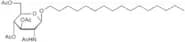
CAS:<p>Hexadecyl 2-acetamido-3,4,6-tri-O-acetyl-2-deoxy-b-D-glucopyranoside (HAT) is an antibiotic that belongs to the class of macrolides. It has been shown to be heritable and its heritability is dependent on the type of animal species. HAT also has a basic structure with substituents that are either acidic or hydroxylated. The heterogeneity in this compound can be seen by the different lactation periods for different animals. Regression analysis was used to find out if there was a correlation between the lactation period and the basicity of HAT. This study found that there was no such correlation and therefore concluded that there is no relationship between HAT's basicity and its heritability.</p>Formula:C30H53NO9Purity:Min. 95%Molecular weight:571.74 g/mol1,5-Anhydro-4,6-O-benzylidene-3-O-[2,4-dichlorophenyl]thiocarbonyloxy-2-O-toluoyl-D-glucitol
<p>1,5-Anhydro-4,6-O-benzylidene-3-O-[2,4-dichlorophenyl]thiocarbonyloxy-2-O-toluoyl-D-glucitol is a glycosylation reagent that is custom synthesized for use in the synthesis of oligosaccharides. Fluorination and methylation of the sugar moiety can be done to give desired modifications. The product has been purified by high performance liquid chromatography (HPLC) and has a purity of >98%. CAS No.: 901061-95-8</p>Formula:C28H24Cl2O7SPurity:Min. 95%Molecular weight:575.46 g/mol4-Hydroxyestradiol 17-O-b-D-glucuronide
CAS:<p>4-Hydroxyestradiol 17-O-b-D-glucuronide is a fluorinated methyl ether of estradiol, which is a polyketide natural product. It is used as an intermediate in the synthesis of complex carbohydrates. 4-Hydroxyestradiol 17-O-b-D-glucuronide is also known for its modification of saccharides and polysaccharides, including oligosaccharides and polysaccharides.</p>Formula:C24H32O9Purity:Min. 95%Molecular weight:464.51 g/mol2-Fluoroethyl a-L-fucopyranoside
<p>2-Fluoroethyl a-L-fucopyranoside is a custom synthesis that belongs to the class of methylated sugar derivatives. It is used as a glycosylation agent and has been shown to be useful in the synthesis of oligosaccharides, polysaccharides, and saccharides. 2-Fluoroethyl a-L-fucopyranoside can be fluorinated by heating with elemental fluorine or chlorine gas in an inert atmosphere. This modification can be used for the synthesis of high purity monosaccharides or sugars.</p>Formula:C8H15FO5Purity:Min. 95%Color and Shape:White to off-white solid.Molecular weight:210.2 g/molFluorescein isothiocyanate-dextran - Average MW 3,000-5,000
CAS:<p>Fluorescein isothiocyanate dextran is a fluorescent derivative of a dextran fraction with an average molecular weight of approximately 4000. It is supplied as a yellow powder which is readily soluble in water.</p>Purity:Min. 95%L-Glycero-D-gluco-heptose
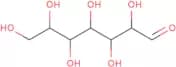
CAS:<p>L-Glycero-D-gluco-heptose is a hexadecanoic acid that is used as a synthetic intermediate. L-Glycero-D-gluco-heptose can be synthesized from benzyl alcohol and galactose in a two step process. The first step involves the esterification of benzyl alcohol with galactose to form an acetal, while the second step involves hydrolysis of this acetal to form L-Glycero-D-gluco-heptose. The chemical data for L-Glycero-D-gluco-heptose has been determined by gas chromatography (GC) and mass spectrometry (MS). GC allows for the separation and identification of fatty acids, oligosaccharides, and other organic compounds, which are then identified by MS.</p>Formula:C7H14O7Purity:Min. 95%Color and Shape:PowderMolecular weight:210.18 g/molMethyl 2-deoxy-2-fluoro-D-arabinofuranoside
CAS:<p>Methyl 2-deoxy-2-fluoro-D-arabinofuranoside is a fluorinated sugar that is used as a building block for the synthesis of oligosaccharides and polysaccharides. It is also used in click chemistry to modify saccharides. This product has been purified to > 98% purity, and is available with custom synthesis.</p>Formula:C6H11FO4Purity:Min. 95%Molecular weight:166.15 g/molHexyl 2-acetamido-2-deoxy-b-D-glucopyranoside
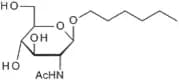
CAS:<p>Hexyl 2-acetamido-2-deoxy-b-D-glucopyranoside is a sugar that is used in the study of immune reactions. It can be used to measure albumin levels and tissue samples, as well as in animal experiments. Hexyl 2-acetamido-2-deoxy-b-D-glucopyranoside has been shown to have toxic effects on cells, which may be due to its ability to inhibit DNA concentrations. This substance also has a directional fluorescence, which means that it will emit light in one direction only when stimulated with light of a certain wavelength.</p>Formula:C14H27NO6Purity:Min. 95%Molecular weight:305.37 g/molMethyl-4-deoxy-a-L-threo-hex-4-enopyranosiduronic acid
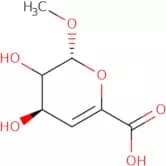
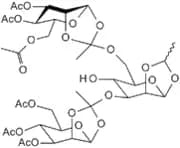
CAS:<p>Methyl-4-deoxy-a-L-threo-hex-4-enopyranosiduronic acid is a sugar that belongs to the group of complex carbohydrates. This compound is made up of a saccharide and a monosaccharide, which are glycosylated with other saccharides. Methylation and glycosylation of this molecule create an oligosaccharide. The structure of this molecule has been modified by fluorination, methylation, and glycosylation. This product is synthesized from raw materials, such as sugar.<br>Methyl - 4 - deoxy - a - L - threo - hex - 4 - enopyranosiduronic acid is used in Click modification reactions to modify the carbohydrate chain. This product is also used in the synthesis of various compounds with different functions, such as fluoroquinolones or antibiotics.</p>Formula:C7H10O6Purity:Min. 95%Molecular weight:190.15 g/mol3,6-Di-O-(3,4,6-tri-O-acetyl-b-D-mannopyranosylethylidyne)-1,2-O-ethylidene-b-D-mannopyranose
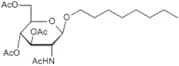
CAS:<p>3,6-Di-O-(3,4,6-tri-O-acetyl-b-D-mannopyranosylethylidyne)-1,2-O-ethylidene-b-D-mannopyranose is a synthetic glycoside that is used as an intermediate in the production of other compounds. It has been modified with fluorine to give it increased stability. This product is also known as 3,6:3',4',6'-di(1,2:1') ethylidene-.beta.-D-.mannopyranose and has CAS number 230963–26–5.</p>Formula:C37H52O23Purity:Min. 95%Molecular weight:864.79 g/molOctyl 2-acetamido-3,4,6-tri-O-acetyl-2-deoxy-b-D-glucopyranoside
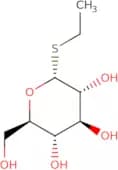
CAS:<p>Octyl 2-acetamido-3,4,6-tri-O-acetyl-2-deoxy-b-D-glucopyranoside is an antigen that is expressed in tumor tissue. It is a polynucleotide molecule that can be used for the diagnosis of cancer and autoimmune diseases. The octyl 2-acetamido-3,4,6-tri-O acetyl 2 deoxy b D glucopyranoside molecule is a programmable molecule that can be used to induce a specific phenotype in cells. Octyl 2 acetamido 3,4,6 tri O acetyl 2 deoxy b D glucopyranoside has been shown to be an effective antigen for the generation of CD8+ T cells.</p>Formula:C22H37NO9Purity:Min. 95%Molecular weight:459.53 g/molEthyl a-D-thioglucopyranoside
CAS:<p>Ethyl a-D-thioglucopyranoside is an organic compound that is used as a precursor in the synthesis of complex sugars. Ethyl a-D-thioglucopyranoside is an oligosaccharide that contains a methylated and glycosylated sugar. The glycosidic bond in this product can be modified by fluorination to give ethyl 2,3,4,5-tetrafluorothioglucopyranoside.</p>Formula:C8H16O5SPurity:Min. 95%Molecular weight:224.28 g/mol






![1,5-Anhydro-4,6-O-benzylidene-3-O-[2,4-dichlorophenyl]thiocarbonyloxy-2-O-toluoyl-D-glucitol](/_next/image/?url=https%3A%2Fstatic.cymitquimica.com%2Fproducts%2F3D%2Fthumb-webp%2FMA05714.webp&w=3840&q=75)