Glycoscience
Subcategories of "Glycoscience"
- Aminosugars(108 products)
- Glyco-Related Antibodies(283 products)
- Glycolipids(46 products)
- Glycosaminoglycans (GAGs)(55 products)
- Glycosides(419 products)
- Monosaccharides(6,619 products)
- Oligosaccharides(3,711 products)
- Polysaccharides(505 products)
Found 11027 products of "Glycoscience"
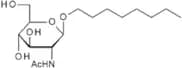
Octyl 2-acetamido-2-deoxy-b-D-glucopyranoside
CAS:Octyl 2-acetamido-2-deoxy-b-D-glucopyranoside is a lyotropic liquid that is flammable. It can be used to prepare potassium hydride, which is an organometallic. Potassium hydride reacts with organic acids and atorvastatin to produce argon gas. This reaction can be done in the presence of chlorine gas instead of air. Preparative methods for octyl 2-acetamido-2-deoxy-b-D-glucopyranoside include heating it in a vacuum or under argon gas and then reacting it with potassium tetrachlorocobaltate in water or ethanol solution.
Formula:C16H31NO6Purity:Min. 95%Molecular weight:333.42 g/mol3'-Sialyllactose-APD-HSA
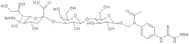
3'-Sialyllactose-APD-HSA is a complex carbohydrate with Oligosaccharide and Polysaccharide. It is a modification of saccharides, which are composed of monosaccharides or simple sugars. 3'-Sialyllactose-APD-HSA is a synthetic compound that has been modified by the addition of fluorine atoms to the sugar molecule. This modification prevents the sugar from being broken down by enzymes in the body and ensures that it remains intact until it reaches its target site. 3'-Sialyllactose-APD-HSA is used as a drug delivery system for cancer drugs, such as doxorubicin and paclitaxel.
Purity:Min. 95%Methyl a-D-altropyranoside
CAS:Methyl a-D-altropyranoside is an electrolyte solution that is used for the stabilization and selective separation of glycosides. It has been shown to be effective at diagnosing bacterial infections by selectively binding to glycosylated nucleotides. The methyl group on the molecule is necessary for this function, and therefore it cannot act as a glycosylated nucleotide in its own right. Methyl a-D-altropyranoside may be used to synthesize nucleotides with axial or equatorial configurations, which are not usually found in nature. The yields of these sequences can be increased using this compound.
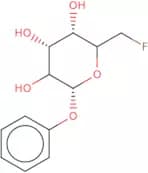
Formula:C7H14O6Purity:Min. 95%Molecular weight:194.18 g/molPhenyl 6-deoxy-6-fluoro-a-D-glucopyranoside
Phenyl 6-deoxy-6-fluoro-a-D-glucopyranoside is a modification of the natural sugar, deoxyglucose. It is an oligosaccharide with a complex carbohydrate structure that has been modified by methylation and glycosylation. This product is synthesized from monosaccharides, and it can be fluorinated or saccharided. Phenyl 6-deoxy-6-fluoro-a-D-glucopyranoside is used in the synthesis of polysaccharides.
Formula:C12H15FO5Purity:Min. 95%Molecular weight:258.24 g/mol1,4:3,6-Dianhydro- 2- O- methyl-D- glucitol
CAS:1,4:3,6-Dianhydro-2-O-methyl-D-glucitol is a modified sugar that belongs to the group of carbohydrates. It is synthesized by the modification of 1,4:3,6-dianhydro-2,5-diO-methyl D glucitol with methyl iodide and sodium methoxide. The compound is used in pharmaceuticals as an excipient and in cosmetics as a moisturizer. It has been shown to be effective against influenza A virus.
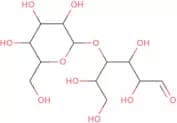
Formula:C7H12O4Purity:Min. 95%Molecular weight:160.17 g/mol4-Glucopyranosylmannose
CAS:4-Glucopyranosylmannose is a disaccharide compound, which is a synthetic carbohydrate derived from the enzymatic or chemical glycosylation processes. It consists of glucose and mannose units linked through a glycosidic bond. The compound is sourced through advanced synthetic methodologies involving specific glycosyltransferases or chemical catalysts that facilitate the precise attachment of these sugar moieties.
Formula:C12H22O11Purity:Min. 95%Molecular weight:342.3 g/molRef: 3D-QAA76161
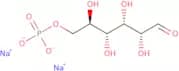
Discontinued productD-Glucose 6-phosphate, disodium salt
CAS:D-Glucose 6-phosphate, disodium salt is an antibiotic that is used to treat gram-negative bacterial infections. It binds to the bacterial ribosome and inhibits protein synthesis, which leads to cell death by inhibiting the production of proteins vital for cell division. This drug has been shown to be active against a wide range of bacteria, including resistant strains such as Escherichia coli and Salmonella typhimurium. D-Glucose 6-phosphate, disodium salt also has anti-inflammatory properties and can be used as an anti-bacterial agent in the treatment of typhoid fever.
Formula:C6H11O9Na2PMolecular weight:304.10 g/molDextran 70 - MW 64,000 to 76,000, EP
CAS:Complex glucan (a 1-6) from Leuconostoc spp.; extender in blood transfusions.
Purity:Min. 95%Ref: 3D-YD172635
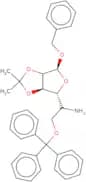
Discontinued productBenzyl 5-amino-5-deoxy-2,3-O-isopropylidene-6-O-trityl-a-L-gulofuranoside
Benzyl 5-amino-5-deoxy-2,3-O-isopropylidene-6-O-trityl-a-L-gulofuranoside is a custom synthesis of an Oligosaccharide. It is a complex carbohydrate that has been modified by methylation and glycosylation. The saccharide in this compound is a sugar and it has been fluorinated. This product is of high purity and has been synthesized using click chemistry.
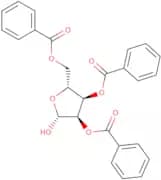
Formula:C35H37NO5Purity:Min. 95%Color and Shape:SolidMolecular weight:551.67 g/mol2,3,5-Tri-O-benzoyl-b-D-ribofuranose
CAS:2,3,5-Tri-O-benzoyl-b-D-ribofuranose is a custom synthesis of an oligosaccharide. It has been modified with fluorination and methylation. This is a synthetic carbohydrate that belongs to the class of saccharides. It has been synthesized from a monosaccharide and has glycosylation. The chemical formula for 2,3,5-Tri-O-benzoyl-b-D-ribofuranose is C10H14O7.
Formula:C26H22O8Purity:Min. 95%Molecular weight:462.45 g/molRef: 3D-MT63375
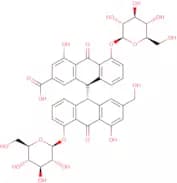
Discontinued productSennoside D
CAS:Sennoside D is a fatty acid that can be isolated from the sennosides found in the leaves of the plant Senna alata. It has been shown to have anti-tumor properties and may play a role in treating colon cancer, breast cancer, and skin cancer. Sennoside D has also been shown to be effective against autoimmune diseases such as arthritis, ulcerative colitis, and Crohn's disease. The low energy of this compound may be due to its formation rate. The hydroxide solution (NaOH) is used in the synthesis of this molecule because it binds with carbon dioxide molecules to form sodium bicarbonate and carbon dioxide gas which can then be captured by water. This process produces a high yield of sennoside D. In addition, the bound form of this molecule is soluble in organic solvents and insoluble in water, which makes it suitable for skin conditions as well as colon cancer treatments.
Purity:Min. 95%Color and Shape:SolidRef: 3D-MS74108
Discontinued product6-O-Benzyl-D-glucose
CAS:6-O-Benzyl-D-glucose is an aglycon of 6-O-benzylglycosides, which are synthesized from glucose by alkaline hydrolysis in the presence of silver oxide. The benzyl group can be removed by a variety of methods, including treatment with hydrogen chloride gas. 6-O-Benzyl-D-glucose has been used in research to demonstrate that carbohydrates have a common structural feature that can be identified by looking at their molecular structure. This molecule has also been used to study the synthesis and reactivity of benzyl groups.
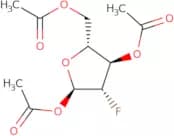
Formula:C13H18O6Purity:Min. 95%Molecular weight:270.28 g/mol1,3,5-Tri-O-acetyl-2-deoxy-2-fluoro-a-D-arabinofuranose
CAS:1,3,5-Tri-O-acetyl-2-deoxy-2-fluoro-a-D-arabinofuranose is a sugar that is modified with fluorine. It has been synthesized using the "click" reaction methodology and is available for custom synthesis. This synthetic sugar can be used in glycosylation reactions or as a monosaccharide or polysaccharide in complex carbohydrate click chemistry. This product is of high purity and can be modified with methyl groups or other functional groups to suit your needs.Formula:C11H15FO7Purity:Min. 95%Molecular weight:278.23 g/molRef: 3D-MT04737
Discontinued productClofibric acid acyl-b-D-glucuronide
CAS:Clofibric acid acyl-b-D-glucuronide is a reactive chemical species that has been shown to have genotoxic effects. It binds to DNA and forms covalent adducts, leading to mutations in the DNA sequence. Clofibric acid acyl-b-D-glucuronide is a metabolite of clofibrate, which is used for the treatment of hyperlipidemia and atherosclerosis. This metabolite can be detected in human blood, serum, and liver samples by GC/MS, with a limit of detection of 0.1 ng/mL (0.0003 µg/L).
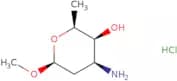
Formula:C16H19ClO9Purity:Min. 95%Molecular weight:390.77 g/molMethyl b-L-daunosaminide HCl
CAS:Methyl b-L-daunosaminide HCl is a glycoconjugate that has been custom synthesized by our team. It is a complex carbohydrate that has been modified with glycosylation and methylation groups. Methyl b-L-daunosaminide HCl is an oligosaccharide that contains multiple saccharides linked together in a specific order. It is also fluorinated at the C4 position, which makes it more stable in water. Methyl b-L-daunosaminide HCl has high purity, making it suitable for use in the modification of other compounds or as a research tool for studying glycosylations.
Formula:C7H15NO3·HClPurity:Min. 95%Molecular weight:197.66 g/molRef: 3D-MM04967
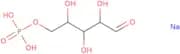
Discontinued productD-Ribulose-5-phosphate sodium
CAS:D-ribulose-5-phosphate sodium is a nucleotide sugar that is one of the ribonucleotides, which are fundamental components of RNA. D-ribulose 5-phosphate sodium has been shown to be an intermediate in the metabolism of ribulose and catalyzes the oxidation of d-arabinose. This enzyme also catalyses the synthesis of fatty acids and participates in reactions involving glycerolipids and phospholipids. The reaction mechanism involves a double displacement with simultaneous attack by a water molecule on C2' and C3'. When deuterium is present, it affects the rate of these reactions in a way that depends on the orientation of the substrate to the enzyme.
Formula:C5H11NaO8PPurity:Min. 95%Molecular weight:253.1 g/molRef: 3D-BDA05475
Discontinued productD-Allose-1,2,3,4,5,6-13C6
CAS:D-Allose is a sugar that is modified with a fluorine atom at position 6. This modification can be used to trace the origin of D-allose in complex carbohydrates such as glycogen and glycosylated proteins. The addition of a 13C6 atom allows for the identification of this sugar through mass spectrometry and nuclear magnetic resonance (NMR) analysis.
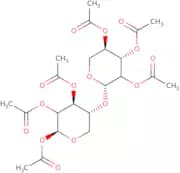
Formula:C6H12O6Purity:Min. 95%Color and Shape:White PowderMolecular weight:186.06 g/mol1,4-b-Xylobiose hexaacetate
CAS:1,4-b-Xylobiose hexaacetate is a sugar that is used in the glycosylation of complex carbohydrates. It can be synthesized from xylose and acetaldehyde by Methylation and Click modification. 1,4-b-Xylobiose hexaacetate has been fluorinated to give a stable product. This product is soluble in water, ethanol, acetone, DMF, DMSO and other organic solvents. It can also be used for methylation or polysaccharide synthesis. The CAS number for this compound is 58024-20-7.
Formula:C22H30O15Purity:Min. 95%Color and Shape:White PowderMolecular weight:534.46 g/molMyo-inositol-d6
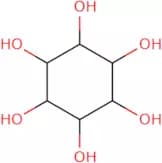
CAS:Myo-inositol-d6 is a stable isotope of myo-inositol. It is used to monitor the biosynthesis of myo-inositol in yeast cells. Myo-inositol is a carbohydrate that has regulatory functions in yeast cells. Myo-inositol-d6 can be used as an extracellular bioassay for determining the uptake and intracellular distribution of myo-inositol in mammalian cells.
Formula:C6H12O6Purity:Min. 95%Color and Shape:PowderMolecular weight:186.19 g/molRef: 3D-TCA92244
Discontinued productNefopam glucuronide
Nefopam is a compound that has been used as an analgesic and antipyretic. It is structurally related to the benzodiazepine class of drugs, but is not chemically equivalent to any other known drug. Nefopam has a low therapeutic index and can cause severe toxic effects in overdose. The most common adverse effects of nefopam are dizziness, drowsiness, headache, nausea and vomiting. An overdose can lead to death by respiratory paralysis or cardiac arrest.
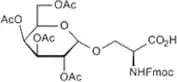
Formula:C23H27NO7Purity:Min. 95%Molecular weight:429.46 g/mol2,3,4,6-Tetra-O-acetyl-a-D-galactopyranosyl-Fmoc serine
CAS:2,3,4,6-Tetra-O-acetyl-a-D-galactopyranosyl-Fmoc serine is a custom synthesis that has been modified by fluorination and methylation. It is a monosaccharide with CAS No. 1351605-34-8 and Polysaccharide with Glycosylation and sugar Carbohydrate. This molecule has a complex carbohydrate structure with many glycosylation sites.Formula:C32H35NO14Purity:Min. 95%Molecular weight:657.62 g/molRef: 3D-MT09625
Discontinued producto-Topolin-9-glucoside
CAS:O-topolin-9-glucoside is a custom synthesis of a sugar. It can be modified with fluorination, methylation, and click modification. O-topolin-9-glucoside is an oligosaccharide sugar that can be glycosylated or polysaccharided.
Formula:C18H21N5O6Purity:Min. 95%Molecular weight:403.39 g/molMirabegron N-glucuronide
CAS:Mirabegron is a drug that is used to treat overactive bladder. Mirabegron N-glucuronide is the major metabolite of mirabegron, which has been shown to be excreted in urine. This metabolite can be detected using a validated assay and can be measured using a mass spectrometer. The concentration of mirabegron N-glucuronide in the blood sample was measured at various timepoints after administration of mirabegron. Pharmacokinetic studies were performed in humans and human liver tissue, giving information on how long it takes for the drug to reach its maximum concentration in the body and how long it stays there before being eliminated.
Purity:Min. 95%Ref: 3D-MM59497
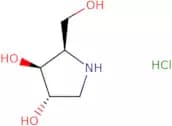
Discontinued product1,4-Dideoxy-1,4-imino-D-xylitol HCl
CAS:1,4-Dideoxy-1,4-imino-D-xylitol HCl (DDX) is a potent inhibitor of the enzyme carboxypeptidase A2. DDX has been shown to inhibit the growth of HIV in vitro and in vivo. DDX also inhibits the production of proinflammatory cytokines and neurotrophic factors from HL60 cells. It has been shown to be a potential drug target for the treatment of infectious diseases such as alphaviruses, which produce a severe neuroinvasive disease in humans. DDX binds to dna with high affinity and specificity, but does not bind to RNA or proteins. DDX inhibits mitochondrial membrane potential by binding to ATP synthase and blocking the synthesis of ATP. DDX has also been shown to have an anti-oxidative injury effect on mitochondria, which may contribute to its inhibition of viral replication.
Formula:C5H11NO3·HClPurity:Min. 95%Molecular weight:169.61 g/molRef: 3D-MD10116
Discontinued product3-O-Methyl-D-mannopyranose
CAS:3-O-Methyl-D-mannopyranose is a glycosidic compound with immunostimulating properties. It is an intermediate in the synthesis of 3,6-anhydro-N-acetylneuraminic acid and other related carbohydrates. The hydrolysis of this molecule yields silver trifluoromethanesulfonate, chloride, and low molecular weight material. 3-O-Methyl-D-mannopyranose can be used as a reagent for the preparation of high molecular weight material by ion exchange chromatography or by dehydrative coupling.
Formula:C7H14O6Purity:Min. 95%Molecular weight:194.18 g/molRef: 3D-MM159159
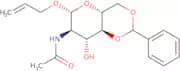
Discontinued productAllyl 2-acetamido-4,6-O-benzylidene-2-deoxy-b-D-glucopyranoside
CAS:Allyl 2-acetamido-4,6-O-benzylidene-2-deoxy-b-D-glucopyranoside is a synthetic compound that belongs to the class of carbohydrates. It is used as a reagent in sugar chemistry and glycosylation reactions. Allyl 2-acetamido-4,6-O-benzylidene-2-deoxy-b-D-glucopyranoside is also used for the modification of polysaccharides and fluorination reactions. This product has been shown to be effective as a substrate for site specific methylation reactions. Allyl 2 acetamido 4,6 O benzylidene 2 deoxy b D glucopyranoside has been tested in vitro against methicillin resistant Staphylococcus aureus (MRSA) with promising results.
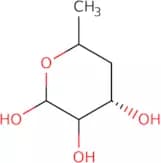
Formula:C18H23NO6Purity:Min. 95%Molecular weight:349.39 g/mol4-Deoxy-L-fucose
CAS:4-Deoxy-l-fucose is a molecule that has been found to inhibit the synthesis of gangliosides. It is an acetylated derivative of l-fucose and can be synthesized from ethyl 4-deoxy-D-glucuronate with the help of a multivorans enzyme. This molecule is metabolically unstable and reacts with oxygen to form a divalent alcohol that can be identified by magnetic resonance spectroscopy. 4-Deoxy-l-fucose inhibits the biosynthesis of gangliosides, which are important molecules in cell signaling, through its ability to inhibit enzymes such as acetyltransferase.
Formula:C6H12O4Purity:Min. 95%Color and Shape:White To Off-White SolidMolecular weight:148.16 g/molRef: 3D-MD03942
Discontinued productD-Ribose-2,3,4,5-13C4
CAS:D-Ribose-2,3,4,5-13C4 is a complex carbohydrate with saccharide units. It is synthesized by the chemical modification of D-ribose. This product can be used to modify or methylate glucose and other carbohydrates. It has been shown to inhibit the formation of amyloid plaques in Alzheimer's disease, which may be due to its ability to reduce nitric oxide and reactive oxygen species levels. The purity of this product is at least 98%.
Formula:C5H10O5Purity:Min. 95%Molecular weight:154.1 g/molRef: 3D-DUA50623
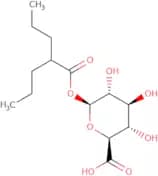
Discontinued productValproic acid b-D-glucuronide
CAS:Controlled ProductValproic acid b-D-glucuronide is a drug that belongs to the group of anticonvulsants. Valproic acid b-D-glucuronide inhibits the activity of glutamate, which is an excitatory neurotransmitter in the brain. It also causes irreversible inhibition of GluCl channels and increases diastolic pressure. Valproic acid b-D-glucuronide has been shown to have anti-inflammatory properties, as it reduces the production of prostaglandins and cytokines. The drug has been used in animal models to study pain perception and chronic pain syndromes such as bone cancer or metabolic disorders. Valproic acid b-D-glucuronide also blocks GABA receptors, causing increased levels of gamma aminobutyric acid (GABA) and dopamine. The drug has been shown to induce a state of deep sleep in rats that are deprived from REM sleep for three weeks.
Formula:C14H24O8Purity:Min. 95%Color and Shape:PowderMolecular weight:320.34 g/molRef: 3D-MV16889
Discontinued product2,3,4,6-Tetra-O-benzoyl-b-D-glucopyranosyl isothiocyanate
CAS:2,3,4,6-Tetra-O-benzoyl-b-D-glucopyranosyl isothiocyanate (TBG) is a fluorescent compound that has been shown to inhibit the activity of proteinase and other enzymes. TBG is also an inhibitor of human blood glucose levels. This compound is not chiral, but it can be used as a reagent for the production of chiral compounds. TBG binds to DNA with high affinity and specificity. It has been shown to act as a growth factor for some cancer cells by inhibiting the expression of p21 protein.
Formula:C35H27NO9SPurity:Min. 95%Molecular weight:637.66 g/molRef: 3D-MT05028
Discontinued productMethyl 1-(5-fluoro-1H-2-oxopyrimidin-4-yl)-b-D-glucopyranuronate
CAS:Methyl 1-(5-fluoro-1H-2-oxopyrimidin-4-yl)-b-D-glucopyranuronate is an anticancer drug that inhibits β-glucuronidase. Methyl 1-(5-fluoro-1H-2-oxopyrimidin-4-yl)-b-D-glucopyranuronate is a colorless solid that has been recrystallized, purified, and analyzed for its chloride content. The function of this compound has been tested in vitro using tissue cultures and animal models. The reaction vessel used for the test was an acetonitrile solution with a pH between 7 and 8. The methylester form of methyl 1-(5-fluoro-1H--2--oxopyrimidin 4--yl)-b--D--glucopyranuronate reacts with sulphite to produce a green product with a colorimetric method
Formula:C11H13FN2O8Purity:Min. 95%Molecular weight:320.23 g/molUDP-β-D-glucose sodium
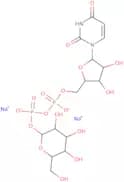
CAS:UDP-β-D-glucose sodium is an oligosaccharide that can be used to synthesize glycoproteins and glycolipids. UDP-β-D-glucose sodium is a synthetic compound that contains one β-D-glucose moiety, which is attached to the molecule via a β-(1→4) linkage. This product can be custom synthesized and modified to suit customer needs. It has been shown to have high purity, chemical stability, and good solubility in water. The synthesis of UDP-β-D-glucose sodium has been modified by click chemistry to produce a variety of different products with new properties.
Formula:C15H22N2Na2O17P2Purity:Min. 95%Color and Shape:PowderMolecular weight:610.27 g/molRef: 3D-HAA33333
Discontinued productAmitriptilyne N-b-D-glucuronide
Amitriptilyne N-b-D-glucuronide is a fluorinated, monosaccharide that is used in synthetic oligosaccharides and polysaccharides. This product can be custom synthesized to meet customer specifications. Amitriptilyne N-b-D-glucuronide is an oligosaccharide with a complex carbohydrate structure. It can be modified by glycosylation, methylation, and click chemistry. The CAS number for this product is 122470-06-8. The sugar content of this product ranges from 98% to 99%. The purity of this product is greater than 99%.
Purity:Min. 95%Ref: 3D-MA163654
Discontinued product4-O-(α-L-Fucopyranosyl)-D-galactopyranose
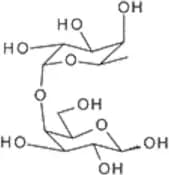
CAS:4-O-(a-L-Fucopyranosyl)-D-galactopyranose is a glycosidic sugar that has an alpha-1,3 linkage and a galactose residue. The sequence of this sugar is the same as that of D-galactose. 4-O-(a-L-Fucopyranosyl)-D-galactopyranose belongs to the group of carbohydrates. It is found in plants, animals, or fungi and can be used as a precursor for the synthesis of many other compounds.
Formula:C12H22O10Purity:Min. 95%Color and Shape:PowderMolecular weight:326.3 g/molb-Cyclodextrin dihydrogen phosphate, sodium salt
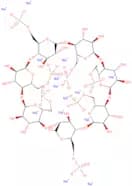
CAS:This beta-cyclodextrin (β-CD) derivative is a functionalized cyclic oligosaccharide composed of seven glucose units, characterized by a hydrophilic exterior and a lipophilic cavity (bigger than α-CD and smaller than γ-CDs), which allows it to encapsulate various guest molecules. This structural feature facilitates its use in multiple applications, including pharmaceuticals, food enhancement, and cosmetics. In the pharmaceutical industry, it enhances the solubility and stability of poorly water-soluble drugs, improving their bioavailability and efficacy while also masking unpleasant tastes. The food sector utilizes it as a stabilizer for flavors, colors, and nutrients, extending shelf life by protecting sensitive ingredients from degradation. In cosmetics, it serves as a complexing agent for fragrances and active components, ensuring their stability and controlled release. Its use expands to many other fields, including nanotechnology for drug delivery systems, environmental remediation for extracting organic pollutants, textiles for slow-release fragrances, and analytical chemistry for chiral separation.
Formula:C42H70O35Purity:Min. 95%Molecular weight:1,134.98 g/molRef: 3D-OC34948
Discontinued productUDP-2-ketopropyl-a-D-galactose
UDP-2-ketopropyl-a-D-galactose is a synthetic compound that belongs to the group of oligosaccharides. It is an excellent candidate for glycosylation, methylation, and click modification. The product has a CAS number, which provides high purity and custom synthesis. The product is also a complex carbohydrate with a variety of modifications.
Purity:Min. 95%2-epi-(-)-emtricitabine
CAS:2-epi-(-)-emtricitabine is an analog of the nucleoside cytidine, which inhibits the phosphorylation and subsequent degradation of deoxycytidine kinase, thereby blocking the production of the viral DNA polymerase. The compound also inhibits tyrosine kinases, which are enzymes that play a vital role in cell signaling. This inhibition may contribute to its antiviral activity. 2-epi-(-)-emtricitabine has been shown to inhibit human immunodeficiency virus (HIV) replication in vitro and in vivo. It is a prodrug that is converted to emtricitabine, its active form, by deoxycytidine kinase and then hydrolyzed by esterases. 2-epi-(-)-emtricitabine has been shown to be effective against hepatitis B virus and cancer cells.
Formula:C8H10FN3O3SPurity:Min. 95%Molecular weight:247.25 g/molRef: 3D-ME16711
Discontinued product(2R,3R,4S,5R,6S)-3,4,5-Trihydroxy-2-hydroxymethyl-7,9-diaza-1-oxa-spiro[4,5]decane-10-one-8-thione
CAS:(2R,3R,4S,5R,6S)-3,4,5-Trihydroxy-2-hydroxymethyl-7,9-diaza-1-oxa-spiro[4,5]decane-10-one-8-thione is a custom synthesis of a polysaccharide. It has been modified to include fluorination and methylation. The monosaccharides present are glucose and galactose. This polysaccharide also has a saccharide linkage to an oligosaccharide that contains glycosylation sites for sugar groups.
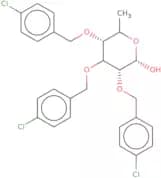
Formula:C8H12N2O6SPurity:Min. 95%Molecular weight:264.26 g/mol2,3,5-Tri-O-p-chlorobenzyl-L-fucopyranoside
CAS:2,3,5-Tri-O-p-chlorobenzyl-L-fucopyranoside is a modified sugar and an effective inhibitor of the glycosidase enzymes. It has been shown to inhibit the synthesis of glycogen in vitro. 2,3,5-Tri-O-p-chlorobenzyl-L-fucopyranoside is a major component of commercially available agarose gel electrophoresis buffers and is also used for modification of proteins by click chemistry. The compound can be custom synthesised with a high degree of purity and can be fluorinated for use in mass spectrometry.
Formula:C27H27Cl3O5Purity:Min. 95%Molecular weight:537.86 g/molD-Arabino-5-hexulosonic acid
CAS:D-Arabino-5-hexulosonic acid is an intermediate in the pentose phosphate pathway. It is a component of the hexuronate, which is an important precursor for galactitol, 6-phosphate, and acid dehydrogenase. D-Arabino-5-hexulosonic acid is also an important intermediate in the glycolytic pathway for ATP production. The gene product has been shown to be involved in aerobic glycolysis, which is utilized by Staphylococcus aureus to produce energy from glucose fermentation. D-Arabino-5-hexulosonic acid plays a role in ion exchange and mitochondrial metabolism as well.
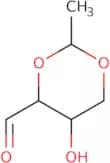
Formula:C6H10O7Purity:Min. 95%Molecular weight:194.14 g/mol2,4-O-Ethylidene-D-erythrose
CAS:2,4-O-Ethylidene-D-erythrose is a trimerization product of glyoxal and acetaldehyde. It is an aldehyde that can be used as a precursor to other compounds. The hydrated form of 2,4-O-ethylidene-D-erythrose has been rationalized by the mesoxalic acid and water molecules to form the trimer. This compound can be produced from the glycolaldehyde and sulfoxide in an oxidation reaction with hydrogen peroxide. The acetylation of 2,4-O-ethylidene-D-erythrose produces isoxazolidines which are stereoselective.
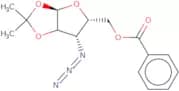
Formula:C6H10O4Purity:Min. 95%Molecular weight:146.14 g/mol3-Azido-5-O-benzoyl-3-deoxy-1,2-O-isopropylidene-a-D-ribofuranose
3-Azido-5-O-benzoyl-3-deoxy-1,2-O-isopropylidene a D-ribofuranose (3ABI) is a synthetic monosaccharide that can be synthesized via a custom synthesis. 3ABI is an oligosaccharide that has the ability to modify glycosylation and polysaccharide synthesis. The fluorination of this sugar provides it with high purity and stability. 3ABI has been shown to have a CAS number of 44793-23-2.
Formula:C15H17N3O5Purity:Min. 95%Molecular weight:319.31 g/molRef: 3D-MA08750
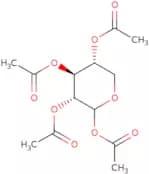
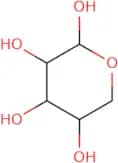
Discontinued product1,2,3,4-Tetra-O-acetyl-D-xylopyranose
CAS:1,2,3,4-Tetra-O-acetyl-D-xylopyranose is a molecule that is derived from D-xylose. It has been shown to inhibit the growth of fungi such as T. rubrum and L. candidum by acetylation of l-threonine at the C2 position. This molecule can be recycled and its inhibitory activity can be increased through acetylation of the hydroxymethyl group on the C4 position. The mechanism of inhibition is not known but it may be due to steric hindrance or peracylation.
Formula:C13H18O9Purity:Min. 95%Molecular weight:318.28 g/molRef: 3D-MT04869
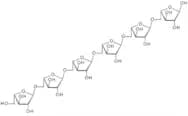
Discontinued product1,5-α-L-Arabinohexaose
CAS:1,5-α-L-Arabinohexaose is a carbohydrate. It is a nonreducing sugar that can be found in plants. 1,5-α-L-Arabinohexaose has an optimum pH of 5 and an ethanol concentration of 0.02%. The enzyme form of 1,5-α-L-Arabinohexaose is α-(1→6)-glycosidase. This enzyme hydrolyzes the α-(1→6) glycosidic bond between two glucose residues in a polysaccharide chain to produce β-(1→4) bonds. It also hydrolyzes the β-(1→4) glycosidic bond between two galactose residues to produce β-(1→2) bonds and oxidizes the terminal carbon atom to produce aldehyde products.
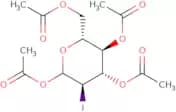
A structural analysis of this carbohydrate was conducted using marine microorganisms and it was found that they contain galacturonic acid and sugar residuesFormula:C30H50O25Purity:Min. 95%Color and Shape:PowderMolecular weight:810.7 g/mol1,3,4,6-Tetra-O-acetyl-2-deoxy-2-iodo-a-D-glucopyranose
CAS:1,3,4,6-Tetra-O-acetyl-2-deoxy-2-iodo-a-D-glucopyranose is a sugar molecule that is used to measure the efficiency of glycosidases. It has been shown to be an efficient site-specific inhibitor for glycosidases and analogues. This compound has been shown to inhibit the activity of glycoconjugates and glycan synthesis by interfering with the binding sites on enzymes such as endoglycosidase H. 1,3,4,6-Tetra-O-acetyl-2-deoxy-2-iodo-(1→4)-a-[alpha]-D-[beta]-D-[alpha]-glucopyranoside is an analog of this compound that can be used in place of it for specific purposes.Formula:C14H19IO9Purity:Min. 95%Molecular weight:458.2 g/molRef: 3D-MT10328
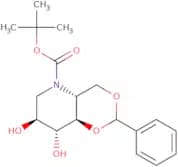
Discontinued product4,6-O-Benzylidene-N-Boc-1,5-imino-D-glucitol
CAS:Methylation is a chemical reaction that transfers a methyl group to an organic molecule. It is one of the most common modifications in organic chemistry and can be used to synthesize saccharides and oligosaccharides, as well as to modify polysaccharides. This compound is a glycosylated benzylidene-N-Boc-1,5-imino-D-glucitol, which has been modified by Click chemistry. It was synthesized from 4,6-O-benzylidene-N-Boc-1,5-imino-D-mannitol with a custom synthesis protocol. The final product has high purity and is available for purchase at CAS No. 133697-16-2.
Formula:C18H25NO6Purity:Min. 95%Molecular weight:351.39 g/mol1,2,3,5-Tetra-O-acetyl-D-ribofuranose
CAS:1,2,3,5-Tetra-O-acetyl-D-ribofuranose is a dietary supplement that can be found in the form of palladium complexes. This compound has been shown to have anti-inflammatory properties and may be effective against cancer cells. 1,2,3,5-Tetra-O-acetyl-D-ribofuranose is an acetylated pyridazine derivative with antimicrobial and antibacterial effects. It has also been shown to inhibit the synthesis of purines and pyrimidines by cleaving the 6th carbon from ribose. 1,2,3,5-Tetra-O-acetyl-D-ribofuranose is synthesized by chlorination of 2,6-, 3-, 5-, or 7-(chloropurinomethyl)pyridine with mercuric chloride or nitrosyl chloride. The cleavage products are hydroxyl group
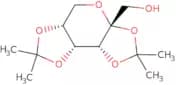
Purity:Min. 95%Psicose diacetonide
CAS:Psicose diacetonide is a synthetic, custom-synthesized carbohydrate. It is a complex carbohydrate that is made of saccharides and has been modified to have a fluorinated monosaccharide. Psicose diacetonide is an oligosaccharide with a high purity and has been methylated and glycosylated.
Purity:Min. 95%3-Pyridinylmethylbeta-D-glucopyranoside
CAS:3-Pyridinylmethylbeta-D-glucopyranoside is a sugar that can be custom synthesized. It is a white to off-white crystalline powder with an odorless taste and is soluble in water. 3-Pyridinylmethylbeta-D-glucopyranoside is used in the synthesis of glycosides, saccharides, oligosaccharides, and monosaccharides. This compound can also be modified with fluorination or methylation reactions. The use of this product has been shown to produce high purity compounds for use in pharmaceuticals, agrochemicals, and other chemical industries.
Formula:C12H17NO6Purity:Min. 95%Molecular weight:271.27 g/molRef: 3D-FP152934
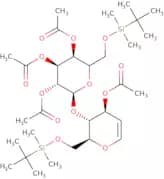
Discontinued product3,2',3',4'-Tetra-O-acetyl-6,6'-di-O-tert-butyldimethylsilyl-lactal
CAS:3,2',3',4'-Tetra-O-acetyl-6,6'-di-O-tert-butyldimethylsilyl-lactal is a glycosylation agent that can be used in the synthesis of oligosaccharides and polysaccharides. It can be fluorinated to create a reactive site for methylation and click modification. 3,2',3',4'-Tetra-O-acetyl-6,6'-di-O-tert-butyldimethylsilyl-lactal is an acetylated lactal with a silyl ether protecting group. This product has been custom synthesized and is available in high purity.
Purity:Min. 95%












![(2R,3R,4S,5R,6S)-3,4,5-Trihydroxy-2-hydroxymethyl-7,9-diaza-1-oxa-spiro[4,5]decane-10-one-8-thione](/_next/image/?url=https%3A%2Fstatic.cymitquimica.com%2Fproducts%2F3D%2Fthumb-webp%2FMT01909.webp&w=3840&q=75)