


Glycoscience
Glycoscience is the study of carbohydrates and their derivatives, as well as the interactions and biological functions they participate in. This field of research is crucial for understanding a wide variety of biological processes, including cell recognition, signaling, immune response, and disease development. Glycoscience has important applications in biotechnology, medicine, and the development of new drugs and therapies. At CymitQuimica, we offer a wide selection of high-quality, high-purity products for glycoscience research. Our catalog includes monosaccharides, oligosaccharides, polysaccharides, glycoconjugates, and specific reagents, designed to support researchers in their studies on the structure, function, and applications of carbohydrates in biological systems. These resources are intended to facilitate scientific discoveries and practical applications in various areas of bioscience and medicine.
Subcategories of "Glycoscience"
- Aminosugars(108 products)
- Glyco-Related Antibodies(282 products)
- Glycolipids(46 products)
- Glycosaminoglycans (GAGs)(55 products)
- Glycosides(419 products)
- Monosaccharides(6,624 products)
- Oligosaccharides(3,682 products)
- Polysaccharides(503 products)
Found 11046 products of "Glycoscience"
Sort by
Purity (%)
0
100
|
0
|
50
|
90
|
95
|
100
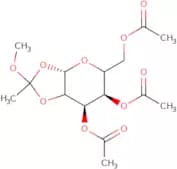
3,4,6-Tri-O-acetyl-b-D-mannopyranose 1,2-(methyl orthoacetate)
CAS:<p>3,4,6-Tri-O-acetyl-b-D-mannopyranose 1,2-(methyl orthoacetate) is a glycosylation product that is used in the synthesis of oligosaccharides. 3,4,6-Tri-O-acetyl-b-D-mannopyranose 1,2-(methyl orthoacetate) is synthesized by the reaction of 3,4,6-triacetyl b D mannopyranose with methyl orthoacetate in aqueous solution containing an acid catalyst. This compound can be used to modify saccharides and complex carbohydrates. It is also used in click chemistry to create modified sugars. The molecular weight of this compound ranges from 200 to 600 grams per mole and it has a CAS number of 4435 05 6.</p>Formula:C15H22O10Purity:Min. 95%Color and Shape:PowderMolecular weight:362.33 g/mol5-Amino-3-β-D-ribofuranosylthiazolo[4,5-d]pyrimidin-2,7(3H,6H)-dione
CAS:<p>5-Amino-3-β-D-ribofuranosylthiazolo[4,5-d]pyrimidin-2,7(3H,6H)-dione (ATZ) is a prodrug that is converted to the active drug ATZ. ATZ has been shown to be effective against hepatitis C virus in vitro assays and in vivo in animal models. It inhibits viral replication by inhibiting the protein synthesis of the virus and its ability to replicate. ATZ also has been shown to be effective against infectious diseases such as herpes simplex virus, inflammatory diseases such as rheumatoid arthritis, and cancer. The drug is an oral prodrug that must be activated by intestinal bacteria before it can be absorbed into the bloodstream. It is chemically stable and does not undergo significant metabolism after being absorbed into the body.</p>Formula:C10H12N4O6SPurity:Min. 95%Color and Shape:PowderMolecular weight:316.29 g/molN-[(4'-Methoxyphenyl)-1-propenyl]imino-2,3,4,6-tetra-O-pivaloyl-D-glucopyranoside
<p>4-Methoxybenzaldehyde (4-MB) is an organic compound that is a simple aromatic aldehyde. It can be used to synthesize a variety of biologically active molecules, including saccharides and other carbohydrates. The synthesis of 4-MB starts with the direct oxidation of benzyl alcohol using hydrogen peroxide in the presence of a persulfate catalyst. The resulting 4-hydroxybenzaldehyde is then converted into 4-methoxybenzaldehyde by reaction with sodium hydroxide in methanol. This process produces high purity 4-methoxybenzaldehyde and avoids the use of toxic chromium reagents, which are required for the classical method for its preparation.</p>Formula:C36H53NO10Purity:Min. 95%Molecular weight:659.81 g/mol6-Deoxy-L-allose
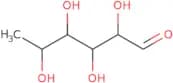
CAS:<p>6-Deoxy-L-allose is a sugar that belongs to the class of carbohydrates. It is synthesized by chemoenzymatic methods and can be used in the synthesis of glycoconjugates. 6-Deoxy-L-allose has been shown to inhibit acid phosphatase, a key enzyme involved in phosphate group metabolism, by competitive inhibition. This synthetic sugar has also been used as an immobilizing agent for enzymes such as glycosidases and phosphatases.</p>Formula:C6H12O5Purity:Min. 95%Color and Shape:SolidMolecular weight:164.16 g/molN- [(3R, 4S, 5R, 6S) - 4, 5- Dihydroxy- 6- (hydroxymethyl) - 3- piperidinyl] -acetamide
CAS:<p>N- [(3R, 4S, 5R, 6S) - 4, 5- Dihydroxy- 6- (hydroxymethyl) - 3- piperidinyl] -acetamide is a fluorinated N-acyl derivative of an aminomethyl oxazolidinone. It is synthesized by the reaction of acetamide with 5-(hydroxymethyl)-3-(piperidin-4-yloxy)oxazolidine and bromofluoride. The product was purified by column chromatography to yield a white solid. The purity of the final product was checked by HPLC and found to be 99%.</p>Purity:Min. 95%1,3:2,4-Bis(O-benzylidene)-D-sorbitol
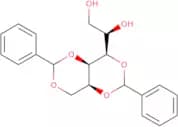
CAS:<p>1,3:2,4-Bis(O-benzylidene)-D-sorbitol is a hydrogenated derivative of sorbitol. It is used in fatty acid devices and as a surfactant in hydrogenation reactions. 1,3:2,4-Bis(O-benzylidene)-D-sorbitol is an acidic compound that has a low molecular mass and is soluble in water. It reacts with magnesium oxide to form the corresponding magnesium salt. This derivative is also used in silicone residue removal and as an activated organic base.</p>Formula:C20H22O6Color and Shape:White PowderMolecular weight:358.39 g/mol5-Azido-5-deoxy-2,3-O-isopropylidene-1-C-phenyl-L-lyxofuranose
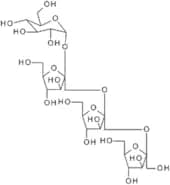
<p>5-Azido-5-deoxy-2,3-O-isopropylidene-1-C-phenyl-L-lyxofuranose is a fluorinated monosaccharide that can be synthesized by the reaction of 5 azidoacetone with 5 deoxyribose in the presence of sodium hydroxide. This compound is used for glycosylation, polysaccharide modification, and click chemistry. It is also used as a sugar source in the preparation of oligosaccharides and complex carbohydrates. 5 Azido-5 deoxy -2,3 O isopropylidene -1 C phenyl L L lyxofuranose has CAS number 8068635-52-8.</p>Purity:Min. 95%D-Cellopentose heptadecaacetate
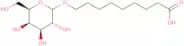
CAS:D-Cellopentose heptadecaacetate is a fluorinated, monosaccharide that is synthesized from the sugar cellobiose. It is an oligosaccharide and a complex carbohydrate with one of its glycosidic bonds modified by methylation. D-Cellopentose heptadecaacetate has been shown to be effective in inhibiting glycosylation reactions and can be used as a sugar substitute or for custom synthesis. This product has been shown to have high purity and is available at CAS No. 83058-38-2.Formula:C64H86O43Purity:Min. 95%Color and Shape:White to off-white solid.Molecular weight:1,543.34 g/mol9-(b-D-Galactopyranose)-nonanoic acid
CAS:<p>9-(b-D-Galactopyranose)-nonanoic acid is a custom synthesis, modification and fluorination of a methylated monosaccharide in the form of an oligosaccharide. This synthetic compound is polysaccharide with a carbohydrate group at one end, which can be modified to be glycosylated or saccharified. It has been shown to have anti-inflammatory properties, which may be due to its ability to inhibit prostaglandin synthesis.</p>Formula:C15H28O8Purity:Min. 95%Color and Shape:SolidMolecular weight:336.38 g/molNystose
CAS:<p>A short chain isomer of inulin</p>Formula:C24H42O21Purity:Min. 98 Area-%Color and Shape:White Off-White PowderMolecular weight:666.58 g/mol[1S- (1a, 2a, 8a, 8ab) ] -2, 3, 8, 8a-Tetrahydro- 1, 2, 8- trihydroxy-5(1H) - indolizinone
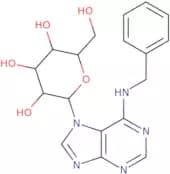
CAS:<p>Methylation of the C-2' and C-8a positions of a 2,3,8,8a tetrahydroindolizinone derivative affords a methylated saccharide. A fully fluorinated analogue is obtained by performing a click modification on the C-2' position. The methylated saccharide has been used in the synthesis of oligosaccharides and glycosylations. This product is high purity and custom synthesis.</p>Formula:C8H11NO4Purity:Min. 95%Molecular weight:185.18 g/molN6-Benzyladenine-7-glucoside
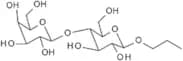
CAS:<p>N6-Benzyladenine-7-glucoside is a benzyladenine derivative that is the major precursor of dihydrozeatin, an important plant growth regulator. N6-Benzyladenine-7-glucoside has been shown to be a potent inhibitor of the uptake of radioactive n6-benzyladenine in tobacco leaves. It also inhibits the uptake of radioactive adenine and guanine in tabacum l. explants and tissues. The compound can inhibit cell division by interfering with hormonal treatments that promote growth and development. The inhibition of cell division may be due to interference with the auxin transport system in plants, which leads to decreased levels of endogenous auxins and growth regulators, such as cytokinins, gibberellins, abscisic acid, and ethylene.</p>Formula:C18H21N5O5Purity:Min. 95%Color and Shape:PowderMolecular weight:387.39 g/molN-Propyl β-lactoside
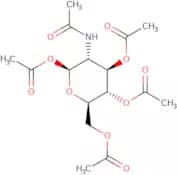
CAS:<p>N-Propyl b-lactoside is a synthetic sugar that belongs to the group of complex carbohydrates. It is a modification on the saccharide that is made by methylation, glycosylation and carbonylation. N-Propyl b-lactoside is synthesized from the monosaccharides glucose, galactose and fructose with the help of click chemistry. This product has high purity, fluorination and synthetic properties.</p>Formula:C15H28O11Purity:Min. 95%Molecular weight:384.38 g/mol2-Acetamido-1,3,4,6-tetra-O-acetyl-2-deoxy-b-D-glucopyranose
CAS:<p>Promotes hyaluronic acid production; synthetic building block</p>Formula:C16H23NO10Purity:Min. 98 Area-%Color and Shape:PowderMolecular weight:389.36 g/mol3-Deoxy-1,2-O-isopropylidene-5-p-toluoyl-a-D-glycero-pent-3-enofuranose
CAS:<p>3-Deoxy-1,2-O-isopropylidene-5-p-toluoyl-a-D-glycero-pent-3-enofuranose is a modified sugar that is synthesized by click chemistry. The chemical modification of this sugar consists of fluorination and glycosylation. This compound has been used in the synthesis of complex carbohydrates. 3 Deoxy 1,2 O isopropylidene 5 p toluoyl a D glycero pent 3 enofuranose has CAS No. 75096 63 8. This product can be used as a replacement for fluorescein in many applications because it fluoresces under UV light.</p>Purity:Min. 95%1,3,4,6-Tetra-O-acetyl-2-deoxy-2-fluoro-D-glucopyranose
CAS:<p>1,3,4,6-Tetra-O-acetyl-2-deoxy-2-fluoro-D-glucopyranose is a sugar that can be used as a starting material for the synthesis of other sugars. It has been shown to crystallize in a number of different forms, including monoclinic and hexagonal crystals. Crystals are grown from solvents such as silver nitrate or chloride. The molecule has three stereoisomers, which are mirror images of each other. These isomers have different chemical properties and react differently with various substances. This property can be utilized to synthesize desired compounds with desired functionalities.</p>Formula:C14H19FO9Purity:Min. 95 Area-%Color and Shape:PowderMolecular weight:350.29 g/molDaunorubicinol-D3
<p>Daunorubicinol-D3 is a synthetic drug that is a fluorinated analogue of daunorubicin. It has been designed to be more stable and resistant to degradation in the body, as well as being resistant to the drug's own metabolism. Daunorubicinol-D3 is used in the treatment of leukemia, lymphoma, and other cancers. This drug is a large molecule that contains many sugars or saccharides including an oligosaccharide and polysaccharide. The modification of this molecule includes methylation, click chemistry modifications, and fluorination. Daunorubicinol-D3 has high purity with a low level of impurities such as monosaccharides, sugars, or synthetic compounds.</p>Purity:Min. 95%UDP-6-deoxy-6-fluoro-D-glucose
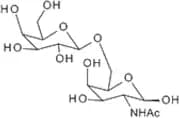
CAS:<p>UDP-6-deoxy-6-fluoro-D-glucose is a chemical compound that is an intermediate in glucosyltransferase and 4 epimerase reactions. UDP-6-deoxy-6-fluoro-D-glucose is used in the enzymatic synthesis of oligosaccharides, which are important to the biology of E. coli. The structure of this compound has been determined by X ray crystallography, revealing that it is a beta anomer. UDP-6 deoxy 6 fluoro D glucose also shows promiscuity with other enzymes, such as kinases, and can be used as a substrate for profiling.</p>Purity:Min. 95%2-Acetamido-2-deoxy-6-O-(b-D-galactopyranosyl)-D-galactopyranose
CAS:<p>2-Acetamido-2-deoxy-6-O-(b-D-galactopyranosyl)-D-galactopyranose is a model organism that is used in the study of virus replication. It is a substrate for viral glycosylation and has been shown to be involved in mammalian cell growth. 2-Acetamido-2-deoxy-6-O-(b-D-galactopyranosyl)-D-galactopyranose is an iron oxide and it can be used as a contrast agent for magnetic resonance imaging (MRI) or computed tomography (CT). The gene product has not yet been identified, but it has been shown to be involved in fatty acid metabolism and cancer. This molecule also plays a role in the life cycle of some infectious diseases, such as influenza A virus.</p>Formula:C14H25NO11Purity:Min. 95%Color and Shape:White PowderMolecular weight:383.35 g/molb-D-Glucose - 95%
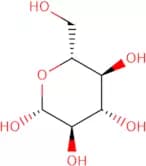
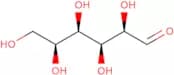
CAS:<p>B-D-glucose is a monosaccharide with the molecular formula C6H12O6. It is the major form of glucose in plants, and is one of the simplest carbohydrates. B-D-glucose is synthesized by photosynthesis in plants and used as an energy source for cellular respiration. The hydroxyl group of b-D-glucose reacts with p-hydroxybenzoic acid to form a new compound called glucopyranosiduronic acid. The hydroxyl group also reacts with sodium citrate to form sodium hydrogen citrate. This reaction can be used to measure the concentration of b-D-glucose in an unknown solution using high performance liquid chromatography (HPLC). B-D-glucose has been shown to have antidiabetic activity, as it improves insulin sensitivity, reduces blood glucose levels, and decrease body mass index (BMI) in animal models. A model system</p>Formula:C6H12O6Purity:Min. 95 Area-%Color and Shape:PowderMolecular weight:180.16 g/mol6'-a-Sialyl-N-acetyllactosamine-PAA-biotin
<p>6'-a-Sialyl-N-acetyllactosamine-PAA-biotin is a biotin labelled sialyllactose. PAA - poly-N-(2-hydroxyethyl)acrylamide. The MW of PAA is ca 20,000DaSugar content: ca 10 mol%</p>Purity:Min. 95 Area-%Color and Shape:Off-White PowderMethyl 2,3,4-tri-O-benzyl-6-O-tert-butyldimethylsilyl-a-D-glucopyranoside
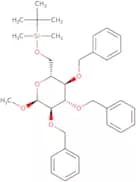
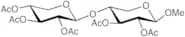
CAS:<p>Methyl 2,3,4-tri-O-benzyl-6-O-tert-butyldimethylsilyl-a-D-glucopyranoside is a glycosylation product of the glucopyranoside. It is a highly pure compound that is custom synthesized to suit the specific needs of customers. The synthesis includes fluorination, methylation and monosaccharide modification. This product has been shown to be useful in click chemistry and protein glycosylation studies.</p>Formula:C34H46O6SiPurity:Min. 95%Molecular weight:578.83 g/molMethyl β-xylobioside penta-O-acetate
CAS:<p>Methyl β-xylobioside penta-O-acetate is a methyl glycoside of xylobiose</p>Formula:C21H30O14Purity:Min. 95%Color and Shape:PowderMolecular weight:506.45 g/mol(2R, 3S, 4R, 5S) -3,4-O-Isopropylidene-2- methyl-3, 4, 5- piperidinetriol
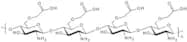
<p>(2R, 3S, 4R, 5S) -3,4-O-Isopropylidene-2- methyl-3, 4, 5- piperidinetriol is a fluorinated carbohydrate that is synthesized through a click reaction. It has been shown to have potent anti-inflammatory properties and inhibit tumor cell proliferation. This compound may be used in the treatment of cancer or inflammatory diseases. (2R, 3S, 4R, 5S) -3,4-O-Isopropylidene-2-methyl-3,4,5-piperidinetriol is also a complex carbohydrate containing oxygenated functional groups on C1 and C6. It has been shown to bind to the enzyme 2',3'-cyclic nucleotide 3'-phosphodiesterase (CNP), which affects the production of inflammatory mediators such as prostaglandins and leukotrienes.</p>Purity:Min. 95%Carboxymethyl chitosan
CAS:<p>Carboxymethyl chitosan has good solubility in water and unique chemical, physical and biological properties such as high viscosity, large hydrodynamic volume, low toxicity, biocompatibility and good ability to form films, fibres and hydrogels. For this reason, it has been extensively used in many biomedical fields such as a moisture-retention agent, bactericide, wound dressing agent, in artificial bone and skin, as blood anticoagulant and as a component in different drug delivery matrices. The reactive ligands COOH and NH2 groups are available for metal chelation and dye binding.</p>Color and Shape:White PowderMaltulose monohydrate
CAS:Occurs by epimerisation of maltose and transglucosylationFormula:C12H22O11·H2OPurity:Min. 95%Color and Shape:White PowderMolecular weight:360.32 g/mol(1S) -1- [(2S, 3R) - 3- Hydroxy- 1- ((4-methoxyphenyl)methyl) - 2- azetidinyl] -1, 2- ethanediol
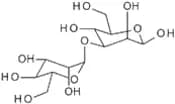
<p>(1S) -1- [(2S, 3R) - 3- Hydroxy- 1- ((4-methoxyphenyl)methyl) - 2- azetidinyl] -1, 2- ethanediol is a synthetic monosaccharide. It can be used in the synthesis of oligosaccharides and glycosylations. Click modification, methylation, and fluorination are all possible modifications for this product. The CAS number for this item is 52634-73-0.</p>Purity:Min. 95%3-O-(a-D-Mannopyranosyl)-D-mannopyranose
CAS:<p>Isolated from the products of the acid reversion of D-mannose</p>Formula:C12H22O11Purity:Min. 95 Area-%Color and Shape:White PowderMolecular weight:342.3 g/molα1,3-Galactobiosyl β-methyl glycoside
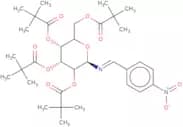
a1,3-Galactobiosyl b-methyl glycoside is a fluorinated saccharide that possesses the same chemical structure as N-acetylgalactosamine. It has been synthesized by click modification with methyl iodide and methyl bromoacetate. The synthesis of this compound was achieved by glycosylation of galactose with 1,3-diiodo-2,2'-bithiopropane followed by methylation of the resulting glycosylation product with methyl bromoacetate to form the desired compound. This carbohydrate can be used in a variety of applications including anti-inflammatory drugs, antibiotics, and cancer treatments.Formula:C13H24O11Purity:Min. 95%Color and Shape:White/Off-White SolidMolecular weight:356.32 g/molN-(4-Nitrobenzyliden)imino-2,3,4,6-tetra-O-pivaloyl-D-glucopyranoside
<p>N-(4-Nitrobenzyliden)imino-2,3,4,6-tetra-O-pivaloyl-D-glucopyranoside is a synthetic saccharide that is modified with fluorine atom. This compound is a monosaccharide that has been synthesized from the carbohydrate D-glucopyranose. The molecular weight of this compound is 437.5 g/mol and it has CAS No. 105380-10-1. The purity of this compound is 98%. N-(4-Nitrobenzyliden)imino-2,3,4,6-tetra-O-pivaloyl D glucopyranoside is a high purity carbohydrate that can be custom synthesized in methylated and glycosylated form.</p>Formula:C33H48N2O11Purity:Min. 95%Molecular weight:648.74 g/molDextran sulfate sodium salt - MW 40,000
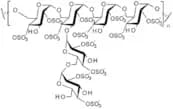
CAS:<p>Dextran sulphate is a dextran derivative whose ulcer (colitis) -causing properties were first reported in hamsters and extrapolated a few years later to mice and rats. The exact mechanisms through which dextran sulphate induces intestinal inflammation are unclear but may be the result of direct damage of the monolayer of epithelial cells in the colon, leading to the crossing of intestinal contents (e.g., commensal bacteria and their products) into underlying tissue and therefore induction of inflammation. The dextran sulphate sodium induced ulceration model in laboratory animals has some advantages when compared to other animal models of colitis, due to its simplicity and has many similarities to human inflammatory bowel disease.</p>Color and Shape:Off-White PowderZymosan A (from Saccharomyces cerevisiae)
CAS:Zymosan is prepared from the cell walls of baker's yeast (Saccharomyces cerevisiae) and consists of polysaccharide chains of various molecular weights, containing approximately 73% polysaccharide, 15% protein, 7% lipid and other inorganic components. When injected into animals, it induces inflammation and has been used for many years in inflammation and immunology research. The conditions activated include components of the complement system, prostaglandins and leukotrienes, platelet aggregation factor, and lysosomal enzymes. Zymosan preparations are often insoluble but can be made soluble for separation on DE cellulose or Sepharose to produce more active fractions.Ethyl 2,3-di-O-benzyl-4,6-O-benzylidene-b-D-thiogalactopyranoside
<p>Ethyl 2,3-di-O-benzyl-4,6-O-benzylidene-b-D-thiogalactopyranoside (BBDTG) is an oligosaccharide that is a sugar with a complex carbohydrate. It has been modified using the Click reaction and a custom synthesis to add fluorine atoms. This product is high purity and can be used in various applications, such as glycosylation or methylation.</p>Purity:Min. 95%3,4-Di-O-acetyl-2,6-di-O-(3,4,6-tri-O-acetyl-2-deoxy-2-phthalimido-β-D-glucopyranosyl)-α-D-mannopyranose
<p>3,4-Di-O-acetyl-2,6-di-O-(3,4,6-tri-O-acetyl-2-deoxy-2-phthalimido-b-D-glucopyranosyl)-a-D mannopyranose is a modification of the carbohydrate oligosaccharide. It is a custom synthesis that has high purity and CAS number. The structure of the molecule is an Oligosaccharide with a Carbohydrate. This molecule is an example of a complex carbohydrate. The monosaccharide in this compound is glucose and it has been methylated and glycosylated. This molecule also has a polysaccharide sugar which can be fluorinated or saccharided.</p>Formula:C50H54N2O26Purity:Min. 95%Molecular weight:1,098.96 g/molb-D-glucan-from oat
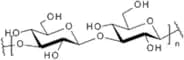
CAS:<p>Oat β-glucans are water-soluble β-glucans derived from the endosperm of oat kernels, which contain β-1,3 and β-1,4 linkages. They are known for cholesterol lowering and hypoglycemic properties, as well as their use in various cosmetic applications. Recent research has shown their potential application in immunomodulation and wound healing.</p>Purity:Min. 90%Color and Shape:White Powder2-Azido-2-deoxy-3,4-O-isopropylidene-L-lyxonic acid methyl ester
<p>2-Azido-2-deoxy-3,4-O-isopropylidene-L-lyxonic acid methyl ester is a custom synthesis, modification, fluorination and methylation of a monosaccharide. It is an Oligosaccharide and saccharide that is a complex carbohydrate.</p>Purity:Min. 95%2,6-di-O-methyl-3-O-n-pentyl-γ-cyclodextrin
<p>This gamma-cyclodextrin (γ-CD) derivative is a modified cyclic oligosaccharide composed of eight glucose units, featuring a larger cavity size than α- and β-cyclodextrins. This structural characteristic allows γ-CDs to form inclusion complexes with a wider range of guest molecules, making it particularly versatile in various industries. In the food sector, it is used as a carrier and stabilizer for flavors, fat-soluble vitamins, and polyunsaturated fatty acids, protecting volatile compounds from evaporation. In pharmaceuticals, it enhances the solubility and bioavailability of poorly water-soluble drugs and, thanks to its larger ring size, allows for the encapsulation of larger molecules or even entire drug molecules. γ-CDs and derivatives are also used for environmental remediation and, in analytical chemistry, for the extraction and concentration of target substances.</p>Formula:C104H192O40Purity:Min. 95%Molecular weight:2,082.61 g/molp-Lacto-N-hexaose
CAS:Neutral hexasasaccharide naturally present in human breast milkFormula:C40H68N2O31Purity:Min. 95%Color and Shape:PowderMolecular weight:1,072.96 g/molMethyl 3- Deoxy- 3- fluoro-b- D- xylopyranoside
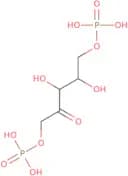
CAS:<p>Methyl 3-Deoxy-3-fluoro-b-D-xylopyranoside is a modification of the natural monosaccharide D-xylose. It is a synthetic molecule that has been modified with fluorine substituents. Methyl 3-Deoxy-3-fluoro-b-D-xylopyranoside can be used as a saccharide in the synthesis of complex carbohydrates. This reagent is supplied as a white powder and can be used in glycosylation reactions to modify the carbohydrate moiety.</p>Formula:C6H11FO4Purity:Min. 95%Molecular weight:166.15 g/molD-Ribulose 1,5-bisphosphate sodium hydrate
CAS:<p>D-ribulose 1,5-bisphosphate sodium hydrate (DRBP) is a naturally occurring sugar that is found in plants. It is synthesized by the action of ribulose bisphosphate carboxylase on ribulose 1,5-bisphosphate, with ATP as a cofactor. DRBP has been shown to be an important intermediate in many biochemical pathways and enzymes. DRBP has been shown to inhibit HIV replication in vitro by binding to the enzyme reverse transcriptase and blocking its activity. As an inhibitor of HIV replication, DRBP is activated by a number of factors including p-nitrophenyl phosphate (pNPP), and the presence of hydrogen bond donors such as ATP or NADP+. This chemical also inhibits protease activity and increases the transport rate for D-ribulose 1,5-bisphosphate.</p>Formula:C5H12O11P2•Nax•(H2O)yPurity:Min. 95%Color and Shape:PowderMolecular weight:310.09 g/mol2,3,5-Tri-O-benzyl-1,4-dideoxy-1,4-epithio-D-arabinitol
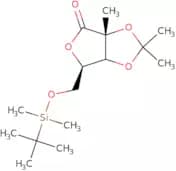
CAS:<p>2,3,5-Tri-O-benzyl-1,4-dideoxy-1,4-epithio-D-arabinitol is a compound that belongs to the family of thiosugars. It has been isolated from a variety of plant sources and has been shown to have inhibitory activity against the growth of bacteria. 2,3,5-Tri-O-benzyl-1,4-dideoxy-1,4 epithio D arabinitol inhibits bacterial growth by binding to the enzyme formate dehydrogenase and thereby prevents the formation of formate. This compound also inhibits salacinol and thiosugar synthesis in extracts of plants such as Salacia reticulata. 2,3,5 Tri O Benzyl 1,4 dideoxy 1 4 epithio D arabinitol is also found in the Ayurvedic medicine water extract known as voglibose.</p>Formula:C26H28O3SPurity:Min. 95%Molecular weight:420.56 g/mol5-O-tert-Butyldimethylsilyl-2,3-O-isopropylidene-2-C-methyl-D-ribono-1,4-lactone
CAS:<p>5-O-tert-Butyldimethylsilyl-2,3-O-isopropylidene-2-C-methyl-D-ribono-1,4-lactone is a synthetic glycoside with a fluorinated methyl group. The compound is used for the modification of complex carbohydrates. This product is characterized by its high purity, custom synthesis and click modification.</p>Formula:C15H28O5SiPurity:Min. 95%Molecular weight:316.47 g/mol2-Azido-2-deoxy-3,4-O-isopropylidene-6-O-toluenesulfonyl-L-idonic acid methyl ester
<p>2-Azido-2-deoxy-3,4-O-isopropylidene-6-O-toluenesulfonyl-L-idonic acid methyl ester is a synthetic sugar that has the CAS number of 2147690. It is a modified saccharide that can be used for glycosylation and click chemistry. This product is also available in custom synthesis, high purity, and fluorination.</p>Purity:Min. 95%Methyl N-Benzyl-3-fluoro-2,3,4-trideoxy-2,4-imino-a-L-ribopyranoside
<p>Methyl N-Benzyl-3-fluoro-2,3,4-trideoxy-2,4-imino-a-L-ribopyranoside is a fluorinated monosaccharide that is synthesized from an oligosaccharide. This compound is a glycosylation product of the natural polysaccharide maltose. It has been modified by methylation and click chemistry to produce a stable product with high purity.<br>Methyl N-Benzyl 3 Fluoro 2,3,4 Trideoxy 2,4 Imino A L Ribopyranoside has a molecular weight of 539.62 and is soluble in water at 25°C. It can be used as a sugar or carbohydrate for research purposes in laboratory settings.</p>Purity:Min. 95%Chitohexaose 6HCl
CAS:<p>Nematode glycan mediating activation of macrophages</p>Formula:C36H68N6O25·6HClPurity:Min. 95 Area-%Color and Shape:White PowderMolecular weight:1,203.73 g/molL-Idose - Aqueous solution
CAS:<p>L-Idose is an aqueous solution of dextrose and anhydrous dextrose. It is a carbohydrate that provides energy to the body. L-Idose can be used to minimize the effects of certain organisms, such as bacteria, yeast, and fungi. It also helps to maintain blood glucose levels in people with diabetes by providing a source of glucose for their metabolism. L-Idose can be found in fruits and other foods that contain carbohydrates, such as breads, cereals, pastas, rice, potatoes, pasta sauces, chips, and crackers.</p>Formula:C6H12O6Purity:Min. 98 Area-%Color and Shape:Colorless Clear LiquidMolecular weight:180.16 g/mol(1R) -1- [(2S, 3S) - N-Methyl-3- hydroxy- 1- azetidinyl] -1, 2- ethanediol
<p>(1R) -1- [(2S, 3S) - N-Methyl-3- hydroxy- 1- azetidinyl] -1, 2- ethanediol is a synthetic sugar that is used in the manufacture of other chemical compounds. It has a CAS number of 93908-06-6 and can be custom synthesized to fit your needs. This product is highly pure and can be modified with methylation or glycosylation. The synthesis of this product can be done with click chemistry.</p>Purity:Min. 95%Maltodextrin - dextrose equivalent 16.5-19.5
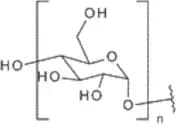
CAS:<p>Produced from starch by partial hydrolysis. White hygroscopic spray-dried powder, easily digestible, either moderately sweet or almost flavorless (depending on the degree of polymerisation).</p>Color and Shape:White PowderD-Altrose
CAS:<p>D-Altrose is an alpha-hydroxy acid that is synthesized from D-arabinose and trifluoroacetic acid. It has been shown to be a substrate for the synthesis of oligosaccharides, which are important in carbohydrate chemistry. This molecule can also be used as a reagent in the preparation of carbohydrates with a specific configuration at C2. One use of this product is in generating analytical methods that can distinguish between D-altrose and D-arabinose by monitoring the ratio of hydrogen fluoride to carbonyl group signals. D-Altrose may also be used in asymmetric synthesis, where it is a useful chiral building block for the construction of galacturonic acid derivatives.</p>Formula:C6H12O6Purity:Min. 98 Area-%Color and Shape:White PowderMolecular weight:180.16 g/mola-D-[UL-13C6]Glucose-1-phosphate dipotassium salt hydrate
CAS:a-D-[UL-13C6]Glucose-1-phosphate dipotassium salt hydrate is a kinetic and structural analysis of the glucose phosphate metabolic pathway. It has been used to study biochemical properties of the glucose phosphate metabolic pathway, and to study the control mechanisms for this process. Specifically, it has been used to determine kinetic parameters that are necessary for understanding glucose metabolism. This compound has also been used to study hydrogen bonding interactions between monoclonal antibodies and ganoderma lucidum and transfer reactions of immobilized enzymes. The pH optimum for this compound is 4.5, and it can be synthesized from solanum tuberosum.Formula:C6H11K2O9P·xH2OPurity:Min. 95%Color and Shape:PowderMolecular weight:342.27 g/mol

![5-Amino-3-β-D-ribofuranosylthiazolo[4,5-d]pyrimidin-2,7(3H,6H)-dione](/_next/image/?url=https%3A%2Fstatic.cymitquimica.com%2Fproducts%2F3D%2Fthumb-webp%2FXEA97040.webp&w=3840&q=75)
![N-[(4'-Methoxyphenyl)-1-propenyl]imino-2,3,4,6-tetra-O-pivaloyl-D-glucopyranoside](/_next/image/?url=https%3A%2Fstatic.cymitquimica.com%2Fproducts%2F3D%2Fthumb-webp%2FMM08498.webp&w=3840&q=75)
![N- [(3R, 4S, 5R, 6S) - 4, 5- Dihydroxy- 6- (hydroxymethyl) - 3- piperidinyl] -acetamide](/_next/image/?url=https%3A%2Fstatic.cymitquimica.com%2Fproducts%2F3D%2Fthumb-webp%2FMD163561.webp&w=3840&q=75)

![[1S- (1a, 2a, 8a, 8ab) ] -2, 3, 8, 8a-Tetrahydro- 1, 2, 8- trihydroxy-5(1H) - indolizinone](/_next/image/?url=https%3A%2Fstatic.cymitquimica.com%2Fproducts%2F3D%2Fthumb-webp%2FMT163925.webp&w=3840&q=75)


![(1S) -1- [(2S, 3R) - 3- Hydroxy- 1- ((4-methoxyphenyl)methyl) - 2- azetidinyl] -1, 2- ethanediol](/_next/image/?url=https%3A%2Fstatic.cymitquimica.com%2Fproducts%2F3D%2Fthumb-webp%2FMM163533.webp&w=3840&q=75)







![(1R) -1- [(2S, 3S) - N-Methyl-3- hydroxy- 1- azetidinyl] -1, 2- ethanediol](/_next/image/?url=https%3A%2Fstatic.cymitquimica.com%2Fproducts%2F3D%2Fthumb-webp%2FMM163409.webp&w=3840&q=75)

![a-D-[UL-13C6]Glucose-1-phosphate dipotassium salt hydrate](/_next/image/?url=https%3A%2Fstatic.cymitquimica.com%2Fproducts%2F3D%2Fthumb-webp%2FMG64091.webp&w=3840&q=75)