Glycoscience
Glycoscience is the study of carbohydrates and their derivatives, as well as the interactions and biological functions they participate in. This field of research is crucial for understanding a wide variety of biological processes, including cell recognition, signaling, immune response, and disease development. Glycoscience has important applications in biotechnology, medicine, and the development of new drugs and therapies. At CymitQuimica, we offer a wide selection of high-quality, high-purity products for glycoscience research. Our catalog includes monosaccharides, oligosaccharides, polysaccharides, glycoconjugates, and specific reagents, designed to support researchers in their studies on the structure, function, and applications of carbohydrates in biological systems. These resources are intended to facilitate scientific discoveries and practical applications in various areas of bioscience and medicine.
Subcategories of "Glycoscience"
- Aminosugars(108 products)
- Glyco-Related Antibodies(282 products)
- Glycolipids(46 products)
- Glycosaminoglycans (GAGs)(55 products)
- Glycosides(419 products)
- Monosaccharides(6,622 products)
- Oligosaccharides(3,682 products)
- Polysaccharides(503 products)
Found 11041 products of "Glycoscience"
Sort by
Purity (%)
0
100
|
0
|
50
|
90
|
95
|
100
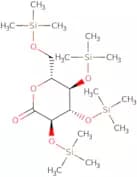
2,3,4,6-Tetra-O-trimethylsilyl-D-glucono-1,5-lactone
CAS:<p>2,3,4,6-Tetra-O-trimethylsilyl-D-glucono-1,5-lactone is a synthetic building block which has been used to prepare C-glucosides via the nucleophilic addition of a suitably functionalised aryllithium reagent, followed by a triethylsilane reduction. Notable examples of this include the synthesis of C-glycoside intermediates which have been further elaborated to afford canagliflozin, bexagliflozin and dapagliflozin which inhibit sodium-dependant glucose co-transporter 2 (SGLT2) and are of interest as antidiabetic agents.</p>Formula:C18H42O6Si4Purity:Min. 95%Color and Shape:Colorless Clear LiquidMolecular weight:466.86 g/molD-Lactal
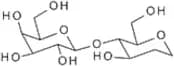
CAS:<p>D-Lactal is a dibutyltin oxide that is used in the synthesis of n-acetyllactosamine, disaccharides and trisaccharides. D-Lactal has been shown to have high resistance to chloride ion, which is one of the most common reagents for cleavage. It can also be used as a synthetic precursor for other glycoside derivatives by reacting with triflic acid or trisaccharide. Triflic acid and trisaccharide react with chloride to form a stereoselective glycosidic bond. D-Lactal is also able to bind lectins, carbohydrate chemistry and carbohydrate chemistry reagents.</p>Formula:C12H20O9Purity:Min. 95%Color and Shape:White/Off-White SolidMolecular weight:308.28 g/mol1,3-O-Benzylidene-D-arabitol
CAS:<p>1,3-O-Benzylidene-D-arabitol is a methylated sugar that is used in the synthesis of complex carbohydrates. It is produced by the modification of a 1,3-O-benzylidene-D-ribitol. It has a CAS number of 70831-50-4 and can be custom synthesized to meet your needs. This product is available in high purity with a 99% yield.</p>Formula:C12H16O5Purity:Min. 95%Color and Shape:White/Off-White SolidMolecular weight:240.25 g/mol1,3-O-Benzylidene-4-O-t-butyl-dimethylsilyl-D-threitol
CAS:<p>1,3-O-Benzylidene-4-O-t-butyl-dimethylsilyl-D-threitol is a synthetic carbohydrate that is structurally similar to D-threitol. It has a molecular weight of 323.07 and it has a melting point of 210°C. The CAS number for this compound is 652979-92-5. This compound has been modified with fluorination, methylation, and click chemistry. 1,3-O-Benzylidene-4-O-t -butyl dimethylsilyl D threitol has been used as a substrate for glycosylation reactions with oligosaccharides and polysaccharides in order to produce complex carbohydrates.</p>Formula:C17H28O4SiPurity:Min. 95%Molecular weight:324.49 g/mol4-Azido-4,6-dideoxy-2,3-O-isopropylidene-L-talono(L-gulono)-1.5-lactone
<p>4-Azido-4,6-dideoxy-2,3-O-isopropylidene-L-talono(L-gulono)-1.5 lactone is a high purity synthetic carbohydrate. It is a custom synthesis and can be fluorinated, glycosylated, methylated or modified to meet your specifications. It has CAS number 1263289-75-9. This product is an oligosaccharide with a saccharide repeating unit of 3 to 7 units. The monosaccharides are D and L glucose and the oligosaccharides are D and L maltose. The complex carbohydrate is composed of one or more glycans linked by glycosidic bonds. This product is a sugar that consists of one or more monosaccharides with at least one hexose (D or L) and at least one pentose (D or L).</p>Purity:Min. 95%L-Fructose
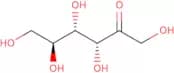
CAS:<p>L-Fructose is a non-reducing sugar that is found in many plants, including honey and fruits. It plays an important role in energy metabolism, as it can be converted to L-glyceraldehyde 3-phosphate by the enzyme aldolase. L-Fructose has also been used in the synthesis of oligosaccharides and other carbohydrates. The analytical method for determining L-fructose involves hydrolysis with acid followed by measurement of the released hydrogen peroxide. The cell culture technique can be used to measure the growth of bacteria that contain fructose as their sole carbon source.</p>Formula:C6H12O6Purity:90%Color and Shape:White PowderMolecular weight:180.16 g/mol2,4-Dideoxy-2,4-difluoro-D-glucose
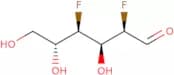
CAS:<p>2,4-Dideoxy-2,4-difluoro-D-glucose is a fluorinated glucose analog that has been synthesized to be used as an imaging agent for positron emission tomography (PET) and single photon emission computed tomography (SPECT). It is labeled with fluorine-18 and can be metabolically incorporated into the cellular glycolytic pathway. 2,4-Dideoxy-2,4-difluoro-D-glucose emits positrons that are detected by PET or SPECT cameras. The incorporation of 2,4-dideoxy-2,4-difluoro--D--glucose into the glycolytic pathway allows it to be used as a marker for positron emission tomography.</p>Formula:C6H10F2O4Purity:Min. 95%Color and Shape:PowderMolecular weight:184.14 g/mol2’-(N-Hexadecanoylamino)-4’-nitrophenyl-β-D-galactopyranoside
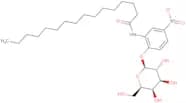
CAS:<p>2’-(N-Hexadecanoylamino)-4’-nitrophenyl-b-D-galactopyranoside is a synthetic substrate that is used to diagnose and monitor brain diseases. It can be used in the diagnosis of Alzheimer's disease by measuring the amount of amniotic fluid that leaks into the brain. The rate of hydrolysis of this substrate has been shown to be higher in patients with Alzheimer's disease than in healthy controls. This synthetic substrate is also useful for monitoring the activity of taurocholate galactohydrolase, which is an enzyme that breaks down bile salts and plays a role in cholesterol metabolism. The rate of hydrolysis has been found to be increased in patients with Parkinson's disease, but not in those with Alzheimer's disease or healthy controls. 2’-(N-Hexadecanoylamino)-4’-nitrophenyl-b-D-galactop</p>Formula:C28H46N2O9Purity:Min. 95%Color and Shape:PowderMolecular weight:554.67 g/molThiocellobiose
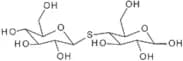
CAS:<p>Competitive inhibitor of β-glucosidase from Streptomyces sp. and Paenibacillus polymyxa, occupying enzyme’s aglycone-binding site. The compound is also a potent inducer of cellulase and other lignin-degrading enzymes in Schizophyllum commune.</p>Formula:C12H22O10SPurity:Min. 95%Color and Shape:Off-White PowderMolecular weight:358.36 g/mol3-Deoxy-3-fluoro-D-galactitol
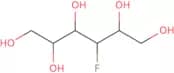
CAS:<p>3-Deoxy-3-fluoro-D-galactitol is a fluorinated sugar that is synthesized through the use of glycosylation and fluorination. This product can be used as a raw material for the production of oligosaccharides, polysaccharides, and other complex carbohydrates. It can also be used in custom synthesis and click modification. The CAS number for this product is 1241800-31-6.</p>Formula:C6H13FO5Purity:Min. 95%Molecular weight:184.16 g/molmuco-Inositol
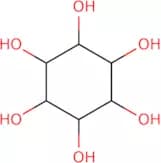
CAS:<p>Muco-Inositol is a compound that is involved in the metabolism of glucose, lipid and protein. It can be synthesized from myo-inositol and plays an important role in the synthesis of phosphatidylinositols. Muco-Inositol has been shown to inhibit enzyme activities in a wild type strain of E. coli. This inhibition may be due to its ability to bind to the active site of these enzymes, thereby inhibiting their activity. Muco-Inositol also inhibits the growth of ovarian cancer cells, as well as myo-inositol levels in maternal blood.</p>Formula:C6H12O6Purity:Min. 95%Color and Shape:PowderMolecular weight:180.16 g/molGM2-Oligosaccharide
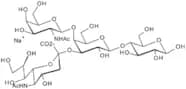
<p>GM2-oligosaccharide (sodium salt) is a trisaccharide (GalNAcβ1,4Galβ1,4Glc) with sialic acid linked α2,3 to the central galactose residue (Ledeen, 2009). The parent GM2 ganglioside is present on neuronal cells and plays a key role in the regulation of dendritogenesis in cortical pyramidal neurons. In lysosomal storage disorders, such as, Tay-Sachs and Sandhoff disease, where hexosaminases A and B are deficient, GM2 ganglioside accumulates in the nervous system (Cachon-Gonzalez, 2018). GM2 ganglioside is also overexpressed in melanomas and other tumours of neuro-ecto origin (Yoshida, 2020). Moreover, the sugar moiety of GM2 ganglioside is a receptor allowing viral infection of cells with reovirus and rotavirus (Zhu, 2018).</p>Formula:C31H51N2O24NaPurity:Min. 95%Color and Shape:PowderMolecular weight:858.73 g/mol2'-O-Fucosyllactulose
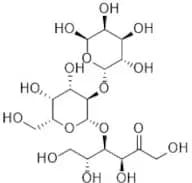
CAS:<p>2'-O-Fucosyllactulose is a modified carbohydrate that has been synthesized from a natural source. It is an oligosaccharide that contains the monosaccharide, fucose. This product can be used in the synthesis of polysaccharides and glycosylation reactions. 2'-O-Fucosyllactulose has been methylated, fluorinated, and glycosylated, which makes it suitable for use as a sugar in biotechnology applications.</p>Formula:C18H32O15Purity:Min. 90 Area-%Color and Shape:PowderMolecular weight:488.44 g/molPeptidoglycan - from Staphylococcus aureus
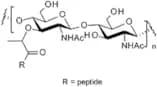
CAS:<p>The sugar component consists of alternating residues of β-(1,4) linked N-acetylglucosamine and N-acetylmuramic acid. A peptide chain of three to five amino acids is attached to the N-acetylmuramic acid. The peptide chain can be cross-linked to the peptide chain of another strand forming the 3D mesh-like layer.</p>Color and Shape:Powder5-O-tert-Butyldimethylsilyl-N-cyanomethyl-1,4-dideoxy-1,4-imino-2,3-O-isopropylidene-D-ribitol
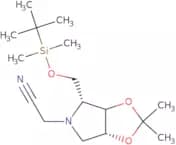
CAS:<p>5-O-tert-Butyldimethylsilyl-N-cyanomethyl-1,4-dideoxy-1,4-imino-2,3-O-isopropylidene--D ribitol is a fluorinated glycosylation product of 5-(O-(tertbutyldimethylsilyl)cyanomethyl)-1,4 dihydroxy imino 2,3 O isopropylidene D ribitol. It is a high purity complex carbohydrate that can be synthesized by click modification of 5-(O-(tertbutyldimethylsilyl)cyanomethyl)-1,4 dihydroxy imino 2,3 O isopropylidene D ribitol with ethynyltrifluoroborate and osmium tetroxide. This compound has CAS No. 577978-59-7.</p>Formula:C16H30N2O3SiPurity:Min. 95%Molecular weight:326.51 g/mol2-Deoxystreptamine dihydrobromide
CAS:<p>Streptamine derivative; antibiotic agent</p>Formula:C6H14N2O3·2HBrPurity:Min. 95%Color and Shape:PowderMolecular weight:324.01 g/mol(3S, 4R) -3- (Hydroxymethyl) - 3, 4- pyrrolidinediol
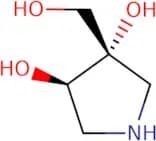
CAS:<p>(3S, 4R) -3- (Hydroxymethyl) - 3, 4- pyrrolidinediol is a synthetic sugar molecule that is used in the synthesis of polysaccharides and oligosaccharides. It can be modified with fluorination, methylation, or glycosylation. This product has a purity of 99% or higher.</p>Formula:C5H11NO3Purity:Min. 95%Molecular weight:133.15 g/molN-Acetylneuraminyl-(a2-3)-D-galactopyranosyl-(b1-3)-[N-acetylneuraminyl-(a2-6)]-D-N-acetylgalactosaminyl serine
<p>N-Acetylneuraminyl-(a2-3)-D-galactopyranosyl-(b1-3)-[N-acetylneuraminyl-(a2-6)]-D-N-acetylgalactosaminyl serine is a high purity oligosaccharide that is custom synthesized. It undergoes Click modification and fluorination to give it a specific structure.</p>Formula:C39H64N4O29Purity:Min. 95%Molecular weight:1,052.94 g/molMethyl 2,3,4-tri-O-benzoyl-6-O-trityl-a-D-glucopyranoside
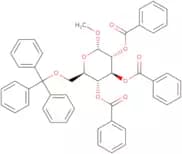
CAS:<p>Methyl 2,3,4-tri-O-benzoyl-6-O-trityl-a-D-glucopyranoside is a synthetic compound that has been modified. This modification includes the addition of fluorine at the 6th carbon on the right side of the molecule. The methylation and tritylation of the molecule have also been performed to create a new product with a better stability. Methyl 2,3,4-tri-O-benzoyl-6-O-trityl-aDglucopyranoside can be used as a monosaccharide or oligosaccharide in glycosylation reactions. It can also be used as an intermediate in the synthesis of complex carbohydrate molecules.</p>Formula:C47H40O9Purity:Min. 95%Molecular weight:748.84 g/mol1-Octen-3-ol glucoside
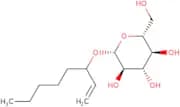
CAS:<p>1-Octen-3-ol glucoside is a synthetic, fluorinated sugar that is modified with glycosylation, methylation, and click chemistry. It contains a high degree of purity and is custom synthesized to order. This product can be used as a substitute for other sugars in the production of oligosaccharides, saccharides, and polysaccharides.<br>1-Octen-3-ol glucoside has been shown to have various modifications including glycosylation, methylation, and click chemistry. It is often used when there are restrictions on the types of sugars that can be used in the synthesis of complex carbohydrates.</p>Formula:C14H26O6Purity:Min. 95%Color and Shape:PowderMolecular weight:290.35 g/molXylitol
CAS:<p>Xylitol is a sugar alcohol that can be found in some plants, including berries and corn husks. It is also produced by the body during normal metabolism. Xylitol has been shown to have antimicrobial properties against aerobacter aerogenes, a bacterium that inhabits the human gastrointestinal tract. Xylitol inhibits bacterial growth by binding to glucose-6-phosphate dehydrogenase, which prevents the conversion of glucose into energy for cell growth and reproduction. Xylitol also affects the water balance of cells by inhibiting their ability to extract water vapor from their environment. Xylitol is metabolized by a number of bacteria strains, which leads to the production of hydrogen peroxide or xylose as an end product. The biochemical properties of xylitol are still being researched and it is not yet known how this compound interacts with other biological compounds.</p>Formula:C5H12O5Purity:Min. 98.5 Area-%Molecular weight:152.15 g/mol6'-O-Sulfated Lewis X
<p>6'-O-Sulfated Lewis X is a synthetic, sulfated, monosaccharide that is modified with fluorine and methyl groups. It is used in the synthesis of oligosaccharides and polysaccharides. 6'-O-Sulfated Lewis X has been found to be effective in the prevention of glycosylation and sugar formation. This compound can also be used for click modification, as well as for modifying proteins or DNA. The CAS number is 59037-07-4.</p>Formula:C20H35NO18SPurity:Min. 95%Color and Shape:PowderMolecular weight:609.55 g/molD-Mannurono-6,3-lactone
CAS:<p>D-Mannurono-6,3-lactone is a carbohydrate that can be found in plants. The compound is a monosaccharide and an isomer of D-mannose. It consists of 6 carbon atoms, 3 oxygen atoms, and 1 nitrogen atom. D-Mannurono-6,3-lactone has been shown to have kinetic properties that are different from other carbohydrates. The chromatographic method used to isolate the compound was based on its acidic properties. This acid hydrolysis allowed for the separation of the molecule into two components: one with a pK value of 4.5 and another with a pK value of 2.5. These components were then separated using a fluorimetric method due to their differing fluorescence intensities at 490 nm and 530 nm wavelengths. <br>D-Mannurono-6,3-lactone has been shown to interact with fulvellum (an antibiotic). This interaction</p>Formula:C6H8O6Purity:Min. 95%Color and Shape:PowderMolecular weight:176.12 g/molGalacto-N-biose
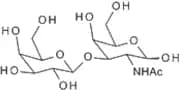
CAS:<p>2-Acetamido-2-deoxy-3-O-(b-D-galactopyranosyl)-D-galactopyranose (also known as galacto-N-biose, GNB and T antigen) is a β 1-3’ linked disaccharide which is found in the gastrointestinal tract as a core component of mucin. GNB has been shown to have potential to protect against glutamate excitotoxicity, a process in which nerve cells can be damaged or destroyed. GNB, along with lactose-N-biose, are found in human milk but are not metabolised by gut enzymes and are instead broken down to a digestible form by bifidobacteria found in the intestinal systems of infants in a symbiotic process.</p>Formula:C14H25NO11Purity:Min. 95%Color and Shape:White Off-White PowderMolecular weight:383.35 g/molMethyl 4,6-O-benzylidene-β-D-galactopyranoside
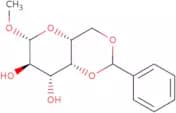
CAS:<p>Methyl 4,6-O-benzylidene-b-D-galactopyranoside is a sugar that has a molecular formula of C14H18O7. This compound crystallizes in the monoclinic system with unit cell dimensions of a=11.74 Å, b=8.92 Å, c=5.81 Å and β=106.39°. The methyl 4,6-O-benzylidene group is attached to the galactose ring via an ether bond at C4' and C6'. Methyl 4,6-O-benzylidene-b-D-galactopyranoside has been shown to possess receptor binding properties by inhibiting acetylcholine release when it binds to the acetylcholine receptors on the surface of muscle cells. Methyl 4,6-O-benzylidene-b-D-galactopyr</p>Formula:C14H18O6Purity:Min. 95%Color and Shape:PowderMolecular weight:282.29 g/molSucrose octasulfate ammonium
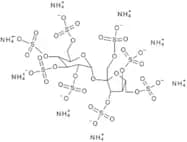
CAS:<p>This comound is generally known as sucralfates and are medications primarily taken to treat active duodenal ulcers. They are also used for the treatment of gastroesophageal reflux disease (GERD) and stress ulcers. Sucralfate is a sucrose sulfate-aluminium complex that binds to the ulcer, creating a physical barrier that protects the gastrointestinal tract from stomach acid and prevents the degradation of mucus. It also promotes bicarbonate production and acts like an acid buffer with cytoprotective properties.</p>Formula:C12H22O35S8•(H3N)8Purity:Min. 98 Area-%Color and Shape:White PowderMolecular weight:1,119.05 g/molCyclohexyl b-D-glucopyranoside
<p>Cyclohexyl b-D-glucopyranoside is a synthetic sugar that is modified with fluorine. Cyclohexyl b-D-glucopyranoside can be custom synthesized to meet your specific needs. This product has a high purity and is methylated and glycosylated. Cyclohexyl b-D-glucopyranoside's CAS number is 113488-25-8.</p>Purity:Min. 95%Phenyl 2-azido-2-deoxy-b-D-selenofucopyranoside
<p>Phenyl 2-azido-2-deoxy-b-D-selenofucopyranoside is a carbohydrate with the CAS number 54519-52-8. It is a custom synthesis that is available in high purity and can be methylated, glycosylated and click modified. Phenyl 2-azido-2-deoxy-b-D-selenofucopyranoside is an oligosaccharide that has been fluorinated, which makes it stable at higher temperatures. This product is used as a synthetic building block for complex carbohydrates and saccharides.</p>Purity:Min. 95%L-Rhamnose monohydrate - high purity
CAS:<p>L-Rhamnose monohydrate is a sugar that is found in plants, animals, and bacteria. It is a component of polysaccharides like cellulose and hemicellulose. L-Rhamnose monohydrate has been shown to stimulate the growth of probiotic bacteria like Lactobacillus acidophilus in vitro. It also has antiviral properties against the herpes simplex virus type 1 (HSV-1). The antiviral activity may be due to its ability to inhibit viral replication by interfering with the synthesis of viral DNA and RNA. L-Rhamnose monohydrate may also have anti-inflammatory effects due to its ability to inhibit prostaglandin synthesis through inhibition of cyclooxygenase enzyme activity. This product has applications as a dietary supplement and ingredient in functional foods or beverages.</p>Formula:C6H12O5•H2OPurity:Min. 98.0 Area-%Color and Shape:PowderMolecular weight:182.17 g/molHesperetin 3'-O-b-D-glucuronide
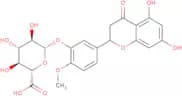
CAS:<p>Hesperetin 3'-O-b-D-glucuronide is a natural product that is synthesized by glycosylation of hesperidin with 3,4,5-trihydroxybenzoic acid. It is a synthetic and complex carbohydrate that can be modified to include fluorination, monosaccharide, oligosaccharide, methylation, and click modification. Hesperetin 3'-O-b-D-glucuronide can also be used in the synthesis of polysaccharides with glycosylations. This product has high purity and can be custom synthesized for customers.</p>Formula:C22H22O12Purity:Min. 95%Color and Shape:Slightly Yellow PowderMolecular weight:478.4 g/molMonosialyllacto-N-hexaose
<p>Monosialyllacto-N-hexaose is a high purity, custom synthesis sugar that belongs to the group of oligosaccharides. This carbohydrate is modified with fluorination and glycosylation, which are Click modifications. Monosialyllacto-N-hexaose has a CAS number of 68638-04-3. This product is available for purchase in bulk quantities.</p>Formula:C51H85N3O39Purity:Min. 95%Molecular weight:1,364.22 g/mola-Homonojirimycin
CAS:<p>a-Homonojirimycin is a chaperone that is effective in inhibiting HIV infection. It has been shown to inhibit the activity of chymotrypsin, carboxypeptidase A, and aminopeptidase B. The model system used for this compound was the human liver, which showed that a-homonojirimycin had a potent inhibitory activity against these enzymes. This drug also has a dry weight of 1,520 g/mol and an effective dose of 0.01 mg/mL. In vitro studies have shown that a-homonojirimycin inhibits influenza virus by binding to the hemagglutinin protein on the surface of the virus and preventing its attachment to host cells.</p>Formula:C7H15NO5Purity:Min. 98 Area-%Color and Shape:White PowderMolecular weight:193.2 g/mol4-Methoxyphenyl 2,3,4,6-tetra-O-acetyl-α-D-mannopyranoside
CAS:<p>4-Methoxyphenyl 2,3,4,6-tetra-O-acetyl-a-D-mannopyranoside is an extracellular calcium modulator that can be used to treat viral infections. It binds to the viral envelope and alters the virus's ability to fuse with cells. 4MPTAA also has antiviral activity against herpes simplex virus type 1 (HSV1) and influenza A virus (IAV). The compound also has anticancer activity by blocking the growth of cancer cells. 4MPTAA can be used for the treatment of microprocessor viruses such as tenella and myxoma. This drug also has a structural analysis profile that can be accessed using a variety of methodologies, including thermodynamic profiling and coagulation profiling.</p>Formula:C21H26O11Purity:Min. 95%Molecular weight:454.42 g/mola-D-Arabinopyranosyl azide
CAS:<p>a-D-Arabinopyranosyl azide is a new modified sugar that has been synthesized by the Click chemistry method. It is a complex carbohydrate with different substituents at the C2, C4, and C6 positions. This compound can be used for methylation, saccharide, polysaccharide, glycosylation or other custom synthesis. The CAS No. for this product is 138892-04-3, and it has a purity of >99%.</p>Formula:C5H9N3O4Purity:Min. 95%Molecular weight:175.14 g/molDiosmetin-3'-O-b-D-glucuronide
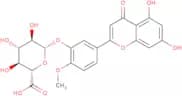
CAS:<p>Diosmetin-3'-O-b-D-glucuronide is a custom synthesis, complex carbohydrate, Oligosaccharide, Polysaccharide. It has been modified by Methylation and Glycosylation. This compound is a sugar (CAS No. 152503-50-9) that is a carbohydrate with a high purity and fluoroination. The modification of this compound includes Click chemistry.</p>Formula:C22H20O12Purity:Min. 95%Color and Shape:PowderMolecular weight:476.39 g/mol2-Azido-2-deoxy-3,5-O-benzylidene-L-lyxono-1,4-lactone
<p>2-Azido-2-deoxy-3,5-O-benzylidene-L-lyxono-1,4-lactone is a simple carbohydrate that is modified by fluorination. It is synthesized from the saccharide D-(+)-ribose and has the CAS No. 57400-91-5. This molecule can be methylated and glycosylated to produce a variety of structures with different properties. 2A2DLAL can also be modified by click chemistry, which is a reaction that produces covalent bonds between two molecules in a single step without using any catalysts or solvents.</p>Purity:Min. 95%(2R, 3R, 3aS, 9aR) -2, 3, 3a, 9a-Tetrahydro- 3- hydroxy- 2- (hydroxymethyl) - 3a- methyl- 6H- Furo[2', 3':4, 5] oxazolo[3, 2- a] pyr imidin- 6- one,
<p>This compound is a custom synthesis. It is an oligosaccharide that has a CAS number. The molecular weight of this compound is 5,871. This product is a sugar that contains glycosylation and methylation modifications, as well as click chemistry modifications. The purity of this product is high, with a purity level of 99%. This product also contains fluorination on the alpha-carbon atom in the 2 position.</p>Purity:Min. 95%3'-N-Glycolylneuraminyl-D-lactose sodium salt
<p>3'-N-Glycolylneuraminyl-D-lactose sodium salt is a carbohydrate that has been modified by the addition of glycosylation, methylation and fluorination. It belongs to the group of complex carbohydrates and is a monosaccharide. 3'-N-Glycolylneuraminyl-D-lactose sodium salt can be used for the synthesis of oligosaccharides and polysaccharides, such as cellulose, chitin and glycogen. This product is high purity, custom synthesis and synthetic.</p>Purity:Min. 95%D-Ribose
CAS:<p>D-ribose is a pentose that is used in the metabolism of plants and humans. It has been shown to inhibit binding of inhibitors to ribose and to exhibit significant cytotoxicity against tumor cells. D-Ribose also has an important role in energy metabolism, where it is involved in the synthesis of ATP. D-Ribose has been shown to be beneficial for patients with congestive heart failure, as it improves cardiac function and reduces the size of the heart. D-Ribose may also have a role in the treatment of infectious diseases by inhibiting viral replication, as well as preventing neuronal death.</p>Formula:C5H10O5Purity:Min. 99.0 Area-%Molecular weight:150.13 g/molRef: 3D-R-5500
25gTo inquire5kgTo inquire10kgTo inquire25kgTo inquire2500gTo inquire-Unit-kgkgTo inquireD-Melezitose hydrate
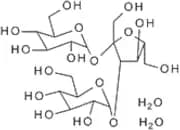
CAS:<p>Melezitose is a non-reducing trisaccharide that is produced by many plant sap-consuming insects, such as aphids (e.g. Cinara pilicornis). Melezitose is a component of honeydew which acts as an attractant for ants and also as food for bees. Partial hydrolysis of melizitose releases glucose and turanose, an isomer of sucrose.</p>Formula:C18H32O16•(H2O)xPurity:Min. 95%Color and Shape:White PowderMolecular weight:504.44 g/mol2,3,4,6-Tetra-O-acetyl-a-D-glucopyranosyl azide
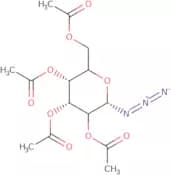
CAS:<p>This compound is a custom synthesis. It is used to synthesize complex carbohydrates, such as oligosaccharides and polysaccharides. This product has been modified with methylation and glycosylation. It is a carbohydrate that is classified as a saccharide. The CAS number for this product is 20379-61-7. This product has high purity, with the purity being over 99%. This product has been fluorinated and synthesized using Click chemistry.</p>Formula:C14H19N3O9Purity:Min. 95%Color and Shape:PowderMolecular weight:373.32 g/molButyl b-D-glucopyranoside
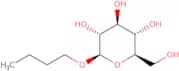
CAS:<p>Butyl b-D-glucopyranoside is a fluorinated monosaccharide that is used in the synthesis of oligosaccharides and polysaccharides. It is also used as a synthetic sugar for glycosylation, methylation, and click modification reactions. Butyl b-D-glucopyranoside has been shown to be stable under both acidic and basic conditions and has a CAS number of 5391-18-4.</p>Formula:C10H20O6Purity:Min. 95%Color and Shape:White PowderMolecular weight:236.26 g/molMethyl a-D-glucopyranoside
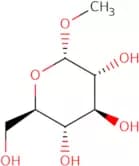
CAS:<p>Methyl α-D- glucopyranoside is a methylated sugar used as an inhibitor of lectin-conjugate binding. Methyl α-D- glucopyranoside is commonly used in protein purification for eluting glycoproteins and other glycoconjugates from affinity chromatography columns of agarose lectin. Methyl α-D- glucopyranoside is also known as Methyl alpha-D-glucoside or alpha-Methyl-glucoside.</p>Formula:C7H14O6Purity:Min. 98 Area-%Color and Shape:PowderMolecular weight:194.18 g/molGlycyl-Oligosaccharidesmannose 6
<p>Glycyl-Oligosaccharidesmannose 6 are custom synthesized and modified to contain fluorine atoms. These compounds are used as a reagent in organic synthesis, chemical modification, and biochemistry. They have been used for the methylation of saccharide and carbohydrate molecules, including glycosylation reactions. Glycyl-Oligosaccharidesmannose 6 can be used for the preparation of polysaccharides, which are complex carbohydrates.</p>Formula:C54H92N4O41Purity:Min. 95%Molecular weight:1,453.31 g/molN-Benzyl-D-glucamine
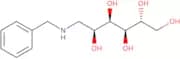
CAS:N-Benzyl-D-glucamine is a metal chelate that binds to lead and other heavy metals. It is used as a transport inhibitor for the elimination of lead from the body. N-Benzyl-D-glucamine has been shown to be effective in lowering blood levels of lead, with an elimination rate of 50% within 4 hours. When administered orally, this drug also has inhibitory effects on the absorption of lead from gastrointestinal tissues, which may be due to its inhibition of urea nitrogen and gastrointestinal toxicities. This drug can also reduce the excretion of cadmium and aromatic hydrocarbons in urine samples.Purity:Min. 95%(2S, 3R, 4R, 5S) -2- (Hydroxymethyl) - 3, 4, 5- piperidinetriol
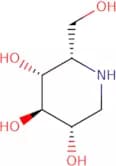
CAS:<p>(2S, 3R, 4R, 5S) -2- (Hydroxymethyl) - 3, 4, 5- piperidinetriol is a naturally occurring metabolite of the amino acid tryptophan. It is a structural analog of glucosylceramide and has been shown to have inhibitory properties against β-glucosidase. Structural studies have shown that this compound has similar stereoselective properties as the natural product glucosylceramide. This compound was also found to be a competitive inhibitor of amines and a non-competitive inhibitor of β-glucosidase.</p>Formula:C6H13NO4Purity:Min. 95%Molecular weight:163.17 g/molAllyl b-D-glucopyranoside
CAS:<p>Allyl b-D-glucopyranoside is a sweet and stable sugar that is used in the production of food and pharmaceutical products. It is sourced from corn starch or rice starch. Allyl b-D-glucopyranoside has been shown to be more efficient than chloride when added to tandospirone citrate, a herbal medicine, for the prevention of gastric ulcers. This sugar has also been used in clinical use as an additive in medicines such as alginic acid.</p>Formula:C9H16O6Purity:Min. 98 Area-%Color and Shape:White Off-White PowderMolecular weight:220.22 g/mol3b-[(a-L-arabinopyranosyl) oxy]urs-12,19(29)-dien-28-oic acid 28-b-D-glucopyranosyl ester
<p>3b-[(a-L-arabinopyranosyl) oxy]urs-12,19(29)-dien-28-oic acid 28-b-D-glucopyranosyl ester is a Fluorination, Monosaccharide, Synthetic, Oligosaccharide, complex carbohydrate. It is custom synthesized and glycosylated with a polysaccharide chain. The modification of the sugar chain includes methylation and acetylation. This product has high purity and CAS No.</p>Purity:Min. 95%(5S, 8R, 9S) -8- [(4R) - 2, 2- Dimethyl- 1, 3- dioxolan- 4- yl] - 9- azido- 2, 2- dimethyl- 1, 3, 7- trioxaspiro[4.4] nonan- 6- one
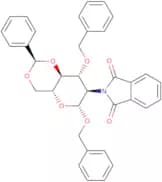
<p>This is a custom synthesis of an oligosaccharide. The chemical name is (5S, 8R, 9S) -8- [(4R) - 2, 2- Dimethyl- 1, 3- dioxolan- 4- yl] - 9- azido- 2, 2- dimethyl- 1, 3, 7- trioxaspiro[4.4] nonan- 6- one. It has CAS No., which is 567606-39-2 and Polysaccharide as its Modification. This product can be found in the Carbohydrate section under Sugar and Glycosylation sections under Methylation and Click modification respectively. It's purity level is high and it can be synthesized with fluorination for your desired needs.</p>Purity:Min. 95%Benzyl 3-O-benzyl-4,6-O-benzylidene-2-deoxy-2-N-phthalamido-a-D-glucopyranoside
CAS:<p>Benzyl 3-O-benzyl-4,6-O-benzylidene-2-deoxy-2-N-phthalamido-a-D-glucopyranoside is a sugar that is used as a building block for the synthesis of glycosaminoglycans. This sugar can be fluorinated, glycosylated, or methylated and is a synthetically modified oligosaccharide with an average molecular weight of about 880 Da. The monomer unit consists of two glucose residues linked by an α(1→4) glycosidic bond. It has been shown to have antihypertensive properties in vitro and in vivo.</p>Formula:C35H31NO7Purity:Min. 95%Color and Shape:White to off-white solid.Molecular weight:577.62 g/mol




![N-Acetylneuraminyl-(a2-3)-D-galactopyranosyl-(b1-3)-[N-acetylneuraminyl-(a2-6)]-D-N-acetylgalactos…](/_next/image/?url=https%3A%2Fstatic.cymitquimica.com%2Fproducts%2F3D%2Fthumb-webp%2FOA15250.webp&w=3840&q=75)









![3b-[(a-L-arabinopyranosyl) oxy]urs-12,19(29)-dien-28-oic acid 28-b-D-glucopyranosyl ester](/_next/image/?url=https%3A%2Fstatic.cymitquimica.com%2Fproducts%2F3D%2Fthumb-webp%2FMA74563.webp&w=3840&q=75)
![(5S, 8R, 9S) -8- [(4R) - 2, 2- Dimethyl- 1, 3- dioxolan- 4- yl] - 9- azido- 2, 2- dimethyl- 1, 3, …](/_next/image/?url=https%3A%2Fstatic.cymitquimica.com%2Fproducts%2F3D%2Fthumb-webp%2FMD170673.webp&w=3840&q=75)