Antimicrobials
Antimicrobials are agents that destroy or inhibit the growth of microorganisms, including bacteria, viruses, fungi, and parasites. These compounds are essential in the prevention and treatment of infections, playing a crucial role in medicine, agriculture, and the food industry. At CymitQuimica, we offer an extensive range of high-quality, high-purity antimicrobials suitable for various scientific and industrial applications. Our catalog includes antibiotics, antifungals, antivirals, and disinfectants, all designed to meet the needs of research and development, as well as clinical and production applications. With our products, professionals can ensure the effectiveness and safety in infection control and public health protection.
Subcategories of "Antimicrobials"
- Antibiotics(4,114 products)
- Antifungals(836 products)
- Antiparasitics(704 products)
- Antivirals(763 products)
Found 2422 products of "Antimicrobials"
Sort by
Purity (%)
0
100
|
0
|
50
|
90
|
95
|
100
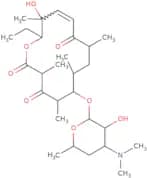
N'-Desmethyl azithromycin
CAS:<p>N'-Desmethyl azithromycin is a semi-synthetic derivative antibiotic, which is derived from the chemical modification of azithromycin, a macrolide antibiotic sourced originally from the bacterium *Streptomyces erythreus*. It functions primarily by inhibiting bacterial protein synthesis, binding specifically to the 50S ribosomal subunit, which results in the prevention of transpeptidation and translocation processes during translation. This action effectively halts bacterial growth, rendering it bacteriostatic.</p>Formula:C37H70N2O12Purity:Min. 95%Molecular weight:734.96 g/molSulfasymazine
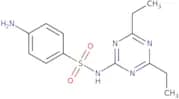
CAS:<p>Sulfasymazine is a synthetic antibacterial agent, which is derived from sulfonamide compounds. These compounds originate from chemical synthesis processes involving the introduction of sulfonamide groups to aromatic amines, creating potent inhibitors of bacterial growth. Sulfasymazine functions by interfering with the synthesis of folic acid within bacterial cells. It inhibits the enzyme dihydropteroate synthase, which is crucial for the production of dihydrofolate, a precursor of folic acid. This disruption hampers nucleic acid synthesis, impeding bacterial proliferation.</p>Formula:C13H17N5O2SPurity:Min. 95%Molecular weight:307.37 g/molCeftarolin fosamil
CAS:<p>Ceftaroline fosamil is an advanced antibiotic, which is a cephalosporin derived from synthetic sources with a broad spectrum of activity. It is a prodrug that, once metabolized, becomes active in the body, binding to penicillin-binding proteins (PBPs) of bacteria. This binding inhibits the proteins responsible for cell wall synthesis, leading to bacterial cell lysis and death.</p>Formula:C22H21N8O8PS4Purity:Min. 95%Molecular weight:684.69 g/molBaumycin C1
CAS:<p>Baumycin C1 is an anthracycline-type antibiotic, which is derived from the bacterium *Streptomyces coeruleorubidus*. The mode of action of Baumycin C1 involves intercalating into DNA strands, thereby disrupting the process of DNA synthesis and replication. This intercalation results in the inhibition of topoisomerase II, an enzyme crucial for DNA unwinding, leading to the generation of double-strand breaks and subsequent interruption of cellular proliferation.</p>Formula:C28H29NO11Purity:Min. 95%Molecular weight:555.5 g/mol1-Chloro-2,2-bis(4'-chlorophenyl)ethane
CAS:<p>1-Chloro-2,2-bis(4'-chlorophenyl)ethane is an organochlorine pesticide known for its agricultural applications. It is a synthetic product derived from chlorinated hydrocarbons. It functions primarily through its mode of action as an insecticide by interfering with the nervous system of insects. It disrupts normal nerve function by causing prolonged opening of sodium channels in nerve cells, leading to hyperexcitation and eventual paralysis of the target pests.</p>Formula:C14H11Cl3Purity:Min. 95%Molecular weight:285.6 g/molBalapiravir
CAS:<p>Balapiravir is an antiviral agent, which is a synthetic derivative based on natural compounds, specifically designed to inhibit the replication of various viral pathogens. The source of Balapiravir integrates bio-based elements with modifications to enhance its therapeutic efficacy.</p>Formula:C21H30N6O8Purity:Min. 95%Molecular weight:494.5 g/molChlorsulfuron-5-hydroxy
CAS:<p>Chlorsulfuron-5-hydroxy is a herbicide derivative, specifically an active metabolite of chlorsulfuron, which is a sulfonylurea herbicide. This compound is derived from synthetic chemistry processes that focus on altering the molecular structure of chlorsulfuron to enhance its properties or study its breakdown. The mode of action of Chlorsulfuron-5-hydroxy involves the inhibition of the enzyme acetolactate synthase (ALS), which plays a crucial role in the biosynthesis of branched-chain amino acids in plants such as valine, leucine, and isoleucine. This inhibition disrupts protein synthesis, leading to halted cell division and plant growth.</p>Formula:C12H12ClN5O5SPurity:Min. 95%Molecular weight:373.77 g/molKanzonol C
CAS:<p>Please enquire for more information about Kanzonol C including the price, delivery time and more detailed product information at the technical inquiry form on this page</p>Formula:C25H28O4Purity:Min. 95%Molecular weight:392.5 g/molPK150
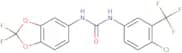
CAS:<p>PK150 is a soil amendment product, which is derived from natural mineral sources with a specific focus on enhancing plant growth through optimized nutrient uptake efficiency. This product works by modifying the soil's physical and chemical properties, thereby improving the availability and mobility of essential nutrients like phosphorus (P) and potassium (K), which are crucial for the development and yield of plants.</p>Formula:C15H8ClF5N2O3Purity:Min. 95%Molecular weight:394.68 g/molN-Acetyl glyphosate-13C2,15N
CAS:<p>N-Acetyl glyphosate-13C2,15N is a stable isotope-labeled analog of the well-known herbicide glyphosate. This product is synthesized using isotopically enriched carbon and nitrogen sources. Its mode of action involves inhibiting the shikimate pathway by targeting the enzyme 5-enolpyruvylshikimate-3-phosphate synthase (EPSPS), crucial for aromatic amino acid biosynthesis in plants. This pathway is not present in animals, making it a valuable target for selective herbicidal action.</p>Formula:C5H10NO6PPurity:Min. 95%Molecular weight:214.09 g/molVicriviroc malate
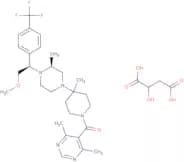
CAS:<p>Vicriviroc malate is a CCR5 antagonist with action on blocking HIV entry into cells by targeting the CCR5 receptor and is used for research on HIV treatment.</p>Formula:C28H38F3N5O2•C4H6O5Purity:Area-% Min. 90 Area-%Color and Shape:PowderMolecular weight:667.72 g/molCycloxaprid
CAS:<p>Cycloxaprid is an insecticide, which is a chemical derived from natural compounds designed to manage pest populations. Its primary source is based on a modification of the neonicotinoids, a class of neuro-active insecticides modeled after nicotine. Cycloxaprid functions by acting on nicotinic acetylcholine receptors (nAChRs) within the insect’s nervous system. This mode of action involves binding to these receptors, leading to uncontrolled nerve firing and eventually, the insect’s death due to nervous system failure.</p>Formula:C14H15ClN4O3Purity:Min. 95%Molecular weight:322.75 g/molMethyl N-[2-[[[1-(4-chlorophenyl)-1H-pyrazol-3-yl]oxy]methyl]phenyl]carbamate
CAS:<p>Methyl N-[2-[[[1-(4-chlorophenyl)-1H-pyrazol-3-yl]oxy]methyl]phenyl]carbamate is a selective insecticide, which is primarily pyrazole-based in nature. It is synthetically derived, allowing for precise structural control over its active components. The compound functions through a specific mode of action targeting the skeletal muscle function of insects by interfering with calcium ion channels. This disruption leads to impaired muscle contractions and eventual paralysis of the target pests.</p>Formula:C18H16ClN3O3Purity:Min. 95%Molecular weight:357.8 g/molIkarugamycin
CAS:<p>Ikarugamycin is a polycyclic nitrogenous antibiotic, which is derived from the fermentation of Streptomyces species, a genus of gram-positive bacteria. It acts primarily by inhibiting clathrin-mediated endocytosis, a cellular process involving the internalization of various macromolecules. This inhibition disrupts cellular uptake mechanisms, which has significant implications for its utility in biological research and therapeutic applications.</p>Formula:C29H38N2O4Purity:Min. 95%Molecular weight:478.62 g/molPikromycin
CAS:<p>Pikromycin is an antibiotic, which is derived from the bacterium *Streptomyces venezuelae*. It functions by specifically binding to the 50S ribosomal subunit, thereby inhibiting bacterial protein synthesis. This action effectively blocks peptide chain elongation, leading to the cessation of bacterial growth and proliferation. Pikromycin serves as an important model compound in antibiotic research, particularly in the study of macrolides and polyketides, due to its unique structure and biosynthetic pathway.</p>Formula:C28H47NO8Purity:Min. 95%Molecular weight:525.7 g/molCyclosporin L
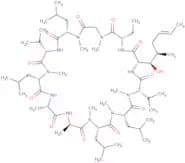
CAS:<p>Cyclosporin L is an immunosuppressive agent, which is a cyclic polypeptide derived from the soil fungus Tolypocladium inflatum. It primarily functions by inhibiting the activity of calcineurin, a key phosphatase involved in the activation of T-cells. This inhibition prevents the transcription of interleukin-2 and other cytokines critical for T-cell proliferation.</p>Formula:C61H109N11O12Purity:90%MinMolecular weight:1,188.59 g/mol4''-(p-Fluorobenzyl)tylosin A
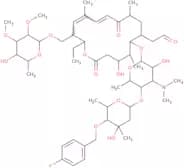
CAS:<p>4''-(p-Fluorobenzyl)tylosin A is a semi-synthetic derivative of tylosin, which is a macrolide antibiotic produced by fermentation of the bacterium *Streptomyces fradiae*. This compound demonstrates a modified structure by incorporating a p-Fluorobenzyl group at the 4'' position of tylosin, enhancing its pharmaceutical properties. The mode of action involves binding to the 50S subunit of the bacterial ribosome, thereby inhibiting protein synthesis and exerting its bacteriostatic effects against Gram-positive bacteria.</p>Formula:C53H82FNO17Purity:Min. 95%Molecular weight:1,024.2 g/mol1H-Indene-2-carboxylic acid
CAS:<p>1H-Indene-2-carboxylic acid is an organic compound, which is primarily utilized in synthetic organic chemistry. This compound is a derivative of indene, a bicyclic hydrocarbon derived from the fusion of benzene and cyclopentene rings. It is most commonly sourced from petrochemical processes involving the polymerization or catalytic conversion of hydrocarbons.</p>Formula:C21H17ClF3N3O7Purity:Min. 95%Molecular weight:515.8 g/molPapyracillic acid
CAS:<p>Papyracillic acid is a bioactive compound, classified as a secondary metabolite, which is isolated from certain species of fungi. This compound originates from the natural metabolic processes of these microorganisms, often cultured on specific media to optimize production levels. Its mode of action involves disrupting essential bacterial cellular functions, primarily by inhibiting the synthesis of key structural components, leading to compromised integrity and function of bacterial cells.</p>Formula:C11H14O5Purity:Min. 95%Molecular weight:226.23 g/molTromantadine hydrochloride
CAS:Controlled Product<p>Tromantadine hydrochloride is a synthetic antiviral compound, which is a derivative of adamantane. It originates from chemical synthesis, tailored specifically to target viral processes. Tromantadine hydrochloride primarily exerts its effects by inhibiting the penetration of virus particles into host cells and impeding the subsequent stages of viral replication. This mode of action effectively reduces the viral load and hinders the progression of the infection.</p>Formula:C16H28N2O2•HClPurity:Min. 95%Molecular weight:316.87 g/molAzaconazole
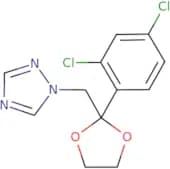
CAS:<p>Azaconazole is a systemic fungicide, which is derived from synthetic chemical processes, specifically within the class of triazoles. This compound functions by interfering with the biosynthesis of ergosterol, a critical component of fungal cell membranes. By inhibiting the cytochrome P450 enzyme 14α-demethylase, azaconazole disrupts the production of ergosterol, thereby compromising membrane integrity and inhibiting fungal growth.</p>Formula:C12H11Cl2N3O2Purity:Min. 95%Molecular weight:300.14 g/molIvermectin
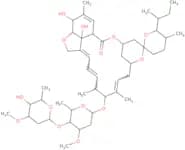
CAS:<p>Naturally produced by the soil bacterium Streptomyces avermitili, it is clinically used in the treatment of parasitosis in both humans and animals. Ivermectin is commercially available as a mixture of 80% 22, 23-dihydroavermectin B1a and 20% 22, 23-dihydroavermectin B1b. In 2020, Ivermectin indicated that it was a good antiviral agent in the treatment of SARS-CoV-2 and a new mechanism of action has been suggested. Ivermectin would act on importin α/β heterodimer and affect nuclear transport and the translocation of viral proteins.</p>Formula:C48H74O14Purity:85%MinMolecular weight:875.1 g/molCarbophenothion-methyl-sulfoxide
CAS:<p>Carbophenothion-methyl-sulfoxide is an organophosphate sulfoxide compound, which is synthesized as a sulfoxide derivative from other organophosphate precursors. It acts as an acetylcholinesterase inhibitor, disrupting the normal function of the enzyme acetylcholinesterase, which is critical for nerve signal transmission in insects. This disruption leads to an accumulation of acetylcholine and subsequent insect paralysis and death. Carbophenothion-methyl-sulfoxide is primarily used in agricultural settings to target a broad spectrum of insect pests that affect crops. Its application can significantly reduce pest populations, ensuring crop protection and yield preservation. Being a sulfoxide variant, it may possess distinctive physicochemical properties that confer specific environmental behavior and degradation pathways compared to its non-sulfoxide counterparts. Proper handling and application are essential to minimize potential ecological impacts, including non-target species effects and resistance development.</p>Formula:C9H12ClO3PS3Purity:Min. 95%Molecular weight:330.8 g/molAqabamycin D
CAS:<p>Aqabamycin D is a novel antibiotic compound, which is derived from marine bacteria, particularly from the genus Streptomyces collected from unique marine environments. This compound functions by interfering with bacterial cell wall synthesis, leading to the disruption of essential cellular processes. Aqabamycin D exhibits a broad spectrum of antibacterial activity, particularly against gram-positive bacteria, making it a valuable tool for tackling resistant bacterial strains.</p>Formula:C16H9N3O8Purity:Min. 95%Molecular weight:371.26 g/molErythromycin F
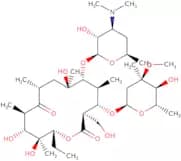
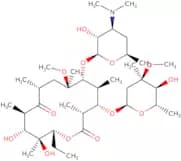
CAS:<p>Erythromycin F is an antibiotic, which is a naturally derived product obtained from the bacterium *Streptomyces erythreus*. It operates by inhibiting bacterial protein synthesis through binding to the 50S ribosomal subunit. This binding effectively blocks the translocation steps in protein elongation, thus preventing the growth and multiplication of susceptible bacteria.</p>Formula:C37H67NO14Purity:Min. 95%Molecular weight:749.93 g/mol26-Oxofusidic acid
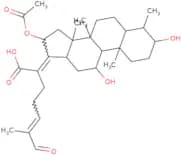
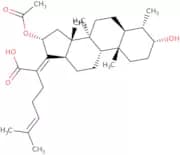
CAS:<p>26-Oxofusidic acid is a derivative of fusidic acid, which is a potent antibacterial compound originally isolated from the fungus Fusidium coccineum. This compound exhibits a unique mode of action by inhibiting bacterial protein synthesis through interference with the elongation factor G (EF-G), a critical component in the translocation step of translation. By targeting this specific aspect of bacterial metabolism, 26-Oxofusidic acid effectively disrupts the growth of gram-positive bacteria, making it an invaluable tool in combating resistant bacterial strains.</p>Formula:C31H46O7Purity:Min. 95%Molecular weight:530.69 g/molNorvancomycin trifluoroacetate
CAS:<p>Norvancomycin trifluoroacetate is an antibiotic compound, which is a glycopeptide derived from the bacterium Amycolatopsis orientalis. Its mode of action involves inhibiting bacterial cell wall synthesis. Specifically, Norvancomycin disrupts the cross-linking of peptidoglycan layers in the bacterial cell wall by binding to the D-alanyl-D-alanine terminus of cell wall precursors. This disruption weakens the bacterial cell wall, ultimately leading to cell lysis and death, thereby exerting a bactericidal effect.</p>Formula:C65H73Cl2N9O24•(C2HF3O2)xPurity:Min. 95%Chlorhexidine acetate hydrate(1:2:X)
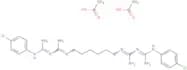
CAS:Controlled Product<p>Chlorhexidine acetate hydrate (1:2:X) is a chemical compound used as a disinfectant and antiseptic. It is derived from chlorhexidine, a well-known antimicrobial agent frequently used in both medical and laboratory settings. The compound functions by disrupting microbial cell membranes, resulting in leakage of cellular components and subsequent cell death. This action makes it particularly effective against a wide range of bacteria, fungi, and some viruses.</p>Formula:C26H38Cl2N10O4Purity:Min. 95%Molecular weight:625.5 g/molCeftaroline fosamil acetate
CAS:<p>Cephalosporin antibiotic active against gram-positive bacteria including MRSA</p>Formula:C24H25N8O10PS4Purity:Min. 98 Area-%Molecular weight:744.74 g/mol(E)-Coniferin
CAS:<p>(E)-Coniferin is a plant-derived glucoside, which is primarily associated with the lignification process in gymnosperms and angiosperms. It is biosynthesized from the phenylpropanoid pathway, specifically from coniferyl alcohol conjugated with glucose. This conjugation serves as a storage form and transport mechanism for coniferyl alcohol in plants.</p>Formula:C16H22O8Purity:Min. 95%Molecular weight:342.34 g/molBenastatin A
CAS:<p>Benastatin A is an antifungal compound, which is derived from marine-derived Streptomyces species. This bacterial genus, known for its prolific production of bioactive secondary metabolites, serves as a rich source for drug discovery and biosynthesis of unique compounds like Benastatin A. The mode of action of Benastatin A involves the disruption of fungal cell membranes, leading to leakage of vital cellular components and subsequent cell death. This interaction is crucial for understanding its efficacy and specificity against fungal pathogens.</p>Formula:C30H28O7Purity:Min. 95%Molecular weight:500.50 g/mol3-(Methylsulfonyl)-2,5-dioxopyrrolidin-1-yl 4-((5-nitropyridin-2-yl)disulfanyl)butanoate
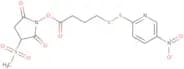
CAS:<p>3-(Methylsulfonyl)-2,5-dioxopyrrolidin-1-yl 4-((5-nitropyridin-2-yl)disulfanyl)butanoate is a sophisticated biochemical compound used primarily in research settings. This compound, derived from synthetic sources, functions through its reactive disulfide linkage, enabling the modification of thiol groups in proteins or other biomolecules. This reactivity is crucial for applications involving targeted chemical modifications, serving as a useful tool in the investigation of biochemical pathways and interactions.</p>Formula:C14H15N3O8S3Purity:Min. 95%Molecular weight:449.5 g/molAvermectin b1a aglycone
CAS:<p>Avermectin B1a aglycone is a potent antiparasitic agent, which is a semi-synthetic derivative of avermectins. Avermectins are naturally sourced from the microorganism *Streptomyces avermitilis*, known for producing macrolide compounds. The mode of action of Avermectin B1a aglycone involves binding to glutamate-gated chloride channels in nerve and muscle cells of invertebrates, leading to increased permeability and disruption of neurotransmission. This action ultimately results in paralysis and death of the targeted parasites.</p>Formula:C34H48O8Purity:Min. 95%Molecular weight:584.7 g/molImibenconazole
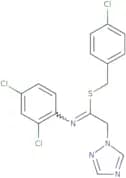
CAS:<p>Imibenconazole is a systemic fungicide, which is a synthetic chemical compound known for its efficacy in controlling a wide spectrum of fungal pathogens. This fungicide operates by inhibiting the biosynthesis of ergosterol, a crucial component of fungal cell membranes, effectively disrupting the growth and spread of fungi. Its action involves the inhibition of the demethylation process in sterol biosynthesis, specifically targeting the cytochrome P450 14α-demethylase enzyme.</p>Formula:C17H13Cl3N4SPurity:Min. 95%Molecular weight:411.7 g/molKasugamycin
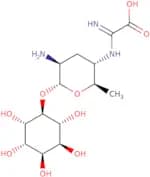
CAS:<p>Kasugamycin is an aminoglycoside antibiotic, which is derived from the actinomycete Streptomyces kasugaensis. Its mode of action involves the inhibition of protein synthesis by interfering with the function of the 30S ribosomal subunit, ultimately preventing the growth and proliferation of sensitive organisms. In agricultural contexts, Kasugamycin is primarily utilized to control bacterial and fungal diseases in a variety of crops, including rice and fruit trees. It is particularly effective against Xanthomonas oryzae, which causes bacterial leaf blight in rice, and other pathogenic organisms detrimental to plant health. The application of Kasugamycin has been an important tool for integrated pest management programs focusing on sustainable agricultural practices. As a compound with a specific mode of activity, it helps to reduce the environmental impact typically associated with broader-spectrum antibiotics, while offering target-specific disease control. Its careful application supports the minimization of resistance development, ensuring continued efficacy in protecting crop yields.</p>Formula:C14H25N3O9Purity:Min. 95%Molecular weight:379.36 g/molTaxiphyllin
CAS:<p>Taxiphyllin is a type of cyanogenic glucoside, which is a naturally occurring compound found in certain plants. It is derived primarily from bamboo shoots, among other plant sources. The compound undergoes hydrolysis when the plant tissue is damaged, such as during chewing or processing. This hydrolytic reaction, typically catalyzed by the enzyme β-glucosidase, results in the release of hydrogen cyanide, a potent defense mechanism for the plant against herbivores and pests.</p>Formula:C14H17NO7Purity:Min. 95%Molecular weight:311.29 g/molAmoscanate
CAS:<p>Amoscanate is an antischistosomal agent, which is a synthetic compound with a broad spectrum of activity against parasitic infections. Its mode of action involves the disruption of parasite metabolism and structure, ultimately leading to the elimination of schistosomes. Schistosomes are trematode worms responsible for schistosomiasis, a significant parasitic disease affecting millions of people worldwide.</p>Formula:C13H9N3O2SPurity:Min. 95%Molecular weight:271.3 g/molClarithromycin-13CD3
CAS:<p>Clarithromycin-13CD3 is an isotopically labeled macrolide antibiotic, which is synthesized to include deuterium (D) and carbon-13 (^13C) in its molecular structure. This modified compound serves as a stable isotope-labeled standard, primarily sourced from chemical synthesis. The incorporation of these isotopes differentiates it from the naturally occurring antibiotic, enabling its use in precise analytical studies.</p>Formula:C37CH66D3NO13Purity:Min. 95%Molecular weight:751.97 g/molDeacetylanisomycin
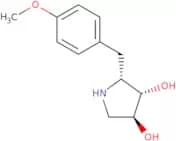
CAS:<p>Deacetylanisomycin is a bacterial metabolite, which is derived from the soil bacterium Streptomyces griseolus. It acts as an inhibitor of protein synthesis by binding to the 60S ribosomal subunit, thus interfering with peptide bond formation during translation. This mode of action is key to its effectiveness in studying the mechanisms of protein synthesis interruption.</p>Formula:C12H17NO3Purity:Min. 95%Color and Shape:White To Off-White SolidMolecular weight:223.27 g/molIclaprim
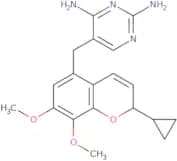
CAS:<p>Iclaprim is an antibiotic, which is a synthetic diaminopyrimidine antimicrobial agent with a specific mechanism of action. It works by selectively inhibiting bacterial dihydrofolate reductase, a crucial enzyme in the bacterial folate synthesis pathway. This inhibition prevents the production of tetrahydrofolate, ultimately disrupting DNA, RNA, and protein synthesis in susceptible bacterial cells.</p>Formula:C19H22N4O3Purity:Min. 95%Molecular weight:354.4 g/mol11-Deoxyfusidic acid
CAS:<p>11-Deoxyfusidic acid is a steroidal antibiotic, which is derived from the fermentation broth of certain strains of fungi, specifically within the Fusidium genus. Its mode of action involves inhibiting bacterial protein synthesis by interacting with elongation factor G (EF-G) on the ribosome, thus disrupting essential processes and impeding bacterial growth.</p>Formula:C31H48O5Purity:Min. 95%Molecular weight:500.71 g/molCefepime-d3 sulfate
CAS:Controlled Product<p>Cefepime-d3 sulfate is an isotopically labeled antibiotic, which is derived from the fourth-generation cephalosporin, cefepime. The source of this compound is synthetic, utilizing deuterium to label the parent cefepime molecule, allowing for detailed metabolic and pharmacokinetic studies. With deuterium's stable, non-radioactive nature, it serves as a powerful tool in mass spectrometry-based analyses.</p>Formula:C19H23D3N6O9S3Purity:Min. 95%Molecular weight:581.66 g/mol7-O-Demethyl rapamycin
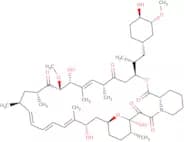
CAS:<p>7-O-Demethyl rapamycin is a macrolide compound, which is a derivative of rapamycin, originally sourced from the bacterial species *Streptomyces hygroscopicus*. This compound operates by binding to the FK506-binding protein 12 (FKBP12), forming a complex that inhibits the mammalian target of rapamycin (mTOR) pathway. This inhibition interferes with cellular processes such as cell growth, proliferation, and survival by altering the phosphorylation state of downstream targets.</p>Formula:C50H77NO13Purity:80%MinMolecular weight:900.15 g/molGentamicin c1 sulfate
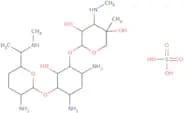
CAS:<p>Gentamicin c1 sulfate is an aminoglycoside antibiotic, which is derived from the fermentation of the soil bacterium *Micromonospora purpurea*. Its mode of action involves binding to the 30S ribosomal subunit, disrupting protein synthesis by causing misreading of mRNA and inhibiting the initiation of translation. This mechanism is particularly effective against a broad spectrum of Gram-negative bacteria, including *Pseudomonas aeruginosa* and members of the Enterobacteriaceae family.</p>Formula:C21H45N5O11SPurity:Min. 95%Molecular weight:575.7 g/molAqabamycin G
CAS:<p>Aqabamycin G is a macrolactam antibiotic, which is derived from marine bacteria belonging to the genus Streptomyces. This compound is noted for its complex structure, featuring a macrolactam ring that is crucial for its biological activity. Aqabamycin G's mode of action involves inhibiting bacterial protein synthesis by binding to the bacterial ribosomal subunit, thereby disrupting peptide bond formation. This interference with the protein production machinery of bacterial cells results in effective bacteriostatic or bactericidal outcomes, depending on the concentration and specific bacterial target.</p>Formula:C18H11N3O5Purity:Min. 95%Molecular weight:349.3 g/molPurfalcamine
CAS:<p>Purfalcamine is a synthetic pharmaceutical compound that belongs to a class of molecules known as small-molecule inhibitors. It is sourced through advanced chemical synthesis, enabling precise structural modifications to optimize its biological activity. The mode of action of Purfalcamine involves selective inhibition of a specific target protein involved in key cellular signaling pathways. This targeted interaction disrupts abnormal cellular processes, making it a promising therapeutic candidate for certain diseases.</p>Formula:C29H33FN8OPurity:Min. 95%Molecular weight:528.6 g/molCefotaxime sodium - Sterile grade
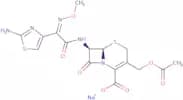
CAS:<p>Cefotaxime sodium - Sterile grade is a cephalosporin antibiotic, which is derived from the beta-lactam class of antibacterial agents. It effectively disrupts bacterial cell wall synthesis by binding to and inhibiting penicillin-binding proteins, leading to cell lysis and death. This mechanism of action is potent against a variety of Gram-positive and Gram-negative bacteria, making it a valuable tool in clinical settings.</p>Formula:C16H17N5O7S2·NaPurity:Min. 95%Molecular weight:478.46 g/molFenbuconazole-lactone B rh-9130
CAS:<p>Fenbuconazole-lactone B rh-9130 is an azole fungicide, which is a chemically synthesized compound. It is derived from the lactone form of fenbuconazole, an established triazole fungicide, and designed to inhibit sterol biosynthesis. Its mode of action involves disrupting the synthesis of ergosterol, a critical component of fungal cell membranes, thereby impeding fungal growth and reproduction.</p>Formula:C19H16ClN3O2Purity:Min. 95%Molecular weight:353.8 g/molCeftizoxime alapivoxil
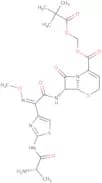
CAS:<p>Ceftizoxime alapivoxil is a prodrug antibiotic, which is derived from ceftizoxime, a third-generation cephalosporin. This semi-synthetic source enables the compound to effectively combat a wide range of bacterial infections by improving oral bioavailability compared to its parent compound. Once administered, ceftizoxime alapivoxil is metabolized in the body to release ceftizoxime, which exerts its antibacterial activity by binding to penicillin-binding proteins (PBPs) on bacterial cell walls. This binding action inhibits the transpeptidation step critical for cell wall synthesis, leading to cell lysis and bacterial death.</p>Purity:Min. 95%1,4-Dihydro-2,3-benzodithiine
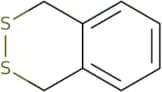
CAS:<p>1,4-Dihydro-2,3-benzodithiine is a synthetic organic compound, which is often utilized in the field of material science and chemical research. It is derived from aromatic dithiins, characterized by a unique heterocyclic structure containing sulfur atoms within its ring system. The compound’s mode of action primarily involves its ability to partake in various cycloaddition reactions due to the electron-rich nature of the dithiine ring, which can facilitate interactions with electrophiles.</p>Formula:C8H8S2Purity:Min. 95%Molecular weight:168.3 g/mol






![Methyl N-[2-[[[1-(4-chlorophenyl)-1H-pyrazol-3-yl]oxy]methyl]phenyl]carbamate](/_next/image/?url=https%3A%2Fstatic.cymitquimica.com%2Fproducts%2F3D%2Fthumb-webp%2FMVA16596.webp&w=3840&q=75)