Antimicrobials
Subcategories of "Antimicrobials"
- Antibiotics(4,137 products)
- Antifungals(904 products)
- Antiparasitics(700 products)
- Antivirals(767 products)
Found 2432 products of "Antimicrobials"
Finafloxacin
CAS:Finafloxacin is a fluoroquinolone antibacterial agent, which is a synthetic compound derived from the quinolone family. It functions through the inhibition of bacterial DNA gyrase and topoisomerase IV, crucial enzymes in the replication, transcription, and repair of bacterial DNA. This mechanism leads to the prevention of bacterial cell division and ultimately results in cell death.Formula:C20H19FN4O4Purity:Min. 95%Molecular weight:398.39 g/mol8-Hydroxy-3,5,6,7,3',4'-hexamethoxyflavone
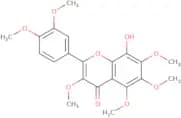
CAS:8-Hydroxy-3,5,6,7,3',4'-hexamethoxyflavone is a flavonoid compound, which is a naturally occurring polyphenolic substance found predominantly in various citrus fruits. As part of the flavone class of flavonoids, its structure is characterized by the presence of multiple methoxy and hydroxyl groups. These functional groups contribute to its biochemical properties, particularly its ability to act as an electron donor.Formula:C21H22O9Purity:Min. 95%Molecular weight:418.4 g/molFlorpyrauxifen
CAS:Florpyrauxifen is a synthetic auxin herbicide, which is derived from chemical synthesis. It functions by mimicking natural plant hormones called auxins, which regulate plant growth and development. The mode of action involves disrupting normal cellular function by causing uncontrolled growth, leading to plant death.
Formula:C13H8Cl2F2N2O3Purity:Min. 95%Molecular weight:349.11 g/molPuromycin aminonucleoside
CAS:Inducer of apoptosis; translational inhibitor; aminonucleoside antibioticFormula:C12H18N6O3Purity:Min. 95%Molecular weight:294.31 g/molIbafloxacin
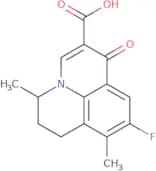
CAS:Ibafloxacin is an antibacterial agent, which is a synthetic fluoroquinolone derived from quinolone compounds. It functions by inhibiting bacterial DNA gyrase and topoisomerase IV, enzymes crucial for DNA replication and transcription in bacteria. By preventing the supercoiling and uncoiling of bacterial DNA, ibafloxacin disrupts essential DNA processes, leading to bacterial cell death.Formula:C15H14FNO3Purity:Min. 95%Molecular weight:275.27 g/mol4′-O-De(2,6-dideoxy-3-O-methyl-α-L-arabino-hexopyranosyl)-5-O-demethylavermectin A1a
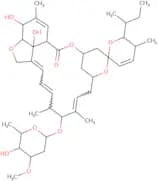
CAS:4′-O-De(2,6-dideoxy-3-O-methyl-α-L-arabino-hexopyranosyl)-5-O-demethylavermectin A1a is a semi-synthetic derivative of avermectin, which is a naturally occurring compound isolated from the fermentation broth of the soil bacterium *Streptomyces avermitilis*. This compound exhibits potent antiparasitic activity by targeting the glutamate-gated chloride channels in the nervous systems of parasitic organisms. By binding and activating these channels, it increases the permeability of the cell membrane to chloride ions, resulting in paralysis and death of the parasite.Formula:C41H60O11Purity:Min. 95%Molecular weight:728.91 g/molDoxycycline hydrochloride hemiethanolate hemihydrate, Antibiotic for Culture Media Use Only
CAS:Doxycycline is an antibiotic that inhibits bacterial growth by inhibiting protein synthesis, respiratory chain, DNA gyrase, DNA topoisomerase IV. Doxycycline inhibits papaverine by blocking the expression of both cytochrome P450 and epoxide hydrolase. Doxycycline is commonly found in studies for bacterial infections, drug therapy, histopathological studies, cell culture and chemometric analysis.
Formula:C22H24N2O8·HClH2OC2H6OPurity:Min. 97.0 Area-%Molecular weight:512.90 g/molBaringolin
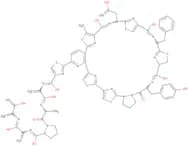
CAS:Baringolin is a peptide-based antibiotic, which is derived from marine sources, specifically linked to natural products obtained from marine microorganisms. Its mode of action involves the inhibition of bacterial protein synthesis, which is achieved by interfering with the bacterial ribosome. This inhibition disrupts the ability of bacteria to produce essential proteins, ultimately leading to cell death.Formula:C69H66N18O13S5Purity:Min. 95%Molecular weight:1,515.7 g/mol(-)-Anthrabenzoxocinone
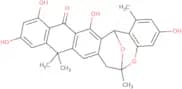
CAS:(-)-Anthrabenzoxocinone is a type of polyketide compound, which is a natural product derived from microbial sources, specifically Streptomyces species. This compound is characterized by its complex aromatic structure, which is a hallmark of polyketides known for their diverse biological activities. The mode of action of (-)-anthrabenzoxocinone primarily involves the inhibition of bacterial RNA synthesis, reflecting its role as an antibiotic. Additionally, it exhibits potential antitumor activity, possibly through the inhibition of topoisomerase enzymes that are crucial for DNA replication and transcription.
Formula:C27H24O7Purity:Min. 95%Molecular weight:460.5 g/molSars-cov mpro-in-1
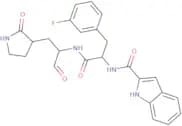
CAS:SARS-CoV Mpro-in-1 is a chemical compound that acts as a selective inhibitor of the main protease (Mpro) of the SARS coronavirus. This inhibitor is synthesized through chemical processes, leveraging medicinal chemistry techniques aimed at designing molecules that specifically target viral proteases. Its mode of action involves binding to the active site of the SARS-CoV main protease, thereby blocking the protease's enzymatic activity essential for viral replication. Inhibition occurs by preventing the cleavage of the viral polyprotein, an event crucial for producing the mature, functional proteins that the virus needs to proliferate within the host.Formula:C25H25FN4O4Purity:Min. 95%Molecular weight:464.5 g/molCarbazomycin B
CAS:Carbazomycin B is a bioactive compound which is an antibiotic derived from the soil bacterium Streptomyces. This compound exhibits its mode of action by interfering with the synthesis of bacterial cell walls, which ultimately restricts the growth and proliferation of bacterial cells. The unique chemical structure of Carbazomycin B allows it to target specific pathways within bacterial organisms, making it an important tool in combating resistant strains.
Formula:C15H15NO2Purity:Min. 95%Molecular weight:241.28 g/molVineomycin B2
CAS:Vineomycin B2 is an antitumor antibiotic, which is derived from the fermentation of Streptomyces bacteria. The compound functions through a DNA-binding mode of action, specifically intercalating into the DNA double helix, thus disrupting essential replication and transcription processes. This interference with DNA dynamics inhibits the proliferation of cancerous cells, making it a potent compound in oncology research.Formula:C49H58O18Purity:Min. 95%Molecular weight:935.00 g/molNojirimycin bisulfite
CAS:Nojirimycin bisulfite is a potent glycosidase inhibitor, which is a derivative of nojirimycin known for its significant impact on carbohydrate metabolism. This compound originates from microorganisms, primarily isolated from the bacterium *Streptomyces* species. The mechanism through which Nojirimycin bisulfite exerts its effects involves the inhibition of glycosidases, enzymes responsible for breaking down complex carbohydrates into simpler sugars. By interfering with these enzymes, Nojirimycin bisulfite disrupts the normal processing of carbohydrates.Formula:C6H13NO7SPurity:Min. 95%Molecular weight:243.24 g/molPyraoxystrobin
CAS:Pyraoxystrobin is a fungicidal compound, which is a chemically synthesized strobilurin derivative. It functions by disrupting the mitochondrial respiration in fungi. Specifically, pyraoxystrobin inhibits the cytochrome bc1 complex in the electron transport chain, effectively preventing adenosine triphosphate (ATP) synthesis.
Formula:C22H21ClN2O4Purity:Min. 95%Molecular weight:412.9 g/molFosmidomycin sodium
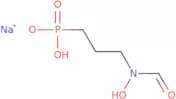
CAS:Fosmidomycin sodium is an antibiotic compound, which is derived from phosphonic acid. It functions as an inhibitor of the enzyme 1-deoxy-D-xylulose 5-phosphate reductoisomerase (DXR), crucial in the non-mevalonate pathway of isoprenoid biosynthesis. By targeting this enzyme, fosmidomycin sodium disrupts the production of isoprenoids, essential components for the growth and survival of certain bacteria and parasites.Formula:C4H9NNaO5PPurity:Min. 95%Molecular weight:205.08 g/mol3-(Dichloroacetyl)-2,2,5-trimethyloxazolidine
CAS:3-(Dichloroacetyl)-2,2,5-trimethyloxazolidine is an oxazolidine derivative, which is a synthetic compound primarily used in the agricultural industry. It is derived through a chemical synthesis process involving the condensation of dichloroacetic acid with trimethyloxazolidine under controlled conditions. This compound functions as a pre-emergent herbicide by inhibiting the biosynthesis of essential enzymes in target plant species.Formula:C8H13Cl2NO2Purity:Min. 95%Molecular weight:226.1 g/mol6-Amino-1-cyclopropyl-7-(3,4-dihydro-1H-isoquinolin-2-yl)-8-methyl-4-oxoquinoline-3-carboxylic acid
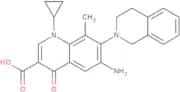
CAS:6-Amino-1-cyclopropyl-7-(3,4-dihydro-1H-isoquinolin-2-yl)-8-methyl-4-oxoquinoline-3-carboxylic acid is a synthetic quinolone antibiotic, which is derived from chemical synthesis processes designed to mimic the naturally occurring quinolone core structure. With a specific mechanism of action, it inhibits bacterial DNA gyrase and topoisomerase IV. These enzymes are critical for supercoiling and uncoiling DNA, meaning that their inhibition results in an inability of bacterial cells to properly replicate their DNA, ultimately leading to cell death.Formula:C23H23N3O3Purity:Min. 95%Molecular weight:389.4 g/molTobramycin sulfate
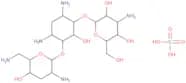
CAS:Tobramycin sulfate is an aminoglycoside antibiotic, which is derived from selected strains of Streptomyces tenebrarius. It functions by binding irreversibly to the 30S subunit of bacterial ribosomes, thereby inhibiting protein synthesis. This disruption in essential protein formation results in bactericidal activity, particularly against Gram-negative bacteria.Formula:C18H39N5O13SPurity:Min. 95%Molecular weight:565.6 g/molVineomycin A1
CAS:Vineomycin A1 is a cytotoxic antibiotic, which is isolated from the fermentation broth of certain Streptomyces species. This compound is a member of the anthracycline class of antibiotics, known for their potent antitumor activity. Vineomycin A1 exerts its effects by intercalating into DNA, disrupting the DNA replication process and ultimately inducing apoptosis in rapidly dividing cells. This mode of action makes it a valuable tool in studying cellular responses to DNA damage and has potential implications in cancer research. Leveraging its ability to target malignant cells, Vineomycin A1 is primarily examined for its therapeutic potential in oncology, particularly in treating certain types of cancers that are resistant to standard therapies. As a research chemical, it enables scientists to gain insights into the mechanisms of drug resistance and DNA repair pathways, contributing to the development of novel cancer treatment strategies.
Formula:C49H58O18Purity:Min. 95%Molecular weight:935.00 g/molHomoembelin
CAS:Homoembelin is a chemical compound that is classified as a natural product alkaloid, which is derived from specific plant sources, notably the fruit of the plant Embelia ribes. It operates through a variety of biochemical interactions at the molecular level, including the inhibition of specific enzymes and modulation of signaling pathways. This mode of action has garnered interest due to its potential effects in various therapeutic contexts.Formula:C15H22O4Purity:Min. 95%Molecular weight:266.33 g/molRSV-IN-1
CAS:RSV-IN-1 is a small molecule inhibitor, which is a synthetic compound with potent antiviral activity against Respiratory Syncytial Virus (RSV). Its primary source is chemical synthesis, designed to specifically target and inhibit the function of RSV’s viral polymerase complex. The mode of action involves the interruption of viral RNA synthesis, thereby preventing the replication and proliferation of RSV within host cells.Formula:C20H21N5O4SPurity:Min. 95%Molecular weight:427.5 g/molSulfamethylphenazole
CAS:Sulfamethylphenazole is a synthetic antibacterial compound, which is derived from sulfonamides. It functions by inhibiting bacterial dihydropteroate synthase, an enzyme crucial for the synthesis of folate in bacteria. This inhibition leads to the depletion of folate coenzymes, which are essential for DNA synthesis and cell replication in bacteria. As a result, Sulfamethylphenazole effectively halts bacterial growth by exploiting the reliance of bacteria on folate synthesis, a pathway absent in human cells, thereby offering selective toxicity.Formula:C16H16N4O2SPurity:Min. 95%Molecular weight:328.4 g/molAzabon
CAS:Azabon is a synthetic terpenoid compound, which is derived from renewable natural sources through a series of hydrogenation and isomerization processes. Its mode of action involves inhibiting specific enzymatic pathways, potentially interfering with cellular processes that are dependent on those enzymes. Primarily, Azabon is investigated for its applications in biochemical research, particularly for its effects on metabolic pathways that involve terpenoid interactions.
Formula:C14H20N2O2SPurity:Min. 95%Molecular weight:280.39 g/molIohexol
CAS:Iohexol is a non-ionic, water-soluble radiopaque contrast agent, which is synthesized from iodinated organic compounds. With its high iodine content, Iohexol acts as an excellent medium for absorbing X-rays, thereby enhancing the contrast in radiographic images. The compound’s mode of action involves the attenuation of X-ray beams, with its iodine atoms providing the requisite density to create a contrast between different structures and fluids within the body.
Formula:C19H26I3N3O9Purity:Min. 98 Area-%Molecular weight:821.14 g/molValidamycin C
CAS:Validamycin C is an aminoglycoside antifungal antibiotic, which is derived from the soil bacterium Streptomyces hygroscopicus. It functions primarily by inhibiting the synthesis of trehalase, an enzyme crucial for the breakdown of trehalose into glucose monomers. This inhibition disrupts the cellular function of fungi, particularly affecting their osmotic balance and cellular integrity, ultimately leading to the control of fungal growth.Formula:C26H45NO18Purity:Min. 95%Molecular weight:659.6 g/molPyrasulfotole-desmethyl
CAS:Pyrasulfotole-desmethyl is a metabolite of pyrasulfotole, which is an herbicidal compound derived synthetically. It operates as a 4-hydroxyphenylpyruvate dioxygenase (HPPD) inhibitor, effectively disrupting the biosynthesis of carotenoids. This disruption leads to a depletion in essential pigments necessary for plant growth, ultimately causing chlorosis and plant death.
Formula:C13H11F3N2O4SPurity:Min. 95%Molecular weight:348.3 g/molDescarbamylnovobiocin
CAS:Descarbamylnovobiocin is a synthetic derivative of the antibiotic novobiocin, which is originally sourced from Streptomyces species. As a derivative, it modifies certain structural elements of the parent compound to potentially enhance or alter its antimicrobial properties. Its mode of action is primarily through the inhibition of bacterial DNA gyrase and topoisomerase IV, essential enzymes for DNA replication and cell division. By impeding these enzymes, descarbamylnovobiocin disrupts the supercoiling of bacterial DNA, thereby inhibiting bacterial growth and proliferation.
Formula:C30H35NO10Purity:Min. 95%Molecular weight:569.6 g/molOmadacycline hydrochloride
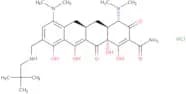
CAS:Omadacycline hydrochloride is a modern tetracycline-class antibiotic, which is a synthetic derivative sourced from tetracycline compounds. The mode of action involves binding to the bacterial 30S ribosomal subunit, thereby inhibiting protein synthesis, which ultimately interferes with bacterial growth. Omadacycline exhibits a broad spectrum of activity, showing efficacy against a range of Gram-positive and Gram-negative bacterial strains, including those resistant to other tetracyclines and antibiotics.Formula:C29H40N4O7·HClPurity:Min. 95%Molecular weight:593.11 g/molAfabicin
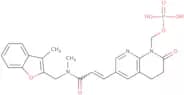
CAS:Afabicin is an antibiotic, which is a derivative of the natural product lipiarmycin. It acts by inhibiting the bacterial enzyme DNA-dependent RNA polymerase, crucial for bacterial growth and reproduction. This targeted action disrupts RNA synthesis, effectively halting the proliferation of susceptible bacterial strains.Formula:C23H24N3O7PPurity:Min. 95%Molecular weight:485.4 g/mol(10E)-3-O-De(a-L-cladinose)-10-dehydro-11-dehydroxy-6-O-methyl-erythromycin 2'-acetate
CAS:Erythromycin derivative
Formula:C32H55NO10Purity:Min. 95%Molecular weight:613.78 g/molRestanza
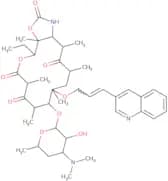
CAS:Restanza is an antibiotic, which is derived from novel sources to combat resistant bacterial strains. It functions through the inhibition of bacterial protein synthesis by binding to the 50S ribosomal subunit, effectively halting the translation process. This mechanism of action is designed to disrupt the proliferation of bacteria, making it a powerful tool in the fight against various infections.
Formula:C42H59N3O10Purity:Min. 95%Molecular weight:765.9 g/molCauloside A
CAS:Cauloside A is a steroidal saponin, a type of glycoside compound, which is primarily isolated from the plant Caulophyllum robustum or related species. Saponins are known for their diverse biological activities and the ability to interact with cell membranes due to their amphipathic nature, allowing them to disrupt lipid bilayers.Formula:C35H56O8Purity:Min. 95%Molecular weight:604.8 g/molTubulysin A
CAS:Tubulysin A is a natural cytotoxic agent, which is derived from myxobacteria. The compound originates from strains such as Archangium gephyra and Angiococcus disciformis, known for their prolific production of secondary metabolites. Tubulysin A exerts its mode of action by disrupting microtubule dynamics, which are essential for cell division and intracellular transport. It specifically binds to the microtubules and inhibits their polymerization, leading to cell cycle arrest and apoptosis in rapidly dividing cells.Formula:C43H65N5O10SPurity:Min. 95%Molecular weight:844.07 g/mol4-Epianhydrotetracycline hydrochloride
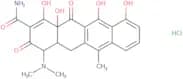
CAS:4-Epianhydrotetracycline hydrochloride is a chemically modified antibiotic derivative, originating from the structural transformation of tetracycline. It is derived through epimerization and dehydration processes, which alter the parent compound's structure.Formula:C22H23ClN2O7Purity:Min. 95%Molecular weight:462.9 g/molMacranthoside B
CAS:Macranthoside B is a natural iridoid glycoside, which is derived primarily from the roots of certain plants, such as Rehmannia species. This compound is known for its biological activity, which includes potential anti-inflammatory and antioxidant effects. The mode of action of macranthoside B involves modulation of various cellular pathways, possibly through the inhibition of inflammatory mediators and free radical scavenging.Formula:C53H86O22Purity:Min. 95%Molecular weight:1,075.24 g/molClindamycin 3,4-isopropylidene
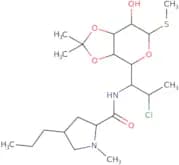
CAS:Clindamycin 3,4-isopropylidene is a semi-synthetic antibiotic derivative of clindamycin, which is derived from the bacterial species Streptomyces lincolnensis. This compound is synthesized through chemical modification, specifically forming an isopropylidene group at positions 3 and 4 of the clindamycin molecule. The inclusion of the isopropylidene moiety alters its physicochemical properties, potentially enhancing its stability or spectrum of activity.
Formula:C21H37ClN2O5SPurity:Min. 95%Molecular weight:465 g/molTCMDC-135051
CAS:TCMDC-135051 is a synthetic ligand, which is derived from advanced combinatorial chemistry techniques. It operates as a potent modulator of specific receptor sites by selectively binding and altering their physiological activity. The source of TCMDC-135051's activity is its molecular architecture, designed to target epitopes with high affinity and precision. This targeted action makes TCMDC-135051 a valuable tool for probing cellular pathways and mechanisms, providing insights into complex biological processes.Formula:C29H33N3O3Purity:Min. 95%Molecular weight:471.6 g/molSilthiofam-des(trimethylsilyl)
CAS:Silthiofam-des(trimethylsilyl) is a synthetic fungicidal compound, serving as a crucial component in the agricultural sector. It originates as a derivative from organic chemistry processes, designed to enhance the fungicide silthiofam by modifying its chemical structure to improve its stability and activity.Formula:C10H13NOSPurity:Min. 95%Molecular weight:195.28 g/molent NAP 226-90
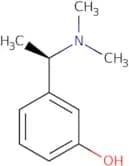
CAS:ent NAP 226-90 is an organic compound functioning as an antibacterial agent, which is derived from a biologically active natural product. Its mode of action involves the inhibition of essential bacterial enzymes, leading to the disruption of cellular processes within susceptible microorganisms. This compound is particularly effective against a broad spectrum of gram-positive bacteria, making it valuable in medical microbiology research for understanding bacterial resistance mechanisms.Formula:C10H15NOPurity:Min. 95%Molecular weight:165.23 g/molMagnoloside A
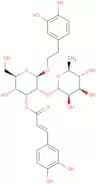
CAS:Magnoloside A is a bioactive compound, which is a natural product derived from the bark of the Magnolia plant. This compound is part of a group of phenolic glycosides that is extracted using advanced phytochemical techniques. Its mode of action primarily involves the inhibition of pro-inflammatory cytokines and modulation of various signaling pathways involved in inflammation and oxidative stress.
Formula:C29H36O15Purity:Min. 95%Molecular weight:624.6 g/molQuilseconazole
CAS:Please enquire for more information about Quilseconazole including the price, delivery time and more detailed product information at the technical inquiry form on this pageFormula:C22H14F7N5O2Purity:Min. 95%Molecular weight:513.4 g/molCefsulodin Sodium Salt Hydrate
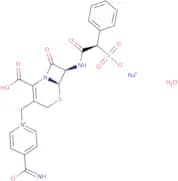
CAS:Cefsulodin Sodium Salt Hydrate is an antibiotic compound, which is derived from synthetic chemical processes, specifically designed as a third-generation cephalosporin. It exhibits a mode of action by inhibiting bacterial cell wall synthesis, effectively targeting certain Gram-negative bacteria, particularly Pseudomonas aeruginosa, through the binding of penicillin-binding proteins. This binding disrupts the transpeptidation process essential for peptidoglycan cross-linking, compromising bacterial cell wall integrity and leading to cell lysis.Formula:C22H19N4NaO8S2·xH2OPurity:Min. 95%Molecular weight:554.52 g/mol41-Oxo-rapamycin
CAS:41-Oxo-rapamycin is a synthetic derivative of rapamycin, which is a macrocyclic lactone. It is derived from Streptomyces hygroscopicus, a gram-positive bacterium known for producing various bioactive compounds. The mode of action of 41-Oxo-rapamycin involves binding to the FK506-binding protein (FKBP12), forming a complex that subsequently inhibits the mammalian target of rapamycin (mTOR) pathway. This inhibition results in the suppression of T-cell proliferation and modulation of immune responses.Formula:C51H77NO13Purity:Min. 95%Molecular weight:912.2 g/molPosizolid
CAS:Posizolid is an oxazolidinone antibiotic, which is a synthetic compound derived from chemical synthesis. It acts by inhibiting bacterial protein synthesis through binding to the 50S subunit of the bacterial ribosome, thereby interfering with the translation process essential for bacterial growth and reproduction.
Formula:C21H21F2N3O7Purity:Min. 95%Color and Shape:SolidMolecular weight:465.4 g/molSSAA09E2
CAS:SSAA09E2 is a specialized chemical compound, which is a synthetic product used extensively in various industrial and research applications. This compound is derived from petrochemical sources, ensuring a high degree of purity and consistency. Its mode of action involves acting as a catalyst in chemical reactions, facilitating the transformation and modification of molecular structures without being consumed in the process.Formula:C16H20N4O2Purity:Min. 95%Molecular weight:300.36 g/mol6-Fluoro-1-(4-fluorophenyl)-4-oxo-7-piperazin-1-yl-1,8-naphthyridine-3-carboxylic acid
CAS:6-Fluoro-1-(4-fluorophenyl)-4-oxo-7-piperazin-1-yl-1,8-naphthyridine-3-carboxylic acid is a fluoroquinolone antibiotic, which is a synthetic product derived from naphthyridine. Its mode of action involves inhibiting bacterial DNA gyrase and topoisomerase IV, enzymes critical for DNA replication, transcription, and repair. This action results in the prevention of DNA supercoiling and introduces breaks within bacterial DNA, thereby leading to the death of the microorganism.
Formula:C19H16F2N4O3Purity:Min. 95%Molecular weight:386.4 g/molPentabromopseudilin
CAS:Pentabromopseudilin is a brominated natural product, which is isolated from marine bacteria, specifically the genus *Pseudomonas*. It operates by inhibiting the enoyl-acyl carrier protein reductase enzyme, interrupting fatty acid biosynthesis essential for bacterial and fungal cell membrane construction. As a halogenated phenol derivative, its unique mechanism of action makes it an interesting candidate for antimicrobial research.Formula:C10H4Br5NOPurity:Min. 95%Molecular weight:553.7 g/molArylpyrazol
CAS:Arylpyrazol is an advanced class of pesticide, originating from meticulous chemical synthesis. These compounds are primarily derived from pyrazole and aryl substituents, forming a class of sophisticated chemical agents. The mode of action of arylpyrazols involves interfering with nervous system functions of pests, specifically targeting their gamma-aminobutyric acid (GABA) receptor sites. This disruption in GABA neurotransmission leads to hyperexcitation of the pests' nervous system, eventually resulting in paralysis and death.
Formula:C13H9Cl3F2N4O3Purity:Min. 95%Molecular weight:413.6 g/molChevalone E
CAS:Chevalone E is a specialized nematicide, which is derived from natural plant sources. Its mode of action is based on disrupting the normal physiological processes of nematodes, thereby inhibiting their ability to infect and damage host plants. Chevalone E is particularly valued for its ability to target a broad range of nematode species, making it an effective tool in integrated pest management strategies.
Formula:C26H38O4Purity:Min. 95%Molecular weight:414.6 g/molNeomycin B
CAS:Neomycin B is an aminoglycoside antibiotic, which is derived from the bacterium *Streptomyces fradiae*. It exerts its antibacterial effects by binding to the 30S subunit of bacterial ribosomes, leading to the inhibition of protein synthesis. This binding disrupts the translation process, thereby preventing the growth and proliferation of bacteria. Neomycin B is effective against a wide range of Gram-negative and some Gram-positive bacteria, making it a valuable tool in both medical and research settings.
Formula:C23H46N6O13Purity:Min. 95%Molecular weight:614.64 g/mol