Fatty Acids
Fatty acids are carboxylic acids with long hydrocarbon chains, which can be either saturated or unsaturated. They are essential components of lipids, serving as key building blocks for complex lipids, energy sources, and signaling molecules. Fatty acids are involved in various biological processes, including metabolism, cell membrane structure, and inflammation. At CymitQuimica, we offer a diverse range of high-quality fatty acids to support your research in lipid biochemistry, nutrition, and related fields.
Subcategories of "Fatty Acids"
- Acylglycerols/Glycerides(42 products)
- Eicosanoids(6 products)
- Fatty Acid Esters(850 products)
- Halogenated Fatty Acids(32 products)
Found 2455 products of "Fatty Acids"
Sort by
Purity (%)
0
100
|
0
|
50
|
90
|
95
|
100
Elaidic acid
CAS:<p>Elaidic acid is a monounsaturated trans-fat and 9-trans isomer of oleic acid, found in hydrogenated oils, affecting human platelet activity.</p>Formula:C18H34O2Purity:99.71% - 99.76%Color and Shape:Colorless Or Nearly Colorless Liq (Above 5-7 Deg C) SolidMolecular weight:282.46Palmitoleic acid
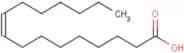
CAS:<p>Palmitoleic acid ((Z)-Hexadec-9-enoic acid) is found to be associated with isovaleric acidemia, which is an inborn error of metabolism.</p>Formula:C16H30O2Purity:99.77%Color and Shape:Liquid OthersolidMolecular weight:254.412-Hydroxy-2-methylbutanoic acid
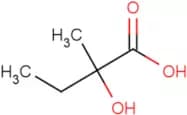
CAS:<p>2-Hydroxy-2-methylbutyric acid is an unusual metabolite found in the urine of patients with 2-hydroxyglutaric aciduria and maple syrup urine disease.</p>Formula:C5H10O3Purity:99.83%Color and Shape:SolidMolecular weight:118.13Tridecanedioic acid
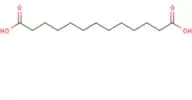
CAS:<p>Tridecanedioic acid (Brassilic acid) is an unusual odd-numbered dicarboxylic acid that appears in the urines of children with neonatal adrenoleukodystrophy.</p>Formula:C13H24O4Purity:99.78%Color and Shape:White FlakeMolecular weight:244.331-Hydroxyoctadecane
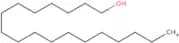
CAS:<p>1-Hydroxyoctadecane (OctadecanolOctadecanol) is a fatty alcohol present in human and is normally incorporated into plasmalogen lipids.</p>Formula:C18H38OPurity:99.91%Color and Shape:Less Solid Paraffin LikeMolecular weight:270.49Undecanoic acid
CAS:<p>Undecanoic acid (Hendecanoic acid) is a monocarboxylic acid with antimycotic property. Undecanoic acid inhibits the production of keratinase, lipase.</p>Formula:C11H22O2Purity:99.81%Color and Shape:Colourless To Light Yellow Liquid Or SolidMolecular weight:186.29Nonanoic acid
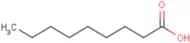
CAS:<p>Nonanoic acid, a 9-C fatty acid, occurs in pelargonium oil; its esters add flavor; it's an oily, rancid-smelling liquid, insoluble in water.</p>Formula:C9H18O2Purity:97.01%Color and Shape:Colorless Oily Liquid At Ordinary Temp; Crystallizes When Cooled Liquid Liquid OthersolidMolecular weight:158.243-Methylglutaric acid
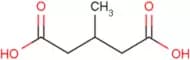
CAS:<p>Methylglutaric acid, a leucine byproduct, is linked to two metabolic disorders, detected in patient urine.</p>Formula:C6H10O4Purity:98.64%Color and Shape:SolidMolecular weight:146.143-Methylbut-2-enoic acid
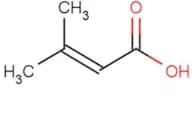
CAS:<p>3-Methylbut-2-enoic acid (Senecioic acid) appears in the urine of patients with 3-Methylcrotonic aciduria.</p>Formula:C5H8O2Purity:99.86%Color and Shape:SolidMolecular weight:100.122-Hydroxyhexanoic acid
CAS:<p>2-Hydroxyhexanoic acid, found in human blood, amniotic fluid, and notably in CSF of Nocardia patients.</p>Formula:C6H12O3Purity:97% - 98%Color and Shape:SolidMolecular weight:132.16(S)-Leucic acid
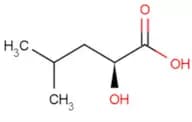
CAS:<p>(S)-Leucic acid, a leucine metabolite in muscles, enhances muscle mass and recovery. It's a 2-hydroxycarboxylic acid used in bodybuilding.</p>Formula:C6H12O3Purity:98.44%Color and Shape:SolidMolecular weight:132.16Hexadecanedioic acid
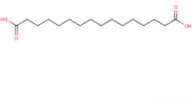
CAS:<p>Hexadecanedioic acid (1,16-Hexadecanedioic acid) is a common saturated fatty acid found in animals, plants and microorganisms. It has antitumor activity.</p>Formula:C16H30O4Purity:99.42% - 99.89%Color and Shape:SolidMolecular weight:286.41Tridecanoic acid
CAS:<p>Tridecanoic acid: 13-carbon, saturated fatty acid in dairy and n-hexadecane biodegradation; phospholipase A2 substrate.</p>Formula:C13H26O2Purity:99.17% - 99.81%Color and Shape:Off-White Or White Crystals Or PowderMolecular weight:214.34Citraconic acid
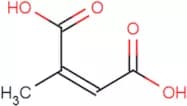
CAS:<p>Citraconic acid (2-Methylmaleic Acid) is a dicarboxylic acid consisting of maleic acid having a methyl substituent at the 2-position.</p>Formula:C5H6O4Purity:99.18%Color and Shape:SolidMolecular weight:130.1Itaconic acid
CAS:<p>Itaconic acid, a soluble, weak acid found in biofluids and eukaryotic cells, is present in foods like cowpea and butternut squash.</p>Formula:C5H6O4Purity:97.15%Color and Shape:White Solid CrystallineMolecular weight:130.1Erucic acid
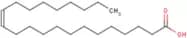
CAS:<p>Increased levels of erucic acid (22:1n9) have been found in the red blood cell membranes of autistic subjects with developmental regression (PMID: 16581239 ).</p>Formula:C22H42O2Purity:99.64%Color and Shape:Needles From Alcohol Liquid OthersolidMolecular weight:338.57(±)-Methyl Jasmonate
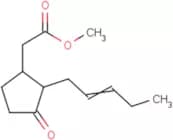
CAS:<p>Methyl 2-(3-oxo-2-(pent-2-en-1-yl)cyclopentyl)acetate ((±)-Jasmonic Acid methyl ester)induces the synthesis of proteinase inhibitors in plant leaves.</p>Formula:C13H20O3Purity:98.95% - 99.39%Color and Shape:Colorless Liquid Clear To Pale Yellow LiquidMolecular weight:224.32-Methylsuccinic acid
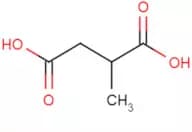
CAS:<p>2-Methylsuccinic acid, a human metabolite, marks ethylmalonic encephalopathy with specific symptoms and genetic traits.</p>Formula:C5H8O4Purity:99.31%Color and Shape:Physical Description White Or Yellowish Crystals Or Beige Powder (Ntp 1992)Molecular weight:132.11Nervonic acid
CAS:<p>Nervonic acid, enriched in sphingomyelin, may boost brain function and combat demyelination; it's linked to lower obesity risks and altered levels in ALD.</p>Formula:C24H46O2Purity:98% - 99.64%Color and Shape:Clear To Yellowish Crystalline PowderMolecular weight:366.62Arachidic acid
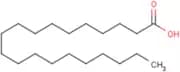
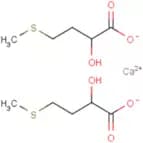
CAS:<p>Arachidic acid (Icosanoic Acid) is a saturated fatty acid found naturally in fish and vegetable oils. It can be formed by the hydrogenation of arachidonic acid.</p>Formula:C20H40O2Purity:99.86%Color and Shape:Drypowder Othersolid Liquid OthersolidMolecular weight:312.53Calcium 2-hydroxy-4-(methylthio)butanoate
CAS:<p>Calcium 2-hydroxy-4-(methylthio)butanoate (Calcium 2-hydroxy-4-(calcium hydroxymethionine)) is a nutrition enhancer.</p>Formula:C10H18CaO6S2Purity:98.38%Color and Shape:SolidMolecular weight:338.45Tricosanoic acid
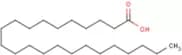
CAS:<p>Tricosanoic acid, a very long-chain fatty acid found in blood, urine, membranes, cytoplasm, and adiposomes, may indicate citrus, date, and papaya consumption.</p>Formula:C23H46O2Purity:99.17% - 99.52%Color and Shape:White Flakes Or Crystalline PowderMolecular weight:354.611-Hexadecanol
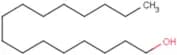
CAS:<p>1-Hexadecanol (Hexadecan-1-ol), a fatty alcoholis, is utilized for making other chemicals.</p>Formula:C16H34OPurity:99.39% - 99.88%Color and Shape:Colourless Solid Paraffin LikeMolecular weight:242.44Petroselinic acid
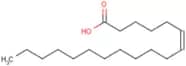
CAS:<p>Petroselinic acid (5-Heptadecylene-1-carboxylic acid) is a monounsaturated omega-12 fatty acid found naturally in plant and animal oils and fats.</p>Formula:C18H34O2Purity:99.70% - 99.88%Color and Shape:SolidMolecular weight:282.461-Hexadecanol
CAS:<p>Applications 1-Hexadecanol, is used in the cosmetic industry as an opacifier in shampoos, or as an emollient, emulsifier or thickening agent in the manufacture of skin creams and lotions.<br>References Smolinske S. C., et al.: Handbook Food Drug and Cosmetic Exipients, 75 (1992);<br></p>Formula:C16H34OColor and Shape:White To Off-WhiteMolecular weight:242.442-Morpholinecarboxylic Acid Ethyl Ester
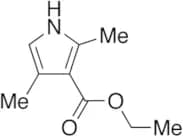
CAS:Controlled ProductFormula:C7H13NO3Color and Shape:NeatMolecular weight:159.182,4-Dimethyl-1H-pyrrole-3-carboxylic Acid Ethyl Ester
CAS:Controlled Product<p>Applications 2,4-Dimethyl-1H-pyrrole-3-carboxylic Acid Ethyl Ester is used in the preparation of blue pyrrole dyes. 2,4-Dimethyl-1H-pyrrole-3-carboxylic Acid Ethyl Ester is also used as an intermediate in the synthesis of receptor tyrosine kinase (RTK) inhibitors and their metabolites.<br>References Treibs, A. et al.: Lieb. Ann. Chem., 2, 289 (1978); Elsinghorst, P. et al.: J. Lab. Comp. Radiopharm., 52, 360 (2009);<br></p>Formula:C9H13NO2Color and Shape:NeatMolecular weight:167.21Hexadecafluoroheptane
CAS:Controlled Product<p>Applications Hexadecafluoroheptane, 98% (cas# 335-57-9) is a useful research chemical.<br></p>Formula:C7F16Color and Shape:ColourlessMolecular weight:388.05Butyl Palmitate
CAS:Controlled ProductFormula:C20H40O2Color and Shape:ColourlessMolecular weight:312.53cis-7,10,13,16-Docosatetraenoic Acid Ethyl Ester-d5
CAS:Controlled Product<p>Applications cis-7,10,13,16-Docosatetraenoic Acid Ethyl Ester-d5 is an isotopic analog of cis-7,10,13,16-Docosatetraenoic Acid Ethyl Ester. cis-7,10,13,16-Docosatetraenoic Acid Ethyl Ester is an ethyl analog of cis-7,10,13,16-Docosatetraenoic Acid (D494510). cis-7,10,13,16-Docosatetraenoic Acid has been identified as a protein kinase inhibitor, affecting serotonin levels in studies.<br>References Mirnikjoo, B. et al.: J. Biol. Chem., 276, 10888 (2001);<br></p>Formula:C24D5H35O2Color and Shape:NeatMolecular weight:365.604Ethyl Palmitoleate-d5
CAS:Controlled Product<p>Stability Light Sensitive<br>Applications Ethyl Palmitoleate-d5 is the isotope analog of Ethyl Palmitoleate. Ethyl Palmitoleate is used in biological studies for calcium relase-activated calcium channel blockade as a potential tool in antipancreatitis therapy.<br>References Gerasimenko, J.V., et al.: Proc. Natl. Acad. Sci. U.S.A., 110, 13186 (2013)<br></p>Formula:C18H29D5O2Color and Shape:Colourless OilyMolecular weight:287.49N-Succinimidyl Palmitate
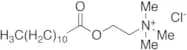
CAS:Controlled Product<p>Stability Moisture Sensitive; Store in Freezer, Hygroscopic<br>Applications N-hydroxysuccinimide ester of palmitic acid. Esters of N-hydroxysuccinimide have been used for the preparation of N-acylamino acids, aminoacyl-tRNA, coenzyme A, thioglycolic acid, ceramides, etc.<br>References Lapidot, Y., et al.: J. Lipid Res., 8, 142 (1967); Lapidot, Y., et al.: Biochim. Biophys. Acta, 145, 292 (1967); Al-Arif, A., et al.: J. Lipid Res., 10, 344 (1969); Ong, D.E., and Brady, R.N., J. Lipid Res., 13, 819 (1972)<br></p>Formula:C20H35NO4Color and Shape:NeatMolecular weight:353.50Lauroylcholine Chloride
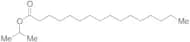
CAS:Controlled Product<p>Applications Lauroylcholine Chloride (cas# 25234-60-0) is a compound useful in organic synthesis.<br></p>Formula:C17H36NO2·ClColor and Shape:NeatMolecular weight:321.93Isopropyl Palmitate
CAS:<p>Applications Isopropyl Palmitate has been used in the preparation of a pseudolatex-membrane for ketoprofen transdermal drug delivery systems.<br>References Suksaeree, J., et. al.: Ind. Eng. Chem. Res., 52, 15847 (2013)<br></p>Formula:C19H38O2Color and Shape:ColourlessMolecular weight:298.50N-Hexadecanol-D31
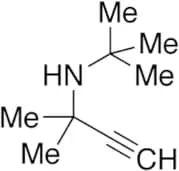
CAS:Controlled Product<p>Applications N-Hexadecanol (2,2,3,3...16,16,16-D31, 98%) (cas# 203633-15-2) is a useful research chemical.<br></p>Formula:C16D31H3OColor and Shape:NeatMolecular weight:273.63N-tert-Butyl-1,1-dimethylpropargylamine
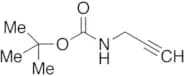
CAS:Controlled Product<p>Applications Used for cyclizations of propynyl compounds: a synthesis of 2,4-imidazolidinediones (hydantoins).<br>References Xie, J., et al.: Bioorg. Med. Chem., 15, 458 (2007),<br></p>Formula:C9H17NColor and Shape:NeatMolecular weight:139.24N-Boc-propargylamine
CAS:Controlled Product<p>Applications N-Boc-propargylamine is used in the preparation of triazolobenzylidene-thiazolopyrimidines which act as CDC25 phosphatase inhibitors. Also used in the synthesis of β-glucan polysaccharide analogs.<br>References Duval, R. et al.: J. Comb. Chem., 11, 947 (2009); Tanaka, H. et al.: Tetrahedron Lett., 53, 4104 (2012);<br></p>Formula:C8H13NO2Color and Shape:NeatMolecular weight:155.2(9Z)-9-Octadecen-1-ol, 85%
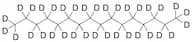
CAS:<p>Applications (9Z)-9-Octadecen-1-ol, is an unsaturated fatty alcohol, that can be used a nonionic surfactant, emulsifier, emollient and thickener in skin creams, lotions and many other cosmetic products.<br>References Linh D.D, et al.: Int. J. Gre. Eng., 8, 748 (2011);<br></p>Formula:C18H36OPurity:85%Color and Shape:Colourless LiquidMolecular weight:268.48n-Hexadecane-d34
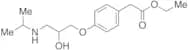
CAS:Controlled Product<p>Applications n-Hexadecane-d34 is the labeled compound of Hexadecane(H293630). Hexadecane has been used to prepare emulsions in water. It is also used as a substrate for the bacterial production of biosurfactants.<br>References Rang, M., et al.: J. Colloid Interface Sci., 209, 179 (1999); Hills, B., et al.: Magn. Reson. Imaging, 18, 319 (2000); Noordman, W., et al.: Appl. Environ. Microbiol., 68, 4502 (2002)<br></p>Formula:C162H34Color and Shape:ColourlessMolecular weight:260.65Metoprolol Acid Ethyl Ester
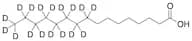
CAS:Controlled Product<p>Applications Intermediate for the preparation of Metoprolol Acid.<br> Not a dangerous good if item is equal to or less than 1g/ml and there is less than 100g/ml in the package<br></p>Formula:C16H25NO4Color and Shape:NeatMolecular weight:295.37Hexadecanoic-9,9,10,10,11,11,12,12,13,13,14,14,15,15,16,16,16-d17 Acid
CAS:Controlled Product<p>Applications Hexadecanoic-9,9,10,10,11,11,12,12,13,13,14,14,15,15,16,16,16-d17 Acid (CAS# 81462-28-4) is a useful isotopically labeled research compound.<br></p>Formula:C16H15D17O2Color and Shape:White To Off-WhiteMolecular weight:273.535,7-Docosadiynoic Acid
CAS:Controlled Product<p>Applications Amphiphilic molecule used in the synthesis of artificial cell membranes for diagnostics and therapeutics.<br>References Deckert, A.A., et al.: Langmuir, 11, 643 (1995); Charych, D., and Nagy, J.O.: Chemtech, 26(9), 24 (1996); Pan, J.J. and Charych, D.: Langmuir, 13, 1365 (1997)<br></p>Formula:C23H38O2Color and Shape:NeatMolecular weight:346.55Desacetyl Forskolin
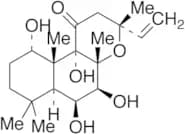
CAS:Controlled Product<p>Applications Desacetyl Forskolin is an analogue of Forskolin (F701800). Desacetyl Forskolin was tested for its ability to activate rat brain adenylate cyclase, activate detergent-solubilized rat brain adenylate cyclase, increase cyclic AMP in intact S49 wild-type cells, and inhibit the binding of 3H-forskolin to rat brain membranes.<br>References Desouza, N., et al.: Med. Res. Rev., 3, 201 (1983); Seamon, K., et al.: J. Med. Chem., 26, 436 (1983); Seguin, E., et al.: Planta Medica, 54, 4 (1988);<br></p>Formula:C20H32O6Color and Shape:NeatMolecular weight:368.462-(5Z)-5-Tetradecen-1-yl-cyclobutanone
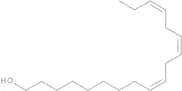
CAS:Controlled ProductFormula:C18H32OColor and Shape:NeatMolecular weight:264.45(9Z,12Z,15Z)-Octadeca-9,12,15-trien-1-ol (>90%)
CAS:<p>Stability Light Sensitive<br>Applications (9Z,12Z,15Z)-octadeca-9,12,15-trien-1-ol is an essential oil component of Osmanthus fragrans.<br>References Hu, C., et al.: Huaxue Shiji, 32, 231 (2010); Tian, G., et al.: Anhui Nongye Kexue, 36, 7214 (2008)<br></p>Formula:C18H32OPurity:>90%Color and Shape:ColourlessMolecular weight:264.45Oxalic Acid Ethyl Ester
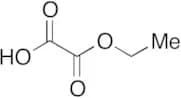
CAS:Controlled Product<p>Applications Oxalic Acid Ethyl Ester is a useful synthetic intermediate. It is used to synthesize 2-substituted 3-aryl-4(3H)-quinazolinones with anticonvulsant activities. It is also used to prepare nonbenzamidine tetrazole derivatives as factor Xa inhibitors.<br>References Wolfe, J., et al.: J. Med. Chem., 33, 161 (1009); Quan, M., et al.: bioorg. Med. Chem. Lett., 13, 369 (2003)<br></p>Formula:C4H6O4Color and Shape:NeatMolecular weight:118.099H-Hexadecafluorononanoic Acid
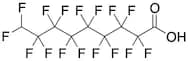
CAS:Controlled Product<p>Applications 9H-Hexadecafluorononanoic Acid (cas# 76-21-1) is a useful research chemical.<br></p>Formula:C9H2O2F16Color and Shape:NeatMolecular weight:446.09Hexadecanal
CAS:Controlled Product<p>Stability Air and Moisture sensitive<br>Applications It is used in the production of lipid and fatty acids.<br>References Cerniglia, C., et al.: J. Bacteriol., 118, 844 (1974), Leahy, J., et al.: Microbiolog. Rev., 54, 305 (1990),<br></p>Formula:C16H32OColor and Shape:NeatMolecular weight:240.425-Bromopentanoic Acid Ethyl Ester
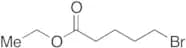
CAS:Controlled Product<p>Applications 5-Bromopentanoic Acid Ethyl Ester was used in the preparation of S(γ-Carboxypropyl)-DL-homocysteine and S(δ-Carboxybutyl)-DL-homocysteine. It was also used in the preparation of ethyl 5-azidovalerate.<br>References Awad, W.: J. Biol. Chem., 258, 12790 (1983); Li, Z., et al.: Tetrahedron Lett., 45, 3143 (2004)<br></p>Formula:C7H13BrO2Color and Shape:NeatMolecular weight:209.08Cetyl Stearate
CAS:Controlled Product<p>Applications Cetyl Stearate is a wax ester of stearic acid. Wax esters are esters between long chained fatty alcohols and fatty acids. Wax esters have significance in pharmaceutical and cosmetics applications and occur naturally in plants and animals. Stearate esters are used most frequently in the formulation of eye makeup, skin makeup, lipstick and skin care products.<br>References Wheatley, V., et al.: Biochem. J., 58, 167 (1954); Shichijo, S., et al.: Biochem. Med., 22, 256 (1979); Robosky, L., et al.: J. Lipid Res., 49, 686 (2008);<br></p>Formula:C34H68O2Color and Shape:NeatMolecular weight:508.90