Fatty Acids
Fatty acids are carboxylic acids with long hydrocarbon chains, which can be either saturated or unsaturated. They are essential components of lipids, serving as key building blocks for complex lipids, energy sources, and signaling molecules. Fatty acids are involved in various biological processes, including metabolism, cell membrane structure, and inflammation. At CymitQuimica, we offer a diverse range of high-quality fatty acids to support your research in lipid biochemistry, nutrition, and related fields.
Subcategories of "Fatty Acids"
- Acylglycerols/Glycerides(42 products)
- Eicosanoids(6 products)
- Fatty Acid Esters(850 products)
- Halogenated Fatty Acids(32 products)
Found 2455 products of "Fatty Acids"
Sort by
Purity (%)
0
100
|
0
|
50
|
90
|
95
|
100
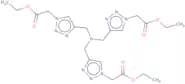
1,1',1''-Tris(1H-1,2,3-triazol-4-yl-1-acetic acid ethyl ester) trimethylamine
CAS:<p>1,1',1''-Tris(1H-1,2,3-triazol-4-yl-1-acetic acid ethyl ester) trimethylamine is an organic solvent that has been used in the synthesis of azide–alkyne cycloaddition products. The solvent has shown to be soluble in water and is stable at high temperatures. It can also be used as a reagent or ligand for cycloaddition reactions with alkynes.</p>Formula:C21H30N10O6Purity:Min. 95%Color and Shape:White PowderMolecular weight:518.53 g/mol3-Bromocinnamic acid ethyl ester
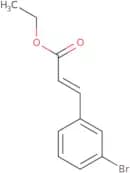
CAS:<p>3-Bromocinnamic acid ethyl ester is a chemical that is useful as a building block for the synthesis of more complex compounds. It is an intermediate in the synthesis of organic compounds and can be used as a reaction component. 3-Bromocinnamic acid ethyl ester has CAS No. 24398-80-9 and is a reagent that can be used to synthesize other chemicals. 3-Bromocinnamic acid ethyl ester is also useful as a scaffold in the development of new drugs, because it has an amide bond, which may lead to new types of drug molecules with different properties.</p>Formula:C11H11BrO2Purity:Min. 95%Molecular weight:255.11 g/molPyridoxine dipalmitate
CAS:<p>Pyridoxine dipalmitate is a polycarboxylic acid that is used as an antioxidant. It can be found in fruit extracts and has been shown to have antimicrobial properties. Pyridoxine dipalmitate also possesses antioxidant properties, which may be due to its ability to react with reactive oxygen species (ROS) and other free radicals. The compound has been shown to improve skin conditions and prevent damage caused by ROS. Pyridoxine dipalmitate is also used in the treatment of metabolic disorders, such as damaged cell membranes and fatty acid metabolism disorders. This compound may act as a cationic surfactant or phosphorus pentachloride.</p>Formula:C40H71NO5Purity:Min. 95%Color and Shape:PowderMolecular weight:646 g/molIndole-2-carboxylic acid ethyl ester
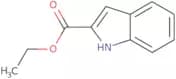
CAS:<p>Indole-2-carboxylic acid ethyl ester is a synthetic compound that binds to cancer cells. It has been shown to inhibit the growth of leukemia cells and breast cancer cells in vitro. Indole-2-carboxylic acid ethyl ester inhibits the binding of collagen to cells, which may be due to its ability to bind to β-carboline alkaloids on collagen. The binding of indole-2-carboxylic acid ethyl ester with these alkaloids prevents them from binding to collagen, thereby preventing the formation of new collagen fibers. This drug also inhibits aldehyde production, which is important for DNA synthesis in cancer cells.</p>Formula:C11H11NO2Purity:Min. 95%Color and Shape:PowderMolecular weight:189.21 g/mol3-Amino-4-methoxybenzoic acid ethyl ester
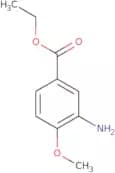
CAS:<p>3-Amino-4-methoxybenzoic acid ethyl ester is a chemical building block that can be used in the synthesis of various organic compounds. It is an important reaction component, and can also be used as a reagent or useful scaffold. 3-Amino-4-methoxybenzoic acid ethyl ester is soluble in organic solvents and has a high quality. This chemical has been shown to be useful for research purposes.</p>Formula:C10H13NO3Purity:Min. 95%Color and Shape:PowderMolecular weight:195.22 g/molAzidopalmitic acid
CAS:<p>Azidopalmitic acid is a synthetic fatty acid that is used in the detection of cellular DNA. It can be detected using methods such as tritiated, expressed, or myristic azide. Azidopalmitic acid has also been shown to be compatible with polymerase chain reaction (PCR) and immobilized metal ion affinity chromatography (IMAC). This molecule is useful for conjugates that are radiolabeled with [3H]azidoacetyl palmitate and [14C]azidoacetyl palmitate. Azidopalmitic acid has been synthetically produced by reacting malonic acid with sodium azide. This compound is also reusable, which makes it an ideal way to label nucleotides during PCR reactions.</p>Formula:C16H31N3O2Purity:Min. 95%Color and Shape:White PowderMolecular weight:297.44 g/mol(R)-(-)-3-Hydroxybutyric acid ethyl ester
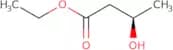
CAS:<p>(R)-(-)-3-Hydroxybutyric acid ethyl ester is an enantiomer of 3-hydroxybutyric acid. It is synthesized from diethyl succinate in a one-pot, stereoselective, high-yield process by using asymmetric synthesis and hydrogenation. The reaction vessel used for this synthesis is a reaction solution that has been optimized to be resistant to high pressure and temperature. This product can be used as a renewable feedstock in the production of polyesters and other polymers.</p>Formula:C6H12O3Purity:Min. 95%Color and Shape:Colorless Clear LiquidMolecular weight:132.16 g/mol7-Ethylindole-3-glyoxylic acid ethyl ester
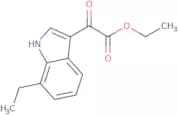
CAS:<p>7-Ethylindole-3-glyoxylic acid ethyl ester is a versatile building block that can be used in the synthesis of complex compounds. It is a useful intermediate in the synthesis of pharmaceuticals, which can also be used as a reagent and speciality chemical. The compound has been shown to have high quality and is a useful scaffold for the synthesis of new compounds.</p>Formula:C14H15NO3Purity:Min. 95%Molecular weight:245.27 g/mol3,5-Dimethoxy-4-hydroxycinnamic acid ethyl ester
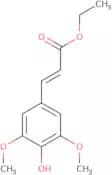
CAS:<p>3,5-Dimethoxy-4-hydroxycinnamic acid ethyl ester is a redox potential with an acidic character. It can be synthesized from p-hydroxybenzoic acid and acetate extract of the plant Carthamus tinctorius. The synthesis starts with an asymmetric synthesis of protocatechuic acid and its derivatives. This compound is also found in the surface methodology of fatty acids and radiation that has been studied by nmr spectroscopic data. 3,5-Dimethoxy-4-hydroxycinnamic acid ethyl ester has bioactive phenolic properties and can be used for the treatment of various diseases such as cancer or diabetes.</p>Formula:C13H16O5Purity:Min. 95%Color and Shape:PowderMolecular weight:252.26 g/molPropargyl chloride
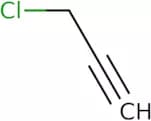
CAS:<p>Propargyl chloride is a chemical that is used as an inhibitor in organic synthesis. It can be used to synthesize compounds with reactive groups such as alkenes, ketones, and amines. Propargyl chloride reacts with the hydroxyl group of an alcohol to form a propargyl alcohol. The reaction mechanism involves intramolecular hydrogen bonding between the hydroxyl group of the propargyl chloride and the carbon atom adjacent to it. Kinetic energy is required for this reaction to occur. The product of this reaction can then react with other molecules in order to form new compounds. Propargyl chloride has been shown to have therapeutic effects on chronic coughs due its ability to reduce the amount of kinetic energy needed for respiratory tract cells, which may have reduced coughing frequency.<br>END>></p>Formula:C3H3ClPurity:Min. 95%Color and Shape:Colorless Yellow Clear LiquidMolecular weight:74.51 g/mol4-Fluoro-2-nitrobenzoic acid ethyl ester
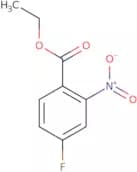
CAS:<p>4-Fluoro-2-nitrobenzoic acid ethyl ester is a fine chemical that can be used as a reagent, intermediate compound, building block, scaffold and building block for speciality chemicals. It has been shown to be an effective chemical in the synthesis of 4-fluoro-2-nitrobenzoic acid, which is a versatile building block with many potential applications. 4-Fluoro-2-nitrobenzoic acid ethyl ester is also useful in reactions involving amines and alcohols as well as metal catalyzed reactions. This product has CAS No. 1072207-10-3.</p>Formula:C9H8FNO4Purity:(%) Min. 85%Color and Shape:Clear LiquidMolecular weight:213.16 g/molPaliperidone palmitate
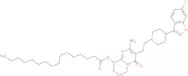
CAS:Controlled Product<p>Paliperidone palmitate is a drug that is used in the treatment of schizophrenia. It is the most potent and selective atypical antipsychotic agent available. Paliperidone palmitate has shown long-term efficacy and low risk of extrapyramidal symptoms, which are associated with some other antipsychotic agents. The drug has been shown to have minimal effects on prolactin levels, although it can cause an increase in serum prolactin levels when administered with risperidone. Paliperidone palmitate is a prodrug that is metabolized by esterases to its active form, paliperidone. Paliperidone does not bind to plasma proteins and therefore may be more suitable for patients with hepatic impairment.</p>Formula:C39H57FN4O4Purity:Min. 95%Color and Shape:PowderMolecular weight:664.89 g/mol1,3-Dipalmitoyl-glycero-2-phosphoethanolamine
CAS:<p>Please enquire for more information about 1,3-Dipalmitoyl-glycero-2-phosphoethanolamine including the price, delivery time and more detailed product information at the technical inquiry form on this page</p>Formula:C37H74NO8PPurity:ReportedColor and Shape:White/Off-White SolidMolecular weight:691.96 g/molPalmitoyl-DL-carnitine chloride
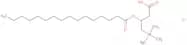
CAS:<p>Palmitoyl-DL-carnitine chloride is a fatty acid that is an important component of cellular membranes. It has been shown to inhibit the growth of cancer cells in rats and mice by increasing the concentration of diacylglycerol in the cell membrane, which leads to increased formation of procyanidins. Palmitoyl-DL-carnitine chloride can also be used as an absorption enhancer for drugs and other compounds. The compound can be used to deliver drugs or other substances into cells, such as Caco-2 cells, for therapeutic purposes. Palmitoyl-DL-carnitine chloride has been shown to increase the production of ornithine in cultured mouse fibroblasts, which may be due to its ability to enhance cellular carnitine levels.</p>Formula:C23H46ClNO4Purity:Min. 95%Color and Shape:PowderMolecular weight:436.07 g/molHexadecanal
CAS:<p>Hexadecanal is a chemical compound that belongs to the group of basic proteins. It is an intermediate in the synthesis of hexanol and hexadecanoic acid. Hexadecanal has been shown to have receptor activity on rat liver microsomes, as well as p450 activity. The physiological functions of this molecule are unknown, but it has been shown to have synergic effects with other bioactive phytochemicals such as sodium citrate.</p>Formula:C16H32OPurity:Min. 95 Area-%Color and Shape:White Off-White PowderMolecular weight:240.42 g/mol1,1,3,3,4,4,4a,5,5,6,6,7,7,8,8,8a-Hexadecafluoro-2-(trifluoromethyl)decahydroisoquinoline
CAS:Controlled Product<p>1,1,3,3,4,4,4a,5,5,6,6,7,7,8,8,8a-Hexadecafluoro-2-(trifluoromethyl)decahydroisoquinoline is an organic solvent that has a very low boiling point and high volatility. It can be used in dry powder inhalers or as a component of hydrogel compositions for oxygen delivery to the lungs. The uptake of 1HF-2TFI into human colon carcinoma cells was found to be significantly higher than uptake by mammary carcinomas. This may be due to the difference in cell types and/or the phosphate group on the molecule. The binding constants of this molecule are also higher than those of other organic solvents such as acetone and ethanol. The results from a questionnaire study also indicated that 1HF-2TFI can be used for perfusion with oxygenated gas mixtures for</p>Formula:C10F19NPurity:Min. 95%Molecular weight:495.08 g/mol3-Fluoro-2-nitrobenzoic acid ethyl ester
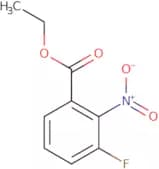
CAS:<p>3-Fluoro-2-nitrobenzoic acid ethyl ester is a fine chemical that is useful as a versatile building block in the synthesis of complex compounds. It can be used as an intermediate in the preparation of research chemicals and has been shown to react with amines to form nitrosoamines, which are useful reaction components. 3-Fluoro-2-nitrobenzoic acid ethyl ester has CAS number 163077-89-2 and is available at high quality.</p>Formula:C9H8FNO4Purity:Min. 95%Color and Shape:PowderMolecular weight:213.16 g/mol(1S,3R,4R)-3-[(tert-Butoxycarbonyl)amino]-4-[(methylsulfonyl)oxy]cyclohexanecarboxylic Acid Ethyl Ester
CAS:Controlled Product<p>Applications (1S,3R,4R)-3-[(tert-Butoxycarbonyl)amino]-4-[(methylsulfonyl)oxy]cyclohexanecarboxylic Acid Ethyl Ester is a starting material and useful building block of various pharmaceuticals.<br></p>Formula:C15H27NO7SColor and Shape:NeatMolecular weight:365.445-Hydroxy-2-oxo-2,3-dihydro-1H-[1]benzazephe-4-carboxylic Acid Ethyl Ester
CAS:Controlled Product<p>Applications 5-Hydroxy-2-oxo-2,3-dihydro-1H-[1]benzazephe-4-carboxylic Acid Ethyl Ester (cas# 108993-98-2) is a compound useful in organic synthesis.<br> Not a dangerous good if item is equal to or less than 1g/ml and there is less than 100g/ml in the package<br></p>Formula:C13H13NO4Color and Shape:NeatMolecular weight:247.25(-)-(2S,3S)-Viridifloric Acid Ethyl Ester-d7
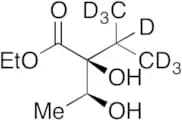
CAS:Controlled Product<p>Applications (-)-(2S,3S)-Viridifloric Acid Ethyl Ester is an intermediate in the synthesis of (+)-amabiline, an unsaturated pyrrolizidine alkaloid from Cynoglossum amabile.<br>References Senter, T. J., et al.: Org. Lett., 14, 1869 (2012);<br></p>Formula:C9D7H11O4Color and Shape:NeatMolecular weight:197.28(E)-2,2,3,5-Tetramethylhex-3-enoic Acid Ethyl Ester
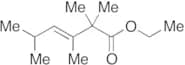
CAS:Controlled Product<p>Applications (E)-2,2,3,5-Tetramethylhex-3-enoic Acid Ethyl Ester is an intermediate in the synthesis of 2,2,3,5-Tetramethylhexanoic Acid (T302890), a compound used in analytical studies as a method to quantitatively determine the total organic acid content in aqueous coolant.<br></p>Formula:C12H22O2Color and Shape:NeatMolecular weight:198.3(1E,5E)-1-Iodopentadeca-1,5-diene
Controlled Product<p>Applications (1E,5E)-1-Iodopentadeca-1,5-diene is an intermediate in the synthesis of (4E, 8E)-Sphingadienine-C18-1-phosphate (S680680), which is an analogue of (4E, 14Z)-Sphingadienine-C18 (S680630), a sphingoid base of sea cucumber cerebroside that may have cytotoxicity activity against human colon cancer cells.<br>References Sugawara, T., et. al.: Biosci. Biotech. Bioch., 70, 2906 (2006)<br></p>Formula:C27H38O18Color and Shape:NeatMolecular weight:650.58rac 1-Oleoyl-2-linoleoylglycerol
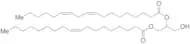
CAS:<p>Stability Light Sensitive, Temperature Sensitive<br>Applications rac 1-Oleoyl-2-linoleoylglycerol is a diacylglycerol from palm oil.<br>References Narvaez-Rivas, M., et al.: J. Agric. Food Chem., 55, 10953 (2007),<br></p>Formula:C39H70O5Color and Shape:NeatMolecular weight:618.976,7-Dichloro-1,4-dihydro-4-oxo-3-quinolinecarboxylic Acid Ethyl Ester
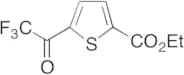
CAS:Controlled Product<p>Applications 6,7-Dichloro-1,4-dihydro-4-oxo-3-quinolinecarboxylic Acid Ethyl Ester is an intermediate in synthesizing 6-Chloro-6-defluoro Ciprofloxacin (C368035). It is an impurity of Ciprofloxacin (C482500), which is a fluorinated quinolone antibacterial.<br>References Hoffken, G., et al.: Antimicrob. Ag. Chemother., 27, 375 (1985), Scully, B.E., et al.: Lancet, 1, 819 (1986)<br></p>Formula:C12H9Cl2NO3Color and Shape:NeatMolecular weight:286.115-(2,2,2-Trifluoroacetyl)-2-thiophenecarboxylic Acid Ethyl Ester
CAS:Controlled Product<p>Applications 5-(2,2,2-Trifluoroacetyl)-2-thiophenecarboxylic Acid Ethyl Ester is an intermediate in the synthesis of reagents for fluoroacetylthiophene oxadiazoles a class II human histone deacetylase inhibitors.<br>References Ontoria, J. M., et al.: J. Med. Chem., 52, 6782 (2009);<br></p>Formula:C9H7F3O3SColor and Shape:NeatMolecular weight:252.21β-Cyano-β-methyl-hydrocinnamic Acid Ethyl Ester
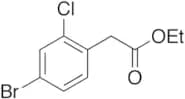
CAS:Controlled Product<p>Applications Can be used in the preparation of CCR5 antagonists, for treatment of HIV-1.<br>References Tallant, M. et al., Bioorg. Med. Chem. 21, 1394 (2011)<br></p>Formula:C13H15NO2Color and Shape:NeatMolecular weight:217.264-Bromo-2-chlorobenzeneacetic Acid Ethyl Ester
CAS:Controlled Product<p>Applications 4-Bromo-2-chlorobenzeneacetic Acid Ethyl Ester (cas# 1261606-45-4) is a compound useful in organic synthesis.<br></p>Formula:C10H10BrClO2Color and Shape:NeatMolecular weight:277.541-[(1E)-2-Nitroethenyl]-2-naphthalenol
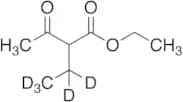
CAS:Controlled Product<p>Applications 1-[(1E)-2-Nitroethenyl]-2-naphthalenol is an intermediate in the synthesis of 1-(2-Nitroethyl)-2-naphthol (N495895), an aromatic alcohol that is used in photoacid for extremely long lived and reversible pH jumps.<br>References Hu, K.L., et al.: Tetrahedron., 70, 181 (2014);<br></p>Formula:C12H9NO3Color and Shape:NeatMolecular weight:215.22-Acetylbutanoic-d5 Acid Ethyl Ester
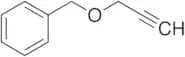
CAS:Controlled Product<p>Applications 2-Acetylbutanoic-d5 Acid Ethyl Ester (cas# 141327-44-8) is a compound useful in organic synthesis.<br></p>Formula:C82H5H9O3Color and Shape:NeatMolecular weight:163.23Propargyl Benzyl Ether
CAS:Controlled Product<p>Applications A propargyl derivative used in the synthesis of substituted carbocyclic aromatic compounds and pharmaceutical compounds.<br>References Takahashi, H. et al.: J. Org. Chem., 74, 3632 (2009); Ding, F. & Jennings, M.: J. Org. Chem., 73, 5965 (2008)<br></p>Formula:C10H10OColor and Shape:NeatMolecular weight:146.197-Bromo-1-ethyl-1,4-dihydro-4-oxo-3-quinolinecarboxylic Acid Ethyl Ester
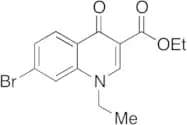
CAS:Controlled Product<p>Applications 7-Bromo-1-ethyl-1,4-dihydro-4-oxo-3-quinolinecarboxylic Acid Ethyl Ester is an intermediate in the synthesis of Rosoxacin (R693580), an antibacterial agent used against Escherichia coli, Klebsiella pneumoniae, Pseudomonas aeruginosa, Staphylococcus aureus and Streptococcus pneumoniae.<br>References Koba, M., et. al.: J. Mol. Modeling, 16, 327 (2010)<br></p>Formula:C14H14BrNO3Color and Shape:NeatMolecular weight:324.179-Anthracenepropanoic Acid Ethyl Ester
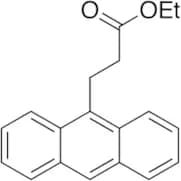
CAS:Controlled Product<p>Applications A 9-substituted derivative of the polycyclic aromatic hydrocarbon (PAH) Anthracene (A678400).<br></p>Formula:C24H20OColor and Shape:NeatMolecular weight:324.4157-Bromo-1,4-dihydro-4-oxo-3-quinolinecarboxylic Acid Ethyl Ester
CAS:Controlled Product<p>Applications 7-Bromo-1,4-dihydro-4-oxo-3-quinolinecarboxylic Acid Ethyl Ester is an intermediate in the synthesis of Rosoxacin (R693580), an antibacterial agent used against Escherichia coli, Klebsiella pneumoniae, Pseudomonas aeruginosa, Staphylococcus aureus and Streptococcus pneumoniae.<br>References Koba, M., et. al.: J. Mol. Modeling, 16, 327 (2010)<br></p>Formula:C14H24N2OSiColor and Shape:NeatMolecular weight:264.4392-Amino-2-oxo-acetic Acid Ethyl Ester
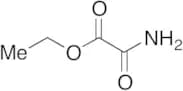
CAS:Controlled Product<p>Applications 2-Amino-2-oxo-acetic Acid Ethyl Ester is a reagent used to prepare methanotetrahydroisoquinolinecarboxylic acid. It can also be used in preparation of 1,2,4-Thiadiazole, a Cathepsin B inhibitor.<br>References Czombos, J., et al.: J. Org. Chem., 65, 5469 (2000); Leung-Toung, R., et al.: Bioorgan. Med. Chem., 11, 5529 (2003)<br></p>Formula:C4H7NO3Color and Shape:NeatMolecular weight:117.14-Phthalimidoacetoacetic Acid Ethyl Ester
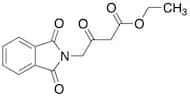
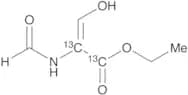
CAS:Controlled Product<p>Applications 4-Phthalimidoacetoacetic Acid Ethyl Ester is an intermediate in the synthesis of 5-Aminolevulinic Acid-3-13C Hydrochloride which is a naturally occurring amino acid; precursor of tetrapyrroles in the biosynthesis of chlorophyll and heme. Antineoplastic (photosensitizer).<br>References Sisler, E.C., et al.: Physiol. Plant., 16, 315 (1963), Herdeis, C., et al.: Arch. Pharm., 317, 304 (1984), Peng, Q., et al.: Cancer, 79, 2282(1997),<br></p>Formula:C14H13NO5Color and Shape:NeatMolecular weight:275.262-(Formylamino)-3-hydroxy-2-propenoic-13C2 Acid Ethyl Ester
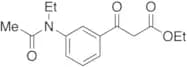
CAS:Controlled Product<p>Applications 2-(Formylamino)-3-hydroxy-2-propenoic-13C2 Acid Ethyl Ester (cas# 1391062-48-8) is a compound useful in organic synthesis.<br></p>Formula:C413C2H9NO4Color and Shape:NeatMolecular weight:161.133-(Acetylethylamino)-β-oxo-benzenepropanoic Acid Ethyl Ester
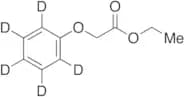
CAS:Controlled Product<p>Applications 3-(Acetylethylamino)-β-oxo-benzenepropanoic Acid Ethyl Ester is an intermediate used in the preparation of 5-Oxo-Zaleplon (O870470).<br></p>Formula:C15H19NO4Color and Shape:NeatMolecular weight:277.316Phenoxy-d5-acetic Acid Ethyl Ester
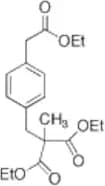
CAS:Controlled Product<p>Applications Phenoxy-d5-acetic Acid Ethyl Ester (cas# 1189442-18-9) is a compound useful in organic synthesis.<br></p>Formula:C10H7D5O3Color and Shape:NeatMolecular weight:185.234-(2,2-Dicarboethoxy-propyl)phenylacetic Acid Ethyl Ester
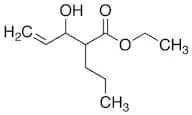
CAS:Controlled Product<p>Stability 0-50C<br>Applications 4-(2,2-Dicarboethoxy-propyl)phenylacetic Acid Ethyl Ester (cas# 223123-63-5) is a compound useful in organic synthesis.<br></p>Formula:C19H26O6Color and Shape:NeatMolecular weight:350.413-Hydroxy-2-propyl-4-pentenoic Acid Ethyl Ester(Mixture of diastereomers)
CAS:Controlled Product<p>Applications Intermediate in the preparation of Valproic acid metabolites<br>References Lee, R., et al.: J. Pharm. Sci., 78, 667 (1989),<br></p>Formula:C10H18O3Color and Shape:NeatMolecular weight:186.25(4Z,6E)-4,6-Octadienoic Acid Ethyl Ester
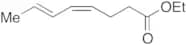
CAS:Controlled Product<p>Applications (4Z,6E)-4,6-Octadienoic Acid Ethyl Ester is an intermediate in the synthesis of Spilanthol (S681850), a fatty acid amide isolated from Acmella oleracea.<br>References Khadir, H., et al.: Pestic. Sci., 25, 329 (1989); Cech, N., et al.: Planta Med., 72, 1372 (2006); Saritha, K., et al.: Biol. Plant, 52, 334 (2008),<br></p>Formula:C10H16O2Color and Shape:NeatMolecular weight:168.23(2E)-2-Hexadecenoic Acid Ethyl Ester
CAS:Controlled Product<p>Applications (2E)-2-Hexadecenoic Acid Ethyl Ester (cas# 135251-95-5) is a compound useful in organic synthesis.<br></p>Formula:C18H34O2Color and Shape:NeatMolecular weight:282.46rac 1,2-Dioleoyl-3-chloropropanediol-13C36
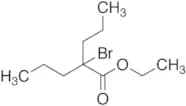
CAS:Controlled Product<p>Applications New lipids in food protein hydrolyzates. Fatty acid esters of chloropropanediol isolated from fresh goat milk.<br>References Velisek, J., et al.: J. Agric. Food Chem., 28, 1142 (1980), Myher, J.J., et al.: Lipids, 21, 309 (1986),<br></p>Formula:C36C3H71ClO4Color and Shape:NeatMolecular weight:675.1672-Bromo-2-propylpentanoic Acid Ethyl Ester
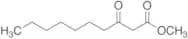
CAS:Controlled Product<p>Applications 2-Bromo-2-propylpentanoic Acid Ethyl Ester (cas# 99174-91-1) is a compound useful in organic synthesis.<br></p>Formula:C10H19BrO2Color and Shape:NeatMolecular weight:251.16Methyl 3-Oxodecanoate
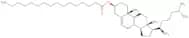
CAS:Controlled ProductFormula:C11H20O3Color and Shape:NeatMolecular weight:200.27Cholest-5-en-3b-yl hexadecanoate
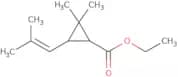
CAS:Controlled Product<p>Cholest-5-en-3b-yl hexadecanoate is a fatty acid that is used to synthesize dextran sulfate. It is a subcutaneous tumor model and has been shown to be effective against human body mass index (BMI) with human serum in vitro. Cholest-5-en-3b-yl hexadecanoate has also been found to inhibit atherosclerotic lesions in vivo and can be used as a fluorescence probe for cholesteryl. This fatty acid also inhibits the growth of infectious diseases, such as Staphylococcus aureus, which infects humans. The melting point of this compound is around 100°C and it becomes liquid at room temperature.</p>Formula:C43H76O2Purity:Min. 95%Color and Shape:PowderMolecular weight:625.06 g/molChrysanthemum monocarboxylic acid ethyl ester
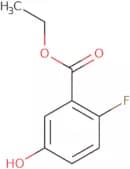
CAS:<p>Chrysanthemum monocarboxylic acid ethyl ester is a chemical compound that belongs to the group of chrysanthemic acid derivatives. It is synthesized by reacting the carboxylic acid with an alcohol in the presence of hydrochloric acid and sodium ethoxide. Chrysanthemum monocarboxylic acid ethyl ester has been shown to have genotoxic effects, as well as fatty acids that can induce lysine residues. This drug also has a pharmaceutical use for tissue culture, which may be due to its ability to inhibit l-tartaric acid, an alkanoic acid.</p>Formula:C12H20O2Purity:Min. 95%Molecular weight:196.29 g/mol2-Fluoro-5-hydroxybenzoic acid ethyl ester
CAS:<p>2-Fluoro-5-hydroxybenzoic acid ethyl ester is a fine chemical that is used as a versatile building block, complex compound, and reagent. It has been used in the synthesis of novel drugs, such as oseltamivir. 2-Fluoro-5-hydroxybenzoic acid ethyl ester has been shown to have useful properties in research, such as being an intermediate for the synthesis of other compounds. This chemical can also be used as a scaffold for the synthesis of other compounds.</p>Formula:C9H9FO3Purity:Min. 95%Molecular weight:184.16 g/mol4-[Bis(2-hydroxypropyl)amino]benzoic acid ethyl ester, 90%
CAS:<p>4-[Bis(2-hydroxypropyl)amino]benzoic acid ethyl ester is an absorber that is used in the production of cationic surfactants. It has been shown to have clinical properties and can be combined with antibiotics for the treatment of inflammatory diseases. 4-[Bis(2-hydroxypropyl)amino]benzoic acid ethyl ester is also used as a radiation absorber, which prevents the formation of free radicals by absorbing radiation. This drug also has an antioxidant effect and may protect skin cells from damage caused by UV light.</p>Formula:C15H23NO4Purity:Min. 95%Color and Shape:Yellow PowderMolecular weight:281.35 g/molFmoc-D-propargylglycine
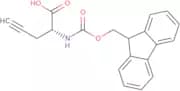
CAS:<p>D-propargylglycine is a chemical compound that belongs to the group of valency modifiers. It is a modulator that can be used in cancer research and as an anti-inflammatory agent. It has been shown to have protein–protein interaction by binding to casein kinase, which may lead to its use in cancer therapy. D-propargylglycine can also interact with other proteins and inflammatory agents, leading to potential applications in the treatment of inflammatory conditions such as arthritis.</p>Formula:C20H17NO4Purity:Min. 95%Color and Shape:PowderMolecular weight:335.35 g/mol






![(1S,3R,4R)-3-[(tert-Butoxycarbonyl)amino]-4-[(methylsulfonyl)oxy]cyclohexanecarboxylic Acid Ethyl …](/_next/image/?url=https%3A%2Fstatic.cymitquimica.com%2Fproducts%2FTR%2Fthumb-webp%2FB750055.webp&w=3840&q=75)

![5-Hydroxy-2-oxo-2,3-dihydro-1H-[1]benzazephe-4-carboxylic Acid Ethyl Ester](/_next/image/?url=https%3A%2Fstatic.cymitquimica.com%2Fproducts%2FTR%2Fthumb-webp%2FH950810.webp&w=3840&q=75)



![1-[(1E)-2-Nitroethenyl]-2-naphthalenol](/_next/image/?url=https%3A%2Fstatic.cymitquimica.com%2Fproducts%2FTR%2Fthumb-webp%2FN495905.webp&w=3840&q=75)


![4-[Bis(2-hydroxypropyl)amino]benzoic acid ethyl ester, 90%](/_next/image/?url=https%3A%2Fstatic.cymitquimica.com%2Fproducts%2F3D%2Fthumb-webp%2FFB18673.webp&w=3840&q=75)