Cinnamic Acids
Cinnamic acids are a class of phenolic acids that are widely present in plants. They have a basic structure of phenylacrylic acid and are known for their antioxidant and anti-inflammatory properties. Cinnamic acids play a significant role in the biosynthesis of lignin and other plant metabolites. These compounds are valuable in research areas related to plant biology, pharmacology, and synthetic chemistry.
Found 657 products of "Cinnamic Acids"
Sort by
Purity (%)
0
100
|
0
|
50
|
90
|
95
|
100
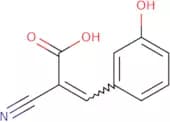
α-Cyano-3-hydroxycinnamic acid
CAS:<p>alpha-Cyano-3-hydroxycinnamic acid is a mitochondrial matrix analog that has been shown to inhibit the uptake of carnitine, glutamate, and branched-chain amino acids. This compound also inhibits the activity of glyceraldehyde-3-phosphate dehydrogenase and dodecyl CoA dehydrogenase, which are enzymes involved in the production of cellular energy. alpha-Cyano-3-hydroxycinnamic acid also inhibits the synthesis of mitochondrial DNA and RNA. The compound binds to the enzyme succinate dehydrogenase, inhibiting its function. This inhibition leads to a decrease in cellular energy production and an increase in oxidative stress.</p>Formula:C10H7NO3Purity:Min. 95%Color and Shape:PowderMolecular weight:189.17 g/moltrans-Cinnamic acid
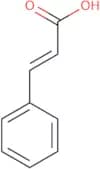
CAS:<p>Cinnamic acid is a phenolic acid that is found in plants and has a general structure of CH2-C6H4-CO2H. It can be metabolized by the enzyme cinnamate 4-hydroxylase to caffeic acid. Cinnamic acid has been shown to have genotoxic activity through its ability to form DNA adducts, which can cause mutations in cells. This compound also has antioxidant properties and may be used as an anticancer agent due to its ability to inhibit proliferation of cancer cells and induce apoptosis. Cinnamic acid inhibits the production of prostaglandin E2 (PGE2) in rat primary astrocytes, which may lead to the development of inflammatory eye disorders such as uveitis or retinal detachment. The compound is also able to suppress the expression of toll-like receptor 2 (TLR2), which may make it useful for treatment of infectious diseases. Cinnamic acid also forms hydrogen bonds</p>Formula:C9H8O2Purity:Min. 95%Color and Shape:White PowderMolecular weight:148.16 g/molRef: 10-F749587
Discontinued productCaffeic acid
CAS:<p>Caffeic acid is naturally produced by the metabolism of plants and fungi. Caffeic acid has an antioxidant activity that can be higher than tocopherol in oil-in-water emulsions. Caffeic acid has proven antimicrobial activity against Staphylococcus aureus. In mice, caffeic acid inhibits the enzyme 5-lipoxygenase thus inhibititing the biosynthesis of the inflammatory mediators leukotrienes.</p>Formula:C9H8O4Purity:Min. 98 Area-%Color and Shape:PowderMolecular weight:180.16 g/molcis-4-Hydroxycinnamic acid
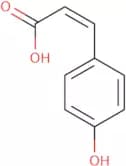
CAS:<p>Cis-4-Hydroxycinnamic acid is a phenolic acid that is found in plants and is a natural compound. It has been shown to be an inhibitor of cell proliferation. Cis-4-Hydoxycinnamic acid inhibits the synthesis of DNA and RNA, which may inhibit the growth of bacteria and fungi. This compound can be extracted from plant materials by acetate extract or preparative high-performance liquid chromatography (HPLC). Cis-4-Hydoxycinnamic acid also has anti-inflammatory properties, which may be due to its inhibition of prostaglandin synthesis.</p>Formula:C9H8O3Purity:Min. 95%Color and Shape:PowderMolecular weight:164.16 g/mol4-Acetamidocinnamic acid
CAS:<p>4-Acetamidocinnamic acid is a useful building block for many different organic synthesis reactions. It can be used as a reagent, research chemical or specialty chemical, and is often used as a reaction component or intermediate in the synthesis of complex compounds. 4-Acetamidocinnamic acid is also a versatile building block with many applications in organic synthesis. It has been shown to be useful as a scaffold in synthesizing peptides and other bioactive molecules.</p>Formula:C11H11NO3Purity:Min. 95%Color and Shape:PowderMolecular weight:205.21 g/molRef: 3D-FA70687
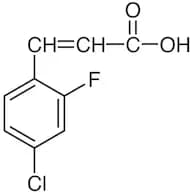
Discontinued product4-Chloro-2-fluorocinnamic Acid
CAS:Formula:C9H6ClFO2Purity:>97.0%(GC)(T)Color and Shape:White to Almost white powder to crystalMolecular weight:200.59