Flavonoids
Flavonoids are a group of plant metabolites with antioxidant properties that contribute to the color of fruits and flowers. They play a significant role in protecting plants from UV radiation and pathogens. Flavonoids are studied for their potential health benefits, including anti-inflammatory, antiviral, and anticancer properties. They are widely researched in the fields of pharmacology, nutrition, and molecular biology.
Subcategories of "Flavonoids"
- Anthocyanidins(46 products)
- Anthocyanin(46 products)
- Catechin(88 products)
- Chalcones(237 products)
- Pterocarpan(28 products)
Found 2408 products of "Flavonoids"
Sort by
Purity (%)
0
100
|
0
|
50
|
90
|
95
|
100
Nevadensin
CAS:<p>Nevadensin is a naturally occurring flavonoid compound, which is isolated from the plant *Rosmarinus officinalis*, commonly known as rosemary. Rosemary is a member of the Lamiaceae family and is widely recognized for its antioxidant and aromatic properties. The active ingredient, nevadensin, exerts its effects primarily through the inhibition of the cyclooxygenase (COX) enzymes, particularly COX-2, which are key players in the inflammatory process. This inhibition reduces the production of pro-inflammatory mediators, contributing to its anti-inflammatory activity.</p>Formula:C18H16O7Purity:Min. 98 Area-%Color and Shape:Yellow PowderMolecular weight:344.32 g/molRef: 3D-FN65793
Discontinued productMonoxerutin
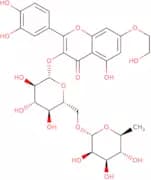
CAS:<p>Monoxerutin is a bioflavonoid derivative, which is sourced from plant-based compounds known for their beneficial effects on vascular function. Bioflavonoids are naturally occurring compounds present in various fruits, vegetables, and plants, playing a crucial role in plant defense mechanisms and offering significant health benefits when used in medicinal applications. The mode of action of Monoxerutin involves enhancing endothelial function and stabilizing capillary walls, thus improving vascular health. It achieves this by reducing capillary permeability and fragility, which in turn aids in enhancing circulation and providing anti-inflammatory benefits.</p>Purity:Min. 95%Sigmoidin B
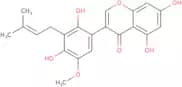
CAS:<p>Sigmoidin B is a natural compound that is classified as a terpenoid, which is sourced from certain species of terrestrial and marine plants. Its bioactive properties stem from its ability to interact with cellular components, particularly by inducing apoptosis in cancer cells, thereby exhibiting potent cytotoxic effects. The mode of action involves disruption of cellular pathways that are crucial for cancer cell survival and proliferation.</p>Formula:C20H20O6Purity:Min. 95%Molecular weight:356.37 g/mol2',7,8-Trimethoxyflavone
CAS:<p>2',7,8-Trimethoxyflavone is a specialized flavonoid compound, which is naturally derived from certain medicinal plants. This compound belongs to the broader class of polyphenolic molecules known as flavones, often found in various fruits and vegetables. It is primarily isolated from plants such as Kaempferia parviflora, renowned for its traditional use in herbal medicine.</p>Formula:C18H16O5Purity:Min. 95%Molecular weight:312.32 g/molRef: 3D-XT182988
Discontinued productPiscerythrone
CAS:<p>Piscerythrone is a specialized chemical compound derived from certain marine organisms, which is primarily sourced from vibrant crustaceans. It acts through biochemical interactions that modulate pigmentation processes at the cellular level. The compound's mode of action involves binding to specific receptors involved in the enzymatic pathways of pigment production, influencing the synthesis and deposition of pigments such as astaxanthin.</p>Formula:C21H20O7Purity:Min. 95%Molecular weight:384.38 g/mol3,3',4',5,5',8-Hexahydroxyflavone
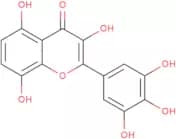
CAS:<p>3,3',4',5,5',8-Hexahydroxyflavone is a naturally occurring flavonoid, which is a type of polyphenolic compound. It is derived from various plant sources, including fruits, vegetables, and certain medicinal herbs. The compound is characterized by its chemical structure, which includes multiple hydroxyl groups, contributing to its biological activity.<br><br>The mode of action of 3,3',4',5,5',8-Hexahydroxyflavone involves its interaction with various cellular pathways and enzymes. Primarily, it is known for its antioxidant properties, where it scavenges free radicals and reactive oxygen species, thereby reducing oxidative stress. Additionally, it may exhibit anti-inflammatory effects by modulating signaling pathways involved in inflammation.<br><br>In terms of uses and applications, 3,3',4',5,5',8-Hexahydroxyflavone is primarily explored in scientific research focusing on its potential health benefits. Studies investigate its role in disease prevention, particularly conditions associated with oxidative stress and inflammation, such as cardiovascular diseases and neurodegenerative disorders. While it holds promise in these areas, further research is necessary to fully understand its mechanisms and therapeutic potential.</p>Formula:C15H10O8Purity:Min. 95%Molecular weight:318.24 g/mol6,7-Dimethoxy-2',4'-dihydroxyisoflavone
CAS:<p>6,7-Dimethoxy-2',4'-dihydroxyisoflavone is a naturally occurring isoflavone, which is typically derived from various plant sources, such as legumes or medicinal herbs. It belongs to a class of polyphenolic compounds known for their antioxidative capabilities. This compound acts primarily by scavenging free radicals and reducing oxidative stress, thus protecting cellular structures from damage. Its mode of action involves the modulation of cellular antioxidant pathways and potential interaction with estrogen receptors, contributing to its biological effects.</p>Formula:C17H14O6Purity:Min. 95%Molecular weight:314.29 g/mol