Flavonoids
Subcategories of "Flavonoids"
- Anthocyanidins(46 products)
- Anthocyanin(46 products)
- Catechin(88 products)
- Chalcones(237 products)
- Pterocarpan(28 products)
Found 2410 products of "Flavonoids"
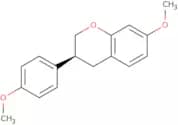
(S)-4',7-Dimethyl equol
CAS:(S)-4',7-Dimethyl equol is an isoflavandiol, which is a metabolite of the soy isoflavone daidzein. It is produced in the human gut by bacterial metabolism, provided the individual has the appropriate intestinal microbiota capable of this transformation. The compound exhibits estrogenic activity, primarily due to its structural similarity to the endogenous hormone 17β-estradiol, allowing it to bind to estrogen receptors.
Formula:C17H18O3Purity:Min. 95%Molecular weight:270.32 g/molRef: 3D-FD22249
Discontinued productProtogenkwanin 4'-glucoside
CAS:Protogenkwanin 4'-glucoside is a flavonoid glucoside, which is a naturally occurring compound derived from various plant sources, particularly known to be present in certain medicinal herbs used in traditional medicine. As a flavonoid glucoside, it interacts with biological systems primarily through its antioxidant properties, which help in scavenging free radicals and reducing oxidative stress. This mode of action is crucial in mitigating cell damage and inflammation.
Formula:C22H24O11Purity:Min. 95%Molecular weight:464.42 g/molIsomucronulatol
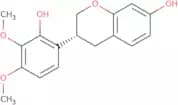
CAS:Isomucronulatol is a naturally occurring flavonoid compound, which is a secondary metabolite sourced primarily from various plant species. It exhibits significant antioxidant activity by scavenging free radicals and reducing oxidative stress, which can damage cellular components such as lipids, proteins, and DNA. Additionally, Isomucronulatol demonstrates anti-inflammatory effects by modulating signaling pathways involved in the inflammatory response, thereby reducing the production of pro-inflammatory cytokines.
Formula:C17H18O5Purity:Min. 95%Color and Shape:PowderMolecular weight:302.32 g/mol5,7,3'-Trihydroxy-4'-methoxy-8-prenylflavanone
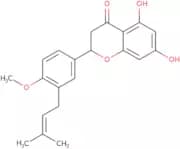
CAS:5,7,3'-Trihydroxy-4'-methoxy-8-prenylflavanone is a prenylated flavanone, which is often isolated from various plant sources, particularly those in the Fabaceae family. The compound belongs to a class of naturally occurring polyphenolic compounds that have drawn interest for their diverse biological activities. It is characterized by the presence of a prenyl group and multiple hydroxy and methoxy functional groups, contributing to its unique chemical properties.Formula:C21H22O6Purity:Min. 95%Molecular weight:370.4 g/molRef: 3D-TAC14015
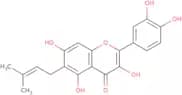
Discontinued product6-Prenylquercetin
CAS:6-Prenylquercetin is a prenylated flavonoid, which is a type of natural compound known for its diverse biological activities. This compound is derived from the prenylation of quercetin, a flavonoid commonly found in fruits and vegetables, particularly in onions, apples, and berries. The addition of a prenyl group to quercetin alters its physicochemical properties, enhancing its bioavailability and specific biological interactions.
Purity:Min. 95%Euchrestaflavanone A
CAS:Euchrestaflavanone A is a naturally occurring flavanone, which is a type of polyphenolic compound. It is sourced from plants, specifically derived from the roots of Euchresta formosana, a species used traditionally in herbal medicine. The mode of action of Euchrestaflavanone A involves its interaction with various molecular pathways, influencing antioxidant activity and modulating enzyme function. It exhibits bioactive properties, including anti-inflammatory, antioxidant, and potential anticancer effects.
Formula:C25H28O5Purity:Min. 95%Molecular weight:408.50 g/molRef: 3D-FDA51005
Discontinued productGenistein-5,4'-dimethyl ether
CAS:Genistein-5,4'-dimethyl ether is a methylated isoflavone, which is a naturally occurring compound primarily extracted from various plant sources, particularly legumes. This bioactive compound is a derivative of the well-known isoflavone genistein, with methyl groups added at specific positions on the aromatic ring structure, altering its chemical properties and biological activity.
Formula:C17H14O5Purity:Min. 95%Molecular weight:298.29 g/molPanasenoside
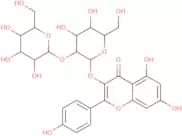
CAS:Please enquire for more information about Panasenoside including the price, delivery time and more detailed product information at the technical inquiry form on this page
Formula:C27H30O16Purity:Min. 95%Molecular weight:610.5 g/molRef: 3D-GBA51206
Discontinued productDihydrokaempferol-3-glucoside
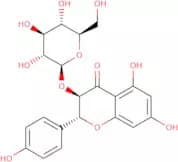
CAS:Dihydrokaempferol-3-glucoside is a flavonoid glucoside, which is primarily derived from various plant sources including fruits, vegetables, and certain medicinal herbs. Its molecular structure consists of a kaempferol core attached to a glucose moiety, enhancing its solubility and stability in biological systems. This compound exhibits antioxidant activity, acting to scavenge free radicals and reduce oxidative stress within cells. By neutralizing reactive oxygen species, dihydrokaempferol-3-glucoside helps to protect cellular components such as DNA, proteins, and lipids from oxidative damage.
Formula:C21H22O11Purity:Min. 95%Color and Shape:White PowderMolecular weight:450.39 g/mol4'-o-Methyllicoflavanone
CAS:4'-O-Methyllicoflavanone is a flavonoid compound, which is a naturally occurring chemical typically found in various plants. It belongs to a class of secondary metabolites known for their wide array of biological activities. The source of 4'-O-Methyllicoflavanone is primarily from plant species, where it serves as a part of the plant’s defense mechanism against environmental stressors and pathogens.
Formula:C21H22O5Purity:Min. 95%Molecular weight:354.4 g/molRef: 3D-NRB75313
Discontinued productBilobetin
CAS:Bilobetin is a flavonoid compound, which is sourced from the leaves of the Ginkgo biloba tree. This compound primarily functions through its antioxidative properties, influencing a variety of neural pathways. Its mode of action involves the scavenging of reactive oxygen species and modulation of cellular signaling pathways that impact synaptic transmission and neuroplasticity.
Purity:Min. 95%Ref: 3D-FB73963
Discontinued productIsoflavone - 98%
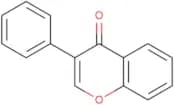
CAS:Isoflavone - 98% is a highly purified chemical compound from the class of phytoestrogens, which is naturally sourced from legumes, particularly soybeans. It exhibits a structural similarity to estrogen, which allows it to modulate estrogen receptors in the body. This capability enables it to exert both estrogenic and anti-estrogenic effects depending on the physiological environment.
Purity:Min. 95%8-Prenylpinocembrin
CAS:8-Prenylpinocembrin is a specialized flavonoid compound, which is a part of the prenylflavonoid class. It is derived from natural sources, primarily plants within the Fabaceae family and propolis from honeybees. The compound is characterized by its prenyl group attached to the flavonoid pinocembrin, enhancing its biological activity through increased lipophilicity and membrane permeability.
Formula:C20H20O4Purity:Min. 95%Molecular weight:324.37 g/molRhusflavanone
CAS:Rhusflavanone is a flavanone compound, which is a type of polyphenolic molecule found in certain medicinal plants. It is derived primarily from the Rhus genus, known for its rich content of bioactive compounds. The mode of action of Rhusflavanone involves the modulation of inflammatory pathways, as it exhibits inhibition of pro-inflammatory enzymes such as cyclooxygenase (COX) and lipoxygenase (LOX). Additionally, it shows potential in scavenging free radicals, contributing to its antioxidant capabilities.
Formula:C30H22O10Purity:Min. 95%Molecular weight:542.5 g/molRef: 3D-DCA06072
Discontinued productMorin dihydrate
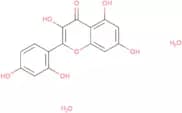
CAS:Morin dihydrate is a flavonoid compound, which is a type of polyphenolic molecule. It is primarily sourced from the Moraceae family of plants, including mulberry leaves and certain fruits. As a flavonoid, Morin exerts its biochemical effects mainly through its capacity to scavenge free radicals, thus exhibiting significant antioxidant activity. This mode of action is attributed to its structure, which allows it to donate electrons and neutralize reactive oxygen species, consequently reducing oxidative stress at the cellular level.
Purity:Min. 95%6,2',4'-Trimethoxyflavone
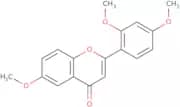
CAS:6,2',4'-Trimethoxyflavone is a flavonoid compound, which is a type of phytochemical found in various plant species. It is derived from natural sources, including certain medicinal herbs and plants known for their bioactive properties. This specific flavone is characterized by its three methoxy groups attached at distinct positions on the flavonoid backbone, which confer unique chemical properties and biological activities.
Formula:C18H16O5Purity:Min. 95%Molecular weight:312.32 g/mol7-Methoxyflavanone
CAS:7-Methoxyflavanone is a bioactive compound, specifically a methoxylated flavanone, which is derived from various plant sources. This compound plays a role in the modulation of several biological pathways due to its structural attributes. As a flavanone, it is known to interact with various cellular mechanisms including enzyme inhibition, receptor binding, and antioxidant activity. These interactions result in diverse pharmacological effects, such as anti-inflammatory and neuroprotective properties.
Formula:C16H14O3Purity:Min. 95%Color and Shape:PowderMolecular weight:254.28 g/molRef: 3D-FM68084
Discontinued product2',5,7-Trihydroxy-8-methoxyflavanone
CAS:2',5,7-Trihydroxy-8-methoxyflavanone is a polyphenolic flavanone compound, which is a type of flavonoid. It is sourced primarily from plant materials, particularly those rich in flavonoid content, such as specific fruits, vegetables, and herbs. This compound exerts its effects primarily through its antioxidant properties, where it functions by scavenging free radicals and inhibiting oxidative stress within biological systems.
Formula:C16H14O6Purity:Min. 95%Molecular weight:302.28 g/molRef: 3D-MEA40871
Discontinued productRhamnetin-3-rutinoside
CAS:Rhamnetin-3-rutinoside is a specialized bioflavonoid, a type of plant-derived polyphenolic compound. It is typically sourced from various plant species, where it naturally occurs as part of the plant’s secondary metabolites. This compound functions primarily as an antioxidant, where its mode of action involves scavenging free radicals and stabilizing reactive oxygen species, thereby protecting cells from oxidative stress.
Formula:C28H32O16Purity:Min. 95%Molecular weight:624.54 g/molQuercetin 3,7,4'-trimethylether
CAS:Quercetin 3,7,4'-trimethylether is a flavonoid derivative, which is a naturally occurring compound. It is sourced from various plants where it acts as a secondary metabolite. Its mode of action involves the modulation of signaling pathways and the inhibition of certain enzymes. Specifically, it has demonstrated the ability to interfere with cellular processes fundamental to cancer progression, such as proliferation and apoptosis.
Formula:C18H16O7Purity:Min. 95%Molecular weight:344.32 g/mol