Flavonoids
Flavonoids are a group of plant metabolites with antioxidant properties that contribute to the color of fruits and flowers. They play a significant role in protecting plants from UV radiation and pathogens. Flavonoids are studied for their potential health benefits, including anti-inflammatory, antiviral, and anticancer properties. They are widely researched in the fields of pharmacology, nutrition, and molecular biology.
Subcategories of "Flavonoids"
- Anthocyanidins(46 products)
- Anthocyanin(46 products)
- Catechin(88 products)
- Chalcones(237 products)
- Pterocarpan(28 products)
Found 2404 products of "Flavonoids"
Sort by
Purity (%)
0
100
|
0
|
50
|
90
|
95
|
100
Eucomin dimethyl ether
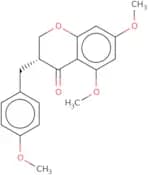
CAS:<p>Eucomin dimethyl ether is a synthetic compound, which is a specially synthesized chemical molecule derived through a series of controlled laboratory reactions. Its mode of action involves acting as a methylating agent where it can add methyl groups to other compounds, a key property exploited in various chemical syntheses.</p>Formula:C19H20O5Purity:Min. 95%Molecular weight:328.36 g/mol5,3',4'-Trimethoxyflavone
CAS:<p>5,3',4'-Trimethoxyflavone is a polyphenolic compound, which is categorized as a flavonoid. This compound is naturally sourced from certain plant species in the Asteraceae family, known for their rich flavonoid content. As a flavonoid, it functions primarily by modulating various biological pathways, including antioxidant, anti-inflammatory, and neuroprotective mechanisms.</p>Formula:C18H16O5Purity:Min. 95%Color and Shape:PowderMolecular weight:312.32 g/molTheaflavin
CAS:<p>Theaflavin is a polyphenolic compound, which is derived from the oxidation of catechins in black tea leaves. This compound acts as an antioxidant by scavenging free radicals and reducing oxidative stress. Theaflavin modulates various signaling pathways, influencing cellular processes such as apoptosis and inflammation. Its antioxidant capabilities are attributed to its ability to donate electrons and stabilize radical species, thus protecting cellular components from damage.</p>Formula:C29H24O12Purity:Min. 95%Color and Shape:Red PowderMolecular weight:564.49 g/molIsookanin
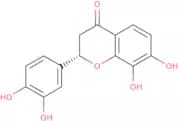
CAS:<p>Isookanin is a naturally occurring flavonoid compound, which is derived from various plant sources, including certain flowers and herbs. Its mode of action involves interacting with cellular pathways to exhibit anti-inflammatory and antioxidant properties. Isookanin achieves this by modulating the activity of enzymes and signaling molecules involved in inflammatory responses, thereby potentially reducing oxidative stress and inflammation.</p>Formula:C15H12O6Purity:Min. 98 Area-%Color and Shape:PowderMolecular weight:288.25 g/mol3’,4’-Dimethoxyflavanone
CAS:<p>3’,4’-Dimethoxyflavanone is a flavonoid compound, which is a type of natural phenolic product derived from various plant sources. Its structure is characterized by a flavanone backbone with methoxy groups at the 3' and 4' positions on the B-ring. These structural features contribute to its bioactivity, allowing it to interact with various biological targets through mechanisms such as free radical scavenging, modulation of signaling pathways, and enzyme inhibition.</p>Formula:C17H16O4Purity:Min. 95%Molecular weight:284.31 g/mol2',7,8-Trihydroxyflavone
CAS:<p>2',7,8-Trihydroxyflavone is a flavonoid compound, which is naturally sourced from various plant species. It functions by acting as an agonist for the tropomyosin receptor kinase B (TrkB), a receptor for brain-derived neurotrophic factor (BDNF). This interaction modulates neurotrophic signaling pathways, promoting neuronal survival, differentiation, and synaptic plasticity.</p>Formula:C15H10O5Purity:90%Color and Shape:PowderMolecular weight:270.24 g/mol6,8-Diprenyl-5,7,3',4'-tetrahydroxyflavanone
CAS:<p>6,8-Diprenyl-5,7,3',4'-tetrahydroxyflavanone is a prenylated flavanone, which is a type of flavonoid compound. This compound is naturally derived from certain plant sources, where it acts as a secondary metabolite. Its mode of action primarily revolves around its antioxidant properties, where it neutralizes free radicals and reduces oxidative stress. Additionally, its structure allows it to engage in various interactions with cellular pathways, influencing different biological activities.</p>Formula:C25H28O6Purity:Min. 95%Molecular weight:424.49 g/mol6-Hydroxyflavone-β-D-glucoside
CAS:<p>6-Hydroxyflavone-beta-D-glucoside is a naturally occurring flavonoid glycoside, which is a compound of interest in the field of phytochemistry and pharmacology. This compound is sourced primarily from various plant species known for their rich flavonoid content. The mode of action typically involves modulating biochemical pathways associated with antioxidant defense, often by interacting with cellular signaling mechanisms that regulate oxidative stress.</p>Formula:C21H20O8Purity:Min. 95%Color and Shape:PowderMolecular weight:400.38 g/molAcacetin 7-O-methyl ether
CAS:<p>Acacetin 7-O-methyl ether is a flavonoid derivative, which is a secondary metabolite primarily derived from various plants, including those in the Asteraceae family. This compound is biosynthesized as part of the plant's natural defense mechanism against herbivores and pathogens. Acacetin 7-O-methyl ether exhibits its biological activities through various modes of action, including anti-inflammatory and antioxidant effects, by inhibiting key signaling pathways and modulating enzyme activities.</p>Formula:C17H14O5Purity:Min. 95%Color and Shape:White PowderMolecular weight:298.29 g/molEucomin
CAS:<p>Eucomin is a quinoline derivative and an antimalarial agent, which is isolated from natural sources such as the bark of the cinchona tree or synthesized chemically. With its mode of action targeting the heme polymerase enzyme of Plasmodium parasites, Eucomin effectively inhibits the conversion of toxic heme to non-toxic hemozoin, a process critical for parasite survival within red blood cells.</p>Formula:C17H14O5Purity:Min. 95%Molecular weight:298.29 g/molScutellarein
CAS:<p>Scutellarein is a flavonoid compound, which is derived from plants such as Scutellaria baicalensis (commonly known as Chinese skullcap). This flavonoid exists naturally in certain herbs and plays a significant role in traditional medicine practices. It is extracted from the aerial parts of these plants through various processing techniques, focusing on its bioactive potential.</p>Formula:C15H10O6Purity:Min. 95%Color and Shape:Yellow PowderMolecular weight:286.24 g/mol3-Hydroxy-7,8,2',3'-tetramethoxyflavone
CAS:<p>3-Hydroxy-7,8,2',3'-tetramethoxyflavone is a specialized flavonoid compound, which is a type of polyphenolic product derived from natural plant sources. This compound is primarily extracted from various plant species known for their rich polyphenolic content, exhibiting diverse biological activities. As a natural secondary metabolite, 3-Hydroxy-7,8,2',3'-tetramethoxyflavone interacts with cellular signaling pathways, particularly those involved in oxidative stress, inflammation, and cell cycle regulation. Its mode of action includes modulation of enzymatic activities and alteration of gene expression, leading to significant impacts on cellular physiological processes.</p>Formula:C19H18O7Purity:Min. 95%Molecular weight:358.34 g/molDidymin
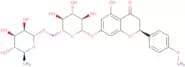
CAS:<p>Didymin is a flavonoid compound, which is a type of polyphenolic molecule. It occurs naturally in certain citrus fruits and plants, representing a secondary metabolite with bioactive properties. Didymin exhibits antioxidative activity by neutralizing free radicals and reducing oxidative stress, primarily through the modulation of cellular signaling pathways. This mechanism involves the enhancement of endogenous antioxidant defenses and the inhibition of pro-inflammatory mediators.</p>Formula:C28H34O14Purity:Min. 98 Area-%Color and Shape:PowderMolecular weight:594.56 g/molAmpelopsin-3'-O-glucoside
CAS:<p>Ampelopsin-3'-O-glucoside is a flavonoid glycoside, which is a compound derived from various plant sources, including members of the Vitaceae family. This compound is characterized by the attachment of a glucose molecule to the flavonoid ampelopsin, altering its solubility and bioavailability properties. Its mode of action is primarily through its antioxidant activity, involving the scavenging of free radicals and inhibition of oxidative stress pathways. These properties are of significant interest due to their potential in modulating the oxidative status in biological systems.</p>Formula:C21H22O13Purity:Min. 95%Color and Shape:PowderMolecular weight:482.39 g/mol3,2',4',5'-Tetra methoxyflavone
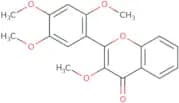
CAS:<p>3,2',4',5'-Tetra methoxyflavone is a specialized flavonoid compound, which is derived primarily from various plant sources, such as those belonging to the genus Kaempferia, a member of the ginger family. This compound is characterized by its four methoxy groups attached to its flavonoid backbone, which significantly influences its biological activity and solubility.</p>Formula:C19H18O6Purity:Min. 95%Molecular weight:342.34 g/mol2',5,6',7-Tetrahydroxyflavanone
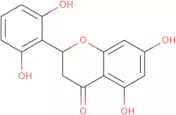
CAS:<p>2',5,6',7-Tetrahydroxyflavanone is a naturally occurring flavanone, which is a type of flavonoid compound. It is primarily sourced from various plant species, where it functions as a secondary metabolite. This compound exhibits significant antioxidant activity, which is mediated through its ability to scavenge free radicals and chelate metal ions, thereby mitigating oxidative stress at the cellular level.</p>Formula:C15H12O6Purity:Min. 95%Color and Shape:PowderMolecular weight:288.25 g/molGossypin
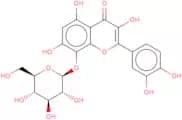
CAS:<p>Gossypin is a flavonoid compound, which is a type of polyphenol found in various natural sources, such as plants. It is primarily isolated from the flowers of Hibiscus species. The mode of action of gossypin involves various biochemical pathways, including its role as a free-radical scavenger and modulator of several enzymes. It exhibits antioxidant, anti-inflammatory, and neuroprotective properties through interactions with cellular receptors and signaling pathways.</p>Formula:C21H20O13Color and Shape:Yellow PowderMolecular weight:480.38 g/mol6,4'-Dimethoxyflavanone
<p>6,4'-Dimethoxyflavanone is a flavanone derivative, which is a type of organic compound belonging to the larger class of flavonoids. These compounds are primarily sourced from natural products, frequently occurring in various plant species. Flavonoids are known for their diverse bioactive properties, which can include antioxidant, anti-inflammatory, and potential anticancer activities. The mode of action for 6,4'-Dimethoxyflavanone typically involves interacting with cellular pathways to modulate enzyme activities or signaling processes, potentially influencing oxidative stress and cellular proliferation.</p>Formula:C17H16O4Purity:Min. 95%Molecular weight:284.31 g/molSativan
CAS:<p>Sativan is a pharmaceutical product derived from cannabis, which is sourced from the Cannabis sativa plant. It exerts its effects primarily through modulation of the endocannabinoid system, interacting with cannabinoid receptors such as CB1 and CB2 located throughout the central and peripheral nervous systems. The resulting biochemical cascade influences neurotransmitter release, which can alter mood, perception, and various physiological processes.</p>Formula:C17H18O4Purity:Min. 95%Color and Shape:PowderMolecular weight:286.32 g/mol3'-Hydroxy-8-O-methylretusin
CAS:<p>3'-Hydroxy-8-O-methylretusin is a naturally occurring flavonoid, which is derived from various plant sources, primarily within the Leguminosae family. It exhibits a range of bioactivities attributed to its molecular structure, characterized by hydroxylation and methylation processes that enhance its stability and reactivity.</p>Formula:C17H14O6Purity:Min. 95%Molecular weight:314.29 g/mol