Flavonoids
Flavonoids are a group of plant metabolites with antioxidant properties that contribute to the color of fruits and flowers. They play a significant role in protecting plants from UV radiation and pathogens. Flavonoids are studied for their potential health benefits, including anti-inflammatory, antiviral, and anticancer properties. They are widely researched in the fields of pharmacology, nutrition, and molecular biology.
Subcategories of "Flavonoids"
- Anthocyanidins(46 products)
- Anthocyanin(46 products)
- Catechin(88 products)
- Chalcones(237 products)
- Pterocarpan(28 products)
Found 2404 products of "Flavonoids"
Sort by
Purity (%)
0
100
|
0
|
50
|
90
|
95
|
100
Neohesperidin
CAS:<p>Neohesperidin is a flavonoid-based natural sweetener, which is derived from the bitter orange and other citrus fruits. The mode of action of neohesperidin involves its conversion into neohesperidin dihydrochalcone (NHDC), which is an intensely sweet compound. This transformation occurs through hydrogenation, enhancing its sweetening properties. As a sweetener, NHDC exhibits around 1,500 to 1,800 times the sweetness of sucrose depending on the concentration and pH of the medium.</p>Formula:C28H34O15Purity:Min. 95 Area-%Color and Shape:White PowderMolecular weight:610.56 g/mol6,3'-Dimethoxyflavanone
<p>6,3'-Dimethoxyflavanone is a naturally occurring flavanone, which is a type of polyphenolic compound predominantly found in certain plant species. Its source lies primarily in citrus fruits, where it exists as a secondary metabolite. These compounds are often studied for their diverse biological activities due to their presence in traditional medicinal systems.</p>Formula:C17H16O4Purity:Min. 95%Molecular weight:288.41 g/mol3,5,6,7,8,3',4'-Heptamethoxyflavone
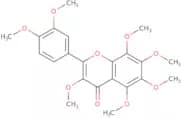
CAS:<p>3,5,6,7,8,3',4'-Heptamethoxyflavone is a polymethoxyflavone, which is a type of flavonoid compound. It is primarily sourced from various citrus fruits, such as oranges and tangerines. These fruits naturally produce polymethoxyflavones as part of their secondary metabolite profiles.</p>Formula:C22H24O9Purity:Min. 95%Color and Shape:PowderMolecular weight:432.42 g/mol7-Hydroxyflavone
CAS:<p>7-Hydroxyflavone is a naturally occurring flavone, which is a type of polyphenolic compound found in various plants. It is commonly derived from plant sources such as fruits and vegetables, where it contributes to a range of biological activities. The structure of 7-Hydroxyflavone includes a hydroxyl group, which plays a significant role in its antioxidant capabilities.</p>Formula:C15H10O3Molecular weight:238.25 g/molKazinol U
CAS:<p>Kazinol U is a lignan glycoside, which is a naturally occurring compound sourced from Broussonetia kazinoki, a species belonging to the Moraceae family. This compound is characterized by its antioxidant properties, which are largely due to its unique chemical structure that allows it to neutralize reactive oxygen species and reduce oxidative stress.</p>Formula:C20H22O4Purity:Min. 95%Color and Shape:PowderMolecular weight:326.39 g/mol4',5-Dihydroxyflavone
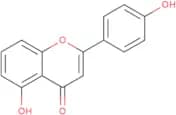
CAS:<p>4',5-Dihydroxyflavone is a naturally occurring flavone, which is a type of polyphenolic compound. It is derived from various plant sources, particularly those rich in flavonoids, such as certain fruits, vegetables, and herbal extracts. The compound's mode of action primarily involves its ability to act as an antioxidant, scavenging free radicals and reducing oxidative stress in biological systems. This antioxidant activity is often linked to neuroprotective properties, as it may help mitigate damage to neurons caused by oxidative stress.</p>Formula:C15H10O4Purity:Min. 98%Color and Shape:PowderMolecular weight:254.24 g/molMyricitrin dihydrate
CAS:<p>Myricitrin dihydrate is a flavonoid glycoside, which is a naturally occurring compound primarily found in the bark, leaves, and fruits of certain plants such as Myrica species. The source of this compound is botanical, extracted from plant material through various methods that preserve its structural integrity and bioactivity.</p>Formula:C21H20O12Purity:Min. 95%Molecular weight:464.38 g/mol6-O-Acetylgenistin
CAS:<p>6-O-Acetylgenistin is a natural compound, classified as an acetylated isoflavone. It is sourced from soybeans, where it is naturally present as part of the plant's secondary metabolites. Isoflavones like 6-O-Acetylgenistin are known for their structural similarity to estrogens and are consequently categorized as phytoestrogens.</p>Formula:C23H22O11Purity:Min. 95 Area-%Color and Shape:White PowderMolecular weight:474.41 g/molConrauinone C
CAS:<p>Conrauinone C is an alkaloid, which is a type of naturally occurring chemical compound. It is derived from certain plants, particularly those found in tropical regions, belonging to the Apocynaceae family. This alkaloid exhibits its mode of action by interacting with specific molecular targets in biological systems, potentially modulating cellular pathways and affecting enzyme activity.</p>Formula:C26H28O5Purity:Min. 95%Molecular weight:420.5 g/molQuercetin 3-O-b-D-glucuronide
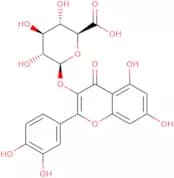
CAS:<p>Quercetin 3-O-b-D-glucuronide is a flavonoid compound, which is a metabolite of quercetin, found in various fruits and vegetables. This compound, specifically a glucuronide conjugate of quercetin, is derived from plant sources such as apples, onions, and berries. It is formed through phase II metabolism where quercetin is glucuronidated by the enzyme UDP-glucuronosyltransferase.</p>Formula:C21H18O13Purity:Min. 95%Color and Shape:PowderMolecular weight:478.37 g/mol4',6,7-Trihydroxyisoflavone
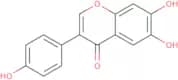
CAS:<p>4',6,7-Trihydroxyisoflavone is a naturally occurring isoflavone, which is a type of phytochemical commonly found in plants. It is primarily derived from legumes and soy products and is known for its presence in various plant-based foods. Isoflavones like 4',6,7-Trihydroxyisoflavone possess a polyphenolic structure, endowing them with significant biological activity, such as antioxidant properties.</p>Formula:C15H10O5Purity:Min. 95%Color and Shape:PowderMolecular weight:270.24 g/molSilicristin
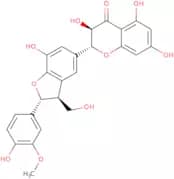
CAS:<p>Silicristin is a flavonolignan compound, which is derived from the seeds of the milk thistle plant, Silybum marianum. This compound is one of the key constituents of silymarin, a complex group of flavonolignans used extensively in herbal medicine. Silicristin is isolated through advanced chromatographic techniques, ensuring high purity and specificity for research applications.</p>Formula:C25H22O10Purity:Min. 95%Color and Shape:White PowderMolecular weight:482.44 g/mol7,3',4',5'-Tetrahydroxyflavone
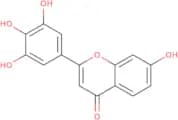
CAS:<p>7,3',4',5'-Tetrahydroxyflavone is a bioactive flavonoid, which is a type of polyphenolic compound. It is derived from natural sources such as plants, where flavonoids are abundant and play crucial roles in plant physiology, including pigmentation and UV filtration. The mode of action of 7,3',4',5'-Tetrahydroxyflavone involves scavenging free radicals and inhibiting pathways that lead to oxidative stress and inflammation. This compound can modulate cellular signaling pathways and gene expression, contributing to its potential therapeutic effects.</p>Formula:C15H10O6Purity:Min. 95%Color and Shape:PowderMolecular weight:286.24 g/mol8-Prenylquercetin
CAS:<p>8-Prenylquercetin is a prenylated flavonoid, a compound that belongs to the larger class of polyphenols. It is typically derived from various plant sources, often synthesized from quercetin, which is abundant in fruits and vegetables. The addition of a prenyl group is believed to enhance its biological activity and lipophilicity compared to non-prenylated flavonoids.</p>Formula:C27H30O11Purity:Min. 95%Molecular weight:530.52 g/mol7-Benzyloxy-2',4',5'-trimethoxyisoflavone
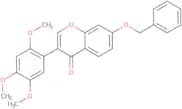
CAS:<p>7-Benzyloxy-2',4',5'-trimethoxyisoflavone is a specialized type of isoflavone, which is a class of naturally occurring organic compounds related to flavonoids. It is typically derived from plant sources, showcasing the vast chemical diversity and potential bioactivity present in botanicals. This compound operates through various biochemical pathways, often interacting with specific cellular receptors or enzymes to exert its effects. Its mode of action can include antioxidant activity or modulation of signaling pathways, which are crucial for maintaining cellular homeostasis and function. The applications of 7-Benzyloxy-2',4',5'-trimethoxyisoflavone are primarily in the realm of pharmacological research, where it is explored for its potential therapeutic uses. It may be investigated for its roles in combating oxidative stress or influencing pathways associated with inflammation and cellular growth. científicos pursue its study to uncover new medical insights and develop novel therapeutic strategies.</p>Formula:C25H22O6Purity:Min. 95%Molecular weight:418.44 g/mol6-Hydroxyflavanone
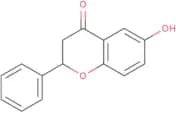
CAS:<p>6-Hydroxyflavanone is a flavonoid derivative, which is a naturally occurring compound found in various plants. It is primarily extracted from citrus fruits and other botanicals rich in flavonoids. The compound acts through its antioxidant and anti-inflammatory properties, effectively scavenging free radicals and modulating inflammatory pathways. This mechanism is crucial in reducing oxidative stress and moderating immune responses, which has implications for both cellular protection and therapeutic applications.</p>Formula:C15H12O3Purity:Min. 95%Color and Shape:PowderMolecular weight:240.25 g/molTectochrysin
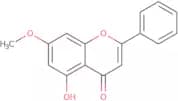
CAS:<p>Tectochrysin is a naturally occurring flavonoid, which is derived from the heartwood of certain trees, such as those from the genus Albizzia. This compound exhibits its effects primarily through antioxidant and anti-inflammatory activities, mediated by the modulation of various signaling pathways. Specifically, Tectochrysin has been shown to inhibit the activity of nuclear factor-kappa B (NF-κB) and other pro-inflammatory mediators, while also enhancing the expression of antioxidative enzymes.</p>Formula:C16H12O4Purity:Min. 95%Color and Shape:PowderMolecular weight:268.26 g/molQuercetin-3-arabinofuranoside
CAS:<p>Quercetin-3-arabinofuranoside is a flavonoid, a type of plant-derived polyphenolic compound. It is sourced from various plant species, particularly fruits, vegetables, and grains, where it functions as a secondary metabolite. This compound acts primarily through antioxidant mechanisms, neutralizing free radicals and reducing oxidative stress in biological systems. Additionally, it may interact with various cellular signaling pathways, modulating enzyme activities and gene expression.</p>Formula:C20H20O11Purity:Min. 95%Molecular weight:436.37 g/molAmentoflavone
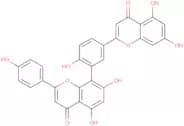
CAS:<p>Amentoflavone is a biflavonoid compound, which is a naturally occurring substance found in various plants such as Ginkgo biloba and Hypericum perforatum. Its molecular structure consists of two flavonoid units joined together, contributing to its unique biochemical characteristics. The source of amentoflavone spans across several medicinal plants, where it plays roles in the plants’ defense mechanisms.</p>Formula:C30H18O10Purity:Min. 95%Color and Shape:White PowderMolecular weight:538.46 g/molLupinisoflavone A
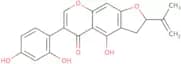
CAS:<p>Lupinisoflavone A is a naturally occurring bioactive compound, specifically an isoflavone, which is extracted from the seeds and other parts of lupine plants. The lupine species are known for their rich phytochemical profile, which includes various bioactive compounds with potential health benefits. Lupinisoflavone A is structurally characterized by its isoflavone backbone, contributing to its diverse biological effects.</p>Formula:C20H16O6Purity:Min. 95%Molecular weight:352.34 g/mol