Flavonoids
Flavonoids are a group of plant metabolites with antioxidant properties that contribute to the color of fruits and flowers. They play a significant role in protecting plants from UV radiation and pathogens. Flavonoids are studied for their potential health benefits, including anti-inflammatory, antiviral, and anticancer properties. They are widely researched in the fields of pharmacology, nutrition, and molecular biology.
Subcategories of "Flavonoids"
- Anthocyanidins(46 products)
- Anthocyanin(46 products)
- Catechin(88 products)
- Chalcones(237 products)
- Pterocarpan(28 products)
Found 2404 products of "Flavonoids"
Sort by
Purity (%)
0
100
|
0
|
50
|
90
|
95
|
100
6,7-Dimethoxy-2',4'-dihydroxyisoflavone
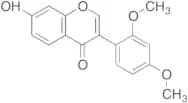
CAS:<p>6,7-Dimethoxy-2',4'-dihydroxyisoflavone is a naturally occurring isoflavone, which is typically derived from various plant sources, such as legumes or medicinal herbs. It belongs to a class of polyphenolic compounds known for their antioxidative capabilities. This compound acts primarily by scavenging free radicals and reducing oxidative stress, thus protecting cellular structures from damage. Its mode of action involves the modulation of cellular antioxidant pathways and potential interaction with estrogen receptors, contributing to its biological effects.</p>Formula:C17H14O6Purity:Min. 95%Molecular weight:314.29 g/molPiscerythrone
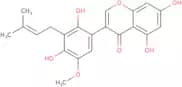
CAS:<p>Piscerythrone is a specialized chemical compound derived from certain marine organisms, which is primarily sourced from vibrant crustaceans. It acts through biochemical interactions that modulate pigmentation processes at the cellular level. The compound's mode of action involves binding to specific receptors involved in the enzymatic pathways of pigment production, influencing the synthesis and deposition of pigments such as astaxanthin.</p>Formula:C21H20O7Purity:Min. 95%Molecular weight:384.38 g/molDimoxystrobin
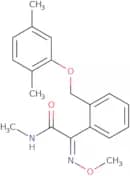
CAS:<p>Dimoxystrobin is a fungicidal compound, which is a synthetic chemical derived from the strobilurin class of fungicides. It is sourced from natural antifungal compounds originally discovered in certain mushroom species. Dimoxystrobin's mode of action involves inhibiting mitochondrial respiration in fungi by binding to the Qo site of the cytochrome bc1 complex. This interference disrupts energy production in fungal cells, leading to their effective control and eventual death.</p>Formula:C19H22N2O3Purity:Min. 95%Molecular weight:326.39 g/mol