Flavonoids
Subcategories of "Flavonoids"
- Anthocyanidins(46 products)
- Anthocyanin(46 products)
- Catechin(88 products)
- Chalcones(237 products)
- Pterocarpan(28 products)
Found 2410 products of "Flavonoids"
Flavone
CAS:Flavone is a type of flavonoid, which is a naturally occurring compound found in various plant sources. As a subgroup of polyphenolic compounds, flavones are primarily derived from the leaves, stems, and seeds of plants like parsley, thyme, and celery. The mode of action of flavones involves their ability to act as antioxidant agents, scavenging free radicals and reducing oxidative stress in biological systems. This mechanism plays a crucial role in protecting cells from damage and maintaining cellular integrity.Formula:C15H10O2Purity:Min. 98 Area-%Color and Shape:PowderMolecular weight:222.24 g/mol8,3'-Dihydroxydaidzein
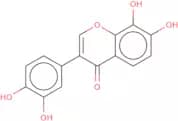
CAS:8,3'-Dihydroxydaidzein is a naturally occurring isoflavonoid compound, which is a type of phytoestrogen predominantly found in soy and other leguminous plants. This compound is biosynthesized through the pathways involving the hydroxylation of daidzein, a well-known isoflavone. As a phytoestrogen, 8,3'-Dihydroxydaidzein mimics estrogenic activity by binding to estrogen receptors, thereby influencing various physiological processes in organisms.Formula:C15H10O6Purity:(Hplc-Ms) Min. 80 Area-%Color and Shape:PowderMolecular weight:286.24 g/mol3,7-Dihydroxy-5,8-dimethoxyflavanone
CAS:3,7-Dihydroxy-5,8-dimethoxyflavanone is a flavonoid derivative, which is a type of polyphenolic compound commonly found in various plants. Flavonoids are known for their wide-ranging biological activities and are often studied for their roles in plant defense mechanisms. This compound can be sourced from plants such as those in the genus Citrus, where it contributes to the plant's metabolic pathways and confers resistance against pathogens.Formula:C17H16O6Purity:Min. 95%Molecular weight:316.31 g/molQuercetin 3-b-D-glucopyranoside
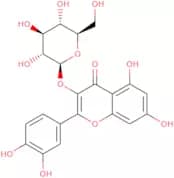
CAS:Quercetin 3-b-D-glucopyranoside is a naturally occurring flavonoid, which is found predominantly in a variety of fruits and vegetables. Its primary source includes apples, onions, and tea, where it is often present as a glycoside conjugate. This compound exerts its effects through its mode of action as an antioxidant, scavenging free radicals, and modulating signaling pathways that influence cellular processes such as apoptosis and inflammation.Formula:C21H20O12Purity:Min. 98 Area-%Color and Shape:PowderMolecular weight:464.38 g/mol3-Hydroxy-6,4'-dimethxyflavone
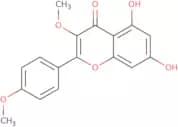
CAS:3-Hydroxy-6,4'-dimethoxyflavone is a flavone derivative, which is a type of flavonoid compound. It is typically sourced from various plant species, where it naturally occurs as a secondary metabolite. This compound exerts its mode of action through various biochemical pathways, primarily by interacting with enzymes and receptors involved in cellular oxidation and signaling processes. The flavone structure allows it to engage in antioxidant activities, and it is often studied for its potential effects on cellular defense mechanisms.Formula:C17H14O5Purity:Min. 95%Color and Shape:PowderMolecular weight:298.29 g/mol5,7-Dihydroxy-8-methylflavanone
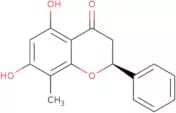
CAS:5,7-Dihydroxy-8-methylflavanone is a specialized flavanone compound, which is a type of flavonoid. This compound is typically derived from natural sources such as plants, where it serves various biological functions. Flavanones are known for their diverse effects and can be found in many fruits, vegetables, and other plant-based materials.Formula:C16H14O4Purity:Min. 95%Molecular weight:270.28 g/molOmbuoside
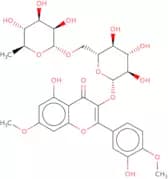
CAS:Please enquire for more information about Ombuoside including the price, delivery time and more detailed product information at the technical inquiry form on this page
Formula:C29H34O16Purity:Min. 95%Color and Shape:Off-White To Yellow SolidMolecular weight:638.57 g/molKaempferol-3,4'-dimethyl ether
CAS:Kaempferol-3,4'-dimethyl ether is a naturally occurring flavonoid compound which is primarily found in various plants. This compound is known for its structural classification as a methylated flavonol, distinguished by the presence of ether groups at the 3 and 4' positions of kaempferol. Derived mainly from botanical sources such as herbs and traditional medicinal plants, it plays a critical role in plant defense mechanisms.
Formula:C17H14O6Purity:Min. 95%Color and Shape:PowderMolecular weight:314.29 g/mol3'-Prenyldaidzein
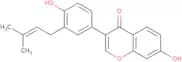
CAS:3'-Prenyldaidzein is a prenylated isoflavone, which is a naturally occurring compound typically derived from plants such as those found in the Fabaceae family. Prenylated isoflavones are characterized by the attachment of a prenyl group to the isoflavone structure, which often enhances their biological activity compared to their non-prenylated counterparts.
Formula:C20H18O4Purity:Min. 95%Color and Shape:PowderMolecular weight:322.35 g/molGenistin
CAS:Genistin is a naturally occurring isoflavone glycoside, which is derived primarily from soybeans and other legumes. It serves as a glycoside form of genistein, a well-known phytoestrogen. The mode of action of Genistin involves its bioconversion into genistein through hydrolysis. Once converted, it functions by binding to estrogen receptors, exhibiting estrogenic activity that can modulate various biological pathways.Formula:C21H20O10Purity:Min. 97 Area-%Color and Shape:Off-White PowderMolecular weight:432.38 g/molButin
CAS:Butin is a flavonoid compound, which is naturally derived from certain plants and is characterized by a chalcone structure. This compound acts as an antifungal agent by disrupting the cell membrane integrity of pathogenic fungi, ultimately inhibiting their growth and reproduction. The mechanism is thought to involve interference with key enzymatic pathways essential for cell wall synthesis, though precise molecular interactions are still under investigation.Formula:C15H12O5Purity:Min. 95%Color and Shape:PowderMolecular weight:272.25 g/molCampylosaurone
CAS:Campylosaurone is a synthetic antimicrobial compound, which is derived from chemical synthesis. Its mode of action involves the disruption of bacterial cell wall synthesis, ultimately leading to cell lysis and death. This compound exhibits broad-spectrum activity against a variety of gram-positive and gram-negative bacteria, making it versatile in combating resistant strains.Formula:C30H20O12Purity:Min. 95%Molecular weight:572.47 g/molTricetin-6,8-di-C-glucoside
CAS:Tricetin-6,8-di-C-glucoside is a specific type of flavonoid glucoside, which is derived primarily from certain plant sources known for their rich polyphenolic content. This compound is characterized by the attachment of sugar moieties directly to carbon atoms on the flavonoid structure, specifically the 6 and 8 positions of the tricetin molecule. This C-glucosylation confers unique stability and solubility properties, distinguishing it from O-linked glycosides.Formula:C27H30O17Purity:Min. 95%Color and Shape:PowderMolecular weight:626.52 g/mol4'-Methoxyisoflavone
CAS:4'-Methoxyisoflavone is a synthetic isoflavone derivative, which is typically sourced from laboratory synthesis processes. Its mode of action is primarily believed to involve modulating signaling pathways associated with protein synthesis and muscle tissue enhancement. Chemically distinct from naturally occurring isoflavones found in plants like soy, 4'-Methoxyisoflavone has been the subject of scientific investigation due to its potential effects on muscle growth and athletic performance.Formula:C16H12O3Purity:Min. 95%Molecular weight:252.26 g/mol3',4',5',5,6,7-Hexamethoxyflavone
CAS:3',4',5',5,6,7-Hexamethoxyflavone is a polymethoxylated flavone, which is a type of phytochemical or secondary metabolite. It is primarily found in citrus fruits, particularly in the peels, where it serves as a protective compound. This flavone is notable for its complex structure featuring multiple methoxy groups.Formula:C21H22O8Purity:Min. 95%Color and Shape:White Clear LiquidMolecular weight:402.39 g/mol3',4'-Dimethoxyflavone
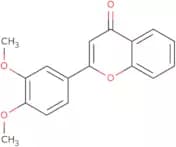
CAS:3',4'-Dimethoxyflavone is a synthetic flavone derivative, which is a type of polyphenolic compound structurally characterized by two methoxy groups attached to the flavone core. This compound is typically sourced through chemical synthesis, as flavones are widespread in nature but often require modification for specific scientific uses. The mode of action of 3',4'-Dimethoxyflavone involves modulation of various biochemical pathways, including potential interactions with cellular enzymes and receptors. This modulation can influence antioxidant and inflammatory responses, among other effects.
Formula:C17H14O4Purity:Min. 95%Color and Shape:PowderMolecular weight:282.29 g/molIsosativan
CAS:Isosativan is a targeted therapeutic compound, which is derived from specific plant alkaloids. These alkaloids originate from a unique botanical source known for its rich pharmacological properties. The mode of action for Isosativan involves interacting with specific cellular receptors, thereby modulating biochemical pathways that are crucial for maintaining cellular homeostasis and function. By doing so, it exhibits effects that can alter physiological responses, making it a valuable tool for research and therapeutic interventions.Formula:C17H18O4Purity:Min. 95%Color and Shape:PowderMolecular weight:286.32 g/mol(+)-trans-Taxifolin
CAS:(+)-trans-Taxifolin is a flavonoid compound, which is a type of plant secondary metabolite. It is naturally found in various plant sources, including the bark of Douglas fir (Pseudotsuga menziesii) and Siberian larch (Larix sibirica), as well as in milk thistle. The primary mode of action of this compound is its antioxidant activity, which involves scavenging free radicals and reducing oxidative stress within cells. This activity is facilitated by its ability to donate hydrogen atoms or electrons to neutralize reactive oxygen species, thus preventing cellular damage.Formula:C15H12O7Purity:Min. 95%Color and Shape:PowderMolecular weight:304.25 g/molMyricetin methylether
CAS:Myricetin methylether is a flavonoid derivative, which is a naturally occurring compound structurally related to the primary flavonoid, myricetin. This compound is typically derived from plant sources, where myricetin and its derivatives are commonly found in various fruits, vegetables, and herbs. The primary mode of action of myricetin methylether involves its interaction with cellular oxidative processes and enzyme modulation, which can lead to a variety of biological effects, including antioxidant properties and enzyme inhibition.
Formula:C19H18O8Purity:Min. 95%Color and Shape:Yellow PowderMolecular weight:374.34 g/molCupressuflavone
CAS:Cupressuflavone is a naturally occurring biflavonoid compound, which is an organic molecule composed of two flavonoid units linked together. Its source is predominantly from the Cupressaceae family, specifically from plants such as cypress trees. This compound is characterized by its potent antioxidant properties, which allow it to scavenge free radicals and reduce oxidative stress in biological systems.Formula:C30H18O10Purity:Min. 95%Molecular weight:538.46 g/mol7,3'-Dihydroxyisoflavone
CAS:7,3'-Dihydroxyisoflavone is a bioactive compound belonging to the isoflavone class of flavonoids, which is derived primarily from leguminous plants, such as soy and red clover. The substance displays significant antioxidant activities due to its structure, which allows it to neutralize free radicals and reduce oxidative stress within biological systems. This mode of action involves scavenging reactive oxygen species and chelating metal ions, thereby offering protective effects against cellular damage and inflammation.Formula:C15H10O4Purity:Min. 95%Color and Shape:PowderMolecular weight:254.24 g/molKaempferol
CAS:Kaempferol is a naturally occurring flavonoid, which is a type of plant secondary metabolite, prevalent in a variety of fruits, vegetables, and plants such as kale, beans, tea, broccoli, apples, and grapes. It belongs to the class of flavonols, which are compounds that contribute to the pigments of plants. Kaempferol is typically sourced through plant extraction processes and is often found in significant amounts in dietary sources.Formula:C15H10O6Purity:Min. 95%Color and Shape:Yellow PowderMolecular weight:286.24 g/molOrobol 5,7,3',4'-tetramethyl ether
CAS:Orobol 5,7,3',4'-tetramethyl ether is a flavonoid derivative compound, which is synthesized from natural flavonoid sources such as plants. This compound operates primarily through its antioxidant properties, scavenging free radicals and reducing oxidative stress, which may contribute to its potential therapeutic activities.Formula:C19H18O6Purity:Min. 95%Color and Shape:PowderMolecular weight:342.34 g/mol4',5,7,8-Tetrahydroxyflavanone
CAS:4',5,7,8-Tetrahydroxyflavanone is a naturally occurring flavonoid, which is a type of polyphenolic compound found in various plants. These compounds are well-regarded for their potential health benefits and are often derived from natural sources such as fruits, vegetables, and certain herbs. The mode of action of 4',5,7,8-Tetrahydroxyflavanone involves its interaction with free radicals, effectively neutralizing them due to its antioxidant properties. By mitigating oxidative stress, it may exert a protective effect at the cellular level.Formula:C15H12O6Purity:Min. 95%Molecular weight:288.25 g/mol7,3',4'-Trimethoxyisoflavone
CAS:7,3',4'-Trimethoxyisoflavone is a natural isoflavone compound, which is typically derived from certain plants within the Leguminosae family. This compound is characterized by its three methoxy groups attached to the isoflavone backbone, distinguishing it from other isoflavone derivatives. The source of 7,3',4'-Trimethoxyisoflavone often includes various leguminous plants, where it functions as a secondary metabolite with potential protective roles.Formula:C18H16O5Purity:Min. 95%Color and Shape:PowderMolecular weight:312.32 g/molGalangin
CAS:Galangin is a naturally occurring flavonoid, a type of polyphenolic compound, which is primarily sourced from Alpinia officinarum rhizomes, commonly known as galangal. This compound exhibits a range of biological activities, particularly attributed to its potent antioxidant and anti-inflammatory mechanisms. Galangin's mode of action predominantly involves the scavenging of free radicals and inhibition of oxidative stress pathways, effectively contributing to the mitigation of cellular damage and inflammation.Formula:C15H10O5Purity:Min. 97 Area-%Color and Shape:PowderMolecular weight:270.24 g/molIsoschaftoside
CAS:Isoschaftoside is a bioactive flavonoid glycoside, which is derived from various plant sources, particularly those within the Fabaceae and Poaceae families. This compound is a result of the glycosylation of apigenin, a well-known flavonoid. The mode of action of isoschaftoside involves its role as a potent antioxidant and anti-inflammatory agent. It achieves this by scavenging free radicals and modulating inflammatory pathways, thus contributing to cellular protection and immune response regulation.Formula:C26H28O14Purity:Min. 97 Area-%Color and Shape:PowderMolecular weight:564.49 g/molAcerosin
CAS:Acerosin is a naturally derived antibiotic compound, sourced from Streptomyces bacteria, with a unique dual mode of action. It exhibits both antimicrobial activity and anti-inflammatory effects. The antimicrobial action is primarily achieved through disruption of bacterial cell wall synthesis, leading to bacterial cell lysis. Additionally, Acerosin modulates immune responses by inhibiting the production of pro-inflammatory cytokines, which reduces inflammation at the site of infection.Purity:Min. 95%6,3'-Dihydroxydaidzein
CAS:6,3'-Dihydroxydaidzein is an isoflavonoid compound, which is a type of naturally occurring polyphenol. This compound is primarily sourced from plants, particularly legumes like soybeans, where it functions as a metabolite in the daidzein biosynthesis pathway. Mechanistically, 6,3'-Dihydroxydaidzein exhibits antioxidant properties by scavenging free radicals and inhibiting oxidative stress at the cellular level.Formula:C15H10O6Purity:Min. 95%Color and Shape:Brown PowderMolecular weight:286.24 g/mol6-Prenylnaringenin
CAS:6-Prenylnaringenin is a prenylflavonoid, which is a type of isoflavonoid, primarily derived from hops (Humulus lupulus). It is recognized for its potent phytoestrogenic properties, functioning as a selective agonist for estrogen receptors. By binding to estrogen receptors, 6-Prenylnaringenin can modulate estrogenic activities within the body, influencing various biological processes.Formula:C20H20O5Purity:Min 98%Color and Shape:PowderMolecular weight:340.37 g/mol3'-Methoxy-β-naphthoflavone
CAS:3'-Methoxy-β-naphthoflavone is a synthetic compound, classified as a flavonoid derivative, which is widely utilized in scientific research as a potent inducer and modulator of cytochrome P450 enzymes, particularly CYP1A1 and CYP1A2. Its source is entirely chemical synthesis, allowing for controlled study of its physiological effects without interference from naturally occurring impurities.Formula:C20H14O3Purity:90%Color and Shape:PowderMolecular weight:302.32 g/molPatuletin
CAS:Patuletin is a naturally occurring flavonoid, which is derived primarily from various plants. It is a type of polyphenolic compound that is widely recognized for its potential therapeutic properties. The source of Patuletin is mostly plant-based, where it is usually extracted from species in the Asteraceae family. The mode of action of Patuletin involves multiple biochemical interactions, including its potential to modulate oxidative stress and inflammation pathways. It acts by scavenging free radicals and may inhibit key enzymes linked to inflammation.Formula:C16H12O8Purity:80%Color and Shape:White PowderMolecular weight:332.26 g/molEquol-7,4'-dimethyl ether
CAS:Equol-7,4'-dimethyl ether is a bioactive compound, which is an isoflavone derivative. It is primarily sourced from certain plant-based materials through natural biosynthesis or fermentation processes. Its mode of action involves mimicking estrogenic activity, where it exhibits selective affinity for estrogen receptors, particularly ER-beta. This interaction can modulate various biological responses linked to estrogen, which are crucial for understanding its potential therapeutic effects.Formula:C17H18O3Purity:Min. 95%Molecular weight:270.32 g/molSigmoidin B
CAS:Sigmoidin B is a natural compound that is classified as a terpenoid, which is sourced from certain species of terrestrial and marine plants. Its bioactive properties stem from its ability to interact with cellular components, particularly by inducing apoptosis in cancer cells, thereby exhibiting potent cytotoxic effects. The mode of action involves disruption of cellular pathways that are crucial for cancer cell survival and proliferation.Formula:C20H20O6Purity:Min. 95%Molecular weight:356.37 g/mol5,3'-Dimethoxyflavone
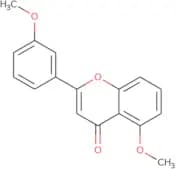
CAS:5,3'-Dimethoxyflavone is a flavone derivative, which is a compound within the larger class of flavonoids. These compounds are primarily sourced from various plant species, where they contribute to pigmentation, growth, and defense. The presence of methoxy groups in this molecule alters its chemical properties, enhancing its solubility and bioavailability, which are critical for biological activity.
Formula:C17H14O4Purity:Min. 95%Molecular weight:282.29 g/molCalycosin-7-O-β-D-glucoside
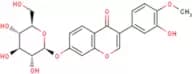
CAS:Calycosin-7-O-β-D-glucoside (calycosin-7-O-beta-D-glucopyranoside) possesses a protective effect on rat hepatocytes, an inhibitory effect on COX-2 activity.Formula:C22H22O10Purity:98% - 99.981%Color and Shape:SolidMolecular weight:446.40Ref: TM-T3388
2mg39.00€5mg58.00€10mg93.00€25mg161.00€50mg260.00€100mg385.00€200mg560.00€1mL*10mM (DMSO)64.00€Isoastilbin
CAS:Isoastilbin is a bioactive flavonoid, which is a naturally occurring compound found primarily in certain plant species, such as the Chinese herb Smilax glabra and Engelhardtia roxburghiana Wall leaf. As a derivative of astilbin, it possesses a unique mechanism that involves the modulation of cellular redox states. Isoastilbin's mode of action is primarily through its antioxidant properties, where it scavenges free radicals and thus, mitigates oxidative stress at a cellular level. Additionally, it exhibits anti-inflammatory effects by inhibiting the production of pro-inflammatory cytokines.The applications of Isoastilbin are diverse and promising in scientific research. It is extensively studied for its potential therapeutic benefits in combating diseases associated with oxidative stress and inflammation, such as cardiovascular diseases, neurodegenerative disorders, and certain metabolic syndromes. Furthermore, its role in cell signaling and apoptosis makes it a candidate for cancer research, offering insights into the molecular pathways that can be targeted for therapeutic intervention. Isoastilbin’s multifunctional properties make it a compelling subject for ongoing pharmacological and biomedical research.Formula:C21H22O11Purity:Min. 95%Color and Shape:PowderMolecular weight:450.39 g/molIsoaloeresin D (contains up to 20% Aloeresin D)
CAS:Isoaloeresin D is a natural compound product, which is derived from the Aloe plant, specifically containing up to 20% Aloeresin D. It is a phytochemical extracted from the leaves of Aloe species, renowned for its inclusion of various bioactive compounds. The primary mode of action of Isoaloeresin D involves its potential antioxidant properties, which may contribute to the neutralization of free radicals and reduction of oxidative stress within biological systems.Formula:C29H32O11Purity:Min. 95%Color and Shape:PowderMolecular weight:556.56 g/molApigenin - 94%
CAS:Apigenin - 94% is a purified form of apigenin, which is a naturally occurring flavonoid. It is primarily sourced from various plant species, including parsley, celery, and chamomile, where it is a prominent active component. The mode of action of apigenin involves multiple biochemical pathways: it acts as an anti-inflammatory agent, modulates enzyme activities, and exhibits antioxidant properties by scavenging free radicals. Additionally, apigenin interacts with cellular signaling pathways, such as the MAPK and PI3K/Akt, which contribute to its protective effects against oxidative stress and its potential in promoting apoptosis in cancerous cells.
Formula:C15H10O5Purity:Min. 95%Color and Shape:PowderMolecular weight:270.24 g/molPuerarin
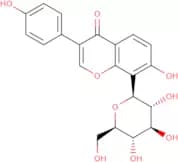
CAS:Puerarin is a bioactive isoflavone, which is extracted from the root of Pueraria lobata, commonly known as kudzu. It functions as a phytoestrogen and exhibits multiple pharmacological activities. The mode of action of puerarin involves interacting with various biological pathways, including antioxidant, anti-inflammatory, and neuroprotective mechanisms. It modulates enzyme activities and influences cell signaling pathways, making it a versatile compound for therapeutic research.Formula:C21H20O9Purity:Min. 98 Area-%Color and Shape:White PowderMolecular weight:416.38 g/mol8-Prenylnaringenin
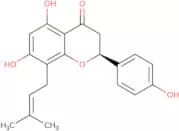
CAS:8-Prenylnaringenin is a flavonoid compound, which is a naturally occurring phytoestrogen. It is primarily found in hops (Humulus lupulus), a plant commonly used in brewing beer. The compound is known for its high estrogenic activity, which is attributed to its ability to bind to estrogen receptors, particularly the estrogen receptor alpha.Formula:C20H20O5Purity:Min. 98 Area-%Color and Shape:PowderMolecular weight:340.37 g/molTectorigenin
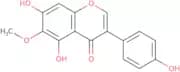
CAS:Tectorigenin is a naturally occurring isoflavone, which is derived from plants such as Belamcanda chinensis and the Pueraria genus. It functions primarily as an antioxidant and has demonstrated various biological activities. Tectorigenin acts by inhibiting certain enzymes and signaling pathways, which contributes to its anti-inflammatory, anti-cancer, and neuroprotective effects.Formula:C16H12O6Purity:Min. 95%Color and Shape:White PowderMolecular weight:300.26 g/molOrobol 7,3',4'-trimethyl ether
CAS:Orobol 7,3',4'-trimethyl ether is a synthetic flavonoid compound, which is derived from the chemical modification of natural flavonoids. These modifications involve methylation, specifically at the 7, 3', and 4' positions of the flavone structure. This chemical derivation allows for enhanced stability and solubility compared to its natural counterparts.
Formula:C18H16O6Purity:Min. 95%Molecular weight:328.32 g/mol5-Hydroxy-7,4'-dimethoxy-6,8-dimethylflavone
CAS:5-Hydroxy-7,4'-dimethoxy-6,8-dimethylflavone is a bioactive flavonoid compound, which is naturally derived from certain plant sources. As a type of flavone, this compound is notable for its polyphenolic skeleton that contributes to notable biological properties. Its mode of action primarily involves modulating various enzymatic pathways and cellular signaling processes due to its structural ability to interact with biomolecules like enzymes and receptors. This interaction can lead to a range of biological effects, including antioxidant and anti-inflammatory activities.Formula:C19H18O5Purity:Min. 95%Molecular weight:326.34 g/mol2',7-Dihydroxyflavone
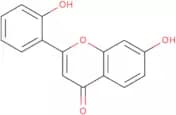
CAS:2',7-Dihydroxyflavone is a natural flavonoid compound, which is derived from plant sources, particularly within the broader family of flavonoids known for their diverse biological activities. This compound exhibits its mode of action primarily through interactions with cellular signaling pathways, notably acting as a potent agonist for the TrkB receptor, a critical component in neurotrophic signaling. The activation of TrkB is pivotal in promoting neuronal survival, differentiation, and synaptic plasticity, making this compound of significant interest in the field of neuroscience.Formula:C15H10O4Purity:Min. 95%Color and Shape:PowderMolecular weight:254.24 g/molHesperetin 7-O-β-D-glucuronide
CAS:Hesperetin 7-O-beta-D-glucuronide is a flavonoid metabolite, which is a derivative of hesperetin commonly found in citrus fruits. This compound is produced through the biotransformation of hesperetin, involving conjugation with glucuronic acid in the liver, and is integral to the metabolism of flavonoids in humans. Hesperetin 7-O-beta-D-glucuronide exhibits potential antioxidant properties, making it of interest in scientific research aimed at exploring its bioactivity and potential therapeutic benefits.
Formula:C22H22O12Purity:Min. 95%Molecular weight:478.4 g/mol3',5'-Diprenylliquiritigenin
CAS:3',5'-Diprenylliquiritigenin is a prenylated flavonoid, which is a type of naturally occurring compound found in certain plants. This specific compound is isolated primarily from licorice root, where it is synthesized as part of the plant's secondary metabolites. Its mode of action involves modulating various signaling pathways within biological systems, demonstrating potential antioxidant, anti-inflammatory, and anti-cancer properties.Formula:C25H28O4Purity:Min. 95%Molecular weight:392.49 g/molNeoisoastilbin
CAS:Neoisoastilbin is a chemical compound, specifically a flavonoid derivative, derived primarily from natural botanical sources such as certain species of plants. It is characterized by its unique structural configuration which distinguishes it from its closely related isomers. As a flavonoid, Neoisoastilbin acts through multiple biochemical pathways, notably by scavenging free radicals and modulating oxidative stress responses, which can have significant implications in biological systems.Neoisoastilbin's notable applications lie in its potential antioxidant properties, which are of particular interest in the fields of pharmacology and biochemistry. Researchers study its effects on cellular models to understand its role in protecting cells from oxidative damage. It also has potential applications in the development of therapeutic agents aiming to mitigate conditions associated with oxidative stress, such as neurodegenerative diseases or cardiovascular disorders. Investigations into its pharmacodynamics and pharmacokinetics are essential to elucidate its full potential and mechanisms within complex biological systems.
Formula:C21H22O11Purity:Min. 95%Molecular weight:450.39 g/mol5-Hydroxy-7,2',3',4',5'-pentamethoxyflavone
CAS:5-Hydroxy-7,2',3',4',5'-pentamethoxyflavone is a flavone that can be found in coffee. It has been shown to inhibit the enzyme arabinose isomerase and psiadiarabin, which are involved in the conversion of sugar into energy in plants. 5-Hydroxy-7,2',3',4',5'-pentamethoxyflavone also inhibits the plant enzyme phytase, which breaks down phytic acid. Phytic acid is a naturally occurring substance that binds to minerals such as calcium and zinc, preventing their absorption by the body. This compound has not shown any significant activity against bacterial DNA gyrase or topoisomerase IV or human DNA gyrase or topoisomerase II.
Formula:C20H20O8Purity:Min. 95%Molecular weight:388.37 g/mol5,8-Dihydroxy-3,3',4',7-tetramethoxyflavone
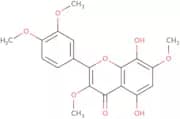
CAS:5,8-Dihydroxy-3,3',4',7-tetramethoxyflavone is a secondary metabolite of plants that belongs to the group of phytochemicals. It is one of the most potent natural antioxidants and has been shown to have antioxidant activity in a number of different assays. 5,8-Dihydroxy-3,3',4',7-tetramethoxyflavone can be used for analytical purposes as an HPLC standard or reference material. This compound has also been shown to inhibit tumor cell proliferation in vitro and may be useful for research and development purposes.
Formula:C19H18O8Purity:Min. 95%Molecular weight:374.34 g/mol