Flavonoids
Subcategories of "Flavonoids"
- Anthocyanidins(46 products)
- Anthocyanin(46 products)
- Catechin(88 products)
- Chalcones(237 products)
- Pterocarpan(28 products)
Found 2409 products of "Flavonoids"
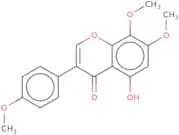
8-Hydroxygenistein-7,8,4'-trimethyl ether
CAS:8-Hydroxygenistein-7,8,4'-trimethyl ether is a phytochemical derivative, which is sourced from plant metabolites, specifically isoflavonoids. This compound is modified through methylation processes to enhance its stability and lipophilicity, making it a subject of interest in various biochemical studies. Its mode of action primarily involves interaction with cellular signaling pathways, influencing antioxidant mechanisms and potentially affecting gene expression related to oxidative stress.Formula:C18H16O6Purity:Min. 95 Area-%Color and Shape:Yellow PowderMolecular weight:328.32 g/molR,S equol 4'-sulfate sodium salt
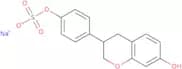
CAS:R,S equol 4'-sulfate sodium salt is a synthetic derivative of equol, which is a type of flavonoid metabolite. This compound is primarily sourced from the biotransformation of the isoflavone daidzein through gut microbiota activity. As a sulfate salt, it is more soluble in aqueous environments, which may facilitate its use in various biological contexts.Formula:C15H13NaO6SPurity:Min. 95%Molecular weight:344.32 g/mol7,4'-Dihydroxyflavanone
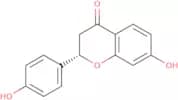
CAS:7,4'-Dihydroxyflavanone is a naturally occurring flavonoid, which is primarily sourced from various plant species. This compound is a type of polyphenolic molecule that often manifests in fruits, vegetables, and certain herbs. Its biosynthesis in plants is part of their secondary metabolism, where it plays roles in plant defense against pathogens and UV radiation.Formula:C15H12O4Purity:Min. 95%Molecular weight:256.25 g/molR-Equol
CAS:R-Equol is a chiral compound classified as an isoflavandiol, which is a type of non-steroidal estrogen. It is derived from the metabolic conversion of daidzein, an isoflavone predominantly found in soy products, by intestinal microbiota in some individuals. The presence of equol-producing bacteria is necessary for this biotransformation process.
Purity:Min. 95%Neoastilbin
CAS:Neoastilbin is a natural flavonoid compound, which is derived from the plant species *Smilax glabra*. It acts by modulating immune responses and inhibiting specific enzymatic pathways associated with inflammation, making it an effective agent in reducing inflammatory processes.Formula:C21H22O11Purity:Min. 95%Color and Shape:PowderMolecular weight:450.39 g/molTricetin 7-O-glucoside
CAS:Tricetin 7-O-glucoside is a flavonoid glycoside compound, which is a derivative of the naturally occurring flavonoid tricetin. This compound is sourced primarily from certain plant species, including various herbs and foods, where it is present as a minor constituent. The mode of action of Tricetin 7-O-glucoside involves its ability to scavenge free radicals and modulate inflammatory pathways, showcasing both antioxidant and anti-inflammatory properties.
Formula:C21H20O12Purity:Min. 95%Molecular weight:464.38 g/molIsomucronulatol 7-O-glucoside
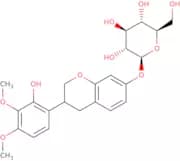
CAS:Isomucronulatol 7-O-glucoside is a flavonoid glucoside compound, which is isolated predominantly from various plant species. This compound is known for its comprehensive role as a secondary metabolite that participates in the plant's defense mechanism. The primary mode of action involves its ability to interact with biological targets at the molecular level, potentially exhibiting antioxidant, anti-inflammatory, or other bioactive properties. Isomucronulatol 7-O-glucoside may influence signaling pathways, which can alter physiological responses within organisms.Purity:Min. 95%2-Hydroxynaringenin
CAS:2-Hydroxynaringenin is a flavonoid compound, which is derived from the extraction and purification of various citrus fruits, particularly from the peel and pulp. It belongs to a class of secondary metabolites found predominantly in these plants, functioning as part of their natural defense mechanism.Formula:C15H12O6Purity:Min. 95%Molecular weight:288.25 g/mol7-Benzyloxy-3',4'-dimethoxyisoflavone
CAS:7-Benzyloxy-3',4'-dimethoxyisoflavone is a synthetic isoflavone derivative, which is a specialized compound designed for research and potential pharmacological applications. Isoflavones are naturally occurring compounds found predominantly in plants like soybeans and are studied for their biological activities. This particular compound is synthetically modified with methoxy groups, enhancing its stability and bioavailability.
Formula:C24H20O5Purity:Min. 95%Molecular weight:388.41 g/mol5-Hydroxy-7,8,2'-trimethoxyflavone
CAS:5-Hydroxy-7,8,2'-trimethoxyflavone is a flavonoid compound, which is a type of polyphenolic molecule. Flavonoids are primarily derived from plants, where they function in various biological roles, including pigmentation, UV filtration, and symbiotic nitrogen fixation. The source of 5-Hydroxy-7,8,2'-trimethoxyflavone is often plants, particularly those known for their medicinal properties.Formula:C18H16O6Purity:Min. 95%Color and Shape:PowderMolecular weight:328.32 g/molIsosinensetin
CAS:Isosinensetin is a polymethoxyflavone, which is a type of flavonoid compound. It is primarily sourced from citrus fruits, particularly those belonging to the genus Citrus, such as oranges and tangerines. The compound's mode of action is largely attributed to its various biochemical interactions, such as modulation of signaling pathways, antioxidant activity, and potential anti-inflammatory effects. These actions may influence cellular processes, contributing to its health-promoting properties.
Formula:C20H20O7Purity:Min. 95%Color and Shape:PowderMolecular weight:372.37 g/molBavachin
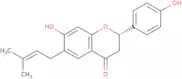
CAS:Phytoestrogen; estrogen receptor agonist; PPARγ ligandFormula:C20H20O4Purity:Min. 95%Color and Shape:SolidMolecular weight:324.37 g/molLicoflavone C
CAS:Licoflavone C is a bioactive flavonoid compound, which is derived from the roots of Glycyrrhiza species. This particular flavonoid is notable for its complex chemical structure that contributes to its biological activity. The primary mode of action of Licoflavone C involves modulation of various cellular pathways, including antioxidant and anti-inflammatory mechanisms. It also influences cell cycle regulation and apoptosis, which are critical in cancer research. The compound's ability to act as a natural antioxidant makes it a valuable candidate in the formulation of skincare products aimed at protecting against oxidative stress. In scientific studies, Licoflavone C has been investigated for its potential anticancer properties, particularly focusing on its effects in inhibiting the proliferation of cancer cells. Furthermore, its role in skin health is under exploration, where its antioxidant capacity and potential to stimulate collagen production may offer benefits in anti-aging products. Such applications make Licoflavone C an intriguing subject for research in natural product chemistry and therapeutic development.Formula:C20H18O5Purity:Min. 95%Molecular weight:338.35 g/molEuchrestaflavanone B
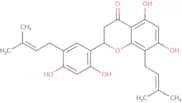
CAS:Euchrestaflavanone B is a naturally occurring flavonoid, which is a type of polyphenolic compound. It is primarily sourced from various plant species, particularly those found in the Leguminosae family. The mode of action of Euchrestaflavanone B involves its interaction with cellular signaling pathways, where it exhibits a broad spectrum of bioactive effects. These include anti-inflammatory, antioxidant, and anticancer properties, potentially through modulation of enzyme activities and gene expression.Formula:C25H28O6Purity:Min. 95%Molecular weight:424.5 g/molFurano(2,3:7,6)-4'-hydroxyflavanone
CAS:Furano(2,3:7,6)-4'-hydroxyflavanone is a sophisticated flavonoid compound, which is a type of polyphenolic molecule commonly found in various plant species. As a naturally derived substance, it originates from the complex biosynthetic pathways in plants, specifically contributing to their defense mechanisms and pigmentation. The mode of action of Furano(2,3:7,6)-4'-hydroxyflavanone involves its interaction with cellular processes, potentially exhibiting antioxidant properties by scavenging free radicals and modulating enzymatic activity related to oxidative stress pathways.Formula:C17H12O4Purity:Min. 95%Molecular weight:280.27 g/molKaempferol 3-O-a-L-arabinopyranoside
CAS:Kaempferol 3-O-α-L-arabinopyranoside is a flavonoid glycoside, which is a naturally occurring compound found in a variety of plants, including fruits and vegetables. It is primarily isolated from plant sources such as tea, broccoli, and grapefruit, where it contributes to the plants' defense mechanisms.Formula:C20H18O10Purity:Min. 95%Color and Shape:White PowderMolecular weight:418.35 g/molIsoetin
CAS:Rare natural product belonging to the flavone sub-group of flavonoidsFormula:C15H10O7Purity:Min. 95%Molecular weight:302.24 g/molLupinalbin B
CAS:Lupinalbin B is a bioactive compound, specifically classified as an alkaloid, which is derived from the seeds of the Lupinus plant species. These plants, commonly known as lupins, are a part of the legume family and are cultivated primarily for their seeds that contain high protein content. The presence of alkaloids like Lupinalbin B in lupin seeds is a result of the plant's secondary metabolism, which serves various ecological functions, including defense against herbivores.Formula:C20H16O6Purity:(%) Min. 95%Color and Shape:PowderMolecular weight:352.34 g/molLicoisoflavanone
CAS:Licoisoflavanone is a naturally occurring flavonoid compound, which is derived from the roots of plants such as Glycyrrhiza glabra, commonly known as licorice. This phytochemical is primarily obtained through extraction and isolation from licorice roots, where it is present as part of a complex mixture of bioactive compounds. The mode of action of licoisoflavanone involves its ability to interact with various biological pathways, including inhibitory effects on bacterial cell wall synthesis and disruption of microbial cellular functions, as well as scavenging free radicals to exert antioxidant effects.Formula:C20H18O6Purity:Min. 95%Molecular weight:354.4 g/molCarlinoside
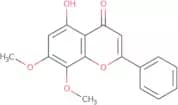
CAS:Carlinoside is a bioactive flavonoid glycoside, which is typically sourced from plants of the Astraceae family, specifically from the genus Carlina. As a natural phytochemical, its mode of action involves the modulation of various biochemical pathways, primarily through its antioxidant properties and potential to interact with cellular oxidative stress mechanisms.Formula:C26H28O16Purity:Min. 95%Molecular weight:596.49 g/mol5-Hydroxy-7,8-dimethoxyflavone
CAS:5-Hydroxy-7,8-dimethoxyflavone is a naturally occurring flavonoid compound, which is typically isolated from plant sources, most notably citrus fruits. The compound functions primarily as a modulator of various biological pathways through its interaction with enzyme systems and receptor sites. This includes the modulation of signaling pathways involved in inflammation, oxidative stress, and cellular apoptosis.Formula:C17H14O5Purity:Min. 95%Molecular weight:298.29 g/molFarnisin
CAS:Please enquire for more information about Farnisin including the price, delivery time and more detailed product information at the technical inquiry form on this page
Formula:C16H12O5Purity:Min. 95%Molecular weight:284.26 g/mol8-Chloroflavanone
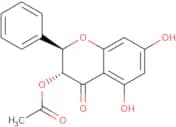
CAS:8-Chloroflavanone is a synthetic flavonoid derivative, which is primarily obtained through chemical synthesis involving the chlorination of flavanone substrates. Its mode of action involves the modulation of various biological pathways, including potential inhibition of specific enzymes and interaction with receptor sites, which may influence cellular signaling mechanisms.Formula:C15H11ClO2Purity:Min. 95%Molecular weight:258.7 g/molPinobanksin acetate
CAS:Pinobanksin acetate is a flavonoid compound, which is naturally sourced from bee propolis. Propolis, a resinous substance collected by bees from tree buds, is renowned for its complex chemical composition integrated from various botanical sources. Pinobanksin acetate is one of the active polyphenolic constituents identified within propolis, exhibiting intriguing bioactive properties.Formula:C17H14O6Purity:Min. 95%Molecular weight:314.29 g/mol3',4',7-Trihydroxyflavanone
CAS:3',4',7-Trihydroxyflavanone is a natural flavonoid compound, which is predominantly found in various plant sources, such as flowers, fruits, and leaves. This compound is known for its significant antioxidative properties, attributed to its polyphenolic structure. The mechanism of action involves the scavenging of free radicals, thereby reducing oxidative stress within biological systems. Additionally, its molecular configuration allows it to interact with various cellular pathways that modulate inflammation and cellular signaling.Formula:C15H12O5Purity:Min. 95%Molecular weight:272.25 g/molOmbuin
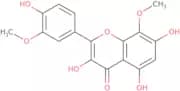
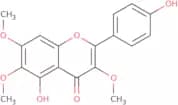
CAS:Ombuin is a flavonoid compound, which is a naturally occurring substance found in a variety of plants. It functions primarily as an antioxidant by scavenging free radicals and inhibiting oxidative stress within biological systems. This mode of action is pivotal in mitigating cellular damage, thereby contributing to anti-inflammatory processes.Formula:C17H14O7Purity:Min. 95%Color and Shape:SolidMolecular weight:330.29 g/molParvisoflavanone
CAS:Parvisoflavanone is a naturally occurring flavanone, which is a type of plant-derived polyphenolic compound. It is sourced from various botanical origins, particularly within certain species of the plant kingdom known for their traditional medicinal uses. The mode of action of Parvisoflavanone involves its interaction with biological pathways that are implicated in antioxidative stress responses and anti-inflammatory mechanisms. It may act as a regulator of cellular signaling processes, thereby influencing cell proliferation and apoptosis.Formula:C17H16O7Purity:Min. 95%Molecular weight:332.3 g/mol4-O-Methylhelichrysetin
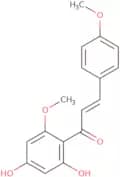
CAS:4-O-Methylhelichrysetin is a flavonoid compound, which is a naturally occurring polyphenolic molecule. It is sourced from plants, particularly those in the Helichrysum genus, a group known for their medicinal properties. The mode of action encompasses its ability to modulate various biological pathways, including the inhibition of key enzymes and interference with cell signaling cascades. 4-O-Methylhelichrysetin has shown potential in downregulating pro-inflammatory cytokines and inducing apoptosis in certain cancer cell lines.Formula:C17H16O5Purity:Min. 95%Molecular weight:300.31 g/molLimocitrin
CAS:Limocitrin is a flavonoid compound, which is a naturally occurring plant secondary metabolite. Flavonoids are widely distributed in the plant kingdom and are known for their diverse biological activities. Limocitrin, specifically, has been isolated from various plant sources, including certain fruits and flowers. Its mode of action involves interacting with cellular signaling pathways, affecting processes such as oxidative stress response and gene expression regulation.Purity:Min. 95%Daidzein diacetate
CAS:Daidzein diacetate is a synthetic derivative of the isoflavone daidzein, which is a bioactive compound found primarily in soybeans and other legumes. The acetylation process enhances the compound's stability and solubility, potentially improving its bioavailability compared to its parent compound. Daidzein itself is naturally occurring and has been studied for its various health-promoting properties, including estrogenic and antioxidant activities.Formula:C19H14O6Purity:Min. 95%Molecular weight:338.31 g/molKaempferol-3-rutinoside-7-rhamnoside
CAS:Kaempferol-3-rutinoside-7-rhamnoside is a flavonoid glycoside, which is an organic compound derived from specific plant species like tea, onions, and broccoli. It primarily exists as a complex molecule formed by the bonding of kaempferol with sugar moieties—rutinoside and rhamnoside. This compound functions by modulating various cellular signaling pathways, including those involved in oxidation-reduction processes, apoptosis, and inflammation. It combats oxidative stress by scavenging free radicals, thereby providing a protective effect against cellular damage.Formula:C33H40O19Purity:Min. 95%Color and Shape:Off-White PowderMolecular weight:740.66 g/mol5,7,4’-Trihydroxy-8-methylflavanone
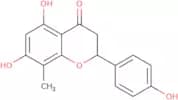
CAS:5,7,4’-Trihydroxy-8-methylflavanone is a flavanone, which is a type of flavonoid compound. Flavonoids are secondary metabolites commonly found in plants and are responsible for a variety of biological activities. This particular compound can be sourced from various plant species known for their rich content of natural phenolic substances.Formula:C16H14O5Purity:Min. 95%Molecular weight:286.28 g/mol6,7,4'-Trihydroxyflavanone
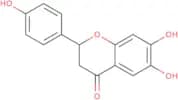
CAS:6,7,4'-Trihydroxyflavanone is a naturally occurring flavonoid, which is found in various plant sources, particularly in citrus fruits and certain medicinal herbs. This compound is characterized by its presence of hydroxyl groups, enhancing its reactivity and interaction with biological systems. The mode of action of 6,7,4'-Trihydroxyflavanone primarily involves its antioxidant activity. It can scavenge free radicals and chelate metal ions, thereby reducing oxidative stress within cellular environments. This property is critical in maintaining cellular integrity and preventing damage caused by reactive oxygen species.
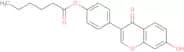
Formula:C15H12O5Purity:Min. 95%Molecular weight:272.25 g/mol4'-O-Hexanoyldaidzein
CAS:4'-O-Hexanoyldaidzein is a chemically modified isoflavone, which is a derivative of daidzein. This compound is sourced from soybeans, renowned for being rich in naturally occurring isoflavones. The modification entails the addition of a hexanoyl group to the daidzein molecule, altering its physicochemical properties and potentially enhancing its biological activity.Formula:C21H20O5Purity:Min. 95%Molecular weight:352.38 g/mol5,7,3'-Trihydroxy-6,4',5'-trimethoxyflavanone
CAS:5,7,3'-Trihydroxy-6,4',5'-trimethoxyflavanone is a specialized flavanone derivative, which is a type of plant secondary metabolite found in various botanical sources. This compound originates primarily from citrus fruits and certain medicinal plants where it contributes to the plant’s defense mechanisms. As a flavonoid, its mode of action involves the modulation of enzyme activity, interaction with cell membranes, and potential antioxidant properties, allowing it to scavenge free radicals and reduce oxidative stress.Formula:C18H18O8Purity:Min. 95%Molecular weight:362.3 g/mol(E)-Deschlorophenyl fluoxastrobin
CAS:(E)-Deschlorophenyl fluoxastrobin is a synthetic fungicide, which is derived from the strobilurin class of compounds, originally sourced from natural fungal metabolites. It functions by inhibiting mitochondrial respiration in fungal cells through disruption of the cytochrome bc1 complex, specifically at the Qo site. This mode of action effectively curtails the energy supply of the pathogen, leading to its death, and is integral in managing resistance issues known to occur with other fungicide groups.
Formula:C15H13FN4O5Purity:Min. 95%Molecular weight:348.29 g/molGardenin B
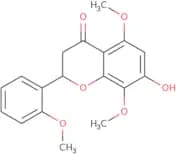
CAS:Gardenin B is a microbial biocontrol agent that originates from Streptomyces bacteria. It functions as a secondary metabolite deriving from its microbial source. The mode of action involves inhibiting the growth of plant-pathogenic fungi by disrupting their cellular processes and interfering with spore germination or hyphal proliferation. Gardenin B is primarily utilized in agricultural settings to control fungal diseases in crops, reducing reliance on synthetic chemical fungicides. Its application is integrated into plant protection programs to enhance agricultural sustainability and improve crop yields while minimizing the environmental impact. Scientists are investigating its mechanisms and potential for broader applications.Formula:C19H18O7Purity:Min. 95%Molecular weight:358.34 g/mol7-Hydroxy-2',5,8-trimethoxyflavanone
CAS:7-Hydroxy-2',5,8-trimethoxyflavanone is a flavonoid compound, which is a type of naturally occurring phenolic compound. It can be sourced primarily from certain plant species, where it plays a role in the plant's defense mechanism against environmental stressors. Flavonoids like this one often exhibit a variety of biological activities.Formula:C18H18O6Purity:Min. 95%Molecular weight:330.3 g/molPlantanone B
CAS:Plantanone B is a naturally-derived compound, which is an anti-inflammatory agent sourced from the Plantago species. It is known for its distinct bioactive properties attributed to its unique phytochemical structure. The compound primarily functions by modulating inflammatory pathways, specifically targeting the downregulation of pro-inflammatory cytokines and inhibiting the production of reactive oxygen species. This mode of action underscores its potential in addressing inflammation-associated cellular processes.Formula:C33H40O20Purity:Min. 95%Molecular weight:756.66 g/mol6-Methoxykaempferol 3-O-rutinoside
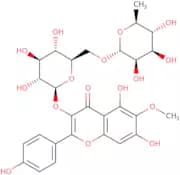
CAS:6-Methoxykaempferol 3-O-rutinoside is a flavonoid glucoside, which is derived from various plants, particularly those belonging to the Leguminosae family. This compound is of significant interest due to its potential biological activities and natural occurrence. The mode of action of 6-Methoxykaempferol 3-O-rutinoside primarily involves its antioxidant properties, which may help in neutralizing free radicals and reducing oxidative stress in biological systems.Purity:Min. 95%6,4'-Dihydroxy-7-methoxyflavanone
CAS:6,4'-Dihydroxy-7-methoxyflavanone is a naturally occurring flavanone compound, which is typically derived from various plant sources known for their rich polyphenolic content. This compound is characterized by its unique chemical structure, including hydroxyl and methoxy functional groups, contributing to its bioactivity.
Formula:C16H14O5Purity:Min. 95%Molecular weight:286.28 g/mol7,4'-Dihydroxyhomoisoflavanone
CAS:Controlled Product7,4'-Dihydroxyhomoisoflavanone is a naturally occurring compound, classified as a homoisoflavanone, which is a type of polyphenolic compound. It is primarily sourced from plants, specifically found in certain species of the Fabaceae family. The compound is characterized by its unique structural configuration, which contributes to its bioactivity.Formula:C16H14O4Purity:Min. 95%Molecular weight:270.28 g/mol7-O-Ethyldaidzein
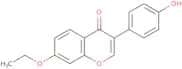
CAS:7-O-Ethyldaidzein is a synthetic flavonoid derivative, which is primarily sourced from modifications of the naturally occurring isoflavone daidzein. Daidzein itself is found in soy products and other legumes. Through a chemical process, 7-O-ethyl groups are introduced to enhance its biological activity.
Formula:C17H14O4Purity:Min. 95%Color and Shape:PowderMolecular weight:282.29 g/mol2'-Methoxyflavone
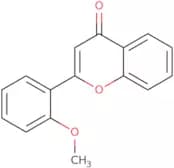
CAS:Enhances TRAIL-induced apoptosis in MOLT-4- cells
Formula:C16H12O3Purity:Min. 95%Color and Shape:White PowderMolecular weight:252.26 g/molPenduletin
CAS:Penduletin is a flavonoid compound, which is a type of natural phenolic product, primarily sourced from various plant species. This compound occurs naturally as part of the plant's secondary metabolites and plays a crucial role in defense mechanisms. Penduletin exerts its effects primarily through its antioxidant activity, modulating various signaling pathways involved in cellular protection processes. It acts by scavenging free radicals and reducing oxidative stress, which is pivotal in its therapeutic applications.Formula:C18H16O7Purity:Min. 95%Color and Shape:White PowderMolecular weight:344.32 g/molMaackiaflavanone
CAS:Maackiaflavanone is a specialized flavanone, which is a type of natural compound. It is derived from the Maackia plant species, particularly found in temperate regions and known for its rich phytochemical profile. The flavanone exhibits its activity primarily through its interaction with cellular pathways associated with oxidative stress and inflammation, modulating various biochemical signals that can influence cell behavior.
Formula:C26H30O6Purity:Min. 95%Molecular weight:438.50 g/mol6-Hydroxyluteolin
CAS:6-Hydroxyluteolin is a flavonoid, which is a type of polyphenolic compound found in various plants. It is primarily sourced from plant species such as the Asteraceae family, including herbs like sage and parsley. The mode of action of 6-Hydroxyluteolin involves its capacity to scavenge free radicals, thereby exerting antioxidant effects. This activity is mediated through the donation of electrons or hydrogen atoms to reactive oxygen species, neutralizing them and preventing cellular damage.Formula:C15H10O7Purity:Min. 95%Molecular weight:302.24 g/mol5,6,7,2'-Tetrahydroxyflavone
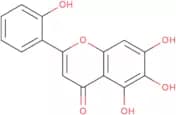
CAS:5,6,7,2'-Tetrahydroxyflavone is a naturally occurring flavonoid, which is commonly found in various plants. As a bioactive compound, it is typically derived from the leaves, stems, or fruits of these plants, where it plays a crucial role in plant defense. The mode of action of 5,6,7,2'-Tetrahydroxyflavone is primarily through its potent antioxidant activity. It scavenges free radicals and reduces oxidative stress, thereby contributing to cellular protection and stability.
Formula:C15H10O6Purity:Min. 95%Molecular weight:286.24 g/molOsajin
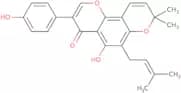
CAS:Osajin is a natural flavonoid compound, which is derived from the fruit of Maclura pomifera, also known as the Osage orange. This compound is characterized by its distinctive isoflavone structure, which is central to its biological activity. The mode of action of Osajin involves modulation of various biochemical pathways, predominantly exhibiting antioxidant properties. It acts by scavenging free radicals and enhancing cellular defense mechanisms against oxidative stress, thereby contributing to its potential therapeutic efficacy.Formula:C25H24O5Purity:Min. 95%Color and Shape:PowderMolecular weight:404.46 g/molMilldurone
CAS:Please enquire for more information about Milldurone including the price, delivery time and more detailed product information at the technical inquiry form on this pageFormula:C19H16O7Purity:Min. 95%Color and Shape:PowderMolecular weight:356.33 g/mol