Flavonoids
Flavonoids are a group of plant metabolites with antioxidant properties that contribute to the color of fruits and flowers. They play a significant role in protecting plants from UV radiation and pathogens. Flavonoids are studied for their potential health benefits, including anti-inflammatory, antiviral, and anticancer properties. They are widely researched in the fields of pharmacology, nutrition, and molecular biology.
Subcategories of "Flavonoids"
- Anthocyanidins(46 products)
- Anthocyanin(46 products)
- Catechin(88 products)
- Chalcones(237 products)
- Pterocarpan(28 products)
Found 2404 products of "Flavonoids"
Sort by
Purity (%)
0
100
|
0
|
50
|
90
|
95
|
100
Orobol 7,4'-dimethyl ether
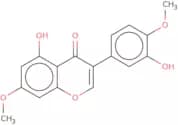
CAS:<p>Orobol 7,4'-dimethyl ether is a methylated flavonoid compound, which is synthesized from natural flavonoid precursors derived from plant sources such as legumes and soy. This compound acts primarily through its antioxidant properties, where it can scavenge free radicals and stabilize reactive oxygen species, thus protecting cellular components from oxidative damage.</p>Formula:C17H14O6Purity:Min. 95%Color and Shape:White/Off-White SolidMolecular weight:314.29 g/mol5,7,3'-Trimethoxyflavone
CAS:<p>5,7,3'-Trimethoxyflavone is a naturally occurring flavonoid compound, which is primarily sourced from certain plant species. As a member of the flavone category, this compound is characterized by its distinctive chemical structure featuring multiple methoxy groups. It is extracted from plants known for their medicinal properties, where it exists as a minor component contributing to the plant’s bioactive profile.</p>Formula:C18H16O5Purity:Min. 95%Molecular weight:312.32 g/mol3-Hydroxy-6,2'-dimethoxyflavone
CAS:<p>3-Hydroxy-6,2'-dimethoxyflavone is a flavonoid compound, which is a type of polyphenolic secondary metabolite. It is found in certain plants and is derived from natural sources known for their diverse pharmacological profiles. Flavonoids like 3-Hydroxy-6,2'-dimethoxyflavone often play crucial roles in plant defense mechanisms and pigmentation.</p>Formula:C17H14O5Purity:Min. 95%Molecular weight:298.29 g/molCalycosin-7-O-β-D-glucoside
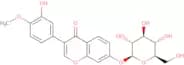
CAS:<p>Calycosin-7-O-β-D-glucoside is a flavonoid glycoside, which is primarily derived from the root of Astragalus membranaceus, a plant widely used in traditional Chinese medicine. This compound is characterized by its antioxidative and anti-inflammatory activities, mediated through modulation of various signaling pathways in the body, such as the MAPK and NF-κB pathways. It plays a significant role in scavenging free radicals and inhibiting inflammatory mediators, thus contributing to cellular protection and reducing oxidative stress.</p>Formula:C22H22O10Purity:Min. 95%Color and Shape:White PowderMolecular weight:446.4 g/mol7,8-Dimethoxyflavanone
CAS:<p>7,8-Dimethoxyflavanone is a flavonoid derivative, which is a type of natural compound commonly found in various plants. It is typically extracted from plant sources such as fruits, vegetables, and herbs. This compound is part of a larger class of flavonoids, which are known for their diverse biological activities.</p>Formula:C17H16O4Purity:Min. 95%Molecular weight:284.31 g/molα-Naphthoflavone
CAS:<p>Alpha-naphthoflavone is a synthetic flavonoid, which is an aryl hydrocarbon receptor antagonist known for its interaction with cytochrome P450 enzymes. It is typically synthesized in laboratory settings and does not occur naturally. Alpha-naphthoflavone acts by competitively inhibiting the binding of ligands to the aryl hydrocarbon receptor (AhR) and modulating the activity of cytochrome P450 enzymes, particularly CYP1A1 and CYP1B1. This modulation is crucial in studying the metabolic pathways and the mechanism of enzyme induction or inhibition in xenobiotic metabolism.</p>Formula:C19H12O2Purity:Min. 98.0 Area-%Molecular weight:272.31 g/molRef: 3D-N-1500
1kgTo inquire50gTo inquire100gTo inquire250gTo inquire500gTo inquire-Unit-kgkgTo inquire2'-Hydroxy-α-naphthoflavone
CAS:<p>2'-Hydroxy-α-naphthoflavone is a specialized chemical compound, classified as a flavonoid derivative. This product is typically sourced from laboratory synthesis and is characterized by its distinct molecular structure, which allows it to interact with specific biological pathways. The mode of action of 2'-Hydroxy-α-naphthoflavone involves the inhibition of cytochrome P450 enzymes. These enzymes are integral to the metabolic processes involving xenobiotics, which are compounds foreign to an organism's normal biochemistry.</p>Formula:C19H12O3Purity:Min. 95%Color and Shape:PowderMolecular weight:288.3 g/mol3',4'-Dimethoxy-7-hydroxyisoflavone
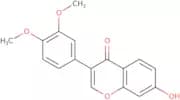
CAS:<p>3',4'-Dimethoxy-7-hydroxyisoflavone is a naturally occurring isoflavone, a type of flavonoid, which is typically derived from various plant sources. Isoflavones are known for their presence in soy and other legumes, but this particular compound is distinguished by its specific chemical structure, characterized by two methoxy groups and a hydroxyl group that contribute to its unique biological activity.</p>Formula:C17H14O5Purity:Min. 93 Area-%Color and Shape:Yellow PowderMolecular weight:298.29 g/molAlpinumisoflavone dimethyl ether
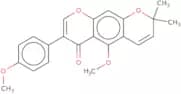
CAS:<p>Alpinumisoflavone dimethyl ether is a naturally occurring isoflavonoid, which is a type of phytochemical compound. It is derived from the plant family Leguminosae, particularly found in some species of the genus Millettia. This compound acts primarily through the modulation of cellular pathways associated with inflammation and cell proliferation, often involving the inhibition of specific kinases and signaling molecules that are active in both cancerous and inflammatory processes.</p>Formula:C22H20O5Purity:Min. 95%Molecular weight:364.39 g/molMorin
CAS:<p>Morin is a flavonoid compound, which is a naturally occurring polyphenolic molecule found primarily in the white mulberry tree, Morus alba, and other plant sources. It operates by exhibiting strong antioxidant activity, whereby it scavenges free radicals and chelates metal ions, effectively mitigating oxidative stress within biological systems.</p>Formula:C15H10O7Purity:Min. 90%Color and Shape:PowderMolecular weight:302.24 g/mol4'-O-Methylpunctatin
CAS:<p>4'-O-Methylpunctatin is a specialized natural product, classified as a methoxyflavone, which is derived from specific plant sources known for their diverse phytochemical compositions. Structurally, it is a derivative of punctatin, modified through methylation, enhancing its biological properties and stability. This compound acts through various mechanisms, primarily influencing glucose metabolism pathways. It exhibits inhibitory effects on enzymes like α-glucosidase and provides antioxidant properties that protect pancreatic β-cells from oxidative stress.</p>Formula:C18H16O6Purity:Min. 95%Molecular weight:328.32 g/molβ-Naphthoflavanone
CAS:<p>Beta-Naphthoflavanone is a synthetic flavanone compound, which is primarily studied in the context of its chemopreventive properties. It is derived through chemical synthesis involving the condensation of naphthol derivatives with appropriate flavanone precursors. The mode of action of beta-Naphthoflavanone involves modulating various biochemical pathways, including inhibition of certain cytochrome P450 enzymes, as well as affecting signaling pathways associated with cell proliferation and apoptosis.</p>Formula:C19H14O2Purity:Min. 95%Color and Shape:PowderMolecular weight:274.31 g/mol7-Hydroxyflavone
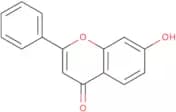
CAS:<p>7-Hydroxyflavone is a naturally occurring flavonoid, which is a type of polyphenolic compound derived primarily from various plant sources. As a natural antioxidant, its mode of action involves the scavenging of free radicals, thus providing potential protective effects against oxidative stress. This compound also influences multiple cellular signaling pathways and can modulate the activity of certain enzymes.</p>Formula:C15H10O3Purity:Min. 95%Color and Shape:PowderMolecular weight:238.24 g/molα-Naphthoflavanol
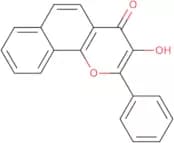
CAS:<p>**Alpha-Naphthoflavanol** is a synthetic compound, which is categorized as a flavanol derivative. It is synthesized from the naphthalene compound, a polycyclic aromatic hydrocarbon, through a series of chemical reactions involving hydroxylation and other functional group modifications. This compound is designed to specifically interfere with biological pathways by acting as an inhibitor or modulator in cellular processes.</p>Formula:C19H12O3Purity:Min. 95%Molecular weight:288.30 g/molDihydrorobinetin
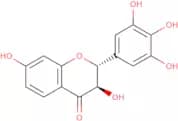
CAS:<p>Dihydrorobinetin is a flavonoid derivative, which is a naturally occurring compound found in certain plant sources. It belongs to the larger group of polyphenolic compounds known for their diverse biological activities. Dihydrorobinetin is primarily extracted from plants such as locust trees, where it occurs as a secondary metabolite.</p>Formula:C15H12O7Purity:Min. 95%Color and Shape:PowderMolecular weight:304.25 g/molOrientin
CAS:<p>Orientin (Luteolin-8-C-glucoside) is a flavonoid that has been shown to have biological properties, such as anti-inflammatory and antioxidant activities, which may be due to its ability to inhibit toll-like receptor 4. Orientin is an effective inhibitor of the growth of Leishmania amazonensis in vitro. It also inhibits the growth of Candida glabrata, a fungus that causes oral thrush and other infections. Orientin has been shown to have high values in inflammatory bowel diseases (IBD).</p>Formula:C21H20O11Purity:Min. 95%Color and Shape:PowderMolecular weight:448.38 g/mol5,7-Dihydroxy-2',3',4',5'-tetramethoxyflavone
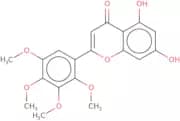
CAS:<p>5,7-Dihydroxy-2',3',4',5'-tetramethoxyflavone is a naturally occurring flavonoid, which is a type of polyphenolic compound. It is sourced primarily from various plant species, particularly those belonging to the genus *Scutellaria* and other related species known for their rich flavonoid content. The mode of action of 5,7-Dihydroxy-2',3',4',5'-tetramethoxyflavone involves modulation of key signaling pathways associated with oxidative stress and inflammatory processes, which can contribute to cellular protection and homeostasis.</p>Formula:C19H18O8Purity:Min. 95%Color and Shape:SolidMolecular weight:374.34 g/mol3'-Methoxy-α-napthoflavone
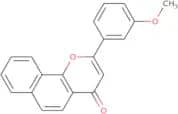
CAS:<p>3'-Methoxy-α-napthoflavone is a synthetic small molecule inhibitor, which is derived from naphthoflavone structures known for their affinity with cytochrome P450 enzymes. It primarily acts as a selective inhibitor of CYP1A enzymes, particularly CYP1A1 and CYP1A2. The compound's mode of action involves binding to the active site of the CYP1A enzymes, thereby hindering the enzyme's metabolic activity and preventing substrate access.</p>Formula:C20H14O3Purity:Min. 95%Molecular weight:302.32 g/molPinocembrin 7-O-β-D-glucoside
CAS:<p>Pinocembrin 7-O-beta-D-glucoside is a flavonoid glucoside, which is a specialized type of plant secondary metabolite. This compound is primarily sourced from the plant genus *Eremurus*. The mode of action of Pinocembrin 7-O-beta-D-glucoside involves its interaction with various biological pathways, where it exhibits antioxidant, anti-inflammatory, and neuroprotective properties. It functions by modulating oxidative stress and reducing inflammation, which contributes to its protective roles in cellular systems.</p>Formula:C21H22O9Purity:Min. 95%Color and Shape:SolidMolecular weight:418.39 g/molSpiraeoside
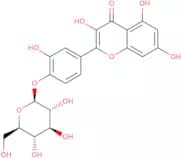
CAS:<p>Spiraeoside is a flavonoid glycoside, which is a type of naturally occurring compound commonly found in various plant species. It is primarily sourced from the aerial parts of certain plants, including members of the Rosaceae family. The compound is characterized by its specific structure, which includes a sugar moiety attached to a flavonoid backbone.</p>Formula:C21H20O12Purity:Min. 95%Color and Shape:White PowderMolecular weight:464.38 g/mol