Flavonoids
Flavonoids are a group of plant metabolites with antioxidant properties that contribute to the color of fruits and flowers. They play a significant role in protecting plants from UV radiation and pathogens. Flavonoids are studied for their potential health benefits, including anti-inflammatory, antiviral, and anticancer properties. They are widely researched in the fields of pharmacology, nutrition, and molecular biology.
Subcategories of "Flavonoids"
- Anthocyanidins(46 products)
- Anthocyanin(46 products)
- Catechin(88 products)
- Chalcones(237 products)
- Pterocarpan(28 products)
Found 2404 products of "Flavonoids"
Sort by
Purity (%)
0
100
|
0
|
50
|
90
|
95
|
100
Bryacarpene-1
CAS:<p>Bryacarpene-1 is a naturally-derived compound, which is sourced from marine organisms, particularly bryozoans. The product's mode of action involves modulation of specific biochemical pathways, potentially targeting cellular processes involved in disease progression. Bryacarpene-1 exhibits unique properties that could make it suitable for therapeutic applications, including anti-cancer and anti-inflammatory effects. It has shown potential in pre-clinical studies to inhibit the growth of certain cancer cell types and modulate immune responses, indicating its promise as a novel therapeutic agent. Continued research is necessary to elucidate its full mechanism of action and effectively harness its capabilities in scientific and medical settings.</p>Formula:C18H16O7Purity:Min. 95%Molecular weight:344.32 g/molChrysoeriol-7-diglucoside
CAS:<p>Chrysoeriol-7-diglucoside is a flavonoid glycoside, which is commonly found in various plants. As a naturally occurring compound, it is typically derived from botanical sources such as flowers, leaves, or seeds of specific plant species. Its structure consists of a chrysoeriol molecule bonded to two glucose units. The mode of action of Chrysoeriol-7-diglucoside involves its interaction with biological pathways associated with oxidative stress and inflammation. It exhibits antioxidant properties by scavenging free radicals and potentially modulating enzymatic activity related to these processes.</p>Formula:C28H32O16Purity:Min. 95%Molecular weight:624.54 g/mol7,3'-Dibenzyloxy-4'-methoxyisoflavone
CAS:<p>7,3'-Dibenzyloxy-4'-methoxyisoflavone is a synthetic isoflavone compound, which is a chemically modified derivative of isoflavonoids typically found in plants such as soybeans. These compounds are part of a larger group of phytochemicals known for their potential health benefits. The synthesis of 7,3'-Dibenzyloxy-4'-methoxyisoflavone involves strategic chemical modifications aimed at enhancing potency or specificity compared to naturally occurring isoflavones.</p>Formula:C30H24O5Purity:Min. 95%Molecular weight:464.51 g/mol3,6,3'-Trimethoxyflavone
CAS:<p>3,6,3'-Trimethoxyflavone is a naturally occurring flavonoid compound, which is commonly found in various plants. Flavonoids like 3,6,3'-Trimethoxyflavone are primarily sourced from the fruits, flowers, and leaves of different botanical species. These compounds are well-known for their diverse biological activities and potential health benefits.</p>Formula:C18H16O5Purity:Min. 95%Molecular weight:312.32 g/mol3,7,8,4'-Tetrahydroxyflavone
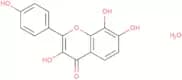
CAS:<p>3,7,8,4'-Tetrahydroxyflavone is a naturally occurring flavonoid, which is a type of secondary metabolite commonly found in various plants. It is derived from botanical sources like fruits, vegetables, and certain herbs. This compound has gained attention due to its potential biological activities linked to its structural properties, specifically the presence of multiple hydroxyl groups that contribute to its antioxidant capacity.</p>Formula:C15H10O6Purity:Min. 95%Color and Shape:PowderMolecular weight:286.24 g/molDihydrokaempferol
CAS:<p>Dihydrokaempferol is a flavonoid compound, which is predominantly sourced from a variety of plant species including fruits, vegetables, and certain herbs. It is a dihydroflavonol, a type of flavonoid that plays a significant role in plant coloration and protection against environmental stressors.</p>Formula:C15H12O6Purity:Min. 95%Color and Shape:PowderMolecular weight:288.25 g/mol3-Hydroxy-6,4'-dimethxyflavone
CAS:<p>3-Hydroxy-6,4'-dimethoxyflavone is a flavone derivative, which is a type of flavonoid compound. It is typically sourced from various plant species, where it naturally occurs as a secondary metabolite. This compound exerts its mode of action through various biochemical pathways, primarily by interacting with enzymes and receptors involved in cellular oxidation and signaling processes. The flavone structure allows it to engage in antioxidant activities, and it is often studied for its potential effects on cellular defense mechanisms.</p>Formula:C17H14O5Purity:Min. 95%Color and Shape:PowderMolecular weight:298.29 g/mol5,7-Dihydroxy-8-methylflavanone
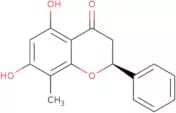
CAS:<p>5,7-Dihydroxy-8-methylflavanone is a specialized flavanone compound, which is a type of flavonoid. This compound is typically derived from natural sources such as plants, where it serves various biological functions. Flavanones are known for their diverse effects and can be found in many fruits, vegetables, and other plant-based materials.</p>Formula:C16H14O4Purity:Min. 95%Molecular weight:270.28 g/mol3-Hydroxy-6,3'-dimethoxyflavone
CAS:<p>3-Hydroxy-6,3'-dimethoxyflavone is a naturally occurring flavone, which is a type of polyphenolic compound found in various plants. As a product of plant secondary metabolism, this flavone is often sourced from medicinal herbs and fruits, where it contributes to the plant's defense mechanisms.</p>Formula:C17H14O5Purity:Min. 95%Molecular weight:298.29 g/mol3',4',7,8-Tetramethoxyflavone
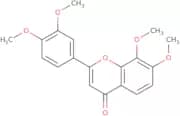
CAS:<p>3',4',7,8-Tetramethoxyflavone is a naturally occurring flavonoid, which is a type of polyphenolic compound. It is predominantly found in various plant species, where it serves vital roles in the plant's defense mechanisms and contributes to its pigmentation. This compound is characterized by its methoxy groups attached to its flavonoid backbone, which influence its bioactivity and solubility.</p>Formula:C19H18O6Purity:Min. 95%Color and Shape:PowderMolecular weight:342.34 g/molTricetin-6,8-di-C-glucoside
CAS:<p>Tricetin-6,8-di-C-glucoside is a specific type of flavonoid glucoside, which is derived primarily from certain plant sources known for their rich polyphenolic content. This compound is characterized by the attachment of sugar moieties directly to carbon atoms on the flavonoid structure, specifically the 6 and 8 positions of the tricetin molecule. This C-glucosylation confers unique stability and solubility properties, distinguishing it from O-linked glycosides.</p>Formula:C27H30O17Purity:Min. 95%Color and Shape:PowderMolecular weight:626.52 g/mol3',4',5',5,6,7-Hexamethoxyflavone
CAS:<p>3',4',5',5,6,7-Hexamethoxyflavone is a polymethoxylated flavone, which is a type of phytochemical or secondary metabolite. It is primarily found in citrus fruits, particularly in the peels, where it serves as a protective compound. This flavone is notable for its complex structure featuring multiple methoxy groups.</p>Formula:C21H22O8Purity:Min. 95%Color and Shape:White Clear LiquidMolecular weight:402.39 g/molKaempferol 3-O-neohesperidoside
CAS:<p>Kaempferol 3-O-neohesperidoside is a flavonoid glycoside, which is a plant-derived secondary metabolite. It is commonly found in various fruits, vegetables, and herbs, including citrus fruits and certain medicinal plants. The compound consists of the flavonoid kaempferol linked to a neohesperidose sugar moiety.</p>Formula:C27H30O15Purity:Min. 95%Color and Shape:SolidMolecular weight:594.52 g/molHomoplantaginin
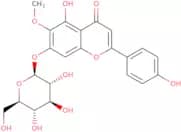
CAS:<p>Homoplantaginin is a flavonoid glycoside, which is a bioactive compound primarily derived from certain plant species. As a naturally occurring flavonoid, it is sourced from plant material where it plays a significant role in the plant's metabolic and defensive systems. The mode of action of Homoplantaginin involves interacting with cellular pathways, often influencing processes such as anti-inflammatory responses, antioxidant activity, and modulation of enzyme activities.</p>Formula:C22H22O11Purity:Min. 95%Color and Shape:PowderMolecular weight:462.4 g/mol7,3'-Dihydroxyisoflavone
CAS:<p>7,3'-Dihydroxyisoflavone is a bioactive compound belonging to the isoflavone class of flavonoids, which is derived primarily from leguminous plants, such as soy and red clover. The substance displays significant antioxidant activities due to its structure, which allows it to neutralize free radicals and reduce oxidative stress within biological systems. This mode of action involves scavenging reactive oxygen species and chelating metal ions, thereby offering protective effects against cellular damage and inflammation.</p>Formula:C15H10O4Purity:Min. 95%Color and Shape:PowderMolecular weight:254.24 g/molQuercetin 3-(2''-galloyl-α-L-arabinopyranoside)
CAS:<p>Quercetin 3-(2''-galloyl-alpha-L-arabinopyranoside) is a flavonoid derivative, which is found predominantly in plants. It is derived from the modifications of quercetin, a widely studied polyphenolic compound endemic to many fruits, vegetables, and grains. The compound acts primarily as an antioxidant, engaging in scavenging free radicals and chelating metal ions, which contributes to reducing oxidative stress in biological systems.</p>Formula:C27H22O15Purity:Min. 95%Molecular weight:586.45 g/mol7,3',4'-Trimethoxyisoflavone
CAS:<p>7,3',4'-Trimethoxyisoflavone is a natural isoflavone compound, which is typically derived from certain plants within the Leguminosae family. This compound is characterized by its three methoxy groups attached to the isoflavone backbone, distinguishing it from other isoflavone derivatives. The source of 7,3',4'-Trimethoxyisoflavone often includes various leguminous plants, where it functions as a secondary metabolite with potential protective roles.</p>Formula:C18H16O5Purity:Min. 95%Color and Shape:PowderMolecular weight:312.32 g/molGalangin
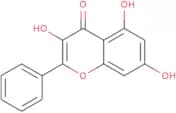
CAS:<p>Galangin is a naturally occurring flavonoid, a type of polyphenolic compound, which is primarily sourced from Alpinia officinarum rhizomes, commonly known as galangal. This compound exhibits a range of biological activities, particularly attributed to its potent antioxidant and anti-inflammatory mechanisms. Galangin's mode of action predominantly involves the scavenging of free radicals and inhibition of oxidative stress pathways, effectively contributing to the mitigation of cellular damage and inflammation.</p>Formula:C15H10O5Purity:Min. 97 Area-%Color and Shape:PowderMolecular weight:270.24 g/molIsoschaftoside
CAS:<p>Isoschaftoside is a bioactive flavonoid glycoside, which is derived from various plant sources, particularly those within the Fabaceae and Poaceae families. This compound is a result of the glycosylation of apigenin, a well-known flavonoid. The mode of action of isoschaftoside involves its role as a potent antioxidant and anti-inflammatory agent. It achieves this by scavenging free radicals and modulating inflammatory pathways, thus contributing to cellular protection and immune response regulation.</p>Formula:C26H28O14Purity:Min. 97 Area-%Color and Shape:PowderMolecular weight:564.49 g/mol4',7-Dihydroxyflavone
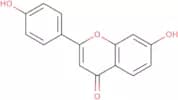
CAS:<p>4',7-Dihydroxyflavone is a flavonoid compound, which is naturally found in various plants. This compound is sourced predominantly from the plant kingdom, particularly in leaves and flowers, where it plays a crucial role in plant defense mechanisms. The mode of action of 4',7-dihydroxyflavone involves modulation of various signaling pathways, most notably its interaction with the tropomyosin receptor kinase B (TrkB), which is known for its involvement in neuronal survival and synaptic plasticity.</p>Formula:C15H10O4Purity:Min. 95%Color and Shape:Yellow PowderMolecular weight:254.24 g/mol