Primary Antibodies
Primary antibodies are immunoglobulins that bind specifically to an antigen of interest, allowing for the detection and quantification of proteins, peptides, or other biomolecules. These antibodies are critical tools in a wide range of applications, including Western blotting, immunohistochemistry, and ELISA. At CymitQuimica, we offer an extensive selection of high-quality primary antibodies that provide specificity and sensitivity for various research needs, including cancer, immunology, and cell biology studies.
Subcategories of "Primary Antibodies"
- Cancer Research Antibodies(3,620 products)
- Cardiovascular Antibodies(2 products)
- Developmental Biology(751 products)
- Epigenetics Antibodies(162 products)
- Immunology Antibodies(2,624 products)
- Metabolism Antibodies(279 products)
- Microbiology Antibodies(736 products)
- Signal Transduction(2,717 products)
- Tags & Cellular Markers(33 products)
Show 1 more subcategories
Found 75324 products of "Primary Antibodies"
Sort by
Purity (%)
0
100
|
0
|
50
|
90
|
95
|
100
CIB3 rabbit pAb
This gene product shares a high degree of sequence similarity with DNA-dependent protein kinase catalytic subunit-interacting protein 2 in human and mouse, and like them may bind the catalytic subunit of DNA-dependent protein kinases. The exact function of this gene is not known. Alternative splicing results in multiple transcript variants. [provided by RefSeq, Jul 2014],KCNE4 rabbit pAb
potassium voltage-gated channel subfamily E regulatory subunit 4(KCNE4) Homo sapiens Voltage-gated potassium (Kv) channels represent the most complex class of voltage-gated ion channels from both functional and structural standpoints. Their diverse functions include regulating neurotransmitter release, heart rate, insulin secretion, neuronal excitability, epithelial electrolyte transport, smooth muscle contraction, and cell volume. This gene encodes a member of the potassium channel, voltage-gated, isk-related subfamily. This member is a type I membrane protein, and a beta subunit that assembles with a potassium channel alpha-subunit to modulate the gating kinetics and enhance stability of the multimeric complex. This gene is prominently expressed in the embryo and in adult uterus. [provided by RefSeq, Jul 2008],NKX62 rabbit pAb
similarity:Contains 1 homeobox DNA-binding domain.,tissue specificity:Highest expression in brain.,c-Kit (phospho-Tyr719) rabbit pAb
This gene encodes the human homolog of the proto-oncogene c-kit. C-kit was first identified as the cellular homolog of the feline sarcoma viral oncogene v-kit. This protein is a type 3 transmembrane receptor for MGF (mast cell growth factor, also known as stem cell factor). Mutations in this gene are associated with gastrointestinal stromal tumors, mast cell disease, acute myelogenous lukemia, and piebaldism. Multiple transcript variants encoding different isoforms have been found for this gene. [provided by RefSeq, Jul 2008],RPIA rabbit pAb
The protein encoded by this gene is an enzyme, which catalyzes the reversible conversion between ribose-5-phosphate and ribulose-5-phosphate in the pentose-phosphate pathway. This gene is highly conserved in most organisms. The enzyme plays an essential role in the carbohydrate metabolism. Mutations in this gene cause ribose 5-phosphate isomerase deficiency. A pseudogene is found on chromosome 18. [provided by RefSeq, Mar 2010],PRAS40 (phospho-Ser183) rabbit pAb
AKT1S1 is a proline-rich substrate of AKT (MIM 164730) that binds 14-3-3 protein (see YWHAH, MIM 113508) when phosphorylated (Kovacina et al., 2003 [PubMed 12524439]).[supplied by OMIM, Mar 2008],CALR3 rabbit pAb
The protein encoded by this gene belongs to the calreticulin family, members of which are calcium-binding chaperones localized mainly in the endoplasmic reticulum. This protein is also localized to the endoplasmic reticulum lumen, however, its capacity for calcium-binding may be absent or much lower than other family members. This gene is specifically expressed in the testis, and may be required for sperm fertility. Mutation in this gene has been associated with familial hypertrophic cardiomyopathy. [provided by RefSeq, Dec 2011],Cbl (phospho Tyr700) rabbit pAb
Cbl proto-oncogene(CBL) Homo sapiens This gene is a proto-oncogene that encodes a RING finger E3 ubiquitin ligase. The encoded protein is one of the enzymes required for targeting substrates for degradation by the proteasome. This protein mediates the transfer of ubiquitin from ubiquitin conjugating enzymes (E2) to specific substrates. This protein also contains an N-terminal phosphotyrosine binding domain that allows it to interact with numerous tyrosine-phosphorylated substrates and target them for proteasome degradation. As such it functions as a negative regulator of many signal transduction pathways. This gene has been found to be mutated or translocated in many cancers including acute myeloid leukaemia, and expansion of CGG repeats in the 5' UTR has been associated with Jacobsen syndrome. Mutations in this gene are also the cause of Noonan syndrome-like disorder. [provided by RefSeq, Jul 2016],PHAX rabbit pAb
function:A phosphoprotein adapter involved in the XPO1-mediated U snRNA export from the nucleus. Bridge components required for U snRNA export, the cap binding complex (CBC)-bound snRNA on the one hand and the GTPase Ran in its active GTP-bound form together with the export receptor XPO1 on the other. Its phosphorylation in the nucleus is required for U snRNA export complex assembly and export, while its dephosphorylation in the cytoplasm causes export complex disassembly. It is recycled back to the nucleus via the importin alpha/beta heterodimeric import receptor. The directionality of nuclear export is thought to be conferred by an asymmetric distribution of the GTP- and GDP-bound forms of Ran between the cytoplasm and nucleus. Its compartmentalized phosphorylation cycle may also contribute to the directionality of export. Binds strongly to m7G-capped U1 and U5 small nuclear RNAs (snRNAs) in a sequence-unspecific manner and phosphorylation-independent manner (By similarity). Plays also a role in the biogenesis of U3 small nucleolar RNA (snoRNA). Involved in the U3 snoRNA transport from nucleoplasm to Cajal bodies. Binds strongly to m7G-capped U3, U8 and U13 precursor snoRNAs and weakly to trimethylated (TMG)-capped U3, U8 and U13 snoRNAs. Binds also to telomerase RNA.,PTM:Phosphorylated in the nucleus. Dephosphorylated in the cytoplasm (By similarity). Phosphorylated upon DNA damage, probably by ATM or ATR.,PTM:Phosphorylated upon DNA damage, probably by ATM or ATR.,similarity:Belongs to the PHAX family.,subcellular location:Located in the nucleoplasm and Cajal bodies. Shuttles between the nucleus and the cytoplasm. Shuttles between the nucleoplasm and Cajal bodies.,subunit:Found in a U snRNA export complex with PHAX/RNUXA, NCBP1, NCBP2, RAN, XPO1 and m7G-capped RNA. Part of a precomplex with PHAX/RNUXA, NCBP1, NCBP2 and m7G-capped RNA. Interacts with NCBP1 (By similarity). Found in a complex with snoRNA.,CKAP5 rabbit pAb
This gene encodes a cytoskeleton-associated protein which belongs to the TOG/XMAP215 family. The N-terminal half of this protein contains a microtubule-binding domain and the C-terminal half contains a KXGS motif for binding tubulin dimers. This protein has two distinct roles in spindle formation; it protects kinetochore microtubules from depolymerization and plays an essential role in centrosomal microtubule assembly. This protein may be necessary for the proper interaction of microtubules with the cell cortex for directional cell movement. It also plays a role in translation of the myelin basic protein (MBP) mRNA by interacting with heterogeneous nuclear ribonucleoprotein (hnRNP) A2, which associates with MBP. Alternatively spliced transcript variants encoding different isoforms have been identified. [provided by RefSeq, Aug 2011],CDH17 rabbit pAb
This gene is a member of the cadherin superfamily, genes encoding calcium-dependent, membrane-associated glycoproteins. The encoded protein is cadherin-like, consisting of an extracellular region, containing 7 cadherin domains, and a transmembrane region but lacking the conserved cytoplasmic domain. The protein is a component of the gastrointestinal tract and pancreatic ducts, acting as an intestinal proton-dependent peptide transporter in the first step in oral absorption of many medically important peptide-based drugs. The protein may also play a role in the morphological organization of liver and intestine. Alternative splicing results in multiple transcript variants. [provided by RefSeq, Jan 2009],Tau (phospho Ser214) rabbit pAb
This gene encodes the microtubule-associated protein tau (MAPT) whose transcript undergoes complex, regulated alternative splicing, giving rise to several mRNA species. MAPT transcripts are differentially expressed in the nervous system, depending on stage of neuronal maturation and neuron type. MAPT gene mutations have been associated with several neurodegenerative disorders such as Alzheimer's disease, Pick's disease, frontotemporal dementia, cortico-basal degeneration and progressive supranuclear palsy. [provided by RefSeq, Jul 2008],GPRC6A rabbit pAb
Members of family C of the G protein-coupled receptor (GPCR) superfamily, such as GPRC6A, are characterized by an evolutionarily conserved amino acid-sensing motif linked to an intramembranous 7-transmembrane loop region. Several members of GPCR family C, including GPRC6A, also have a long N-terminal domain (summary by Pi et al., 2005 [PubMed 16199532]).[supplied by OMIM, Nov 2010],PITPβ rabbit pAb
This gene encodes a cytoplasmic protein that catalyzes the transfer of phosphatidylinositol and phosphatidylcholine between membranes. This transfer activity is required for COPI complex-mediated retrograde transport from the Golgi apparatus to the endoplasmic reticulum. Alternative splicing of this gene results in multiple transcript variants. [provided by RefSeq, Sep 2013],PPBN rabbit pAb
There are at least four distinct but related alkaline phosphatases: intestinal, placental, placental-like, and liver/bone/kidney (tissue non-specific). The product of this gene is a membrane bound glycosylated enzyme, localized to testis, thymus and certain germ cell tumors, that is closely related to both the placental and intestinal forms of alkaline phosphatase. [provided by RefSeq, Jul 2008],Collagen XVIII α1 (Cleaved-His1572) rabbit pAb
This gene encodes the alpha chain of type XVIII collagen. This collagen is one of the multiplexins, extracellular matrix proteins that contain multiple triple-helix domains (collagenous domains) interrupted by non-collagenous domains. A long isoform of the protein has an N-terminal domain that is homologous to the extracellular part of frizzled receptors. Proteolytic processing at several endogenous cleavage sites in the C-terminal domain results in production of endostatin, a potent antiangiogenic protein that is able to inhibit angiogenesis and tumor growth. Mutations in this gene are associated with Knobloch syndrome. The main features of this syndrome involve retinal abnormalities, so type XVIII collagen may play an important role in retinal structure and in neural tube closure. Alternative splicing results in multiple transcript variants. [provided by RefSeq, Dec 2014],SRA1 rabbit pAb
Both long non-coding and protein-coding RNAs are transcribed from this gene, and they represent alternatively spliced transcript variants. This gene was initially defined as a non-coding RNA, which is a coactivator for several nuclear receptors (NRs) and is associated with breast cancer. It has now been found that this gene is involved in the regulation of many NR and non-NR activities, including metabolism, adipogenesis and chromatin organization. The long non-coding RNA transcripts interact with a variety of proteins, including the protein encoded by this gene. The encoded protein acts as a transcriptional repressor by binding to the non-coding RNA. [provided by RefSeq, Mar 2012],GGT1 rabbit pAb
The enzyme encoded by this gene is a type I gamma-glutamyltransferase that catalyzes the transfer of the glutamyl moiety of glutathione to a variety of amino acids and dipeptide acceptors. The enzyme is composed of a heavy chain and a light chain, which are derived from a single precursor protein. It is expressed in tissues involved in absorption and secretion and may contribute to the etiology of diabetes and other metabolic disorders. Multiple alternatively spliced variants have been identified. There are a number of related genes present on chromosomes 20 and 22, and putative pseudogenes for this gene on chromosomes 2, 13, and 22. [provided by RefSeq, Jan 2014],BAGE2 rabbit pAb
function:Unknown. Candidate gene encoding tumor antigens.,miscellaneous:The ancestral BAGE gene was generated by juxtacentromeric reshuffling of the MLL3 gene. The BAGE family was expanded by juxtacentromeric movement and/or acrocentric exchanges. BAGE family is composed of expressed genes that map to the juxtacentromeric regions of chromosomes 13 and 21 and of unexpressed gene fragments that scattered in the juxtacentromeric regions of several chromosomes, including chromosomes 9, 13, 18 and 21.,similarity:Belongs to the BAGE family.,tissue specificity:Not expressed in normal tissues except in testis. Expressed in 22% of melanomas, in bladder and lung carcinomas.,tissue specificity:Not expressed in normal tissues except in testis. Expressed in melanoma, bladder and lung carcinomas.,Olfactory receptor 5M9 rabbit pAb
olfactory receptor family 5 subfamily M member 9(OR5M9) Homo sapiens Olfactory receptors interact with odorant molecules in the nose, to initiate a neuronal response that triggers the perception of a smell. The olfactory receptor proteins are members of a large family of G-protein-coupled receptors (GPCR) arising from single coding-exon genes. Olfactory receptors share a 7-transmembrane domain structure with many neurotransmitter and hormone receptors and are responsible for the recognition and G protein-mediated transduction of odorant signals. The olfactory receptor gene family is the largest in the genome. The nomenclature assigned to the olfactory receptor genes and proteins for this organism is independent of other organisms. [provided by RefSeq, Jul 2008],GROα rabbit pAb
This antimicrobial gene encodes a member of the CXC subfamily of chemokines. The encoded protein is a secreted growth factor that signals through the G-protein coupled receptor, CXC receptor 2. This protein plays a role in inflammation and as a chemoattractant for neutrophils. Aberrant expression of this protein is associated with the growth and progression of certain tumors. A naturally occurring processed form of this protein has increased chemotactic activity. Alternate splicing results in coding and non-coding variants of this gene. A pseudogene of this gene is found on chromosome 4. [provided by RefSeq, Sep 2014],Connexin 43 rabbit pAb
This gene is a member of the connexin gene family. The encoded protein is a component of gap junctions, which are composed of arrays of intercellular channels that provide a route for the diffusion of low molecular weight materials from cell to cell. The encoded protein is the major protein of gap junctions in the heart that are thought to have a crucial role in the synchronized contraction of the heart and in embryonic development. A related intronless pseudogene has been mapped to chromosome 5. Mutations in this gene have been associated with oculodentodigital dysplasia, autosomal recessive craniometaphyseal dysplasia and heart malformations. [provided by RefSeq, May 2014],Endophilin B2 rabbit pAb
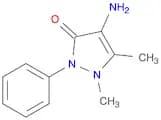
similarity:Belongs to the endophilin family.,similarity:Contains 1 BAR domain.,similarity:Contains 1 SH3 domain.,subunit:Homodimer, and heterodimer with SH3GLB1.,tissue specificity:Detected in skeletal muscle, adipocyte, brain, lung, colon and mammary gland.,4-Amino-1,5-dimethyl-2-phenyl-1H-pyrazol-3(2H)-one
CAS:Formula:C11H13N3OPurity:98%Color and Shape:SolidMolecular weight:203.2404Ref: IN-DA003KQQ
5g26.00€10g25.00€1kg235.00€25g28.00€50g47.00€5kgTo inquire100g65.00€10kgTo inquire500g200.00€ERα (phospho Ser102) rabbit pAb
This gene encodes an estrogen receptor, a ligand-activated transcription factor composed of several domains important for hormone binding, DNA binding, and activation of transcription. The protein localizes to the nucleus where it may form a homodimer or a heterodimer with estrogen receptor 2. Estrogen and its receptors are essential for sexual development and reproductive function, but also play a role in other tissues such as bone. Estrogen receptors are also involved in pathological processes including breast cancer, endometrial cancer, and osteoporosis. Alternative promoter usage and alternative splicing result in dozens of transcript variants, but the full-length nature of many of these variants has not been determined. [provided by RefSeq, Mar 2014],Cyclin E1 (phospho Thr77) rabbit pAb
The protein encoded by this gene belongs to the highly conserved cyclin family, whose members are characterized by a dramatic periodicity in protein abundance through the cell cycle. Cyclins function as regulators of CDK kinases. Different cyclins exhibit distinct expression and degradation patterns which contribute to the temporal coordination of each mitotic event. This cyclin forms a complex with and functions as a regulatory subunit of CDK2, whose activity is required for cell cycle G1/S transition. This protein accumulates at the G1-S phase boundary and is degraded as cells progress through S phase. Overexpression of this gene has been observed in many tumors, which results in chromosome instability, and thus may contribute to tumorigenesis. This protein was found to associate with, and be involved in, the phosphorylation of NPAT protein (nuclear protein mapped to the ATM locus), which participates inSIA8B rabbit pAb
The protein encoded by this gene is a type II membrane protein that is thought to catalyze the transfer of sialic acid from CMP-sialic acid to N-linked oligosaccharides and glycoproteins. The encoded protein may be found in the Golgi apparatus and may be involved in the production of polysialic acid, a modulator of the adhesive properties of neural cell adhesion molecule (NCAM1). This protein is a member of glycosyltransferase family 29. [provided by RefSeq, Jul 2008],Prolactin rabbit pAb
This gene encodes the anterior pituitary hormone prolactin. This secreted hormone is a growth regulator for many tissues, including cells of the immune system. It may also play a role in cell survival by suppressing apoptosis, and it is essential for lactation. Alternative splicing results in multiple transcript variants that encode the same protein. [provided by RefSeq, Aug 2011],OR2T6 rabbit pAb
olfactory receptor family 2 subfamily T member 6(OR2T6) Homo sapiens Olfactory receptors interact with odorant molecules in the nose, to initiate a neuronal response that triggers the perception of a smell. The olfactory receptor proteins are members of a large family of G-protein-coupled receptors (GPCR) arising from single coding-exon genes. Olfactory receptors share a 7-transmembrane domain structure with many neurotransmitter and hormone receptors and are responsible for the recognition and G protein-mediated transduction of odorant signals. The olfactory receptor gene family is the largest in the genome. The nomenclature assigned to the olfactory receptor genes and proteins for this organism is independent of other organisms. [provided by RefSeq, Jul 2008],TRAF7 rabbit pAb
TNF receptor associated factor 7(TRAF7) Homo sapiens Tumor necrosis factor (TNF; see MIM 191160) receptor-associated factors, such as TRAF7, are signal transducers for members of the TNF receptor superfamily (see MIM 191190). TRAFs are composed of an N-terminal cysteine/histidine-rich region containing zinc RING and/or zinc finger motifs; a coiled-coil (leucine zipper) motif; and a homologous region that defines the TRAF family, the TRAF domain, which is involved in self-association and receptor binding.[supplied by OMIM, Apr 2004],MAP2 Mouse mAb
MAP2 is the major microtubule associated protein of brain tissue. There are three forms of MAP2; two are similarily sized with apparent molecular weights of 280 kDa (MAP2a and MAP2b) and the third with a lower molecular weight of 70 kDa (MAP2c). In the newborn rat brain, MAP2b and MAP2c are present, while MAP2a is absent. Between postnatal days 10 and 20, MAP2a appears. At the same time, the level of MAP2c drops by 10-fold. This change happens during the period when dendrite growth is completed and when neurons have reached their mature morphology. MAP2 is degraded by a Cathepsin D-like protease in the brain of aged rats. There is some indication that MAP2 is expressed at higher levels in some types of neurons than in other types. MAP2 is known to promote microtubule assembly and to form side-arms on microtubules. It also interacts with neurofilaments, actin, and other elements of the cytoskeleton.NRN1 rabbit pAb
This gene encodes a member of the neuritin family, and is expressed in postmitotic-differentiating neurons of the developmental nervous system and neuronal structures associated with plasticity in the adult. The expression of this gene can be induced by neural activity and neurotrophins. The encoded protein contains a consensus cleavage signal found in glycosylphoshatidylinositol (GPI)-anchored proteins. The encoded protein promotes neurite outgrowth and arborization, suggesting its role in promoting neuritogenesis. Overexpression of the encoded protein may be associated with astrocytoma progression. Alternative splicing results in multiple transcript variants. [provided by RefSeq, Jul 2013],Cdc16 rabbit pAb
The protein encoded by this gene functions as a protein ubiquitin ligase and is a component of the multiprotein APC complex. The APC complex is a cyclin degradation system that governs exit from mitosis by targeting cell cycle proteins for degredation by the 26S proteasome. Each component protein of the APC complex is highly conserved among eukaryotic organisms. This protein, and other APC complex proteins, contain a tetratricopeptide repeat (TPR) domain; a protein domain that is often involved in protein-protein interactions and the assembly of multiprotein complexes. Multiple alternatively spliced transcript variants, encoding distinct proteins, have been identified. [provided by RefSeq, Jan 2016],GCK/GLK rabbit pAb
mitogen-activated protein kinase kinase kinase kinase 2(MAP4K2) Homo sapiens The protein encoded by this gene is a member of the serine/threonine protein kinase family. Although this kinase is found in many tissues, its expression in lymphoid follicles is restricted to the cells of germinal centre, where it may participate in B-cell differentiation. This kinase can be activated by TNF-alpha, and has been shown to specifically activate MAP kinases. This kinase is also found to interact with TNF receptor-associated factor 2 (TRAF2), which is involved in the activation of MAP3K1/MEKK1. Alternative splicing results in multiple transcript variants. [provided by RefSeq, Apr 2015],Dlx-4 rabbit pAb
Many vertebrate homeo box-containing genes have been identified on the basis of their sequence similarity with Drosophila developmental genes. Members of the Dlx gene family contain a homeobox that is related to that of Distal-less (Dll), a gene expressed in the head and limbs of the developing fruit fly. The Distal-less (Dlx) family of genes comprises at least 6 different members, DLX1-DLX6. The DLX proteins are postulated to play a role in forebrain and craniofacial development. Three transcript variants have been described for this gene, however, the full length nature of one variant has not been described. Studies of the two splice variants revealed that one encoded isoform functions as a repressor of the beta-globin gene while the other isoform lacks that function. [provided by RefSeq, Jul 2008],Caspase-1 rabbit pAb
This gene encodes a protein which is a member of the cysteine-aspartic acid protease (caspase) family. Sequential activation of caspases plays a central role in the execution-phase of cell apoptosis. Caspases exist as inactive proenzymes which undergo proteolytic processing at conserved aspartic residues to produce 2 subunits, large and small, that dimerize to form the active enzyme. This gene was identified by its ability to proteolytically cleave and activate the inactive precursor of interleukin-1, a cytokine involved in the processes such as inflammation, septic shock, and wound healing. This gene has been shown to induce cell apoptosis and may function in various developmental stages. Studies of a similar gene in mouse suggest a role in the pathogenesis of Huntington disease. Alternative splicing results in transcript variants encoding distinct isoforms. [provided by RefSeq, Mar 2012],CD93 rabbit pAb
The protein encoded by this gene is a cell-surface glycoprotein and type I membrane protein that was originally identified as a myeloid cell-specific marker. The encoded protein was once thought to be a receptor for C1q, but now is thought to instead be involved in intercellular adhesion and in the clearance of apoptotic cells. The intracellular cytoplasmic tail of this protein has been found to interact with moesin, a protein known to play a role in linking transmembrane proteins to the cytoskeleton and in the remodelling of the cytoskeleton. [provided by RefSeq, Jul 2008],PON1 rabbit pAb
The enzyme encoded by this gene is an arylesterase that mainly hydrolyzes paroxon to produce p-nitrophenol. Paroxon is an organophosphorus anticholinesterase compound that is produced in vivo by oxidation of the insecticide parathion. Polymorphisms in this gene are a risk factor in coronary artery disease. The gene is found in a cluster of three related paraoxonase genes at 7q21.3. [provided by RefSeq, Oct 2008],TFIIE-β rabbit pAb
function:Recruits TFIIH to the initiation complex and stimulates the RNA polymerase II C-terminal domain kinase and DNA-dependent ATPase activities of TFIIH. Both TFIIH and TFIIE are required for promoter clearance by RNA polymerase.,similarity:Belongs to the TFIIE beta subunit family.,similarity:Contains 1 TFIIE beta DNA-binding domain.,subunit:Tetramer of two alpha and two beta chains. Interacts with FACT subunit SUPT16H.,LEO1 rabbit pAb
LEO1, parafibromin (CDC73; MIM 607393), CTR9 (MIM 609366), and PAF1 (MIM 610506) form the PAF protein complex that associates with the RNA polymerase II subunit POLR2A (MIM 180660) and with a histone methyltransferase complex (Rozenblatt-Rosen et al., 2005 [PubMed 15632063]).[supplied by OMIM, Mar 2008],CCP3 rabbit pAb
cofactor:Binds 1 zinc ion per subunit.,function:May play a role in the processing of tubulin.,similarity:Belongs to the peptidase M14 family.,AAT rabbit pAb
The protein encoded by this gene is secreted and is a serine protease inhibitor whose targets include elastase, plasmin, thrombin, trypsin, chymotrypsin, and plasminogen activator. Defects in this gene can cause emphysema or liver disease. Several transcript variants encoding the same protein have been found for this gene. [provided by RefSeq, Jul 2008],FRPD2 rabbit pAb
This gene encodes a peripheral membrane protein and is located in a region of chromosome 10q that contains a segmental duplication. This copy of the gene is full-length and is in the telomeric duplicated region. Two other more centromerically proximal copies of the gene are partial and may represent pseudogenes. This full-length gene appears to function in the establishment and maintenance of cell polarization. The protein is recruited to cell-cell junctions in an E-cadherin-dependent manner, and is selectively localized at the basolateral membrane in polarized epithelial cells. Alternative splicing results in multiple transcript variants. [provided by RefSeq, Dec 2009],ASPP2 rabbit pAb
This gene encodes a member of the ASPP (apoptosis-stimulating protein of p53) family of p53 interacting proteins. The protein contains four ankyrin repeats and an SH3 domain involved in protein-protein interactions. It is localized to the perinuclear region of the cytoplasm, and regulates apoptosis and cell growth through interactions with other regulatory molecules including members of the p53 family. Multiple transcript variants encoding different isoforms have been found for this gene. [provided by RefSeq, Jul 2008],CPA1 rabbit pAb
This gene encodes a member of the carboxypeptidase A family of zinc metalloproteases. This enzyme is produced in the pancreas and preferentially cleaves C-terminal branched-chain and aromatic amino acids from dietary proteins. This gene and several family members are present in a gene cluster on chromosome 7. Mutations in this gene may be linked to chronic pancreatitis, while elevated protein levels may be associated with pancreatic cancer. [provided by RefSeq, Jan 2015],TCPR2 rabbit pAb
The protein encoded by this gene is a member of the tectonin beta-propeller repeat-containing (TECPR) family, and contains both TECPR and tryptophan-aspartic acid repeat (WD repeat) domains. This gene has been implicated in autophagy, as reduced expression levels of this gene have been associated with impaired autophagy. Recessive mutations in this gene have been associated with a hereditary form of spastic paraparesis (HSP). HSP is characterized by progressive spasticity and paralysis of the legs. There is also some evidence linking mutations in this gene with birdshot chorioretinopathy (BSCR), which results in inflammation of the choroid and retina. Alternative splicing results in multiple transcript variants encoding different isoforms. [provided by RefSeq, Aug 2015],FCERG rabbit pAb
The high affinity IgE receptor is a key molecule involved in allergic reactions. It is a tetramer composed of 1 alpha, 1 beta, and 2 gamma chains. The gamma chains are also subunits of other Fc receptors. [provided by RefSeq, Jul 2008],DHRS7 rabbit pAb
This gene encodes a member of the short-chain dehydrogenases/reductases (SDR) family, which has over 46,000 members. Members in this family are enzymes that metabolize many different compounds, such as steroid hormones, prostaglandins, retinoids, lipids and xenobiotics. [provided by RefSeq, Apr 2016],ApoF rabbit pAb
The product of this gene is one of the minor apolipoproteins found in plasma. This protein forms complexes with lipoproteins and may be involved in transport and/or esterification of cholesterol. [provided by RefSeq, Jul 2008],COX7B Polyclona Antibody
Cytochrome c oxidase (COX), the terminal component of the mitochondrial respiratory chain, catalyzes the electron transfer from reduced cytochrome c to oxygen. This component is a heteromeric complex consisting of 3 catalytic subunits encoded by mitochondrial genes and multiple structural subunits encoded by nuclear genes. The mitochondrially-encoded subunits function in electron transfer, and the nuclear-encoded subunits may function in the regulation and assembly of the complex. This nuclear gene encodes subunit VIIb, which is highly similar to bovine COX VIIb protein and is found in all tissues. This gene may have several pseudogenes on chromosomes 1, 2, 20 and 22. [provided by RefSeq, Jun 2011],Elf-1 rabbit pAb
This gene encodes an E26 transformation-specific related transcription factor. The encoded protein is primarily expressed in lymphoid cells and acts as both an enhancer and a repressor to regulate transcription of various genes. Alternative splicing results in multiple transcript variants. [provided by RefSeq, Feb 2009],KCNT1 rabbit pAb
Potassium channels represent the most complex class of voltage-gated ion channels from both functional and structural standpoints. Their diverse functions include regulating neurotransmitter release, heart rate, insulin secretion, neuronal excitability, epithelial electrolyte transport, smooth muscle contraction, and cell volume. This gene encodes a sodium-activated potassium channel subunit which is thought to function in ion conductance and developmental signaling pathways. Mutations in this gene cause the early-onset epileptic disorders, malignant migrating partial seizures of infancy and autosomal dominant nocturnal frontal lobe epilepsy. Alternative splicing results in multiple transcript variants. [provided by RefSeq, Dec 2012],GluR-2 (Phospho-Tyr876) rabbit pAb
Glutamate receptors are the predominant excitatory neurotransmitter receptors in the mammalian brain and are activated in a variety of normal neurophysiologic processes. This gene product belongs to a family of glutamate receptors that are sensitive to alpha-amino-3-hydroxy-5-methyl-4-isoxazole propionate (AMPA), and function as ligand-activated cation channels. These channels are assembled from 4 related subunits, GRIA1-4. The subunit encoded by this gene (GRIA2) is subject to RNA editing (CAG->CGG; Q->R) within the second transmembrane domain, which is thought to render the channel impermeable to Ca(2+). Human and animal studies suggest that pre-mRNA editing is essential for brain function, and defective GRIA2 RNA editing at the Q/R site may be relevant to amyotrophic lateral sclerosis (ALS) etiology. Alternative splicing, resulting in transcript variants encoCRADD rabbit pAb
This gene encodes a protein containing a death domain (DD) motif. This protein recruits caspase 2/ICH1 to the cell death signal transduction complex, which includes tumor necrosis factor receptor 1 (TNFR1A) and RIPK1/RIP kinase, and acts in promoting apoptosis. A mutation in this gene was associated with mental retardation. A related pseudogene is found on chromosome 3. Alternative splicing results in multiple transcript variants. [provided by RefSeq, Feb 2016],EPHA1 (Phospho-Tyr605) rabbit pAb
This gene belongs to the ephrin receptor subfamily of the protein-tyrosine kinase family. EPH and EPH-related receptors have been implicated in mediating developmental events, particularly in the nervous system. Receptors in the EPH subfamily typically have a single kinase domain and an extracellular region containing a Cys-rich domain and 2 fibronectin type III repeats. The ephrin receptors are divided into 2 groups based on the similarity of their extracellular domain sequences and their affinities for binding ephrin-A and ephrin-B ligands. This gene is expressed in some human cancer cell lines and has been implicated in carcinogenesis. [provided by RefSeq, Jul 2008],β III tubulin Mouse mAb
Tubulin is the major constituent of microtubules. It exists as a heterodimer consiting of an alpha and a beta subunit. TUBB3 plays a critical role in proper axon guidance and mantainance.MKP-4 rabbit pAb
The protein encoded by this gene is a member of the dual specificity protein phosphatase subfamily. These phosphatases inactivate their target kinases by dephosphorylating both the phosphoserine/threonine and phosphotyrosine residues. They negatively regulate members of the mitogen-activated protein (MAP) kinase superfamily (MAPK/ERK, SAPK/JNK, p38), which is associated with cellular proliferation and differentiation. Different members of the family of dual specificity phosphatases show distinct substrate specificities for various MAP kinases, different tissue distribution and subcellular localization, and different modes of inducibility of their expression by extracellular stimuli. This gene product shows selectivity for members of the ERK family of MAP kinases and is localized to the cytoplasm and nucleus. Aberrant expression of this gene is associated with type 2 diabetes and cancer progrMMP2 (1H1) Mouse mAb
The matrix metalloproteinases (MMPs) are a family of proteases that target many extracellular proteins including other proteases, growth factors, cell surface receptors, and adhesion molecules.RoXaN rabbit pAb
This gene encodes a protein that contains a tetratricopeptide repeat domain. The encoded protein also interacts with the rotavirus non-structural protein NSP3. [provided by RefSeq, Jul 2008],IF4A3 rabbit pAb
This gene encodes a member of the DEAD box protein family. DEAD box proteins, characterized by the conserved motif Asp-Glu-Ala-Asp (DEAD), are putative RNA helicases. They are implicated in a number of cellular processes involving alteration of RNA secondary structure, such as translation initiation, nuclear and mitochondrial splicing, and ribosome and spliceosome assembly. Based on their distribution patterns, some members of this family are believed to be involved in embryogenesis, spermatogenesis, and cellular growth and division. The protein encoded by this gene is a nuclear matrix protein. Its amino acid sequence is highly similar to the amino acid sequences of the translation initiation factors eIF4AI and eIF4AII, two other members of the DEAD box protein family. [provided by RefSeq, Jul 2008],ASAP2 rabbit pAb
This gene encodes a multidomain protein containing an N-terminal alpha-helical region with a coiled-coil motif, followed by a pleckstrin homology (PH) domain, an Arf-GAP domain, an ankyrin homology region, a proline-rich region, and a C-terminal Src homology 3 (SH3) domain. The protein localizes in the Golgi apparatus and at the plasma membrane, where it colocalizes with protein tyrosine kinase 2-beta (PYK2). The encoded protein forms a stable complex with PYK2 in vivo. This interaction appears to be mediated by binding of its SH3 domain to the C-terminal proline-rich domain of PYK2. The encoded protein is tyrosine phosphorylated by activated PYK2. It has catalytic activity for class I and II ArfGAPs in vitro, and can bind the class III Arf ARF6 without immediate GAP activity. The encoded protein is believed to function as an ARF GAP that controls ARF-mediated vesicleSH23A rabbit pAb
function:May play a role in JNK activation.,PTM:Phosphorylated on tyrosine.,similarity:Contains 1 SH2 domain.,subunit:Interacts with BCAR1.,tissue specificity:Weakly expressed in placenta, fetal kidney, fetal lung, adult pancreas, adult kidney and adult lung.,eIF2Bδ rabbit pAb
Eukaryotic initiation factor 2B (EIF2B), which is necessary for protein synthesis, is a GTP exchange factor composed of five different subunits. The protein encoded by this gene is the fourth, or delta, subunit. Defects in this gene are a cause of leukoencephalopathy with vanishing white matter (VWM) and ovarioleukodystrophy. Multiple transcript variants encoding different isoforms have been found for this gene. [provided by RefSeq, Jul 2008],NCKX2 rabbit pAb
This gene encodes a member of the calcium/cation antiporter superfamily of transport proteins. The encoded protein belongs to the SLC24 branch of exchangers, which can mediate the extrusion of one Ca2+ ion and one K+ ion in exchange for four Na+ ions. This family member is a retinal cone/brain exchanger that can mediate a light-induced decrease in free Ca2+ concentration. This protein may also play a neuroprotective role during ischemic brain injury. Alternative splicing results in multiple transcript variants. [provided by RefSeq, Aug 2011],Chymase rabbit pAb
chymase 1(CMA1) Homo sapiens This gene encodes a chymotryptic serine proteinase that belongs to the peptidase family S1. It is expressed in mast cells and is thought to function in the degradation of the extracellular matrix, the regulation of submucosal gland secretion, and the generation of vasoactive peptides. In the heart and blood vessels, this protein, rather than angiotensin converting enzyme, is largely responsible for converting angiotensin I to the vasoactive peptide angiotensin II. Alternative splicing results in multiple variants. [provided by RefSeq, Apr 2015],SMS1 rabbit pAb
The protein encoded by this gene is predicted to be a five-pass transmembrane protein. This gene may be predominately expressed in brain. [provided by RefSeq, Jul 2008],K2C6C rabbit pAb
Keratins are intermediate filament proteins responsible for the structural integrity of epithelial cells and are subdivided into epithelial keratins and hair keratins. The type II keratins are clustered in a region of chromosome 12q13. [provided by RefSeq, Jul 2009],SSH3 (phospho-Ser37) rabbit pAb
The ADF (actin-depolymerizing factor)/cofilin family (see MIM 601442) is composed of stimulus-responsive mediators of actin dynamics. ADF/cofilin proteins are inactivated by kinases such as LIM domain kinase-1 (LIMK1; MIM 601329). The SSH family appears to play a role in actin dynamics by reactivating ADF/cofilin proteins in vivo (Niwa et al., 2002 [PubMed 11832213]).[supplied by OMIM, Mar 2008],SNF8 rabbit pAb
The protein encoded by this gene is a component of the endosomal sorting complex required for transport II (ESCRT-II), which regulates the movement of ubiquitinylated transmembrane proteins to the lysosome for degradation. This complex also interacts with the RNA polymerase II elongation factor (ELL) to overcome the repressive effects of ELL on RNA polymerase II activity. Several transcript variants encoding different isoforms have been found for this gene. [provided by RefSeq, Nov 2015],ATF-1 rabbit pAb
activating transcription factor 1(ATF1) Homo sapiens This gene encodes an activating transcription factor, which belongs to the ATF subfamily and bZIP (basic-region leucine zipper) family. It influences cellular physiologic processes by regulating the expression of downstream target genes, which are related to growth, survival, and other cellular activities. This protein is phosphorylated at serine 63 in its kinase-inducible domain by serine/threonine kinases, cAMP-dependent protein kinase A, calmodulin-dependent protein kinase I/II, mitogen- and stress-activated protein kinase and cyclin-dependent kinase 3 (cdk-3). Its phosphorylation enhances its transactivation and transcriptional activities, and enhances cell transformation. Fusion of this gene and FUS on chromosome 16 or EWSR1 on chromosome 22 induced by translocation generates chimeric proteins in angiomatoid fibrous histiocytoma and clear cell sarcoma. This gene has a pseudogene on chroKLF13 (Acetyl Lys166) rabbit pAb
KLF13 belongs to a family of transcription factors that contain 3 classical zinc finger DNA-binding domains consisting of a zinc atom tetrahedrally coordinated by 2 cysteines and 2 histidines (C2H2 motif). These transcription factors bind to GC-rich sequences and related GT and CACCC boxes (Scohy et al., 2000 [PubMed 11087666]).[supplied by OMIM, Mar 2008],POMT2 rabbit pAb
The protein encoded by this gene is an O-mannosyltransferase that requires interaction with the product of the POMT1 gene for enzymatic function. The encoded protein is found in the membrane of the endoplasmic reticulum. Defects in this gene are a cause of Walker-Warburg syndrome (WWS).[provided by RefSeq, Oct 2008],GADD 45γ rabbit pAb
This gene is a member of a group of genes whose transcript levels are increased following stressful growth arrest conditions and treatment with DNA-damaging agents. The protein encoded by this gene responds to environmental stresses by mediating activation of the p38/JNK pathway via MTK1/MEKK4 kinase. The GADD45G is highly expressed in placenta. [provided by RefSeq, Jul 2008],VATF rabbit pAb
This gene encodes a component of vacuolar ATPase (V-ATPase), a multisubunit enzyme that mediates acidification of eukaryotic intracellular organelles. V-ATPase dependent organelle acidification is necessary for such intracellular processes as protein sorting, zymogen activation, receptor-mediated endocytosis, and synaptic vesicle proton gradient generation. V-ATPase is composed of a cytosolic V1 domain and a transmembrane V0 domain. The V1 domain consists of three A and three B subunits, two G subunits plus the C, D, E, F, and H subunits. The V1 domain contains the ATP catalytic site. The V0 domain consists of five different subunits: a, c, c', c", and d. Additional isoforms of many of the V1 and V0 subunit proteins are encoded by multiple genes or alternatively spliced transcript variants. This encoded protein is the V1 domain F subunit protein. [provided by RefSeq, Jul 20VASP rabbit pAb
Vasodilator-stimulated phosphoprotein (VASP) is a member of the Ena-VASP protein family. Ena-VASP family members contain an EHV1 N-terminal domain that binds proteins containing E/DFPPPPXD/E motifs and targets Ena-VASP proteins to focal adhesions. In the mid-region of the protein, family members have a proline-rich domain that binds SH3 and WW domain-containing proteins. Their C-terminal EVH2 domain mediates tetramerization and binds both G and F actin. VASP is associated with filamentous actin formation and likely plays a widespread role in cell adhesion and motility. VASP may also be involved in the intracellular signaling pathways that regulate integrin-extracellular matrix interactions. VASP is regulated by the cyclic nucleotide-dependent kinases PKA and PKG. [provided by RefSeq, Jul 2008],ROM-K (phospho Ser44) rabbit pAb
Potassium channels are present in most mammalian cells, where they participate in a wide range of physiologic responses. The protein encoded by this gene is an integral membrane protein and inward-rectifier type potassium channel. It is activated by internal ATP and probably plays an important role in potassium homeostasis. The encoded protein has a greater tendency to allow potassium to flow into a cell rather than out of a cell. Mutations in this gene have been associated with antenatal Bartter syndrome, which is characterized by salt wasting, hypokalemic alkalosis, hypercalciuria, and low blood pressure. Multiple transcript variants encoding different isoforms have been found for this gene. [provided by RefSeq, Jul 2008],Latherin rabbit pAb
LATH, also named as BASE, belongs to the BPI/LBP/Plunc superfamily and Plunc family. It is the major protein in sweat, has surfactant properties.Olfactory receptor 9G1 rabbit pAb
olfactory receptor family 9 subfamily G member 1(OR9G1) Homo sapiens Olfactory receptors interact with odorant molecules in the nose, to initiate a neuronal response that triggers the perception of a smell. The olfactory receptor proteins are members of a large family of G-protein-coupled receptors (GPCR) arising from single coding-exon genes. Olfactory receptors share a 7-transmembrane domain structure with many neurotransmitter and hormone receptors and are responsible for the recognition and G protein-mediated transduction of odorant signals. The olfactory receptor gene family is the largest in the genome. The nomenclature assigned to the olfactory receptor genes and proteins for this organism is independent of other organisms. [provided by RefSeq, Jul 2008],Olfactory receptor 56A1 rabbit pAb
Olfactory receptors interact with odorant molecules in the nose, to initiate a neuronal response that triggers the perception of a smell. The olfactory receptor proteins are members of a large family of G-protein-coupled receptors (GPCR) arising from single coding-exon genes. Olfactory receptors share a 7-transmembrane domain structure with many neurotransmitter and hormone receptors and are responsible for the recognition and G protein-mediated transduction of odorant signals. The olfactory receptor gene family is the largest in the genome. The nomenclature assigned to the olfactory receptor genes and proteins for this organism is independent of other organisms. [provided by RefSeq, Jul 2008],CD1C rabbit pAb
This gene encodes a member of the CD1 family of transmembrane glycoproteins, which are structurally related to the major histocompatibility complex (MHC) proteins and form heterodimers with beta-2-microglobulin. The CD1 proteins mediate the presentation of primarily lipid and glycolipid antigens of self or microbial origin to T cells. The human genome contains five CD1 family genes organized in a cluster on chromosome 1. The CD1 family members are thought to differ in their cellular localization and specificity for particular lipid ligands. The protein encoded by this gene is broadly distributed throughout the endocytic system via a tyrosine-based motif in the cytoplasmic tail. Alternatively spliced transcript variants of this gene have been observed, but their full-length nature is not known. [provided by RefSeq, Jul 2008],AP-1 (phospho Ser63) rabbit pAb
This gene is the putative transforming gene of avian sarcoma virus 17. It encodes a protein which is highly similar to the viral protein, and which interacts directly with specific target DNA sequences to regulate gene expression. This gene is intronless and is mapped to 1p32-p31, a chromosomal region involved in both translocations and deletions in human malignancies. [provided by RefSeq, Jul 2008],CREG2 rabbit pAb
PTM:It is not sure whether N-glycosylation is on Asn-165 and/or Asn-166.,similarity:Belongs to the CREG family.,tissue specificity:Brain specific mainly in the limbic system and faintly in the spinal cord but not in cerebellum.,Tcl1 rabbit pAb
Overexpression of the TCL1 gene in humans has been implicated in the development of mature T cell leukemia, in which chromosomal rearrangements bring the TCL1 gene in close proximity to the T-cell antigen receptor (TCR)-alpha (MIM 186880) or TCR-beta (MIM 186930) regulatory elements (summarized by Virgilio et al., 1998 [PubMed 9520462]). In normal T cells TCL1 is expressed in CD4-/CD8- cells, but not in cells at later stages of differentiation. TCL1 functions as a coactivator of the cell survival kinase AKT (MIM 164730) (Laine et al., 2000 [PubMed 10983986]).[supplied by OMIM, Jul 2010],