Primary Antibodies
Primary antibodies are immunoglobulins that bind specifically to an antigen of interest, allowing for the detection and quantification of proteins, peptides, or other biomolecules. These antibodies are critical tools in a wide range of applications, including Western blotting, immunohistochemistry, and ELISA. At CymitQuimica, we offer an extensive selection of high-quality primary antibodies that provide specificity and sensitivity for various research needs, including cancer, immunology, and cell biology studies.
Subcategories of "Primary Antibodies"
- Cancer Research Antibodies(3,620 products)
- Cardiovascular Antibodies(2 products)
- Developmental Biology(751 products)
- Epigenetics Antibodies(162 products)
- Immunology Antibodies(2,793 products)
- Metabolism Antibodies(279 products)
- Microbiology Antibodies(736 products)
- Signal Transduction(2,717 products)
- Tags & Cellular Markers(33 products)
Show 1 more subcategories
Found 75326 products of "Primary Antibodies"
Sort by
Purity (%)
0
100
|
0
|
50
|
90
|
95
|
100
Caspase 9 Mouse mAb
Caspase-9 is an initiator caspase, encoded by the CASP9 gene.Binding of caspase-9 to Apaf-1 leads to activation of the protease which then cleaves and activates caspase-3. Proteolytically cleaves poly(ADP-ribose) polymerase (PARP).HXK I rabbit pAb
Hexokinases phosphorylate glucose to produce glucose-6-phosphate, the first step in most glucose metabolism pathways. This gene encodes a ubiquitous form of hexokinase which localizes to the outer membrane of mitochondria. Mutations in this gene have been associated with hemolytic anemia due to hexokinase deficiency. Alternative splicing of this gene results in several transcript variants which encode different isoforms, some of which are tissue-specific. [provided by RefSeq, Apr 2016],HSP40 rabbit pAb
This gene encodes a member of the DnaJ or Hsp40 (heat shock protein 40 kD) family of proteins. DNAJ family members are characterized by a highly conserved amino acid stretch called the 'J-domain' and function as one of the two major classes of molecular chaperones involved in a wide range of cellular events, such as protein folding and oligomeric protein complex assembly. The encoded protein is a molecular chaperone that stimulates the ATPase activity of Hsp70 heat-shock proteins in order to promote protein folding and prevent misfolded protein aggregation. Alternative splicing results in multiple transcript variants. [provided by RefSeq, Sep 2015],XPP1 rabbit pAb
This gene encodes the cytosolic form of a metalloaminopeptidase that catalyzes the cleavage of the N-terminal amino acid adjacent to a proline residue. The gene product may play a role in degradation and maturation of tachykinins, neuropeptides, and peptide hormones. Alternative splicing results in multiple transcript variants.[provided by RefSeq, Nov 2009],NRBP rabbit pAb
caution:Author states that kinase activity observed in PubMed:11956649 may be due to sample contamination. This protein is predicted to be catalytically inactive.,domain:The protein kinase domain is predicted to be catalytically inactive.,function:May play a role in subcellular trafficking between the endoplasmic reticulum and Golgi apparatus through interactions with the Rho-type GTPases. Binding to the NS3 protein of dengue virus type 2 appears to subvert this activity into the alteration of the intracellular membrane structure associated with flaviviral replication.,similarity:Belongs to the protein kinase superfamily. Ser/Thr protein kinase family.,similarity:Contains 1 protein kinase domain.,subcellular location:Colocalizes with activated RAC3 to endomembranes and at the cell periphery in lamellipodia.,subunit:Homodimer. Binds to MLF1, recruiting a serine kinase which phosphorylates both itself and MLF1. Phosphorylated MLF1 binds to YWHAZ and is retained in the cytoplasm.,tissue specificity:Ubiquitously expressed in all tissues examined with high levels in the testis.,CAD (phospho Thr456) rabbit pAb
The de novo synthesis of pyrimidine nucleotides is required for mammalian cells to proliferate. This gene encodes a trifunctional protein which is associated with the enzymatic activities of the first 3 enzymes in the 6-step pathway of pyrimidine biosynthesis: carbamoylphosphate synthetase (CPS II), aspartate transcarbamoylase, and dihydroorotase. This protein is regulated by the mitogen-activated protein kinase (MAPK) cascade, which indicates a direct link between activation of the MAPK cascade and de novo biosynthesis of pyrimidine nucleotides. Alternative splicing results in multiple transcript variants encoding different isoforms. [provided by RefSeq, Apr 2015],TFR2 rabbit pAb
This gene encodes a single-pass type II membrane protein, which is a member of the transferrin receptor-like family. This protein mediates cellular uptake of transferrin-bound iron, and may be involved in iron metabolism, hepatocyte function and erythrocyte differentiation. Mutations in this gene have been associated with hereditary hemochromatosis type III. Alternatively spliced transcript variants encoding different isoforms have been described for this gene. [provided by RefSeq, May 2011],Tak1 rabbit pAb
The protein encoded by this gene is a member of the serine/threonine protein kinase family. This kinase mediates the signaling transduction induced by TGF beta and morphogenetic protein (BMP), and controls a variety of cell functions including transcription regulation and apoptosis. In response to IL-1, this protein forms a kinase complex including TRAF6, MAP3K7P1/TAB1 and MAP3K7P2/TAB2; this complex is required for the activation of nuclear factor kappa B. This kinase can also activate MAPK8/JNK, MAP2K4/MKK4, and thus plays a role in the cell response to environmental stresses. Four alternatively spliced transcript variants encoding distinct isoforms have been reported. [provided by RefSeq, Jul 2008],Stat5 (phospho Tyr694/699) rabbit pAb
The protein encoded by this gene is a member of the STAT family of transcription factors. In response to cytokines and growth factors, STAT family members are phosphorylated by the receptor associated kinases, and then form homo- or heterodimers that translocate to the cell nucleus where they act as transcription activators. This protein is activated by, and mediates the responses of many cell ligands, such as IL2, IL3, IL7 GM-CSF, erythropoietin, thrombopoietin, and different growth hormones. Activation of this protein in myeloma and lymphoma associated with a TEL/JAK2 gene fusion is independent of cell stimulus and has been shown to be essential for tumorigenesis. The mouse counterpart of this gene is found to induce the expression of BCL2L1/BCL-X(L), which suggests the antiapoptotic function of this gene in cells. Alternatively spliced transcript variants have beenBRS-3 rabbit pAb
The protein encoded by this gene is a G protein-coupled membrane receptor that binds bombesin-like peptides. This binding results in activation of a phosphatidylinositol-calcium second messenger system, with physiological effects including regulation of metabolic rate, glucose metabolism, and hypertension. [provided by RefSeq, Sep 2011],MARCKS rabbit pAb
The protein encoded by this gene is a substrate for protein kinase C. It is localized to the plasma membrane and is an actin filament crosslinking protein. Phosphorylation by protein kinase C or binding to calcium-calmodulin inhibits its association with actin and with the plasma membrane, leading to its presence in the cytoplasm. The protein is thought to be involved in cell motility, phagocytosis, membrane trafficking and mitogenesis. [provided by RefSeq, Jul 2008],Cytokeratin 18 (phospho Ser52) rabbit pAb
KRT18 encodes the type I intermediate filament chain keratin 18. Keratin 18, together with its filament partner keratin 8, are perhaps the most commonly found members of the intermediate filament gene family. They are expressed in single layer epithelial tissues of the body. Mutations in this gene have been linked to cryptogenic cirrhosis. Two transcript variants encoding the same protein have been found for this gene. [provided by RefSeq, Jul 2008],CBX6 rabbit pAb
function:Involved in maintaining the transcriptionally repressive state of genes. Modifies chromatin, rendering it heritably changed in its expressibility.,similarity:Contains 1 chromo domain.,subunit:Component of the chromatin-associated polycomb complex (PcG).,SLC12A4 Rabbit pAb
Mediates electroneutral potassium-chloride cotransport when activated by cell swelling. May contribute to cell volume homeostasis in single cells.Topoisomerase IIα (phospho-Ser1469) rabbit pAb
This gene encodes a DNA topoisomerase, an enzyme that controls and alters the topologic states of DNA during transcription. This nuclear enzyme is involved in processes such as chromosome condensation, chromatid separation, and the relief of torsional stress that occurs during DNA transcription and replication. It catalyzes the transient breaking and rejoining of two strands of duplex DNA which allows the strands to pass through one another, thus altering the topology of DNA. Two forms of this enzyme exist as likely products of a gene duplication event. The gene encoding this form, alpha, is localized to chromosome 17 and the beta gene is localized to chromosome 3. The gene encoding this enzyme functions as the target for several anticancer agents and a variety of mutations in this gene have been associated with the development of drug resistance. Reduced activity of this enzyme may also plaCPA5 rabbit pAb
Carboxypeptidases have functions ranging from digestion of food to selective biosynthesis of neuroendocrine peptides. Members of the A/B subfamily of carboxypeptidases, such as CPA5, contain an approximately 90-amino acid pro region that assists in the folding of the active carboxypeptidase domain. Cleavage of the pro region activates the enzyme (Wei et al., 2002 [PubMed 11836249]).[supplied by OMIM, Mar 2008],Lamin A/C (phospho Ser392) rabbit pAb
lamin A/C(LMNA) Homo sapiens The nuclear lamina consists of a two-dimensional matrix of proteins located next to the inner nuclear membrane. The lamin family of proteins make up the matrix and are highly conserved in evolution. During mitosis, the lamina matrix is reversibly disassembled as the lamin proteins are phosphorylated. Lamin proteins are thought to be involved in nuclear stability, chromatin structure and gene expression. Vertebrate lamins consist of two types, A and B. Alternative splicing results in multiple transcript variants. Mutations in this gene lead to several diseases: Emery-Dreifuss muscular dystrophy, familial partial lipodystrophy, limb girdle muscular dystrophy, dilated cardiomyopathy, Charcot-Marie-Tooth disease, and Hutchinson-Gilford progeria syndrome. [provided by RefSeq, Apr 2012],Cleaved-SUMO-2/3 (G93) rabbit pAb
This gene encodes a protein that is a member of the SUMO (small ubiquitin-like modifier) protein family. It functions in a manner similar to ubiquitin in that it is bound to target proteins as part of a post-translational modification system. However, unlike ubiquitin which targets proteins for degradation, this protein is involved in a variety of cellular processes, such as nuclear transport, transcriptional regulation, apoptosis, and protein stability. It is not active until the last two amino acids of the carboxy-terminus have been cleaved off. Numerous pseudogenes have been reported for this gene. Alternate transcriptional splice variants, encoding different isoforms, have been characterized. [provided by RefSeq, Jul 2008],RUBIC rabbit pAb
The protein encoded by this gene is a negative regulator of autophagy and endocytic trafficking and controls endosome maturation. This protein contains two conserved domains, an N-terminal RUN domain and a C-terminal DUF4206 domain. The RUN domain is involved in Ras-like GTPase signaling, and the DUF4206 domain contains a diacylglycerol (DAG) binding-like motif. Mutation in this gene results in deletion of the DAG binding-like motif and causes a recessive ataxia. Alternatively spliced transcript variants encoding distinct isoforms have been found for this gene. [provided by RefSeq, Apr 2014],PKI β rabbit pAb
protein kinase (cAMP-dependent, catalytic) inhibitor beta(PKIB) Homo sapiens This gene encodes a member of the cAMP-dependent protein kinase inhibitor family. The encoded protein may play a role in the protein kinase A (PKA) pathway by interacting with the catalytic subunit of PKA, and overexpression of this gene may play a role in prostate cancer. Alternatively spliced transcript variants encoding multiple isoforms have been observed for this gene. [provided by RefSeq, Jul 2012],Histone H3 (Mono Methyl Lys37) rabbit pAb
Histones are basic nuclear proteins that are responsible for the nucleosome structure of the chromosomal fiber in eukaryotes. This structure consists of approximately 146 bp of DNA wrapped around a nucleosome, an octamer composed of pairs of each of the four core histones (H2A, H2B, H3, and H4). The chromatin fiber is further compacted through the interaction of a linker histone, H1, with the DNA between the nucleosomes to form higher order chromatin structures. This gene is intronless and encodes a replication-dependent histone that is a member of the histone H3 family. Transcripts from this gene lack polyA tails; instead, they contain a palindromic termination element. This gene is found in the large histone gene cluster on chromosome 6p22-p21.3. [provided by RefSeq, Aug 2015],GRIK4 rabbit pAb
This gene encodes a protein that belongs to the glutamate-gated ionic channel family. Glutamate functions as the major excitatory neurotransmitter in the central nervous system through activation of ligand-gated ion channels and G protein-coupled membrane receptors. The protein encoded by this gene forms functional heteromeric kainate-preferring ionic channels with the subunits encoded by related gene family members. Alternatively spliced transcript variants encoding different isoforms have been found for this gene. [provided by RefSeq, Sep 2013],Trk A (phospho Tyr701) rabbit pAb
This gene encodes a member of the neurotrophic tyrosine kinase receptor (NTKR) family. This kinase is a membrane-bound receptor that, upon neurotrophin binding, phosphorylates itself and members of the MAPK pathway. The presence of this kinase leads to cell differentiation and may play a role in specifying sensory neuron subtypes. Mutations in this gene have been associated with congenital insensitivity to pain, anhidrosis, self-mutilating behavior, mental retardation and cancer. Alternate transcriptional splice variants of this gene have been found, but only three have been characterized to date. [provided by RefSeq, Jul 2008],Tuberin (phospho Thr1462) rabbit pAb
Mutations in this gene lead to tuberous sclerosis complex. Its gene product is believed to be a tumor suppressor and is able to stimulate specific GTPases. The protein associates with hamartin in a cytosolic complex, possibly acting as a chaperone for hamartin. Alternative splicing results in multiple transcript variants encoding different isoforms. [provided by RefSeq, Jul 2008],Cleaved-TACE (R215) rabbit pAb
ADAM metallopeptidase domain 17(ADAM17) Homo sapiens This gene encodes a member of the ADAM (a disintegrin and metalloprotease domain) family. Members of this family are membrane-anchored proteins structurally related to snake venom disintegrins, and have been implicated in a variety of biologic processes involving cell-cell and cell-matrix interactions, including fertilization, muscle development, and neurogenesis. The encoded preproprotein is proteolytically processed to generate the mature protease. The encoded protease functions in the ectodomain shedding of tumor necrosis factor-alpha, in which soluble tumor necrosis factor-alpha is released from the membrane-bound precursor. This protease also functions in the processing of numerous other substrates, including cell adhesion proteins, cytokine and growth factor receptors and epidermal growth factor (EGF) receptor ligands. The encoded protein also plays a prominent role in the activation oCD163b rabbit pAb
This gene encodes a member of the scavenger receptor cysteine-rich (SRCR) superfamily. Members of this family are secreted or membrane-anchored proteins mainly found in cells associated with the immune system. The SRCR family is defined by a 100-110 amino acid SRCR domain, which may mediate protein-protein interaction and ligand binding. The encoded protein contains twelve SRCR domains, a transmembrane region and a cytoplasmic domain. Alternative splicing results in multiple transcript variants encoding different isoforms. [provided by RefSeq, Jul 2014],MARK4 rabbit pAb
microtubule affinity regulating kinase 4(MARK4) Homo sapiens This gene encodes a member of the microtubule affinity-regulating kinase family. These protein kinases phosphorylate microtubule-associated proteins and regulate the transition between stable and dynamic microtubules. The encoded protein is associated with the centrosome throughout mitosis and may be involved in cell cycle control. Expression of this gene is a potential marker for cancer, and the encoded protein may also play a role in Alzheimer's disease. Pseudogenes of this gene are located on both the short and long arm of chromosome 3. Alternatively spliced transcript variants encoding multiple isoforms have been observed for this gene. [provided by RefSeq, Dec 2010],VASP rabbit pAb
Vasodilator-stimulated phosphoprotein (VASP) is a member of the Ena-VASP protein family. Ena-VASP family members contain an EHV1 N-terminal domain that binds proteins containing E/DFPPPPXD/E motifs and targets Ena-VASP proteins to focal adhesions. In the mid-region of the protein, family members have a proline-rich domain that binds SH3 and WW domain-containing proteins. Their C-terminal EVH2 domain mediates tetramerization and binds both G and F actin. VASP is associated with filamentous actin formation and likely plays a widespread role in cell adhesion and motility. VASP may also be involved in the intracellular signaling pathways that regulate integrin-extracellular matrix interactions. VASP is regulated by the cyclic nucleotide-dependent kinases PKA and PKG. [provided by RefSeq, Jul 2008],TWIK-2 rabbit pAb
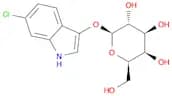
This gene encodes one of the members of the superfamily of potassium channel proteins containing two pore-forming P domains. This channel protein, considered an open rectifier, is widely expressed. It is stimulated by arachidonic acid, and inhibited by internal acidification and volatile anaesthetics. [provided by RefSeq, Jul 2008],β-D-Galactopyranoside, 6-chloro-1H-indol-3-yl
CAS:Formula:C14H16ClNO6Purity:98%Molecular weight:329.7329Rag B rabbit pAb
Ras-homologous GTPases constitute a large family of signal transducers that alternate between an activated, GTP-binding state and an inactivated, GDP-binding state. These proteins represent cellular switches that are operated by GTP-exchange factors and factors that stimulate their intrinsic GTPase activity. All GTPases of the Ras superfamily have in common the presence of six conserved motifs involved in GTP/GDP binding, three of which are phosphate-/magnesium-binding sites (PM1-PM3) and three of which are guanine nucleotide-binding sites (G1-G3). Transcript variants encoding distinct isoforms have been identified. [provided by RefSeq, Jul 2008],MerTK/Tyro3 rabbit pAb
This gene is a member of the MER/AXL/TYRO3 receptor kinase family and encodes a transmembrane protein with two fibronectin type-III domains, two Ig-like C2-type (immunoglobulin-like) domains, and one tyrosine kinase domain. Mutations in this gene have been associated with disruption of the retinal pigment epithelium (RPE) phagocytosis pathway and onset of autosomal recessive retinitis pigmentosa (RP). [provided by RefSeq, Jul 2008],Ezrin (phospho Tyr478) rabbit pAb
The cytoplasmic peripheral membrane protein encoded by this gene functions as a protein-tyrosine kinase substrate in microvilli. As a member of the ERM protein family, this protein serves as an intermediate between the plasma membrane and the actin cytoskeleton. This protein plays a key role in cell surface structure adhesion, migration and organization, and it has been implicated in various human cancers. A pseudogene located on chromosome 3 has been identified for this gene. Alternatively spliced variants have also been described for this gene. [provided by RefSeq, Jul 2008],MOR-1 rabbit pAb
This gene encodes one of at least three opioid receptors in humans; the mu opioid receptor (MOR). The MOR is the principal target of endogenous opioid peptides and opioid analgesic agents such as beta-endorphin and enkephalins. The MOR also has an important role in dependence to other drugs of abuse, such as nicotine, cocaine, and alcohol via its modulation of the dopamine system. The NM_001008503.2:c.118A>G allele has been associated with opioid and alcohol addiction and variations in pain sensitivity but evidence for it having a causal role is conflicting. Multiple transcript variants encoding different isoforms have been found for this gene. Though the canonical MOR belongs to the superfamily of 7-transmembrane-spanning G-protein-coupled receptors some isoforms of this gene have only 6 transmembrane domains. [provided by RefSeq, Oct 2013],GUF1 rabbit pAb
This gene encodes a GTPase that triggers back-translocation of the elongating ribosome during mitochondrial protein synthesis. The protein contains a highly conserved C-terminal domain not found in other GTPases that facilitates tRNA binding. The encoded protein is thought to prevent misincorporation of amino acids in stressful, suboptimal conditions. An allelic variant in this gene has been associated with early infantile epileptic encephalopathy-40. Alternative splicing results in multiple transcript variants. [provided by RefSeq, Sep 2016],PR rabbit pAb
This gene encodes a member of the steroid receptor superfamily. The encoded protein mediates the physiological effects of progesterone, which plays a central role in reproductive events associated with the establishment and maintenance of pregnancy. This gene uses two distinct promotors and translation start sites in the first exon to produce several transcript variants, both protein coding and non-protein coding. Two of the isoforms (A and B) are identical except for an additional 165 amino acids found in the N-terminus of isoform B and mediate their own response genes and physiologic effects with little overlap. [provided by RefSeq, Sep 2015],SPAK rabbit pAb
This gene encodes a serine/threonine kinase that is thought to function in the cellular stress response pathway. The kinase is activated in response to hypotonic stress, leading to phosphorylation of several cation-chloride-coupled cotransporters. The catalytically active kinase specifically activates the p38 MAP kinase pathway, and its interaction with p38 decreases upon cellular stress, suggesting that this kinase may serve as an intermediate in the response to cellular stress. [provided by RefSeq, Jul 2008],BCS1 rabbit pAb
This gene encodes a homolog of the S. cerevisiae bcs1 protein which is involved in the assembly of complex III of the mitochondrial respiratory chain. The encoded protein does not contain a mitochondrial targeting sequence but experimental studies confirm that it is imported into mitochondria. Mutations in this gene are associated with mitochondrial complex III deficiency and the GRACILE syndrome. Several alternatively spliced transcripts encoding two different isoforms have been described. [provided by RefSeq, Jan 2016],CEP76 rabbit pAb
This gene encodes a centrosomal protein which regulates centriole amplification by limiting centriole duplication to once per cell cycle. Alternative splicing results in multiple transcript variants. [provided by RefSeq, Dec 2012],CD34 rabbit pAb
The protein encoded by this gene may play a role in the attachment of stem cells to the bone marrow extracellular matrix or to stromal cells. This single-pass membrane protein is highly glycosylated and phosphorylated by protein kinase C. Two transcript variants encoding different isoforms have been found for this gene. [provided by RefSeq, Aug 2011],NAT10 rabbit pAb
The protein encoded by this gene is an RNA cytidine acetyltransferase involved in histone acetylation, tRNA acetylation, the biosynthesis of 18S rRNA, and the enhancement of nuclear architecture and chromatin organization. [provided by RefSeq, Oct 2016],ND5 rabbit pAb
catalytic activity:NADH + ubiquinone = NAD(+) + ubiquinol.,disease:Defects in MT-ND5 are a cause of complex I mitochondrial respiratory chain deficiency [MIM:252010]. Complex I (NADH-ubiquinone oxidoreductase), the largest complex of the mitochondrial respiratory chain, contains more than 40 subunits. It is embedded in the inner mitochondrial membrane and is partly protruding in the matrix. Complex I deficiency is the most common cause of mitochondrial disorders. It represents largely one-third of all cases of respiratory chain deficiency and is responsible for a variety of clinical symptoms, ranging from neurological disorders to cardiomyopathy, liver failure, and myopathy.,disease:Defects in MT-ND5 are a cause of Leber hereditary optic neuropathy (LHON) [MIM:535000]. LHON is a maternally inherited disease resulting in acute or subacute loss of central vision, due to optic nerve dysfunction. Cardiac conduction defects and neurological defects have also been described in some patients. LHON results from primary mitochondrial DNA mutations affecting the respiratory chain complexes.,disease:Defects in MT-ND5 are a cause of Leigh syndrome (LS) [MIM:256000]. LS is a severe neurological disorder characterized by bilaterally symmetrical necrotic lesions in subcortical brain regions.,disease:Defects in MT-ND5 are a cause of mitochondrial encephalomyopathy with lactic acidosis and stroke-like episodes syndrome (MELAS) [MIM:540000]. MELAS is a genetically heterogenious disorder, characterized by episodic vomiting, seizures, and recurrent cerebral insults resembling strokes and causing hemiparesis, hemianopsia, or cortical blindness.,disease:Defects in MT-ND5 are associated with features of myoclonic epilepsy associated with ragged-red fibers (MERRF) [MIM:545000]. MERRF is a mitochondrial encephalomyopathy characterized by myoclonic seizures. The prevalence in the general population of Europe has been estimated at 0.9 in 100'000 individuals, but the disease seems to be more common in the USA. Patients usually present during adolescence or early adulthood with myoclonic epilepsy, sometimes with neurosensory deafness, optic atrophy, short stature or peripheral neuropathy.,function:Core subunit of the mitochondrial membrane respiratory chain NADH dehydrogenase (Complex I) that is believed to belong to the minimal assembly required for catalysis. Complex I functions in the transfer of electrons from NADH to the respiratory chain. The immediate electron acceptor for the enzyme is believed to be ubiquinone.,similarity:Belongs to the complex I subunit 5 family.,BNC1 rabbit pAb
The protein encoded by this gene is a zinc finger protein present in the basal cell layer of the epidermis and in hair follicles. It is also found in abundance in the germ cells of testis and ovary. This protein is thought to play a regulatory role in keratinocyte proliferation and it may also be a regulator for rRNA transcription. Alternative splicing of this gene results in multiple transcript variants, and multiple polyadenylation sites are indicated.[provided by RefSeq, Jul 2014],DDR1 (Phospho-Tyr513) Antibody
Receptor tyrosine kinases play a key role in the communication of cells with their microenvironment. These kinases are involved in the regulation of cell growth, differentiation and metabolism. The protein encoded by this gene belongs to a subfamily of tyrosine kinase receptors with homology to Dictyostelium discoideum protein discoidin I in their extracellular domain, and that are activated by various types of collagen. Expression of this protein is restricted to epithelial cells, particularly in the kidney, lung, gastrointestinal tract, and brain. In addition, it has been shown to be significantly overexpressed in several human tumors. Alternatively spliced transcript variants encoding different isoforms have been described for this gene. [provided by RefSeq, Feb 2011],Cdk1/Cdc2 rabbit pAb
cyclin dependent kinase 1(CDK1) Homo sapiens The protein encoded by this gene is a member of the Ser/Thr protein kinase family. This protein is a catalytic subunit of the highly conserved protein kinase complex known as M-phase promoting factor (MPF), which is essential for G1/S and G2/M phase transitions of eukaryotic cell cycle. Mitotic cyclins stably associate with this protein and function as regulatory subunits. The kinase activity of this protein is controlled by cyclin accumulation and destruction through the cell cycle. The phosphorylation and dephosphorylation of this protein also play important regulatory roles in cell cycle control. Alternatively spliced transcript variants encoding different isoforms have been found for this gene. [provided by RefSeq, Mar 2009],c-Raf Rabbit pAb
A-Raf, B-Raf, and c-Raf (Raf-1) are the main effectors recruited by GTP-bound Ras to activate the MEK-MAP kinase pathway. C-Raf is a member of the Raf kinase family of serine/threonine-specific protein kinases, from the TKL (Tyrosine-kinase-like) group of kinases.PIGL rabbit pAb
This gene encodes an enzyme that catalyzes the second step of glycosylphosphatidylinositol (GPI) biosynthesis, which is the de-N-acetylation of N-acetylglucosaminylphosphatidylinositol (GlcNAc-PI). Study of a similar rat enzyme suggests that this protein localizes to the endoplasmic reticulum. [provided by RefSeq, Jul 2008],RASSF6 rabbit pAb
This gene encodes a member of the Ras-association domain family (RASSF). Members of this family form the core of a highly conserved tumor suppressor network, the Salvador-Warts-Hippo (SWH) pathway. The protein encoded by this gene is a Ras effector protein that induces apoptosis. A genomic region containing this gene has been linked to susceptibility to viral bronchiolitis. Alternative splicing results in multiple transcript variants and protein isoforms. [provided by RefSeq, Jul 2012],IRS-1 (phospho-Ser318) rabbit pAb
This gene encodes a protein which is phosphorylated by insulin receptor tyrosine kinase. Mutations in this gene are associated with type II diabetes and susceptibility to insulin resistance. [provided by RefSeq, Nov 2009],IL-1R9 rabbit pAb
The protein encoded by this gene is a member of the interleukin 1 receptor family. This protein is similar to the interleukin 1 accessory proteins, and is most closely related to interleukin 1 receptor accessory protein-like 1 (IL1RAPL1). This gene and IL1RAPL1 are located at a region on chromosome X that is associated with X-linked non-syndromic mental retardation. [provided by RefSeq, Jul 2008],ACAP2 rabbit pAb
enzyme regulation:GAP activity stimulated by phosphatidylinositol 4,5-bisphosphate (PIP2) and phosphatidic acid.,function:GTPase-activating protein (GAP) for ADP ribosylation factor 6 (ARF6).,PTM:Phosphorylated upon DNA damage, probably by ATM or ATR.,similarity:Contains 1 Arf-GAP domain.,similarity:Contains 1 BAR domain.,similarity:Contains 1 PH domain.,similarity:Contains 3 ANK repeats.,tissue specificity:Widely expressed. Highest level in lung.,GCN2 rabbit pAb
This gene encodes a member of a family of kinases that phosphorylate the alpha subunit of eukaryotic translation initiation factor-2 (EIF2), resulting in the downregulaton of protein synthesis. The encoded protein responds to amino acid deprivation by binding uncharged transfer RNAs. It may also be activated by glucose deprivation and viral infection. Mutations in this gene have been found in individuals suffering from autosomal recessive pulmonary venoocclusive-disease-2. [provided by RefSeq, Mar 2014],Catenin-γ rabbit pAb
This gene encodes a major cytoplasmic protein which is the only known constituent common to submembranous plaques of both desmosomes and intermediate junctions. This protein forms distinct complexes with cadherins and desmosomal cadherins and is a member of the catenin family since it contains a distinct repeating amino acid motif called the armadillo repeat. Mutation in this gene has been associated with Naxos disease. Alternative splicing occurs in this gene; however, not all transcripts have been fully described. [provided by RefSeq, Jul 2008],RPOM rabbit pAb
This gene encodes a mitochondrial DNA-directed RNA polymerase. The gene product is responsible for mitochondrial gene expression as well as for providing RNA primers for initiation of replication of the mitochondrial genome. Although this polypeptide has the same function as the three nuclear DNA-directed RNA polymerases, it is more closely related to RNA polymerases of phage and mitochondrial polymerases of lower eukaryotes. [provided by RefSeq, Jul 2008],Abin-2 rabbit pAb
This gene encodes a protein which acts as an inhibitor of NFkappaB activation. The encoded protein is also involved in MAP/ERK signaling pathway in specific cell types. It may be involved in apoptosis of endothelial cells. Alternative splicing results in multiple transcript variants. A pseudogene related to this gene is located on the X chromosome.[provided by RefSeq, May 2014],IGSF3 rabbit pAb
The protein encoded by this gene is an immunoglobulin-like membrane protein containing several V-type Ig-like domains. A mutation in this gene has been associated with bilateral nasolacrimal duct obstruction (LCDD). [provided by RefSeq, Jun 2016],TWF1 rabbit pAb
This gene encodes twinfilin, an actin monomer-binding protein conserved from yeast to mammals. Studies of the mouse counterpart suggest that this protein may be an actin monomer-binding protein, and its localization to cortical G-actin-rich structures may be regulated by the small GTPase RAC1. [provided by RefSeq, Jul 2008],Bub3 rabbit pAb
This gene encodes a protein involved in spindle checkpoint function. The encoded protein contains four WD repeat domains and has sequence similarity with the yeast BUB3 protein. Alternate transcriptional splice variants, encoding different isoforms, have been characterized. [provided by RefSeq, Jul 2008],PTP1B rabbit pAb
The protein encoded by this gene is the founding member of the protein tyrosine phosphatase (PTP) family, which was isolated and identified based on its enzymatic activity and amino acid sequence. PTPs catalyze the hydrolysis of the phosphate monoesters specifically on tyrosine residues. Members of the PTP family share a highly conserved catalytic motif, which is essential for the catalytic activity. PTPs are known to be signaling molecules that regulate a variety of cellular processes including cell growth, differentiation, mitotic cycle, and oncogenic transformation. This PTP has been shown to act as a negative regulator of insulin signaling by dephosphorylating the phosphotryosine residues of insulin receptor kinase. This PTP was also reported to dephosphorylate epidermal growth factor receptor kinase, as well as JAK2 and TYK2 kinases, which implicated the role ofPCOC1 rabbit pAb
Fibrillar collagen types I-III are synthesized as precursor molecules known as procollagens. These precursors contain amino- and carboxyl-terminal peptide extensions known as N- and C-propeptides, respectively, which are cleaved, upon secretion of procollagen from the cell, to yield the mature triple helical, highly structured fibrils. This gene encodes a glycoprotein which binds and drives the enzymatic cleavage of type I procollagen and heightens C-proteinase activity. [provided by RefSeq, Jul 2008],PTP IA-2β rabbit pAb
This gene encodes a protein with sequence similarity to receptor-like protein tyrosine phosphatases. However, tyrosine phosphatase activity has not been experimentally validated for this protein. Studies of the rat ortholog suggest that the encoded protein may instead function as a phosphatidylinositol phosphatase with the ability to dephosphorylate phosphatidylinositol 3-phosphate and phosphatidylinositol 4,5-diphosphate, and this function may be involved in the regulation of insulin secretion. This protein has been identified as an autoantigen in insulin-dependent diabetes mellitus. Alternative splicing results in multiple transcript variants. [provided by RefSeq, Feb 2015],CCRL2 rabbit pAb
This gene encodes a chemokine receptor like protein, which is predicted to be a seven transmembrane protein and most closely related to CCR1. Chemokines and their receptors mediated signal transduction are critical for the recruitment of effector immune cells to the site of inflammation. This gene is expressed at high levels in primary neutrophils and primary monocytes, and is further upregulated on neutrophil activation and during monocyte to macrophage differentiation. The function of this gene is unknown. This gene is mapped to the region where the chemokine receptor gene cluster is located. [provided by RefSeq, Jul 2008],RARα rabbit pAb
This gene represents a nuclear retinoic acid receptor. The encoded protein, retinoic acid receptor alpha, regulates transcription in a ligand-dependent manner. This gene has been implicated in regulation of development, differentiation, apoptosis, granulopoeisis, and transcription of clock genes. Translocations between this locus and several other loci have been associated with acute promyelocytic leukemia. Alternatively spliced transcript variants have been found for this locus.[provided by RefSeq, Sep 2010],SARDH rabbit pAb
This gene encodes an enzyme localized to the mitochondrial matrix which catalyzes the oxidative demethylation of sarcosine. This enzyme is distinct from another mitochondrial matrix enzyme, dimethylglycine dehydrogenase, which catalyzes a reaction resulting in the formation of sarcosine. Mutations in this gene are associated with sarcosinemia. Alternatively spliced transcript variants have been described. [provided by RefSeq, Oct 2008],SMC1 (phospho Ser966) rabbit pAb
structural maintenance of chromosomes 1A(SMC1A) Homo sapiens Proper cohesion of sister chromatids is a prerequisite for the correct segregation of chromosomes during cell division. The cohesin multiprotein complex is required for sister chromatid cohesion. This complex is composed partly of two structural maintenance of chromosomes (SMC) proteins, SMC3 and either SMC1B or the protein encoded by this gene. Most of the cohesin complexes dissociate from the chromosomes before mitosis, although those complexes at the kinetochore remain. Therefore, the encoded protein is thought to be an important part of functional kinetochores. In addition, this protein interacts with BRCA1 and is phosphorylated by ATM, indicating a potential role for this protein in DNA repair. This gene, which belongs to the SMC gene family, is located in an area of the X-chromosome that escapes X inactivation. Mutations in this gene result in Cornelia de Lange syndrome. AlternNkx-2.4 rabbit pAb
function:Probable transcription factor.,similarity:Belongs to the NK-2 homeobox family.,similarity:Contains 1 homeobox DNA-binding domain.,RN103 rabbit pAb
The protein encoded by this gene contains a RING-H2 finger, a motif known to be involved in protein-protein and protein-DNA interactions. This gene is highly expressed in normal cerebellum, but not in the cerebral cortex. The expression of the rat counterpart in the frontal cortex and hippocampus was shown to be induced by elctroconvulsive treatment (ECT) as well as chronic antidepressant treatment, suggesting that this gene may be a molecular target for ECT and antidepressants. The protein is a ubiquitin ligase that functions in the endoplasmic reticulum-associated degradation pathway. Alternative splicing of this gene results in multiple transcript variants. Read-through transcription also exists between this gene and the downstream CHMP3 (charged multivesicular body protein 3) gene. [provided by RefSeq, Oct 2011],HES-6 rabbit pAb
This gene encodes a member of a subfamily of basic helix-loop-helix transcription repressors that have homology to the Drosophila enhancer of split genes. Members of this gene family regulate cell differentiation in numerous cell types. The protein encoded by this gene functions as a cofactor, interacting with other transcription factors through a tetrapeptide domain in its C-terminus. Alternatively spliced transcript variants encoding different isoforms have been described.[provided by RefSeq, Dec 2008],GABA T-3 rabbit pAb
The protein encoded by this gene is a sodium-dependent transporter that uptakes gamma-aminobutyric acid (GABA), an inhibitory neurotransmitter, which ends the GABA neurotransmission. Defects in this gene may result in epilepsy, behavioral problems, or intellectual problems. Two transcript variants encoding different isoforms have been found for this gene. [provided by RefSeq, Dec 2015],Glut1 rabbit pAb
This gene encodes a major glucose transporter in the mammalian blood-brain barrier. The encoded protein is found primarily in the cell membrane and on the cell surface, where it can also function as a receptor for human T-cell leukemia virus (HTLV) I and II. Mutations in this gene have been found in a family with paroxysmal exertion-induced dyskinesia. [provided by RefSeq, Apr 2013],IL18 rabbit pAb
The protein encoded by this gene is a proinflammatory cytokine that augments natural killer cell activity in spleen cells, and stimulates interferon gamma production in T-helper type I cells. Alternatively spliced transcript variants encoding different isoforms have been found for this gene.[provided by RefSeq, Aug 2011],STX3 rabbit pAb
The gene is a member of the syntaxin family. The encoded protein is targeted to the apical membrane of epithelial cells where it forms clusters and is important in establishing and maintaining polarity necessary for protein trafficking involving vesicle fusion and exocytosis. Alternative splicing results in multiple transcript variants. [provided by RefSeq, May 2010],SLUR1 rabbit pAb
The protein encoded by this gene is a member of the Ly6/uPAR family but lacks a GPI-anchoring signal sequence. It is thought that this secreted protein contains antitumor activity. Mutations in this gene have been associated with Mal de Meleda, a rare autosomal recessive skin disorder. This gene maps to the same chromosomal region as several members of the Ly6/uPAR family of glycoprotein receptors. [provided by RefSeq, Jul 2008],RGDSR rabbit pAb
This oncogene encodes a protein similar to guanine nucleotide exchange factor Ral guanine dissociation stimulator. Increased expression of this gene leads to translocation of the encoded protein to the cell membrane. The encoded protein can activate several pathways, including the Ras-Raf-MEK-ERK cascade. [provided by RefSeq, Jul 2016],RBMS3 rabbit pAb
This gene encodes an RNA-binding protein that belongs to the c-myc gene single-strand binding protein family. These proteins are characterized by the presence of two sets of ribonucleoprotein consensus sequence (RNP-CS) that contain conserved motifs, RNP1 and RNP2, originally described in RNA binding proteins, and required for DNA binding. These proteins have been implicated in such diverse functions as DNA replication, gene transcription, cell cycle progression and apoptosis. The encoded protein was isolated by virtue of its binding to an upstream element of the alpha2(I) collagen promoter. The observation that this protein localizes mostly in the cytoplasm suggests that it may be involved in a cytoplasmic function such as controlling RNA metabolism, rather than transcription. Multiple alternatively spliced transcript variants encoding different isoforms have been foRETNB rabbit pAb
function:Probable hormone.,similarity:Belongs to the resistin/FIZZ family.,subunit:Homodimer; disulfide-linked.,tissue specificity:Expressed only in the gastrointestinal tract, particularly the colon.,TAL1 (phospho Ser122) rabbit pAb
alternative products:The splicing pattern is cell-lineage dependent,disease:A chromosomal aberration involving TAL1 may be a cause of some T-cell acute lymphoblastic leukemias (T-ALL). Translocation t(1;14)(p32;q11) with T-cell receptor alpha chain (TCRA) genes.,domain:The helix-loop-helix domain is necessary and sufficient for the interaction with DRG1.,function:Implicated in the genesis of hemopoietic malignancies. It may play an important role in hemopoietic differentiation. Serves as a positive regulator of erythroid differentiation.,PTM:Phosphorylated on serine residues. Phosphorylation of Ser-122 is strongly stimulated by hypoxia.,PTM:Ubiquitinated; subsequent to hypoxia-dependent phosphorylation of Ser-122, ubiquitination targets the protein for rapid degradation via the ubiquitin system. This process may be characteristic for microvascular endothelial cells, since it could not be observed in large vessel endothelial cells.,similarity:Contains 1 basic helix-loop-helix (bHLH) domain.,subunit:Efficient DNA binding requires dimerization with another bHLH protein. Forms heterodimers with TCF3. Binds to the LIM domain containing protein LMO2 and to DRG1. Can assemble in a complex with LDB1 and LMO2. Component of a TAL-1 complex composed at least of CBFA2T3, LDB1, TAL1 and TCF3.,tissue specificity:Leukemic stem cell.,Cathepsin G rabbit pAb
The protein encoded by this gene, a member of the peptidase S1 protein family, is found in azurophil granules of neutrophilic polymorphonuclear leukocytes. The encoded protease has a specificity similar to that of chymotrypsin C, and may participate in the killing and digestion of engulfed pathogens, and in connective tissue remodeling at sites of inflammation. In addition, the encoded protein is antimicrobial, with bacteriocidal activity against S. aureus and N. gonorrhoeae. Transcript variants utilizing alternative polyadenylation signals exist for this gene. [provided by RefSeq, Sep 2014],T2R13 rabbit pAb
This gene product belongs to the family of candidate taste receptors that are members of the G-protein-coupled receptor superfamily. These proteins are specifically expressed in the taste receptor cells of the tongue and palate epithelia. They are organized in the genome in clusters and are genetically linked to loci that influence bitter perception in mice and humans. In functional expression studies, they respond to bitter tastants. This gene maps to the taste receptor gene cluster on chromosome 12p13. [provided by RefSeq, Jul 2008],CDO rabbit pAb
This gene encodes a cell surface receptor that is a member of the immunoglobulin superfamily. The encoded protein contains three fibronectin type III domains and five immunoglobulin-like C2-type domains. This protein is a member of a cell-surface receptor complex that mediates cell-cell interactions between muscle precursor cells and positively regulates myogenesis. [provided by RefSeq, Aug 2011],GPR82 rabbit pAb
The protein encoded by this gene is an orphan G protein-coupled receptor of unknown function. The encoded protein is a member of a family of proteins that contain seven transmembrane domains and transduce extracellular signals through heterotrimeric G proteins. [provided by RefSeq, Sep 2011],Akt1 (phospho Tyr474) rabbit pAb
The serine-threonine protein kinase encoded by the AKT1 gene is catalytically inactive in serum-starved primary and immortalized fibroblasts. AKT1 and the related AKT2 are activated by platelet-derived growth factor. The activation is rapid and specific, and it is abrogated by mutations in the pleckstrin homology domain of AKT1. It was shown that the activation occurs through phosphatidylinositol 3-kinase. In the developing nervous system AKT is a critical mediator of growth factor-induced neuronal survival. Survival factors can suppress apoptosis in a transcription-independent manner by activating the serine/threonine kinase AKT1, which then phosphorylates and inactivates components of the apoptotic machinery. Mutations in this gene have been associated with the Proteus syndrome. Multiple alternatively spliced transcript variants have been found for this gene. [provided by RefSeq, Jul 2011]KRA13 rabbit pAb
This protein is a member of the keratin-associated protein (KAP) family. The KAP proteins form a matrix of keratin intermediate filaments which contribute to the structure of hair fibers. KAP family members appear to have unique, family-specific amino- and carboxyl-terminal regions and are subdivided into three multi-gene families according to amino acid composition: the high sulfur, the ultrahigh sulfur, and the high tyrosine/glycine KAPs. This protein is a member of the high sulfur KAP family and the gene is localized to a cluster of KAPs at 17q12-q21. [provided by RefSeq, Jul 2008],SEPT9 rabbit pAb
septin 9(SEPT9) Homo sapiens This gene is a member of the septin family involved in cytokinesis and cell cycle control. This gene is a candidate for the ovarian tumor suppressor gene. Mutations in this gene cause hereditary neuralgic amyotrophy, also known as neuritis with brachial predilection. A chromosomal translocation involving this gene on chromosome 17 and the MLL gene on chromosome 11 results in acute myelomonocytic leukemia. Multiple alternatively spliced transcript variants encoding different isoforms have been described.[provided by RefSeq, Mar 2009],CsGalNAcT-2 rabbit pAb
This gene encodes a member of the chondroitin N-acetylgalactosaminyltransferase family. The encoded protein is involved in elongation during chondroitin sulfate synthesis. Alternative splicing of this gene results in multiple transcript variants. Two related pseudogenes have been identified on chromosome X. [provided by RefSeq, Feb 2016],