Primary Antibodies
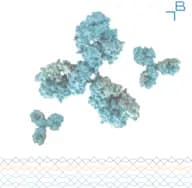
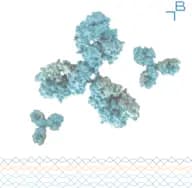
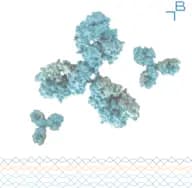
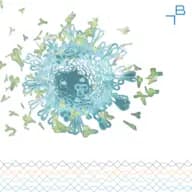
Primary antibodies are immunoglobulins that bind specifically to an antigen of interest, allowing for the detection and quantification of proteins, peptides, or other biomolecules. These antibodies are critical tools in a wide range of applications, including Western blotting, immunohistochemistry, and ELISA. At CymitQuimica, we offer an extensive selection of high-quality primary antibodies that provide specificity and sensitivity for various research needs, including cancer, immunology, and cell biology studies.
Subcategories of "Primary Antibodies"
- Cancer Research Antibodies(3,620 products)
- Cardiovascular Antibodies(2 products)
- Developmental Biology(751 products)
- Epigenetics Antibodies(162 products)
- Immunology Antibodies(2,624 products)
- Metabolism Antibodies(279 products)
- Microbiology Antibodies(736 products)
- Signal Transduction(2,717 products)
- Tags & Cellular Markers(33 products)
Show 1 more subcategories
Found 75324 products of "Primary Antibodies"
Sort by
Purity (%)
0
100
|
0
|
50
|
90
|
95
|
100
Mouse anti Human IgG4
<p>Human IgG4 antibody was raised in mouse using IgG4 Fc region as the immunogen.</p>IgA Sheep Polyclonal Antibody
IgA Sheep Polyclonal Antibody is an antibody for use in IVD applications. Please enquire for more information about IgA Sheep Polyclonal Antibody including the price, delivery time and more detailed product information at the technical inquiry form on this page.Apo-B Goat Polyclonal Antibody
Apo-B Goat Polyclonal Antibody is a life science tool for use in IVD applications. Please enquire for more information about Apo-B Goat Polyclonal Antibody including the price, delivery time and more detailed product information at the technical inquiry form on this page.West Nile Virus NS1 Antigen Mouse Monoclonal Antibody
Yellow Fever monoclonal antibodies for diagnostic test manufacturers, vaccine developers and researchers globally. Yellow fever virus, a potentially fatal mosquito-borne flavivirus, is prevalent in tropical and subtropical locations in South America and Africa. Yellow fever virus is transmitted to humans mainly by sylvatic mosquito vectors of the genera Haemagogus and Sabethes, but has also been known to be spread by the sinister Aedes aegypti mosquito which is responsible for the current Zika virus epidemic. In humans, the majority of yellow fever infections are asymptomatic; however approximately 15% of infected patients enter what is known as the toxic phase and this can lead to severe complications such as jaundice, multi-organ failure and even death. There is no specific treatment for Yellow fever and, despite access to safe and effective vaccines, the virus is still causing significant health problems in these countries.HIV-1-p24 Mouse Monoclonal Antibody, Biotinylated Conjugate
HIV-1-p24 Mouse Monoclonal Antibody, Biotinylated Conjugate is an antibody for use in IVD applications. Please enquire for more information about HIV-1-p24 Mouse Monoclonal Antibody, Biotinylated Conjugate including the price, delivery time and more detailed product information at the technical inquiry form on this page.HBsAg Mouse Monoclonal Antibody
HBsAg Mouse Monoclonal Antibody is an antibody for use in IVD applications. Please enquire for more information about HBsAg Mouse Monoclonal Antibody including the price, delivery time and more detailed product information at the technical inquiry form on this page.Canine Coronavirus Mouse Monoclonal Antibody
Canine Coronavirus Mouse Monoclonal Antibody is an antibody for use in IVD applications. Please enquire for more information about Canine Coronavirus Mouse Monoclonal Antibody including the price, delivery time and more detailed product information at the technical inquiry form on this page.CRP antibody
CRP antibody was raised in sheep using human CRP purified from acute phase sera as the immunogen.Purity:Min. 95%AFP Mouse Monoclonal Antibody
AFP Mouse Monoclonal Antibody is a life science tool for use in IVD applications. Please enquire for more information about AFP Mouse Monoclonal Antibody including the price, delivery time and more detailed product information at the technical inquiry form on this page.Aldosterone Mouse Monoclonal Antibody
Aldosterone Mouse Monoclonal Antibody is a life science tool for use in IVD applications. Please enquire for more information about Aldosterone Mouse Monoclonal Antibody including the price, delivery time and more detailed product information at the technical inquiry form on this page.β-2 Microglobulin (B2M), Recombinant
Beta-2 Microglobulin (B2M), Recombinant is a life science tool for use in IVD applications. Please enquire for more information about Beta-2 Microglobulin (B2M), Recombinant including the price, delivery time and more detailed product information at the technical inquiry form on this page.Purity:>90% By Sds-Page. A Major Band Is Visible At 11Kda With Multiple MinorDengue Virus NS1 Antigen Mouse Monoclonal Antibody
<p>Dengue Virus NS1 Antigen Mouse Monoclonal Antibody is an antibody for use in pharmaceutical and diagnostic applications. Please enquire for more information about Dengue Virus NS1 Antigen Mouse Monoclonal Antibody including the price, delivery time and more detailed product information at the technical inquiry form on this page.</p>Albumin Goat Polyclonal Antibody
<p>Albumin Goat Polyclonal Antibody is a life science tool for use in pharmaceutical and diagnostic applications. Please enquire for more information about Albumin Goat Polyclonal Antibody including the price, delivery time and more detailed product information at the technical inquiry form on this page.</p>β-2 Microglobulin Goat Polyclonal Antibody, IgG Fraction
<p>Beta-2 Microglobulin Goat Polyclonal Antibody, IgG Fraction is a life science tool for use in pharmaceutical and diagnostic applications. Please enquire for more information about Beta-2 Microglobulin Goat Polyclonal Antibody, IgG Fraction including the price, delivery time and more detailed product information at the technical inquiry form on this page.</p>Color and Shape:Clear LiquidAMH Mouse Monoclonal Antibody
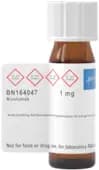
<p>AMH Mouse Monoclonal Antibody is a life science tool for use in pharmaceutical and diagnostic applications. Please enquire for more information about AMH Mouse Monoclonal Antibody including the price, delivery time and more detailed product information at the technical inquiry form on this page.</p>Nivolumab - >10 mg/ml
CAS:Monoclonal antibody against PD-1 checkpoint proteinPurity:Min. 95 Area-%Color and Shape:Colorless Clear LiquidBevacizumab - 25mg/ml solution in PBS
CAS:<p>Monoclonal antibody against VEGF</p>Formula:C6638H1016N1720O2108S44Purity:Min. 94 Area-%Color and Shape:Clear LiquidMolecular weight:149196.93β-2 Microglobulin Goat Polyclonal Antibody
Beta-2 Microglobulin Goat Polyclonal Antibody is a life science tool for use in IVD applications. Please enquire for more information about Beta-2 Microglobulin Goat Polyclonal Antibody including the price, delivery time and more detailed product information at the technical inquiry form on this page.Legionella Pneumophila Antigen
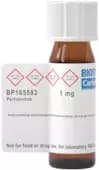
Legionella Pneumophila Antigen is an antibody for use in IVD applications. Please enquire for more information about Legionella Pneumophila Antigen including the price, delivery time and more detailed product information at the technical inquiry form on this page.Pertuzumab
CAS:Blocks HER-2 heterodimerization; breast cancer therapyPurity:Min. 95 Area-%Color and Shape:Clear LiquidFSH specific HCG antibody
The FSH specific HCG antibody is a monoclonal antibody that specifically targets the follicle-stimulating hormone (FSH). It is designed to bind to FSH and inhibit its activity. This antibody has been shown to have cytotoxic effects on cells expressing FSH receptors, making it a potential treatment for conditions associated with excessive FSH signaling, such as certain types of cancer. Additionally, the FSH antibody has been used in research studies to investigate the role of FSH in various biological processes, including collagen synthesis and platelet production. Its specificity and high affinity make it a valuable tool in life sciences research. Furthermore, this monoclonal antibody has also been studied for its potential therapeutic applications in diseases such as thrombocytopenia and mesothelin-related disorders. With its ability to target specific molecules and modulate cellular functions, the FSH antibody holds promise for future developments in the field of immunotherapy and targeted therapies.Purity:Min. 95%Goat anti Human IgM
Goat anti Human IgM is a polyclonal antibody that specifically targets and neutralizes human IgM. It is commonly used in research and diagnostic applications to study the role of IgM in various biological processes. This antibody has been shown to inhibit the activity of polymers, chemokines, and other factors involved in immune responses. Additionally, it has been found to interact with cardiomyocytes and play a role in cardiac function. Goat anti Human IgM binds to specific amino-terminal regions of annexin A2, a protein involved in cell signaling and membrane dynamics. This antibody can be used in conjunction with streptavidin or other conjugates for detection purposes. It is highly effective at detecting activated forms of IgM and can be used to study immune responses in different tissues and fluids, including pleural fluid.Purity:Min. 95%Cardiac Troponin Complex Chimeric Mouse Monoclonal Antibody, Recombinant
<p>Cardiac Troponin Complex Chimeric Mouse Monoclonal Antibody, Recombinant</p>Rabbit MAb to Group A Streptococcus
<p>Potentially suitable for ELISA, lateral Flow, ChLIA and other applications. This antibody will self-pair and can be used as both capture and label elements in immunoassay.</p>Purity:Min. 95%Color and Shape:PowderChikungunya Virus Envelope 2 Antigen Mouse Monoclonal Antibody
<p>Transmitted by mosquito vectors, Chikungunya is a positive-stranded RNA, alpha virus infecting human musculoskeletal tissues. The two glycoproteins E1 and E2 of the Chikungunya virus, to which this Mab is complementary to E2, are responsible for viral entry into host cells and both contain a transmembrane domain. Furthermore E2 has the three globular domains A, B and C which are linked by a β-ribbon connector region. While E2 is essential for mediating viral attachment, E1’s β-sheet structure and class II viral glycoproteins: DI, DII and DIII domains enable the virus to fuse with the host’s membrane. This primarily occurs through the insertion of the DII domain’s fusion loop into the host’s cell membrane.<br>Together E1 and E2 form a viral spike protein which when binding with high affinity to host alphavirus receptors such as Mxra8, allow this receptor to be inserted into E1 and E2. This results in Mxra8 contact between E2’s A and B domains and E1’s fusion loop. Neutralizing antibodies can target these domains, in particular A and B domains within E2, hence preventing viral attachment to host cells.This antibody can be used in the development of diagnostic assays for detection of Chikungunya virus.See also our other Chikungunya virus diagnostic reagents</p>Transferrin antibody
Transferrin antibody was raised in mouse using placental transferrin receptor or transferrin as the immunogen.Aurora™ Fluor 488 Anti-2SC antibody - 0.7mg/mL
<p>Succination is a stable post-translational modification of cysteine residues, which modifies protein function or turnover in response to a changing intracellular redox environment. Succination occurs when the Krebs cycle intermediate, fumarate, reacts with cysteine yielding S-(2-succino)cysteine (2SC).<br>A wide range of proteins are subject to succination, including enzymes, adipokines, cytoskeletal proteins and ER chaperones and succination has been shown to have roles in regulatory biology.An increase in succination of adipocyte proteins is seen in diabetes mellitus and results from nutrient excess derived mitochondrial stress. 2SC therefore serves as a biomarker of mitochondrial stress or dysfunction in chronic diseases, such as obesity, diabetes, and cancer.This Antibody is conjugated to a popular bright green flourescent dye: Aurora TM Fluor 488.</p>Color and Shape:PowderAnti-TAS2R39 antibody - 2mg/mL
<p>Bitter taste receptors (TAS2Rs) are predominantly found in the mouth and other tissues, including the gut and lungs, and cell types such as immune cells. Â Taste receptor type 2 member 39 (TAS2R39) is a receptor that plays a prominent role in the perception of bitterness. TAS2R39 may also play a role in sensing the chemical composition of the gastrointestinal content. The activity of the TAS2R39 receptor may stimulate alpha gustducin, mediate PLC-beta-2 activation and lead to the gating of TRPM5. TAS2Rs recognise a wide variety of compounds, and work with TAS2R39 has helped identify antagonist compounds to block the perceived bitterness of medications. 6-methoxyflavanones are antagonists of TAS2R39, the methoxy group on the 6-position of the flavanone's A-ring is the critical region for exerting inhibitory activity.</p>Anti-B-Raf antibody - 0.1mg/mL
B-Raf (BRAF) is a raf-family serine/threonine kinase and proto-oncogene involved in directing cell growth. The Raf kinases are subject to a complex activation process that integrates various protein-protein and protein-lipid interactions and positive as well as negative phosphorylation events. The Ras/Raf/mitogen-activated/extracellular-regulated kinase (MEK)/extracellular signal regulated kinase (ERK) pathway plays a pivotal role in controlling proliferation, survival and differentiation of metazoan cells.Anti-JAK3 antibody R2G - 1mg/mL
Ligand binding to type I receptors with a common subunit gamma result in local cytoplasmic Jak3 being recruited to the cytoplasmic tails of the receptor. The tail becomes phosphorylated creating STAT protein binding sites. The STAT complex then also becomes phosphorylated to form a homo/heterodimer and translocate to the nucleus to bind to DNA to activate transcription. For example, interleukin IL2 binds type I receptor ILR2 resulting in Jak1 with Jak3 recruitment to the cytoplasmic gamma subunit. This interaction leads to tyrosine phosphorylation of the receptor for Stat5A with Stat5B docking. These STATs are then phosphorylated and activated by Jak1 and Jak3 leading to their dimerization and translocation for activation of specific gene transcription.Jak3 also has vital roles in immune cell signalling pathways; IL2 binds IL2R on T cells and natural killer cells. It has been found that in these immune cells Jak3 is critical to facilitate tyrosine phosphorylation of the cytoplasmic IL2R subunit. Throughout T cell differentiation Jak3 is required for IL7 induced activation of IL7R to activate PI3k and STATs. Ablation of Jak3 completely halted T cell proliferation. JAK3-deficient models have phenotypes like human severe combined immunodeficiency (SCID), due to the lack of developed lymphocytes. This was linked to the interaction found between Jak3 and the T cell protein tyrosine phosphatases (TCPTP) key to cytokine signalling in haematopoietic cells.AF488 Anti-NR1 4b antibody - 0.64mg/mL
<p>N-methyl-D-aspartate receptors (NMDARs) are ligand-gated ionotropic glutamate receptors that mediate excitatory synaptic transmission and play important roles in many aspects of nervous system function including: synaptic plasticity; learning and memory; neuronal development and circuit formation. NMDARs have been implicated in various neuronal disorders. NMDARs are heteromers consisting of an obligate NR1 subunit and most commonly one or two kinds of NR2 subunits or occasionally NR3 subunits. The NR1 subunit is alternatively spliced yielding eight possible isoforms characterised by the inclusion or deletion of exons 5, 21 and 22. The splice variants are developmentally and spatially regulated and modulate the biophysical properties of NMDARs and alter the trafficking behaviour of NR1. NR1-4b Splice variants includes exons 5, 21, and 22 and is expressed in the dorsal horn of the spinal cord. The involvement of NMDAR in the central nervous system (CNS) has become a focus area for neurodegenerative diseases such as Alzheimer's disease, epilepsy and ischemic neuronal cell death. This antibody is conjugated to AF488. AF488 is a popular bright green fluorescent dye with high pH-stability.</p>Anti-PDE2A antibody R1G - 3mg/mL
<p>PDEs are a family of phosphohydrolyases, used to catalyse hydrolysis of 3 €™ cyclic phosphate bonds in the second messengers adenosine and guanine 3 €™, 5 €™ cyclic monophosphates (cAMP and cGMP). Physiologically, PDE2A is a locus for communication between cAMP and cGMP signalling pathways, regulating this process through degradation of cAMP and cGMP. This is particularly noteworthy in cells where cAMP and cGMP regulate opposing cell functions.PDE2A is expressed both in the periphery and central nervous system, but is found in highest concentration in the brain; implying that PDE2A is necessary in regulation of interneuronal cAMP and cGMP involved in emotion, sensory perception and memory. Alteration in cyclic nucleotide signalling is shown cause depression, bipolar disorder and schizophrenia; hence PDE2A, a molecule used to break down cyclic nucleotides, has the potential to be a novel biomarker or therapeutic target for such psychiatric conditions.</p>Anti-mGluR1 antibody - 1mg/mL
<p>Metabotropic glutamate receptors (mGluRs) are G protein-coupled receptors that have been divided into three groups based on sequence, putative signal transduction mechanisms, and pharmacologic properties. mGluR1 is a group I receptor. Group I mGluRs are predominantly expressed in the postsynaptic somatodendritic regions, especially in brain areas highly responsive to psychostimulants. mGluR1 is a pivotal regulator of glutamatergic neurotransmission which is involved in most aspects of normal brain function and can be perturbed in many neuropathologic conditions.</p>Anti-KA1 antibody - 0.4mg/mL
<p>Glutamate is the principal excitatory neurotransmitter in the central nervous system (CNS), and imbalances in glutamatergic transmission have profound behavioural and physiological consequences. KA1 is a kainate receptor, which are atypical members of the glutamate receptor family able to signal through both ionotropic and metabotropic pathways. KA1 plays a role in memory and behaviour, and aberrant KA1 expression is seen in neurodegeneration, schizophrenia and bipolar disorder.</p>AF488 Anti-beta-actin antibody - 0.57mg/mL
<p>Antibody that detects beta-actin proteins. Actin is a highly conserved structural protein that forms microfilaments, one of the main structural components of the cell cytoskeleton. Actin is therefore found at high concentrations in all cell types. Actin may also function as a tumour suppresser. Beta-actin is one of the three main actin isotypes and is a non-muscle cytoskeletal actin. Beta-actin is relatively stable and appears to remain at constant levels regardless of experimental treatment, it is generally used as an internal control for experiments. This antibody is conjugated to AF488. AF488 is a popular bright green fluorescent dye with high pH-stability.</p>Anti-GUCY1A2 antibody - 1mg/mL
<p>Soluble guanylate cyclases (sGCs) are heterodimeric enzymes that convert GTP to 3',5'-cyclic GMP and pyrophosphate. Most complexes consist of an alpha subunit, such as alpha-2 (GUCY1A2), and a beta subunit, typically beta-1 (GUCY1B3). In the presence of magnesium or manganese ions, enzyme activity is stimulated by nitric oxide._x000D_<br>_x000D_<br>sGCs are the principal receptors for nitric oxide (NO) and NO-releasing drugs. sGC plays a role in several cardiovascular pathways. Diminished sGC function contributes to several conditions, including cardiovascular diseases. sGC-induced cGMP increase ultimately affects vascular relaxation, inhibition of platelet aggregation, and altered neurotransmission._x000D_<br>_x000D_<br>sGC GUCY1A2 is upregulated in several cancers and promotes tumorigenesis. GUCY1A2 regulation is particularly dysregulated in cervical, prostate, and gastric cancer. The expression of GUCY1A2 is being proposed as a prognostic indicator for the outcome of gastric cancer and prostate cancer.</p>Anti-SLC12A2 antibody R2G - 1mg/mL
<p>The SLC12 family consists of nine member proteins, SLCA1 through to SLC12A9. Solute Carrier Family 12 Member 2 (SLC12A2) encodes a protein used in mediating the cotransport and reabsorption of Na+, K+ and 2Cl- ions (NKCC), it is a membrane-bound symporter channel needed for both epithelial absorption and secretion of ions. SLC12A2 spans the membrane and is necessary in maintaining ionic balance, cell volume and overall homeostasis of a cell.SLC12A2 is shown to be involved in neurodevelopment, specifically in the cortex, and is associated with neurodevelopmental disorders, with SLC12A2 mutation rate being significantly higher in individuals with neurodevelopmental issues. Additionally, mutations in SLC12A2 have been shown to cause issues with sensorineural pathways, causing hearing loss and deafness. Research into SLC12A2 and the SLC12 family as a whole could be beneficial in finding treatments for these complex neuronal issues.</p>Anti-Lamin A/C antibody - 1mg/mL
<p>Nuclear lamin proteins (lamin A, B and C) form a complex structural scaffold, called the nuclear lamina, which is associated with the inside of the nuclear envelope. _x000D_<br>_x000D_<br>Lamins bind to a huge number of nuclear protein complexes and are involved in several processes, including chromatin organisation, gene regulation, genome stability, nuclear and cytoskeletal organisation, mechanical stability, differentiation, and tissue-specific functions. Mutations in lamin proteins result in laminopathies such as muscular dystrophy and the accelerated aging condition, Hutchinson-Gilford progeria._x000D_<br>_x000D_<br>This antibody recognises human lamin A and C in both Western blots and immunohistochemistry with a strong signal and low background signal.</p>Anti-CDK2 antibody - 1mg/mL
<p>Cyclin dependant kinase 2 (CDK2) is a serine/threonine protein kinase which controls both G1/S and G2/M transitions. CDKs along with cyclins and CDK inhibitors regulate cell cycle progression. Specific cyclins activate different CDKs; in early G1, CDK2 pairs with cyclin E to promote entry into the S phase before switching to partner with cyclin A to drive the cell through S phase. Once activated CDKs phosphorylate downstream proteins to initiate signalling cascades. CDK2 phosphorylates and inactivates the RB1 (pRb) tumour suppressor family of proteins.</p>Anti-Cyclin D1 antibody - 1mg/mL
<p>Cyclin D1 is a key regulator of cell proliferation and its expression and accumulation within cells is under tight control. Cyclin D1 is the regulatory subunit of cyclin-dependent kinases 4 and 6. These activated cyclin dependent kinases then phosphorylate the retinoblastoma protein (Rb) and drive G1 to S phase progression. Cyclin D1 promotes cell proliferation through interaction with transcription factors such as the oestrogen receptor and specificity protein 1 (Sp1). Cell proliferation is extremely sensitive to altered levels of cyclin D1, with even modest changes in its expression having noticeable effects on cell cycle progression.</p>Anti-SLIT2 antibody - 2mg/mL
<p>SLIT genes encode the secreted ligands used for regulation of axon branching, pathfinding and neuronal migration. The secretory protein Slit homolog 2 (Slit2) and its transmembrane receptor protein Robo1 are evolutionarily conserved molecules thought to regulate axon guidance and neuronal cell migration._x000D_<br>Roundabout homologue 1 (Robo1) is the major Slit2 receptor, used to mediate the function of Slit homologue proteins needed for guiding major forebrain projections during neuronal development. Secreted Slit2 proteins mediate chemorepulsive signals on cells expressing robo1 receptors, allowing the normal growth and migrations of axons in the developing brain. Robo2 is also a receptor protein for the ligand Slit1, with these receptor-ligand interactions being necessary for proper ganglion formation._x000D_<br>Although primarily known for involvement in neuronal signalling, Slit/Robo signalling is involved in cell proliferation and cell mortality in a range of cell and tissue types.</p>Anti-SLIT2 antibody - 1mg/mL
SLIT genes encode the secreted ligands used for regulation of axon branching, pathfinding and neuronal migration. The secretory protein Slit homolog 2 (Slit2) and its transmembrane receptor protein Robo1 are evolutionarily conserved molecules thought to regulate axon guidance and neuronal cell migration._x000D_ Roundabout homologue 1 (Robo1) is the major Slit2 receptor, used to mediate the function of Slit homologue proteins needed for guiding major forebrain projections during neuronal development. Secreted Slit2 proteins mediate chemorepulsive signals on cells expressing robo1 receptors, allowing the normal growth and migrations of axons in the developing brain. Robo2 is also a receptor protein for the ligand Slit1, with these receptor-ligand interactions being necessary for proper ganglion formation._x000D_ Although primarily known for involvement in neuronal signalling, Slit/Robo signalling is involved in cell proliferation and cell mortality in a range of cell and tissue types.Anti-CEP290 antibody 1C3G10 - 1mg/mL
<p>CEP290 localises to the centrosomes of dividing cells and to the connecting cilium of photoreceptors. CEP290 associates with several microtubule-based transport proteins, including RPGR. CEP290 is located in the connecting cilium of cone and rod photoreceptors which is essential for the formation and stability of primary cilia regulating protein traffic between the photoreceptor inner and outer segments. As the maintenance of the outer segment of the photoreceptor relies on proteins and lipids trafficked from the inner segment, a reduction of functional CEP290 is believed to lead to retinal degeneration. Photoreceptor degradation can be due to a collapse of the connecting cilium and has been linked to CEP290. mutations in the gene encoding CEP290 can cause Leber congenital amaurosis (LCA), retinitis pigmentosa and early-onset severe retinal dystrophy. Aberrant CEP290 expression in other tissues is associated with Bardet-Biedl syndrome, Joubert syndrome, Meckel-Gruber syndrome, and Senior-LÞken syndrome. Biallelic loss-of-function mutations in CEP290 cause LCA-ciliopathy.</p>AF488 Anti-NR3B antibody - 0.56mg/mL
<p>N-methyl-D-aspartate receptors (NMDARs) are ligand-gated ionotropic glutamate receptors that mediate excitatory synaptic transmission and are important for many aspects of nervous system function including: synaptic plasticity; learning and memory; neuronal development and circuit formation. NMDARs have also been implicated in various neuronal disorders. NMDARs are heteromers consisting of an obligate NR1 and most commonly one or two kinds of NR2 subunits or occasionally NR3 subunits. The NR3 isoform, NR3B, is abundantly expressed in beta-motoneurones and at a lower level in the forebrain (including hippocampus, cerebral cortex, caudoputamen, and nucleus accumbens), and cerebellum. mRNA for the NR3B subunit is first detected during the second postnatal week, it then increases and peaks at postnatal day 21. NR3B is a dominant-negative receptor subunit since its presence in NMDA receptors results in a reduction in cellular NMDA receptor activity, calcium permeability, and whole-cell currents. NR3B plays a role in determining the morphology of dendrites of spinal motor neurones and the proper maturation of motor behaviour. The involvement of NMDAR in the central nervous system (CNS) has become a focus area for neurodegenerative diseases such as Alzheimer's disease, epilepsy and ischemic neuronal cell death. This antibody is conjugated to AF488. AF488 is a popular bright green fluorescent dye with high pH-stability.</p>Anti-NGF antibody R2G - 3mg/mL
<p>Nerve growth factor (NGF) is a neurotrophic factor and neuropeptide involved in the regulation of specific neurons through control of neuronal growth, maintenance, proliferation, and survival. NGF protein functions as the extracellular ligand for the NTRK1 or the NGFR receptors on the surface of neurons, initiating signalling cascades inside the cell. Binding of NGF causes neurons to mature and differentiate; additionally, NGF is critical in the survival of sympathetic and sensory neurons, as in the absence of NGF these cells will undergo apoptosis.NGF is capable of binding with two classes of receptors, both tropomyosin receptor kinase A (TrkA) and low-affinity NGF receptor (LNGFR) act as ligands for NGF, activating signalling cascades. These receptors are associated with neurodegenerative diseases, implying the potential of NGF as a therapeutic drug target.</p>Anti-GLT-1 antibody - 1mg/mL
<p>Glutamate transporter 1 (GLT-1) is the major glutamate transporter in the brain, and is predominantly expressed in astrocytes, but at lower levels also in excitatory terminals. GLT-1 is best understood for its critical role in preventing neuronal excitotoxicity and brain seizures in the central nervous system (CNS). Maintaining the correct level of extracellular glutamate is crucial for neuronal transmission and network activity.</p>Anti-Histone H2B antibody - 0.08mg/mL
<p>Antibody which recognises human histone H2B. H2B is one of the four core histone proteins which make up the protein core of the nucleosome around which DNA is wound to form the basic unit of chromatin. H2B, like other histone proteins is highly conserved across species with even distantly related species having high levels of sequence homology. Post translational modifications of histones such as H2B by acetylation, phosphorylation and ubiquitination can affect the organisation of the chromatin and gene transcription. There are 16 isoforms of H2B in humans, 13 that are expressed in somatic cells, and 3 that are testis-specific.</p>Anti-ACE2 antibody - 0.21mg/mL
<p>Angiotensin-converting enzyme 2 (ACE2) is a receptor present in the human cardiovascular system as well as in the gut, kidneys, central nervous system, and adipose tissue. ACE2 is a negative regulator of the renin angiotensin system (RAS) mainly by converting Ang (angiotensin) I and Ang II into Ang 1-9 and Ang 1-7, respectively.</p>Anti-NeuN antibody - 1mg/mL
<p>Neuronal nuclear protein (NeuN) antibody recognises the RNA-binding, feminising locus on X-3 (Rbfox3), a member of the larger mammalian Fox1 family of RNA binding proteins.</p>Anti-Pde2a antibody R1G - 1mg/mL
<p>PDEs are a family of phosphohydrolyases, used to catalyse hydrolysis of 3 €™ cyclic phosphate bonds in the second messengers adenosine and guanine 3 €™, 5 €™ cyclic monophosphates (cAMP and cGMP). Physiologically, PDE2A is a locus for communication between cAMP and cGMP signalling pathways, regulating this process through degradation of cAMP and cGMP. This is particularly noteworthy in cells where cAMP and cGMP regulate opposing cell functions.PDE2A is expressed both in the periphery and central nervous system, but is found in highest concentration in the brain; implying that PDE2A is necessary in regulation of interneuronal cAMP and cGMP involved in emotion, sensory perception and memory. Alteration in cyclic nucleotide signalling is shown cause depression, bipolar disorder and schizophrenia; hence PDE2A, a molecule used to break down cyclic nucleotides, has the potential to be a novel biomarker or therapeutic target for such psychiatric conditions.</p>Anti-GluR1 antibody - 1mg/mL
<p>The α-amino-3-hydroxy-5-methyl-4-isoxazolepropionic acid receptor (AMPAR) is an ionotropic transmembrane receptor for glutamate found throughout the central nervous system (CNS). AMPARs are composed of four types of subunits: GluR1/GluA1, GluR2/GluA2, GluR3/GluA3, and GluA4 (GluRA-D2), which combine to form heterotetramers. The function of AMPARs is determined by the composition of AMPAR subunits and GluR1 is found in the dorsal horn region of the spinal cord. GluR1-containing AMPARs are permeable to Ca2+ and the presence of GluR1-containing AMPARs in synapses contributes to the formation of long-term potential. GluR1 is involved in synaptic plasticity and the expression of the GluR1 gene is reduced with age.</p>Anti-Jak2 antibody R1G - 0.5mg/mL
<p>Janus kinase-2 (JAK2) is a non-receptor tyrosine kinase implicated in signalling via members of the type II cytokine receptor family (such as interferon receptors), the GM-CSF receptor family (IL-3R, IL-5R and GM-CSF-R), the gp130 receptor family (e.g., IL-6R), and the single chain receptors (e.g. Epo-R, Tpo-R, GH-R, PRL-R). The JAK/signal transducer and activator of transcription (STAT) pathway is a key cellular pathway which is involved in immunity, cell division, cell death and tumour formation. The JAK/STAT pathway is activated by leptin and the leptin receptor and results in phosphorylation of STAT3 and its translocation to the nucleus where it activates the transcription of various target genes.Mutations and gene fusions involving JAK2 have been implicated in polycythemia vera, essential thrombocythemia, and myelofibrosis as well as other myeloproliferative disorders and leukaemia.</p>Anti-Pde2a antibody R2G - 0.5mg/mL
<p>PDEs are a family of phosphohydrolyases, used to catalyse hydrolysis of 3 €™ cyclic phosphate bonds in the second messengers adenosine and guanine 3 €™, 5 €™ cyclic monophosphates (cAMP and cGMP). Physiologically, PDE2A is a locus for communication between cAMP and cGMP signalling pathways, regulating this process through degradation of cAMP and cGMP. This is particularly noteworthy in cells where cAMP and cGMP regulate opposing cell functions.PDE2A is expressed both in the periphery and central nervous system, but is found in highest concentration in the brain; implying that PDE2A is necessary in regulation of interneuronal cAMP and cGMP involved in emotion, sensory perception and memory. Alteration in cyclic nucleotide signalling is shown cause depression, bipolar disorder and schizophrenia; hence PDE2A, a molecule used to break down cyclic nucleotides, has the potential to be a novel biomarker or therapeutic target for such psychiatric conditions.</p>Anti-DYRK3 antibody - 2mg/mL
Dual specificity tyrosine-phosphorylation-regulated kinase 3 (DYRK3) acts as a central dissolvase of membraneless organelles during the G2-to-M transition. DYRK3 mediates the phosphorylation of multiple serine and threonine residues in unstructured domains of proteins, including SRRM1 and PCM1._x000D_ _x000D_ DYRK3 is a key regulator of mTORC1 by mediating the dissolution of stress granules. During stressful conditions, DYRK3 partitions from the cytosol to the stress granule with mTORC1 components, which prevents mTORC1 signalling. When homeostasis is achieved, the kinase activity of DYRK3 is required for the dissolution of stress granule and mTORC1 relocation to the cytosol. DYRK3 mediates phosphorylation of signalling mTORC1 via inhibitor AKT1S1, allowing full reactivation of mTORC1 signalling._x000D_ _x000D_ DYRK3 is a negative regulator of EPO-dependent erythropoiesis and may place an upper limit on red cell production during stress erythropoiesis. DYRK3 also inhibits cell death due to cytokine withdrawal in hematopoietic progenitor cells._x000D_ _x000D_ Overexpression of DYRK3 has been linked to glioblastoma multiforme (GBM) and can be a strong predictive factor of a patient's survival chances.Anti-NGF antibody R2G - 0.5mg/mL
<p>Nerve growth factor (NGF) is a neurotrophic factor and neuropeptide involved in the regulation of specific neurons through control of neuronal growth, maintenance, proliferation, and survival. NGF protein functions as the extracellular ligand for the NTRK1 or the NGFR receptors on the surface of neurons, initiating signalling cascades inside the cell. Binding of NGF causes neurons to mature and differentiate; additionally, NGF is critical in the survival of sympathetic and sensory neurons, as in the absence of NGF these cells will undergo apoptosis.NGF is capable of binding with two classes of receptors, both tropomyosin receptor kinase A (TrkA) and low-affinity NGF receptor (LNGFR) act as ligands for NGF, activating signalling cascades. These receptors are associated with neurodegenerative diseases, implying the potential of NGF as a therapeutic drug target.</p>Anti-phospho-TDP-43 (pS409/pS410) antibo - 0.4mg/mL
<p>Anti-phospho-TDP-43 (pS409/pS410) antibody</p>Color and Shape:Clear LiquidAnti-Nduf11a antibody - 1mg/mL
<p>Mitochondria contain 4 multimeric electron transfer complexes (CI-CIV) that allow a stepwise transfer of electrons leading to energy production. The electron transfer complexes can form supercomplexes with a core of monomeric CI and dimeric CIII. The purpose of the supercomplex is believed to be direct electron transfer in a discrete unit with additional structural roles in the mitochondria. NDUFA11 is a conserved integral membrane protein that sits at the interface of CI and CIII. Lack of functional NDUFA11 leads to infant death, and encephalocardiomyopathy.</p>Anti-phosphorylated NR2A (pS1232) antibo - 1mg/mL
<p>N-methyl-D-aspartate receptors (NMDARs) are ligand-gated ionotropic glutamate receptors that mediate excitatory synaptic transmission and play important roles in many aspects of nervous system function including: synaptic plasticity; learning and memory; neuronal development and circuit formation. In addition NMDARs have also been implicated in various neuronal disorders. NMDARs are heteromers consisting of an obligate NR1 subunit and most commonly one or two kinds of NR2 subunits or occasionally NR3 subunits.</p>Anti-DZIP3 antibody - 1mg/mL
<p>E3 Ubiquitin ligase proteins mediate ubiquitination and subsequent proteasomal degradation of target proteins. E3 ubiquitin ligases accept ubiquitin from an E2 ubiquitin-conjugating enzyme as a thioester and then directly transfer the ubiquitin to targeted substrates. DZIP3 is located in the cytoplasm and can specifically bind RNA. DZIP3 enables several functions, including phosphatase binding activity; polyubiquitin modification-dependent protein binding activity; and ubiquitin-protein transferase activity. In addition, DZIP3 is involved in protein polyubiquitination._x000D_<br>_x000D_<br>The condition of azoospermia is associated with the deletion of DZIP3. High expression of DZIP3 is a biomarker for a poor outcome of several cancers, including gastric and breast cancer. DZIP3 is a crucial driver of cancer cell growth, migration, and invasion due to interacting with cyclin D1 during G1. In breast cancer, DZIP3 is a coactivator of oestrogen receptor α target gene expression and enhances their expression in breast cancer cells.</p>Anti-Notch1 antibody - 2mg/mL
<p>Notch1 is part of the Notch family, receptors involved in the Notch signalling pathway. Notch1 has the characteristic N-terminal EGF-like repeats and C-terminal LNR domains. Notch1 forms a complex with ligands to prevent signalling._x000D_<br>_x000D_<br>The Notch signalling pathway is involved in cell fate specification, differentiation, proliferation, and survival processes. Activation of Notch1 is correlated with mammary tumorigenesis in mice. Increased expression of Notch receptors is linked to several cancer types, including cervical, colon, head and neck, lung, renal, pancreatic, leukaemia and breast cancer. Mutations directly affect survival rates in acute myeloid leukaemia. Notch inhibitors aim to downregulate the Notch signalling pathway. γ-secretase inhibitors block all Notch receptors, Notch1 short interference RNA, or Notch1 monoclonal antibodies specifically target Notch1. Notch1 inhibitors are a target to downregulate Notch signalling in breast cancer chemotherapy._x000D_<br>_x000D_<br>Diseases associated with Notch1 are aortic valve disease 1 and Adams-Oliver syndrome 5.</p>Anti-ARHGAP26 antibody R1G - 2mg/mL
<p>Rho GTPase Activating Protein 26 (ARHGAP26) is a rho family negative regulator, used to convert G proteins RhoA and Cdc42 into their inactive forms. It can exist in multiple forms, with ARHGAP10 being a paralog gene of particular significance. As a type of GTPase-activating protein, ARHGAP26 has the capacity to enhance hydrolysis of GTPases, converting them from an active to an inactive form, therefore inhibiting signal transduction.This type of protein plays an important role in regulation of the behaviour of cancer cells, this occurs through ARHGAP26 being a GTPase-activating protein, meaning it can inhibit Rho-GTPases by promoting their hydrolytic ability. ARHGAP26 can also have an affect on tumorigenesis and tumour progression, by forming abnormal fusion genes, tumour development and progression can be both slowed down or sped up by ARHGAP. Understanding the molecular mechanisms of ARHGAP26 could help unearth its potential clinical value in cancer treatments.</p>Anti-JAK2 antibody - 1mg/mL
<p>Janus kinase-2 (JAK2) is a non-receptor tyrosine kinase implicated in signalling via members of the type II cytokine receptor family (such as interferon receptors), the GM-CSF receptor family (IL-3R, IL-5R and GM-CSF-R), the gp130 receptor family (e.g., IL-6R), and the single chain receptors (e.g. Epo-R, Tpo-R, GH-R, PRL-R). The JAK/signal transducer and activator of transcription (STAT) pathway is a key cellular pathway which is involved in immunity, cell division, cell death and tumour formation. The JAK/STAT pathway is activated by leptin and the leptin receptor and results in phosphorylation of STAT3 and its translocation to the nucleus where it activates the transcription of various target genes.</p>Anti-SLC12A2 antibody R1G - 1mg/mL
<p>The SLC12 family consists of nine member proteins, SLCA1 through to SLC12A9. Solute Carrier Family 12 Member 2 (SLC12A2) encodes a protein used in mediating the cotransport and reabsorption of Na+, K+ and 2Cl- ions (NKCC), it is a membrane-bound symporter channel needed for both epithelial absorption and secretion of ions. SLC12A2 spans the membrane and is necessary in maintaining ionic balance, cell volume and overall homeostasis of a cell.SLC12A2 is shown to be involved in neurodevelopment, specifically in the cortex, and is associated with neurodevelopmental disorders, with SLC12A2 mutation rate being significantly higher in individuals with neurodevelopmental issues. Additionally, mutations in SLC12A2 have been shown to cause issues with sensorineural pathways, causing hearing loss and deafness. Research into SLC12A2 and the SLC12 family as a whole could be beneficial in finding treatments for these complex neuronal issues.</p>