Primary Antibodies
Primary antibodies are immunoglobulins that bind specifically to an antigen of interest, allowing for the detection and quantification of proteins, peptides, or other biomolecules. These antibodies are critical tools in a wide range of applications, including Western blotting, immunohistochemistry, and ELISA. At CymitQuimica, we offer an extensive selection of high-quality primary antibodies that provide specificity and sensitivity for various research needs, including cancer, immunology, and cell biology studies.
Subcategories of "Primary Antibodies"
- Cancer Research Antibodies(3,609 products)
- Cardiovascular Antibodies(2 products)
- Developmental Biology(746 products)
- Epigenetics Antibodies(162 products)
- Immunology Antibodies(2,339 products)
- Metabolism Antibodies(278 products)
- Microbiology Antibodies(736 products)
- Signal Transduction(2,710 products)
- Tags & Cellular Markers(33 products)
Show 1 more subcategories
Found 75302 products of "Primary Antibodies"
Sort by
Purity (%)
0
100
|
0
|
50
|
90
|
95
|
100
GAPDH antibody
<p>GAPDH antibody was raised in mouse using human or rabbit GAPDH as the immunogen.</p>Vaccinia virus antibody (FITC)
Vaccinia virus antibody (FITC) was raised in rabbit using new york city board of health (NYCBOH) strain, Vaccinia (whole virus) as the immunogen.Cholera toxin antibody
<p>Cholera toxin antibody was raised in mouse using beta subunit of cholera toxin as the immunogen.</p>Uroplakin III antibody
<p>Uroplakin III antibody was raised in mouse using AUM preparation from bovine urinary bladder as the immunogen.</p>EpCAM antibody
<p>The EpCAM antibody is a powerful tool in the field of Life Sciences. It is a monoclonal antibody that specifically targets the EpCAM antigen, a glycoprotein that is highly expressed in various types of cancer cells. This antibody can be used for a variety of applications, including research and diagnostics.</p>CKMB antibody
The CKMB antibody is a cytotoxic monoclonal antibody that has neutralizing properties. It binds to specific proteins, including hepatocyte growth factor and growth factor inhibitors, which play crucial roles in cell growth and development. This antibody has been shown to have an inhibitory effect on amyloid protein aggregation, making it a potential therapeutic candidate for the treatment of amyloid-related diseases. Additionally, the CKMB antibody has been found to have binding affinity towards collagen and androgen receptors, suggesting its potential use in research and diagnostic applications related to these targets. With its unique characteristics and versatile applications, the CKMB antibody offers promising opportunities for scientific advancements in various fields.The immunoglobulin subclass for 10-2691 is IgG1.Candida Albicans antibody
Candida Albicans antibody is a growth factor that belongs to the group of Monoclonal Antibodies. It contains histidine and autoantibodies, which are essential for promoting hepatocyte growth and activation. This antibody also interacts with phosphatase and isothiocyanate inhibitors, as well as natriuretic, dopamine, and fibrinogen monoclonal antibodies. Additionally, it has been shown to have steroid properties. With its unique composition, Candida Albicans antibody offers a comprehensive solution for various medical applications.Chlamydia trachomatis antibody
Chlamydia trachomatis antibody is a valuable tool in the field of Life Sciences. It is a monoclonal antibody specifically designed to target and bind to the antigen of Chlamydia trachomatis, a common sexually transmitted infection. This antibody can be used for various applications, including diagnostic assays and research studies.TAX1BP1 antibody
TAX1BP1 antibody was raised in mouse using recombinant Human Tax1 (Human T-Cell Leukemia Virus Type I) Binding Protein 1 (Tax1Bp1)Rotavirus VP6 antibody
<p>The Rotavirus VP6 antibody is a monoclonal antibody that specifically targets the VP6 protein of the rotavirus. This antibody is highly acidic and has been shown to have natriuretic properties. It has also been found to inhibit caspase-9, an enzyme involved in cell death, and can immobilize the rotavirus particles, preventing them from infecting host cells. The Rotavirus VP6 antibody is cytotoxic and has been used in immunoassays to detect rotavirus infection in human serum samples. Additionally, this antibody has shown potential as a therapeutic agent, as it can be conjugated with taxol or other cytotoxic drugs to selectively target and kill cancer cells. Its unique properties make it a valuable tool for research and diagnostic purposes in the field of virology.</p>VEGFR2 single chain antibody
<p>VEGFR2 single chain antibody was raised in E.coli using Highly purified human sVEGFR-2/KDR as the immunogen.</p>RSV Antibody
<p>RSV Antibody is a medicament that contains Monoclonal Antibodies, which are highly specific antibodies produced in a laboratory setting. These antibodies are designed to target and neutralize the Respiratory Syncytial Virus (RSV), a common viral infection that affects the respiratory system. RSV Antibody is used in the field of Life Sciences as an antiviral treatment option.</p>Luteinizing Hormone antibody
The 6-Fluoro-3-indoxyl-beta-D-galactopyranoside is a powerful antituberculosis drug that falls under the class of rifamycins. It is highly effective in treating tuberculosis infections due to its bactericidal activity. This active compound works by inhibiting bacterial growth through binding to DNA-dependent RNA polymerase, which prevents transcription and replication. Extensive research has shown its high efficacy using the patch-clamp technique on human erythrocytes. Metabolically, it undergoes various transformations including hydrolysis by esterases or glucuronidases, oxidation by cytochrome P450 enzymes, reduction by glutathione reductase, or conjugation with glucuronic acid. Additionally, it specifically targets markers expressed in Mycobacterium tuberculosis strains, inhibiting their cell growth in culture.Hygromycin phosphotransferase antibody
<p>Mouse monoclonal Hygromycin phosphotransferase antibody</p>hCG β antibody
The hCG beta antibody is a monoclonal antibody that specifically targets the human chorionic gonadotropin (hCG) beta subunit. It is widely used in various assays to detect and measure levels of hCG in biological samples. This antibody recognizes the extracellular protein sclerostin, which is a morphogenetic protein involved in bone development and remodeling. The hCG beta antibody binds to specific polypeptide sequences on the hCG molecule, allowing for accurate and sensitive detection. It can be used in both colloidal gold-based assays and nuclear staining techniques to visualize the presence of hCG. This highly specific monoclonal antibody has applications in research, diagnostics, and therapeutic development related to pregnancy testing, fertility treatments, and certain types of cancer.ApoA1 antibody
The ApoA1 antibody is a monoclonal antibody that specifically targets and binds to Apolipoprotein A1 (ApoA1), a protein complex involved in lipid metabolism. This antibody is elastomeric in nature, allowing for flexibility and efficient binding to the target protein. It has been extensively studied and shown to be effective in various applications within the Life Sciences field.IGF1 antibody
<p>IGF1 antibody was raised in mouse using human insulin-like growth factor I as the immunogen.</p>Influenza A antibody
<p>The Influenza A antibody is a potent family kinase inhibitor that targets the glycoprotein and protein components of the influenza virus. This monoclonal antibody is widely used in Life Sciences research for its ability to specifically bind to the acidic annexin, a key marker of influenza infection. It is commonly employed in immunoassays and can be used as a valuable tool for studying the phosphatase activity of the virus. The Influenza A antibody can also be utilized in electrode-based assays to detect the presence of viral antigens in human serum samples. Additionally, this neutralizing monoclonal antibody has been shown to effectively inhibit the interaction between influenza virus and fibrinogen, thereby preventing viral spread and reducing disease severity.</p>HBsAg antibody
<p>HBsAg antibody was raised using native Hepatitis B surface antigen as the immunogen.</p>Calcitonin antibody
Calcitonin antibody was raised in mouse using calcitonin conjugated with carrier protein as the immunogen.Dengue NS1 antibody
<p>The Dengue NS1 antibody is a highly reactive monoclonal antibody that specifically targets the NS1 glycoprotein of the dengue virus. This antibody has been widely used in research and diagnostic applications to detect and neutralize the NS1 protein. It has also shown potential therapeutic benefits in treating dengue infections. The Dengue NS1 antibody exhibits high specificity and sensitivity, making it an ideal tool for detecting the presence of dengue virus in human serum samples. It can be used in various immunoassay formats, such as ELISA or lateral flow assays, to accurately diagnose dengue infections. In addition to its diagnostic applications, this antibody has shown promise in therapeutic settings. Studies have demonstrated its ability to neutralize the NS1 protein, inhibiting viral replication and reducing disease severity. This makes it a potential candidate for the development of antiviral therapies against dengue infections. Furthermore, the Dengue NS1 antibody has been utilized in research studies investigating the role</p>TSH antibody
TSH antibody is a monoclonal antibody used in Life Sciences research. It specifically targets and binds to the thyroid-stimulating hormone (TSH) receptor, blocking its interaction with TSH. This antibody can be used in various applications, including immunohistochemistry and ELISA assays, to study the role of TSH in different biological processes.Parainfluenza type 2 antibody
Parainfluenza type 2 antibody was raised in mouse using Parainfluenza 2 as the immunogen.Leptin antibody
The Leptin antibody is a monoclonal antibody that specifically targets and neutralizes leptin, a protein hormone involved in regulating energy balance and appetite. This antibody has been extensively studied for its potential therapeutic applications in obesity and metabolic disorders. It binds to leptin with high affinity, preventing its interaction with leptin receptors and inhibiting downstream signaling pathways.Ribonuclease A antibody (HRP)
<p>Ribonuclease A antibody (HRP) was raised in rabbit using bovine ribonuclease A as the immunogen.</p>Na+ K+ ATPase alpha 1 antibody
<p>Na+ K+ ATPase alpha 1 antibody was raised in mouse using purified Na+/K+ ATPase isolated from membrane fractions of rabbit kidney outer medulla as the immunogen.</p>Cystatin C antibody
<p>The Cystatin C antibody is a highly specialized monoclonal antibody that has a wide range of applications in the field of life sciences. It is specifically designed to target and neutralize cystatin C, a chemokine growth factor that plays a crucial role in various biological processes. This antibody has been extensively studied and proven to be highly effective in inhibiting the activity of cystatin C.</p>IGFBP4 antibody
<p>The IGFBP4 antibody is a monoclonal antibody that specifically targets insulin-like growth factor binding protein 4 (IGFBP4), a human protein involved in regulating the activity of insulin. This antibody has been extensively studied in the field of Life Sciences and has shown promising results in various applications.</p>SARS Coronavirus Antibody
<p>The 6-Fluoro-3-indoxyl-beta-D-galactopyranoside is a powerful antituberculosis drug belonging to the rifamycins class. It is highly effective in treating tuberculosis infections due to its bactericidal activity. By binding to DNA-dependent RNA polymerase, it inhibits bacterial growth, preventing transcription and replication. This drug has been extensively studied and proven to be active using the patch-clamp technique on human erythrocytes. Metabolized through various transformations, including hydrolysis, oxidation, reduction, and conjugation, it specifically targets Mycobacterium tuberculosis strains and inhibits cell growth. Trust this drug for its effectiveness in combating tuberculosis infections.</p>AFP antibody
The 6-Fluoro-3-indoxyl-beta-D-galactopyranoside is a powerful antituberculosis drug that falls under the class of rifamycins. It is highly effective in treating tuberculosis infections and contains active compounds with bactericidal activity. This drug works by binding to DNA-dependent RNA polymerase, preventing transcription and replication, thus inhibiting bacterial growth. Its efficacy has been demonstrated through extensive research using the patch-clamp technique on human erythrocytes. The drug undergoes various metabolic transformations, including hydrolysis by esterases or glucuronidases, oxidation by cytochrome P450 enzymes, reduction by glutathione reductase, or conjugation with glucuronic acid. Additionally, it specifically targets markers expressed at high levels in Mycobacterium tuberculosis strains and inhibits their cell growth in culture.CD40L antibody
<p>The CD40L antibody is a monoclonal antibody that specifically targets the CD40 ligand, a molecule involved in immune responses. It has been shown to be effective against various diseases, including cryptosporidium infection and certain types of cancer. The CD40L antibody binds to the CD40 ligand on immune cells, leading to the activation of immune responses and the inhibition of disease progression. This antibody can be used in research laboratories and clinical settings for studying immune system function and developing new therapeutic approaches. Additionally, it has potential applications in gene therapy, as it can be delivered using adeno-associated viruses or other delivery systems. The CD40L antibody is a valuable tool for researchers in the Life Sciences field and holds promise for future medical advancements.</p>Staphylococcus aureus antibody
Staphylococcus aureus antibody was raised in mouse using staphylococcus aureus as the immunogen.GCSF antibody
<p>The 6-Fluoro-3-indoxyl-beta-D-galactopyranoside is a powerful antituberculosis drug that falls under the class of rifamycins. It is specifically designed to combat tuberculosis infection by targeting the active compounds responsible for bactericidal activity. This drug inhibits bacterial growth by binding to DNA-dependent RNA polymerase, effectively preventing transcription and replication. Its effectiveness has been extensively studied using advanced techniques such as patch-clamp technique on human erythrocytes. The active form of this drug undergoes various metabolic transformations, including hydrolysis by esterases or glucuronidases, oxidation by cytochrome P450 enzymes, reduction by glutathione reductase, or conjugation with glucuronic acid. Additionally, it specifically binds to markers expressed at high levels in Mycobacterium tuberculosis strains and inhibits cell growth in culture.</p>Human IgA Antibody
<p>The 6-Fluoro-3-indoxyl-beta-D-galactopyranoside is a powerful antituberculosis drug that falls under the category of rifamycins. It is highly effective in treating tuberculosis infections as it contains active compounds with bactericidal activity. Through its unique mechanism of action, this drug binds to DNA-dependent RNA polymerase, inhibiting bacterial growth and preventing transcription and replication.</p>CHRNG antibody
<p>CHRNG antibody was raised in rabbit using the N terminal of CHRNG as the immunogen</p>IGFBP4 antibody
<p>The 6-Fluoro-3-indoxyl-beta-D-galactopyranoside is a powerful antituberculosis drug that falls under the category of rifamycins. It is known to be highly effective in treating tuberculosis infections, thanks to its bactericidal activity. This compound works by binding to DNA-dependent RNA polymerase, preventing transcription and replication, thus inhibiting bacterial growth. Its potency has been demonstrated through extensive research using the patch-clamp technique on human erythrocytes. The active form of this drug undergoes various metabolic transformations, including hydrolysis by esterases or glucuronidases, oxidation by cytochrome P450 enzymes, reduction by glutathione reductase, or conjugation with glucuronic acid. Additionally, it specifically targets markers expressed at high levels in Mycobacterium tuberculosis strains and inhibits their cell growth in culture.</p>IL6 monoclonal antibody
The IL6 monoclonal antibody is a powerful tool in the field of Life Sciences. This antibody specifically targets and binds to interleukin-6 (IL6), a protein involved in various biological processes such as inflammation and immune response. By blocking the interaction between IL6 and its receptors, this monoclonal antibody can modulate the activity of IL6, leading to potential therapeutic benefits.CEA antibody
The CEA antibody is a highly specialized product in the field of Life Sciences. This monoclonal antibody is specifically designed to target and bind to carcinoembryonic antigen (CEA), a cytosolic protein that is overexpressed in various types of cancer cells. The CEA antibody has been extensively used for the detection and imaging of amyloid plaques, which are associated with neurodegenerative diseases such as Alzheimer's.Neisseria Gonorrhoeae Antibody
<p>Neisseria Gonorrhoeae Antibody is a highly specific monoclonal antibody used in Life Sciences research. It targets the chemokine receptors expressed on the surface of Neisseria gonorrhoeae, a bacteria responsible for causing gonorrhea. This antibody has been shown to neutralize the growth and spread of Neisseria gonorrhoeae by blocking its interaction with host cells. Additionally, it has been found to have an affinity for adiponectin receptors, which are involved in regulating adipose tissue function and metabolism. This antibody can be used in various research applications such as immunohistochemistry, flow cytometry, and ELISA assays to study the role of chemokines and adiponectin in disease progression and therapeutic interventions. Its high specificity and binding affinity make it a valuable tool for researchers studying infectious diseases and exploring new treatment options.</p>Troponin I antibody
Troponin I antibody is a monoclonal antibody used in Life Sciences research. It specifically targets troponin I, a protein involved in muscle contraction. This antibody can be used to study the role of troponin I in various biological processes, such as cell signaling and muscle development. Additionally, it has been shown to have binding affinity towards vasoactive intestinal peptide (VIP) and collagen, making it a versatile tool for studying these molecules as well. The high specificity and affinity of this antibody make it an ideal choice for experiments requiring detection and quantification of troponin I or related proteins in samples such as human serum or tissue lysates.Vitamin B12 antibody
The Vitamin B12 antibody is a monoclonal antibody that specifically targets and binds to Vitamin B12. This antibody has been extensively studied in the field of Life Sciences and has shown great potential for various applications. It can be used in nuclear staining techniques to visualize the distribution of Vitamin B12 within cells. Additionally, this antibody can be used in immunohistochemistry and immunofluorescence assays to detect the presence of Vitamin B12 in tissues and cells.IL6 antibody
IL6 antibody was raised in Mouse using a purified recombinant fragment of human IL-6 expressed in E. coli as the immunogen.Renin antibody
Renin antibody is a monoclonal antibody that specifically targets and inhibits the activity of renin, an enzyme involved in the regulation of blood pressure. This antibody has been shown to effectively bind to renin in human serum and inhibit its enzymatic activity. By blocking renin, this antibody helps regulate blood pressure levels and maintain cardiovascular health. Additionally, studies have demonstrated that renin antibody can modulate various pathways such as alpha-fetoprotein, family kinase inhibitor, actin filaments, adrenomedullin, colony-stimulating factors, collagen synthesis, macrophage colony-stimulating factors, TGF-beta signaling pathway, glycation processes and many more. This makes it a promising therapeutic option for the treatment of hypertension and other related conditions. With its high specificity and effectiveness in targeting renin, this monoclonal antibody offers a potential solution for individuals seeking to manage their blood pressure levels effectively.Procalcitonin antibody
Procalcitonin antibody is a low-density nanocomposite that belongs to the class of antibodies used in Life Sciences. It is designed to specifically bind and neutralize procalcitonin, a peptide that is activated during bacterial infections. This monoclonal antibody inhibits the activity of procalcitonin, preventing its interaction with receptors and subsequent signaling pathways. The excipients used in the formulation of this antibody ensure stability and enhance its therapeutic efficacy. Additionally, this antibody has been shown to have neutralizing effects on other inflammatory mediators such as epidermal growth factor and interferon, making it a versatile tool for research and therapeutic applications.FOXP3 antibody
<p>FOXP3 antibody is a highly specialized monoclonal antibody used in Life Sciences research. It targets the FOXP3 protein, which plays a crucial role in immune regulation and is essential for the development and function of regulatory T cells (Tregs). The antibody binds specifically to the FOXP3 protein, allowing researchers to study its expression and function in various biological systems.</p>Keratin K5 + K8 antibody
<p>Keratin K5/K8 antibody was raised in mouse using human Keratin 8 purified from SDS PAGE as the immunogen.</p>Human Growth Hormone antibody
The Human Growth Hormone antibody is a highly specialized monoclonal antibody that has the ability to bind to specific proteins involved in growth and development. This antibody is widely used in Life Sciences research to study the effects of human growth hormone and its binding proteins.DAP12 antibody
<p>The DAP12 antibody is a highly specialized antibody that is designed to target and bind to dinitrophenyl (DNP) antigens. It can be used in various applications, including research, diagnostics, and therapeutics. This antibody has been extensively studied and has shown excellent specificity and affinity for DNP antigens.</p>ApoE antibody
<p>The ApoE antibody is a highly specialized monoclonal antibody used in Life Sciences research. It is designed to specifically target and bind to the low-density lipoprotein receptor-related protein 1 (LRP1), which plays a crucial role in the clearance of amyloid plaques associated with Alzheimer's disease. This antibody has been extensively studied and validated in various assays, including ELISA, Western blotting, immunohistochemistry, and flow cytometry.</p>GDNF antibody
<p>The GDNF antibody is a specific antibody that targets the growth factor GDNF (Glial cell line-Derived Neurotrophic Factor). It is widely used in Life Sciences research, particularly in the study of liver microsomes and adipocyte biology. This polyclonal antibody binds to GDNF and can be used for various applications such as immunohistochemistry, Western blotting, and ELISA assays. The GDNF antibody is highly specific and shows minimal cross-reactivity with other proteins such as alpha-fetoprotein, collagen, or TGF-beta. Whether you're studying adiponectin receptor signaling or investigating the role of GDNF in adipose tissue development, this monoclonal antibody is an essential tool for your research. Trust in its reliability and specificity to provide accurate and reproducible results in your experiments.</p>Factor VIII antibody
<p>Factor Vlll antibody was raised in mouse using purified human factor VIII as the immunogen.</p>Actin-pan antibody
<p>Actin-pan antibody was raised in mouse using chicken gizzard actin as the immunogen.</p>CRP antibody
<p>The CRP antibody is a highly effective monoclonal antibody that targets collagen and colony-stimulating factors. It is widely used in the field of Life Sciences for its neutralizing properties. This antibody specifically binds to molecules such as m-CSF, TGF-beta, actin, alpha-fetoprotein, and colony-stimulating factors. It has been shown to have toxic effects on targeted cells, making it a valuable tool in various research applications. Additionally, the CRP antibody has been incorporated into nanocomposites for enhanced delivery and efficacy. Its ability to inhibit TNF-alpha synthesis further adds to its potential therapeutic applications.</p>Amyloid P antibody
<p>Amyloid P antibody was raised in mouse using human serum amyloid P as the immunogen.</p>Hepatitis A Virus antibody
<p>Hepatitis A Virus antibody is a dinuclear chemokine that acts as a drug antibody. It belongs to the class of Monoclonal Antibodies and is used for the detection and treatment of hepatitis A virus infections. This antibody works by binding to the virus surface antigen, leading to lysis of infected cells. It has been shown to have high specificity and sensitivity in detecting the presence of hepatitis A virus in human serum samples. Additionally, this antibody has been found to inhibit the activity of serine protease enzymes and regulate glucose-6-phosphate levels. Its use in Life Sciences research has also revealed its ability to modulate interleukin signaling pathways.</p>SDF1 alpha antibody (biotin)
<p>SDF1 alpha antibody (biotin) was raised in rabbit using highly pure recombinant human SDF-1-alpha as the immunogen.</p>rPSB antibody
<p>The rPSB antibody is a powerful tool in the field of biomedical research. This antibody specifically targets and neutralizes the alpha-fetoprotein, a growth factor that plays a crucial role in various physiological processes. It can be used in both diagnostic and therapeutic applications to detect and inhibit the activity of alpha-fetoprotein.</p>Anti-WT1 antibody - 3mg/mL
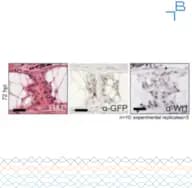
<p>Wilms tumour 1 (WT1) is a zinc finger transcription factor that plays an important role in the development of several mesodermal tissues including: kidneys; gonads; coronary vasculature; cells within the liver; part of the intestine, and adipose tissue. WT1 is expressed during development, with levels within the developing kidney seen to increase as development proceeds. Postnatally WT1 expression is down-regulated, but upregulated in response to tissue damage in both mice and zebrafish. WT1 has an early role in kidney development and a later role in maintaining kidney function. Mutations in WT1 lead to Wilms tumour, a paediatric kidney cancer, as well as developmental anomalies in the urogenital tract. In zebrafish, two paralogous wt1 genes exist, wt1a and wt1b. The wt1 genes are expressed in a similar and overlapping but not identical pattern. This antibody is raised using an HPLC-purified peptide from a zinc finger domain of zebrafish WT1, an epitope found in both WT1a and WT1b.<br>3mg/ml. Used for ELISA (1:1000) and IHC (1:25000). Reacts with Danio rerio (Zebrafish).<br>Image provided courtesy of Dr. Elizabeth Patton Laboratory. University of Edinburgh: Notochord injury triggers local and sustained wt1b expression. Immunohistochemistry of the injured area with anti-GFP and anti-WT1 antibodies. n > 10; experimental replicates = 5. Scale bar: 20mm. dpf = days post fertilization; hpi = hours post injury; H and E = haematoxylin and eosin.</p>Purity:Min. 95%Anti-HRVA16 di-uridylated antibody R1G - 0.5mg/mL
human rhinovirus (HRV) VPg uridylylation.Purity:Min. 95%