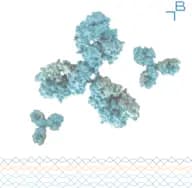
Primary Antibodies
Primary antibodies are immunoglobulins that bind specifically to an antigen of interest, allowing for the detection and quantification of proteins, peptides, or other biomolecules. These antibodies are critical tools in a wide range of applications, including Western blotting, immunohistochemistry, and ELISA. At CymitQuimica, we offer an extensive selection of high-quality primary antibodies that provide specificity and sensitivity for various research needs, including cancer, immunology, and cell biology studies.
Subcategories of "Primary Antibodies"
- Cancer Research Antibodies(3,609 products)
- Cardiovascular Antibodies(2 products)
- Developmental Biology(746 products)
- Epigenetics Antibodies(162 products)
- Immunology Antibodies(2,724 products)
- Metabolism Antibodies(278 products)
- Microbiology Antibodies(736 products)
- Signal Transduction(2,710 products)
- Tags & Cellular Markers(33 products)
Show 1 more subcategories
Found 69953 products of "Primary Antibodies"
Sort by
Purity (%)
0
100
|
0
|
50
|
90
|
95
|
100
B71 antibody
<p>The B71 antibody is a monoclonal antibody that plays a crucial role in various biological processes. It specifically targets the B7-1 protein, which is involved in immune responses and cell signaling. This antibody can be used in research and diagnostic applications to study the expression and function of B7-1. The B71 antibody has been widely used in the field of life sciences to investigate the role of B7-1 in diseases such as cancer, autoimmune disorders, and infectious diseases. Its high specificity and affinity make it an invaluable tool for researchers studying immune regulation and therapeutic development. Whether you're working on basic research or developing new therapies, the B71 antibody is an essential resource for your studies.</p>PRMT5 antibody
<p>PRMT5 antibody was raised using the N terminal of PRMT5 corresponding to a region with amino acids FDFLCMPVFHPRFKREFIQEPAKNRPGPQTRSDLLLSGRDWNTLIVGKLS</p>OR8D1 antibody
<p>The OR8D1 antibody is a monoclonal antibody that has shown promising results in various studies. It has been found to have neutralizing effects on phorbol-induced cell proliferation in carcinoma cell lines. Additionally, this antibody has been extensively used in polymerase chain reaction (PCR) experiments in Life Sciences research.</p>CD61 antibody
<p>The CD61 antibody is a highly specialized monoclonal antibody used in the field of Life Sciences. It is designed to specifically target and bind to the CD61 protein, which is found on the surface of certain cells. This antibody has been extensively studied for its cytotoxic and nephrotoxic properties, making it a valuable tool for research purposes.</p>ASS1 antibody
<p>The ASS1 antibody is a monoclonal antibody that targets the argininosuccinate synthase 1 (ASS1) protein. This protein plays a crucial role in the production of arginine, an amino acid that is essential for various biological processes. The ASS1 antibody can be used in research and diagnostic applications to study the expression and localization of ASS1 in different tissues and cell types.</p>Parkin antibody
<p>The Parkin antibody is a powerful tool used in Life Sciences research. It is a monoclonal antibody that specifically targets the Parkin protein, which plays a crucial role in cellular processes such as adiponectin regulation and growth factor signaling. This antibody has been extensively validated for use in various applications, including Western blotting, immunohistochemistry, and ELISA.</p>ATP6V1B2 antibody
<p>ATP6V1B2 antibody was raised using the middle region of ATP6V1B2 corresponding to a region with amino acids NFIAQGPYENRTVFETLDIGWQLLRIFPKEMLKRIPQSTLSEFYPRDSAK</p>SMS antibody
<p>The SMS antibody is a highly specialized monoclonal antibody that has lysine-specific and neutralizing properties. This antibody targets the IFN-gamma growth factor, which plays a crucial role in regulating immune responses. By specifically binding to IFN-gamma, the SMS antibody can modulate its activity and potentially inhibit its effects.</p>FHL2 antibody
<p>The FHL2 antibody is a powerful tool in the field of life sciences. It is an anti-CD33 antibody that has antiviral properties and can be used to neutralize the effects of certain viruses. This monoclonal antibody specifically targets CD33, a cell surface receptor involved in immune responses. By binding to CD33, the FHL2 antibody can block its interaction with other molecules, preventing viral entry into host cells.</p>TGS1 antibody
<p>TGS1 antibody was raised using a synthetic peptide corresponding to a region with amino acids IDENPASDFDDSGSLLGFKYGSGQKYGGIPNFSHRQVRYLEKNVKLKSKY</p>CBP80 antibody
<p>The CBP80 antibody is a protein that specifically targets and binds to the CBP80 protein. It has been shown to have autoantibodies against basic proteins and TNF-related apoptosis-inducing ligand (TRAIL), which are growth factors involved in cell death regulation. The CBP80 antibody can be used in various research applications, such as immunohistochemistry, Western blotting, and ELISA assays. It is commonly used to detect the presence of specific proteins in biological samples, including human serum or tissue extracts. This antibody is a valuable tool for researchers in the life sciences field who are studying various target molecules, such as alpha-fetoprotein or erythropoietin.</p>SERP1 antibody
<p>The SERP1 antibody is a polyclonal antibody that targets nuclear and adipose tissues. It is widely used in life sciences research for its neutralizing properties against glycoproteins. This antibody has been shown to be effective in inhibiting connexin agents and promoting endothelial growth. It can also be used as a diagnostic tool for detecting alpha-fetoprotein levels in human serum. The SERP1 antibody is available in both polyclonal and monoclonal forms, providing researchers with options to suit their specific needs. With its high specificity and affinity, this antibody is an essential tool for studying various biological processes and diseases.</p>NR1H3 antibody
<p>The NR1H3 antibody is a highly specialized monoclonal antibody that targets the chemokine receptor NR1H3. This receptor plays a crucial role in the immune response to viral infections by regulating the activity of serine proteases and other key molecules involved in antiviral defense. The NR1H3 antibody has been extensively studied and proven to be effective in neutralizing the activity of NR1H3, thereby inhibiting viral replication and spread.</p>Carbonic Anhydrase VIII antibody
<p>Carbonic Anhydrase VIII antibody was raised using the N terminal of CA8 corresponding to a region with amino acids YEEGVEWGLVFPDANGEYQSPINLNSREARYDPSLLDVRLSPNYVVCRDC</p>Tubulin antibody
<p>Tubulin antibody was raised in mouse using Chicken skeletal muscle cell preparation as the immunogen.</p>GLUT1 antibody
<p>The GLUT1 antibody is a highly specialized antibody that plays a crucial role in sugar transport across cell membranes. It is commonly used in various scientific and medical research applications. This antibody specifically targets the glucose transporter protein 1 (GLUT1), which is responsible for transporting glucose into cells.</p>LXN antibody
<p>The LXN antibody is a monoclonal antibody that is used to detect and study angiogenic factors. It can be used in various research applications, including immunohistochemistry and Western blotting. The LXN antibody specifically recognizes and binds to a target protein, allowing for the detection and analysis of its expression levels. This antibody has been shown to inhibit syncytia formation and block the activity of certain growth factors. Additionally, it has been found to have cholinergic activity and can modulate the function of nucleotide molecules. The LXN antibody is available as a ready-to-use solution and can be easily incorporated into experimental protocols.</p>TARS antibody
<p>TARS antibody was raised in mouse using recombinant Human Threonyl-Trna Synthetase</p>TP53 antibody
<p>The TP53 antibody is a cytotoxic antibody commonly used in Life Sciences research. It specifically targets the TP53 protein, which plays a crucial role in regulating cell growth and preventing tumor formation. The TP53 antibody has been shown to inhibit the activity of epidermal growth factor (EGF) and histidine kinases, leading to a decrease in diacylglycerol production and glycoprotein synthesis.</p>PRPF8 antibody
<p>PRPF8 antibody was raised in mouse using recombinant Human Prp8 Pre- Processing Factor 8 Homolog (Yeast) (Prpf8)</p>ADRB1 antibody
<p>The ADRB1 antibody is a neutralizing antibody that targets the adrenergic receptor beta-1 (ADRB1). It plays a crucial role in regulating various physiological processes, including heart rate and blood pressure. This antibody specifically binds to the ADRB1 receptor and inhibits its activity, thereby modulating its downstream signaling pathways.</p>CD71 antibody
<p>The CD71 antibody is a polyclonal antibody that is widely used in Life Sciences research. It is commonly used in studies involving neuroprotection, as well as the detection and quantification of active agents. The CD71 antibody has been shown to have a high affinity for methyl methanesulfonate (MMS), a genotoxic agent often used in genotoxicity assays. Additionally, this antibody can be conjugated with fluorescent calcium indicators to study intracellular calcium dynamics. It is also commonly used in the detection of autoantibodies and growth factors. The CD71 antibody has been validated in various assays, including the micronucleus test, and has shown excellent performance and specificity. Its use can provide valuable insights into cellular processes and signaling pathways.</p>INCENP antibody
<p>The INCENP antibody is a glycopeptide that is used in Life Sciences research. It is a protein that specifically targets and binds to the glycan structures on the INCENP protein. This antibody is commonly used in studies related to glycosylation, c-myc expression, and cell cycle regulation. The INCENP antibody can be used in various applications such as Western blotting, immunohistochemistry, and flow cytometry. It is available as both polyclonal and monoclonal antibodies, providing researchers with options based on their specific needs. The high-quality antibodies are produced using advanced techniques and have been validated for their performance and specificity. With its ability to detect proteins like alpha-fetoprotein, this antibody is a valuable tool for scientists studying various biological processes.</p>Fibrillarin antibody
<p>Fibrillarin antibody was raised using the N terminal of FBL corresponding to a region with amino acids GGGFHSGGNRGRGRGGKRGNQSGKNVMVEPHRHEGVFICRGKEDALVTKN</p>Influenza A antibody
<p>Influenza A antibody was raised in mouse using influenza virus type A haemagglutinin H1 as the immunogen.</p>Troponin I antibody (Cardiac)
<p>Troponin I antibody (cardiac) was raised in mouse using amino acid residues 86-90 of cTnI as the immunogen.</p>Rsk1 antibody
<p>Rsk1 antibody was raised in Mouse using a purified recombinant fragment of human Rsk1 expressed in E. coli as the immunogen.</p>DOK1 antibody
<p>DOK1 antibody was raised in rabbit using the C terminal of DOK1 as the immunogen</p>CDC37 antibody
<p>The CDC37 antibody is a growth factor that plays a crucial role in various biological processes. It is a colloidal fatty acid that regulates thrombocytopenia, chemokine production, and interleukin-6 signaling. The CDC37 antibody is a monoclonal antibody that specifically targets the family kinase inhibitor, collagen, and other growth factors. It can be used in research and diagnostic applications to study the effects of these proteins on cell signaling pathways. Additionally, polyclonal antibodies against CDC37 are available for use in various immunoassays. With its high viscosity and potent inhibitory properties, the CDC37 antibody is an essential tool for scientists studying growth factor-related processes.</p>ACOT2 antibody
<p>ACOT2 antibody was raised using the middle region of ACOT2 corresponding to a region with amino acids SPLEGPDQKSFIPVERAESTFLFLVGQDDHNWKSEFYANEACKRLQAHGR</p>Proteasome 20S α 2 antibody
<p>Affinity purified Rabbit polyclonal Proteasome 20S alpha 2 antibody</p>Troponin I antibody
<p>Troponin I antibody was raised in mouse using human troponin I as the immunogen.</p>TOMM40L antibody
<p>TOMM40L antibody was raised using a synthetic peptide corresponding to a region with amino acids GGAHASYYHRANEQVQVGVEFEANTRLQDTTFSFGYHLTLPQANMVFRGL</p>Cytokeratin 19 antibody
<p>The Cytokeratin 19 antibody is a cytotoxic agent that targets the growth factor known as Cytokeratin 19. This antibody is part of the Polyclonal Antibodies family and specifically binds to the epidermal growth factor receptor. It has been extensively used in various assays within the Life Sciences field, including studies on mcf-7 cells and androgen receptor expression. The Cytokeratin 19 antibody can also be used for diagnostic purposes, such as detecting the presence of this antigen in human serum samples. With its high specificity and affinity, this monoclonal antibody is a valuable tool for researchers and clinicians alike.</p>Cadherin 6 antibody
<p>The Cadherin 6 antibody is a monoclonal antibody that specifically targets the plasminogen receptor. It is commonly used in life sciences research for various applications. This antibody has high affinity and specificity for its target, making it an ideal tool for studying the function of Cadherin 6.</p>GST antibody
<p>The GST antibody is a highly effective inhibitor that belongs to the class of monoclonal antibodies. It is widely used in Life Sciences research for various applications. This antibody specifically targets and binds to glutathione S-transferase (GST), a glycoprotein commonly used as a fusion tag in protein purification and detection assays. The GST antibody can be immobilized on an electrode or streptavidin-coated surface for use in immunoassays, electrophoresis, or other experimental techniques. Additionally, this antibody has shown promising results in the treatment and/or prophylaxis of certain diseases, including its potential anti-angiogenesis effects. Its specificity and high affinity make it an invaluable tool for researchers studying GST-related processes or developing diagnostic tests using human serum samples.</p>UBE2N antibody
<p>UBE2N antibody was raised using a synthetic peptide corresponding to a region with amino acids VDKLGRICLDILKDKWSPALQIRTVLLSIQALLSAPNPDDPLANDVAEQW</p>NR6A1 antibody
<p>NR6A1 antibody was raised using the N terminal of NR6A1 corresponding to a region with amino acids MERDEPPPSGGGGGGGSAGFLEPPAALPPPPRNGFCQDELAELDPGTNDR</p>PAK1 antibody
<p>The PAK1 antibody is a highly specialized monoclonal antibody that targets the P21-activated kinase 1 (PAK1) protein. This antibody has been extensively studied in the field of life sciences and has shown promising results in various applications. It specifically binds to PAK1, inhibiting its activity and preventing downstream signaling pathways.</p>TRA16 antibody
<p>TRA16 antibody was raised using the N terminal Of Tra16 corresponding to a region with amino acids THSLVCPETVSRVSSVLNRNTRQFGKKHLFDQDEETCWNSDQGPSQWVTL</p>Claudin 1 antibody
<p>The Claudin 1 antibody is a highly specialized monoclonal antibody used in the field of Life Sciences. It specifically targets and binds to Claudin 1, a protein that plays a crucial role in cell adhesion and the formation of tight junctions. By binding to Claudin 1, this antibody neutralizes its function and inhibits the interaction with other molecules.</p>FKBP8 antibody
<p>The 6-Fluoro-3-indoxyl-beta-D-galactopyranoside is an antituberculosis drug that falls under the class of rifamycins. It is highly effective in treating tuberculosis infections. By binding to DNA-dependent RNA polymerase, it inhibits bacterial growth and prevents transcription and replication. This active compound has been extensively studied using a patch-clamp technique on human erythrocytes. It undergoes various metabolic transformations, including hydrolysis by esterases or glucuronidases, oxidation by cytochrome P450 enzymes, reduction by glutathione reductase, or conjugation with glucuronic acid. Additionally, it specifically targets markers expressed at high levels in Mycobacterium tuberculosis strains and inhibits cell growth in culture.</p>