Primary Antibodies
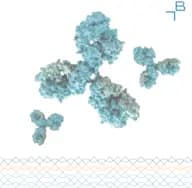
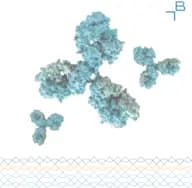
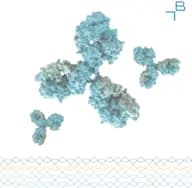
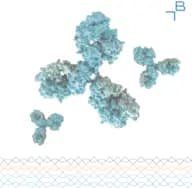
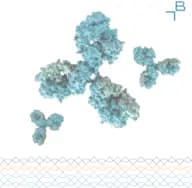
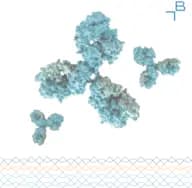
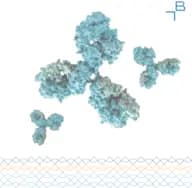
Primary antibodies are immunoglobulins that bind specifically to an antigen of interest, allowing for the detection and quantification of proteins, peptides, or other biomolecules. These antibodies are critical tools in a wide range of applications, including Western blotting, immunohistochemistry, and ELISA. At CymitQuimica, we offer an extensive selection of high-quality primary antibodies that provide specificity and sensitivity for various research needs, including cancer, immunology, and cell biology studies.
Subcategories of "Primary Antibodies"
- Cancer Research Antibodies(3,606 products)
- Cardiovascular Antibodies(2 products)
- Developmental Biology(746 products)
- Epigenetics Antibodies(162 products)
- Immunology Antibodies(2,788 products)
- Metabolism Antibodies(277 products)
- Microbiology Antibodies(736 products)
- Signal Transduction(2,710 products)
- Tags & Cellular Markers(33 products)
Show 1 more subcategories
Found 69953 products of "Primary Antibodies"
Sort by
Purity (%)
0
100
|
0
|
50
|
90
|
95
|
100
SIP1 antibody
<p>SIP1 antibody was raised using the middle region of SIP1 corresponding to a region with amino acids HSLIRQLARRCSEVRLLVDSKDDERVPALNLLICLVSRYFDQRDLADEPS</p>DGKA antibody
<p>The DGKA antibody is a highly specialized monoclonal antibody used in the field of Life Sciences. It has shown promising results in antiestrogen therapy and has been found to effectively target specific antigens. Additionally, this antibody has demonstrated the ability to regulate natriuretic levels and reduce viscosity in human serum.</p>IFN γ antibody
<p>IFN gamma antibody was raised in mouse using human interferon beta as the immunogen.</p>MCM4 antibody
<p>MCM4 antibody was raised using the N terminal of MCM4 corresponding to a region with amino acids SRVEGTPRSGVRGTPVRQRPDLGSAQKGLQVDLQSDGAAAEDIVASEQSL</p>GIRK1 antibody
<p>The GIRK1 antibody is a polyclonal antibody used in the field of Life Sciences. It specifically targets the GIRK1 protein, which plays a crucial role in various biological processes. This antibody can be used for research purposes to study the function and regulation of GIRK1.</p>RBM38 antibody
<p>RBM38 antibody was raised using the middle region of RBM38 corresponding to a region with amino acids QYPYAASPATAASFVGYSYPAAVPQALSAAAPAGTTFVQYQAPQLQPDRM</p>PEX26 antibody
<p>PEX26 antibody was raised using the N terminal of PEX26 corresponding to a region with amino acids MKSDSSTSAAPLRGLGGPLRSSEPVRAVPARAPAVDLLEEAADLLVVHLD</p>RPA2 antibody
<p>The 6-Fluoro-3-indoxyl-beta-D-galactopyranoside is a powerful antituberculosis drug belonging to the class of rifamycins. With its bactericidal activity, it effectively treats tuberculosis infections by inhibiting bacterial growth through binding to DNA-dependent RNA polymerase. This prevents transcription and replication, leading to the elimination of the infection. The active compounds in this drug have been extensively studied using advanced techniques like patch-clamp and transcription-quantitative polymerase chain. Metabolized through various transformations, including hydrolysis, oxidation, reduction, and conjugation, it specifically targets Mycobacterium tuberculosis strains and inhibits their growth. Experience the potent action of 6-Fluoro-3-indoxyl-beta-D-galactopyranoside for effective tuberculosis treatment.</p>OLIG2 antibody
<p>The OLIG2 antibody is a monoclonal antibody that specifically targets the TGF-beta protein. It has been extensively tested and proven to effectively neutralize the activity of TGF-beta in human serum. This antibody is widely used in Life Sciences research for various applications, including immunohistochemistry, western blotting, and flow cytometry.</p>HGS antibody
<p>HGS antibody is a polyclonal antibody that specifically targets endosomes. This antibody is used in various applications, including immunological research and therapeutic purposes. It has been shown to have an inhibiting effect on the antigen-presenting function of endosomes, making it a valuable tool for studying immunomodulation. Additionally, HGS antibody has demonstrated antinociceptive properties, suggesting its potential use in pain management. With its wide range of applications and proven effectiveness, HGS antibody is a crucial component in the field of Life Sciences.</p>ATM antibody
<p>The 6-Fluoro-3-indoxyl-beta-D-galactopyranoside is a powerful antituberculosis drug that falls under the class of rifamycins. It is specifically designed to combat tuberculosis infections by targeting the active compounds responsible for bactericidal activity. This drug works by binding to DNA-dependent RNA polymerase, preventing transcription and replication, ultimately inhibiting bacterial growth. Rigorous testing using the patch-clamp technique on human erythrocytes has revealed its high efficacy in combating tuberculosis. Additionally, it undergoes various metabolic transformations, including hydrolysis by esterases or glucuronidases, oxidation by cytochrome P450 enzymes, reduction by glutathione reductase, or conjugation with glucuronic acid. Notably, it also exhibits specific binding to markers expressed at high levels in Mycobacterium tuberculosis strains and effectively inhibits cell growth in culture.</p>Catalase antibody
<p>The Catalase antibody is a powerful tool used in various research applications. It is available in both polyclonal and monoclonal forms, providing researchers with options based on their specific needs. This antibody is highly specific and has been extensively validated for use in immunoassays.</p>ApoBEC3D antibody
<p>ApoBEC3D antibody was raised using a synthetic peptide corresponding to a region with amino acids SYTWLCYEVKIKRGRSNLLWDTGVFRGPVLPKRQSNHRQEVYFRFENHAE</p>AMD1 antibody
<p>AMD1 antibody was raised using the N terminal of AMD1 corresponding to a region with amino acids MGRMNSDCWYLYTLDFPESRVISQPDQTLEILMSELDPAVMDQFYMKDGV</p>IFIT3 antibody
<p>IFIT3 antibody was raised using the N terminal of IFIT3 corresponding to a region with amino acids ATMYNLLAYIKHLDGNNEAALECLRQAEELIQQEHADQAEIRSLVTWGNY</p>NFS1 antibody
<p>NFS1 antibody was raised in mouse using recombinant Human Nfs1 Nitrogen Fixation 1 Homolog (S. Cerevisiae)</p>CD13 antibody
<p>The CD13 antibody is a monoclonal antibody that targets CD13, a cell surface protein involved in various biological processes. This antibody is widely used in research and diagnostics in the field of Life Sciences. It can be used for applications such as immunohistochemistry, flow cytometry, and western blotting.</p>RAB32 antibody
<p>The RAB32 antibody is a monoclonal antibody that targets the RAB32 protein. This protein plays a crucial role in various cellular processes, including the regulation of superoxide production and growth factor signaling. The RAB32 antibody has been shown to effectively neutralize the activity of RAB32, making it a valuable tool for researchers in the field of Life Sciences.</p>ISYNA1 antibody
<p>ISYNA1 antibody was raised using the N terminal of ISYNA1 corresponding to a region with amino acids LQEQLWPHMEALRPRPSVYIPEFIAANQSARADNLIPGSRAQQLEQIRRD</p>CD90.2 antibody
<p>The CD90.2 antibody is a monoclonal antibody that specifically targets and binds to CD90.2, a cell surface protein also known as Thy1. It has been shown to be effective in blocking the activity of tumor necrosis factor-alpha (TNF-α) and interleukin-6 (IL-6), two pro-inflammatory cytokines involved in various diseases and immune responses.</p>SDSL antibody
<p>SDSL antibody was raised using the middle region of SDSL corresponding to a region with amino acids ALAAIYSGLLRRLQAEGCLPPSLTSVVVIVCGGNNINSRELQALKTHLGQ</p>KHDRBS3 antibody
<p>KHDRBS3 antibody was raised using the C terminal of KHDRBS3 corresponding to a region with amino acids EQSYDSYDNSYSTPAQSGADYYDYGHGLSEETYDSYGQEEWTNSRHKAPS</p>Flag Tag antibody
<p>The Flag Tag antibody is a highly specialized monoclonal antibody that is commonly used in Life Sciences research. It is designed to specifically bind to the Flag epitope, a small peptide sequence that is commonly fused to recombinant proteins for detection and purification purposes. This antibody has been extensively validated and optimized for various applications, including immunoblotting, immunoprecipitation, immunocytochemistry, and flow cytometry. Its high specificity and sensitivity make it an essential tool for researchers studying protein expression and localization. The Flag Tag antibody has been successfully used in a wide range of experimental techniques. For example, it has been employed in electrospinning studies to investigate the growth factors released from nanofibrous scaffolds. Additionally, it has been utilized in electrochemical impedance spectroscopy experiments to detect imatinib, a tyrosine kinase receptor inhibitor. Furthermore, this antibody has proven valuable in the field of oncolytic adenovirus research. It has been used to analyze the reactive</p>CCND3 antibody
<p>Cyclin D3 antibody was raised in mouse using human recombinant cyclin D3 protein as the immunogen.</p>Rabbit anti Dog IgG (H + L) (FITC)
<p>Rabbit anti-canine IgG (H + L) (FITC) was raised in rabbit using canine IgG (H & L) as the immunogen.</p>Calmodulin antibody
<p>Calmodulin antibody was raised in mouse using calmodulin purified from Dictyostelium discoideum as the immunogen.</p>FABP3 antibody
<p>The FABP3 antibody is a highly specialized monoclonal antibody that plays a crucial role in various biological processes. It acts as a growth factor and is involved in the immobilization of biomolecules. This antibody specifically targets FABP3, also known as alpha-fetoprotein, which is found in human serum. By binding to FABP3, this antibody exhibits cytotoxic effects, making it a valuable tool in research and diagnostics within the Life Sciences field. Its unique composition and histidine amide structure allow for precise targeting and efficient detection of FABP3. Whether you're conducting experiments or developing new therapies, the FABP3 antibody is an essential component for your scientific endeavors.</p>FBXO24 antibody
<p>FBXO24 antibody was raised using the N terminal of FBXO24 corresponding to a region with amino acids MGEKAVPLLRRRRVKRSCPSCGSELGVEEKRGKGNPISIQLFPPELVEHI</p>RCC1 antibody
<p>The RCC1 antibody is a crucial tool in the field of Life Sciences. It is an autoantibody that specifically targets RCC1, a nuclear protein involved in cell cycle regulation. This antibody is widely used as a research tool to study the function and localization of RCC1 in various cellular processes. The RCC1 antibody is available as both polyclonal and monoclonal antibodies, allowing researchers to choose the most suitable option for their experiments. It has been extensively validated for its specificity and sensitivity, making it a reliable tool for detecting and quantifying RCC1 levels in different samples. Whether you are studying cell division, chromatin organization, or other related processes, the RCC1 antibody is an essential component of your research toolkit.</p>Mouse Brain antibody (FITC)
<p>Mouse brain antibody (FITC) was raised in rabbit using brain tissue from C3H mice as the immunogen.</p>GPR158 antibody
<p>The GPR158 antibody is a monoclonal antibody that specifically targets GPR158, a cationic receptor involved in various biological processes. This antibody has been extensively tested and validated for its specificity and effectiveness in scientific research. It can be used in a wide range of applications, including immunohistochemistry, Western blotting, and ELISA.</p>CLIC6 antibody
<p>The CLIC6 antibody is a highly specific monoclonal antibody that targets β-catenin, a key protein involved in various cellular processes. This antibody has been developed using cutting-edge technology and has shown exceptional binding affinity and specificity for β-catenin. It is derived from Gynura procumbens, a plant known for its medicinal properties.</p>PER2 antibody
<p>The PER2 antibody is a highly versatile and effective tool in the field of life sciences. It belongs to the class of polyclonal antibodies and monoclonal antibodies, making it suitable for a wide range of applications. This antibody specifically targets the PER2 protein, which plays a crucial role in regulating circadian rhythms and biological processes.</p>APP antibody
<p>The APP antibody is a monoclonal antibody that specifically targets amyloid precursor protein (APP). This protein plays a crucial role in the development of Alzheimer's disease. The APP antibody has been extensively studied in the field of life sciences and has shown promising results in various research applications.</p>KIF20B antibody
<p>KIF20B antibody is a highly specific monoclonal antibody that targets the KIF20B protein. This protein is involved in various cellular processes, including cell division and intracellular transport. The KIF20B antibody can be used for research purposes to study the function and localization of this protein in different cell types.</p>MMP1 antibody
<p>The MMP1 antibody is a highly effective drug antibody that targets matrix metalloproteinase-1 (MMP-1). It works by inhibiting the activity of MMP-1, an enzyme involved in tissue remodeling and degradation. This antibody has been extensively studied and shown to have potent inhibitory effects on MMP-1 activity.</p>RNASEH1 antibody
<p>RNASEH1 antibody was raised using the middle region of RNASEH1 corresponding to a region with amino acids EVINKEDFVALERLTQGMDIQWMHVPGHSGFIGNEEADRLAREGAKQSED</p>FHL1 antibody
<p>The FHL1 antibody is a highly specialized product in the field of Life Sciences. It is designed to target and neutralize antiphospholipid antibodies found in human serum. These antibodies are known to cause various autoimmune disorders and can lead to serious health complications. The FHL1 antibody acts as an inhibitory factor, preventing the harmful effects of these antibodies on the body.</p>CCT8 antibody
<p>CCT8 antibody was raised using a synthetic peptide corresponding to a region with amino acids DMLEAGILDTYLGKYWAIKLATNAAVTVLRVDQIIMAKPAGGPKPPSGKK</p>Phencyclidine antibody
<p>Phencyclidine antibody was raised in mouse using phenocyclidine-BSA as the immunogen.</p>Smoothelin antibody
<p>The Smoothelin antibody is a highly specific antibody that targets smoothelin, a protein found in smooth muscle cells. It has been extensively tested and validated for use in various applications, including immunohistochemistry, western blotting, and flow cytometry. This antibody is produced using state-of-the-art techniques, ensuring high affinity and specificity. It can be used to study the role of smoothelin in various physiological and pathological processes, such as smooth muscle contraction, cardiovascular diseases, and cancer. The Smoothelin antibody is an essential tool for researchers in the field of life sciences who are interested in understanding the function of smooth muscle cells and developing potential therapeutic interventions.</p>MCM7 antibody
<p>MCM7 antibody was raised using the middle region of MCM7 corresponding to a region with amino acids HRIVKMNKSEDDESGAGELTREELRQIAEEDFYEKLAASIAPEIYGHEDV</p>