Primary Antibodies
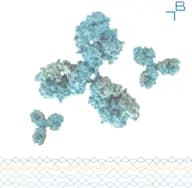
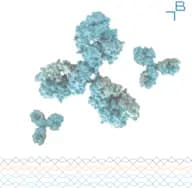
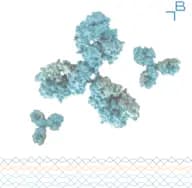
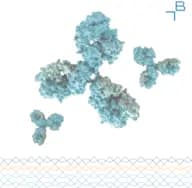
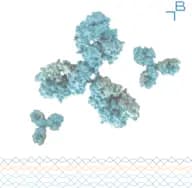
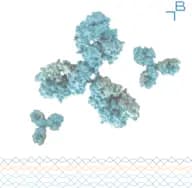
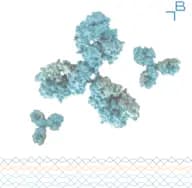
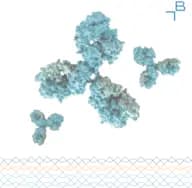
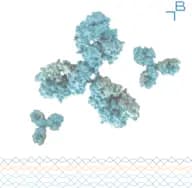
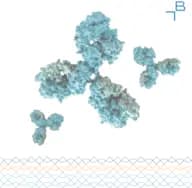
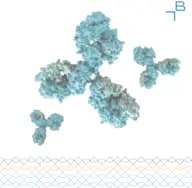
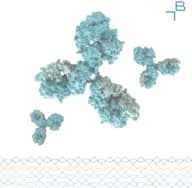
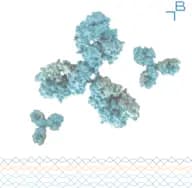
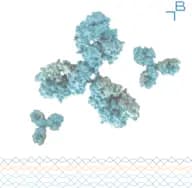
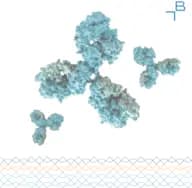
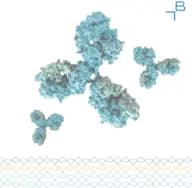
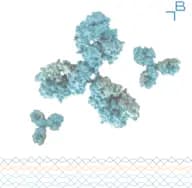
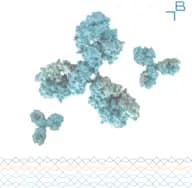
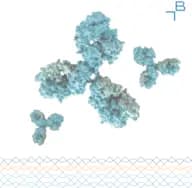
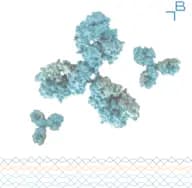
Primary antibodies are immunoglobulins that bind specifically to an antigen of interest, allowing for the detection and quantification of proteins, peptides, or other biomolecules. These antibodies are critical tools in a wide range of applications, including Western blotting, immunohistochemistry, and ELISA. At CymitQuimica, we offer an extensive selection of high-quality primary antibodies that provide specificity and sensitivity for various research needs, including cancer, immunology, and cell biology studies.
Subcategories of "Primary Antibodies"
- Cancer Research Antibodies(3,606 products)
- Cardiovascular Antibodies(2 products)
- Developmental Biology(746 products)
- Epigenetics Antibodies(162 products)
- Immunology Antibodies(2,772 products)
- Metabolism Antibodies(277 products)
- Microbiology Antibodies(736 products)
- Signal Transduction(2,710 products)
- Tags & Cellular Markers(33 products)
Show 1 more subcategories
Found 69953 products of "Primary Antibodies"
Sort by
Purity (%)
0
100
|
0
|
50
|
90
|
95
|
100
ADH6 antibody
<p>ADH6 antibody was raised using a synthetic peptide corresponding to a region with amino acids AGAARIIGVDVNKEKFKKAQELGATECLNPQDLKKPIQEVLFDMTDAGID</p>TS antibody
<p>The TS antibody is an autoantibody that specifically targets glial fibrillary acidic protein (GFAP), a protein found in the central nervous system. It is commonly used in life sciences research to study the role of GFAP in various cellular processes. The TS antibody recognizes specific epitopes on GFAP and can be used for immunohistochemistry, immunocytochemistry, and Western blotting applications. This monoclonal antibody has high specificity and sensitivity, making it a valuable tool for studying GFAP expression and function. Additionally, the TS antibody can be conjugated with different fluorophores or enzymes for multiplexing experiments or detection purposes. Whether you're researching neurodegenerative diseases or investigating cellular responses to growth factors, the TS antibody is an essential reagent for your experiments. Trust its reliability and performance to deliver accurate and reproducible results in your scientific endeavors.</p>IFN γ antibody
<p>The IFN gamma antibody is a monoclonal antibody that targets interferon gamma, a cytokine involved in immune response regulation. This antibody specifically binds to interferon gamma and neutralizes its activity, making it an effective tool for research in the field of immunology. The IFN gamma antibody has been widely used in various life science applications, including ELISA, Western blotting, flow cytometry, and immunohistochemistry. It can be conjugated with different labels such as biotin or fluorescent dyes for detection purposes. Researchers rely on this antibody to study the role of interferon gamma in various diseases and to develop potential therapeutic strategies targeting this cytokine.</p>NCOA3 antibody
<p>NCOA3 antibody was raised in Mouse using a purified recombinant fragment of NCOA3(aa1-200) expressed in E. coli as the immunogen.</p>MIP antibody
<p>The MIP antibody is a monoclonal antibody that specifically targets insulin. It belongs to the group of inhibitors used in Life Sciences research. This antibody can be used in various applications, such as immunohistochemistry, Western blotting, and ELISA assays. The MIP antibody binds to insulin with high affinity and specificity, making it an essential tool for studying insulin-related processes and diseases.</p>SMARCD1 antibody
<p>SMARCD1 antibody was raised using the middle region of Smarcd1 corresponding to a region with amino acids RKLRIFISNTFNPAKSDAEDGEGTVASWELRVEGRLLEDSALSKYDATKQ</p>PURB antibody
<p>PURB antibody was raised using the N terminal of PURB corresponding to a region with amino acids MADGDSGSERGGGGGPCGFQPASRGGGEQETQELASKRLDIQNKRFYLDV</p>GOT1 antibody
<p>GOT1 antibody was raised using a synthetic peptide corresponding to a region with amino acids MAPPSVFAEVPQAQPVLVFKLTADFREDPDPRKVNLGVGAYRTDDCHPWV</p>ITGB1BP2 antibody
<p>ITGB1BP2 antibody was raised using a synthetic peptide corresponding to a region with amino acids MSLLCRNKGCGQHFDPNTNLPDSCCHHPGVPIFHDALKGWSCCRKRTVDF</p>Prothrombin factor II antibody (HRP)
<p>Prothrombin factor II antibody (HRP) was raised in sheep using human Prothrombin purified from plasma as the immunogen.</p>HMOX2 antibody
<p>HMOX2 antibody was raised in rabbit using the N terminal of HMOX2 as the immunogen</p>ACADS antibody
<p>ACADS antibody was raised using the N terminal of ACADS corresponding to a region with amino acids ASTGVIMSVNNSLYLGPILKFGSKEQKQAWVTPFTSGDKIGCFALSEPGN</p>APCDD1 antibody
<p>The 6-Fluoro-3-indoxyl-beta-D-galactopyranoside is a potent antituberculosis drug that falls under the class of rifamycins. It is specifically designed to combat tuberculosis infections by targeting active compounds and exhibiting bactericidal activity. This drug works by binding to DNA-dependent RNA polymerase, which inhibits bacterial growth and prevents transcription and replication. Extensive research has shown its effectiveness in human erythrocytes using a patch-clamp technique. The metabolization process involves various transformations, such as hydrolysis by esterases or glucuronidases, oxidation by cytochrome P450 enzymes, reduction by glutathione reductase, or conjugation with glucuronic acid. Additionally, it binds to markers expressed in Mycobacterium tuberculosis strains and inhibits cell growth in culture.</p>DDX50 antibody
<p>DDX50 antibody was raised using a synthetic peptide corresponding to a region with amino acids EESESQKKERQKSDRRKSRHHYDSDEKSETRENGVTDDLDAPKAKKSKMK</p>GFAP antibody
<p>The GFAP antibody is a monoclonal antibody that specifically targets glial fibrillary acidic protein (GFAP). It is widely used in life sciences research for various applications, including immunohistochemistry, western blotting, and flow cytometry. This antibody has been shown to be highly specific and sensitive in detecting activated astrocytes, which express high levels of GFAP. Additionally, the GFAP antibody can be used for immobilization of interferon in human serum samples and as an anti-glial fibrillary acidic protein agent in studies involving transthyretin or connexin. With its high affinity and specificity, this monoclonal antibody is a valuable tool for researchers in the field of neuroscience and related disciplines.</p>Cytokeratin 4+5+6+8+10+13+18 antibody (FITC)
<p>Mouse monoclonal Cytokeratin 4+5+6+8+10+13+18 antibody (FITC)</p>CHKB antibody
<p>The CHKB antibody is a highly specialized product in the field of Life Sciences. It belongs to the category of activated monoclonal antibodies and is designed to target specific proteins involved in various biological processes. This antibody specifically interacts with androgen, fatty acid, and growth factor receptors, inhibiting their activity and modulating cellular signaling pathways.</p>SRRD antibody
<p>SRRD antibody was raised using the middle region of SRRD corresponding to a region with amino acids DIFNDTSVHWFPVQKLEQLSIDIWEFREEPDYQDCEDLEIIRNKREDPSA</p>BTK antibody
<p>The BTK antibody is a monoclonal antibody that plays a crucial role in the field of Life Sciences. It interacts with Bruton's tyrosine kinase (BTK) and interferes with its function. BTK is involved in various cellular processes, including the activation of B cells and the regulation of immune responses.</p>EXOSC3 antibody
<p>EXOSC3 antibody was raised using the C terminal of EXOSC3 corresponding to a region with amino acids PLEIVFGMNGRIWVKAKTIQQTLILANILEACEHMTSDQRKQIFSRLAES</p>CDK2 antibody
<p>The CDK2 antibody is a chemokine that has shown promising results as an anticancer agent. This cytotoxic antibody works by targeting and neutralizing the growth factor CDK2, which is activated in certain cancer cells. The CDK2 antibody is a monoclonal antibody, meaning it is produced from a single clone of immune cells and has high specificity for its target. It has been extensively studied in Life Sciences research and has shown great potential in inhibiting cancer cell growth. The CDK2 antibody can be used for various applications, including immobilization on electrodes for detection purposes or as a tool for studying the role of CDK2 in cell signaling pathways. With its high affinity and specificity, this monoclonal antibody holds promise as a valuable tool in cancer research and therapy.</p>Crystallin α B antibody
<p>Crystallin Alpha B antibody was raised using the C terminal of CRYAB corresponding to a region with amino acids KYRIPADVDPLTITSSLSSDGVLTVNGPRKQVSGPERTIPITREEKPAVT</p>HEYL antibody
<p>HEYL antibody was raised in mouse using recombinant Human Hairy/Enhancer-Of-Split Related With Yrpw Motif-Like</p>SHH antibody
<p>SHH antibody was raised in Mouse using a purified recombinant fragment of human SHH expressed in E. coli as the immunogen.</p>Tubulin β antibody
<p>The Tubulin beta antibody is a highly effective neutralizing agent that targets the carbonic region of the tubulin beta protein. This monoclonal antibody has been specifically designed to bind to and inhibit the activity of tubulin beta, which plays a crucial role in cell division and growth. By blocking the function of tubulin beta, this antibody prevents the formation of microtubules, which are essential for cellular processes such as mitosis and intracellular transport.</p>COL4A2 antibody
<p>The COL4A2 antibody is an inhibitory factor that targets chemokines and plays a crucial role in various biological processes. This monoclonal antibody specifically binds to annexin A2, a protein involved in cell adhesion and signal transduction. By neutralizing the activity of annexin A2, the COL4A2 antibody can inhibit the migration and invasion of cancer cells. Additionally, this antibody has been shown to have natriuretic effects, promoting diuresis and reducing blood pressure. In Life Sciences research, the COL4A2 antibody is commonly used as a tool to study autoantibodies and their role in disease development. Whether you need a monoclonal or polyclonal antibody, the COL4A2 antibody is an essential reagent for studying activated pathways and investigating potential therapeutic targets.</p>APC antibody
<p>The APC antibody is a highly specialized growth factor that plays a crucial role in various biological processes. It has been extensively studied for its ability to interact with alpha-synuclein, a protein associated with neurodegenerative disorders such as Parkinson's disease. This antibody specifically targets and binds to tyrosine residues on alpha-synuclein, inhibiting its aggregation and promoting its clearance from the brain.</p>PRDX2 antibody
<p>PRDX2 antibody was raised using the middle region of PRDX2 corresponding to a region with amino acids VLGVSVDSQFTHLAWINTPRKEGGLGPLNIPLLADVTRRLSEDYGVLKTD</p>PSMB2 antibody
<p>PSMB2 antibody was raised using a synthetic peptide corresponding to a region with amino acids YDEHEGPALYYMDYLAALAKAPFAAHGYGAFLTLSILDRYYTPTISRERA</p>α Synuclein antibody
<p>alpha Synuclein antibody was raised in Mouse using a purified recombinant fragment of SNCA expressed in E. coli as the immunogen.</p>EIF4E3 antibody
<p>EIF4E3 antibody was raised using the middle region of EIF4E3 corresponding to a region with amino acids VQVWNVNASLVGEATVLEKIYELLPHITFKAVFYKPHEEHHAFEGGRGKH</p>ADORA2A antibody
<p>The ADORA2A antibody is a powerful tool in the field of Life Sciences. It is an antibody that specifically targets the adenosine A2A receptor (ADORA2A), which plays a crucial role in various physiological processes, including the regulation of interleukin production and nuclear signaling. This antibody has been extensively studied and validated for its specificity and efficacy.</p>MYST1 antibody
<p>MYST1 antibody was raised in Mouse using a purified recombinant fragment of human MYST1 expressed in E. coli as the immunogen.</p>β Amyloid antibody
<p>The beta Amyloid antibody is a polyclonal antibody used in life sciences research. It specifically targets the beta amyloid protein, which plays a crucial role in the development of Alzheimer's disease. This antibody can be used for various applications such as immunohistochemistry and nuclear staining. By binding to the beta amyloid protein, this antibody helps researchers study its distribution and localization within cells and tissues. Additionally, it can be used as a potential medicament for targeting beta amyloid in therapeutic interventions. The beta Amyloid antibody is highly specific and exhibits strong affinity towards its target, making it an essential tool for studying the pathogenesis of Alzheimer's disease and developing novel treatment strategies.</p>RPS14 antibody
<p>RPS14 antibody was raised using the middle region of RPS14 corresponding to a region with amino acids GNRTKTPGPGAQSALRALARSGMKIGRIEDVTPIPSDSTRRKGGRRGRRL</p>SF3B1 antibody
<p>SF3B1 antibody was raised using the N terminal of SF3B1 corresponding to a region with amino acids SARKNRWDETPKTERDTPGHGSGWAETPRTDRGGDSIGETPTPGASKRKS</p>PFKP antibody
<p>The PFKP antibody is a monoclonal antibody that targets the PFKP protein. It is commonly used in life sciences research to study various aspects of cell growth and metabolism. The PFKP protein plays a crucial role in glycolysis, the process by which cells convert glucose into energy. This antibody specifically binds to the PFKP protein, inhibiting its catalase activity and preventing the production of ATP.</p>Lamin B1 antibody
<p>The Lamin B1 antibody is a highly specific monoclonal antibody that targets the lamin B1 protein. This protein plays a crucial role in maintaining the structural integrity of the cell nucleus and is involved in various cellular processes. The Lamin B1 antibody has been extensively tested and validated for its high affinity and specificity towards lamin B1.</p>