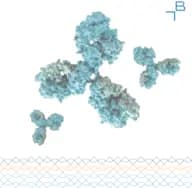
Primary Antibodies
Primary antibodies are immunoglobulins that bind specifically to an antigen of interest, allowing for the detection and quantification of proteins, peptides, or other biomolecules. These antibodies are critical tools in a wide range of applications, including Western blotting, immunohistochemistry, and ELISA. At CymitQuimica, we offer an extensive selection of high-quality primary antibodies that provide specificity and sensitivity for various research needs, including cancer, immunology, and cell biology studies.
Subcategories of "Primary Antibodies"
- Cancer Research Antibodies(3,609 products)
- Cardiovascular Antibodies(2 products)
- Developmental Biology(746 products)
- Epigenetics Antibodies(162 products)
- Immunology Antibodies(2,691 products)
- Metabolism Antibodies(278 products)
- Microbiology Antibodies(736 products)
- Signal Transduction(2,710 products)
- Tags & Cellular Markers(33 products)
Show 1 more subcategories
Found 69953 products of "Primary Antibodies"
Sort by
Purity (%)
0
100
|
0
|
50
|
90
|
95
|
100
CTNNB1 antibody
<p>The CTNNB1 antibody is a highly potent monoclonal antibody that has shown promising results in the field of Life Sciences. It acts as an active agent by specifically targeting and binding to the CTNNB1 receptor, leading to cell lysis and inhibiting its signaling pathway. This antibody has been extensively studied for its ability to inhibit the growth of cancer cells and has shown potent antitumor activity in various preclinical models.</p>KRT8 antibody
<p>The KRT8 antibody is a monoclonal antibody that specifically targets Keratin 8 (KRT8), a protein found in epithelial tissues. This antibody has been extensively studied and has shown promising results in various fields of research, particularly in the life sciences.</p>CD45RO antibody
<p>The CD45RO antibody is a monoclonal antibody that specifically targets the CD45RO protein, which is expressed on activated T cells and memory T cells. This antibody has been extensively studied in the field of Life Sciences and has shown inhibitory effects on interleukin-6 (IL-6) signaling pathway and p38 MAPK activation. It has also been shown to inhibit syncytia formation, a process involved in viral infection.</p>LPL antibody
<p>The LPL antibody is a highly specialized monoclonal antibody that targets and inhibits the activity of lipoprotein lipase (LPL), an enzyme involved in lipid metabolism. This antibody has been extensively studied for its potential therapeutic applications in various fields, including life sciences and ophthalmic formulations.</p>PODXL antibody
<p>The PODXL antibody is a highly specialized monoclonal antibody that targets the glycoprotein known as podocalyxin-like protein (PODXL). This antibody has been extensively studied in the field of Life Sciences and has shown promising results in various applications.</p>CD11c antibody
<p>The CD11c antibody is a monoclonal antibody that specifically targets the CD11c protein. This protein is involved in various biological processes, including immune response and cell adhesion. The CD11c antibody has been extensively studied for its potential applications in the field of Life Sciences.</p>SCAP antibody
<p>The SCAP antibody is a powerful tool in the field of Life Sciences. It is a monoclonal antibody that can be used for immobilization on electrodes, making it ideal for various research applications. This antibody specifically targets and binds to SCAP (Sterol Regulatory Element-Binding Protein Cleavage-Activating Protein), which plays a crucial role in cholesterol metabolism and lipid homeostasis. By targeting SCAP, researchers can gain valuable insights into the regulation of these processes.</p>GFAP antibody
<p>The GFAP antibody is a neutralizing monoclonal antibody that targets the glial fibrillary acidic protein (GFAP). GFAP is an intermediate filament protein found in astrocytes, a type of glial cell in the central nervous system. This antibody has been extensively studied in Life Sciences and has shown promising results in various applications.</p>SNRP70 antibody
<p>SNRP70 antibody was raised using a synthetic peptide corresponding to a region with amino acids RERERKEELRGGGGDMAEPSEAGDAPPDDGPPGELGPDGPDGPEEKGRDR</p>APP antibody
<p>The APP antibody is a highly reactive monoclonal antibody used in Life Sciences. It is specifically designed to detect and bind to the amyloid precursor protein (APP), a glycoprotein involved in the growth factor signaling pathway. This antibody is commonly used in research and diagnostic applications to study the role of APP in various cellular processes.</p>SQSTM1 antibody
<p>The SQSTM1 antibody is a cytotoxic agent used in Life Sciences research. It is commonly used to study the function of annexin A2, an important protein involved in various cellular processes. This antibody can be utilized in experiments such as immunofluorescence and Western blotting to detect the presence of SQSTM1 protein. Additionally, it has applications in clinical diagnostics for detecting autoantibodies against insulin and alpha-fetoprotein. The SQSTM1 antibody is available in both polyclonal and monoclonal forms, providing researchers with options based on their specific needs. With its high specificity and sensitivity, this antibody is a valuable tool for studying various biological phenomena related to insulin regulation and cell signaling pathways.</p>BHMT antibody
<p>The BHMT antibody is a highly specialized antibody that has been activated to target specific inhibitors in the body. It is commonly used in Life Sciences research and is known for its ability to bind to actin, a protein involved in cell movement and structure. This monoclonal antibody is widely used in various applications such as immunofluorescence, Western blotting, and immunohistochemistry. It can be used alongside other antibodies like phalloidin to study the dynamics of actin filaments within cells. The BHMT antibody has also been used in the detection of autoantibodies and atypical hemolytic disorders. Its versatility and specificity make it an essential tool for researchers in various fields. Additionally, this antibody does not interfere with the activity of multidrug antibiotics, making it an ideal choice for studies involving drug interactions.</p>EIF4ENIF1 antibody
<p>EIF4ENIF1 antibody was raised using the N terminal of EIF4ENIF1 corresponding to a region with amino acids TEEEPEWFSAGPTSQSETIELTGFDDKILEEDHKGRKRTRRRTASVKEGI</p>MYL6 antibody
<p>MYL6 antibody was raised using the middle region of MYL6 corresponding to a region with amino acids PMLQTVAKNKDQGTYEDYVEGLRVFDKEGNGTVMGAEIRHVLVTLGEKMT</p>Cathepsin D antibody
<p>The Cathepsin D antibody is a highly specialized nuclear antibody that acts as an inhibitor of cytotoxic growth factors. This monoclonal antibody specifically targets the epidermal growth factor and has been shown to effectively neutralize its effects. Additionally, the Cathepsin D antibody has been found to inhibit the activity of hepatocyte growth factor and family kinase inhibitors, making it an ideal therapeutic option for conditions such as thrombocytopenia. With its colloidal superoxide properties, this antibody offers a comprehensive approach to combating various diseases and promoting overall health. Polyclonal Antibodies have also been developed against tumor necrosis factor-alpha (TNF-α), further expanding the potential applications of this powerful immunological tool.</p>BIK antibody
<p>The BIK antibody is a monoclonal antibody that targets the epidermal growth factor receptor (EGFR) pathway. It is commonly used in life sciences research to study EGFR signaling and its role in various cellular processes. The BIK antibody specifically binds to activated EGFR, inhibiting its downstream signaling and preventing cell growth and proliferation. This antibody has also been shown to have anti-CD20 activity, making it a useful tool for studying B-cell biology. Additionally, the BIK antibody can be used in immunohistochemistry and Western blotting techniques to detect the presence of EGFR in tissue samples. Its high specificity and sensitivity make it an excellent choice for researchers studying the role of EGFR in cancer, development, and other biological processes.</p>OVOL1 antibody
<p>OVOL1 antibody was raised in mouse using recombinant Human Ovo-Like 1(Drosophila)</p>PTGER2 antibody
<p>The PTGER2 antibody is an inhibitor that specifically targets the PTGER2 protein, which is involved in various cellular processes. It is commonly used as a research tool to study the function and regulation of PTGER2. This antibody has been shown to be effective in blocking the activity of PTGER2 in various assays, including chloride secretion assays and interferon-stimulated gene expression assays. Additionally, it has been used to detect the presence of PTGER2 in serum samples, making it a valuable serum marker for certain diseases. The PTGER2 antibody is a polyclonal antibody that has been extensively tested and validated for its specificity and sensitivity. Its high-flux binding capacity ensures accurate and reliable results in experimental settings. Whether you are conducting research or developing new therapeutic strategies, the PTGER2 antibody is an essential tool for studying PTGER2-related pathways and mechanisms.</p>TAB2 antibody
<p>TAB2 antibody was raised in Mouse using a purified recombinant fragment of human TAB2 expressed in E. coli as the immunogen.</p>SIRPG antibody
<p>The 6-Fluoro-3-indoxyl-beta-D-galactopyranoside is a powerful antituberculosis drug from the class of rifamycins. It is specifically designed to combat tuberculosis infections. With its bactericidal activity, this compound effectively inhibits bacterial growth by binding to DNA-dependent RNA polymerase, preventing transcription and replication. Its potency has been proven through extensive testing using the patch-clamp technique on human erythrocytes. The active form of this drug undergoes various metabolic transformations such as hydrolysis by esterases or glucuronidases, oxidation by cytochrome P450 enzymes, reduction by glutathione reductase, or conjugation with glucuronic acid. Additionally, it selectively binds to markers expressed in high levels in Mycobacterium tuberculosis strains, inhibiting their growth in culture.</p>P2X1 antibody
<p>The 6-Fluoro-3-indoxyl-beta-D-galactopyranoside is a powerful antituberculosis drug that falls under the class of rifamycins. It is highly effective in treating tuberculosis infections due to its bactericidal activity. This active compound works by binding to DNA-dependent RNA polymerase, preventing transcription and replication, thereby inhibiting bacterial growth. Its efficacy has been demonstrated through extensive research using the patch-clamp technique on human erythrocytes. Metabolized through various metabolic transformations, such as hydrolysis by esterases or glucuronidases, oxidation by cytochrome P450 enzymes, reduction by glutathione reductase, or conjugation with glucuronic acid, this drug specifically targets markers expressed at high levels in Mycobacterium tuberculosis strains and inhibits their cell growth in culture.</p>LDHA antibody
<p>The LDHA antibody is a monoclonal antibody that is used in the field of life sciences. It specifically targets lactate dehydrogenase A (LDHA), an enzyme involved in the conversion of pyruvate to lactate during anaerobic glycolysis. By inhibiting LDHA, this antibody can help researchers study the role of lactate metabolism in various biological processes. Whether you're conducting research or developing new therapeutic strategies, the LDHA antibody is a valuable tool for understanding and manipulating lactate levels in cells and tissues. Trust in its specificity and reliability to advance your scientific endeavors.</p>IGF2BP2 antibody
<p>The IGF2BP2 antibody is a highly reactive and neutralizing monoclonal antibody that targets the insulin-like growth factor 2 mRNA-binding protein 2 (IGF2BP2). This antibody has been extensively studied in the field of Life Sciences and has shown great potential for therapeutic applications.</p>Aprotinin antibody
<p>The Aprotinin antibody is a highly specialized and effective tool in the field of Life Sciences. It is a monoclonal antibody that has been developed for use in bioassays, specifically targeting the adeno-associated virus (AAV). This antibody can be used to detect and quantify AAV in various samples, including human serum. Additionally, it has shown potential for use in the detection of alpha-fetoprotein and steroids.</p>GATA4 antibody
<p>The GATA4 antibody is a highly specialized monoclonal antibody that is used in the field of life sciences. It specifically targets the GATA4 protein, which plays a crucial role in various cellular processes. This antibody has been extensively studied and proven to be effective in detecting autoantibodies against GATA4.</p>SSTR1 antibody
<p>The SSTR1 antibody is a powerful tool used in Life Sciences research. It belongs to the class of antibodies and serves as a serum marker for various studies. This antibody specifically targets glycogen synthase kinase, which plays a crucial role in cell signaling and regulation. The SSTR1 antibody can be used as an active agent in experiments involving anti-mesothelin, telomerase, and methyl transferase. It is also widely used in Polyclonal Antibody assays to detect the presence of specific proteins or glycoproteins. Researchers rely on the SSTR1 antibody to explore interferon-stimulated gene expression and develop inhibitors for chloride channels. With its diverse applications, this antibody is an essential component in the development of new medicines and therapies.</p>ACADS antibody
<p>ACADS antibody was raised using the middle region of ACADS corresponding to a region with amino acids FTSGDKIGCFALSEPGNGSDAGAASTTARAEGDSWVLNGTKAWITNAWEA</p>FGF21 antibody
<p>The FGF21 antibody is a highly specialized product in the field of Life Sciences. It is an antibody that specifically targets and binds to FGF21, a growth factor involved in various biological processes. This antibody has been extensively studied and characterized for its ability to inhibit the activity of FGF21.</p>UHRF1 antibody
<p>The UHRF1 antibody is a polyclonal antibody that specifically targets the protein UHRF1. UHRF1 plays a crucial role in epigenetic regulation and is involved in various cellular processes, including DNA methylation, chromatin remodeling, and gene expression. This antibody allows for the detection and analysis of UHRF1 levels in different biological samples.</p>PKNOX1 antibody
<p>The PKNOX1 antibody is a highly specialized monoclonal antibody used in Life Sciences research. It specifically targets the PKNOX1 protein, a human protein that plays a crucial role in various cellular processes. This antibody has been extensively characterized and exhibits high specificity and affinity towards PKNOX1.</p>Caspase 7 antibody
<p>The Caspase 7 antibody is a powerful inhibitory factor used in Life Sciences research. This polyclonal antibody specifically targets the protein caspase 7, which plays a crucial role in programmed cell death (apoptosis). By blocking the activity of caspase 7, this antibody allows researchers to investigate its function and explore its potential as a therapeutic target.</p>HSPBP1 antibody
<p>The HSPBP1 antibody is a highly specialized product used in the field of Life Sciences. It is an activated antibody that has been developed to specifically target and bind to HSPBP1, a metal-binding protein involved in various cellular processes. The antibody can be used for a range of applications, including research studies, diagnostic assays, and therapeutic purposes.</p>TRKC antibody
<p>The TRKC antibody is a water-soluble monoclonal antibody used in Life Sciences. It is specifically designed to target and bind to the TRKC receptor, which plays a crucial role in various cellular processes. This antibody has been extensively tested and proven to have high affinity and specificity for its target.</p>APLP1 antibody
<p>The APLP1 antibody is a highly specialized antibody used in the field of Life Sciences. It is available in both polyclonal and monoclonal forms, making it versatile for various research purposes. This antibody specifically targets APLP1, which stands for amyloid precursor-like protein 1. APLP1 is involved in various cellular processes, including retinoid metabolism and methyl transferase activity.</p>DEP1 antibody
<p>The DEP1 antibody is a powerful inhibitory factor that belongs to the family of antibodies. It interacts with mitogen-activated proteins and annexin A2, playing a crucial role in various life sciences applications. This antibody exhibits strong DNA binding activity and has been extensively studied in the context of leukemia inhibitory factor (LIF) signaling pathways. Through its ability to regulate polymerase chain reactions and adenosine A1 receptors, the DEP1 antibody influences cytokine production and transmembrane conductance. With its high specificity and potency, this polyclonal antibody is an essential tool for researchers in the field of life sciences.</p>Goat anti Syrian Hamster IgG (H + L) (FITC)
<p>Goat anti-syrian hamster IgG (H + L) (FITC) was raised in goat using hamster IgG (H & L) as the immunogen.</p>FSH antibody
<p>FSH antibody was raised in mouse using high purity intact FSH from human pituitary gland as the immunogen.</p>Keratin 18 antibody
<p>The Keratin 18 antibody is a nanocomposite that consists of a DNA aptamer with an amino group. It can be used in Life Sciences research to study the growth factor and protein kinases involved in various cellular processes. The antibody specifically targets Keratin 18, which is a protein expressed in epithelial cells. This monoclonal antibody allows for the detection and visualization of Keratin 18 through an antigen-antibody reaction. It can be used in applications such as immunofluorescence staining, western blotting, and polymerase chain reactions (PCR). The Keratin 18 antibody is highly specific and sensitive, making it a valuable tool for researchers studying cellular biology and disease mechanisms.</p>SERPINE1 antibody
<p>The SERPINE1 antibody is a highly specialized antibody that targets the glutamate receptor. It belongs to the class of polyclonal antibodies and has been extensively studied in the field of Life Sciences. This antibody specifically interacts with β-catenin, a protein involved in cell adhesion and signaling pathways. It also inhibits the activity of colony-stimulating factors, which are important for immune response regulation. The SERPINE1 antibody has been shown to be reactive against various monoclonal antibodies, making it a versatile tool for research purposes. Additionally, it exhibits cytotoxic effects on pluripotent cells and can inhibit the activity of protein kinases, including oncogenic kinases. This monoclonal antibody is non-phosphorylated, ensuring its stability and effectiveness in experimental settings. With its wide range of applications in molecular biology and immunology research, the SERPINE1 antibody is an invaluable tool for scientists seeking to unravel complex cellular mechanisms.</p>