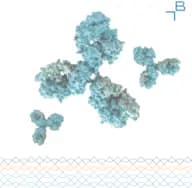
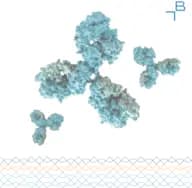
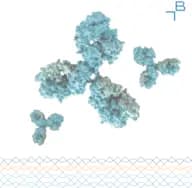
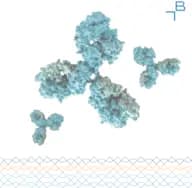
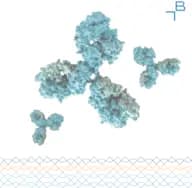
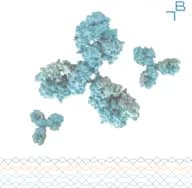
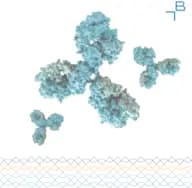
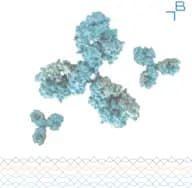
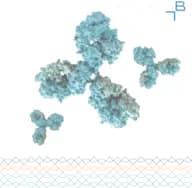
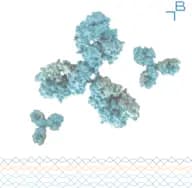
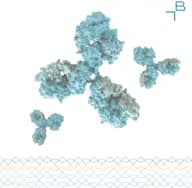
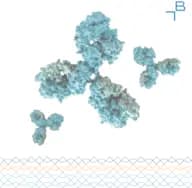
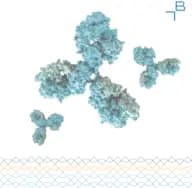
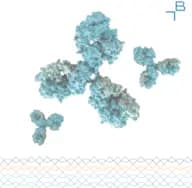
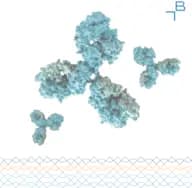
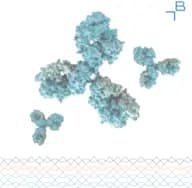
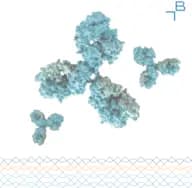
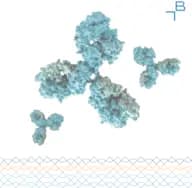
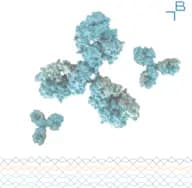
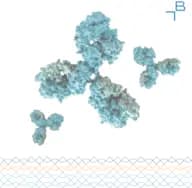
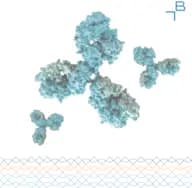
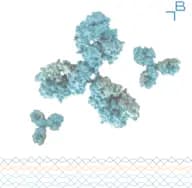
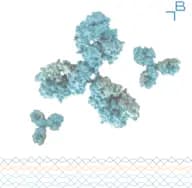
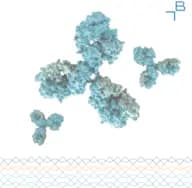
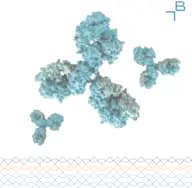
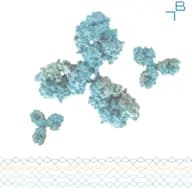
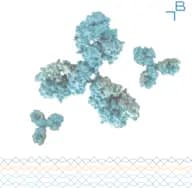
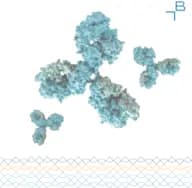
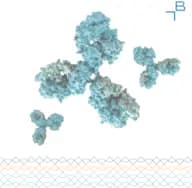
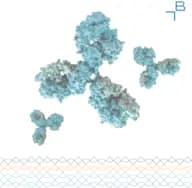
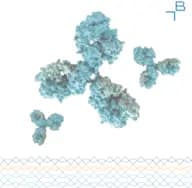
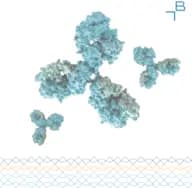
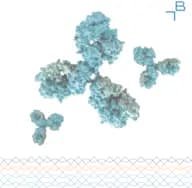
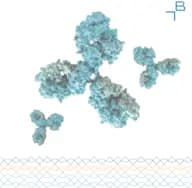
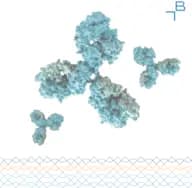
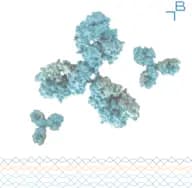
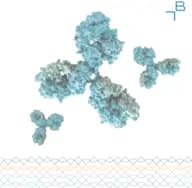
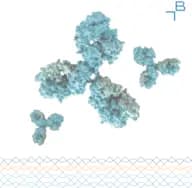
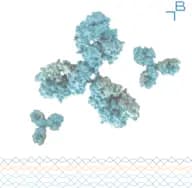
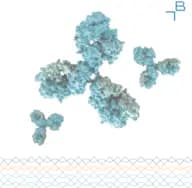
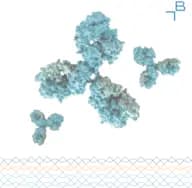
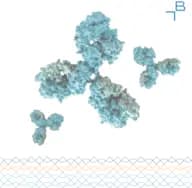
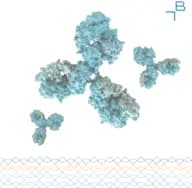
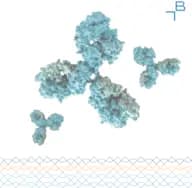
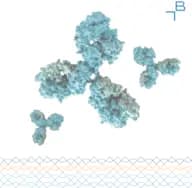
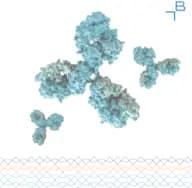
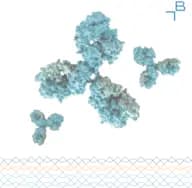
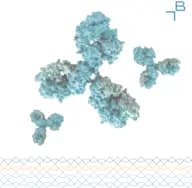
Primary Antibodies
Primary antibodies are immunoglobulins that bind specifically to an antigen of interest, allowing for the detection and quantification of proteins, peptides, or other biomolecules. These antibodies are critical tools in a wide range of applications, including Western blotting, immunohistochemistry, and ELISA. At CymitQuimica, we offer an extensive selection of high-quality primary antibodies that provide specificity and sensitivity for various research needs, including cancer, immunology, and cell biology studies.
Subcategories of "Primary Antibodies"
- Cancer Research Antibodies(3,609 products)
- Cardiovascular Antibodies(2 products)
- Developmental Biology(746 products)
- Epigenetics Antibodies(162 products)
- Immunology Antibodies(2,691 products)
- Metabolism Antibodies(278 products)
- Microbiology Antibodies(736 products)
- Signal Transduction(2,710 products)
- Tags & Cellular Markers(33 products)
Show 1 more subcategories
Found 69953 products of "Primary Antibodies"
Sort by
Purity (%)
0
100
|
0
|
50
|
90
|
95
|
100
Borrelia burgdorferi antibody (FITC)
<p>Borrelia burgdorferi antibody (FITC) was raised in rabbit using a whole cell preparation from Borrelia burgdorferi as the immunogen.</p>OTUB1 antibody
<p>The 6-Fluoro-3-indoxyl-beta-D-galactopyranoside is a powerful antituberculosis drug from the class of rifamycins. It is specifically designed to target tuberculosis infections and contains active compounds that exhibit strong bactericidal activity. This drug works by binding to DNA-dependent RNA polymerase, preventing transcription and replication, thus inhibiting bacterial growth. The effectiveness of this drug has been demonstrated through extensive research using advanced techniques such as the patch-clamp technique on human erythrocytes. Moreover, it undergoes various metabolic transformations including hydrolysis by esterases or glucuronidases, oxidation by cytochrome P450 enzymes, reduction by glutathione reductase, or conjugation with glucuronic acid. Additionally, it binds to specific markers expressed at high levels in Mycobacterium tuberculosis strains, inhibiting cell growth in culture.</p>TF antibody
<p>TF antibody is a polyclonal antibody that specifically targets transferrin (TF), a protein involved in the transport of iron in the body. This antibody has high specificity and activity, making it ideal for various applications in life sciences research. TF antibody can be used to study the role of transferrin in different biological processes, such as iron metabolism, immune response, and cell signaling pathways. Additionally, this antibody has been shown to have neutralizing properties against certain interferons, further expanding its potential applications. With its high specific activity and ability to bind to annexin A2, TF antibody offers researchers a valuable tool for investigating the function and regulation of transferrin in diverse cellular contexts.</p>ZNF19 antibody
<p>ZNF19 antibody was raised using the C terminal of ZNF19 corresponding to a region with amino acids HQHQRIHTGEKPYECSKYEKAFGTSSQLGHLEHVYSGEKPVLDICRFGLP</p>CD18 antibody
<p>CD18 antibody was raised in Mouse using a purified recombinant fragment of CD18 expressed in E. coli as the immunogen.</p>Decorin antibody
<p>The 6-Fluoro-3-indoxyl-beta-D-galactopyranoside is a powerful antituberculosis drug from the class of rifamycins. It is highly effective in treating tuberculosis infections and contains active compounds that exhibit bactericidal activity. This drug works by binding to DNA-dependent RNA polymerase, preventing transcription and replication, thus inhibiting bacterial growth. Its efficacy has been demonstrated through extensive research using the patch-clamp technique on human erythrocytes. The drug undergoes various metabolic transformations, including hydrolysis by esterases or glucuronidases, oxidation by cytochrome P450 enzymes, reduction by glutathione reductase, or conjugation with glucuronic acid. Additionally, it specifically targets markers expressed at high levels in Mycobacterium tuberculosis strains and inhibits cell growth in culture.</p>CD272 antibody
<p>The 6-Fluoro-3-indoxyl-beta-D-galactopyranoside is a powerful antituberculosis drug that falls under the class of rifamycins. It is specifically designed to treat tuberculosis infections by targeting active compounds and exhibiting bactericidal activity. This drug works by binding to DNA-dependent RNA polymerase, inhibiting transcription and replication in bacteria. Extensive research has shown its effectiveness through the patch-clamp technique on human erythrocytes. Metabolically, it undergoes hydrolysis by esterases or glucuronidases, oxidation by cytochrome P450 enzymes, reduction by glutathione reductase, or conjugation with glucuronic acid. Additionally, it binds to specific markers expressed in Mycobacterium tuberculosis strains and effectively inhibits their growth in culture.</p>STAT5A antibody
<p>The STAT5A antibody is a polyclonal antibody that is used in Life Sciences research. It specifically targets e-cadherin, a protein involved in cell adhesion and signaling. This antibody recognizes the tyrosine-phosphorylated form of STAT5A, which is important for its activation and transcriptional activity. The STAT5A antibody can be used to study the role of e-cadherin in various cellular processes, such as cell proliferation, differentiation, and migration. Additionally, this antibody has been shown to have potential therapeutic applications in cancer treatment due to its ability to inhibit the growth factor signaling pathway mediated by e-cadherin.</p>CLCN6 antibody
<p>CLCN6 antibody was raised using the C terminal of CLCN6 corresponding to a region with amino acids PQFQSISLRKIQFNFPYFRSDRDKRDFVSAGAAAGVAAAFGAPIGGTLFS</p>IFN γ antibody
<p>The IFN gamma antibody is a monoclonal antibody that specifically targets and neutralizes interferon-gamma (IFN-gamma). It is commonly used in life sciences research and diagnostic assays to detect and measure the presence of IFN-gamma. This antibody binds to the antigen with high affinity, effectively blocking its activity. The IFN gamma antibody is produced using advanced biotechnology techniques and is highly purified for optimal performance. It does not contain any excipients or additives that may interfere with experimental results. This monoclonal antibody offers exceptional specificity and sensitivity, making it an essential tool for studying immune responses and cytokine signaling pathways.</p>ARRB1 antibody
<p>The ARRB1 antibody is a potent compound that belongs to the class of Polyclonal Antibodies. It acts as a molecular marker and has inhibitory activity against heparin cofactor and serotonin. This antibody can be used as a serum marker for various medical conditions. Additionally, it has been shown to inhibit the activity of autoantibodies and other inhibitors. The ARRB1 antibody specifically targets an antigen expressed by adeno-associated viruses and polypeptides. With its strong inhibitory properties, this antibody is a valuable tool in research and therapeutic applications.</p>MAGEA1 antibody
<p>MAGEA1 antibody was raised using a synthetic peptide corresponding to a region with amino acids LVLGTLEEVPTAGSTDPPQSPQGASAFPTTINFTRQRQPSEGSSSREEEG</p>ACLY antibody
<p>ACLY antibody was raised using the middle region of ACLY corresponding to a region with amino acids SRTASFSESRADEVAPAKKAKPAMPQDSVPSPRSLQGKSTTLFSRHTKAI</p>CD19 antibody
<p>CD19 antibody was raised in Mouse using a purified recombinant fragment of human CD19 expressed in E. coli as the immunogen.</p>CDK5 antibody
<p>CDK5 antibody was raised in rabbit using the N terminal of CDK5 as the immunogen</p>VAPA antibody
<p>The VAPA antibody is a neutralizing anti-CD33 antibody that is widely used in the field of Life Sciences. It is commonly employed in immunohistochemistry studies to detect and analyze the expression of CD33, a cell surface protein involved in various cellular processes. This antibody specifically targets and binds to CD33, blocking its activity and preventing its interaction with other molecules.</p>RIOK2 antibody
<p>RIOK2 antibody was raised using a synthetic peptide corresponding to a region with amino acids IDYNRHAVVMELINGYPLCQIHHVEDPASVYDEAMELIVKLANHGLIHGD</p>Transferrin antibody
<p>Transferrin antibody is a monoclonal antibody that specifically targets and neutralizes transferrin, a protein complex involved in the transport of iron in the body. This antibody has been extensively studied in the field of Life Sciences and has shown promising results in various applications. It has the ability to bind to transferrin with high affinity, preventing its interaction with receptors and inhibiting iron uptake by cells. This can be particularly useful in conditions where excessive iron accumulation is detrimental, such as certain types of cancer or neurodegenerative diseases. Additionally, transferrin antibody has been explored for its potential use in diagnostic assays, as it can detect and quantify transferrin levels in biological samples. Its unique properties make it a valuable tool for researchers working on understanding the role of transferrin and its associated pathways in health and disease.</p>BRMS1 antibody
<p>The BRMS1 antibody is a highly reactive monoclonal antibody that has neutralizing properties. It is widely used in the field of Life Sciences for various applications. This antibody specifically binds to BRMS1, a protein involved in iron homeostasis and lipid binding. It has been shown to inhibit the activity of BRMS1, leading to changes in cellular processes such as sphingosine metabolism and inositol signaling pathways. The BRMS1 antibody has also been used as a medicament for the treatment of influenza, as it can block the interaction between influenza hemagglutinin and transferrin receptors on host cells. This antibody is available as both monoclonal and polyclonal antibodies and can be used for various research purposes, including immunoblotting, immunoprecipitation, and nuclear extract analysis.</p>RIC8B antibody
<p>RIC8B antibody was raised using a synthetic peptide corresponding to a region with amino acids KETVLKNNTMVYNGMNMEAIHVLLNFMEKRIDKGSSYREGLTPVLSLLTE</p>p90RSK antibody
<p>The p90RSK antibody is a highly specialized antibody that targets the p90 ribosomal S6 kinase (p90RSK). This antibody can be used for various applications in life sciences, including research on calmodulin, interleukin-6, adipose tissue, and amyloid proteins. It is available as both polyclonal and monoclonal antibodies.</p>TPM4 antibody
<p>The TPM4 antibody is a highly specialized monoclonal antibody that targets the antimicrobial peptide TPM4. This antibody has been extensively studied in the field of Life Sciences and has shown promising results in various applications. It has been found to neutralize parathyroid hormone-related peptide (PTHrP), a protein associated with bone metabolism and cancer progression. Additionally, the TPM4 antibody has been shown to inhibit mitogen-activated protein (MAP) kinase signaling, which plays a crucial role in cell proliferation and differentiation. This antibody can be used in antibody preparations for research purposes, such as detecting TPM4 expression levels through techniques like transcription-polymerase chain reaction (PCR). Furthermore, the TPM4 antibody has demonstrated its ability to induce apoptosis and inhibit the growth of cancer cells by targeting growth factors and cytokines like colony-stimulating factor and interleukin-6. Whether you're conducting cutting-edge research or developing innovative therapeutic strategies, the TPM4 antibody is an invaluable tool in your arsenal.</p>14-3-3 ε antibody
<p>The 6-Fluoro-3-indoxyl-beta-D-galactopyranoside is a powerful antituberculosis drug from the class of rifamycins. It is specifically designed to combat tuberculosis infections by targeting the active compounds responsible for bactericidal activity. This drug works by inhibiting bacterial growth through its binding to DNA-dependent RNA polymerase, preventing transcription and replication. Its effectiveness has been demonstrated through extensive research using advanced techniques like transcription-quantitative polymerase chain and patch-clamp technique.</p>53BP1 antibody
<p>The 6-Fluoro-3-indoxyl-beta-D-galactopyranoside is a powerful antituberculosis drug that falls under the category of rifamycins. It is highly effective in treating tuberculosis infections as it contains active compounds with bactericidal activity. Through its mechanism of action, this drug inhibits bacterial growth by binding to DNA-dependent RNA polymerase, preventing transcription and replication. Extensive research has confirmed its efficacy through various techniques like transcription-quantitative polymerase chain and patch-clamp technique. The drug undergoes several metabolic transformations, including hydrolysis by esterases or glucuronidases, oxidation by cytochrome P450 enzymes, reduction by glutathione reductase, or conjugation with glucuronic acid. Additionally, it specifically targets markers expressed in Mycobacterium tuberculosis strains and inhibits cell growth. With its impressive properties and proven effectiveness, the 6-Fluoro-3-indoxyl-beta-D</p>RFPL2 antibody
<p>RFPL2 antibody was raised using the C terminal of RFPL2 corresponding to a region with amino acids VSFFDAESGSHVYTFRSVSAEEPLRPFLAPSVPPNGDQGVLSICPLMNSG</p>SOX2 antibody
<p>The SOX2 antibody is a highly specific and reliable tool used in immunohistochemistry and other life science research applications. This monoclonal antibody binds to the SOX2 antigen, which is a nuclear DNA-binding protein involved in the regulation of embryonic development and cell differentiation. The SOX2 antibody has been extensively validated for its performance in various experimental techniques, including electrochemical impedance spectroscopy.</p>LGALS3BP antibody
<p>The LGALS3BP antibody is a highly specialized monoclonal antibody that targets the fatty acid cyclase-activating protein (LGALS3BP). It is designed to specifically bind to LGALS3BP and neutralize its activity. This antibody has been extensively studied in the field of Life Sciences and has shown promising results in various applications.</p>SREBF1 antibody
<p>SREBF1 antibody was raised in rabbit using the middle region of SREBF1 as the immunogen</p>NPM antibody
<p>Nucleolar Protein NO38 antibody was raised in mouse using Nucleolar fraction prepared from Xenopus laevis oocytes as the immunogen.</p>POLR3GL antibody
<p>POLR3GL antibody was raised in rabbit using the C terminal of POLR3GL as the immunogen</p>PTH antibody
<p>PTH antibody was raised in Mouse using a purified recombinant fragment of human PTH(aa1-115) expressed in E. coli as the immunogen.</p>KAT7 antibody
<p>The KAT7 antibody is a highly effective anti-HER2 antibody that belongs to the class of monoclonal antibodies. It can specifically target and bind to HER2 receptors, inhibiting their activity and preventing the growth of cancer cells. This antibody is widely used in the field of life sciences for various applications, including research, diagnostics, and therapeutics.</p>OTUB1 antibody
<p>OTUB1 antibody was raised using the middle region of OTUB1 corresponding to a region with amino acids KIKDLHKKYSYIRKTRPDGNCFYRAFGFSHLEALLDDSKELQRFKAVSAK</p>PAH antibody
<p>The PAH antibody is a monoclonal antibody that specifically targets the molecule of interest. It is commonly used in bioassays and research studies within the field of Life Sciences. This antibody has been proven to be highly effective in detecting and quantifying the presence of PAH (polycyclic aromatic hydrocarbon) in various samples.</p>DR3 antibody
<p>The DR3 antibody is a monoclonal antibody that specifically targets adipose tissue. It has been shown to bind to estradiol, a hormone that plays a crucial role in regulating body fat distribution. The DR3 antibody also exhibits high sensitivity to C-reactive protein, an inflammatory marker commonly used to assess cardiovascular health. Studies have demonstrated that the DR3 antibody can inhibit syncytia formation, a process involved in the spread of viral infections. Additionally, it has proteolytic activity and can act as a serine protease inhibitor. This versatile medicament holds promise for various applications in the field of medicine and research.</p>VAMP1 antibody
<p>The VAMP1 antibody is a powerful medicament that belongs to the class of Antibodies. It is specifically designed to target and neutralize the growth factor VAMP1, which plays a crucial role in various cellular processes. This antibody binds to the messenger RNA (mRNA) of VAMP1, preventing its translation into protein and inhibiting its function.</p>APE1 antibody
<p>The APE1 antibody is a highly specific monoclonal antibody that targets endoplasmic reticulum aminopeptidase 1 (APE1). It is used in Life Sciences research to study the role of APE1 in various cellular processes. This antibody has been shown to neutralize the activity of APE1, which is involved in DNA repair and redox regulation. It can be used for immunoprecipitation, Western blotting, and immunofluorescence experiments. The APE1 antibody has been validated using mass spectrometric methods and has been shown to specifically recognize APE1 in nuclear extracts. It can also be immobilized on an electrode for use in electrochemical assays. With its high specificity and versatility, the APE1 antibody is an essential tool for researchers studying growth factors, signal transduction pathways, and DNA repair mechanisms.</p>CD29 antibody
<p>The CD29 antibody is a highly reactive monoclonal antibody that specifically targets the serum albumin protein. It acts as an agonist protein, activating various cellular processes. This antibody has been shown to bind to thyroglobulin and growth factors, making it an essential tool in cell antigen research. It is commonly used in the field of Life Sciences for studying autoantibodies and chemokines.</p>CACNB1 antibody
<p>CACNB1 antibody was raised using the N terminal of CACNB1 corresponding to a region with amino acids DWWIGRLVKEGCEVGFIPSPVKLDSLRLLQEQKLRQNRLGSSKSGDNSSS</p>Lp (a) antibody
<p>Lp (a) antibody was raised in rabbit using the middle region of LPA as the immunogen</p>