Primary Antibodies
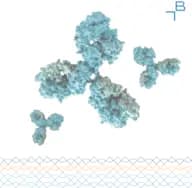
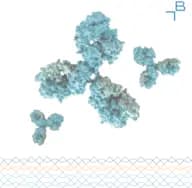
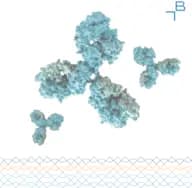
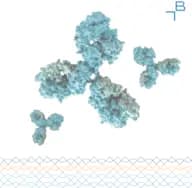
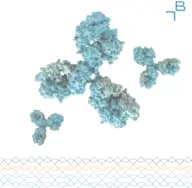
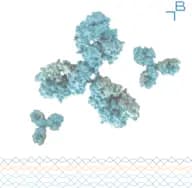
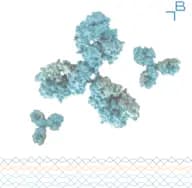
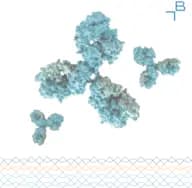
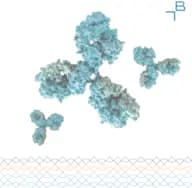
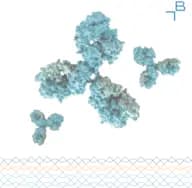
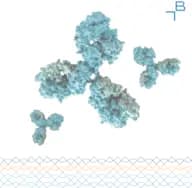
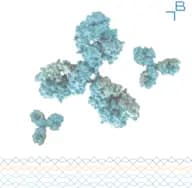
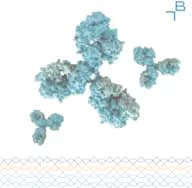
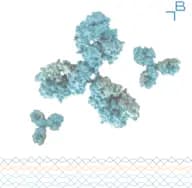
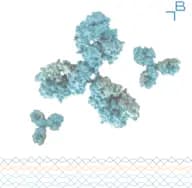
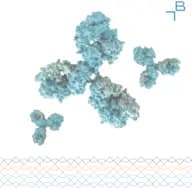
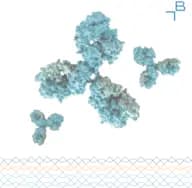
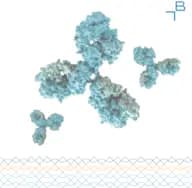
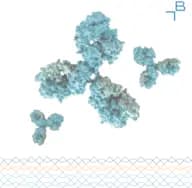
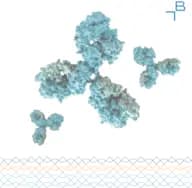
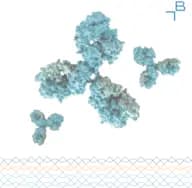
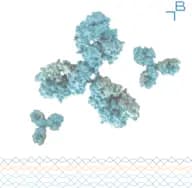
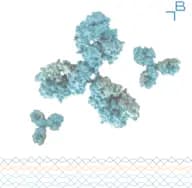
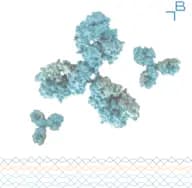
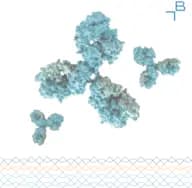
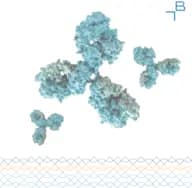
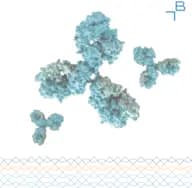
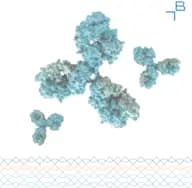
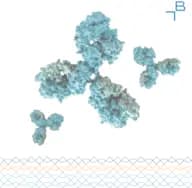
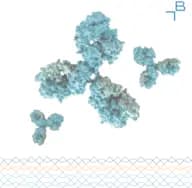
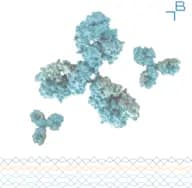
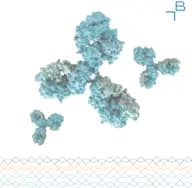
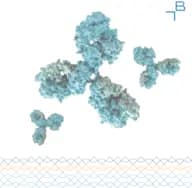
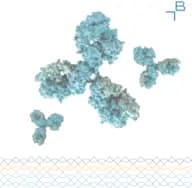
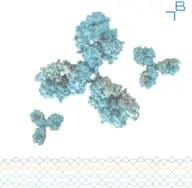
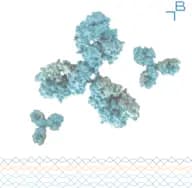
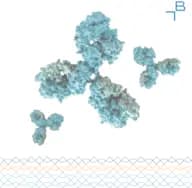
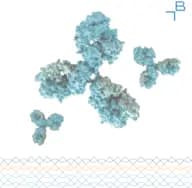
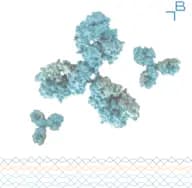
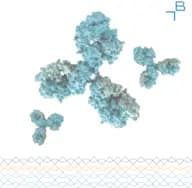
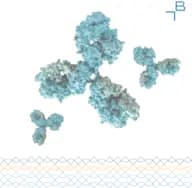
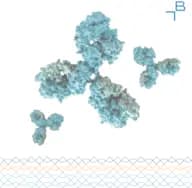
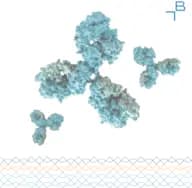
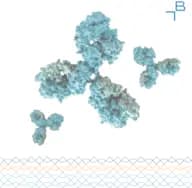
Primary antibodies are immunoglobulins that bind specifically to an antigen of interest, allowing for the detection and quantification of proteins, peptides, or other biomolecules. These antibodies are critical tools in a wide range of applications, including Western blotting, immunohistochemistry, and ELISA. At CymitQuimica, we offer an extensive selection of high-quality primary antibodies that provide specificity and sensitivity for various research needs, including cancer, immunology, and cell biology studies.
Subcategories of "Primary Antibodies"
- Cancer Research Antibodies(3,609 products)
- Cardiovascular Antibodies(2 products)
- Developmental Biology(746 products)
- Epigenetics Antibodies(162 products)
- Immunology Antibodies(2,394 products)
- Metabolism Antibodies(278 products)
- Microbiology Antibodies(736 products)
- Signal Transduction(2,710 products)
- Tags & Cellular Markers(33 products)
Show 1 more subcategories
Found 75081 products of "Primary Antibodies"
Sort by
Purity (%)
0
100
|
0
|
50
|
90
|
95
|
100
SHH antibody
<p>The SHH antibody is a monoclonal antibody that targets the Sonic Hedgehog (SHH) protein. This protein is involved in various cellular processes, including cell growth and differentiation. The SHH antibody specifically binds to the SHH protein, neutralizing its activity.</p>GLUR1 antibody
<p>The GLUR1 antibody is a reactive antibody that specifically targets the IL-1 receptor, an important component of the interleukin signaling pathway. This antibody is widely used in Life Sciences research to study the role of IL-1 in various biological processes. Additionally, it has been shown to inhibit the production of pancreatic glucagon, a hormone involved in regulating blood sugar levels.</p>LCN2 antibody
<p>The LCN2 antibody is a highly specialized antibody that targets sclerostin. It is available in both polyclonal and monoclonal forms, offering a wide range of options for researchers. The antibody has been shown to neutralize prorenin and inhibit glucose-6-phosphate activation, making it a valuable tool for studying these processes. Additionally, the LCN2 antibody can be used in various assays and experiments, thanks to its high specificity and affinity for the target antigen. Its activated colloidal gold conjugate allows for easy visualization and detection using techniques such as immunohistochemistry or Western blotting. Researchers can rely on the LCN2 antibody to provide accurate and reliable results in their studies.</p>TNFSF13B antibody
The TNFSF13B antibody is a monoclonal antibody that specifically targets transthyretin. It binds to transthyretin and prevents it from interacting with its binding proteins, thereby inhibiting its activity. This antibody has been shown to be effective in various applications, including electrode immobilization for the detection of transthyretin in human hepatocytes, as well as in research in the field of Life Sciences. Additionally, the TNFSF13B antibody can be used in combination with other antibodies, such as anti-glial fibrillary acidic protein (GFAP) antibodies, to study cytotoxic effects and cellular responses. Its high specificity and affinity make it a valuable tool for researchers working with transthyretin-related studies.COMMD1 antibody
<p>COMMD1 antibody was raised in rabbit using the C terminal of COMMD1 as the immunogen</p>SIGLEC7 antibody
<p>The SIGLEC7 antibody is an inhibitory antibody that targets adeno-associated viruses. It is a polyclonal antibody that specifically binds to the SIGLEC7 receptor, which is expressed on various immune cells. This antibody has been shown to inhibit the activity of serotonin, a neurotransmitter involved in regulating mood and behavior. In addition, it can also bind to antigenic proteins and block their interaction with other molecules. The SIGLEC7 antibody has potential applications in life sciences research and the development of therapeutic antibodies for various diseases. It can be used as a tool to study the function of SIGLEC7 and its role in immune responses. Furthermore, this antibody may have clinical implications as a potential treatment for autoimmune disorders or as a targeted therapy for certain types of cancer.</p>ID3 antibody
<p>The ID3 antibody is a highly specialized monoclonal antibody that targets alpha-synuclein, c-myc, and other activated proteins in the Life Sciences field. It has been extensively studied for its cytotoxic effects on cancer cells and has shown promising results in preclinical trials. The ID3 antibody is similar to trastuzumab, another monoclonal antibody used in the treatment of certain types of cancer. It works by binding to specific growth factors such as interleukin-6 and endothelial growth factor, inhibiting their activity and preventing tumor growth. Additionally, the ID3 antibody has been found to reduce viscosity in blood samples, making it a valuable tool for diagnostic purposes. Its potential applications extend beyond oncology, as it may also be useful in studying epidermal growth and other biological processes.</p>PPBP antibody
The PPBP antibody is a highly specialized neutralizing monoclonal antibody. It belongs to the class of globulins and exhibits cytotoxic and cyclase-activating properties. This antibody is used for the detection and quantification of PPBP (Platelet Basic Protein) in various biological samples. It can be used in research applications, such as ELISA (Enzyme-Linked Immunosorbent Assay), immunohistochemistry, and Western blotting.HPGD antibody
<p>HPGD antibody was raised in rabbit using the N terminal of HPGD as the immunogen</p>GRSF1 antibody
<p>GRSF1 antibody was raised using the middle region of GRSF1 corresponding to a region with amino acids IRNGENGIHFLLNRDGKRRGDALIEMESEQDVQKALEKHRMYMGQRYVEV</p>IGF1R antibody
<p>IGF1R antibody was raised in Mouse using a purified recombinant fragment of IGF1R expressed in E. coli as the immunogen.</p>UBE2D2 antibody
<p>UBE2D2 antibody was raised using a synthetic peptide corresponding to a region with amino acids SQWSPALTISKVLLSICSLLCDPNPDDPLVPEIARIYKTDREKYNRIARE</p>RAB25 antibody
<p>RAB25 antibody was raised in Mouse using a purified recombinant fragment of RAB25 expressed in E. coli as the immunogen.</p>RP11-269F19.9 antibody
<p>RP11-269F19.9 antibody was raised using the middle region of RP11-269F19.9 corresponding to a region with amino acids VCSVVLGPRAGQGVHVVSRALWDVARDGLASVSYTNTSLFAVATVHGLYC</p>CD49d Antibody
<p>The CD49d Antibody is a highly effective monoclonal antibody that targets the CD49d protein, which is expressed in various cells including MCF-7 cells. This antibody has been extensively studied and proven to be an active agent in inhibiting the growth and proliferation of cancer cells. It works by binding to the CD49d protein on the cell surface and blocking its function, thereby preventing the activation of pathways involved in cell survival and growth.</p>Annexin V antibody
<p>The Annexin V antibody is a polyclonal antibody that is widely used in Life Sciences research. It specifically targets the fatty acid-binding protein Annexin V, which plays a crucial role in various cellular processes. This antibody is commonly used in assays to detect and quantify Annexin V expression levels.</p>p0071 antibody
<p>p0071 antibody was raised in mouse using synthetic peptide of human Plakophilin 4 as the immunogen.</p>ACBD7 antibody
<p>ACBD7 antibody was raised using the N terminal of ACBD7 corresponding to a region with amino acids MALQADFDRAAEDVRKLKARPDDGELKELYGLYKQAIVGDINIACPGMLD</p>IMMP2L antibody
<p>IMMP2L antibody was raised in rabbit using the N terminal of IMMP2L as the immunogen</p>ERN1 antibody
<p>ERN1 antibody was raised in Mouse using a purified recombinant fragment of human ERN1(aa282-433) expressed in E. coli as the immunogen.</p>RHBDD1 antibody
<p>RHBDD1 antibody was raised in rabbit using the C terminal of RHBDD1 as the immunogen</p>Galectin 1 antibody
<p>Galectin 1 antibody is a powerful inhibitor that targets Galectin 1, a protein involved in various cellular processes. This antibody specifically binds to Galectin 1 and prevents its interaction with other molecules, thereby inhibiting its function. It has been widely used in Life Sciences research to study the role of Galectin 1 in different biological contexts.</p>Annexin IV antibody
<p>The Annexin IV antibody is a powerful tool in the field of Life Sciences. This antibody specifically targets Annexin IV, a protein involved in various cellular processes such as apoptosis, cell signaling, and immune response. It has been shown to be reactive against the circumsporozoite protein, making it a valuable tool for studying malaria parasites.</p>Donkey anti Chicken IgY (H + L) (biotin)
<p>Donkey anti-chicken IgY (H + L) (biotin) was raised in donkey using chicken IgG (H & L) as the immunogen.</p>ZO1 antibody
<p>The ZO1 antibody is a highly specialized antibody that plays a crucial role in various biological processes. It contains an amino group that allows it to interact with specific growth factors and proteins in the body. This antibody is particularly known for its anti-HER2 properties, making it a valuable tool in cancer research and treatment.</p>Troponin I antibody
<p>Troponin I antibody is a highly specialized monoclonal antibody used in the field of Life Sciences. This antibody has the unique ability to neutralize troponin I, a protein involved in muscle contraction. By targeting and binding to troponin I, this antibody can inhibit its function, providing researchers with a valuable tool for studying the role of troponin I in various biological processes.</p>TMED4 antibody
<p>TMED4 antibody was raised using the N terminal of TMED4 corresponding to a region with amino acids LRAMGRQALLLLALCATGAQGLYFHIGETEKRCFIEEIPDETMVIGNYRT</p>GABRD antibody
<p>The GABRD antibody is a diagnostic biomarker that has shown promising results in various medical applications. This antibody specifically targets the GABRD protein, which plays a crucial role in neurotransmission and neuronal signaling. By binding to GABRD, this antibody can be used to detect abnormal levels of the protein, indicating potential neurological disorders or imbalances.</p>CAV2 antibody
<p>CAV2 antibody was raised in rabbit using the N terminal of CAV2 as the immunogen</p>Peripherin antibody
<p>The Peripherin antibody is a highly specific monoclonal antibody that targets the chemokine peripherin. It has been widely used in research to study amyloid plaque formation and the development of inhibitors for various diseases. This antibody exhibits cytotoxic properties, making it an effective tool for studying cellular processes and signaling pathways. Additionally, it can be used to detect and quantify growth factors such as TGF-beta and low-molecular-weight proteins like endothelial growth factor (EGF). With its high affinity and specificity, the Peripherin antibody is a valuable asset in life sciences research.</p>LRRC51 antibody
<p>LRRC51 antibody was raised using the N terminal of LRRC51 corresponding to a region with amino acids MNKRDYMNTSVQEPPLDYSFRSIHVIQDLVNEEPRTGLRPLKRSKSGKSL</p>C1GALT1C1 antibody
<p>C1GALT1C1 antibody was raised in Rabbit using Human C1GALT1C1 as the immunogen</p>Fatty Acid Synthase antibody
<p>The Fatty Acid Synthase antibody is a powerful tool used in life sciences research. It is an antibody that specifically targets and binds to Fatty Acid Synthase (FAS), an enzyme involved in the synthesis of fatty acids. This antibody is available as both polyclonal and monoclonal antibodies, offering researchers flexibility in their experimental design.</p>Factor X antibody
<p>Factor X antibody is a monoclonal antibody used in Life Sciences to neutralize Factor X, an important protein involved in blood clotting. This antibody specifically targets and binds to Factor X, preventing its activation and inhibiting the blood clotting process. It has been shown to effectively neutralize Factor X in rat liver microsomes. The binding of this antibody to Factor X occurs through interactions with specific amino acids, such as glutamate and glycine residues. Factor X antibody is widely used in research and diagnostic applications, including the study of blood coagulation disorders and the development of therapeutic interventions.</p>NNMT antibody
<p>The NNMT antibody is a monoclonal antibody that targets the Nicotinamide N-Methyltransferase (NNMT) protein. This antibody has been widely used in Life Sciences research to study the role of NNMT in various biological processes. It has been shown to be effective in detecting NNMT expression in different cell lines, including MCF-7 breast cancer cells. The NNMT antibody can also be used for immunohistochemistry and western blotting applications, allowing for the detection and quantification of NNMT levels in tissues and cell lysates. Additionally, this antibody has been used to investigate the relationship between NNMT and cholinergic signaling pathways, as well as its potential as a therapeutic target for conditions such as thrombocytopenia and cancer. With its high specificity and sensitivity, the NNMT antibody is a valuable tool for researchers studying the function and regulation of NNMT in various biological contexts.</p>TNFRSF10B antibody
<p>TNFRSF10B antibody was raised in rabbit using the N terminal of TNFRSF10B as the immunogen</p>NR0B2 antibody
NR0B2 antibody was raised using the N terminal of NR0B2 corresponding to a region with amino acids STSQPGACPCQGAASRPAILYALLSSSLKAVPRPRSRCLCRQHRPVQLCACaspase 6 antibody
<p>The Caspase 6 antibody is a highly specialized affinity ligand that belongs to the class of polyclonal antibodies. It is specifically designed for the isolation and detection of retinal caspase 6, an important enzyme involved in programmed cell death. This antibody is commonly used in life sciences research, particularly in studies related to apoptosis and cell death pathways. It can be used as a powerful tool for investigating caspase 6 inhibitors, nuclear intermediates, and potential therapeutic medicines. The Caspase 6 antibody has been extensively tested and validated for its specificity and sensitivity, making it a reliable choice for researchers working with caspase 6-related studies. Whether you are conducting experiments or developing diagnostic tests, this antibody will provide accurate and reproducible results. With its high-quality formulation and solubilized format, it offers ease of use and convenience in various applications. Trust the Caspase 6 antibody to enhance your research capabilities and advance your scientific discoveries.</p>PPID antibody
<p>PPID antibody was raised using a synthetic peptide corresponding to a region with amino acids CPFHRIIKKFMIQGGDFSNQNGTGGESIYGEKFEDENFHYKHDREGLLSM</p>CD69 antibody
<p>CD69 antibody was raised in Mouse using a purified recombinant fragment of human CD69 expressed in E. coli as the immunogen.</p>TIRAP antibody
<p>The TIRAP antibody is a highly specialized monoclonal antibody that targets a specific cell antigen found in human serum. This antibody has been extensively researched and developed in the field of Life Sciences. It has been shown to have neutralizing properties against certain androgen-independent cells, making it a potential therapeutic option for various conditions.</p>TRPC3 antibody
<p>The TRPC3 antibody is a powerful tool for researchers in the field of Life Sciences. It specifically targets and binds to the epidermal growth factor, which is known to play a crucial role in various cellular processes. This antibody can be used to detect activated epidermal growth factor and has been extensively studied for its ability to inhibit protease activity.</p>CD157 antibody
<p>CD157 antibody is a monoclonal antibody that targets β-catenin, interferon, and endothelial growth factor. It acts as a neutralizing agent against these growth factors and inhibitors. This antibody has been extensively studied in the field of life sciences and is commonly used in research and diagnostic applications. CD157 antibody specifically binds to CD157, a cell surface molecule that plays a crucial role in various cellular processes including cell adhesion, migration, and signaling. It can be used as a valuable tool for studying the function of CD157 in different biological systems. Additionally, this antibody can be utilized for testing compounds or evaluating the nuclear localization of specific proteins. With its high specificity and reliability, CD157 antibody is an essential component for any laboratory or research facility working with cellular biology or immunology.</p>Striatin antibody
<p>The Striatin antibody is a polyclonal antibody that specifically targets the protein known as Striatin. This antibody is commonly used in life sciences research, particularly in immunohistochemistry studies. It has been shown to be effective in detecting and quantifying the expression of Striatin in various tissues and cell types.</p>CSDC2 antibody
<p>CSDC2 antibody was raised using the N terminal of CSDC2 corresponding to a region with amino acids MTSESTSPPVVPPLHSPKSPVWPTFPFHREGSRVWERGGVPPRDLPSPLP</p>