Primary Antibodies
Primary antibodies are immunoglobulins that bind specifically to an antigen of interest, allowing for the detection and quantification of proteins, peptides, or other biomolecules. These antibodies are critical tools in a wide range of applications, including Western blotting, immunohistochemistry, and ELISA. At CymitQuimica, we offer an extensive selection of high-quality primary antibodies that provide specificity and sensitivity for various research needs, including cancer, immunology, and cell biology studies.
Subcategories of "Primary Antibodies"
- Cancer Research Antibodies(3,620 products)
- Cardiovascular Antibodies(2 products)
- Developmental Biology(751 products)
- Epigenetics Antibodies(162 products)
- Immunology Antibodies(2,764 products)
- Metabolism Antibodies(279 products)
- Microbiology Antibodies(736 products)
- Signal Transduction(2,717 products)
- Tags & Cellular Markers(33 products)
Show 1 more subcategories
Found 75326 products of "Primary Antibodies"
Sort by
Purity (%)
0
100
|
0
|
50
|
90
|
95
|
100
IMA8 rabbit pAb
The transport of molecules between the nucleus and the cytoplasm in eukaryotic cells is mediated by the nuclear pore complex (NPC), which consists of 60-100 proteins. Small molecules (up to 70 kD) can pass through the nuclear pore by nonselective diffusion while larger molecules are transported by an active process. The protein encoded by this gene belongs to the importin alpha family, and is involved in nuclear protein import, but exhibits different nuclear localization signal binding specificity compared to other members of the family. A pseudogene of this gene has been defined on chromosome 5. [provided by RefSeq, Jul 2016],Phospho-Akt (S473) (6F8) Mouse mAb
Akt, is a serine/threonine-specific protein kinase that plays a key role in multiple cellular processes such as glucose metabolism, apoptosis, cell proliferation, transcription and cell migration. Akt1 is involved in cellular survival pathways, by inhibiting apoptotic processes. Akt1 is also able to induce protein synthesis pathways, and is therefore a key signaling protein in the cellular pathways that lead to skeletal muscle hypertrophy, and general tissue growth.Ephrin-A3 rabbit pAb
This gene encodes a member of the ephrin (EPH) family. The ephrins and EPH-related receptors comprise the largest subfamily of receptor protein-tyrosine kinases and have been implicated in mediating developmental events, especially in the nervous system and in erythropoiesis. Based on their structures and sequence relationships, ephrins are divided into the ephrin-A (EFNA) class, which are anchored to the membrane by a glycosylphosphatidylinositol linkage, and the ephrin-B (EFNB) class, which are transmembrane proteins. This gene encodes an EFNA class ephrin. [provided by RefSeq, Jul 2008],NFκB-p65 (phospho Ser276) rabbit pAb
NF-kappa-B is a ubiquitous transcription factor involved in several biological processes. It is held in the cytoplasm in an inactive state by specific inhibitors. Upon degradation of the inhibitor, NF-kappa-B moves to the nucleus and activates transcription of specific genes. NF-kappa-B is composed of NFKB1 or NFKB2 bound to either REL, RELA, or RELB. The most abundant form of NF-kappa-B is NFKB1 complexed with the product of this gene, RELA. Four transcript variants encoding different isoforms have been found for this gene. [provided by RefSeq, Sep 2011],TSLP rabbit pAb
function:Cytokine that induces the release of T cell-attracting chemokines from monocytes and, in particular, enhances the maturation of CD11c(+) dendritic cells. Can induce allergic inflammation by directly activating mast cells.,induction:Released by primary epithelial cells in response to certain microbial products, physical injury, or inflammatory cytokines.,subunit:Interacts with a receptor composed of CRLF2 and IL7R.,tissue specificity:Expressed in a number of tissues including heart, liver and prostate.,RAGE rabbit pAb
The advanced glycosylation end product (AGE) receptor encoded by this gene is a member of the immunoglobulin superfamily of cell surface receptors. It is a multiligand receptor, and besides AGE, interacts with other molecules implicated in homeostasis, development, and inflammation, and certain diseases, such as diabetes and Alzheimer's disease. Many alternatively spliced transcript variants encoding different isoforms, as well as non-protein-coding variants, have been described for this gene (PMID:18089847). [provided by RefSeq, May 2011],RUVB1 rabbit pAb
This gene encodes a protein that has both DNA-dependent ATPase and DNA helicase activities and belongs to the ATPases associated with diverse cellular activities (AAA+) protein family. The encoded protein associates with several multisubunit transcriptional complexes and with protein complexes involved in both ATP-dependent remodeling and histone modification. Alternate splicing results in multiple transcript variants. [provided by RefSeq, Jan 2016],PTP1B (phospho Ser50) rabbit pAb
The protein encoded by this gene is the founding member of the protein tyrosine phosphatase (PTP) family, which was isolated and identified based on its enzymatic activity and amino acid sequence. PTPs catalyze the hydrolysis of the phosphate monoesters specifically on tyrosine residues. Members of the PTP family share a highly conserved catalytic motif, which is essential for the catalytic activity. PTPs are known to be signaling molecules that regulate a variety of cellular processes including cell growth, differentiation, mitotic cycle, and oncogenic transformation. This PTP has been shown to act as a negative regulator of insulin signaling by dephosphorylating the phosphotryosine residues of insulin receptor kinase. This PTP was also reported to dephosphorylate epidermal growth factor receptor kinase, as well as JAK2 and TYK2 kinases, which implicated the role ofLIN7A rabbit pAb
The protein encoded by this gene is involved in generating and maintaining the asymmetric distribution of channels and receptors at the cell membrane. The encoded protein also is required for the localization of some specific channels and can be part of a protein complex that couples synaptic vesicle exocytosis to cell adhesion in the brain. [provided by RefSeq, May 2016],MYPC2 rabbit pAb
This gene encodes a member of the myosin-binding protein C family. This family includes the fast-, slow- and cardiac-type isoforms, each of which is a myosin-associated protein found in the cross-bridge-bearing zone (C region) of A bands in striated muscle. The protein encoded by this locus is referred to as the fast-type isoform. Mutations in the related but distinct genes encoding the slow-type and cardiac-type isoforms have been associated with distal arthrogryposis, type 1 and hypertrophic cardiomyopathy, respectively. [provided by RefSeq, Jul 2012],VPS18 rabbit pAb
Vesicle mediated protein sorting plays an important role in segregation of intracellular molecules into distinct organelles. Genetic studies in yeast have identified more than 40 vacuolar protein sorting (VPS) genes involved in vesicle transport to vacuoles. This gene encodes the human homolog of yeast class C Vps18 protein. The mammalian class C Vps proteins are predominantly associated with late endosomes/lysosomes, and like their yeast counterparts, may mediate vesicle trafficking steps in the endosome/lysosome pathway. [provided by RefSeq, Jul 2008],BRSK1 rabbit pAb
catalytic activity:ATP + a protein = ADP + a phosphoprotein.,cofactor:Magnesium.,enzyme regulation:Activated by phosphorylation on Thr-205 by STK11 in complex with STE20-related adapter-alpha (STRAD alpha) pseudo kinase and CAB39.,function:Required for the polarization of forebrain neurons which endows axons and dendrites with distinct properties, possibly by locally regulating phosphorylation of microtubule-associated proteins (By similarity). May be involved in the regulation of G2/M arrest in response to UV- or methyl methane sulfonate (MMS)-induced, but not IR-induced, DNA damage. Phosphorylates WEE1 and CDC25B in vitro and CDC25C in vitro and in vivo.,similarity:Belongs to the protein kinase superfamily. CAMK Ser/Thr protein kinase family. AMPK subfamily.,similarity:Contains 1 protein kinase domain.,similarity:Contains 1 UBA domain.,subcellular location:Nuclear in the absence of DNA damage. Translocated to the nucleus in response to UV- or MMS-induced DNA damage.,tissue specificity:Widely expressed, with highest levels in brain and testis. Protein levels remain constant throughout the cell cycle.,SR-3D rabbit pAb
The protein encoded this gene belongs to the ligand-gated ion channel receptor superfamily. This gene encodes subunit D of the type 3 receptor for 5-hydroxytryptamine (serotonin), a biogenic hormone that functions as a neurotransmitter, a mitogen and a hormone. This hormone has been linked to neuropsychiatric disorders, including anxiety, depression, and migraine. Serotonin receptors causes fast and depolarizing responses in neurons following activation. The genes encoding subunits C, D and E of this type 3 receptor form a cluster on chromosome 3. Alternatively spliced transcript variants encoding different isoforms have been found for this gene. [provided by RefSeq, Jul 2009],HDGF rabbit pAb
This gene encodes a member of the hepatoma-derived growth factor family. The encoded protein has mitogenic and DNA-binding activity and may play a role in cellular proliferation and differentiation. High levels of expression of this gene enhance the growth of many tumors. This gene was thought initially to be located on chromosome X; however, that location has been determined to correspond to a related pseudogene. Alternatively spliced transcript variants encoding distinct isoforms have been described. [provided by RefSeq, Jan 2016],MIP-3α rabbit pAb
This antimicrobial gene belongs to the subfamily of small cytokine CC genes. Cytokines are a family of secreted proteins involved in immunoregulatory and inflammatory processes. The CC cytokines are proteins characterized by two adjacent cysteines. The protein encoded by this gene displays chemotactic activity for lymphocytes and can repress proliferation of myeloid progenitors. Two transcript variants encoding different isoforms have been found for this gene. [provided by RefSeq, Sep 2014],PERQ2 rabbit pAb
GRB10 interacting GYF protein 2(GIGYF2) Homo sapiens This gene contains CAG trinucleotide repeats and encodes a protein containing several stretches of polyglutamine residues. The encoded protein may be involved in the regulation of tyrosine kinase receptor signaling. This gene is located in a chromosomal region that was genetically linked to Parkinson disease type 11, and mutations in this gene were thought to be causative for this disease. However, more recent studies in different populations have been unable to replicate this association. Alternative splicing results in multiple transcript variants. [provided by RefSeq, May 2013],SYN3 rabbit pAb
This gene is a member of the synapsin gene family. Synapsins encode neuronal phosphoproteins which associate with the cytoplasmic surface of synaptic vesicles. Family members are characterized by common protein domains, and they are implicated in synaptogenesis and the modulation of neurotransmitter release, suggesting a potential role in several neuropsychiatric diseases. The protein encoded by this gene shares the synapsin family domain model, with domains A, C, and E exhibiting the highest degree of conservation. The protein contains a unique domain J, located between domains C and E. Based on this gene's localization to 22q12.3, a possible schizophrenia susceptibility locus, and the established neurobiological roles of the synapsins, this family member may represent a candidate gene for schizophrenia. The TIMP3 gene is located within an intron of this gene and is transcribed in the opposite directiFBX22 rabbit pAb
This gene encodes a member of the F-box protein family which is characterized by an approximately 40 amino acid motif, the F-box. The F-box proteins constitute one of the four subunits of the ubiquitin protein ligase complex called SCFs (SKP1-cullin-F-box), which function in phosphorylation-dependent ubiquitination. The F-box proteins are divided into 3 classes: Fbws containing WD-40 domains, Fbls containing leucine-rich repeats, and Fbxs containing either different protein-protein interaction modules or no recognizable motifs. The protein encoded by this gene belongs to the Fbxs class and, as a transcriptional target of the tumor protein p53, is thought to be involved in degradation of specific proteins in response to p53 induction. Alternative splicing results in multiple transcript variants. [provided by RefSeq, Dec 2010],L-Asparagine, N-[2-(acetylamino)-2-deoxy-β-D-glucopyranosyl]-N2-[(1,1-dimethylethoxy)carbonyl]-
CAS:Formula:C17H29N3O10Purity:96%Color and Shape:SolidMolecular weight:435.4263ZDBF2 rabbit pAb
This gene encodes a protein containing DBF4-type zinc finger domains. This gene is imprinted and paternally expressed in lymphocytes but is more stochastically expressed in the placenta. Alternative splicing results in multiple transcript variants. [provided by RefSeq, Nov 2015],Involucrin rabbit pAb
involucrin(IVL) Homo sapiens Involucrin, a component of the keratinocyte crosslinked envelope, is found in the cytoplasm and crosslinked to membrane proteins by transglutaminase. This gene is mapped to 1q21, among calpactin I light chain, trichohyalin, profillaggrin, loricrin, and calcyclin. [provided by RefSeq, Jul 2008],DJ-1 rabbit pAb
The product of this gene belongs to the peptidase C56 family of proteins. It acts as a positive regulator of androgen receptor-dependent transcription. It may also function as a redox-sensitive chaperone, as a sensor for oxidative stress, and it apparently protects neurons against oxidative stress and cell death. Defects in this gene are the cause of autosomal recessive early-onset Parkinson disease 7. Two transcript variants encoding the same protein have been identified for this gene. [provided by RefSeq, Jul 2008],NOG2 rabbit pAb
function:GTPase that associates with pre-60S ribosomal subunits in the nucleolus and is required for their nuclear export and maturation.,similarity:Belongs to the MMR1/HSR1 GTP-binding protein family. NOG2 subfamily.,tissue specificity:Ubiquitously expressed at relatively low levels in all human tissues tested, with the highest level of expression in the testes.,CPNE5 rabbit pAb
Calcium-dependent membrane-binding proteins may regulate molecular events at the interface of the cell membrane and cytoplasm. This gene is one of several genes that encode a calcium-dependent protein containing two N-terminal type II C2 domains and an integrin A domain-like sequence in the C-terminus. Several alternatively spliced transcript variants encoding different isoforms have been found for this gene. More variants may exist, but their full-length natures could not be determined. [provided by RefSeq, Sep 2015],Calbindin D28K rabbit pAb
The protein encoded by this gene is a member of the calcium-binding protein superfamily that includes calmodulin and troponin C. Originally described as a 27 kDa protein, it is now known to be a 28 kDa protein. It contains four active calcium-binding domains, and has two modified domains that are thought to have lost their calcium binding capability. This protein is thought to buffer entry of calcium upon stimulation of glutamate receptors. Depletion of this protein was noted in patients with Huntington disease. [provided by RefSeq, Jan 2015],HIPK3 rabbit pAb
catalytic activity:ATP + a protein = ADP + a phosphoprotein.,function:Seems to negatively regulate apoptosis by promoting FADD phosphorylation. Enhances androgen receptor-mediated transcription. May act as a transcriptional corepressor for NK homeodomain transcription factors.,PTM:Autophosphorylated, but autophosphorylation is not required for catalytic activity.,PTM:May be sumoylated.,similarity:Belongs to the protein kinase superfamily. CMGC Ser/Thr protein kinase family. HIPK subfamily.,similarity:Contains 1 protein kinase domain.,subunit:Interacts with Nkx1-2. Interacts with FAS and DAXX. Probably part of a complex consisting of HIPK3, FAS and FADD. Interacts with and stabilizes ligand-bound androgen receptor (AR) (By similarity). Interacts with UBL1/SUMO-1.,tissue specificity:Overexpressed in multidrug resistant cells. Highly expressed in heart and skeletal muscle, and at lower levels in placenta, pancreas, brain, spleen, prostate, thymus, testis, small intestine, colon and leukocytes. Not found in liver and lung.,V1RL3 rabbit pAb
function:Putative pheromone receptor.,miscellaneous:The gorilla and orangutan orthologous proteins do not exist, their genes are pseudogenes.,online information:No one nose - Issue 61 of August 2005,polymorphism:There seems to be a deletion in the gene coding for this protein in about 98% of the population.,similarity:Belongs to the G-protein coupled receptor 1 family.,SATB1 rabbit pAb
This gene encodes a matrix protein which binds nuclear matrix and scaffold-associating DNAs through a unique nuclear architecture. The protein recruits chromatin-remodeling factors in order to regulate chromatin structure and gene expression. [provided by RefSeq, Apr 2016],GM2/GD2 synthase rabbit pAb
beta-1,4-N-acetyl-galactosaminyltransferase 1(B4GALNT1) Homo sapiens GM2 and GD2 gangliosides are sialic acid-containing glycosphingolipids. GalNAc-T is the enzyme involved in the biosynthesis of G(M2) and G(D2) glycosphingolipids. GalNAc-T catalyzes the transfer of GalNAc into G(M3) and G(D3) by a beta-1,4 linkage, resulting in the synthesis of G(M2) and G(D2), respectively. Three transcript variants encoding different isoforms have been found for this gene. [provided by RefSeq, Feb 2013],LMO7 rabbit pAb
This gene encodes a protein containing a calponin homology (CH) domain, a PDZ domain, and a LIM domain, and may be involved in protein-protein interactions. Several alternatively spliced transcript variants encoding different isoforms have been found for this gene, however, the full-length nature of some variants is not known. [provided by RefSeq, Jan 2009],hnRNP L rabbit pAb
Heterogeneous nuclear RNAs (hnRNAs) which include mRNA precursors and mature mRNAs are associated with specific proteins to form heterogenous ribonucleoprotein (hnRNP) complexes. Heterogeneous nuclear ribonucleoprotein L is among the proteins that are stably associated with hnRNP complexes and along with other hnRNP proteins is likely to play a major role in the formation, packaging, processing, and function of mRNA. Heterogeneous nuclear ribonucleoprotein L is present in the nucleoplasm as part of the HNRP complex. HNRP proteins have also been identified outside of the nucleoplasm. Exchange of hnRNP for mRNA-binding proteins accompanies transport of mRNA from the nucleus to the cytoplasm. Since HNRP proteins have been shown to shuttle between the nucleus and the cytoplasm, it is possible that they also have cytoplasmic functions. Two transcript variants encoding different isEF-2 rabbit pAb
This gene encodes a member of the GTP-binding translation elongation factor family. This protein is an essential factor for protein synthesis. It promotes the GTP-dependent translocation of the nascent protein chain from the A-site to the P-site of the ribosome. This protein is completely inactivated by EF-2 kinase phosporylation. [provided by RefSeq, Jul 2008],RB6I2 rabbit pAb
The protein encoded by this gene is a member of a family of RIM-binding proteins. RIMs are active zone proteins that regulate neurotransmitter release. This gene has been found fused to the receptor-type tyrosine kinase gene RET by gene rearrangement due to the translocation t(10;12)(q11;p13) in thyroid papillary carcinoma. Alternative splicing results in multiple transcript variants. [provided by RefSeq, Jul 2014],GRK 2 rabbit pAb
The product of this gene phosphorylates the beta-2-adrenergic receptor and appears to mediate agonist-specific desensitization observed at high agonist concentrations. This protein is an ubiquitous cytosolic enzyme that specifically phosphorylates the activated form of the beta-adrenergic and related G-protein-coupled receptors. Abnormal coupling of beta-adrenergic receptor to G protein is involved in the pathogenesis of the failing heart. [provided by RefSeq, Jul 2008],NKIAMRE rabbit pAb
The protein encoded by this gene is a member of cyclin-dependent protein kinase (CDK) family. CDK family members are highly similar to the gene products of Saccharomyces cerevisiae cdc28, and Schizosaccharomyces pombe cdc2, and are known to be important regulators of cell cycle progression. This gene was identified as a gene absent in leukemic patients with chromosome 5q deletion. This loss may be an important determinant of dysmyelopoiesis. Alternative splicing results in multiple transcript variants encoding different isoforms. [provided by RefSeq, Jul 2008],DAPK2 (phospho Ser318) rabbit pAb
This gene encodes a protein that belongs to the serine/threonine protein kinase family. This protein contains a N-terminal protein kinase domain followed by a conserved calmodulin-binding domain with significant similarity to that of death-associated protein kinase 1 (DAPK1), a positive regulator of programmed cell death. Overexpression of this gene was shown to induce cell apoptosis. It uses multiple polyadenylation sites. [provided by RefSeq, Jul 2008],Chk1 (phospho Ser317) rabbit pAb
The protein encoded by this gene belongs to the Ser/Thr protein kinase family. It is required for checkpoint mediated cell cycle arrest in response to DNA damage or the presence of unreplicated DNA. This protein acts to integrate signals from ATM and ATR, two cell cycle proteins involved in DNA damage responses, that also associate with chromatin in meiotic prophase I. Phosphorylation of CDC25A protein phosphatase by this protein is required for cells to delay cell cycle progression in response to double-strand DNA breaks. Several alternatively spliced transcript variants have been found for this gene. [provided by RefSeq, Oct 2011],VRK3 rabbit pAb
vaccinia related kinase 3(VRK3) Homo sapiens This gene encodes a member of the vaccinia-related kinase (VRK) family of serine/threonine protein kinases. In both human and mouse, this gene has substitutions at several residues within the ATP binding motifs that in other kinases have been shown to be required for catalysis. In vitro assays indicate the protein lacks phosphorylation activity. The protein, however, likely retains its substrate binding capability. This gene is widely expressed in human tissues and its protein localizes to the nucleus. Alternative splicing results in multiple transcripts encoding different isoforms. [provided by RefSeq, Jul 2008],ABHD12 rabbit pAb
This gene encodes an enzyme that catalyzes the hydrolysis of 2-arachidonoyl glycerol (2-AG), the main endocannabinoid lipid transmitter that acts on cannabinoid receptors, CB1 and CB2. The endocannabinoid system is involved in a wide range of physiological processes, including neurotransmission, mood, appetite, pain appreciation, addiction behavior, and inflammation. Mutations in this gene are associated with the neurodegenerative disease, PHARC (polyneuropathy, hearing loss, ataxia, retinitis pigmentosa, and cataract), resulting from an inborn error of endocannabinoid metabolism. Alternatively spliced transcript variants encoding different isoforms have been noted for this gene.[provided by RefSeq, Jan 2011],E2A rabbit pAb
This gene encodes a member of the E protein (class I) family of helix-loop-helix transcription factors. E proteins activate transcription by binding to regulatory E-box sequences on target genes as heterodimers or homodimers, and are inhibited by heterodimerization with inhibitor of DNA-binding (class IV) helix-loop-helix proteins. E proteins play a critical role in lymphopoiesis, and the encoded protein is required for B and T lymphocyte development. Deletion of this gene or diminished activity of the encoded protein may play a role in lymphoid malignancies. This gene is also involved in several chromosomal translocations that are associated with lymphoid malignancies including pre-B-cell acute lymphoblastic leukemia (t(1;19), with PBX1), childhood leukemia (t(19;19), with TFPT) and acute leukemia (t(12;19), with ZNF384). Alternatively spliced transcript variants encoding multiple isoforms have beeOR2LD rabbit pAb
Olfactory receptors interact with odorant molecules in the nose, to initiate a neuronal response that triggers the perception of a smell. The olfactory receptor proteins are members of a large family of G-protein-coupled receptors (GPCR) arising from single coding-exon genes. Olfactory receptors share a 7-transmembrane domain structure with many neurotransmitter and hormone receptors and are responsible for the recognition and G protein-mediated transduction of odorant signals. The olfactory receptor gene family is the largest in the genome. The nomenclature assigned to the olfactory receptor genes and proteins for this organism is independent of other organisms. [provided by RefSeq, Jul 2008],DHSO rabbit pAb
Sorbitol dehydrogenase (SORD; EC 1.1.1.14) catalyzes the interconversion of polyols and their corresponding ketoses, and together with aldose reductase (ALDR1; MIM 103880), makes up the sorbitol pathway that is believed to play an important role in the development of diabetic complications (summarized by Carr and Markham, 1995 [PubMed 8535074]). The first reaction of the pathway (also called the polyol pathway) is the reduction of glucose to sorbitol by ALDR1 with NADPH as the cofactor. SORD then oxidizes the sorbitol to fructose using NAD(+) cofactor.[supplied by OMIM, Jul 2010],PKAγ cat rabbit pAb
Cyclic AMP-dependent protein kinase (PKA) consists of two catalytic subunits and a regulatory subunit dimer. This gene encodes the gamma form of its catalytic subunit. The gene is intronless and is thought to be a retrotransposon derived from the gene for the alpha form of the PKA catalytic subunit. [provided by RefSeq, Jul 2008],DNMBP rabbit pAb
This gene encodes a protein belonging to the guanine nucleotide exchange factor family, and which regulates the configuration of cell junctions. It contains multiple binding sites for dynamin and thus links dynamin to actin regulatory proteins. Polymorphisms in this gene have been linked to Alzheimer's disease in some populations, though there are conflicting reports of such linkages in other populations. Alternative splicing results in multiple transcript variants. [provided by RefSeq, Dec 2015],RN167 rabbit pAb
ring finger protein 167(RNF167) Homo sapiens RNF167 is an E3 ubiquitin ligase that interacts with TSSC5 (SLC22A18; MIM 602631) and, together with UBCH6 (UBE2E1; MIM 602916), facilitates TSSC5 polyubiquitylation (Yamada and Gorbsky, 2006 [PubMed 16314844]).[supplied by OMIM, Mar 2008],LATS1/2 (phospho-Ser909) rabbit pAb
The protein encoded by this gene is a putative serine/threonine kinase that localizes to the mitotic apparatus and complexes with cell cycle controller CDC2 kinase in early mitosis. The protein is phosphorylated in a cell-cycle dependent manner, with late prophase phosphorylation remaining through metaphase. The N-terminal region of the protein binds CDC2 to form a complex showing reduced H1 histone kinase activity, indicating a role as a negative regulator of CDC2/cyclin A. In addition, the C-terminal kinase domain binds to its own N-terminal region, suggesting potential negative regulation through interference with complex formation via intramolecular binding. Biochemical and genetic data suggest a role as a tumor suppressor. This is supported by studies in knockout mice showing development of soft-tissue sarcomas, ovarian stromal cell tumors and a high sensitivity to carcinogenic treatmenLDLRAD2 rabbit pAb
similarity:Belongs to the LDLR family.,similarity:Contains 1 LDL-receptor class A domain.,SNX7 rabbit pAb
This gene encodes a member of the sorting nexin family. Members of this family contain a phox (PX) domain, which is a phosphoinositide binding domain, and are involved in intracellular trafficking. This protein does not contain a coiled coil region like some family members, and its exact function is unknown. Alternative splicing results in multiple transcript variants. A related pseudogene has been identified on chromosome 11. [provided by RefSeq, Jun 2010],CAN13 rabbit pAb
The calpains, calcium-activated neutral proteases, are nonlysosomal, intracellular cysteine proteases. The mammalian calpains include ubiquitous, stomach-specific, and muscle-specific proteins. The ubiquitous enzymes consist of heterodimers with distinct large, catalytic subunits associated with a common small, regulatory subunit. This gene encodes a member of the calpain large subunit family. [provided by RefSeq, Jun 2012],Rap1GAP rabbit pAb
RAP1 GTPase activating protein(RAP1GAP) Homo sapiens This gene encodes a type of GTPase-activating-protein (GAP) that down-regulates the activity of the ras-related RAP1 protein. RAP1 acts as a molecular switch by cycling between an inactive GDP-bound form and an active GTP-bound form. The product of this gene, RAP1GAP, promotes the hydrolysis of bound GTP and hence returns RAP1 to the inactive state whereas other proteins, guanine nucleotide exchange factors (GEFs), act as RAP1 activators by facilitating the conversion of RAP1 from the GDP- to the GTP-bound form. In general, ras subfamily proteins, such as RAP1, play key roles in receptor-linked signaling pathways that control cell growth and differentiation. RAP1 plays a role in diverse processes such as cell proliferation, adhesion, differentiation, and embryogenesis. Alternative splicing results in multiple transcript variants encoding distinct proteins. [provided by RefSeq, Aug 2011],Mac-2BP rabbit pAb
The galectins are a family of beta-galactoside-binding proteins implicated in modulating cell-cell and cell-matrix interactions. LGALS3BP has been found elevated in the serum of patients with cancer and in those infected by the human immunodeficiency virus (HIV). It appears to be implicated in immune response associated with natural killer (NK) and lymphokine-activated killer (LAK) cell cytotoxicity. Using fluorescence in situ hybridization the full length 90K cDNA has been localized to chromosome 17q25. The native protein binds specifically to a human macrophage-associated lectin known as Mac-2 and also binds galectin 1. [provided by RefSeq, Jul 2008],ZN660 rabbit pAb
function:May be involved in transcriptional regulation.,similarity:Belongs to the krueppel C2H2-type zinc-finger protein family.,similarity:Contains 10 C2H2-type zinc fingers.,ATL4 rabbit pAb
This gene is a member of ADAMTS (a disintegrin and metalloproteinase with thrombospondin motifs)-like gene family and encodes a protein with seven thrombospondin type 1 repeats. The thrombospondin type 1 repeat domain is found in many proteins with diverse biological functions including cellular adhesion, angiogenesis, and patterning of the developing nervous system. Alternate transcriptional splice variants, encoding different isoforms, have been characterized. [provided by RefSeq, Sep 2014],TTBK1 rabbit pAb
Summary:This gene belongs to the casein kinase 1 superfamily. The encoded protein is a neuron-specific, serine/threonine and tyrosine kinase, which regulates phosphorylation of tau, a protein that associates with microtubule assemblies and stabilizes them. Genetic variants in this gene are associated with Alzheimer's disease. [provided by RefSeq, Jul 2016],KDM4C rabbit pAb
This gene is a member of the Jumonji domain 2 (JMJD2) family. The encoded protein is a trimethylation-specific demethylase, and converts specific trimethylated histone residues to the dimethylated form. This enzymatic action regulates gene expression and chromosome segregation. Chromosomal aberrations and changes in expression of this gene may be found in tumor cells. Alternative splicing results in multiple transcript variants. [provided by RefSeq, Jan 2015],NRSN2 rabbit pAb
caution:It is uncertain whether Met-1 or Met-2 is the initiator.,function:May play a role in maintenance and/or transport of vesicles.,similarity:Belongs to the VMP family.,SYGP1 rabbit pAb
The protein encoded by this gene is a major component of the postsynaptic density (PSD), a group of proteins found associated with NMDA receptors at synapses. The encoded protein is phosphorylated by calmodulin-dependent protein kinase II and dephosphorylated by NMDA receptor activation. Defects in this gene are a cause of mental retardation autosomal dominant type 5 (MRD5). [provided by RefSeq, Dec 2009],GGT6 rabbit pAb
GGT6 belongs to the gamma-glutamyltransferase (GGT; EC 2.3.2.2) gene family. GGT is a membrane-bound extracellular enzyme that cleaves gamma-glutamyl peptide bonds in glutathione and other peptides and transfers the gamma-glutamyl moiety to acceptors. GGT is also key to glutathione homeostasis because it provides substrates for glutathione synthesis (Heisterkamp et al., 2008 [PubMed 18357469]).[supplied by OMIM, Oct 2008],NF-κB p105 (Cleaved-Thr434) rabbit pAb
domain:Glycine-rich region (GRR) appears to be a critical element in the generation of p50.,domain:The C-terminus of p105 might be involved in cytoplasmic retention, inhibition of DNA-binding, and transcription activation.,function:NF-kappa-B is a pleiotropic transcription factor which is present in almost all cell types and is involved in many biological processed such as inflammation, immunity, differentiation, cell growth, tumorigenesis and apoptosis. NF-kappa-B is a homo- or heterodimeric complex formed by the Rel-like domain-containing proteins RELA/p65, RELB, NFKB1/p105, NFKB1/p50, REL and NFKB2/p52 and the heterodimeric p65-p50 complex appears to be most abundant one. The dimers bind at kappa-B sites in the DNA of their target genes and the individual dimers have distinct preferences for different kappa-B sites that they can bind with distinguishable affinity and specificity. Different dimer combinations act as transcriptional activators or repressors, respectively. NF-kappa-B is controlled by various mechanisms of post-translational modification and subcellular compartmentalization as well as by interactions with other cofactors or corepressors. NF-kappa-B complexes are held in the cytoplasm in an inactive state complexed with members of the NF-kappa-B inhibitor (I-kappa-B) family. In a conventional activation pathway, I-kappa-B is phosphorylated by I-kappa-B kinases (IKKs) in response to different activators, subsequently degraded thus liberating the active NF-kappa-B complex which translocates to the nucleus. NF-kappa-B heterodimeric p65-p50 and RelB-p50 complexes are transcriptional activators. The NF-kappa-B p50-p50 homodimer is a transcriptional repressor, but can act as a transcriptional activator when associated with BCL3. NFKB1 appears to have dual functions such as cytoplasmic retention of attached NF-kappa-B proteins by p105 and generation of p50 by a cotranslational processing. The proteasome-mediated process ensures the production of both p50 and p105 and preserves their independent function, although processing of NFKB1/p105 also appears to occur post-translationally. p50 binds to the kappa-B consensus sequence 5'-GGRNNYYCC-3', located in the enhancer region of genes involved in immune response and acute phase reactions. In a complex with MAP3K8, NFKB1/p105 represses MAP3K8-induced MAPK signaling; active MAP3K8 is released by proteasome-dependent degradation of NFKB1/p105.,induction:By phorbol ester and TNF-alpha.,PTM:Phosphorylation at 'Ser-903' and 'Ser-907' primes p105 for proteolytic processing in response to TNF-alpha stimulation. Phosphorylation at 'Ser-927' and 'Ser-932' are required for BTRC/BTRCP-mediated proteolysis.,PTM:Polyubiquitination seems to allow p105 processing.,PTM:S-nitrosylation of Cys-61 affects DNA binding.,PTM:While translation occurs, the particular unfolded structure after the GRR repeat promotes the generation of p50 making it an acceptable substrate for the proteasome. This process is known as cotranslational processing. The processed form is active and the unprocessed form acts as an inhibitor (I kappa B-like), being able to form cytosolic complexes with NF-kappa B, trapping it in the cytoplasm. Complete folding of the region downstream of the GRR repeat precludes processing.,similarity:Contains 1 death domain.,similarity:Contains 1 RHD (Rel-like) domain.,similarity:Contains 7 ANK repeats.,subcellular location:Nuclear, but also found in the cytoplasm in an inactive form complexed to an inhibitor (I-kappa-B).,subunit:Component of the NF-kappa-B p65-p50 complex. Component of the NF-kappa-B p65-p50 complex. Homodimer; component of the NF-kappa-B p50-p50 complex. Component of the NF-kappa-B p105-p50 complex. Component of the NF-kappa-B p50-c-Rel complex. Component of a complex consisting of the NF-kappa-B p50-p50 homodimer and BCL3. Also interacts with MAP3K8. NF-kappa-B p50 subunit interacts with NCOA3 coactivator, which may coactivate NF-kappa-B dependent expression via its histone acetyltransferase activity. Interacts with DSIPI; this interaction prevents nuclear translocation and DNA-binding. Interacts with SPAG9 and UNC5CL. NFKB1/p105 interacts with CFLAR; the interaction inhibits p105 processing into p50. NFKB1/p105 forms a ternary complex with MAP3K8 and TNIP2. Interacts with GSK3B; the interaction prevents processing of p105 to p50. NFKB1/p50 interacts with NFKBIE. NFKB1/p50 interacts with NFKBIZ. Nuclear factor NF-kappa-B p50 subunit interacts with NFKBID.,TRPV3 rabbit pAb
transient receptor potential cation channel subfamily V member 3(TRPV3) Homo sapiens This gene product belongs to a family of nonselective cation channels that function in a variety of processes, including temperature sensation and vasoregulation. The thermosensitive members of this family are expressed in subsets of sensory neurons that terminate in the skin, and are activated at distinct physiological temperatures. This channel is activated at temperatures between 22 and 40 degrees C. This gene lies in close proximity to another family member gene on chromosome 17, and the two encoded proteins are thought to associate with each other to form heteromeric channels. Multiple transcript variants encoding different isoforms have been found for this gene. [provided by RefSeq, Apr 2012],GPR180 rabbit pAb
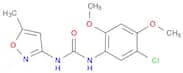
This gene encodes a protein that is a member of the G protein-coupled receptor superfamily. This protein is produced predominantly in vascular smooth muscle cells and may play an important role in the regulation of vascular remodeling. [provided by RefSeq, Jul 2008],N-(5-CHLORO-2,4-DIMETHOXYPHENYL)-N'-(5-METHYL-3-ISOXAZOLYL)-UREA
CAS:Formula:C13H14ClN3O4Purity:98%Color and Shape:SolidMolecular weight:311.7210Ribosomal Protein S4X rabbit pAb
Cytoplasmic ribosomes, organelles that catalyze protein synthesis, consist of a small 40S subunit and a large 60S subunit. Together these subunits are composed of 4 RNA species and approximately 80 structurally distinct proteins. This gene encodes ribosomal protein S4, a component of the 40S subunit. Ribosomal protein S4 is the only ribosomal protein known to be encoded by more than one gene, namely this gene and ribosomal protein S4, Y-linked (RPS4Y). The 2 isoforms encoded by these genes are not identical, but are functionally equivalent. Ribosomal protein S4 belongs to the S4E family of ribosomal proteins. This gene is not subject to X-inactivation. It has been suggested that haploinsufficiency of the ribosomal protein S4 genes plays a role in Turner syndrome; however, this hypothesis is controversial. As is typical for genes encoding ribosomal proteins, there are multiple processed pseudMCT13 rabbit pAb
function:Proton-linked monocarboxylate transporter. Catalyzes the rapid transport across the plasma membrane of many monocarboxylates.,similarity:Belongs to the major facilitator superfamily. Monocarboxylate porter (TC 2.A.1.13) family.,MSMB rabbit pAb
The protein encoded by this gene is a member of the immunoglobulin binding factor family. It is synthesized by the epithelial cells of the prostate gland and secreted into the seminal plasma. This protein has inhibin-like activity. It may have a role as an autocrine paracrine factor in uterine, breast and other female reproductive tissues. The expression of the encoded protein is found to be decreased in prostate cancer. Two alternatively spliced transcript variants encoding different isoforms are described for this gene. The use of alternate polyadenylation sites has been found for this gene. [provided by RefSeq, Jul 2008],PDGFR-β rabbit pAb
This gene encodes a cell surface tyrosine kinase receptor for members of the platelet-derived growth factor family. These growth factors are mitogens for cells of mesenchymal origin. The identity of the growth factor bound to a receptor monomer determines whether the functional receptor is a homodimer or a heterodimer, composed of both platelet-derived growth factor receptor alpha and beta polypeptides. This gene is flanked on chromosome 5 by the genes for granulocyte-macrophage colony-stimulating factor and macrophage-colony stimulating factor receptor; all three genes may be implicated in the 5-q syndrome. A translocation between chromosomes 5 and 12, that fuses this gene to that of the translocation, ETV6, leukemia gene, results in chronic myeloproliferative disorder with eosinophilia. [provided by RefSeq, Jul 2008],Olfactory receptor 4C3 rabbit pAb
olfactory receptor family 4 subfamily C member 3(OR4C3) Homo sapiens Olfactory receptors interact with odorant molecules in the nose, to initiate a neuronal response that triggers the perception of a smell. The olfactory receptor proteins are members of a large family of G-protein-coupled receptors (GPCR) arising from single coding-exon genes. Olfactory receptors share a 7-transmembrane domain structure with many neurotransmitter and hormone receptors and are responsible for the recognition and G protein-mediated transduction of odorant signals. The olfactory receptor gene family is the largest in the genome. The nomenclature assigned to the olfactory receptor genes and proteins for this organism is independent of other organisms. [provided by RefSeq, Jul 2008],Olfactory receptor 5A1 rabbit pAb
olfactory receptor family 5 subfamily A member 1(OR5A1) Homo sapiens Olfactory receptors interact with odorant molecules in the nose, to initiate a neuronal response that triggers the perception of a smell. The olfactory receptor proteins are members of a large family of G-protein-coupled receptors (GPCR) arising from single coding-exon genes. Olfactory receptors share a 7-transmembrane domain structure with many neurotransmitter and hormone receptors and are responsible for the recognition and G protein-mediated transduction of odorant signals. The olfactory receptor gene family is the largest in the genome. The nomenclature assigned to the olfactory receptor genes and proteins for this organism is independent of other organisms. [provided by RefSeq, Jul 2008],JAK2/3 (Phospho-Tyr966/939) Antibody
This gene product is a protein tyrosine kinase involved in a specific subset of cytokine receptor signaling pathways. It has been found to be constituitively associated with the prolactin receptor and is required for responses to gamma interferon. Mice that do not express an active protein for this gene exhibit embryonic lethality associated with the absence of definitive erythropoiesis. [provided by RefSeq, Jul 2008],Thrombospondin 4 rabbit pAb
thrombospondin 4(THBS4) Homo sapiens The protein encoded by this gene belongs to the thrombospondin protein family. Thrombospondin family members are adhesive glycoproteins that mediate cell-to-cell and cell-to-matrix interactions. This protein forms a pentamer and can bind to heparin and calcium. It is involved in local signaling in the developing and adult nervous system, and it contributes to spinal sensitization and neuropathic pain states. This gene is activated during the stromal response to invasive breast cancer. It may also play a role in inflammatory responses in Alzheimer's disease. Alternative splicing results in multiple transcript variants. [provided by RefSeq, Apr 2015],PIP5KIII (phospho Ser307) rabbit pAb
Phosphorylated derivatives of phosphatidylinositol (PtdIns) regulate cytoskeletal functions, membrane trafficking, and receptor signaling by recruiting protein complexes to cell- and endosomal-membranes. Humans have multiple PtdIns proteins that differ by the degree and position of phosphorylation of the inositol ring. This gene encodes an enzyme (PIKfyve; also known as phosphatidylinositol-3-phosphate 5-kinase type III or PIPKIII) that phosphorylates the D-5 position in PtdIns and phosphatidylinositol-3-phosphate (PtdIns3P) to make PtdIns5P and PtdIns(3,5)biphosphate. The D-5 position also can be phosphorylated by type I PtdIns4P-5-kinases (PIP5Ks) that are encoded by distinct genes and preferentially phosphorylate D-4 phosphorylated PtdIns. In contrast, PIKfyve preferentially phosphorylates D-3 phosphorylated PtdIns. In addition to being a lipid kinase, PIKfGluR-5 rabbit pAb
Glutamate receptors are the predominant excitatory neurotransmitter receptors in the mammalian brain and are activated in a variety of normal neurophysiologic processes. This gene product belongs to the kainate family of glutamate receptors, which are composed of four subunits and function as ligand-activated ion channels. The subunit encoded by this gene is subject to RNA editing (CAG->CGG; Q->R) within the second transmembrane domain, which is thought to alter the properties of ion flow. Alternative splicing, resulting in transcript variants encoding different isoforms, has been noted for this gene. [provided by RefSeq, Jul 2008],ARHG6 rabbit pAb
Rac/Cdc42 guanine nucleotide exchange factor 6(ARHGEF6) Homo sapiens Rho GTPases play a fundamental role in numerous cellular processes that are initiated by extracellular stimuli that work through G protein coupled receptors. The encoded protein belongs to a family of cytoplasmic proteins that activate the Ras-like family of Rho proteins by exchanging bound GDP for GTP. It may form a complex with G proteins and stimulate Rho-dependent signals. This protein is activated by PI3-kinase. Mutations in this gene can cause X-chromosomal non-specific mental retardation. [provided by RefSeq, Jul 2008],DRS-1 rabbit pAb
This gene encodes a member of the hydratase/isomerase superfamily. The protein encoded is a key mitochondrial enzyme involved in beta-oxidation of unsaturated fatty acids. It catalyzes the transformation of 3-cis and 3-trans-enoyl-CoA esters arising during the stepwise degradation of cis-, mono-, and polyunsaturated fatty acids to the 2-trans-enoyl-CoA intermediates. Alternatively spliced transcript variants have been described. [provided by RefSeq, Aug 2011],Tubulin α rabbit pAb
Microtubules of the eukaryotic cytoskeleton perform essential and diverse functions and are composed of a heterodimer of alpha and beta tubulins. The genes encoding these microtubule constituents belong to the tubulin superfamily, which is composed of six distinct families. Genes from the alpha, beta and gamma tubulin families are found in all eukaryotes. The alpha and beta tubulins represent the major components of microtubules, while gamma tubulin plays a critical role in the nucleation of microtubule assembly. There are multiple alpha and beta tubulin genes, which are highly conserved among species. This gene encodes alpha tubulin and is highly similar to the mouse and rat Tuba1 genes. Northern blotting studies have shown that the gene expression is predominantly found in morphologically differentiated neurologic cells. This gene is one of three alpha-tubulin genes in a cluster on chromosome 12q.PRC rabbit pAb
The protein encoded by this gene is similar to PPAR-gamma coactivator 1 (PPARGC1/PGC-1), a protein that can activate mitochondrial biogenesis in part through a direct interaction with nuclear respiratory factor 1 (NRF1). This protein has been shown to interact with NRF1. It is thought to be a functional relative of PPAR-gamma coactivator 1 that activates mitochondrial biogenesis through NRF1 in response to proliferative signals. Alternative splicing results in multiple transcript variants. [provided by RefSeq, Dec 2013],


![L-Asparagine, N-[2-(acetylamino)-2-deoxy-β-D-glucopyranosyl]-N2-[(1,1-dimethylethoxy)carbonyl]-](/_next/image/?url=https%3A%2Fstatic.cymitquimica.com%2Fproducts%2FIN%2Fthumb-webp%2FDA00130H.webp&w=3840&q=75)