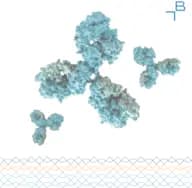
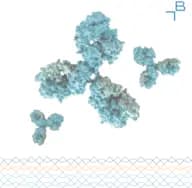
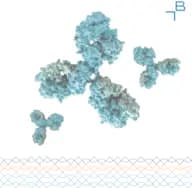
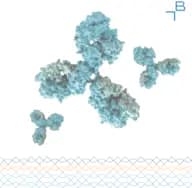
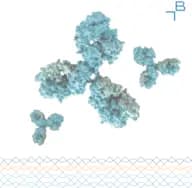
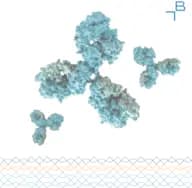
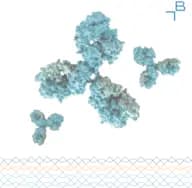
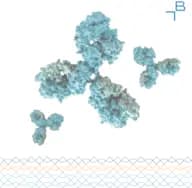
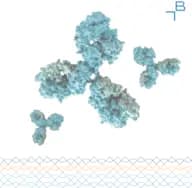
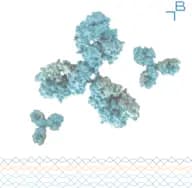
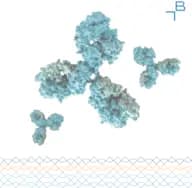
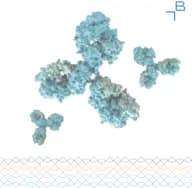
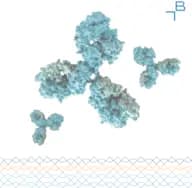
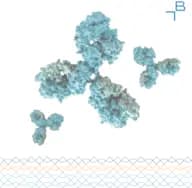
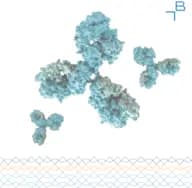
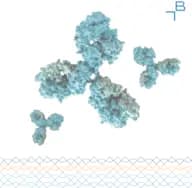
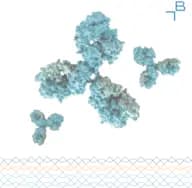
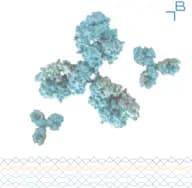
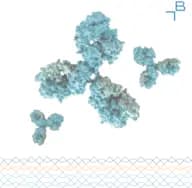
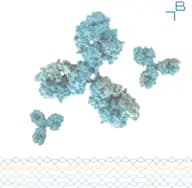
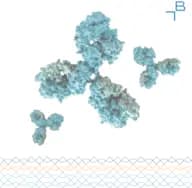
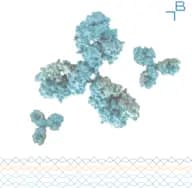
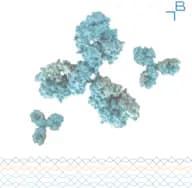
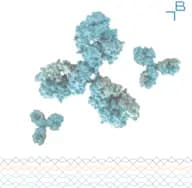
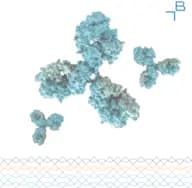
Primary Antibodies
Primary antibodies are immunoglobulins that bind specifically to an antigen of interest, allowing for the detection and quantification of proteins, peptides, or other biomolecules. These antibodies are critical tools in a wide range of applications, including Western blotting, immunohistochemistry, and ELISA. At CymitQuimica, we offer an extensive selection of high-quality primary antibodies that provide specificity and sensitivity for various research needs, including cancer, immunology, and cell biology studies.
Subcategories of "Primary Antibodies"
- Cancer Research Antibodies(3,620 products)
- Cardiovascular Antibodies(2 products)
- Developmental Biology(751 products)
- Epigenetics Antibodies(162 products)
- Immunology Antibodies(2,624 products)
- Metabolism Antibodies(279 products)
- Microbiology Antibodies(736 products)
- Signal Transduction(2,717 products)
- Tags & Cellular Markers(33 products)
Show 1 more subcategories
Found 75324 products of "Primary Antibodies"
Sort by
Purity (%)
0
100
|
0
|
50
|
90
|
95
|
100
SHC antibody
<p>The SHC antibody is a monoclonal antibody that acts as an inhibitor. It is widely used in the field of Life Sciences for various applications. This antibody specifically targets phosphatase, which plays a crucial role in cellular signaling pathways. By inhibiting phosphatase activity, the SHC antibody prevents the dephosphorylation of proteins involved in important cellular processes.</p>NPM antibody
<p>NPM antibody was raised in mouse using recombinant human NPM (81-294aa) purified from E. coli as the immunogen.</p>SSX1 antibody
The SSX1 antibody is a monoclonal antibody that specifically targets the activated form of the elastase protein. It acts as a cation channel blocker, inhibiting the influx of potassium and natriuretic ions. This antibody has been extensively studied in various nuclear assays and has shown high specificity for its target. It can be used in research laboratories to detect and quantify the presence of SSX1 in human serum samples. Additionally, this antibody has potential applications in the field of Life Sciences, particularly in studies related to fibrinogen and lipoprotein lipase. With its exceptional binding affinity and selectivity, the SSX1 antibody is a valuable tool for researchers investigating cellular processes and molecular interactions.BAT antibody
<p>The BAT antibody is a highly specific monoclonal antibody that is used in various assays to detect and measure the levels of interferon (IFN) in biological samples. This antibody has been extensively validated and proven to be highly sensitive and specific for IFN detection. It has been shown to neutralize the activity of IFN, making it an essential tool for studying the role of IFN in various biological processes.</p>Bax antibody
The Bax antibody is a monoclonal antibody that specifically targets the Bax protein, an important regulator of apoptosis. This antibody recognizes both the amino-terminal and carboxyl-terminal regions of the Bax protein, making it highly effective in detecting and studying Bax expression in various biological samples.MIOX antibody
<p>The MIOX antibody is a highly specialized monoclonal antibody that is widely used in the field of Life Sciences. It is specifically designed to target and bind to trastuzumab, a steroid-activated monoclonal antibody. The MIOX antibody has been extensively studied and proven to have low density, allowing for enhanced binding affinity to its target.</p>4EBP1 antibody
<p>4EBP1 antibody was raised in Mouse using a purified recombinant fragment of 4EBP1 expressed in E. coli as the immunogen.</p>SENP3 antibody
<p>SENP3 antibody was raised using the N terminal of SENP3 corresponding to a region with amino acids PPPKPRLKSGGGFGPDPGSGTTVPARRLPVPRPSFDASASEEEEEEEEEE</p>ATG16L1 antibody
<p>ATG16L1 antibody was raised using a synthetic peptide corresponding to a region with amino acids RRQARLQKELAEAAKEPLPVEQDDDIEVIVDETSDHTEETSPVRAISRAA</p>Adiponectin antibody
<p>The Adiponectin antibody is a highly specialized antibody used in Life Sciences research. It is designed to specifically target and bind to adiponectin, a hormone involved in various physiological processes such as metabolism and inflammation. This antibody has been extensively tested and validated for its specificity and sensitivity in various assays.</p>LPP antibody
<p>LPP antibody was raised in Mouse using a purified recombinant fragment of human LPP expressed in E. coli as the immunogen.</p>IRF3 antibody
<p>The IRF3 antibody is a highly effective monoclonal antibody that is used in the field of Life Sciences. This colloidal antibody has neutralizing properties and targets the serine protease, which plays a crucial role in various biological processes. It can be used in solid phase assays to detect and quantify IRF3 protein levels. The IRF3 antibody also acts as an inhibitor, preventing the antigen-antibody reaction from occurring and thereby inhibiting cytotoxic effects. With its specificity and high affinity, this antibody is an essential tool for researchers in the field of Life Sciences.</p>Paxillin antibody
The Paxillin antibody is a highly specific monoclonal antibody that is used in Life Sciences research. It is designed to target and bind to the paxillin protein, which plays a crucial role in cell adhesion and migration. This antibody can be used in various applications such as immunofluorescence, immunohistochemistry, and western blotting.YBX1 antibody
<p>The YBX1 antibody is a highly specialized diagnostic reagent used in the field of Life Sciences. It is an antibody that specifically targets the YBX1 protein, which plays a crucial role in various cellular functions including protein-protein interactions and regulation of gene expression. This antibody can be used in flow immunoassays to detect the presence of YBX1 in human serum or other biological samples.</p>SETDB1 antibody
The SETDB1 antibody is a monoclonal antibody that specifically targets and inhibits the function of SETDB1, a protein involved in epigenetic regulation. This antibody has been extensively studied in the field of life sciences and has shown promising results in various research applications. It has been found to effectively block the activity of SETDB1, which plays a crucial role in regulating gene expression and chromatin structure. By targeting SETDB1, this antibody can modulate important cellular processes such as cell growth, differentiation, and apoptosis. Additionally, the SETDB1 antibody has been used in studies investigating its potential as a therapeutic target for various diseases, including cancer. Its ability to interfere with the function of SETDB1 makes it a valuable tool for researchers studying epigenetic mechanisms and exploring new treatment strategies.PARK7 antibody
The PARK7 antibody is a highly specialized product used in Life Sciences research. It is an antibody that specifically targets the PARK7 protein, also known as DJ-1, which plays a critical role in cellular functions such as epidermal growth factor signaling and insulin secretion. This monoclonal antibody recognizes and binds to the amino group of the PARK7 protein, allowing for its detection and analysis.CD62E antibody
<p>CD62E antibody was raised in mouse using human CD62E/E-selectin as the immunogen.</p>GABARAPL2 antibody
<p>GABARAPL2 antibody was raised in Rabbit using Human GABARAPL2 as the immunogen</p>TFAM antibody
<p>The TFAM antibody is a highly specific and versatile tool used in life sciences research. This polyclonal antibody is designed to target and detect the transcription factor A, mitochondrial (TFAM) protein. TFAM plays a crucial role in regulating mitochondrial DNA replication and transcription, making it an essential component in studying cellular processes related to energy production and metabolism.</p>Cdc27 antibody
<p>Cdc27 antibody was raised in Mouse using a purified recombinant fragment of human Cdc27 expressed in E. coli as the immunogen.</p>CYP2U1 antibody
<p>CYP2U1 antibody was raised in rabbit using the middle region of CYP2U1 as the immunogen</p>C20ORF144 antibody
<p>C20ORF144 antibody was raised using the middle region of C20Orf144 corresponding to a region with amino acids EARRPEEGGARAALSWPRLLSRFRSPGKAPREAGPAEEQPRKRCRCPRPQ</p>SRP14 antibody
<p>SRP14 antibody was raised using a synthetic peptide corresponding to a region with amino acids KPIPKKGTVEGFEPADNKCLLRATDGKKKISTVVSSKEVNKFQMAYSNLL</p>NDKA antibody
<p>The NDKA antibody is a highly specialized monoclonal antibody that targets the galectin-3 glycoprotein. It is activated by interferon and has been extensively studied in the field of Life Sciences. This antibody has shown great potential for use in the treatment of various diseases, including autoimmune disorders and certain types of cancer.</p>NRARP antibody
<p>NRARP antibody was raised using the middle region of NRARP corresponding to a region with amino acids QNMTNCEFNVNSFGPEGQTALHQSVIDGNLELVKLLVKFGADIRLANRDG</p>RG9MTD1 antibody
<p>RG9MTD1 antibody was raised using a synthetic peptide corresponding to a region with amino acids KKARQIKKEMKAAAREEAKNIKLLETTEEDKQKNFLFLRLWDRNMDIAMG</p>CCL22 antibody
<p>The CCL22 antibody is a serine protease that belongs to the family of antibodies. It is commonly found in human serum and can be used as a polyclonal antibody for various applications. This antibody specifically targets and neutralizes the activated form of CCL22, which is a growth factor involved in inflammatory responses. By binding to CCL22, this antibody inhibits its activity and prevents it from promoting inflammation. Additionally, the CCL22 antibody has been shown to have antiangiogenic properties, making it a valuable tool in life sciences research. Whether you need to study the role of CCL22 in disease progression or investigate its interactions with other molecules, this monoclonal antibody is an essential tool for your experiments. With its high specificity and affinity, it ensures accurate results and reliable data. Order your CCL22 antibody today and unlock new insights into cellular signaling pathways and immune responses.</p>KCNK12 antibody
<p>KCNK12 antibody was raised using the middle region of KCNK12 corresponding to a region with amino acids EGRRLSGELISMRDLTASNKVSLALLQKQLSETANGYPRSVCVNTRQNGF</p>EOS antibody
<p>The EOS antibody is a family kinase inhibitor that is used in the field of Life Sciences. It acts as an inhibitor for glucagon and has been shown to have hydrogen fluoride activity. Additionally, it has been found to interact with alpha-fetoprotein, serine protease, collagen, and other proteins. The EOS antibody is commonly used in various assays and research studies due to its high specificity and efficiency. It is available as Polyclonal Antibodies and can be used in combination with different techniques such as electrode assays and protein kinase assays. With its unique properties and versatility, the EOS antibody offers great potential for advancements in the field of molecular biology and biochemistry.</p>HS1BP3 antibody
<p>HS1BP3 antibody was raised using the N terminal of HS1BP3 corresponding to a region with amino acids YSEIEEFYQKLSSRYAAASLPPLPRKVLFVGESDIRERRAVFNEILRCVS</p>RPA2 antibody
<p>The 6-Fluoro-3-indoxyl-beta-D-galactopyranoside is a powerful antituberculosis drug that falls under the class of rifamycins. It is highly effective in treating tuberculosis infections due to its bactericidal activity. This drug works by binding to DNA-dependent RNA polymerase, preventing transcription and replication, thereby inhibiting bacterial growth. It has been extensively studied using advanced techniques like the patch-clamp technique on human erythrocytes. The active form of this drug undergoes various metabolic transformations, including hydrolysis by esterases or glucuronidases, oxidation by cytochrome P450 enzymes, reduction by glutathione reductase, or conjugation with glucuronic acid. Additionally, it specifically targets markers expressed at high levels in Mycobacterium tuberculosis strains and inhibits their cell growth in culture.</p>HSP105 α antibody
HSP105 alpha antibody was raised in mouse using recombinant human Hsp105 alpha (1-858aa) purified from E. coli as the immunogen.FITC antibody (HRP)
<p>FITC antibody (HRP) was raised in goat using fluorescein conjugated to goat IgG as the immunogen.</p>PPIA antibody
<p>The PPIA antibody is a monoclonal antibody that specifically targets the extracellular domain of the protein peptidylprolyl isomerase A (PPIA). PPIA is an enzyme that plays a crucial role in protein folding and is involved in various cellular processes, including interleukin signaling and antiviral defense. The PPIA antibody has been extensively studied and shown to have high affinity binding to PPIA, making it a valuable tool for research in the Life Sciences field.</p>PTK6 antibody
<p>PTK6 antibody was raised in Mouse using a purified recombinant fragment of human PTK6 expressed in E. coli as the immunogen.</p>HIP2 antibody
<p>HIP2 antibody was raised using the N terminal of HIP2 corresponding to a region with amino acids MANIAVQRIKREFKEVLKSEETSKNQIKVDLVDENFTELRGEIAGPPDTP</p>Src antibody
<p>The Src antibody is a highly specific antibody that targets protein tyrosine kinases, specifically those that are activated. It has been extensively tested and validated using human serum samples and insulin as the target antigen. The antibody recognizes specific amino acid residues on the insulin molecule, making it an excellent tool for research in the field of Life Sciences.</p>PNMT antibody
The PNMT antibody is a highly specialized monoclonal antibody that is used in various assays. It specifically targets the urokinase plasminogen activator and its inhibitors, making it an essential tool for studying this important target molecule. Additionally, the PNMT antibody has been shown to have cytotoxic effects on certain cell types, making it a promising candidate for targeted therapy. This monoclonal antibody can be used in combination with other antibodies, such as anti-mesothelin or anti-ICOS antibodies, to enhance its efficacy. The PNMT antibody has also been tested in human serum and adipose tissue samples, demonstrating its versatility and potential applications in different research areas. With its high specificity and potency, the PNMT antibody is a valuable tool for researchers studying thrombocytopenia and other related disorders.FTCD antibody
<p>FTCD antibody is a highly specialized monoclonal antibody that targets the lipoprotein lipase (LPL) enzyme. LPL plays a crucial role in lipid metabolism and is involved in the breakdown of triglycerides into fatty acids for energy utilization. The FTCD antibody specifically binds to LPL, inhibiting its activity and preventing the hydrolysis of triglycerides.</p>TMEM104 antibody
<p>TMEM104 antibody was raised using the middle region of TMEM104 corresponding to a region with amino acids GDLAIYAAAVPFSLMQVTCSATGNDSCGVEADTKYNDTDRCWGPLRRVDA</p>GFAP antibody
The GFAP antibody is a highly specific monoclonal antibody that targets glial fibrillary acidic protein (GFAP). It is widely used in the field of life sciences for research purposes. GFAP is an intermediate filament protein that is predominantly expressed in astrocytes, a type of glial cell in the central nervous system. The GFAP antibody can be used to detect and quantify GFAP levels in various biological samples, including plasma.