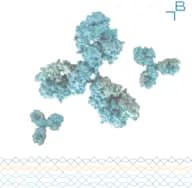
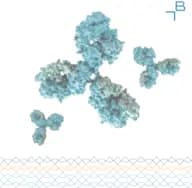
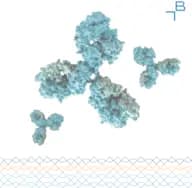
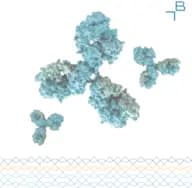
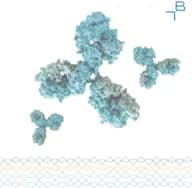
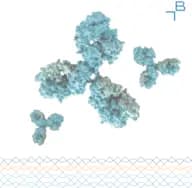
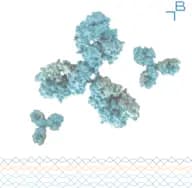
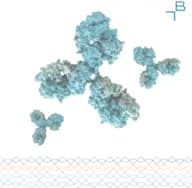
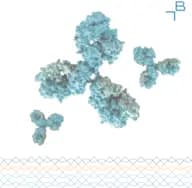
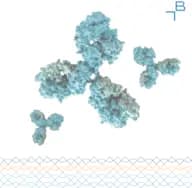
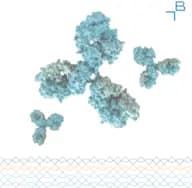
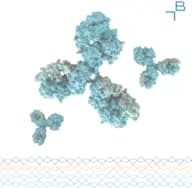
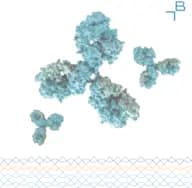
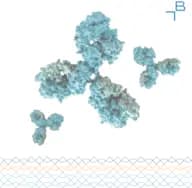
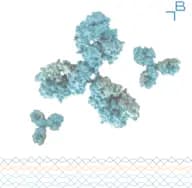
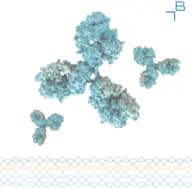
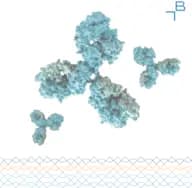
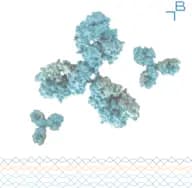
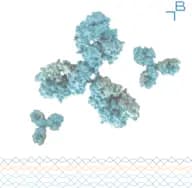
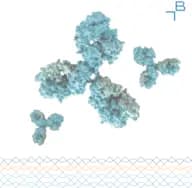
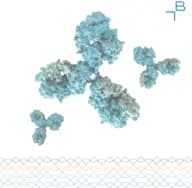
Primary Antibodies
Primary antibodies are immunoglobulins that bind specifically to an antigen of interest, allowing for the detection and quantification of proteins, peptides, or other biomolecules. These antibodies are critical tools in a wide range of applications, including Western blotting, immunohistochemistry, and ELISA. At CymitQuimica, we offer an extensive selection of high-quality primary antibodies that provide specificity and sensitivity for various research needs, including cancer, immunology, and cell biology studies.
Subcategories of "Primary Antibodies"
- Cancer Research Antibodies(3,620 products)
- Cardiovascular Antibodies(2 products)
- Developmental Biology(751 products)
- Epigenetics Antibodies(162 products)
- Immunology Antibodies(2,566 products)
- Metabolism Antibodies(279 products)
- Microbiology Antibodies(736 products)
- Signal Transduction(2,717 products)
- Tags & Cellular Markers(33 products)
Show 1 more subcategories
Found 75323 products of "Primary Antibodies"
Sort by
Purity (%)
0
100
|
0
|
50
|
90
|
95
|
100
HPGDS antibody
<p>The HPGDS antibody is a highly specialized monoclonal antibody that targets the enzyme hematopoietic prostaglandin D synthase (HPGDS). HPGDS plays a crucial role in the synthesis of prostaglandin D2 (PGD2), which is involved in various physiological processes such as inflammation and allergic responses. This antibody specifically binds to HPGDS, inhibiting its activity and preventing the production of PGD2.</p>Histone H2Ax antibody
<p>The Histone H2Ax antibody is a highly specialized monoclonal antibody used in Life Sciences research. This antibody specifically targets and binds to the acidic histone protein H2Ax, which plays a crucial role in DNA repair and damage response. By detecting the presence of H2Ax, researchers can gain valuable insights into various cellular processes, including fibrinogen activation, growth factor signaling, and multidrug resistance.</p>C19ORF21 antibody
<p>C19ORF21 antibody was raised using the C terminal Of C19Orf21 corresponding to a region with amino acids RRNALFPEVFSPTPDENSDQNSRSSSQASGITGSYSVSESPFFSPIHLHS</p>LGALS14 antibody
<p>LGALS14 antibody was raised using the N terminal of LGALS14 corresponding to a region with amino acids MSSLPVPYTLPVSLPVGSCVIITGTPILTFVKDPQLEVNFYTGMDEDSDI</p>CD5 antibody (Spectral Red)
CD5 antibody (Spectral Red) was raised in rat using CD5/Lyt-1 as the immunogen.LCK antibody
<p>The LCK antibody is a powerful tool in the field of Life Sciences. It is a cytotoxic antibody that specifically targets and binds to LCK (lymphocyte-specific protein tyrosine kinase), an enzyme involved in T-cell signaling. This antibody can be used for various applications, including immunohistochemistry, flow cytometry, and Western blotting.</p>APLP2 antibody
<p>The APLP2 antibody is a highly specialized growth factor that plays a crucial role in protein kinase signaling pathways. This monoclonal antibody is designed to specifically target and bind to the APLP2 antigen, facilitating an antigen-antibody reaction that leads to neutralizing its activity. The APLP2 antibody has been extensively tested and proven effective in various life science applications, including research studies focused on understanding the role of APLP2 in disease progression and therapeutic interventions. Additionally, this antibody has shown promising results as an anti-MERTK antibody, blocking the activation of MERTK protein and interfering with interferon signaling pathways. With its high specificity and affinity for the target molecule, the APLP2 antibody is a valuable tool for researchers working in the field of immunology and molecular biology.</p>XRCC4 antibody
<p>The XRCC4 antibody is a monoclonal antibody used in Life Sciences research. It specifically targets the XRCC4 protein, which plays a crucial role in DNA repair and recombination. The antibody binds to the histidine-tagged XRCC4 protein, allowing for its detection and analysis in various experimental settings. This XRCC4 antibody is commonly used in studies involving pluripotent cells, collagen synthesis, lipoprotein lipase regulation, and immune response modulation. Additionally, it has been shown to interact with other proteins such as interferon, TGF-beta, and endothelial growth factors. The XRCC4 antibody offers researchers a valuable tool for investigating DNA repair mechanisms and understanding their implications in various biological processes.</p>RBP4 antibody
<p>The 6-Fluoro-3-indoxyl-beta-D-galactopyranoside is a powerful antituberculosis drug that falls under the class of rifamycins. This medication is highly effective in treating tuberculosis infections and contains active compounds that exhibit bactericidal activity. It works by binding to DNA-dependent RNA polymerase, preventing transcription and replication, thus inhibiting bacterial growth. Studies have shown its high efficacy through patch-clamp techniques on human erythrocytes. The drug undergoes various metabolic transformations, including hydrolysis by esterases or glucuronidases, oxidation by cytochrome P450 enzymes, reduction by glutathione reductase, or conjugation with glucuronic acid. Additionally, it specifically targets markers expressed in Mycobacterium tuberculosis strains and inhibits their cell growth in culture.</p>eNOS antibody
<p>The eNOS antibody is a powerful tool used in the field of Life Sciences. It is designed to target and detect endothelial nitric oxide synthase (eNOS), an enzyme involved in the production of nitric oxide. This antibody can be used in various research applications, including immunohistochemistry, Western blotting, and flow cytometry.</p>E2F1 antibody
<p>The E2F1 antibody is a highly specialized growth factor that plays a crucial role in various cellular processes. It is an essential component of the cell cycle regulation and is involved in the transcriptional activation of genes required for DNA replication and cell division. This monoclonal antibody specifically targets E2F1, allowing for precise detection and analysis of its expression levels.</p>THC antibody
The THC antibody is a highly specific monoclonal antibody that is used for the detection of delta-9-tetrahydrocannabinol (THC). It is derived from hybridoma cells and has been extensively tested for its accuracy and reliability. The antibody is buffered and can be used with human serum samples.Galectin 9 antibody
<p>Galectin 9 antibody is a glycoprotein that belongs to the class of polyclonal antibodies. It is highly reactive and activated in various life science applications. This antibody acts as a growth factor and exhibits antiviral properties by binding to specific proteins. Galectin 9 antibody has been shown to have neutralizing and cytotoxic effects on HL-60 cells, making it a potent tool for research purposes. Its multidrug resistance capabilities make it an ideal candidate for developing therapeutic antibodies. With its high specificity and functionality, this monoclonal antibody is a valuable asset in the field of biotechnology and immunology.</p>Troponin I Type 3 antibody
<p>Troponin I Type 3 antibody was raised using a synthetic peptide corresponding to a region with amino acids RVRISADAMMQALLGARAKESLDLRAHLKQVKKEDTEKENREVGDWRKNI</p>CLCA1 antibody
<p>The CLCA1 antibody is a neutralizing monoclonal antibody that is widely used in Life Sciences research. It specifically targets CLCA1, a protein involved in various biological processes including the regulation of epidermal growth factor and hepatocyte growth factor. This antibody has been shown to inhibit the activity of CLCA1 by binding to its target site, preventing its interaction with other proteins or growth factors. In addition, the CLCA1 antibody can be used for immobilization studies or as a tool for detecting CLCA1 dimers in experimental settings. Its high specificity and affinity make it an essential tool for researchers studying the role of CLCA1 in different cellular processes.</p>CAPN1 antibody
<p>CAPN1 antibody was raised in rabbit using the middle region of CAPN1 as the immunogen</p>BXDC5 antibody
<p>BXDC5 antibody was raised using the N terminal of BXDC5 corresponding to a region with amino acids AAAFPPGFSISEIKNKQRRHLMFTRWKQQQRKEKLAAKKKLKKEREALGD</p>SAMHD1 antibody
The SAMHD1 antibody is a highly effective monoclonal antibody that targets and neutralizes the SAMHD1 protein. This antibody has been shown to induce lysis of cells expressing high levels of SAMHD1, making it an essential tool for research in the field of Life Sciences. Additionally, the SAMHD1 antibody has demonstrated its efficacy in blocking the activity of vasoactive intestinal peptide (VIP), a potent vasodilator. This makes it a valuable tool for studying the role of VIP in various physiological processes. Furthermore, this antibody can be used in combination with chimeric receptors to enhance the cytotoxic effects of targeted therapies. With its wide range of applications and exceptional specificity, the SAMHD1 antibody is an invaluable asset for researchers in need of reliable tools for their studies.Annexin A13 antibody
<p>Annexin A13 antibody was raised using the N terminal of ANXA13 corresponding to a region with amino acids KKLNKACKGMGTNEAAIIEILSGRTSDERQQIKQKYKATYGKELEEVLKS</p>DDX19A antibody
<p>DDX19A antibody was raised using a synthetic peptide corresponding to a region with amino acids IKEEKVKADTNGIIKTSTTAEKTDEEEKEDRAAQSLLNKLIRSNLVDNTN</p>Claudin 15 antibody
<p>Claudin 15 antibody was raised using the C terminal of CLDN15 corresponding to a region with amino acids LCSACCCGSDEDPAASARRPYQAPVSVMPVATSDQEGDSSFGKYGRNAYV</p>CCNT1 antibody
<p>CCNT1 antibody was raised in rabbit using the N terminal of CCNT1 as the immunogen</p>KI67 antibody
KI67 antibody was raised in Mouse using synthetic peptide corresponding to aa (CEDLAGFKELFQTPG) of human KI67, conjugated to KLH as the immunogen.Borrelia burgdorferi antibody (biotin)
Borrelia burgdorferi antibody (biotin) was raised in rabbit using a whole cell preparation from Borrelia burgdorferi as the immunogen.Ret antibody
<p>The Ret antibody is a highly specialized product in the field of Life Sciences. It is a polyclonal antibody that specifically targets the Ret protein, which plays a crucial role in various biological processes. This antibody has been extensively studied and proven to be effective in neutralizing the activity of Ret.</p>EIF4A1 antibody
<p>EIF4A1 antibody was raised using the middle region of EIF4A1 corresponding to a region with amino acids TMPSDVLEVTKKFMRDPIRILVKKEELTLEGIRQFYINVEREEWKLDTLC</p>ABHD5 antibody
<p>ABHD5 antibody was raised using the C terminal of ABHD5 corresponding to a region with amino acids SVIFGARSCIDGNSGTSIQSLRPHSYVKTIAILGAGHYVYADQPEEFNQK</p>SF3A1 antibody
<p>SF3A1 antibody was raised using the N terminal of SF3A1 corresponding to a region with amino acids RQNEINNPKFNFLNPNDPYHAYYRHKVSEFKEGKAQEPSAAIPKVMQQQQ</p>KCNH6 antibody
<p>KCNH6 antibody was raised using a synthetic peptide corresponding to a region with amino acids PRMPHLAVATDKTLAPSSEQEQPEGLWPPLASPLHPLEVQGLICGPCFSS</p>Thioredoxin 1 antibody
<p>Thioredoxin 1 antibody is a polyclonal antibody that is used in life sciences research. It is specifically designed to target and bind to thioredoxin 1, which is an enzyme involved in redox regulation. This antibody can be used for various applications, including immunohistochemistry, Western blotting, and ELISA. By detecting the presence of thioredoxin 1, researchers can gain insights into its role in cellular processes such as protein folding, DNA repair, and cell signaling. Whether you're studying atypical hemolytic extracts or investigating glucose transporter activation, this high-quality thioredoxin 1 antibody will provide accurate and reliable results. Choose from our range of monoclonal or polyclonal antibodies to suit your specific research needs. With our antibodies, you can trust that your experiments will yield precise and reproducible data in the field of life sciences.</p>HBsAg antibody (HRP)
HBsAg antibody (HRP) was raised in goat using subtypes ad & ay as the immunogen.RIPK4 antibody
<p>RIPK4 antibody was raised using the N terminal of RIPK4 corresponding to a region with amino acids DGLFGTIAYLPPERIREKSRLFDTKHDVYSFAIVIWGVLTQKKPFADEKN</p>KCNAB1 antibody
<p>KCNAB1 antibody was raised using the C terminal of KCNAB1 corresponding to a region with amino acids VPESSRASLKCYQWLKERIVSEEGRKQQNKLKDLSPIAERLGCTLPQLAV</p>C14ORF21 antibody
<p>C14ORF21 antibody was raised using the middle region of C14Orf21 corresponding to a region with amino acids GGTILESERARPRGSQSSEAQKTPAQECKPADFEVPETFLNRLQDLSSSF</p>DHODH antibody
<p>DHODH antibody was raised using the N terminal of DHODH corresponding to a region with amino acids FGFVEIGSVTPKPQEGNPRPRVFRLPEDQAVINRYGFNSHGLSVVEHRLR</p>RSK1 antibody
<p>The RSK1 antibody is a polyclonal antibody that is used in life sciences research. It specifically targets the oncogenic kinase RSK1, which is involved in various cellular processes. This antibody can be used to detect and study the expression and activation of RSK1 in different cell types and tissues. It has been shown to react with multiple protein isoforms of RSK1 and can be used for applications such as immunohistochemistry, western blotting, and flow cytometry. The RSK1 antibody is a valuable tool for researchers studying the role of RSK1 in cancer development, signaling pathways, and other biological processes. Additionally, this antibody can be used in diagnostic applications to detect autoantibodies against RSK1 or as a therapeutic agent targeting RSK1 activity.</p>MIER2 antibody
<p>MIER2 antibody was raised in rabbit using the middle region of MIER2 as the immunogen</p>Purity:Min. 95%NMNAT1 antibody
<p>The NMNAT1 antibody is a highly specific monoclonal antibody that targets the glial fibrillary acidic protein (GFAP). It can be used in various research applications such as immunohistochemistry, western blotting, and ELISA. This antibody has been shown to have high affinity and specificity for GFAP, making it an excellent tool for studying the expression and localization of this protein in different tissues and cell types. Additionally, the NMNAT1 antibody has been used in studies investigating the role of GFAP in diseases such as Alzheimer's disease, Parkinson's disease, and multiple sclerosis. Its ability to specifically bind to GFAP makes it a valuable tool for researchers studying the function and regulation of this important protein.</p>PARVB antibody
The PARVB antibody is a potent mitogen that plays a crucial role in various biological processes. It is a monoclonal antibody specifically designed to target PARVB, a protein that belongs to the glutamate and EGF-like domain-containing protein family. This antibody has been extensively studied in Life Sciences research and has shown promising results.PROM1 antibody
<p>PROM1 antibody was raised in rabbit using the C terminal of PROM1 as the immunogen</p>RBM4B antibody
<p>RBM4B antibody was raised using the C terminal of RBM4B corresponding to a region with amino acids AAAATTSSYYGRDRSPLRRAAAMLPTVGEGYGYGPESELSQASAATRNSL</p>Aromatase antibody
<p>The Aromatase antibody is a protein that belongs to the group of Polyclonal Antibodies. It plays a crucial role in the process of glycosylation, which is important for the proper functioning of various biological processes. This antibody can bind to specific targets and help in the detection and analysis of glycoproteins. Additionally, it has been shown to have cholinergic and acetyltransferase activities, making it valuable in research related to neurotransmission and signal transduction. The Aromatase antibody can also be used to detect autoantibodies and phosphatases in biological samples. Furthermore, studies have indicated its involvement in regulating interleukin-6 levels, suggesting its potential role in modulating immune responses. Overall, this monoclonal antibody is an essential tool for researchers in Life Sciences and offers insights into various cellular processes, including genotoxicity and interferon signaling pathways.</p>MSI2 antibody
<p>MSI2 antibody was raised using a synthetic peptide corresponding to a region with amino acids EANGSQGTSGSANDSQHDPGKMFIGGLSWQTSPDSLRDYFSKFGEIRECM</p>cSRC antibody
<p>The cSRC antibody is a highly specialized biomarker used in life sciences research. It is a polyclonal antibody that specifically targets the reductase enzyme, which plays a crucial role in various cellular processes. This antibody has been extensively studied and validated for its high specificity and sensitivity. It has been shown to effectively detect and quantify the expression levels of reductase in different cell types.</p>GFAP antibody
<p>The GFAP antibody is a monoclonal antibody that specifically targets the glial fibrillary acidic protein (GFAP). It is widely used in various life sciences applications, including immunoassays and protein detection. This antibody can be used to detect and quantify GFAP levels in various samples, such as human serum or tissue lysates. The GFAP antibody has been shown to inhibit the activity of phosphatase enzymes that are involved in signal transduction pathways. It is also conjugated to magnetic particles, allowing for easy purification and separation of the target molecule. Additionally, this antibody has been found to react with actin filaments, providing valuable insights into cellular structure and function. With its high specificity and sensitivity, the GFAP antibody is an essential tool for researchers studying glial cells and their role in various physiological processes.</p>FAM82B antibody
<p>FAM82B antibody was raised using the N terminal of FAM82B corresponding to a region with amino acids MALAARLWRLLPFRRGAAPGSRLPAGTSGSRGHCGPCRFRGFEVMGNPGT</p>PTPRS antibody
<p>The PTPRS antibody is an acidic phosphatase that plays a crucial role in various cellular processes. It is involved in the regulation of β-catenin and nuclear factor kappa-light-chain-enhancer (NF-κB) signaling pathways, which are important for cell growth and survival. This antibody is commonly used in life sciences research to study protein activation and signaling cascades. It has been shown to be effective in detecting activated proteins, such as caspase-9, and can be used to study cytotoxic effects in different cell types. Additionally, the PTPRS antibody has polymerase activity and can be utilized in assays involving p38 mitogen-activated protein (MAP) kinase or other MAP kinase pathways. Its high specificity and sensitivity make it a valuable tool for researchers studying cellular processes and protein interactions.</p>ANPEP antibody
<p>ANPEP antibody was raised in rabbit using the N terminal of ANPEP as the immunogen</p>CAMK1D antibody
<p>CAMK1D antibody was raised using the middle region of CAMK1D corresponding to a region with amino acids KNIHESVSAQIRKNFAKSKWRQAFNATAVVRHMRKLHLGSSLDSSNASVS</p>TRAPPC1 antibody
<p>TRAPPC1 antibody was raised using the middle region of TRAPPC1 corresponding to a region with amino acids YKLMYGMLFSIRSFVSKMSPLDMKDGFLAFQTSRYKLHYYETPTGIKVVM</p>PR3 antibody
<p>PR3 antibody is a specific antibody that targets the proteinase 3 (PR3) enzyme. PR3 is a collagen-degrading enzyme found in neutrophils and plays a role in various physiological processes. The PR3 antibody can be used for research purposes in the field of Life Sciences, such as studying the interaction between PR3 and other molecules or investigating its role in diseases. This monoclonal antibody has been shown to bind specifically to PR3 and can be used in techniques like immunohistochemistry or Western blotting to detect the presence of PR3 in samples. The use of this antibody provides researchers with a valuable tool for understanding the function and regulation of PR3 in different biological contexts.</p>Complement C9 antibody
<p>Complement C9 antibody is a monoclonal antibody that specifically targets and binds to the complement protein C9. This antibody has been extensively studied for its cytotoxic effects on cells expressing high levels of C9. It has also been used in various research techniques such as electrochemical impedance spectroscopy, transcription-polymerase chain reaction, and antigen-antibody reactions. Complement C9 antibody can be used in combination with other antibodies or therapeutic agents to enhance its cytotoxicity or modulate immune responses. This antibody is widely used in the field of immunology and biomedical research, particularly in studies related to colony-stimulating factors, adeno-associated viral vectors, decitabine treatment, and blood plasma analysis. With its high specificity and potency, Complement C9 antibody is an invaluable tool for researchers investigating the role of complement proteins in various biological processes.</p>FGFR1 antibody
<p>The FGFR1 antibody is a powerful tool used in immunoassays to detect and quantify the presence of FGFR1 protein. This monoclonal antibody specifically binds to FGFR1, allowing for accurate measurements in various research applications.</p>PFK antibody
<p>The PFK antibody is a highly specialized polymerase enzyme that acts as a neutralizing agent. It is a monoclonal antibody specifically designed to target collagen and inhibit its activity. This antibody has shown great potential in the field of Life Sciences, particularly in research related to TGF-beta1, albumin, phosphatase, growth factors, interferon, glutamate, and dopamine. Its unique mechanism of action makes it an invaluable tool for studying various biological processes and pathways. Whether you're conducting experiments or exploring new therapeutic avenues, the PFK antibody is sure to be an asset in your scientific endeavors.</p>