Primary Antibodies
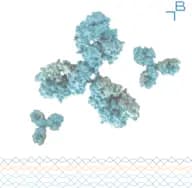
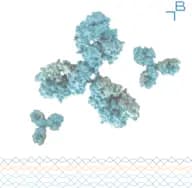
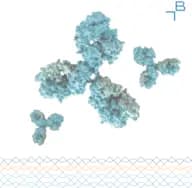
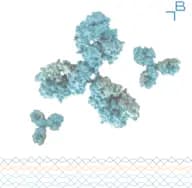
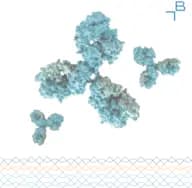
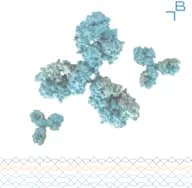
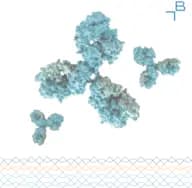
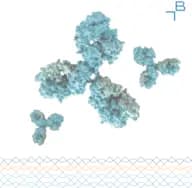
Primary antibodies are immunoglobulins that bind specifically to an antigen of interest, allowing for the detection and quantification of proteins, peptides, or other biomolecules. These antibodies are critical tools in a wide range of applications, including Western blotting, immunohistochemistry, and ELISA. At CymitQuimica, we offer an extensive selection of high-quality primary antibodies that provide specificity and sensitivity for various research needs, including cancer, immunology, and cell biology studies.
Subcategories of "Primary Antibodies"
- Cancer Research Antibodies(3,620 products)
- Cardiovascular Antibodies(2 products)
- Developmental Biology(751 products)
- Epigenetics Antibodies(162 products)
- Immunology Antibodies(2,624 products)
- Metabolism Antibodies(279 products)
- Microbiology Antibodies(736 products)
- Signal Transduction(2,717 products)
- Tags & Cellular Markers(33 products)
Show 1 more subcategories
Found 75324 products of "Primary Antibodies"
Sort by
Purity (%)
0
100
|
0
|
50
|
90
|
95
|
100
CD122 antibody
<p>The CD122 antibody is a highly specialized monoclonal antibody that targets TGF-beta, a low-molecular-weight cytokine involved in cell growth and immune response regulation. This antibody has cytotoxic properties and can be used for various applications in the field of life sciences. It can be immobilized on streptavidin-coated surfaces to study the interaction between TGF-beta and other molecules such as epidermal growth factor (EGF), transferrin, or growth factors with EGF-like domains. The CD122 antibody also has neutralizing capabilities, making it ideal for blocking the biological activity of TGF-beta. It is available as both polyclonal and monoclonal antibodies and can be used in research involving human serum samples. With its versatility and specificity, the CD122 antibody is an essential tool for researchers in the life sciences field.</p>C1 inhibitor antibody
<p>The C1 inhibitor antibody is a powerful tool used in Life Sciences research. This antibody specifically targets and binds to the C1 inhibitor protein, which plays a crucial role in regulating the complement system. Autoantibodies against the C1 inhibitor can lead to various autoimmune diseases, making this antibody an essential tool for studying these conditions.</p>WDR4 antibody
<p>WDR4 antibody was raised using the N terminal of WDR4 corresponding to a region with amino acids FIYDCSAAEKKSQENKGEDAPLDQGSGAILASTFSKSGSYFALTDDSKRL</p>PGAM1 antibody
<p>The PGAM1 antibody is a specific antibody that is commonly used in research involving pluripotent stem cells. It plays a crucial role in various assays and experiments related to the field of Life Sciences. This antibody specifically targets and interacts with PGAM1, which is an enzyme involved in the glycolysis pathway. By inhibiting or modulating the activity of PGAM1, researchers can gain insights into its function and potential therapeutic applications.</p>Hsp90 antibody
<p>Hsp90 antibody was raised in mouse using recombinant human Hsp90 (1-732aa) purified from E. coli as the immunogen.</p>MAP4K4 antibody
<p>MAP4K4 antibody was raised in Mouse using a purified recombinant fragment of MAP4K4(aa400-500) expressed in E. coli as the immunogen.</p>PCNA antibody
<p>The PCNA antibody is a highly specialized product in the field of Life Sciences. It is an autoantibody that specifically targets the proliferating cell nuclear antigen (PCNA), a protein that plays a crucial role in DNA replication and repair. This monoclonal antibody has been extensively studied and proven to be effective in neutralizing PCNA activity.</p>DDB2 antibody
<p>DDB2 antibody was raised in rabbit using the C terminal of DDB2 as the immunogen</p>Estrogen Receptor antibody
<p>Estrogen Receptor antibody was raised in Mouse using a purified recombinant fragment of ESR1(aa301-595) expressed in E. coli as the immunogen.</p>PDGFD antibody
The PDGFD antibody is a monoclonal antibody that specifically targets and neutralizes the growth factor PDGFD. This antibody contains a cycloalkyl group that enhances its stability and binding affinity. It has been shown to effectively inhibit the activity of PDGFD in various biological assays, including low-density electrode-based assays and transferrin uptake assays.HRH1 antibody
<p>The HRH1 antibody is a monoclonal antibody that targets the histamine H1 receptor. It plays a crucial role in allergic reactions and inflammation. This antibody specifically recognizes and binds to the histamine H1 receptor, preventing it from interacting with histamine and inhibiting its signaling pathway. The HRH1 antibody has been extensively studied in various life sciences research fields, including acetylation and methylation studies, collagen research, and phosphorylation site analysis. It has also shown potential antinociceptive properties, making it a promising candidate for pain management. Additionally, this antibody can be utilized in the development of novel medicines targeting the histamine H1 receptor. With its high specificity and affinity, the HRH1 antibody is a valuable tool for researchers in need of reliable antibodies for their experiments.</p>PDGFR beta antibody
<p>The 6-Fluoro-3-indoxyl-beta-D-galactopyranoside is a powerful antituberculosis drug that falls under the class of rifamycins. It is highly effective in treating tuberculosis infections and contains active compounds known for their bactericidal activity. This drug works by binding to DNA-dependent RNA polymerase, inhibiting bacterial growth and preventing transcription and replication. Its effectiveness has been demonstrated through extensive testing using the patch-clamp technique on human erythrocytes. The active form of this drug undergoes various metabolic transformations, including hydrolysis by esterases or glucuronidases, oxidation by cytochrome P450 enzymes, reduction by glutathione reductase, or conjugation with glucuronic acid. Additionally, it specifically targets markers expressed at high levels in Mycobacterium tuberculosis strains, inhibiting their cell growth in culture.</p>LDHAL6B antibody
<p>LDHAL6B antibody was raised using the middle region of LDHAL6B corresponding to a region with amino acids SGVNIAGVPLKDLNSDIGTDKDPEQWKNVHKEVTATAYEIIKMKGYTSWA</p>EIF2C3 antibody
EIF2C3 antibody was raised using the N terminal of EIF2C3 corresponding to a region with amino acids MCEVLDIHNIDEQPRPLTDSHRVKFTKEIKGLKVEVTHCGTMRRKYRVCNEGFR antibody
<p>The EGFR antibody is a monoclonal antibody that specifically targets the epidermal growth factor receptor (EGFR). It has been shown to inhibit the activity of EGFR by preventing its interaction with ligands, such as epidermal growth factor (EGF). This inhibition leads to a decrease in downstream signaling pathways involved in cell proliferation and survival. The EGFR antibody has been extensively studied in the field of Life Sciences and has been found to have neutralizing effects on the activity of EGFR. It has also been shown to block the formation of dimers between EGFR and other receptors, such as HER2. Additionally, this antibody can bind to autoantibodies present in human serum, further inhibiting EGFR signaling. The EGFR antibody is commonly used in research laboratories for various applications, including Western blotting, immunoprecipitation, and immunohistochemistry. Its high specificity and affinity make it an ideal tool for studying the role of EGFR in cellular processes and</p>PLAA antibody
<p>The PLAA antibody is a highly specific monoclonal antibody that targets the nuclear extracts of cells. It is widely used in life sciences research to study various cellular processes, including growth factor signaling and interferon response. This antibody has been extensively validated and proven to be effective in detecting and quantifying specific proteins of interest. Additionally, it has been shown to inhibit the activity of certain family kinases, making it a valuable tool for studying signal transduction pathways. The PLAA antibody can be used in various applications, such as Western blotting, immunoprecipitation, and immunofluorescence. Its high affinity and specificity make it an ideal choice for researchers looking to investigate protein-protein interactions or perform functional studies.</p>HNRPA1 antibody
<p>HNRPA1 antibody was raised using the N terminal of HNRPA1 corresponding to a region with amino acids MSKSESPKEPEQLRKLFIGGLSFETTDESLRSHFEQWGTLTDCVVMRDPN</p>NUBP1 antibody
<p>NUBP1 antibody was raised using a synthetic peptide corresponding to a region with amino acids MEEVPHDCPGADSAQAGRGASCQGCPNQRLCASGAGATPDTAIEEIKEKM</p>GALT antibody
GALT antibody was raised using the C terminal of GALT corresponding to a region with amino acids LLRSATVRKFMVGYEMLAQAQRDLTPEQAAERLRALPEVHYHLGQKDRETACADM antibody
<p>ACADM antibody was raised using the N terminal of ACADM corresponding to a region with amino acids ATARKFAREEIIPVAAEYDKTGEYPVPLIRRAWELGLMNTHIPENCGGLG</p>NAT9 antibody
<p>NAT9 antibody was raised using a synthetic peptide corresponding to a region with amino acids MRLNQNTLLLGKKVVLVPYTSEHVPSRYHEWMKSEELQRLTASEPLTLEQ</p>HSP27 antibody
<p>The HSP27 antibody is a polyclonal antibody used in the field of life sciences. It is designed to specifically target and bind to heat shock protein 27 (HSP27), a steroid-responsive protein involved in cellular stress response. This antibody can be used for various applications, including research studies and diagnostic purposes.</p>MGC70924 antibody
<p>MGC70924 antibody was raised using the middle region of Mgc70924 corresponding to a region with amino acids SPSPGRAQEPAPRSRDKENQVPGGSGPGPPSSPELSGVGQLLAELQCQLS</p>SLO antibody
The SLO antibody is a highly specialized antibody that targets spleen ferritin. It plays a crucial role in regulating interferon and growth factor activity. This antibody has been specifically designed to selectively bind to activated cells and inhibit the erbb2 pathway, making it an effective erbb2 inhibitor. Additionally, the SLO antibody recognizes specific peptide antigens and induces apoptosis in targeted cells. Its unique structure, consisting of acid residues, allows for precise targeting and binding. The expression plasmid used in the production of this antibody ensures high purity and potency. The SLO antibody can be easily conjugated to magnetic particles for efficient isolation and purification purposes. With its exceptional specificity and affinity, this monoclonal antibody is a valuable tool for research applications involving human serum analysis and tnf-related apoptosis-inducing studies.Cul4B antibody
<p>The Cul4B antibody is a highly specialized and versatile tool used in Life Sciences research. It is a polyclonal antibody that specifically targets the Cul4B protein, which plays a crucial role in various cellular processes. The Cul4B protein is involved in the regulation of epidermal growth factor signaling, parathyroid hormone-related protein expression, and chemokine-like activity.</p>AKR1B10 antibody
<p>The AKR1B10 antibody is a highly specialized product used in the field of Life Sciences. It is a polyclonal antibody that specifically targets AKR1B10, an enzyme involved in various cellular processes. This antibody offers high photostability and has been extensively tested for its specificity and sensitivity.</p>Resistin antibody
<p>The Resistin antibody is a highly specialized product used in the field of Life Sciences. It belongs to the category of nuclear antibodies and acts as a growth factor and necrosis factor-related apoptosis-inducing protein complex. This monoclonal antibody is specifically designed to neutralize the effects of resistin, a hormone that plays a role in insulin resistance and inflammation.</p>KLHL11 antibody
<p>KLHL11 antibody was raised in Mouse using a purified recombinant fragment of human KLHL11 expressed in E. coli as the immunogen.</p>UBE2L3 antibody
<p>UBE2L3 antibody was raised using the C terminal of UBE2L3 corresponding to a region with amino acids TDQVIQSLIALVNDPQPEHPLRADLAEEYSKDRKKFCKNAEEFTKKYGEK</p>GCET2 antibody
GCET2 antibody was raised using the middle region of GCET2 corresponding to a region with amino acids YSLLHMPSTDPRHARSPEDEYELLMPHRISSHFLQQPRPLMAPSETQFSHMGC42174 antibody
<p>MGC42174 antibody was raised using the N terminal Of Mgc42174 corresponding to a region with amino acids WKVVKPESNDKETEAAYESDIPEELCGHHLPQQSLKSYNDSPDVIVEAQF</p>MAP2K3 antibody
<p>MAP2K3 antibody was raised using the N terminal of MAP2K3 corresponding to a region with amino acids SKPPAPNPTPPRNLDSRTFITIGDRNFEVEADDLVTISELGRGAYGVVEK</p>p16 antibody
The p16 antibody is a nuclear receptor that belongs to the class of antibodies. It is widely used in the field of Life Sciences as a biomolecule for various research purposes. The p16 antibody plays a crucial role in regulating cellular processes such as cell cycle progression and differentiation. It has been extensively studied for its interactions with other proteins, including interferon, glycosylation enzymes, and protein complexes involved in signal transduction pathways.IMPDH2 antibody
IMPDH2 antibody was raised using a synthetic peptide corresponding to a region with amino acids MADYLISGGTSYVPDDGLTAQQLFNCGDGLTYNDFLILPGYIDFTADQVDCEBPB antibody
<p>The CEBPB antibody is a highly specific antigen-antibody drug that targets actin, a protein involved in various cellular processes. This monoclonal antibody specifically binds to actin filaments in the nucleus, inhibiting their function and disrupting cellular activities. Additionally, this antibody has been shown to reduce microvessel density, indicating its potential as an anti-angiogenic agent.</p>GLT6D1 antibody
<p>GLT6D1 antibody was raised using the middle region of GLT6D1 corresponding to a region with amino acids FGVETLGPLVAQLHAWWYFRNTKNFPYERRPTSAACIPFGQGDFYYGNLM</p>GBE1 antibody
The GBE1 antibody is a powerful biomarker used in the field of medicine. It belongs to the class of antibodies known as monoclonal antibodies, which are widely used in life sciences and cellular immunotherapy. This antibody specifically targets and binds to caveolin-1, a protein involved in various cellular processes. By inhibiting the activity of caveolin-1, the GBE1 antibody has shown promising results in reducing the progression of certain diseases. With its high specificity and potency, this antibody serves as an invaluable tool for researchers and clinicians alike in understanding and treating various conditions.NUMB antibody
<p>The NUMB antibody is a powerful tool used in Life Sciences research. It specifically targets and binds to the NUMB protein, which plays a crucial role in cell signaling and development. This antibody is widely used in various applications, including immunoassays, western blotting, immunohistochemistry, and flow cytometry.</p>HSV1 + HSV2 antibody (nuclear regulatory protein)
HSV1/HSV2 antibody was raised in mouse using HSV 1 and 2 as the immunogen.MART1 antibody
<p>The MART1 antibody is a potent inhibitor that targets nuclear antigens in human serum. It specifically binds to the MART1 antigen, which is expressed in adipose tissue. This antibody has been extensively studied in the field of Life Sciences and has shown promising results in inhibiting tyrosine kinase activity and epidermal growth factor receptor signaling. Additionally, it has been used as a tool for detecting c-myc expression and studying cell growth and differentiation. The MART1 antibody is available as a polyclonal antibody, making it a valuable tool for researchers in various fields.</p>HADHB antibody
<p>HADHB antibody is a monoclonal antibody that specifically targets collagen. It is designed to recognize and bind to the disulfide bonds present in collagen, which plays a crucial role in maintaining the structural integrity of tissues. This antibody has been shown to inhibit the activity of calpain, an enzyme involved in collagen degradation.</p>RAB2A antibody
<p>RAB2A antibody was raised in rabbit using the C terminal of RAB2A as the immunogen</p>TGF alpha antibody
<p>TGF alpha antibody was raised in rabbit using highly pure recombinant human TGF-alpha as the immunogen.</p>Heparin antibody
<p>Heparin antibody is a monoclonal antibody that is used to detect and diagnose heparin-induced thrombocytopenia (HIT), a condition in which the body's immune system produces antibodies against heparin, a commonly used blood thinner. This antibody specifically targets the complex formed between heparin and platelet factor 4 (PF4), which is responsible for the immune response leading to HIT. Heparin antibody can also be used in research settings to study the interactions between heparin and other molecules, such as insulin. Additionally, this antibody has been used in the development of therapeutic monoclonal antibodies, such as trastuzumab, which is used to treat certain types of cancer. Its high specificity and sensitivity make it a valuable tool in various applications within the field of life sciences.</p>MAP3K14 antibody
MAP3K14 antibody was raised using the N terminal of MAP3K14 corresponding to a region with amino acids SEAGPAAISIIAQAECENSQEFSPTFSERIFIAGSKQYSQSESLDQIPNNHA antibody
The HA antibody is a glycopeptide that specifically targets and binds to a glycoprotein called HA (Hemagglutinin). This colloidal solution contains Monoclonal Antibodies, which are highly specific antibodies produced by a single clone of cells. The HA antibody has neutralizing properties, meaning it can block the activity of the HA glycoprotein.FAM82A antibody
<p>FAM82A antibody was raised using the middle region of Fam82A corresponding to a region with amino acids WRFARAYGDMYELSTNTQEKKHYANIGKTLSERAINRAPMNGHCHLWYAV</p>Myc antibody
<p>The Myc antibody is a highly specialized monoclonal antibody that targets and neutralizes the growth factor interleukin-6 (IL-6). IL-6 is known to play a crucial role in various biological processes, including cell proliferation and cytotoxicity. By specifically binding to IL-6, the Myc antibody effectively inhibits its activity, preventing excessive cell growth and promoting a balanced cellular environment.</p>CD62E antibody
The CD62E antibody is a monoclonal antibody that specifically targets the CD62E protein found on the surface of endothelial cells. This protein plays a crucial role in inflammation and immune response by mediating the adhesion of leukocytes to the endothelium. The CD62E antibody can be used in various applications in the field of Life Sciences, including research, diagnostics, and therapeutics.Legionella pneumophila antibody (FITC)
<p>Legionella pneumophila antibody (FITC) was raised in rabbit using a whole cell preparation of Legionella pneumophila; ATCC #33152 as the immunogen.</p>LRRC56 antibody
<p>LRRC56 antibody was raised using the N terminal of LRRC56 corresponding to a region with amino acids LEMCVDTREGSLGNFGVHLPNLDQLKLNGSHLGSLRDLGTSLGHLQVLWL</p>