Primary Antibodies
Primary antibodies are immunoglobulins that bind specifically to an antigen of interest, allowing for the detection and quantification of proteins, peptides, or other biomolecules. These antibodies are critical tools in a wide range of applications, including Western blotting, immunohistochemistry, and ELISA. At CymitQuimica, we offer an extensive selection of high-quality primary antibodies that provide specificity and sensitivity for various research needs, including cancer, immunology, and cell biology studies.
Subcategories of "Primary Antibodies"
- Cancer Research Antibodies(3,620 products)
- Cardiovascular Antibodies(2 products)
- Developmental Biology(751 products)
- Epigenetics Antibodies(162 products)
- Immunology Antibodies(2,494 products)
- Metabolism Antibodies(279 products)
- Microbiology Antibodies(736 products)
- Signal Transduction(2,717 products)
- Tags & Cellular Markers(33 products)
Show 1 more subcategories
Found 75302 products of "Primary Antibodies"
Sort by
Purity (%)
0
100
|
0
|
50
|
90
|
95
|
100
GPR10 rabbit pAb
PRLHR is a 7-transmembrane domain receptor for prolactin-releasing hormone (PRLH; MIM 602663) that is highly expressed in anterior pituitary (Ozawa et al., 2002 [PubMed 11923475]).[supplied by OMIM, Mar 2008],AMD rabbit pAb
This gene encodes a multifunctional protein. The encoded preproprotein is proteolytically processed to generate the mature enzyme. This enzyme includes two domains with distinct catalytic activities, a peptidylglycine alpha-hydroxylating monooxygenase (PHM) domain and a peptidyl-alpha-hydroxyglycine alpha-amidating lyase (PAL) domain. These catalytic domains work sequentially to catalyze the conversion of neuroendocrine peptides to active alpha-amidated products. Alternative splicing results in multiple transcript variants, at least one of which encodes an isoform that is proteolytically processed. [provided by RefSeq, Jan 2016],Olfactory receptor 56A1 rabbit pAb
Olfactory receptors interact with odorant molecules in the nose, to initiate a neuronal response that triggers the perception of a smell. The olfactory receptor proteins are members of a large family of G-protein-coupled receptors (GPCR) arising from single coding-exon genes. Olfactory receptors share a 7-transmembrane domain structure with many neurotransmitter and hormone receptors and are responsible for the recognition and G protein-mediated transduction of odorant signals. The olfactory receptor gene family is the largest in the genome. The nomenclature assigned to the olfactory receptor genes and proteins for this organism is independent of other organisms. [provided by RefSeq, Jul 2008],17β-HSD11 rabbit pAb
Short-chain alcohol dehydrogenases, such as HSD17B11, metabolize secondary alcohols and ketones (Brereton et al., 2001 [PubMed 11165019]).[supplied by OMIM, Jun 2009],GDN rabbit pAb
This gene encodes a member of the serpin family of proteins, a group of proteins that inhibit serine proteases. Thrombin, urokinase, plasmin and trypsin are among the proteases that this family member can inhibit. This gene is a susceptibility gene for chronic obstructive pulmonary disease and for emphysema. Alternative splicing results in multiple transcript variants. [provided by RefSeq, Aug 2012],Tcl1 rabbit pAb
Overexpression of the TCL1 gene in humans has been implicated in the development of mature T cell leukemia, in which chromosomal rearrangements bring the TCL1 gene in close proximity to the T-cell antigen receptor (TCR)-alpha (MIM 186880) or TCR-beta (MIM 186930) regulatory elements (summarized by Virgilio et al., 1998 [PubMed 9520462]). In normal T cells TCL1 is expressed in CD4-/CD8- cells, but not in cells at later stages of differentiation. TCL1 functions as a coactivator of the cell survival kinase AKT (MIM 164730) (Laine et al., 2000 [PubMed 10983986]).[supplied by OMIM, Jul 2010],CREG2 rabbit pAb
PTM:It is not sure whether N-glycosylation is on Asn-165 and/or Asn-166.,similarity:Belongs to the CREG family.,tissue specificity:Brain specific mainly in the limbic system and faintly in the spinal cord but not in cerebellum.,BTBD1 rabbit pAb
The C-terminus of the protein encoded by this gene binds topoisomerase I. The N-terminus contains a proline-rich region and a BTB/POZ domain (broad-complex, Tramtrack and bric a brac/Pox virus and Zinc finger), both of which are typically involved in protein-protein interactions. Subcellularly, the protein localizes to cytoplasmic bodies. Alternative splicing results in multiple transcript variants encoding different isoforms. [provided by RefSeq, Jul 2008],NEUR3 rabbit pAb
This gene product belongs to a family of glycohydrolytic enzymes which remove sialic acid residues from glycoproteins and glycolipids. It is localized in the plasma membrane, and its activity is specific for gangliosides. It may play a role in modulating the ganglioside content of the lipid bilayer. [provided by RefSeq, Jul 2008],PCNT rabbit pAb
The protein encoded by this gene binds to calmodulin and is expressed in the centrosome. It is an integral component of the pericentriolar material (PCM). The protein contains a series of coiled-coil domains and a highly conserved PCM targeting motif called the PACT domain near its C-terminus. The protein interacts with the microtubule nucleation component gamma-tubulin and is likely important to normal functioning of the centrosomes, cytoskeleton, and cell-cycle progression. Mutations in this gene cause Seckel syndrome-4 and microcephalic osteodysplastic primordial dwarfism type II. Two transcript variants encoding different isoforms have been found for this gene. [provided by RefSeq, Oct 2015],DB118 rabbit pAb
This gene encodes a member of the beta subfamily of defensins. Beta-defensins are antimicrobial peptides that protect tissues and organs from infection by a variety of microorganisms. Expression of this gene is regulated by androgen, and the encoded protein binds to sperm and exhibits antibacterial activity against E. coli. This gene is found in a cluster with other beta-defensin genes on the long arm of chromosome 20. [provided by RefSeq, Nov 2014],EWS rabbit pAb
This gene encodes a multifunctional protein that is involved in various cellular processes, including gene expression, cell signaling, and RNA processing and transport. The protein includes an N-terminal transcriptional activation domain and a C-terminal RNA-binding domain. Chromosomal translocations between this gene and various genes encoding transcription factors result in the production of chimeric proteins that are involved in tumorigenesis. These chimeric proteins usually consist of the N-terminal transcriptional activation domain of this protein fused to the C-terminal DNA-binding domain of the transcription factor protein. Mutations in this gene, specifically a t(11;22)(q24;q12) translocation, are known to cause Ewing sarcoma as well as neuroectodermal and various other tumors. Alternative splicing of this gene results in multiple transcript variants. Related pseudogenes have been idUSP43 rabbit pAb
catalytic activity:Ubiquitin C-terminal thioester + H(2)O = ubiquitin + a thiol.,function:May recognize and hydrolyze the peptide bond at the C-terminal Gly of ubiquitin. Involved in the processing of poly-ubiquitin precursors as well as that of ubiquinated proteins.,similarity:Belongs to the peptidase C19 family.,tissue specificity:Expressed in brain, aorta and lung at low levels.,SCYL1BP1 rabbit pAb
golgin, RAB6 interacting(GORAB) Homo sapiens This gene encodes a member of the golgin family, a group of coiled-coil proteins localized to the Golgi. The encoded protein may function in the secretory pathway. The encoded protein, which also localizes to the cytoplasm, was identified by interactions with the N-terminal kinase-like protein, and thus it may function in mitosis. Mutations in this gene have been associated with geroderma osteodysplastica. Alternatively spliced transcript variants have been described. [provided by RefSeq, Mar 2009],Ran BP-6 rabbit pAb
function:May function in nuclear protein import as nuclear transport receptor.,similarity:Belongs to the importin beta family.,similarity:Contains 7 HEAT repeats.,ZnT-1 rabbit pAb
function:May be involved in zinc transport out of the cell.,similarity:Belongs to the cation diffusion facilitator (CDF) transporter (TC 2.A.4) family. SLC30A subfamily.,subunit:Multimer.,RPGF4 rabbit pAb
domain:The DEP domain is involved in membrane localization independent from regulation by cAMP.,domain:The N-terminal nucleotide phosphate binding region cAMP 1 has a much lower affinity for cAMP as compared to cAMP 2.,function:Guanine nucleotide exchange factor (GEF) for RAP1A, RAP1B and RAP2A small GTPases that is activated by binding cAMP. Seems not to activate RAB3A. Involved in cAMP-dependent, PKA-independent exocytosis through interaction with RIMS2.,similarity:Contains 1 DEP domain.,similarity:Contains 1 N-terminal Ras-GEF domain.,similarity:Contains 1 Ras-GEF domain.,similarity:Contains 2 cyclic nucleotide-binding domains.,subunit:Interacts with RIMS1 and RIMS2. Probably part of a complex with RIMS2 and GTP-activated RAB3A.,tissue specificity:Predominantly expressed in brain and adrenal gland. Isoform 2 is expressed in liver. Isoform 1 is expressed in liver at very low levels.,Cleaved-MMP-12 (G106) rabbit pAb
This gene encodes a member of the peptidase M10 family of matrix metalloproteinases (MMPs). Proteins in this family are involved in the breakdown of extracellular matrix in normal physiological processes, such as embryonic development, reproduction, and tissue remodeling, as well as in disease processes, such as arthritis and metastasis. The encoded preproprotein is proteolytically processed to generate the mature protease. This protease degrades soluble and insoluble elastin. This gene may play a role in aneurysm formation and mutations in this gene are associated with lung function and chronic obstructive pulmonary disease (COPD). This gene is part of a cluster of MMP genes on chromosome 11. [provided by RefSeq, Jan 2016],NPT2C rabbit pAb
This gene encodes a member of SLC34A transporter family of proteins, and is expressed primarily in the kidney. It is involved in transporting phosphate into cells via sodium cotransport in the renal brush border membrane, and contributes to the maintenance of inorganic phosphate concentration in the kidney. Mutations in this gene are associated with hereditary hypophosphatemic rickets with hypercalciuria. Alternatively spliced transcript variants varying in the 5' UTR have been found for this gene.[provided by RefSeq, Apr 2010],MYPT1 (phospho Thr853) rabbit pAb
Myosin phosphatase target subunit 1, which is also called the myosin-binding subunit of myosin phosphatase, is one of the subunits of myosin phosphatase. Myosin phosphatase regulates the interaction of actin and myosin downstream of the guanosine triphosphatase Rho. The small guanosine triphosphatase Rho is implicated in myosin light chain (MLC) phosphorylation, which results in contraction of smooth muscle and interaction of actin and myosin in nonmuscle cells. The guanosine triphosphate (GTP)-bound, active form of RhoA (GTP.RhoA) specifically interacted with the myosin-binding subunit (MBS) of myosin phosphatase, which regulates the extent of phosphorylation of MLC. Rho-associated kinase (Rho-kinase), which is activated by GTP. RhoA, phosphorylated MBS and consequently inactivated myosin phosphatase. Overexpression of RhoA or activated RhoA in NIH 3T3 cells increased phosphRaf-B (phospho Thr753) rabbit pAb
This gene encodes a protein belonging to the raf/mil family of serine/threonine protein kinases. This protein plays a role in regulating the MAP kinase/ERKs signaling pathway, which affects cell division, differentiation, and secretion. Mutations in this gene are associated with cardiofaciocutaneous syndrome, a disease characterized by heart defects, mental retardation and a distinctive facial appearance. Mutations in this gene have also been associated with various cancers, including non-Hodgkin lymphoma, colorectal cancer, malignant melanoma, thyroid carcinoma, non-small cell lung carcinoma, and adenocarcinoma of lung. A pseudogene, which is located on chromosome X, has been identified for this gene. [provided by RefSeq, Jul 2008],Tollip rabbit pAb
This gene encodes a ubiquitin-binding protein that interacts with several Toll-like receptor (TLR) signaling cascade components. The encoded protein regulates inflammatory signaling and is involved in interleukin-1 receptor trafficking and in the turnover of IL1R-associated kinase. Several transcript variants encoding different isoforms have been found for this gene. [provided by RefSeq, Jan 2016],Peroxin 10 rabbit pAb
peroxisomal biogenesis factor 10(PEX10) Homo sapiens This gene encodes a protein involved in import of peroxisomal matrix proteins. This protein localizes to the peroxisomal membrane. Mutations in this gene result in phenotypes within the Zellweger spectrum of peroxisomal biogenesis disorders, ranging from neonatal adrenoleukodystrophy to Zellweger syndrome. Alternative splicing results in two transcript variants encoding different isoforms. [provided by RefSeq, Jul 2008],NOL10 rabbit pAb
similarity:Belongs to the WD repeat NOL10/ENP2 family.,similarity:Contains 5 WD repeats.,Olfactory receptor 8U1/8/9 rabbit pAb
olfactory receptor family 8 subfamily U member 1(OR8U1) Homo sapiens Olfactory receptors interact with odorant molecules in the nose, to initiate a neuronal response that triggers the perception of a smell. The olfactory receptor proteins are members of a large family of G-protein-coupled receptors (GPCR) arising from single coding-exon genes. Olfactory receptors share a 7-transmembrane domain structure with many neurotransmitter and hormone receptors and are responsible for the recognition and G protein-mediated transduction of odorant signals. The olfactory receptor gene family is the largest in the genome. The nomenclature assigned to the olfactory receptor genes and proteins for this organism is independent of other organisms. [provided by RefSeq, Jul 2008],STAC3 rabbit pAb
The protein encoded by this gene is a component of the excitation-contraction coupling machinery of muscles. This protein is a member of the Stac gene family and contains an N-terminal cysteine-rich domain and two SH3 domains. Mutations in this gene are a cause of Native American myopathy. [provided by RefSeq, Nov 2013],Olfactory receptor 6C3 rabbit pAb
olfactory receptor family 6 subfamily C member 3(OR6C3) Homo sapiens Olfactory receptors interact with odorant molecules in the nose, to initiate a neuronal response that triggers the perception of a smell. The olfactory receptor proteins are members of a large family of G-protein-coupled receptors (GPCR) arising from single coding-exon genes. Olfactory receptors share a 7-transmembrane domain structure with many neurotransmitter and hormone receptors and are responsible for the recognition and G protein-mediated transduction of odorant signals. The olfactory receptor gene family is the largest in the genome. The nomenclature assigned to the olfactory receptor genes and proteins for this organism is independent of other organisms. [provided by RefSeq, Jul 2008],PCDGD rabbit pAb
This gene is a member of the protocadherin gamma gene cluster, one of three related clusters tandemly linked on chromosome five. These gene clusters have an immunoglobulin-like organization, suggesting that a novel mechanism may be involved in their regulation and expression. The gamma gene cluster includes 22 genes divided into 3 subfamilies. Subfamily A contains 12 genes, subfamily B contains 7 genes and 2 pseudogenes, and the more distantly related subfamily C contains 3 genes. The tandem array of 22 large, variable region exons are followed by a constant region, containing 3 exons shared by all genes in the cluster. Each variable region exon encodes the extracellular region, which includes 6 cadherin ectodomains and a transmembrane region. The constant region exons encode the common cytoplasmic region. These neural cadherin-like cell adhesion proteins most likely play a critical role in the establishment and function of specific cell-cell connections in the brain. Alternative splicing has been described for the gamma cluster genes. [provided by RefSeq, Jul 2008],TRI37 rabbit pAb
This gene encodes a member of the tripartite motif (TRIM) family, whose members are involved in diverse cellular functions such as developmental patterning and oncogenesis. The TRIM motif includes zinc-binding domains, a RING finger region, a B-box motif and a coiled-coil domain. The RING finger and B-box domains chelate zinc and might be involved in protein-protein and/or protein-nucleic acid interactions. The gene mutations are associated with mulibrey (muscle-liver-brain-eye) nanism, an autosomal recessive disorder that involves several tissues of mesodermal origin. [provided by RefSeq, Mar 2016],DAPK3 rabbit pAb
Death-associated protein kinase 3 (DAPK3) induces morphological changes in apoptosis when overexpressed in mammalian cells. These results suggest that DAPK3 may play a role in the induction of apoptosis. [provided by RefSeq, Jul 2008],COL25A1 rabbit pAb
This gene encodes a brain-specific membrane associated collagen. A product of proteolytic processing of the encoded protein, CLAC (collagenous Alzheimer amyloid plaque component), binds to amyloid beta-peptides found in Alzheimer amyloid plaques but CLAC inhibits rather than facilitates amyloid fibril elongation (PMID: 16300410). A study of over-expression of this collagen in mice, however, found changes in pathology and behavior suggesting that the encoded protein may promote amyloid plaque formation (PMID: 19548013). Multiple transcript variants encoding different isoforms have been found for this gene. [provided by RefSeq, Dec 2011],4E-BP1 (phospho Thr37) rabbit pAb
eukaryotic translation initiation factor 4E binding protein 1(EIF4EBP1) Homo sapiens This gene encodes one member of a family of translation repressor proteins. The protein directly interacts with eukaryotic translation initiation factor 4E (eIF4E), which is a limiting component of the multisubunit complex that recruits 40S ribosomal subunits to the 5' end of mRNAs. Interaction of this protein with eIF4E inhibits complex assembly and represses translation. This protein is phosphorylated in response to various signals including UV irradiation and insulin signaling, resulting in its dissociation from eIF4E and activation of mRNA translation. [provided by RefSeq, Jul 2008],IκB-ε rabbit pAb
The protein encoded by this gene binds to components of NF-kappa-B, trapping the complex in the cytoplasm and preventing it from activating genes in the nucleus. Phosphorylation of the encoded protein targets it for destruction by the ubiquitin pathway, which activates NF-kappa-B by making it available to translocate to the nucleus. [provided by RefSeq, Sep 2011],AL1L2 rabbit pAb
This gene encodes a member of both the aldehyde dehydrogenase superfamily and the formyl transferase superfamily. This member is the mitochondrial form of 10-formyltetrahydrofolate dehydrogenase (FDH), which converts 10-formyltetrahydrofolate to tetrahydrofolate and CO2 in an NADP(+)-dependent reaction, and plays an essential role in the distribution of one-carbon groups between the cytosolic and mitochondrial compartments of the cell. Alternatively spliced transcript variants have been found for this gene.[provided by RefSeq, Oct 2010],ZN713 rabbit pAb
zinc finger protein 713(ZNF713) Homo sapiens The protein encoded by this gene contains C2H2 zinc finger domains. In some individuals, a CGG-repeat expansion from 5-22 repeats to 68-450 repeats has been identified in the first intron of this gene. This mutation is thought to effect the expression of this gene and it has been proposed that it may be associated with Autistic Spectrum Disorder. [provided by RefSeq, Jul 2016],COX IV Rabbit pAb
The enzyme cytochrome c oxidase or Complex IV, EC 1.9.3.1) is a large transmembrane protein complex found in bacteria and the mitochondrion.It is the last enzyme in the respiratory electron transport chain of mitochondria (or bacteria) located in the mitochondrial (or bacterial) membrane. It receives an electron from each of four cytochrome c molecules, and transfers them to one oxygen molecule, converting molecular oxygen to two molecules of water. In the process, it binds four protons from the inner aqueous phase to make water, and in addition translocates four protons across the membrane, helping to establish a transmembrane difference of proton electrochemical potential that the ATP synthase then uses to synthesize ATP.LST8 rabbit pAb
function:Unessential component of the TORC1 complex and essential component of the TORC2 complex. TORC1 controls cell growth in response to environmental signals, and is inactivated by nutrient limitation and environmental stress. Within TORC1, LST8 interacts directly with FRAP1 and enhances its kinase activity. In nutrient-poor conditions, stabilizes the FRAP1-RAPTOR interaction and favors RAPTOR-mediated inhibition of FRAP1 activity. TORC2 controls polarity of the actin cytoskeleton via the RAC1 pathway. TORC2 mediates phosphorylation of Akt/PKB on 'Ser-473' and phosphorylation of PKCalpha on 'Ser-657'.,similarity:Belongs to the WD repeat LST8 family.,similarity:Contains 7 WD repeats.,subunit:Interacts with FRAP1, RAPTOR and RHEB. Part of the target of rapamycin complex 1 (TORC1) which contains LST8, FRAP1, RAPTOR and AKT1S1. TORC1 binds to and is inhibited by FKBP12-rapamycin. Part of the target of rapamycin complex 2 (TORC2) which contains FRAP1, LST8, PROTOR1, RICTOR and MAPKAP1. Contrary to TORC1, TORC2 does not bind to and is not sensitive to FKBP12-rapamycin.,tissue specificity:Broadly expressed, with highest levels in skeletal muscle, heart and kidney.,Olfactory receptor 52A4 rabbit pAb
Olfactory receptors interact with odorant molecules in the nose, to initiate a neuronal response that triggers the perception of a smell. The olfactory receptor proteins are members of a large family of G-protein-coupled receptors (GPCR) arising from single coding-exon genes. Olfactory receptors share a 7-transmembrane domain structure with many neurotransmitter and hormone receptors and are responsible for the recognition and G protein-mediated transduction of odorant signals. The olfactory receptor gene family is the largest in the genome. The nomenclature assigned to the olfactory receptor genes and proteins for this organism is independent of other organisms. Although originally considered to be a functional olfactory receptor, this family member is now considered to be pseudogene due to the presence of a C-terminal frameshift compared to other family membO52E8 rabbit pAb
Olfactory receptors interact with odorant molecules in the nose, to initiate a neuronal response that triggers the perception of a smell. The olfactory receptor proteins are members of a large family of G-protein-coupled receptors (GPCR) arising from single coding-exon genes. Olfactory receptors share a 7-transmembrane domain structure with many neurotransmitter and hormone receptors and are responsible for the recognition and G protein-mediated transduction of odorant signals. The olfactory receptor gene family is the largest in the genome. The nomenclature assigned to the olfactory receptor genes and proteins for this organism is independent of other organisms. [provided by RefSeq, Jul 2008],MARK1/2/3/4 (phospho Thr215) rabbit pAb
catalytic activity:ATP + a protein = ADP + a phosphoprotein.,cofactor:Magnesium.,enzyme regulation:Activated by phosphorylation on Thr-215 by STK11 in complex with STE20-related adapter-alpha (STRAD alpha) pseudo kinase and CAB39.,function:May play a role in cytoskeletal stability.,similarity:Belongs to the protein kinase superfamily. CAMK Ser/Thr protein kinase family. MARK subfamily.,similarity:Contains 1 KA1 (kinase-associated) domain.,similarity:Contains 1 protein kinase domain.,similarity:Contains 1 UBA domain.,subcellular location:Appears to localize to an intracellular network.,tissue specificity:Highly expressed in heart, skeletal muscle, brain, fetal brain and fetal kidney.,RO52 rabbit pAb
This gene encodes a member of the tripartite motif (TRIM) family. The TRIM motif includes three zinc-binding domains, a RING, a B-box type 1 and a B-box type 2, and a coiled-coil region. The encoded protein is part of the RoSSA ribonucleoprotein, which includes a single polypeptide and one of four small RNA molecules. The RoSSA particle localizes to both the cytoplasm and the nucleus. RoSSA interacts with autoantigens in patients with Sjogren syndrome and systemic lupus erythematosus. Alternatively spliced transcript variants for this gene have been described but the full-length nature of only one has been determined. [provided by RefSeq, Jul 2008],OR9G1 rabbit pAb
olfactory receptor family 9 subfamily G member 1(OR9G1) Homo sapiens Olfactory receptors interact with odorant molecules in the nose, to initiate a neuronal response that triggers the perception of a smell. The olfactory receptor proteins are members of a large family of G-protein-coupled receptors (GPCR) arising from single coding-exon genes. Olfactory receptors share a 7-transmembrane domain structure with many neurotransmitter and hormone receptors and are responsible for the recognition and G protein-mediated transduction of odorant signals. The olfactory receptor gene family is the largest in the genome. The nomenclature assigned to the olfactory receptor genes and proteins for this organism is independent of other organisms. [provided by RefSeq, Jul 2008],ADA15 rabbit pAb
ADAM metallopeptidase domain 15(ADAM15) Homo sapiens The protein encoded by this gene is a member of the ADAM (a disintegrin and metalloproteinase) protein family. ADAM family members are type I transmembrane glycoproteins known to be involved in cell adhesion and proteolytic ectodomain processing of cytokines and adhesion molecules. This protein contains multiple functional domains including a zinc-binding metalloprotease domain, a disintegrin-like domain, as well as a EGF-like domain. Through its disintegrin-like domain, this protein specifically interacts with the integrin beta chain, beta 3. It also interacts with Src family protein-tyrosine kinases in a phosphorylation-dependent manner, suggesting that this protein may function in cell-cell adhesion as well as in cellular signaling. Multiple alternatively spliced transcript variants encoding distinct isoforms have been observed. [provided by RefSeq, Jul 2008],JNK1/2/3 (phospho Thr183) rabbit pAb
The protein encoded by this gene is a member of the MAP kinase family. MAP kinases act as an integration point for multiple biochemical signals, and are involved in a wide variety of cellular processes such as proliferation, differentiation, transcription regulation and development. This kinase is activated by various cell stimuli, and targets specific transcription factors, and thus mediates immediate-early gene expression in response to cell stimuli. The activation of this kinase by tumor-necrosis factor alpha (TNF-alpha) is found to be required for TNF-alpha induced apoptosis. This kinase is also involved in UV radiation induced apoptosis, which is thought to be related to cytochrom c-mediated cell death pathway. Studies of the mouse counterpart of this gene suggested that this kinase play a key role in T cell proliferation, apoptosis and differentiation. Several alternatively splOtubain-1 rabbit pAb
OTU deubiquitinase, ubiquitin aldehyde binding 1(OTUB1) Homo sapiens The product of this gene is a member of the OTU (ovarian tumor) superfamily of predicted cysteine proteases. The encoded protein is a highly specific ubiquitin iso-peptidase, and cleaves ubiquitin from branched poly-ubiquitin chains but not from ubiquitinated substrates. It interacts with another ubiquitin protease and an E3 ubiquitin ligase that inhibits cytokine gene transcription in the immune system. It is proposed to function in specific ubiquitin-dependent pathways, possibly by providing an editing function for polyubiquitin chain growth. Alternative splicing results in multiple transcript variants. [provided by RefSeq, Jul 2008],AKAP4 rabbit pAb
The A-kinase anchor proteins (AKAPs) are a group of structurally diverse proteins, which have the common function of binding to the regulatory subunit of protein kinase A (PKA) and confining the holoenzyme to discrete locations within the cell. This gene encodes a member of the AKAP family. The encoded protein is localized to the sperm flagellum and may be involved in the regulation of sperm motility. Alternative splicing of this gene results in two transcript variants encoding different isoforms. [provided by RefSeq, Jul 2008],PPAR-α rabbit pAb
peroxisome proliferator activated receptor alpha(PPARA) Homo sapiens Peroxisome proliferators include hypolipidemic drugs, herbicides, leukotriene antagonists, and plasticizers; this term arises because they induce an increase in the size and number of peroxisomes. Peroxisomes are subcellular organelles found in plants and animals that contain enzymes for respiration and for cholesterol and lipid metabolism. The action of peroxisome proliferators is thought to be mediated via specific receptors, called PPARs, which belong to the steroid hormone receptor superfamily. PPARs affect the expression of target genes involved in cell proliferation, cell differentiation and in immune and inflammation responses. Three closely related subtypes (alpha, beta/delta, and gamma) have been identified. This gene encodes the subtype PPAR-alpha, which is a nuclear transcription factor.GPSN2 rabbit pAb
This gene encodes a multi-pass membrane protein that resides in the endoplasmic reticulum, and belongs to the steroid 5-alpha reductase family. The elongation of microsomal long and very long chain fatty acid consists of 4 sequential reactions. This protein catalyzes the final step, reducing trans-2,3-enoyl-CoA to saturated acyl-CoA. Alternatively spliced transcript variants have been found for this gene.[provided by RefSeq, Apr 2011],RXFP1 rabbit pAb
This gene encodes a member of the leucine-rich repeat-containing subgroup of the G protein-coupled 7-transmembrane receptor superfamily. The encoded protein plays a critical role in sperm motility, pregnancy and parturition as a receptor for the protein hormone relaxin. Decreased expression of this gene may play a role in endometriosis. Alternatively spliced transcript variants encoding multiple isoforms have been observed for this gene. [provided by RefSeq, Dec 2011],E2F-3 (Acetyl Lys168) rabbit pAb
This gene encodes a member of a small family of transcription factors that function through binding of DP interaction partner proteins. The encoded protein recognizes a specific sequence motif in DNA and interacts directly with the retinoblastoma protein (pRB) to regulate the expression of genes involved in the cell cycle. Altered copy number and activity of this gene have been observed in a number of human cancers. There are pseudogenes for this gene on chromosomes 2 and 17. Alternative splicing results in multiple transcript variants. [provided by RefSeq, Mar 2013],FASTKD2 rabbit pAb
This gene encodes a protein that is localized in the mitochondrial inner compartment and that may play a role in mitochondrial apoptosis. Nonsense mutations have been reported to result in cytochrome c oxidase deficiency. [provided by RefSeq, Oct 2008],DARPP-32 (phospho-Ser97) rabbit pAb
This gene encodes a bifunctional signal transduction molecule. Dopaminergic and glutamatergic receptor stimulation regulates its phosphorylation and function as a kinase or phosphatase inhibitor. As a target for dopamine, this gene may serve as a therapeutic target for neurologic and psychiatric disorders. Multiple transcript variants encoding different isoforms have been found for this gene. [provided by RefSeq, Oct 2011],CATL1 (heavy chain, Cleaved-Ala114) rabbit pAb
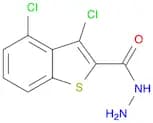
catalytic activity:Specificity close to that of papain. As compared to cathepsin B, cathepsin L exhibits higher activity toward protein substrates, but has little activity on Z-Arg-Arg-NHMec, and no peptidyl-dipeptidase activity.,function:Important for the overall degradation of proteins in lysosomes.,similarity:Belongs to the peptidase C1 family.,subunit:Dimer of a heavy and a light chain linked by disulfide bonds.,3,4-DICHLORO-1-BENZOTHIOPHENE-2-CARBOHYDRAZIDE
CAS:Formula:C9H6Cl2N2OSPurity:98%Color and Shape:SolidMolecular weight:261.1277MAST205 rabbit pAb
catalytic activity:ATP + a protein = ADP + a phosphoprotein.,cofactor:Magnesium.,function:Appears to link the dystrophin/utrophin network with microtubule filaments via the syntrophins. Phosphorylation of DMD or UTRN may modulate their affinities for associated proteins. Functions in a multi-protein complex in spermatid maturation. Regulates lipopolysaccharide-induced IL-12 synthesis in macrophages by forming a complex with TRAF6, resulting in the inhibition of TRAF6 NF-kappa-B activation.,PTM:Phosphorylated and ubiquitinated. N-terminal ubiquitination leads to degradation of MAST2 by proteasome-mediated proteolysis. N-terminal phosphorylation appears to be a prerequisite for ubiquitination.,similarity:Belongs to the protein kinase superfamily. AGC Ser/Thr protein kinase family.,similarity:Contains 1 AGC-kinase C-terminal domain.,similarity:Contains 1 PDZ (DHR) domain.,similarity:Contains 1 protein kinase domain.,subcellular location:Recruited to the sub-membranous area on interaction with PC-LKC.,tissue specificity:Abundant in the testis.,53BP1 rabbit pAb
function:May have a role in checkpoint signaling during mitosis (By similarity). Enhances TP53-mediated transcriptional activation. Plays a role in the response to DNA damage.,PTM:Asymmetrically dimethylated on Arg residues by PRMT1. Methylation is required for DNA binding.,PTM:Phosphorylated at basal level in the absence of DNA damage. Hyper-phosphorylated in an ATM-dependent manner in response to DNA damage induced by ionizing radiation. Hyper-phosphorylated in an ATR-dependent manner in response to DNA damage induced by UV irradiation.,similarity:Contains 2 BRCT domains.,subcellular location:Associated with kinetochores. Both nuclear and cytoplasmic in some cells. Recruited to sites of DNA damage, such as double stand breaks. Methylation of histone H4 at 'Lys-20' is required for efficient localization to double strand breaks.,subunit:Interacts with IFI202A (By similarity). Binds to the central domain of TP53/p53. May form homo-oligomers. Interacts with DCLRE1C. Interacts with histone H2AFX and this requires phosphorylation of H2AFX on 'Ser-139'. Interacts with histone H4 that has been dimethylated at 'Lys-20'. Has low affinity for histone H4 containing monomethylated 'Lys-20'. Does not bind histone H4 containing unmethylated or trimethylated 'Lys-20'. Has low affinity for histone H3 that has been dimethylated on 'Lys-79'. Has very low affinity for histone H3 that has been monomethylated on 'Lys-79' (in vitro). Does not bind unmethylated histone H3.,CDRT1 rabbit pAb
Members of the F-box protein family, such as FBXW10, are characterized by an approximately 40-amino acid F-box motif. SCF complexes, formed by SKP1 (MIM 601434), cullin (see CUL1; MIM 603034), and F-box proteins, act as protein-ubiquitin ligases. F-box proteins interact with SKP1 through the F box, and they interact with ubiquitination targets through other protein interaction domains (Jin et al., 2004 [PubMed 15520277]).[supplied by OMIM, Mar 2008],ACHA2 rabbit pAb
Nicotinic acetylcholine receptors (nAChRs) are ligand-gated ion channels formed by a pentameric arrangement of alpha and beta subunits to create distinct muscle and neuronal receptors. Neuronal receptors are found throughout the peripheral and central nervous system where they are involved in fast synaptic transmission. This gene encodes an alpha subunit that is widely expressed in the brain. The proposed structure for nAChR subunits is a conserved N-terminal extracellular domain followed by three conserved transmembrane domains, a variable cytoplasmic loop, a fourth conserved transmembrane domain, and a short C-terminal extracellular region. Mutations in this gene cause autosomal dominant nocturnal frontal lobe epilepsy type 4. Single nucleotide polymorphisms (SNPs) in this gene have been associated with nicotine dependence. [provided by RefSeq, Nov 2009],RIN1 rabbit pAb
function:Ras effector protein, which may serve as an inhibitory modulator of neuronal plasticity in aversive memory formation. Can affect Ras signaling at different levels. First, by competing with RAF1 protein for binding to activated Ras. Second, by enhancing signaling from ABL1 and ABL2, which regulate cytoskeletal remodeling. Third, by activating RAB5A, possibly by functioning as a guanine nucleotide exchange factor (GEF) for RAB5A, by exchanging bound GDP for free GTP, and facilitating Ras-activated receptor endocytosis.,PTM:Phosphorylated on tyrosine residues by ABL1 and ABL2. Phosphorylated on Ser-351 by PKD.,similarity:Belongs to the RIN (Ras interaction/interference) family.,similarity:Contains 1 Ras-associating domain.,similarity:Contains 1 SH2 domain.,similarity:Contains 1 VPS9 domain.,subcellular location:Some amount is membrane-associated.,subunit:Interacts with the GTP-bound form of Ras proteins (NRAS, HRAS and KRAS). This interaction prevents the association between RAF1 and Ras. Interacts with 14-3-3 proteins YWHAB, YWHAE and YWHAZ when phosphorylated on Ser-351. Interacts with the SH3 domain of ABL1 and ABL2. Interacts with RAB5A. The interaction with Ras is probably regulated and antagonized by the interaction with 14-3-3 proteins. The interaction with 14-3-3 proteins is regulated by phosphorylation on Ser-351.,tissue specificity:Expressed in all tissues examined with high levels in brain, placenta and pancreas.,Mos rabbit pAb
MOS is a serine/threonine kinase that activates the MAP kinase cascade through direct phosphorylation of the MAP kinase activator MEK (MAP2K1; MIM 176872) (Prasad et al., 2008 [PubMed 18246541]).[supplied by OMIM, Jul 2009],ApoC-III rabbit pAb
Apolipoprotein C-III is a very low density lipoprotein (VLDL) protein. APOC3 inhibits lipoprotein lipase and hepatic lipase; it is thought to delay catabolism of triglyceride-rich particles. The APOA1, APOC3 and APOA4 genes are closely linked in both rat and human genomes. The A-I and A-IV genes are transcribed from the same strand, while the A-1 and C-III genes are convergently transcribed. An increase in apoC-III levels induces the development of hypertriglyceridemia. [provided by RefSeq, Jul 2008],KLK10 rabbit pAb
Kallikreins are a subgroup of serine proteases having diverse physiological functions. Growing evidence suggests that many kallikreins are implicated in carcinogenesis and some have potential as novel cancer and other disease biomarkers. This gene is one of the fifteen kallikrein subfamily members located in a cluster on chromosome 19. Its encoded protein is secreted and may play a role in suppression of tumorigenesis in breast and prostate cancers. Alternate splicing of this gene results in multiple transcript variants encoding the same protein. [provided by RefSeq, Jul 2008],TS1R2 rabbit pAb
function:Putative taste receptor. TAS1R2/TAS1R3 recognizes diverse natural and synthetic sweeteners.,online information:The taste experience -Issue 55 of February 2005,similarity:Belongs to the G-protein coupled receptor 3 family. TAS1R subfamily.,subunit:Forms heterodimers with TAS1R3.,APOBEC4 rabbit pAb
This gene encodes a member of the AID/APOBEC family of polynucleotide (deoxy)cytidine deaminases, which convert cytidine to uridine. Other AID/APOBEC family members are involved in mRNA editing, somatic hypermutation and recombination of immunoglobulin genes, and innate immunity to retroviral infection. [provided by RefSeq, Jul 2008],GGH rabbit pAb
This gene catalyzes the hydrolysis of folylpoly-gamma-glutamates and antifolylpoly-gamma-glutamates by the removal of gamma-linked polyglutamates and glutamate. [provided by RefSeq, Jul 2008],LKB1 rabbit pAb
This gene, which encodes a member of the serine/threonine kinase family, regulates cell polarity and functions as a tumor suppressor. Mutations in this gene have been associated with Peutz-Jeghers syndrome, an autosomal dominant disorder characterized by the growth of polyps in the gastrointestinal tract, pigmented macules on the skin and mouth, and other neoplasms. Alternate transcriptional splice variants of this gene have been observed but have not been thoroughly characterized. [provided by RefSeq, Jul 2008],DAPK2 rabbit pAb
This gene encodes a protein that belongs to the serine/threonine protein kinase family. This protein contains a N-terminal protein kinase domain followed by a conserved calmodulin-binding domain with significant similarity to that of death-associated protein kinase 1 (DAPK1), a positive regulator of programmed cell death. Overexpression of this gene was shown to induce cell apoptosis. It uses multiple polyadenylation sites. [provided by RefSeq, Jul 2008],β Tubulin rabbit pAb
tubulin beta 3 class III(TUBB3) Homo sapiens This gene encodes a class III member of the beta tubulin protein family. Beta tubulins are one of two core protein families (alpha and beta tubulins) that heterodimerize and assemble to form microtubules. This protein is primarily expressed in neurons and may be involved in neurogenesis and axon guidance and maintenance. Mutations in this gene are the cause of congenital fibrosis of the extraocular muscles type 3. Alternate splicing results in multiple transcript variants. A pseudogene of this gene is found on chromosome 6. [provided by RefSeq, Oct 2010],Pmp24 rabbit pAb
similarity:Belongs to the peroxisomal membrane protein PXMP2/4 family.,subunit:Interacts with PEX19.,RPAP3 rabbit pAb
This gene encodes an RNA polymerase II-associated protein. The encoded protein may function in transcriptional regulation and may also regulate apoptosis. Alternatively spliced transcript variants have been described. [provided by RefSeq, Mar 2009],BCoR rabbit pAb
The protein encoded by this gene was identified as an interacting corepressor of BCL6, a POZ/zinc finger transcription repressor that is required for germinal center formation and may influence apoptosis. This protein selectively interacts with the POZ domain of BCL6, but not with eight other POZ proteins. Specific class I and II histone deacetylases (HDACs) have been shown to interact with this protein, which suggests a possible link between the two classes of HDACs. Several transcript variants encoding different isoforms have been found for this gene. A pseudogene of this gene is found on chromosome Y.[provided by RefSeq, Jun 2010],Arnt 2 rabbit pAb
aryl hydrocarbon receptor nuclear translocator 2(ARNT2) Homo sapiens This gene encodes a member of the basic-helix-loop-helix-Per-Arnt-Sim (bHLH-PAS) superfamily of transcription factors. The encoded protein acts as a partner for several sensor proteins of the bHLH-PAS family, forming heterodimers with the sensor proteins that bind regulatory DNA sequences in genes responsive to developmental and environmental stimuli. Under hypoxic conditions, the encoded protein complexes with hypoxia-inducible factor 1alpha in the nucleus and this complex binds to hypoxia-responsive elements in enhancers and promoters of oxygen-responsive genes. A highly similar protein in mouse forms functional complexes with both aryl hydrocarbon receptors and Single-minded proteins, suggesting additional roles for the encoded protein in the metabolism of xenobiotic compounds and the regulation of neurogenesis, respectively. [provided by RefSeq, Dec 2013],Atg16L2 rabbit pAb
function:May play a role in autophagy.,similarity:Belongs to the WD repeat ATG16 family.,similarity:Contains 7 WD repeats.,Claudin-6 (phospho Tyr219) rabbit pAb
Tight junctions represent one mode of cell-to-cell adhesion in epithelial or endothelial cell sheets, forming continuous seals around cells and serving as a physical barrier to prevent solutes and water from passing freely through the paracellular space. These junctions are comprised of sets of continuous networking strands in the outwardly facing cytoplasmic leaflet, with complementary grooves in the inwardly facing extracytoplasmic leaflet. This gene encodes a component of tight junction strands, which is a member of the claudin family. The protein is an integral membrane protein and is one of the entry cofactors for hepatitis C virus. The gene methylation may be involved in esophageal tumorigenesis. This gene is adjacent to another family member CLDN9 on chromosome 16.[provided by RefSeq, Aug 2010],p70 S6 Kinase (phospho-Thr389) rabbit pAb
ribosomal protein S6 kinase B1(RPS6KB1) Homo sapiens This gene encodes a member of the ribosomal S6 kinase family of serine/threonine kinases. The encoded protein responds to mTOR (mammalian target of rapamycin) signaling to promote protein synthesis, cell growth, and cell proliferation. Activity of this gene has been associated with human cancer. Alternatively spliced transcript variants have been observed. The use of alternative translation start sites results in isoforms with longer or shorter N-termini which may differ in their subcellular localizations. There are two pseudogenes for this gene on chromosome 17. [provided by RefSeq, Jan 2013],SMC1B rabbit pAb
structural maintenance of chromosomes 1B(SMC1B) Homo sapiens SMC1L2 belongs to a family of proteins required for chromatid cohesion and DNA recombination during meiosis and mitosis (3:Revenkova et al., 2001 [PubMed 11564881]).[supplied by OMIM, Mar 2008],FLRT1 rabbit pAb
fibronectin leucine rich transmembrane protein 1(FLRT1) Homo sapiens This gene encodes a member of the fibronectin leucine rich transmembrane protein (FLRT) family. The family members may function in cell adhesion and/or receptor signalling. Their protein structures resemble small leucine-rich proteoglycans found in the extracellular matrix. The encoded protein shares sequence similarity with two other family members, FLRT2 and FLRT3. This gene is expressed in kidney and brain. [provided by RefSeq, Jul 2008],