


Primary Antibodies
Primary antibodies are immunoglobulins that bind specifically to an antigen of interest, allowing for the detection and quantification of proteins, peptides, or other biomolecules. These antibodies are critical tools in a wide range of applications, including Western blotting, immunohistochemistry, and ELISA. At CymitQuimica, we offer an extensive selection of high-quality primary antibodies that provide specificity and sensitivity for various research needs, including cancer, immunology, and cell biology studies.
Subcategories of "Primary Antibodies"
- Cancer Research Antibodies(3,620 products)
- Cardiovascular Antibodies(2 products)
- Developmental Biology(751 products)
- Epigenetics Antibodies(162 products)
- Immunology Antibodies(2,551 products)
- Metabolism Antibodies(279 products)
- Microbiology Antibodies(739 products)
- Signal Transduction(2,717 products)
- Tags & Cellular Markers(33 products)
Show 1 more subcategories
Found 75447 products of "Primary Antibodies"
Sort by
Purity (%)
0
100
|
0
|
50
|
90
|
95
|
100
REV1 rabbit pAb
This gene encodes a protein with similarity to the S. cerevisiae mutagenesis protein Rev1. The Rev1 proteins contain a BRCT domain, which is important in protein-protein interactions. A suggested role for the human Rev1-like protein is as a scaffold that recruits DNA polymerases involved in translesion synthesis (TLS) of damaged DNA. [provided by RefSeq, Mar 2016],NF-YC rabbit pAb
This gene encodes one subunit of a trimeric complex forming a highly conserved transcription factor that binds with high specificity to CCAAT motifs in the promoters of a variety of genes. The encoded protein, subunit C, forms a tight dimer with the B subunit, a prerequisite for subunit A association. The resulting trimer binds to DNA with high specificity and affinity. Subunits B and C each contain a histone-like motif. Multiple transcript variants encoding different isoforms have been found for this gene. [provided by RefSeq, Dec 2008],BACD3 rabbit pAb
The protein encoded by this gene binds proliferating cell nuclear antigen (PCNA) and may be involved in DNA synthesis and cell proliferation. In addition, the encoded protein may be a tumor suppressor. Several protein-coding and non-protein coding transcript variants have been found for this gene. [provided by RefSeq, Dec 2015],CBPA6 rabbit pAb
The gene encodes a member of the peptidase M14 family of metallocarboxypeptidases. The encoded preproprotein is proteolytically processed to generate the mature enzyme, which catalyzes the release of large hydrophobic C-terminal amino acids. This enzyme has functions ranging from digestion of food to selective biosynthesis of neuroendocrine peptides. Mutations in this gene may be linked to epilepsy and febrile seizures, and a translocation t(6;8)(q26;q13) involving this gene has been associated with Duane retraction syndrome. [provided by RefSeq, May 2016],IF2B1 rabbit pAb
This gene encodes a member of the insulin-like growth factor 2 mRNA-binding protein family. The protein encoded by this gene contains four K homology domains and two RNA recognition motifs. It functions by binding to the mRNAs of certain genes, including insulin-like growth factor 2, beta-actin and beta-transducin repeat-containing protein, and regulating their translation. Two transcript variants encoding different isoforms have been found for this gene. [provided by RefSeq, May 2009],ARL2 rabbit pAb
This gene encodes a small GTP-binding protein of the RAS superfamily which functions as an ADP-ribosylation factor (ARF). The encoded protein is one of a functionally distinct group of ARF-like genes. [provided by RefSeq, Jul 2008],CARP rabbit pAb
ankyrin repeat domain 1(ANKRD1) Homo sapiens The protein encoded by this gene is localized to the nucleus of endothelial cells and is induced by IL-1 and TNF-alpha stimulation. Studies in rat cardiomyocytes suggest that this gene functions as a transcription factor. Interactions between this protein and the sarcomeric proteins myopalladin and titin suggest that it may also be involved in the myofibrillar stretch-sensor system. [provided by RefSeq, Jul 2008],RMI2 rabbit pAb
RMI2 is a component of the BLM (RECQL3; MIM 604610) complex, which plays a role in homologous recombination-dependent DNA repair and is essential for genome stability (Xu et al., 2008 [PubMed 18923082]).[supplied by OMIM, Nov 2008],TrxR2 rabbit pAb
thioredoxin reductase 2(TXNRD2) Homo sapiens This gene encodes a member of the class I pyridine nucleotide-disulfide oxidoreductase family. The encoded protein is a selenocysteine-containing flavoenzyme that maintains thioredoxins in a reduced state, thereby playing a key role in regulating the cellular redox environment. Mammals have three related thioredoxin reductases. This gene encodes a mitochondrial form important for scavenging of reactive oxygen species in mitochondria. Alternatively spliced transcript variants encoding different isoforms have been described. [provided by RefSeq, Sep 2013],MPP6 rabbit pAb
Members of the peripheral membrane-associated guanylate kinase (MAGUK) family function in tumor suppression and receptor clustering by forming multiprotein complexes containing distinct sets of transmembrane, cytoskeletal, and cytoplasmic signaling proteins. All MAGUKs contain a PDZ-SH3-GUK core and are divided into 4 subfamilies, DLG-like (see DLG1; MIM 601014), ZO1-like (see TJP1; MIM 601009), p55-like (see MPP1; MIM 305360), and LIN2-like (see CASK; MIM 300172), based on their size and the presence of additional domains. MPP6 is a member of the p55-like MAGUK subfamily (Tseng et al., 2001 [PubMed 11311936]).[supplied by OMIM, Mar 2008],β-defensin 1 Polyclona Antibody
Defensins form a family of microbicidal and cytotoxic peptides made by neutrophils. Members of the defensin family are highly similar in protein sequence. This gene encodes defensin, beta 1, an antimicrobial peptide implicated in the resistance of epithelial surfaces to microbial colonization. This gene maps in close proximity to defensin family member, defensin, alpha 1 and has been implicated in the pathogenesis of cystic fibrosis. [provided by RefSeq, Jul 2008],Vinculin (phospho Tyr821) rabbit pAb
Vinculin is a cytoskeletal protein associated with cell-cell and cell-matrix junctions, where it is thought to function as one of several interacting proteins involved in anchoring F-actin to the membrane. Defects in VCL are the cause of cardiomyopathy dilated type 1W. Dilated cardiomyopathy is a disorder characterized by ventricular dilation and impaired systolic function, resulting in congestive heart failure and arrhythmia. Multiple alternatively spliced transcript variants have been found for this gene, but the biological validity of some variants has not been determined. [provided by RefSeq, Jul 2008],CLN8 rabbit pAb
ceroid-lipofuscinosis, neuronal 8(CLN8) Homo sapiens This gene encodes a transmembrane protein belonging to a family of proteins containing TLC domains, which are postulated to function in lipid synthesis, transport, or sensing. The protein localizes to the endoplasmic reticulum (ER), and may recycle between the ER and ER-Golgi intermediate compartment. Mutations in this gene are associated with progressive epilepsy with mental retardation (EMPR), which is a subtype of neuronal ceroid lipofuscinoses (NCL). Patients with mutations in this gene have altered levels of sphingolipid and phospholipids in the brain. [provided by RefSeq, Jul 2008],FBW1B rabbit pAb
This gene encodes a member of the F-box protein family which is characterized by an approximately 40 amino acid motif, the F-box. The F-box proteins constitute one of the four subunits of ubiquitin protein ligase complex called SCFs (SKP1-cullin-F-box), which function in phosphorylation-dependent ubiquitination. The F-box proteins are divided into 3 classes: Fbws containing WD-40 domains, Fbls containing leucine-rich repeats, and Fbxs containing either different protein-protein interaction modules or no recognizable motifs. The protein encoded by this gene belongs to the Fbws class and, in addition to an F-box, contains multiple WD40 repeats. This gene contains at least 14 exons, and its alternative splicing generates 3 transcript variants diverging at the presence/absence of two alternate exons. [provided by RefSeq, Jul 2008],HYOU1 rabbit pAb
The protein encoded by this gene belongs to the heat shock protein 70 family. This gene uses alternative transcription start sites. A cis-acting segment found in the 5' UTR is involved in stress-dependent induction, resulting in the accumulation of this protein in the endoplasmic reticulum (ER) under hypoxic conditions. The protein encoded by this gene is thought to play an important role in protein folding and secretion in the ER. Since suppression of the protein is associated with accelerated apoptosis, it is also suggested to have an important cytoprotective role in hypoxia-induced cellular perturbation. This protein has been shown to be up-regulated in tumors, especially in breast tumors, and thus it is associated with tumor invasiveness. This gene also has an alternative translation initiation site, resulting in a protein that lacks the N-terminal signal peptide. This signal peptide-lacking protein, which is only 3 amino acids shorter than the mature protein in the ER, is thought to have a housekeeping function in the cytosol. In rat, this protein localizes to both the ER by a carboxy-terminal peptide sequence and to mitochondria by an amino-terminal targeting signal. Alternative splicing results in multiple transcript variants. [provided by RefSeq, Mar 2014],CGR19 rabbit pAb
function:Able to inhibit growth in several cell lines.,similarity:Contains 1 RING-type zinc finger.,NDUV1 rabbit pAb
The mitochondrial respiratory chain provides energy to cells via oxidative phosphorylation and consists of four membrane-bound electron-transporting protein complexes (I-IV) and an ATP synthase (complex V). This gene encodes a 51 kDa subunit of the NADH:ubiquinone oxidoreductase complex I; a large complex with at least 45 nuclear and mitochondrial encoded subunits that liberates electrons from NADH and channels them to ubiquinone. This subunit carries the NADH-binding site as well as flavin mononucleotide (FMN)- and Fe-S-biding sites. Defects in complex I are a common cause of mitochondrial dysfunction; a syndrome that occurs in approximately 1 in 10,000 live births. Mitochondrial complex I deficiency is linked to myopathies, encephalomyopathies, and neurodegenerative disorders such as Parkinson's disease and Leigh syndrome. Alternative splicing results in multiple transGAL4 Activation Domain Rabbit pAb
GAL4 is a transcriptional activator which controls the expression of genes involved in the catabolism of galactose.CRP rabbit pAb
C-reactive protein(CRP) Homo sapiens The protein encoded by this gene belongs to the pentaxin family. It is involved in several host defense related functions based on its ability to recognize foreign pathogens and damaged cells of the host and to initiate their elimination by interacting with humoral and cellular effector systems in the blood. Consequently, the level of this protein in plasma increases greatly during acute phase response to tissue injury, infection, or other inflammatory stimuli. [provided by RefSeq, Sep 2009],FAIM3 rabbit pAb
Fc receptors specifically bind to the Fc region of immunoglobulins (Igs) to mediate the unique functions of each Ig class. FAIM3 encodes an Fc receptor for IgM (see MIM 147020) (Kubagawa et al., 2009 [PubMed 19858324]; Shima et al., 2010 [PubMed 20042454]).[supplied by OMIM, Jul 2010],INT3 rabbit pAb
The protein encoded by this gene can form a complex with human single-strand DNA binding proteins 1 or 2 (hSSB1 and hSSB2) and other proteins to mediate genome stability and the DNA damage response. The encoded protein is also part of a multiprotein complex that interacts with the C-terminal domain of RNA polymerase II large subunit to help regulate processing of U1 and U2 small nuclear RNAs. [provided by RefSeq, May 2016],O52H1 rabbit pAb
Olfactory receptors interact with odorant molecules in the nose, to initiate a neuronal response that triggers the perception of a smell. The olfactory receptor proteins are members of a large family of G-protein-coupled receptors (GPCR) arising from single coding-exon genes. Olfactory receptors share a 7-transmembrane domain structure with many neurotransmitter and hormone receptors and are responsible for the recognition and G protein-mediated transduction of odorant signals. The olfactory receptor gene family is the largest in the genome. The nomenclature assigned to the olfactory receptor genes and proteins for this organism is independent of other organisms. [provided by RefSeq, Jul 2008],ZN165 rabbit pAb
This gene encodes a member of the Kruppel family of zinc finger proteins. Members of this DNA-binding protein family act as transcriptional regulators. This gene is located within a cluster of zinc finger family members. The encoded protein may play a role in spermatogenesis. [provided by RefSeq, Jul 2008],TBX1 rabbit pAb
This gene is a member of a phylogenetically conserved family of genes that share a common DNA-binding domain, the T-box. T-box genes encode transcription factors involved in the regulation of developmental processes. This gene product shares 98% amino acid sequence identity with the mouse ortholog. DiGeorge syndrome (DGS)/velocardiofacial syndrome (VCFS), a common congenital disorder characterized by neural-crest-related developmental defects, has been associated with deletions of chromosome 22q11.2, where this gene has been mapped. Studies using mouse models of DiGeorge syndrome suggest a major role for this gene in the molecular etiology of DGS/VCFS. Several alternatively spliced transcript variants encoding different isoforms have been described for this gene. [provided by RefSeq, Jul 2008],CROT rabbit pAb
This gene encodes a member of the carnitine/choline acetyltransferase family. The encoded protein converts 4,8-dimethylnonanoyl-CoA to its corresponding carnitine ester. This transesterification occurs in the peroxisome and is necessary for transport of medium- and long- chain acyl-CoA molecules out of the peroxisome to the cytosol and mitochondria. The protein thus plays a role in lipid metabolism and fatty acid beta-oxidation. Alternatively spliced transcript variants have been described.[provided by RefSeq, Jan 2009],TNNC2 rabbit pAb
Troponin (Tn), a key protein complex in the regulation of striated muscle contraction, is composed of 3 subunits. The Tn-I subunit inhibits actomyosin ATPase, the Tn-T subunit binds tropomyosin and Tn-C, while the Tn-C subunit binds calcium and overcomes the inhibitory action of the troponin complex on actin filaments. The protein encoded by this gene is the Tn-C subunit. [provided by RefSeq, Jul 2008],Smad1/5/9 rabbit pAb
The protein encoded by this gene belongs to the SMAD, a family of proteins similar to the gene products of the Drosophila gene 'mothers against decapentaplegic' (Mad) and the C. elegans gene Sma. SMAD proteins are signal transducers and transcriptional modulators that mediate multiple signaling pathways. This protein mediates the signals of the bone morphogenetic proteins (BMPs), which are involved in a range of biological activities including cell growth, apoptosis, morphogenesis, development and immune responses. In response to BMP ligands, this protein can be phosphorylated and activated by the BMP receptor kinase. The phosphorylated form of this protein forms a complex with SMAD4, which is important for its function in the transcription regulation. This protein is a target for SMAD-specific E3 ubiquitin ligases, such as SMURF1 and SMURF2, and undergoes ubiquitination and proteasome-medDDX50 rabbit pAb
DEAD box proteins, characterized by the conserved motif Asp-Glu-Ala-Asp (DEAD), are putative RNA helicases. They are implicated in a number of cellular processes involving alteration of RNA secondary structure such as translation initiation, nuclear and mitochondrial splicing, and ribosome and spliceosome assembly. Based on their distribution patterns, some members of this DEAD box protein family are believed to be involved in embryogenesis, spermatogenesis, and cellular growth and division. This gene encodes a DEAD box enzyme that may be involved in ribosomal RNA synthesis or processing. This gene and DDX21, also called RH-II/GuA, have similar genomic structures and are in tandem orientation on chromosome 10, suggesting that the two genes arose by gene duplication in evolution. This gene has pseudogenes on chromosomes 2, 3 and 4. Alternative splicing of this gene generates multiple transcript variaAKT (1H2) Mouse mAb
Akt, is a serine/threonine-specific protein kinase that plays a key role in multiple cellular processes such as glucose metabolism, apoptosis, cell proliferation, transcription and cell migration. Akt1 is involved in cellular survival pathways, by inhibiting apoptotic processes. Akt1 is also able to induce protein synthesis pathways, and is therefore a key signaling protein in the cellular pathways that lead to skeletal muscle hypertrophy, and general tissue growth.PAK4 (phospho Ser474) rabbit pAb
PAK proteins, a family of serine/threonine p21-activating kinases, include PAK1, PAK2, PAK3 and PAK4. PAK proteins are critical effectors that link Rho GTPases to cytoskeleton reorganization and nuclear signaling. They serve as targets for the small GTP binding proteins Cdc42 and Rac and have been implicated in a wide range of biological activities. PAK4 interacts specifically with the GTP-bound form of Cdc42Hs and weakly activates the JNK family of MAP kinases. PAK4 is a mediator of filopodia formation and may play a role in the reorganization of the actin cytoskeleton. Multiple alternatively spliced transcript variants encoding distinct isoforms have been found for this gene. [provided by RefSeq, Jul 2008],EGFR (phospho Tyr1110) rabbit pAb
The protein encoded by this gene is a transmembrane glycoprotein that is a member of the protein kinase superfamily. This protein is a receptor for members of the epidermal growth factor family. EGFR is a cell surface protein that binds to epidermal growth factor. Binding of the protein to a ligand induces receptor dimerization and tyrosine autophosphorylation and leads to cell proliferation. Mutations in this gene are associated with lung cancer. [provided by RefSeq, Jun 2016],Hepassocin rabbit pAb
fibrinogen like 1(FGL1) Homo sapiens Fibrinogen-like 1 is a member of the fibrinogen family. This protein is homologous to the carboxy terminus of the fibrinogen beta- and gamma- subunits which contains the four conserved cysteines of fibrinogens and fibrinogen related proteins. However, this protein lacks the platelet-binding site, cross-linking region and a thrombin-sensitive site which are necessary for fibrin clot formation. This protein may play a role in the development of hepatocellular carcinomas. Four alternatively spliced transcript variants encoding the same protein exist for this gene. [provided by RefSeq, Jul 2008],NKp46 rabbit pAb
function:Cytotoxicity-activating receptor that may contribute to the increased efficiency of activated natural killer (NK) cells to mediate tumor cell lysis.,PTM:N-glycosylated.,PTM:O-glycosylated.,similarity:Belongs to the natural cytotoxicity receptor (NCR) family.,similarity:Contains 2 Ig-like (immunoglobulin-like) domains.,subunit:Interacts with CD3Z and FCER1G.,tissue specificity:Selectively expressed by both resting and activated NK cells.,HECAM rabbit pAb
The protein encoded by this gene is a single-pass type I membrane protein that localizes to the cytoplasmic side of the cell membrane. The encoded protein acts as a homodimer and is involved in cell motility and cell-matrix interactions. The expression of this gene is downregulated or undetectable in many cancer cell lines, so this may be a tumor suppressor gene. [provided by RefSeq, Jul 2011],B3A3 rabbit pAb
The protein encoded by this gene is a plasma membrane anion exchange protein. The encoded protein has been found in brain, heart, kidney, small intestine, and lung. [provided by RefSeq, May 2016],FXYD5 rabbit pAb
FXYD domain containing ion transport regulator 5(FXYD5) Homo sapiens This gene encodes a member of a family of small membrane proteins that share a 35-amino acid signature sequence domain, beginning with the sequence PFXYD and containing 7 invariant and 6 highly conserved amino acids. The approved human gene nomenclature for the family is FXYD-domain containing ion transport regulator. Mouse FXYD5 has been termed RIC (Related to Ion Channel). FXYD2, also known as the gamma subunit of the Na,K-ATPase, regulates the properties of that enzyme. FXYD1 (phospholemman), FXYD2 (gamma), FXYD3 (MAT-8), FXYD4 (CHIF), and FXYD5 (RIC) have been shown to induce channel activity in experimental expression systems. Transmembrane topology has been established for two family members (FXYD1 and FXYD2), with the N-terminus extracellular and the C-terminus on the cytoplasmic side of the membrane. This gene product, FXYD5, is a glycoprotein that functions in the upOct-1 (phospho Ser385) rabbit pAb
The OCT1 transcription factor was among the first identified members of the POU transcription factor family (summarized by Sturm et al., 1993 [PubMed 8314572]). Members of this family contain the POU domain, a 160-amino acid region necessary for DNA binding to the octameric sequence ATGCAAAT.[supplied by OMIM, Jul 2010],ICT1 rabbit pAb
The protein encoded by this gene is a peptidyl-tRNA hydrolase and a vital component of the large mitochondrial ribosome. The encoded protein serves as a ribosome release factor for this ribosome, which translates mitochondrial genes. This protein may be responsible for degrading prematurely-terminated polypeptides and for reusing stalled ribosomes. Two transcript variants encoding different isoforms have been found for this gene. [provided by RefSeq, Dec 2014],Dynein IC2 rabbit pAb
The protein encoded by this gene belongs to the dynein intermediate chain family, and is part of the dynein complex of respiratory cilia and sperm flagella. Mutations in this gene are associated with primary ciliary dyskinesia type 9. Alternatively spliced transcript variants encoding different isoforms have been noted for this gene. [provided by RefSeq, Mar 2010],ABHD6 rabbit pAb
catalytic activity:Hydrolyzes glycerol monoesters of long-chain fatty acids.,function:Has 2-arachidonoylglycerol hydrolase activity (By similarity). May be a regulator of endocannabinoid signaling pathways.,similarity:Belongs to the AB hydrolase superfamily.,LRRN1 rabbit pAb
similarity:Contains 1 fibronectin type-III domain.,similarity:Contains 1 Ig-like C2-type (immunoglobulin-like) domain.,similarity:Contains 11 LRR (leucine-rich) repeats.,Ferritin heavy chain rabbit pAb
This gene encodes the heavy subunit of ferritin, the major intracellular iron storage protein in prokaryotes and eukaryotes. It is composed of 24 subunits of the heavy and light ferritin chains. Variation in ferritin subunit composition may affect the rates of iron uptake and release in different tissues. A major function of ferritin is the storage of iron in a soluble and nontoxic state. Defects in ferritin proteins are associated with several neurodegenerative diseases. This gene has multiple pseudogenes. Several alternatively spliced transcript variants have been observed, but their biological validity has not been determined. [provided by RefSeq, Jul 2008],SIK2 rabbit pAb
catalytic activity:ATP + a protein = ADP + a phosphoprotein.,cofactor:Magnesium.,enzyme regulation:Activated by phosphorylation on Thr-175 by STK11 in complex with STE20-related adapter-alpha (STRAD alpha) pseudo kinase and CAB39.,function:Phosphorylates 'Ser-794' of IRS1 in insulin-stimulated adipocytes, potentially modulating the efficiency of insulin signal transduction. Inhibits CREB activity by phosphorylating and repressing TORCs, the CREB-specific coactivators.,similarity:Belongs to the protein kinase superfamily. CAMK Ser/Thr protein kinase family. AMPK subfamily.,similarity:Contains 1 protein kinase domain.,similarity:Contains 1 UBA domain.,subunit:Interacts with and phosphorylates TORC2/CRTC2.,CDC45 rabbit pAb
The protein encoded by this gene was identified by its strong similarity with Saccharomyces cerevisiae Cdc45, an essential protein required to the initiation of DNA replication. Cdc45 is a member of the highly conserved multiprotein complex including Cdc6/Cdc18, the minichromosome maintenance proteins (MCMs) and DNA polymerase, which is important for early steps of DNA replication in eukaryotes. This protein has been shown to interact with MCM7 and DNA polymerase alpha. Studies of the similar gene in Xenopus suggested that this protein play a pivotal role in the loading of DNA polymerase alpha onto chromatin. Alternate splicing results in multiple transcript variants. [provided by RefSeq, Jul 2013],TF (phospho Ser290) rabbit pAb
This gene encodes coagulation factor III which is a cell surface glycoprotein. This factor enables cells to initiate the blood coagulation cascades, and it functions as the high-affinity receptor for the coagulation factor VII. The resulting complex provides a catalytic event that is responsible for initiation of the coagulation protease cascades by specific limited proteolysis. Unlike the other cofactors of these protease cascades, which circulate as nonfunctional precursors, this factor is a potent initiator that is fully functional when expressed on cell surfaces. There are 3 distinct domains of this factor: extracellular, transmembrane, and cytoplasmic. This protein is the only one in the coagulation pathway for which a congenital deficiency has not been described. Alternate splicing results in multiple transcript variants.[provided by RefSeq, May 2010],RT28 rabbit pAb
Mammalian mitochondrial ribosomal proteins are encoded by nuclear genes and help in protein synthesis within the mitochondrion. Mitochondrial ribosomes (mitoribosomes) consist of a small 28S subunit and a large 39S subunit. They have an estimated 75% protein to rRNA composition compared to prokaryotic ribosomes, where this ratio is reversed. Another difference between mammalian mitoribosomes and prokaryotic ribosomes is that the latter contain a 5S rRNA. Among different species, the proteins comprising the mitoribosome differ greatly in sequence, and sometimes in biochemical properties, which prevents easy recognition by sequence homology. This gene encodes a 28S subunit protein that has been called mitochondrial ribosomal protein S35 in the literature. [provided by RefSeq, Jul 2008],AmCyan-Tag Mouse pAb
AmCyan has been adapted from the corresponding full length cDNA for higher solubility, brighter emission, and rapid chromophore maturation (8–12 hours). AmCyan1 has been human-codon optimized for enhanced translation in mammalian cells. AmCyan is a very good blue fluorescent reporter protein, and useful in two-color analyses with DsRed2, DsRed-Express, or AsRed2, and in three-color analyses with ZsYellow and HcRed.RSK3 (Phospho Thr353) rabbit pAb
catalytic activity:ATP + a protein = ADP + a phosphoprotein.,cofactor:Magnesium.,enzyme regulation:Activated by multiple phosphorylations on threonine and serine residues.,function:Serine/threonine kinase that may play a role in mediating the growth-factor and stress induced activation of the transcription factor CREB.,PTM:Autophosphorylated on Ser-377, as part of the activation process.,similarity:Belongs to the protein kinase superfamily.,similarity:Belongs to the protein kinase superfamily. AGC Ser/Thr protein kinase family. S6 kinase subfamily.,similarity:Contains 1 AGC-kinase C-terminal domain.,similarity:Contains 2 protein kinase domains.,subunit:Forms a complex with either ERK1 or ERK2 in quiescent cells. Transiently dissociates following mitogenic stimulation.,tissue specificity:Expressed in many tissues. Highest expression in lung and skeletal muscle.,Adrenocorticotropin(ACTH) rabbit pAb
This gene encodes a preproprotein that undergoes extensive, tissue-specific, post-translational processing via cleavage by subtilisin-like enzymes known as prohormone convertases. There are eight potential cleavage sites within the preproprotein and, depending on tissue type and the available convertases, processing may yield as many as ten biologically active peptides involved in diverse cellular functions. The encoded protein is synthesized mainly in corticotroph cells of the anterior pituitary where four cleavage sites are used; adrenocorticotrophin, essential for normal steroidogenesis and the maintenance of normal adrenal weight, and lipotropin beta are the major end products. In other tissues, including the hypothalamus, placenta, and epithelium, all cleavage sites may be used, giving rise to peptides with roles in pain and energy homeostasis, melanocyte stimulation, and immune modulation. Thep73 (Acetyl Lys321) rabbit pAb
tumor protein p73(TP73) Homo sapiens This gene encodes a member of the p53 family of transcription factors involved in cellular responses to stress and development. It maps to a region on chromosome 1p36 that is frequently deleted in neuroblastoma and other tumors, and thought to contain multiple tumor suppressor genes. The demonstration that this gene is monoallelically expressed (likely from the maternal allele), supports the notion that it is a candidate gene for neuroblastoma. Many transcript variants resulting from alternative splicing and/or use of alternate promoters have been found for this gene, but the biological validity and the full-length nature of some variants have not been determined. [provided by RefSeq, Feb 2011],SENP6 rabbit pAb
Ubiquitin-like molecules (UBLs), such as SUMO1 (UBL1; MIM 601912), are structurally related to ubiquitin (MIM 191339) and can be ligated to target proteins in a similar manner as ubiquitin. However, covalent attachment of UBLs does not result in degradation of the modified proteins. SUMO1 modification is implicated in the targeting of RANGAP1 (MIM 602362) to the nuclear pore complex, as well as in stabilization of I-kappa-B-alpha (NFKBIA; MIM 164008) from degradation by the 26S proteasome. Like ubiquitin, UBLs are synthesized as precursor proteins, with 1 or more amino acids following the C-terminal glycine-glycine residues of the mature UBL protein. Thus, the tail sequences of the UBL precursors need to be removed by UBL-specific proteases, such as SENP6, prior to their conjugation to target proteins (Kim et al., 2000 [PubMed 10799485]). SENPs also display isopeptidase activity forL-type Ca++ CP γ5 rabbit pAb
calcium voltage-gated channel auxiliary subunit gamma 5(CACNG5) Homo sapiens The protein encoded by this gene is a type II transmembrane AMPA receptor regulatory protein (TARP). TARPs regulate both trafficking and channel gating of the AMPA receptors. This gene is part of a functionally diverse eight-member protein subfamily of the PMP-22/EMP/MP20 family and is located in a cluster with two family members, a type I TARP and a calcium channel gamma subunit. This gene is a susceptibility locus for schizophrenia and bipolar disorder. [provided by RefSeq, Dec 2010],IRF-3 rabbit pAb
This gene encodes a member of the interferon regulatory transcription factor (IRF) family. The encoded protein is found in an inactive cytoplasmic form that upon serine/threonine phosphorylation forms a complex with CREBBP. This complex translocates to the nucleus and activates the transcription of interferons alpha and beta, as well as other interferon-induced genes. Alternatively spliced transcript variants encoding multiple isoforms have been observed for this gene. [provided by RefSeq, Nov 2011],CHD1 rabbit pAb
The CHD family of proteins is characterized by the presence of chromo (chromatin organization modifier) domains and SNF2-related helicase/ATPase domains. CHD genes alter gene expression possibly by modification of chromatin structure thus altering access of the transcriptional apparatus to its chromosomal DNA template. [provided by RefSeq, Jul 2008],NEK3 rabbit pAb
This gene encodes a member of the NimA (never in mitosis A) family of serine/threonine protein kinases. The encoded protein differs from other NimA family members in that it is not cell cycle regulated and is found primarily in the cytoplasm. The kinase is activated by prolactin stimulation, leading to phosphorylation of VAV2 guanine nucleotide exchange factor, paxillin, and activation of the RAC1 GTPase. Multiple transcript variants encoding different isoforms have been found for this gene.[provided by RefSeq, Mar 2009],COX2 rabbit pAb
cofactor:Copper A.,disease:Defects in MT-CO2 are a cause of cytochrome c oxidase deficiency (COX deficiency) [MIM:220110]; also called mitochondrial complex IV deficiency. COX deficiency is a clinically heterogeneous disorder. The clinical features are ranging from isolated myopathy to severe multisystem disease, with onset from infancy to adulthood.,disease:Defects in MT-CO2 are associated with tumor formation.,function:Cytochrome c oxidase is the component of the respiratory chain that catalyzes the reduction of oxygen to water. Subunits 1-3 form the functional core of the enzyme complex. Subunit 2 transfers the electrons from cytochrome c via its binuclear copper A center to the bimetallic center of the catalytic subunit 1.,similarity:Belongs to the cytochrome c oxidase subunit 2 family.,Olfactory receptor 4C16 rabbit pAb
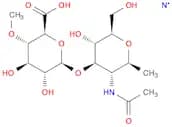
Olfactory receptors interact with odorant molecules in the nose, to initiate a neuronal response that triggers the perception of a smell. The olfactory receptor proteins are members of a large family of G-protein-coupled receptors (GPCR) arising from single coding-exon genes. Olfactory receptors share a 7-transmembrane domain structure with many neurotransmitter and hormone receptors and are responsible for the recognition and G protein-mediated transduction of odorant signals. The olfactory receptor gene family is the largest in the genome. The nomenclature assigned to the olfactory receptor genes and proteins for this organism is independent of other organisms. This olfactory receptor gene is a segregating pseudogene, where some individuals have an allele that encodes a functional olfactory receptor, while other individuals have an allele encoding a(2Z)-3-ethyl-2-{2-[(2Z)-3-ethyl-6-sulfo-1,3-benzothiazol-2-ylidene]hydrazin-1-ylidene}-1,3-benzothiazole-6-sulfonic acid diamine
CAS:Formula:C18H24N6O6S4Purity:98%Color and Shape:SolidMolecular weight:548.6798Ref: IN-DA0031P9
1g49.00€5g127.00€10g201.00€25g308.00€50g526.00€100gTo inquire250gTo inquire250mg30.00€CDCP1 (phospho-Tyr734) rabbit pAb
This gene encodes a transmembrane protein which contains three extracellular CUB domains and acts as a substrate for Src family kinases. The protein plays a role in the tyrosine phosphorylation-dependent regulation of cellular events that are involved in tumor invasion and metastasis. Alternative splicing results in multiple transcript variants of this gene. [provided by RefSeq, May 2013],NPHP1 rabbit pAb
This gene encodes a protein with src homology domain 3 (SH3) patterns. This protein interacts with Crk-associated substrate, and it appears to function in the control of cell division, as well as in cell-cell and cell-matrix adhesion signaling, likely as part of a multifunctional complex localized in actin- and microtubule-based structures. Mutations in this gene cause familial juvenile nephronophthisis type 1, a kidney disorder involving both tubules and glomeruli. Defects in this gene are also associated with Senior-Loken syndrome type 1, also referred to as juvenile nephronophthisis with Leber amaurosis, which is characterized by kidney and eye disease, and with Joubert syndrome type 4, which is characterized by cerebellar ataxia, oculomotor apraxia, psychomotor delay and neonatal breathing abnormalities, sometimes including retinal dystrophy and renal disease. Multiple transcript variants encoding diffeMYLK (phospho Tyr464) rabbit pAb
myosin light chain kinase(MYLK) Homo sapiens This gene, a muscle member of the immunoglobulin gene superfamily, encodes myosin light chain kinase which is a calcium/calmodulin dependent enzyme. This kinase phosphorylates myosin regulatory light chains to facilitate myosin interaction with actin filaments to produce contractile activity. This gene encodes both smooth muscle and nonmuscle isoforms. In addition, using a separate promoter in an intron in the 3' region, it encodes telokin, a small protein identical in sequence to the C-terminus of myosin light chain kinase, that is independently expressed in smooth muscle and functions to stabilize unphosphorylated myosin filaments. A pseudogene is located on the p arm of chromosome 3. Four transcript variants that produce four isoforms of the calcium/calmodulin dependent enzyme have been identified as well as two transcripts that produce two isoforms of telokin. Additional variants have beenTie-2 rabbit pAb
This gene encodes a receptor that belongs to the protein tyrosine kinase Tie2 family. The encoded protein possesses a unique extracellular region that contains two immunoglobulin-like domains, three epidermal growth factor (EGF)-like domains and three fibronectin type III repeats. The ligand angiopoietin-1 binds to this receptor and mediates a signaling pathway that functions in embryonic vascular development. Mutations in this gene are associated with inherited venous malformations of the skin and mucous membranes. Alternative splicing results in multiple transcript variants. Additional alternatively spliced transcript variants of this gene have been described, but their full-length nature is not known. [provided by RefSeq, Feb 2014],CD300b rabbit pAb
CD300LB is a nonclassical activating receptor of the immunoglobulin (Ig) superfamily expressed on myeloid cells (Martinez-Barriocanal and Sayos, 2006 [PubMed 16920917]).[supplied by OMIM, Mar 2008],Macroglobulin α-2 rabbit pAb
Alpha-2-macroglobulin is a protease inhibitor and cytokine transporter. It inhibits many proteases, including trypsin, thrombin and collagenase. A2M is implicated in Alzheimer disease (AD) due to its ability to mediate the clearance and degradation of A-beta, the major component of beta-amyloid deposits. [provided by RefSeq, Jul 2008],PKC ζ (phospho Thr560) rabbit pAb
Protein kinase C (PKC) zeta is a member of the PKC family of serine/threonine kinases which are involved in a variety of cellular processes such as proliferation, differentiation and secretion. Unlike the classical PKC isoenzymes which are calcium-dependent, PKC zeta exhibits a kinase activity which is independent of calcium and diacylglycerol but not of phosphatidylserine. Furthermore, it is insensitive to typical PKC inhibitors and cannot be activated by phorbol ester. Unlike the classical PKC isoenzymes, it has only a single zinc finger module. These structural and biochemical properties indicate that the zeta subspecies is related to, but distinct from other isoenzymes of PKC. Alternative splicing results in multiple transcript variants encoding different isoforms. [provided by RefSeq, Jul 2008],Cerebellin 4 rabbit pAb
This gene encodes a member of a family of small secreted proteins containing C1Q domains. Members of this family are involved in regulation of neurexin signalling during synapse development. The mouse homolog of the protein encoded by this gene competes with netrin to bind to the deleted in colorectal cancer receptor. [provided by RefSeq, Aug 2012],IRS-1 (phospho-Ser636/639) rabbit pAb
This gene encodes a protein which is phosphorylated by insulin receptor tyrosine kinase. Mutations in this gene are associated with type II diabetes and susceptibility to insulin resistance. [provided by RefSeq, Nov 2009],TFIIIA rabbit pAb
The product of this gene is a zinc finger protein with nine Cis[2]-His[2] zinc finger domains. It functions as an RNA polymerase III transcription factor to induce transcription of the 5S rRNA genes. The protein binds to a 50 bp internal promoter in the 5S genes called the internal control region (ICR), and nucleates formation of a stable preinitiation complex. This complex recruits the TFIIIC and TFIIIB transcription factors and RNA polymerase III to form the complete transcription complex. The protein is thought to be translated using a non-AUG translation initiation site in mammals based on sequence analysis, protein homology, and the size of the purified protein. [provided by RefSeq, Jul 2008],Cks2 rabbit pAb
CDC28 protein kinase regulatory subunit 2(CKS2) Homo sapiens CKS2 protein binds to the catalytic subunit of the cyclin dependent kinases and is essential for their biological function. The CKS2 mRNA is found to be expressed in different patterns through the cell cycle in HeLa cells, which reflects specialized role for the encoded protein. [provided by RefSeq, Jul 2008],Peroxin 5 rabbit pAb
The product of this gene binds to the C-terminal PTS1-type tripeptide peroxisomal targeting signal (SKL-type) and plays an essential role in peroxisomal protein import. Peroxins (PEXs) are proteins that are essential for the assembly of functional peroxisomes. The peroxisome biogenesis disorders (PBDs) are a group of genetically heterogeneous autosomal recessive, lethal diseases characterized by multiple defects in peroxisome function. The peroxisomal biogenesis disorders are a heterogeneous group with at least 14 complementation groups and with more than 1 phenotype being observed in cases falling into particular complementation groups. Although the clinical features of PBD patients vary, cells from all PBD patients exhibit a defect in the import of one or more classes of peroxisomal matrix proteins into the organelle. Defects in this gene are a cause of neonatal adrenoleukodystrophy (NALD)Vimentin (phospho Ser56) rabbit pAb
This gene encodes a member of the intermediate filament family. Intermediate filamentents, along with microtubules and actin microfilaments, make up the cytoskeleton. The protein encoded by this gene is responsible for maintaining cell shape, integrity of the cytoplasm, and stabilizing cytoskeletal interactions. It is also involved in the immune response, and controls the transport of low-density lipoprotein (LDL)-derived cholesterol from a lysosome to the site of esterification. It functions as an organizer of a number of critical proteins involved in attachment, migration, and cell signaling. Mutations in this gene causes a dominant, pulverulent cataract.[provided by RefSeq, Jun 2009],IRX3 rabbit pAb
IRX3 is a member of the Iroquois homeobox gene family (see IRX1; MIM 606197) and plays a role in an early step of neural development (Bellefroid et al., 1998 [PubMed 9427753]). Members of this family appear to play multiple roles during pattern formation of vertebrate embryos (Lewis et al., 1999 [PubMed 10370142]).[supplied by OMIM, Aug 2009],Raf-1 rabbit pAb
This gene is the cellular homolog of viral raf gene (v-raf). The encoded protein is a MAP kinase kinase kinase (MAP3K), which functions downstream of the Ras family of membrane associated GTPases to which it binds directly. Once activated, the cellular RAF1 protein can phosphorylate to activate the dual specificity protein kinases MEK1 and MEK2, which in turn phosphorylate to activate the serine/threonine specific protein kinases, ERK1 and ERK2. Activated ERKs are pleiotropic effectors of cell physiology and play an important role in the control of gene expression involved in the cell division cycle, apoptosis, cell differentiation and cell migration. Mutations in this gene are associated with Noonan syndrome 5 and LEOPARD syndrome 2. [provided by RefSeq, Jul 2008],Cortactin (phospho Tyr466) rabbit pAb
cortactin(CTTN) Homo sapiens This gene is overexpressed in breast cancer and squamous cell carcinomas of the head and neck. The encoded protein is localized in the cytoplasm and in areas of the cell-substratum contacts. This gene has two roles: (1) regulating the interactions between components of adherens-type junctions and (2) organizing the cytoskeleton and cell adhesion structures of epithelia and carcinoma cells. During apoptosis, the encoded protein is degraded in a caspase-dependent manner. The aberrant regulation of this gene contributes to tumor cell invasion and metastasis. Three splice variants that encode different isoforms have been identified for this gene. [provided by RefSeq, May 2010],EGFR (phospho Ser1026) rabbit pAb
The protein encoded by this gene is a transmembrane glycoprotein that is a member of the protein kinase superfamily. This protein is a receptor for members of the epidermal growth factor family. EGFR is a cell surface protein that binds to epidermal growth factor. Binding of the protein to a ligand induces receptor dimerization and tyrosine autophosphorylation and leads to cell proliferation. Mutations in this gene are associated with lung cancer. [provided by RefSeq, Jun 2016],TRI56 rabbit pAb
sequence caution:Translation N-terminally extended.,sequence caution:Translation N-terminally shortened.,similarity:Belongs to the TRIM/RBCC family.,similarity:Contains 1 RING-type zinc finger.,similarity:Contains 2 B box-type zinc fingers.,14-3-3 β/ζ rabbit pAb
This gene product belongs to the 14-3-3 family of proteins which mediate signal transduction by binding to phosphoserine-containing proteins. This highly conserved protein family is found in both plants and mammals, and this protein is 99% identical to the mouse, rat and sheep orthologs. The encoded protein interacts with IRS1 protein, suggesting a role in regulating insulin sensitivity. Several transcript variants that differ in the 5' UTR but that encode the same protein have been identified for this gene. [provided by RefSeq, Oct 2008],ALS rabbit pAb
The protein encoded by this gene is a serum protein that binds insulin-like growth factors, increasing their half-life and their vascular localization. Production of the encoded protein, which contains twenty leucine-rich repeats, is stimulated by growth hormone. Defects in this gene are a cause of acid-labile subunit deficiency, which maifests itself in a delayed and slow puberty. Three transcript variants encoding two different isoforms have been found for this gene. [provided by RefSeq, Mar 2009],SMRD1 rabbit pAb
The protein encoded by this gene is a member of the SWI/SNF family of proteins, whose members display helicase and ATPase activities and which are thought to regulate transcription of certain genes by altering the chromatin structure around those genes. The encoded protein is part of the large ATP-dependent chromatin remodeling complex SNF/SWI and has sequence similarity to the yeast Swp73 protein. Two transcript variants encoding different isoforms have been found for this gene. [provided by RefSeq, Jul 2008],Ox40L rabbit pAb
This gene encodes a cytokine of the tumor necrosis factor (TNF) ligand family. The encoded protein functions in T cell antigen-presenting cell (APC) interactions and mediates adhesion of activated T cells to endothelial cells. Polymorphisms in this gene have been associated with Sjogren's syndrome and systemic lupus erythematosus. Alternative splicing results in multiple transcript variants. [provided by RefSeq, Jul 2014],EGFR (phospho Tyr1172) rabbit pAb
The protein encoded by this gene is a transmembrane glycoprotein that is a member of the protein kinase superfamily. This protein is a receptor for members of the epidermal growth factor family. EGFR is a cell surface protein that binds to epidermal growth factor. Binding of the protein to a ligand induces receptor dimerization and tyrosine autophosphorylation and leads to cell proliferation. Mutations in this gene are associated with lung cancer. [provided by RefSeq, Jun 2016],USP11 rabbit pAb
Protein ubiquitination controls many intracellular processes, including cell cycle progression, transcriptional activation, and signal transduction. This dynamic process, involving ubiquitin conjugating enzymes and deubiquitinating enzymes, adds and removes ubiquitin. Deubiquitinating enzymes are cysteine proteases that specifically cleave ubiquitin from ubiquitin-conjugated protein substrates. This gene encodes a deubiquitinating enzyme which lies in a gene cluster on chromosome Xp11.23 [provided by RefSeq, Jul 2008],



![(2Z)-3-ethyl-2-{2-[(2Z)-3-ethyl-6-sulfo-1,3-benzothiazol-2-ylidene]hydrazin-1-ylidene}-1,3-benzoth…](/_next/image/?url=https%3A%2Fstatic.cymitquimica.com%2Fproducts%2FIN%2Fthumb-webp%2FDA0031P9.webp&w=3840&q=75)